6 Delicious Vegetables Texas Gardeners Can Grow In Water
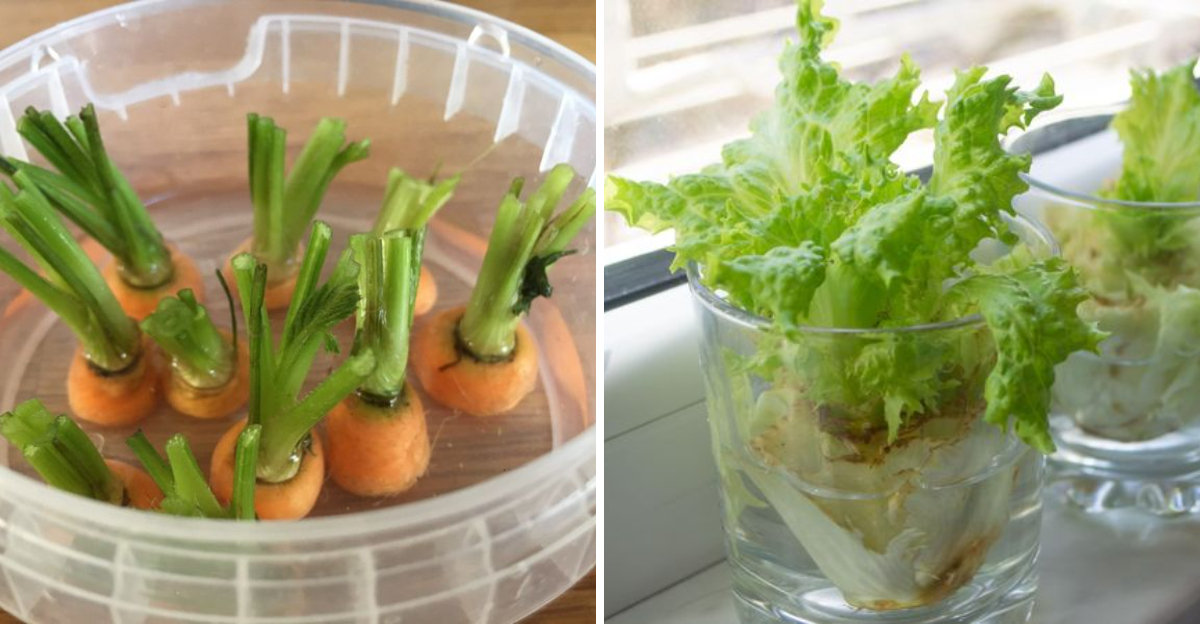
Have you ever thought about growing vegetables without soil at all? It might sound unusual at first, but many Texas gardeners are discovering how simple and rewarding it can be to grow certain crops in water.
With just a container, clean water, and a sunny spot, a surprising number of vegetables can sprout, regrow, and keep producing right inside your home.
This method works especially well for gardeners who want fresh ingredients without digging up garden beds or dealing with tough soil. It also fits perfectly in smaller spaces like kitchens, balconies, or windowsills.
Many vegetables can regrow from scraps you might normally throw away, turning everyday leftovers into a small indoor harvest.
For Texans dealing with scorching summers or limited outdoor space, water growing offers a refreshing alternative. It is simple, space saving, and fun to watch as roots develop and new greens appear right before your eyes.
1. Green Onions (Allium Fistulosum)
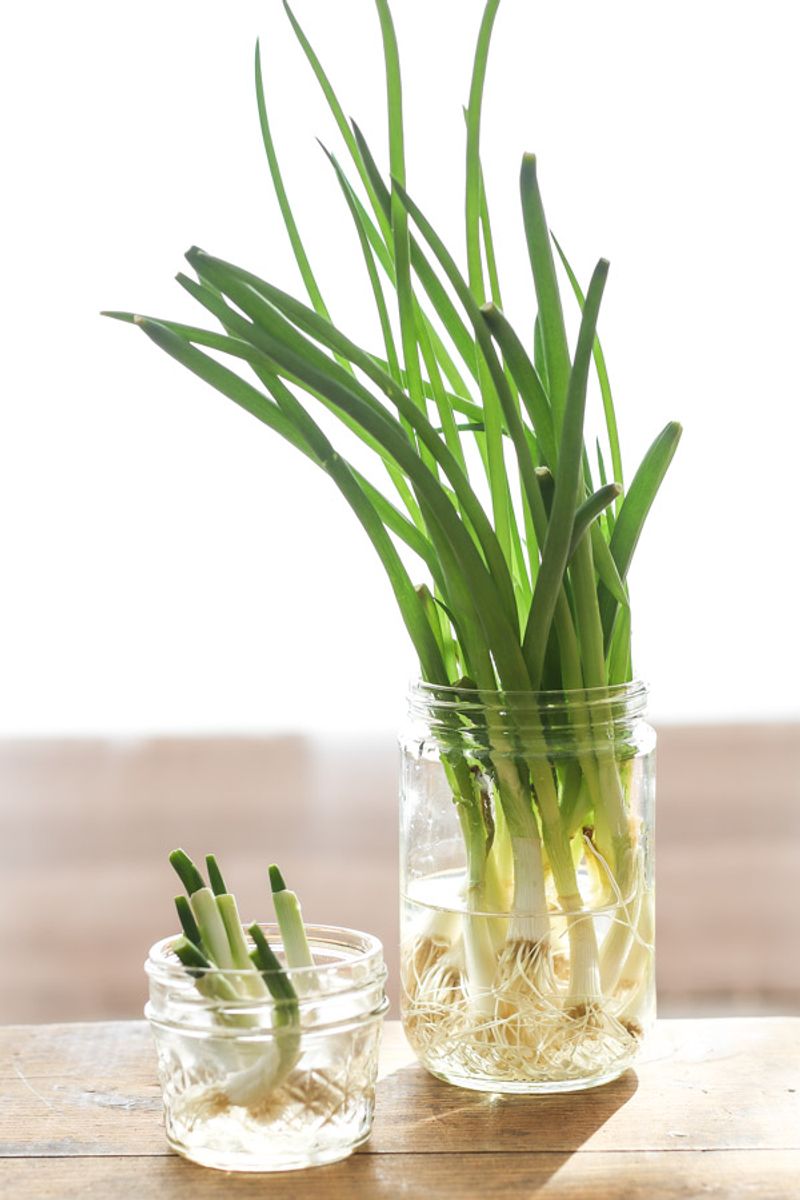
You might be surprised to learn that green onions are one of the easiest vegetables to regrow in water, and Texas gardeners have been doing it for years. All you need is the white root end of a green onion, a small glass jar, and some clean water.
Place the roots down into the water, making sure just the bottom inch or so is submerged. Set the jar on a sunny windowsill and watch the magic happen.
Within just two to three days, bright green shoots will start pushing upward from the top. The growth rate is honestly impressive, especially in a warm Texas kitchen where plenty of natural light streams in.
Change the water every couple of days to keep things fresh and prevent any cloudiness from building up. This simple step keeps your green onions healthy and growing strong.
Green onions, also known as scallions, belong to the species Allium fistulosum. Both the green stems and the white base are completely edible, making them incredibly versatile in the kitchen.
Chop them up for tacos, soups, scrambled eggs, or salads. They add a mild onion flavor that is not too sharp or overpowering.
One fun fact: a single bunch of green onions can be regrown multiple times before the roots start to lose energy. Just trim what you need from the top and let the rest keep growing.
Texas gardeners living in apartments or small homes find this method especially handy since it takes up almost no space and delivers fresh flavor again and again without spending extra money at the store.
2. Lettuce (Lactuca Sativa)
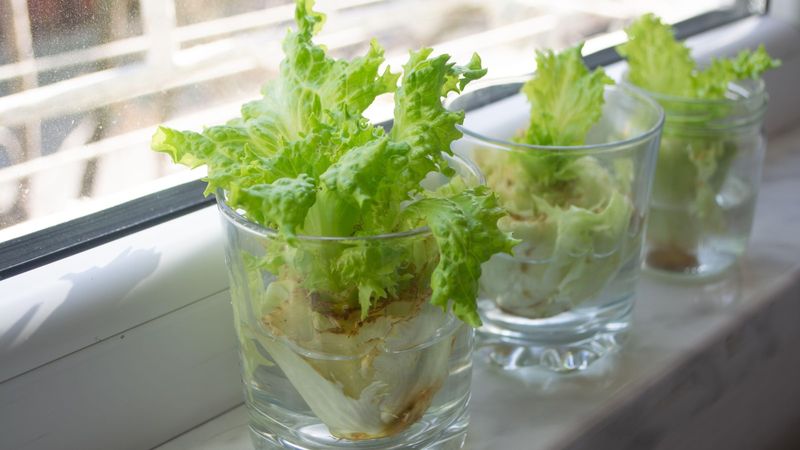
Lettuce is one of those vegetables that feels extra satisfying to grow because it comes back so quickly. If you have ever finished a head of lettuce and tossed the bottom in the trash, stop right there.
That leftover base is actually the key to regrowing fresh, tender leaves right in your own home. Texas gardeners, especially those in cooler months between fall and spring, will find lettuce regrows beautifully indoors with just a little water.
To get started, cut the bottom one to two inches off a head of lettuce. Place it cut-side up in a shallow dish or bowl with just enough water to cover the base.
Your Texas Garden Changes Every Week. Your Plan Should Too.
Gardening in Texas changes quickly throughout the season. Every Friday you’ll receive a simple weekly plan showing exactly what to plant, prune, fertilize, harvest, and protect so you never miss the right timing.
Keep it near a window that gets good sunlight throughout the day. Change the water every two days to keep it clean and fresh.
Within about a week, you will notice small green leaves beginning to sprout from the center of the base. These new leaves are tender, mild, and absolutely delicious in salads or on sandwiches.
Lettuce belongs to the species Lactuca sativa and thrives in cooler temperatures, which makes it a great indoor water-growing project during Texas winters when outdoor gardening slows down.
One thing to keep in mind is that regrown lettuce leaves will not be as large as the original head, but they are just as flavorful and nutritious. You can harvest the outer leaves as they grow and let the inner ones keep developing.
It is a continuous harvest system that costs almost nothing. For Texas families looking to stretch their grocery budget, regrowing lettuce in water is a smart and simple solution.
3. Bok Choy (Brassica Rapa Subsp. Chinensis)
Bok choy might not be the first vegetable that comes to mind when you think of Texas cooking, but it is becoming more popular across the state thanks to its mild flavor and impressive nutrition.
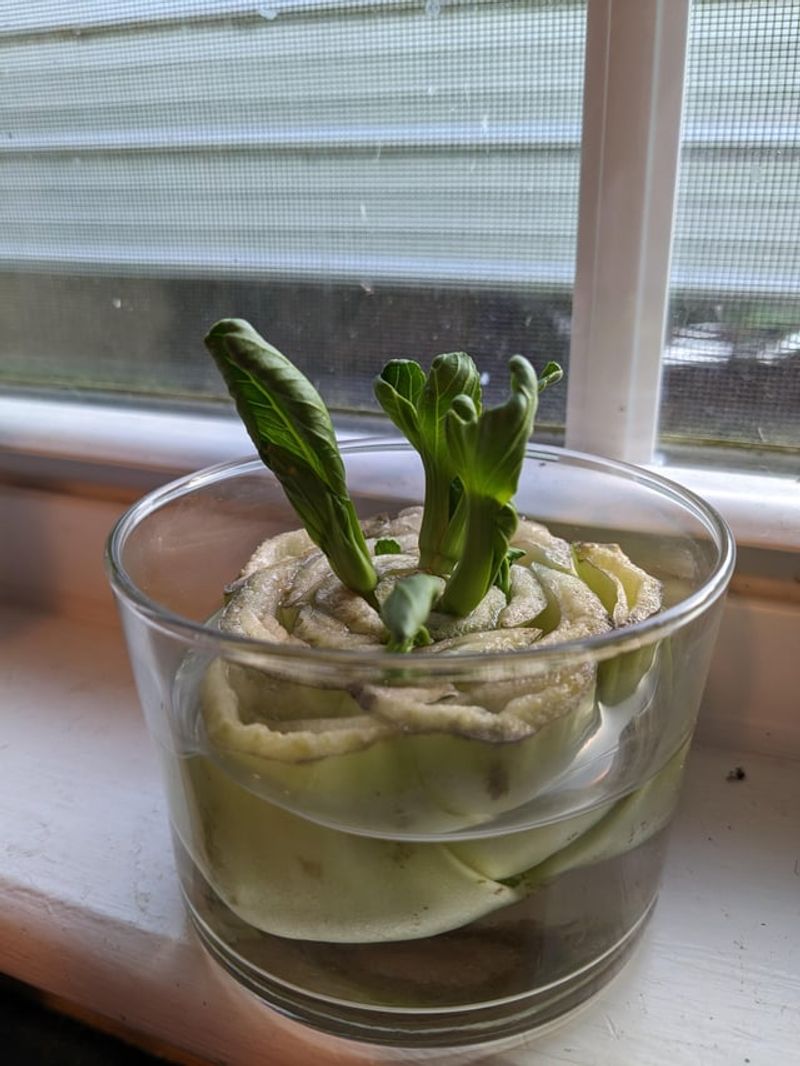
What makes bok choy even more exciting is how quickly it regrows in water. If you have ever bought a bunch from the store and only used part of it, save the base because it is ready to come back to life with just a little water and sunlight.
Slice off the bottom inch or two of the bok choy bunch and place it in a shallow dish with just enough water to cover the roots. Keep it in a spot with indirect sunlight, like a countertop near a window.
Within a week to two weeks, you will see fresh leafy greens pushing up from the center of the base. It grows surprisingly fast, especially in the warm indoor temperatures common in Texas homes.
Bok choy belongs to the Brassica family, the same group that includes cabbage, broccoli, and kale. The leafy green tops are the edible part that regrows in water, and they are packed with vitamins A, C, and K.
Toss them into a stir-fry, add them to soup, or eat them raw in a salad for a nutritious boost. Remember to change the water every couple of days so it stays clear and clean.
Once the roots start looking crowded or the growth slows down, you can transfer the plant into a pot with soil to keep it going even longer. Texas gardeners love how low-maintenance bok choy is when regrown in water at home.
4. Celery (Apium Graveolens)
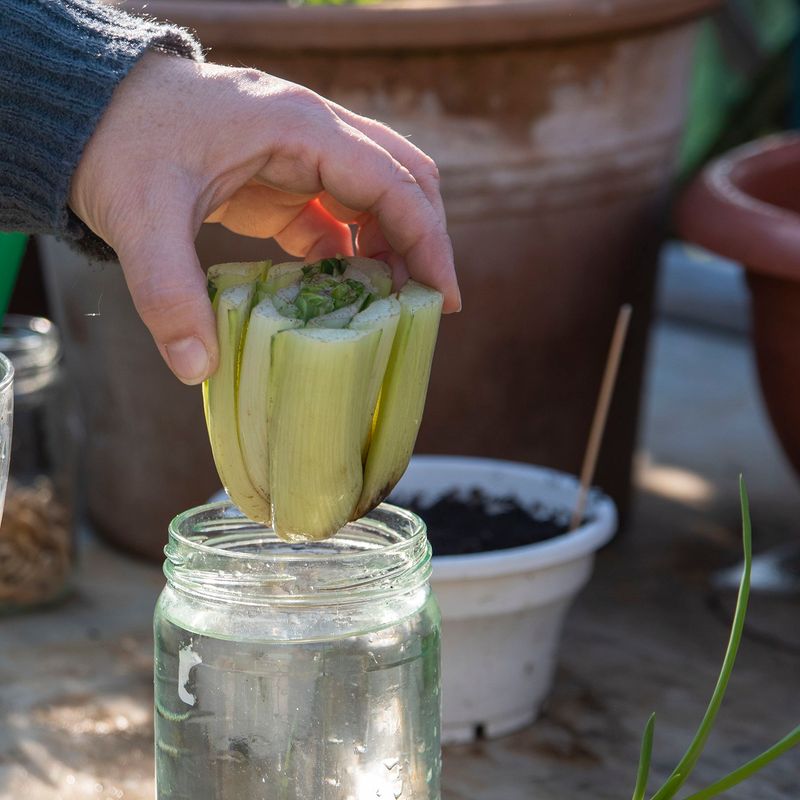
Celery has a reputation for being a little tricky to grow from scratch, but regrowing it in water is a whole different story.
It is one of the most rewarding water-growing projects for Texas gardeners because you can watch roots and leaves develop right before your eyes. All it takes is the base of a celery bunch, a wide jar or bowl, and some patience.
After you use up most of the celery stalks, set aside the bottom two to three inches of the base. Stand it upright in a bowl or jar with enough water to cover just the bottom.
Place it somewhere it can catch several hours of sunlight each day, like a south-facing windowsill. A sunny kitchen in Texas is perfect for this because the warmth and light encourage fast growth.
Within a few days, you will start to see tiny leaves sprouting from the center top of the base. At the same time, new roots will begin forming along the bottom.
The leaves and inner stalks that develop are both edible and flavorful. Celery belongs to the species Apium graveolens and has a crisp, slightly salty taste that works wonderfully in soups, stews, and snack plates.
Change the water every two to three days to keep it fresh and oxygen-rich. After about a week or two of water growing, you can transplant the celery into a pot of soil if you want it to keep producing full-sized stalks.
Texas gardeners who enjoy cooking at home will appreciate having fresh celery leaves on hand without making an extra trip to the grocery store. It is a simple habit that saves money over time.
5. Carrot Tops (Daucus Carota)
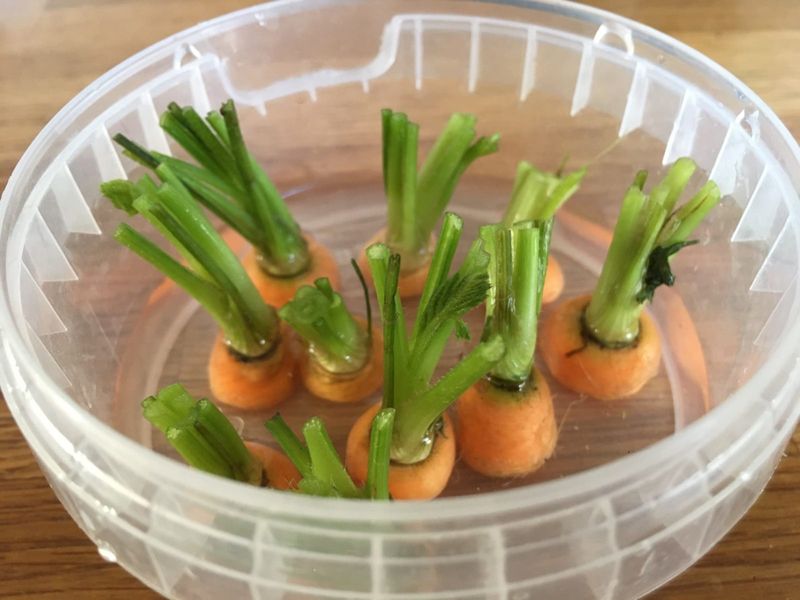
Most people eat the orange root of a carrot and throw away the top without a second thought. But here is something worth knowing: those carrot tops can regrow into beautiful, feathery green leaves right in a dish of water.
Texas gardeners who love getting the most out of their groceries will appreciate this simple trick that turns kitchen scraps into something genuinely useful and delicious.
Cut the top one to two inches off your carrots, keeping the leafy green part attached if possible. Place the carrot tops cut-side down in a shallow container filled with just enough water to touch the base of each piece.
Set them in a sunny spot, like a Texas kitchen window where morning or afternoon light comes through. The warmth and light help the leaves sprout faster.
Within about a week, you will start seeing fresh green leaves pushing upward from the tops. These leaves are the edible part of the regrown carrot and have a mildly bitter, herb-like flavor.
They are great chopped into salads, blended into pesto, stirred into soups, or used as a garnish. Carrot greens are also packed with vitamins and antioxidants, making them a nutritious addition to meals.
Keep the water level consistent and change it every three to five days to prevent any buildup. The carrot tops will not regrow the orange root in water, but the leafy greens are absolutely worth the effort.
Did you know carrot greens were commonly eaten in ancient times long before people focused only on the root? Texas gardeners who try this method often find it becomes a regular habit that adds fresh flavor to everyday cooking without any extra cost.
6. Romaine Lettuce Varieties
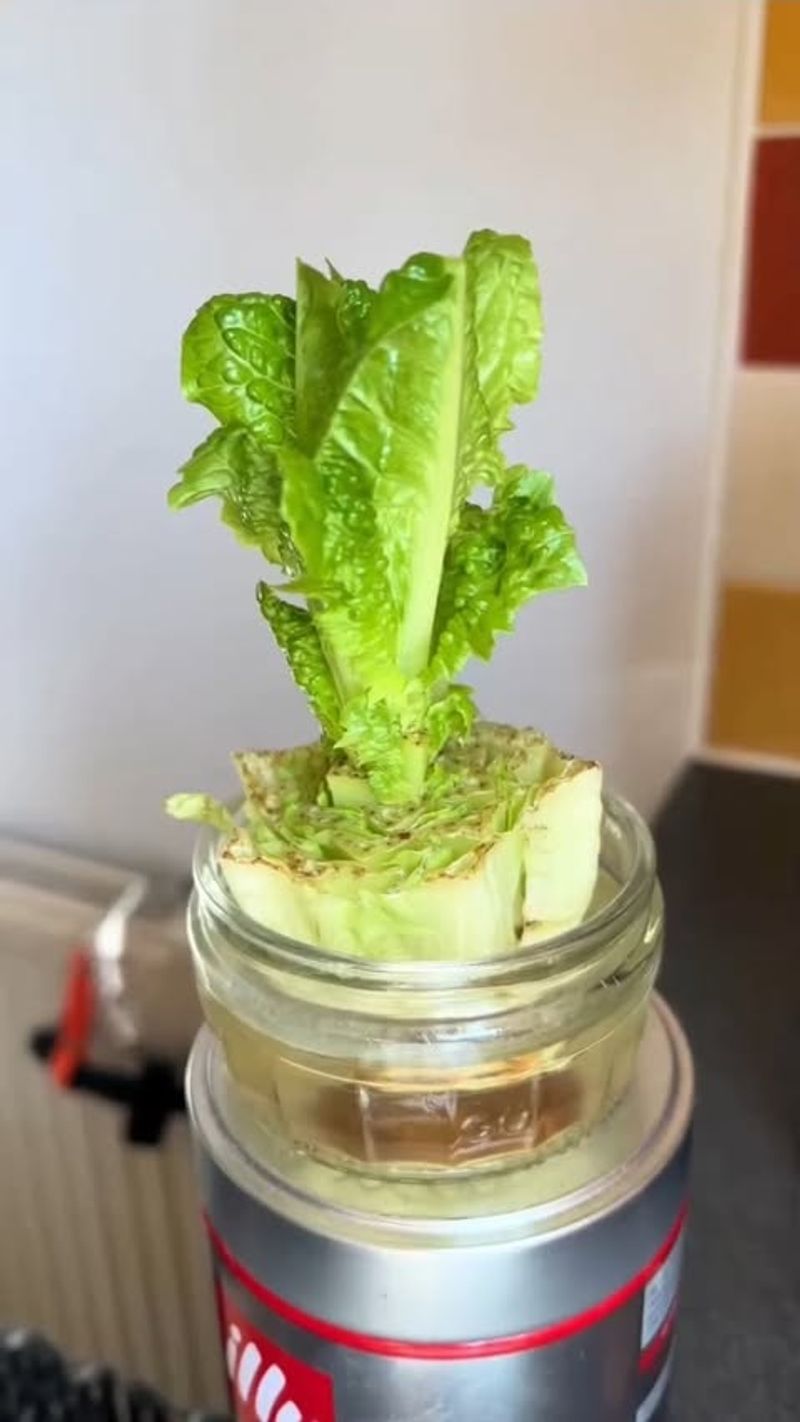
Romaine lettuce is a Texas kitchen staple, showing up in everything from Caesar salads to taco bowls and sandwich wraps. What a lot of people do not realize is that romaine is one of the easiest vegetables to regrow in water at home.
The method works the same way as butterhead or leaf lettuce varieties, making it a flexible option no matter what type of head lettuce you happen to buy at the store.
Start by cutting the base of the romaine head, leaving about one to two inches of the stalk intact. Place it upright in a shallow bowl or dish with just enough water to cover the very bottom of the base.
Put it near a sunny window in your Texas home, where it can soak up at least a few hours of natural light each day. Romaine is a cool-season crop, so it does especially well during fall and winter months when indoor temperatures stay comfortable.
Fresh leaves will begin sprouting from the center of the base within five to seven days. The new growth is tender, crisp, and full of that classic romaine flavor you love.
Harvest the outer leaves as they grow large enough to eat and let the inner leaves keep developing. This ongoing harvest approach means you get multiple rounds of fresh greens from a single base.
One tip that Texas gardeners swear by is placing the bowl near a kitchen window that faces east or south for the best light exposure throughout the day. Change the water every two days to keep things clean and prevent any odors.
Regrowing romaine in water is budget-friendly, space-saving, and endlessly satisfying, especially when you pull fresh leaves straight from your windowsill for tonight’s dinner salad.