The One Thing That Helps Backyard Birds Survive California Heat Waves
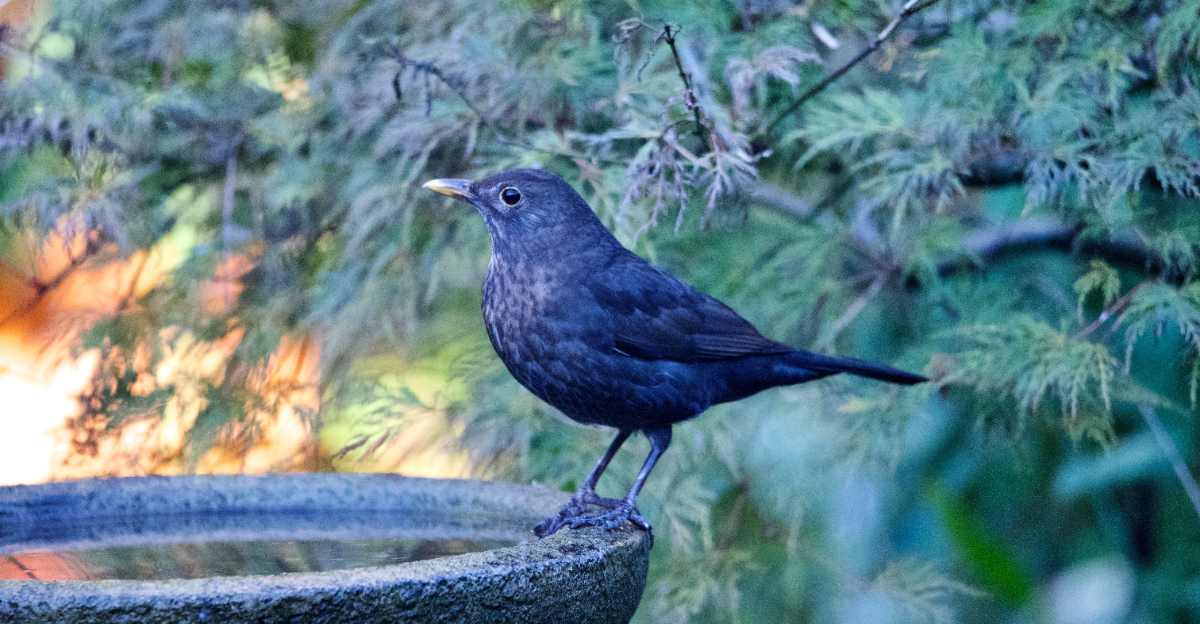
California heat waves can be just as hard on backyard birds as they are on people. While most homeowners think about food first, soaring temperatures create a different challenge that birds cannot ignore.
During the hottest part of the day, many species spend less time searching for food and more time trying to avoid overheating.
Without the right resource nearby, even common visitors may disappear until conditions improve.
The good news is that helping them does not require an elaborate wildlife garden or expensive equipment.
One simple addition can make a remarkable difference when temperatures climb into dangerous territory.
It also encourages birds to return day after day instead of treating your yard as a place to pass through. Sometimes the smallest change becomes the most valuable one during extreme summer weather.
As California’s hottest days arrive, this overlooked detail can do more to support backyard birds than many homeowners realize.
1. Make Sure Your Garden Has This One Thing
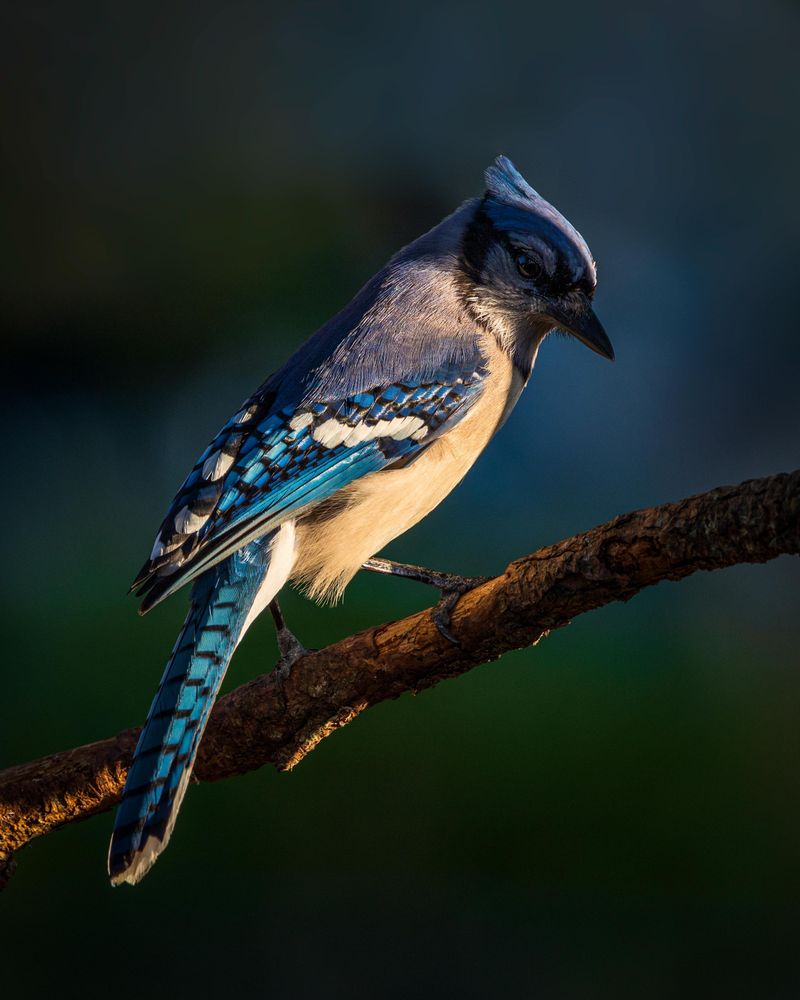
Most people think water is the number one thing birds need during a heat wave. Water matters, but shade is what keeps birds from overheating in the first place.
A bird sitting in direct sun with no escape can reach dangerous body temperatures within minutes.
Birds do not sweat the way humans do. They cool themselves by panting and seeking shade.
When there is no shade available, panting alone is not enough to bring their temperature down safely. That is when birds get into serious trouble.
A yard full of open lawn and trimmed hedges offers almost no protection. But a yard with thick shrubs, leafy trees, or even a covered porch gives birds a fighting chance.
Shade lowers the air temperature around a bird by several degrees. That small drop makes a huge difference when it is 105 degrees outside.
Even a single large shrub can shelter dozens of small birds on a hot afternoon. House sparrows, finches, and warblers all instinctively move into shaded areas when temperatures rise.
They will sit quietly in the cool interior of a dense plant and wait out the heat. Providing that kind of natural shelter is one of the most powerful things a backyard gardener can do for local wildlife during summer.
2. Dense Shrubs Stay Cooler Than Open Lawns
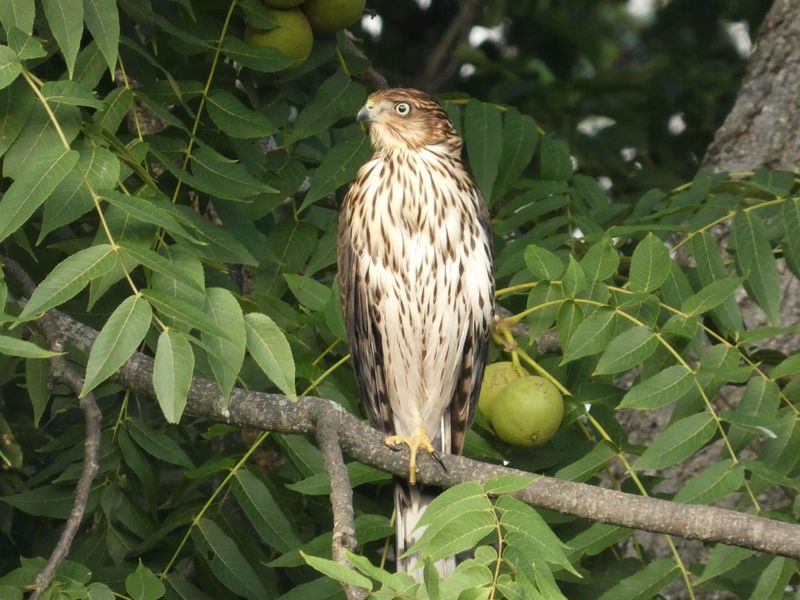
Open grass lawns absorb and radiate heat like a frying pan. On a hot summer day, the air just above a lawn can be several degrees hotter than the air beneath a dense shrub.
That difference is not small. For a bird the size of a sparrow, it can be the difference between staying safe and overheating.
Dense shrubs create what scientists call a microclimate. The thick leaves block direct sunlight and trap cooler, moister air underneath.
Birds know this instinctively and will crowd into shrubby areas when temperatures climb. You might notice your yard goes quiet at midday.
That is because the birds have moved into the coolest spots they can find.
Shrubs with layered branches and thick foliage work the best. Plants like toyon, coffeeberry, and coyote brush are excellent examples of native options that offer real, deep shade.
Your California Garden Changes Every Week. Your Plan Should Too.
Gardening in California changes quickly throughout the season. Every Friday you’ll receive a simple weekly plan showing exactly what to plant, prune, fertilize, harvest, and protect so you never miss the right timing.
Non-native shrubs can work too, as long as they are full and leafy enough to block sunlight effectively. The key is density.
A sparse, lightly branched shrub will not do the same job as one with thick overlapping leaves.
If your yard is mostly open, consider planting a few dense shrubs along a fence or wall. Even one or two well-placed plants can create a cool refuge that birds will use every single hot day of summer.
3. Midday Sun Can Be Dangerous
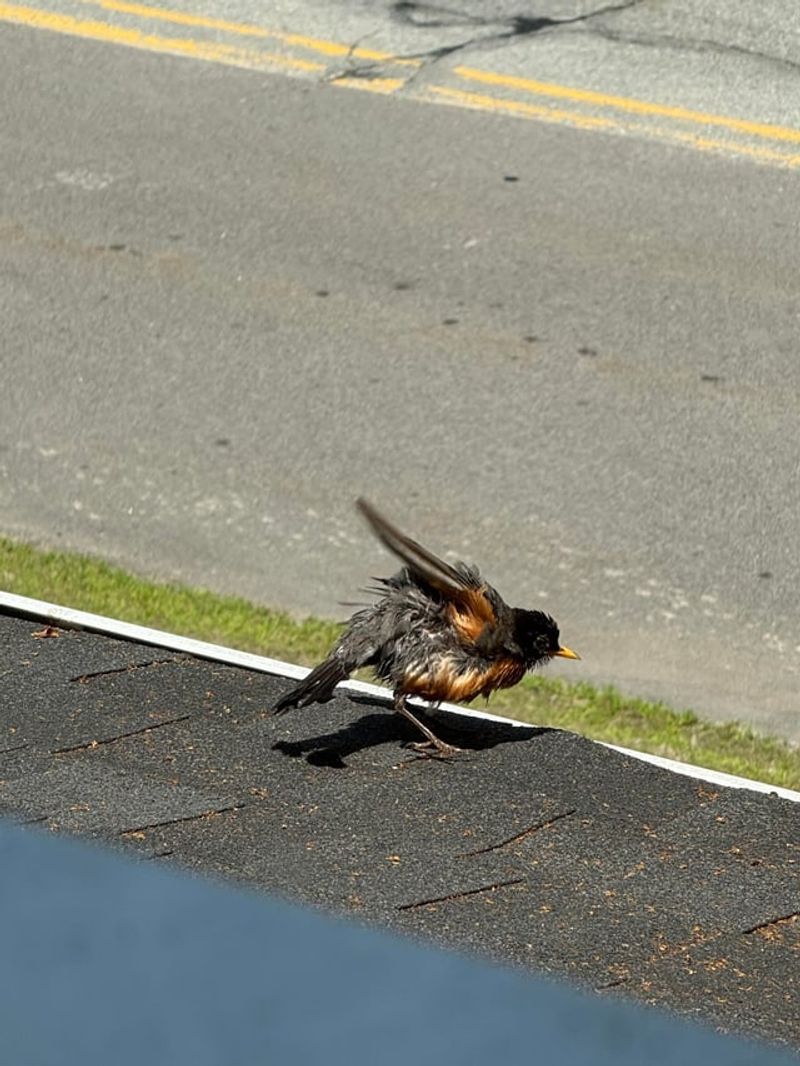
Between 11 a.m. and 3 p.m., the sun hits hardest. The angle is steep, the UV intensity is high, and heat radiates off every surface.
For small birds, this window of time is the most dangerous part of the day during a heat wave.
Birds are warm-blooded, and their normal body temperature is already higher than ours. Most songbirds run at around 104 to 108 degrees Fahrenheit.
When the environment pushes that temperature even higher, their bodies struggle to cope. Panting burns energy and loses moisture fast.
A bird that cannot find shade can go from stressed to critically overheated in under an hour.
During these peak hours, birds become very still. They fluff their feathers, open their beaks, and press into the deepest shade they can find.
If no shade exists, they will sit on the ground under a car, hide under a porch, or crowd into a single shrub with many other birds. It is not a comfortable situation, but it is survival behavior.
You can help by making sure shaded areas in your yard are accessible and undisturbed during midday hours. Avoid running sprinklers, mowing, or doing yard work between late morning and mid-afternoon on hot days.
Birds need those hours to be quiet and safe. Giving them that space costs nothing and helps more than most people realize.
4. Don’t Prune Shelter During A Heat Wave
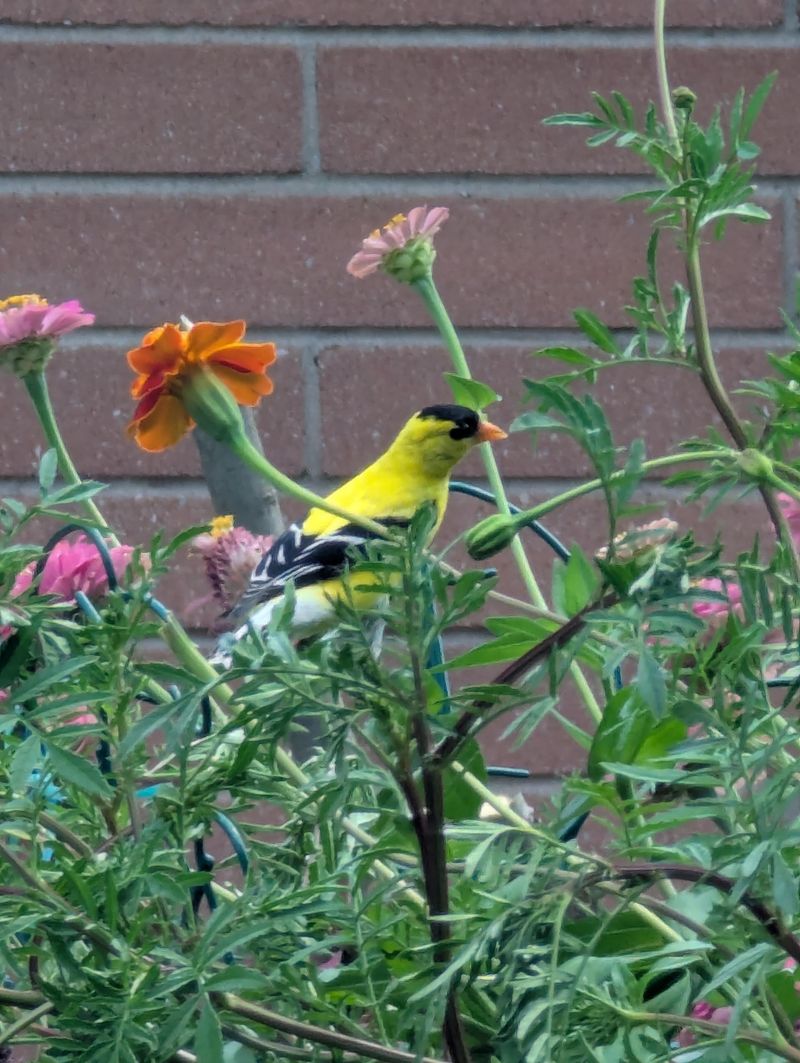
Grabbing the pruning shears on a hot summer day might seem like a good idea for keeping the yard tidy.
But cutting back shrubs during a heat wave can remove the very shelter that birds are depending on to survive. Timing your garden work matters more than most people think.
When you prune a shrub heavily, you strip away the dense interior branches and leaves that create shade. What is left is an open, airy skeleton that lets sunlight pour straight through.
Birds that were using that shrub as a cool retreat suddenly have nowhere to go. During a multi-day heat wave, that loss of shelter can be genuinely harmful to the birds in your yard.
Pruning also disturbs birds that may be nesting or resting inside the plant. Noise, movement, and sudden exposure to sunlight cause stress.
A stressed bird in extreme heat is at much greater risk than one that is calm and sheltered. Even well-meaning yard work can cause real problems at the wrong time of year.
The best time to prune most shrubs is in late winter or early spring, before the heat arrives and before nesting season begins. If you missed that window, wait until fall when temperatures cool down.
Your birds will thank you. A slightly overgrown shrub in July is far more valuable to local wildlife than a neatly trimmed one with no shade to offer.
5. Native Shrubs Create Cooler Microclimates
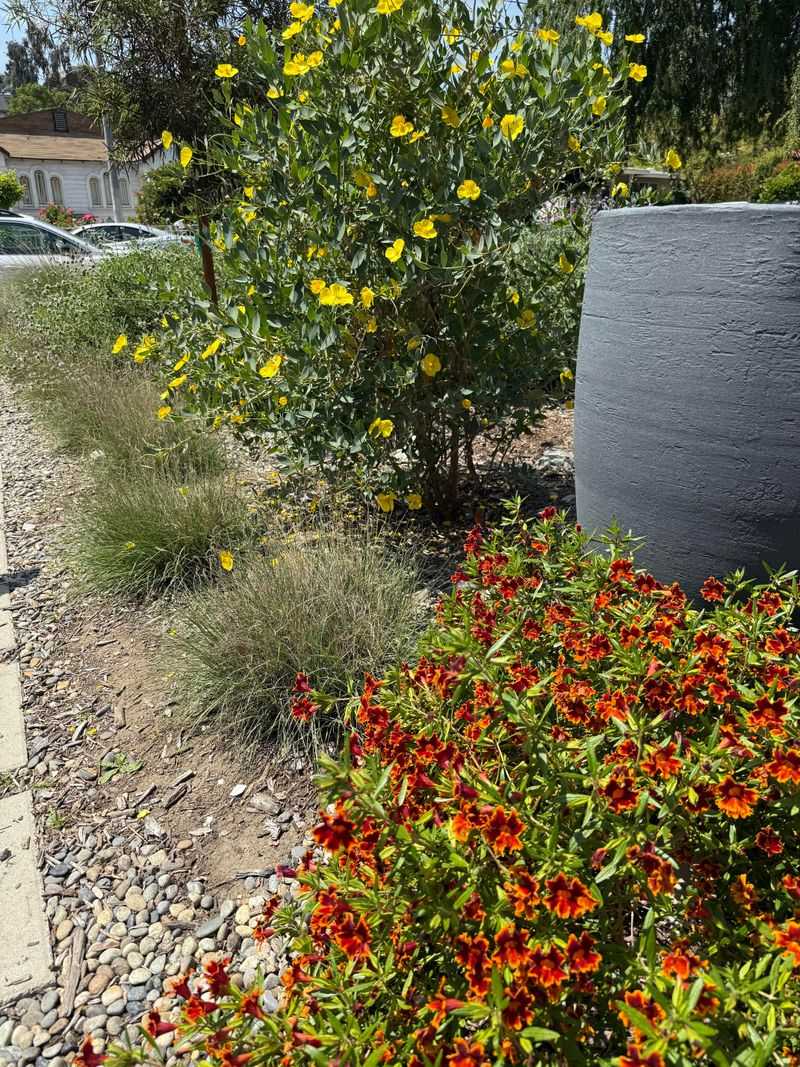
Not all shrubs are created equal when it comes to keeping birds cool. Native plants have a special advantage.
They are adapted to the local climate, which means they stay leafy and full even during hot, dry summers when other plants wilt or drop their leaves. That steady fullness is exactly what birds need for reliable shade.
Plants like toyon, lemonade berry, and California coffeeberry grow thick and dense naturally. Their leaf shapes, branch patterns, and overall structure create layered canopies that trap cool air underneath.
Studies have shown that the temperature inside a native shrub cluster can be several degrees lower than the surrounding open air. For a small bird, a few degrees is enormous.
Native shrubs also support the insects that birds eat. During a heat wave, birds need energy to cope with the heat, and insects hiding in native foliage provide that fuel.
So a native shrub is not just a shade provider. It is also a pantry.
That double benefit makes native plants the smartest choice for any bird-friendly yard in California.
In northern regions, native shrubs like blue elderberry and snowberry thrive and offer excellent bird cover. In southern areas, toyon and sage species work beautifully.
Choosing the right native plant for your specific region gives birds the best possible shelter and keeps your yard thriving through even the toughest heat waves.
6. Ground Birds Need Cover Too
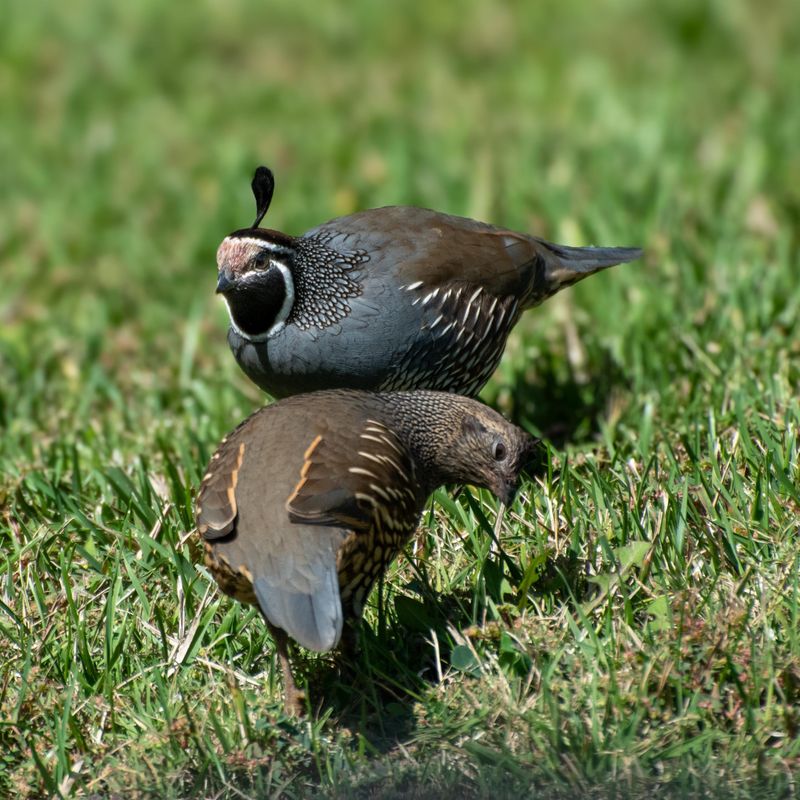
Not every bird spends its time up in the branches. Quail, towhees, thrashers, and sparrows spend a lot of time on the ground.
These birds face a unique challenge during heat waves because the ground itself absorbs enormous amounts of heat and radiates it back upward. Standing on hot soil or pavement is hard on small bodies.
Ground birds need low, dense cover that shades the earth beneath it. A shrub that spreads wide at the base, almost touching the ground, creates a shaded patch of cooler soil that these birds will use heavily during the hottest hours.
California quail, for example, are well known for crowding under low shrubs in groups during peak afternoon heat. They will sit there for hours, barely moving, until the sun shifts.
Leaf litter under shrubs also helps. It acts as insulation, keeping the ground cooler than bare dirt or gravel.
Ground birds will often scratch around in leaf litter to reach the cooler, damper soil beneath. It is a simple but effective cooling strategy that birds have used for thousands of years.
If you want to support ground birds, plant spreading, low-branching shrubs and let leaves accumulate naturally beneath them. Avoid using gravel or bark mulch right up to the base of your shrubs.
Natural leaf litter is cooler, more insulating, and far more useful to the birds that call your yard home.
7. Keep Shrubs Watered, Not Trimmed
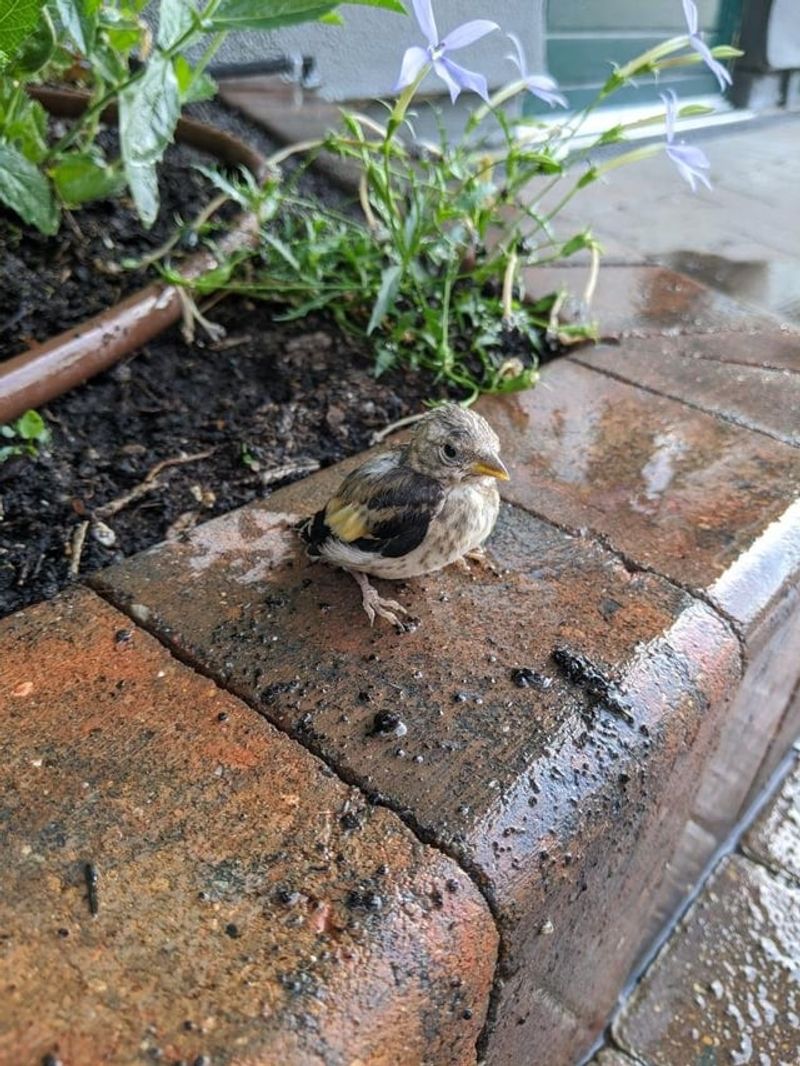
During a heat wave, the priority for your shrubs should be keeping them alive and full, not keeping them neat. A well-watered shrub stays green, leafy, and dense.
That density is what provides effective shade. A dry, stressed shrub drops leaves and opens up, letting sunlight through and reducing the shelter it can offer.
Deep watering is better than frequent shallow watering. When you water deeply, moisture reaches the lower roots and the plant stays healthier longer.
A shrub with deep root moisture is more resilient during a multi-day heat event. It holds its leaves better and maintains its full shape, which keeps the shade canopy intact for the birds using it.
Watering in the early morning is ideal. It gives the plant time to absorb moisture before the peak heat of the day hits.
Evening watering works too, though it can sometimes encourage fungal issues in humid microclimates. Avoid watering in the middle of the day when most of the water will evaporate before it reaches the roots.
Mulching around the base of your shrubs also helps retain soil moisture. A two to three inch layer of organic mulch can dramatically reduce water loss and keep roots cooler.
This keeps the plant healthier, which keeps the shade denser, which keeps the birds safer. It is a simple chain of care that starts with one good watering habit and pays off for the whole yard.
8. Avoid Clearing Leaf Litter Beneath Them
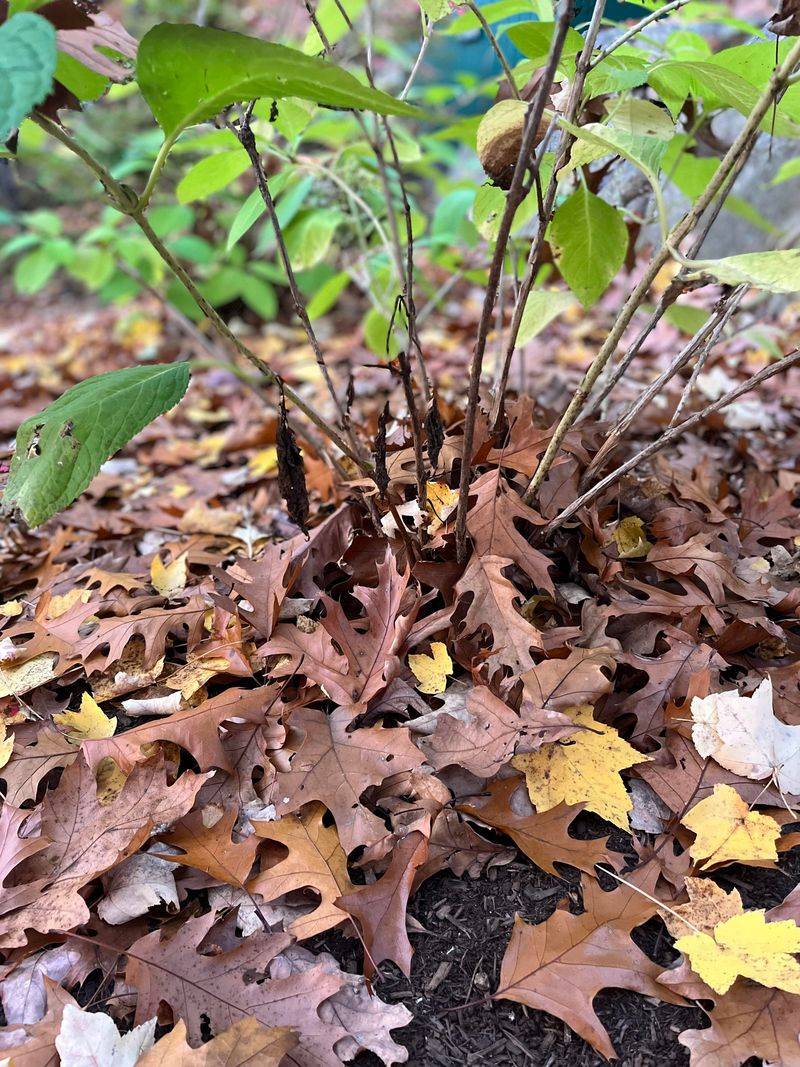
Leaf litter looks messy to some gardeners, but to birds it is a critical resource. Beneath a dense shrub, fallen leaves create a layer of natural insulation that keeps the ground significantly cooler than bare soil.
On a 100-degree day, the temperature under a thick layer of leaf litter can be 10 to 15 degrees lower than the open ground nearby. That is not nothing.
That is a cool room in the middle of a heat wave.
Ground-foraging birds like towhees, thrashers, and some sparrows scratch through leaf litter looking for insects, seeds, and moisture.
During hot weather, the damp underside of leaf litter is one of the few places where these birds can find both food and a cooler surface to stand on. Removing that layer takes away one of their most important coping tools.
Leaf litter also supports the insects and invertebrates that birds eat. Beetles, pill bugs, and small spiders hide in the decomposing leaves.
During a heat wave, when birds are burning more energy to stay cool, having easy access to food close to their shaded shelter is a real advantage. They do not need to fly far or expose themselves to open sun just to find a meal.
Let the leaves stay. Rake them under your shrubs if you want a tidier look, but resist the urge to bag them up and haul them away.
They are doing important work, and the birds in your yard are counting on them more than you might expect.
9. Birds Will Return To The Same Safe Spots
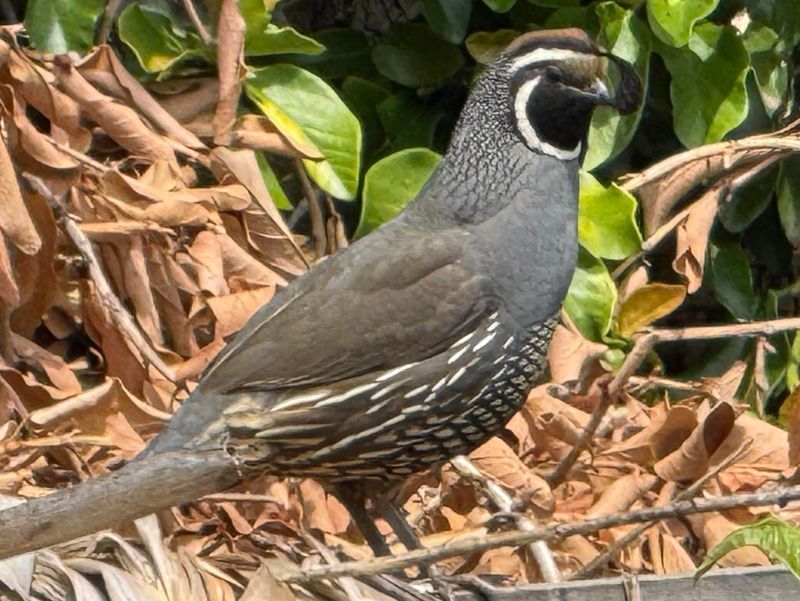
Birds have excellent spatial memory. Once a bird finds a cool, safe spot during a heat wave, it will remember exactly where that spot is and return to it every time temperatures rise again.
This is not random behavior. It is learned survival strategy, and it is one of the most fascinating things about backyard birds.
House finches, sparrows, and even larger birds like mockingbirds will use the same shaded shrub day after day through an entire hot season. They know the layout of your yard better than you might think.
They know which shrub has the densest interior, which tree casts the longest afternoon shadow, and which corner of the fence stays cool the longest.
That loyalty to familiar spots means that the shelter you create this summer will be used again and again in the years ahead. A native shrub you plant today could be providing critical shade for birds for decades.
The investment is small, but the return for local wildlife is enormous. Every summer, as heat waves grow longer and more intense across California, those shaded spots become more valuable.
You can reinforce these safe zones by keeping them undisturbed, well-watered, and free of leaf litter removal.
Birds that feel safe in your yard will also bring their young there, teaching the next generation where to find shelter.
Your backyard can become a reliable refuge, season after season, for the birds that need it most.