Common Mistakes North Carolina Gardeners Make When Planting Hydrangeas Near The Foundation
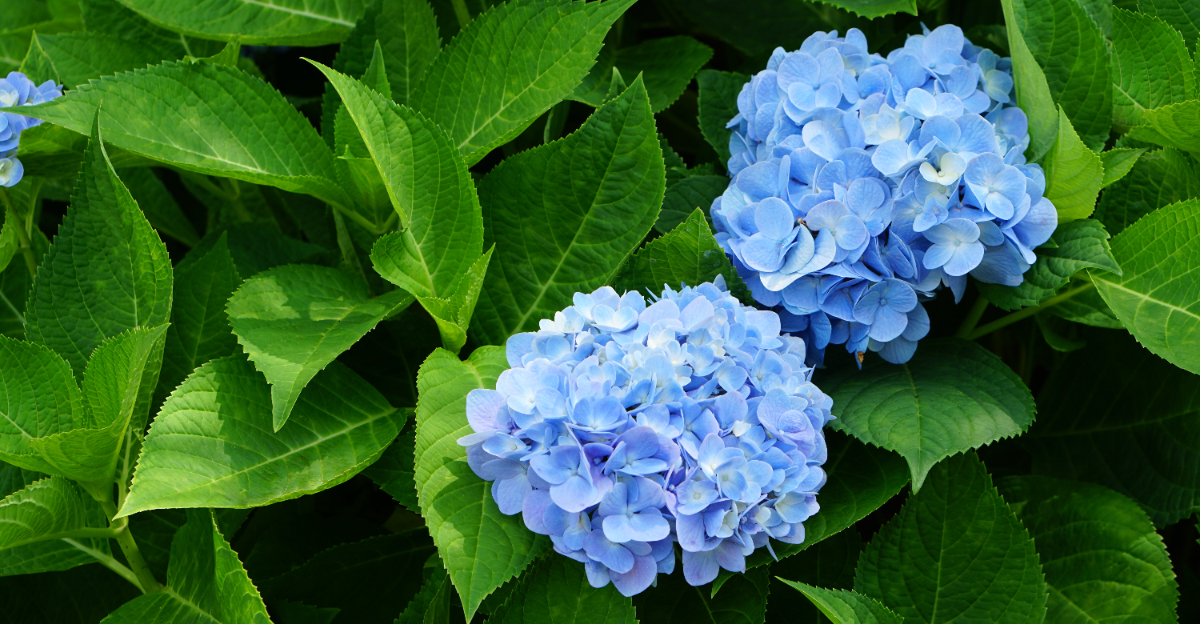
Foundation beds feel like a natural spot for hydrangeas. They fill in nicely, the blooms look great against the house, and the structure of the plant works well with most home exteriors.
The problem is that planting near a foundation comes with hidden complications that aren’t obvious until a few seasons in. Hydrangeas start struggling, blooms get sparse, or the plant just never reaches the size it should.
The house itself creates a microclimate with reflected heat, blocked rain, and altered soil chemistry that changes how plants behave compared to open garden beds. Sometimes the roots cause other headaches entirely.
None of this means you can’t grow hydrangeas near the foundation. It just means there are specific mistakes worth knowing about before you dig that first hole and drop a plant in.
1. Planting Hydrangeas Too Close To The House
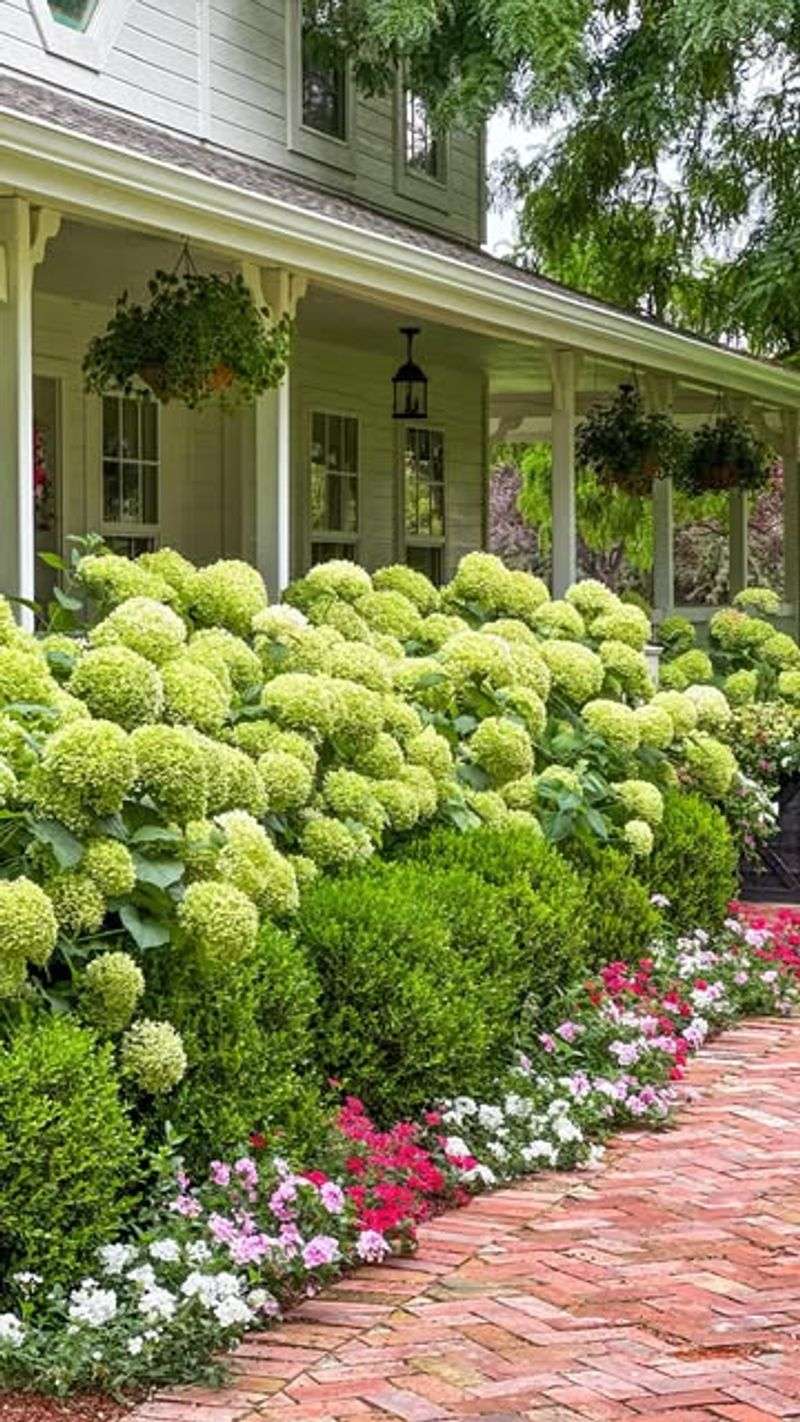
Most gardeners underestimate just how fast hydrangeas fill out, and planting them flush against the house is one of the most common missteps in North Carolina yards.
That cozy spot right next to the siding might look perfectly fine at planting time, but give it a season or two and you will have a crowded, struggling shrub on your hands.
Hydrangeas need breathing room, not just for their roots but for their entire structure. When shrubs press tightly against a foundation, moisture gets trapped between the plant and the siding, creating a damp environment that invites rot, mildew, and pest problems.
The house itself can also suffer, with moisture working its way into wood trim, paint, and even the foundation material over time.
A good rule of thumb is to plant hydrangeas at least three to four feet away from the foundation wall. This gives roots space to spread outward rather than circling back on themselves.
It also allows air to move freely around the shrub, which is especially important in North Carolina’s famously humid summers.
Giving your hydrangeas that extra distance from the start saves you a lot of headaches later and helps the plant grow into a full, healthy shape without fighting for space against the structure of your home.
2. Ignoring Mature Shrub Size
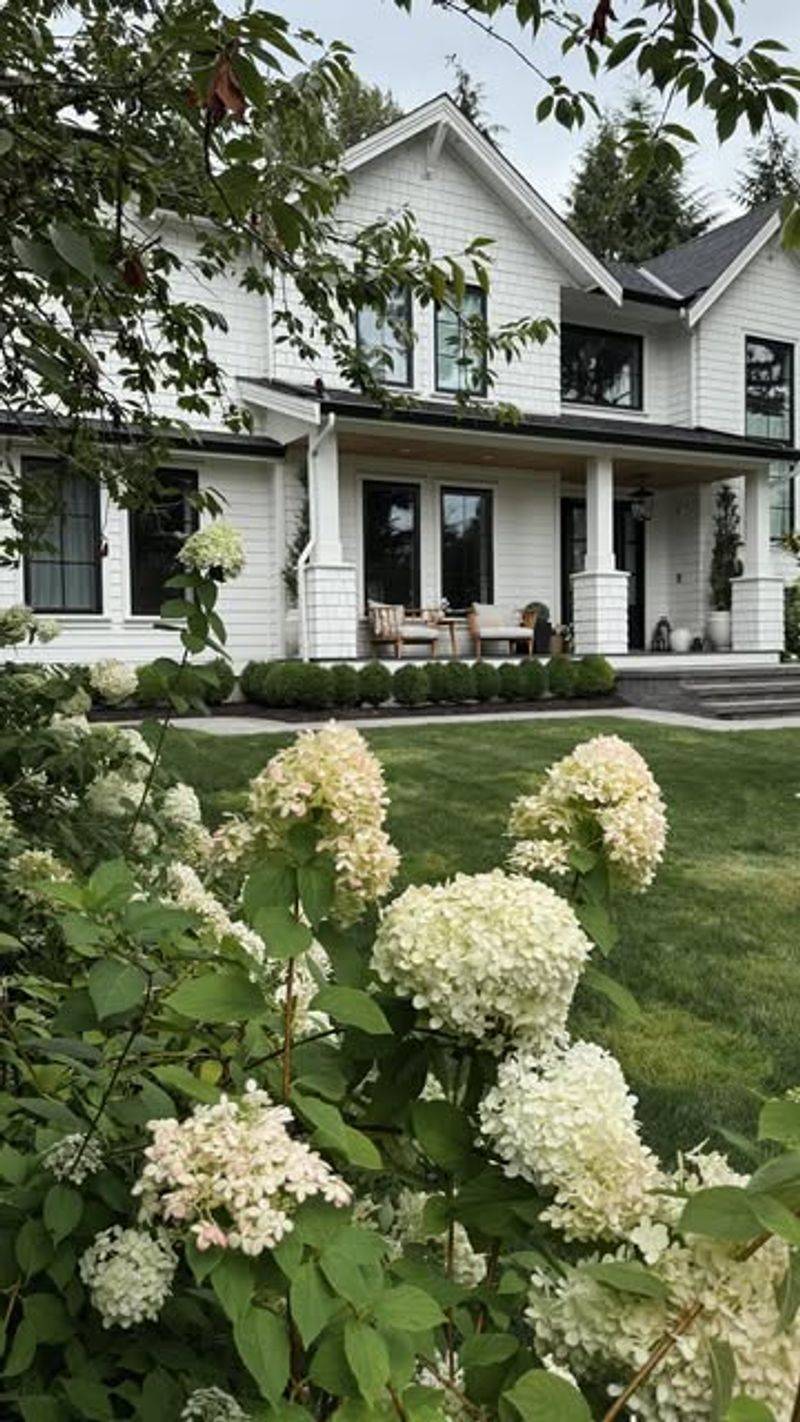
Picture this: you bring home a compact little hydrangea from the garden center, tuck it neatly beside your brick foundation, and feel great about your landscaping choices.
Fast forward three years, and that same shrub is now swallowing your window and crowding the front walkway. Sound familiar? It happens constantly in North Carolina gardens.
Many popular hydrangea varieties, especially bigleaf and smooth hydrangeas, can grow anywhere from four to six feet wide and just as tall. Some panicle hydrangeas push even larger.
Nursery tags often list mature sizes that gardeners gloss over in the excitement of planting season. But those numbers matter enormously when you are placing shrubs near a foundation where space is naturally limited.
Before you buy, research the specific variety you are considering and measure out the mature spread right there in your garden bed. Use stakes or flags to visualize how much room the plant will actually need at full size.
Your North Carolina Garden Changes Every Week. Your Plan Should Too.
Gardening in North Carolina changes quickly throughout the season. Every Friday you’ll receive a simple weekly plan showing exactly what to plant, prune, fertilize, harvest, and protect so you never miss the right timing.
Varieties like Incrediball or Invincibelle Spirit are bred to stay more manageable, making them smarter choices for tighter foundation spots.
Choosing the right size from the start means less aggressive pruning, fewer problems with crowding, and a foundation bed that looks intentional and polished rather than overgrown and chaotic.
Matching plant size to available space is one of the simplest ways to set your garden up for long-term success.
3. Planting In Full Harsh Afternoon Sun
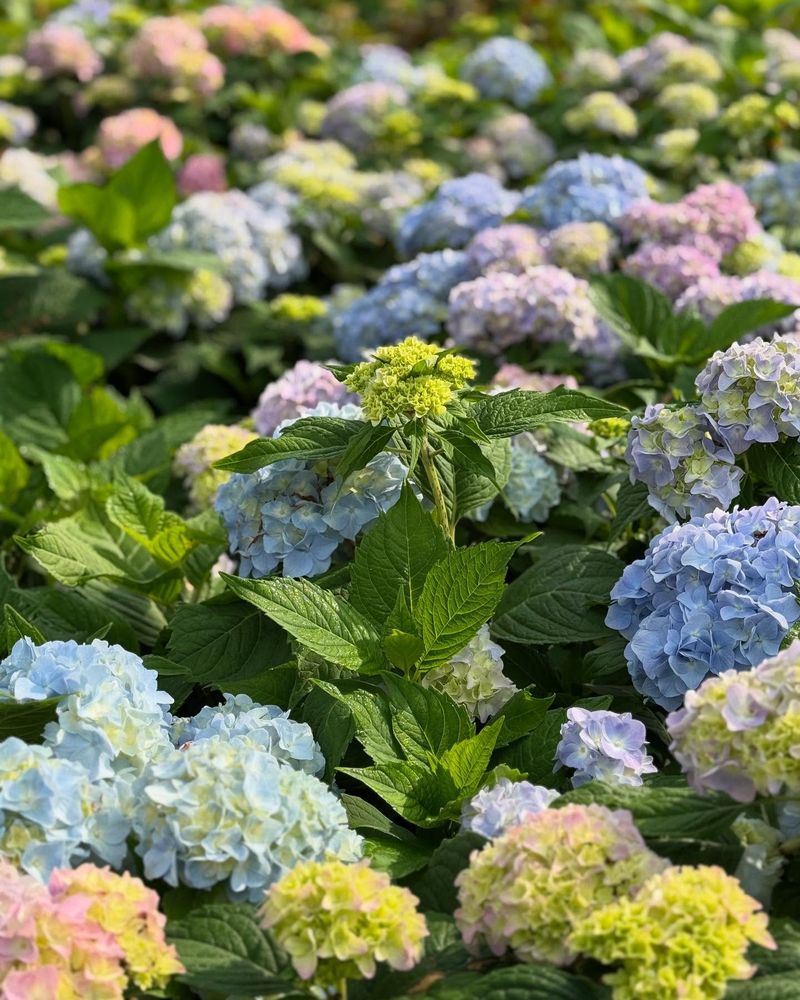
North Carolina summers are no joke. Temperatures regularly climb into the upper nineties, and the afternoon sun along a west or south-facing foundation can feel more like a blast furnace than a garden spot.
Hydrangeas planted in that kind of relentless heat will struggle all season long, showing their frustration through drooping leaves and faded, papery blooms.
Bigleaf hydrangeas in particular are sensitive to harsh afternoon sun. They prefer a spot with morning light and afternoon shade, which gives them the energy they need to bloom without the stress of peak heat.
Even sun-tolerant varieties like panicle hydrangeas perform better with some midday relief in the South.
A foundation that faces west or southwest often bakes in direct sun from noon until early evening, which is simply too intense for most hydrangea types to handle comfortably.
Before planting, spend a day observing how sunlight moves across your foundation beds. Notice when the shadow from your roofline or nearby trees starts to provide shade.
East-facing foundation spots are usually ideal for hydrangeas in the Carolinas, offering gentle morning sun and natural afternoon protection.
If your only available spot gets full afternoon sun, consider adding a small shade tree nearby or choosing a more sun-resilient variety.
Matching light conditions to your plant’s needs from the beginning makes a genuinely big difference in how your hydrangeas perform each summer.
4. Using Poorly Drained Soil Near Downspouts
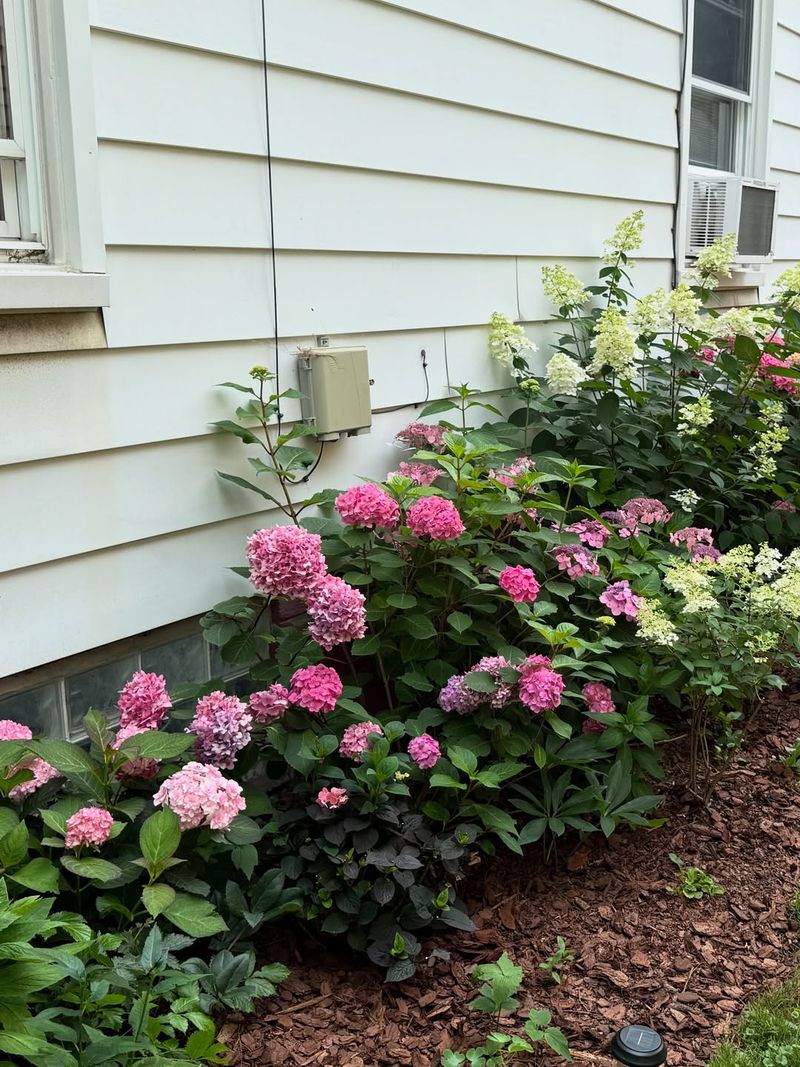
Planting hydrangeas near a downspout seems like a clever idea at first. After all, extra water sounds like a benefit for thirsty flowering shrubs.
But in reality, the area around downspouts often becomes a waterlogged zone that suffocates roots and causes more problems than it solves, especially after North Carolina’s heavy summer rainstorms roll through.
Hydrangeas like consistent moisture, but they absolutely need well-drained soil to stay healthy. When roots sit in standing water for extended periods, they are cut off from oxygen and begin to break down.
The first sign is usually yellowing leaves, sometimes followed by wilting even when the soil feels wet. It is a confusing symptom that tricks many gardeners into watering more when the real problem is actually too much water already.
If your foundation bed near a downspout has compacted or clay-heavy soil, amending it before planting is essential. Work in generous amounts of compost to improve structure and drainage.
You might also consider redirecting the downspout further away from the planting area using an extender, which is an inexpensive fix that makes a huge difference. Raised beds are another great option for foundation areas with persistent drainage issues.
Testing your soil drainage before planting by digging a hole and filling it with water is a simple step that saves a lot of frustration. Good drainage is not optional for hydrangeas. It is the foundation of their entire health.
5. Letting Mulch Touch The Main Stems
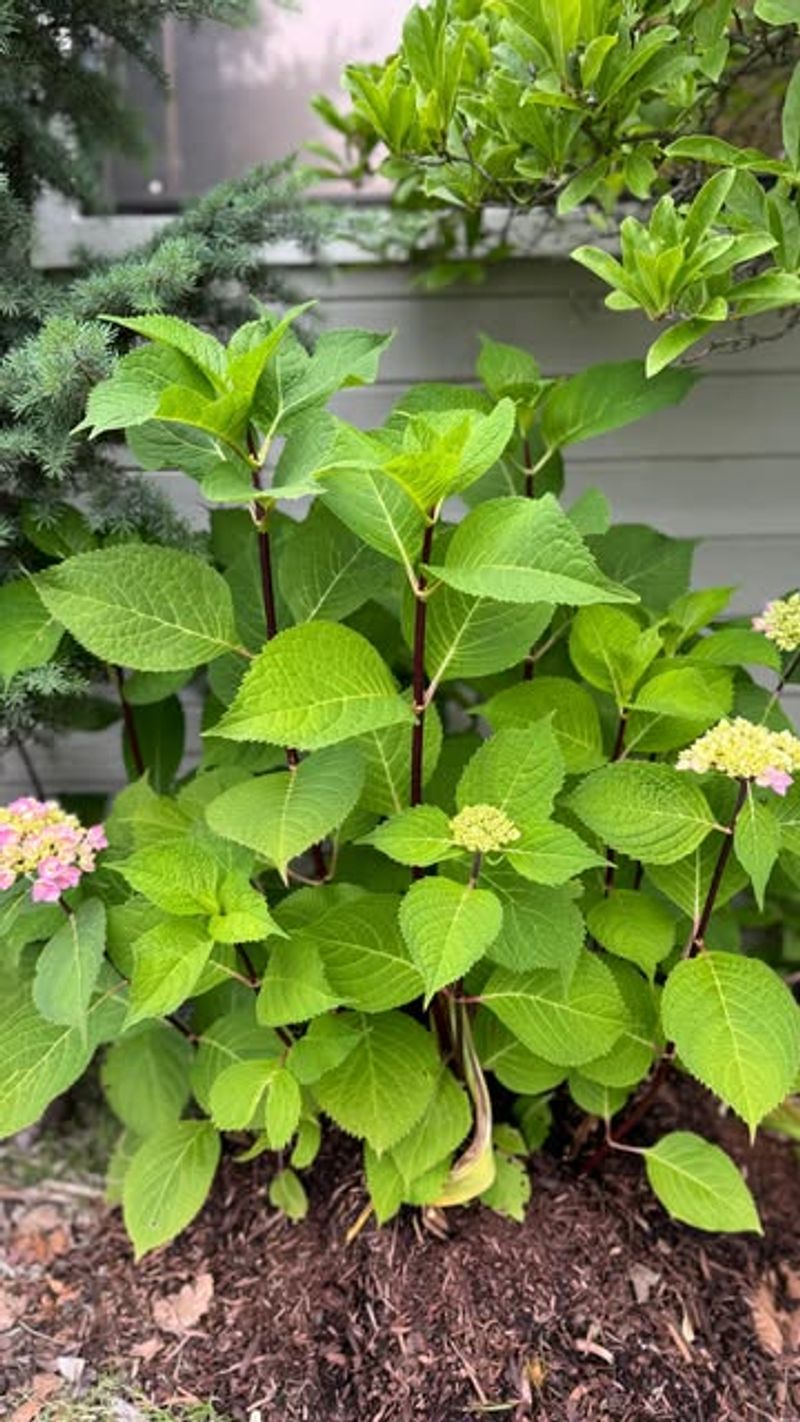
Mulch is genuinely one of the best things you can do for your foundation hydrangeas in North Carolina. It keeps roots cool, holds moisture during dry spells, and suppresses weeds that would otherwise compete with your shrubs.
But there is a very common way gardeners apply it that ends up causing real harm: piling it directly against the stems.
When mulch touches or buries the base of a hydrangea stem, it creates a constantly moist environment right at the crown of the plant. That persistent dampness encourages fungal issues and can cause the stem tissue to break down over time.
Some gardeners even notice new growth being smothered or roots forming along the buried stem in unhealthy ways. It is a subtle mistake that builds up season after season as fresh mulch gets added without pulling the old layer back first.
The fix is wonderfully simple. Keep mulch pulled back about two to three inches from the main stems of your hydrangeas, creating a small clear zone around the base.
Apply mulch two to three inches deep across the rest of the bed for maximum benefit without the risk. Pine straw, shredded hardwood, and pine bark nuggets all work beautifully in North Carolina foundation beds.
Check the mulch level each spring before adding a fresh layer, and rake back any material that has crept toward the stems over winter. Your hydrangeas will be noticeably healthier for it.
6. Crowding Hydrangeas With Large Evergreen Shrubs
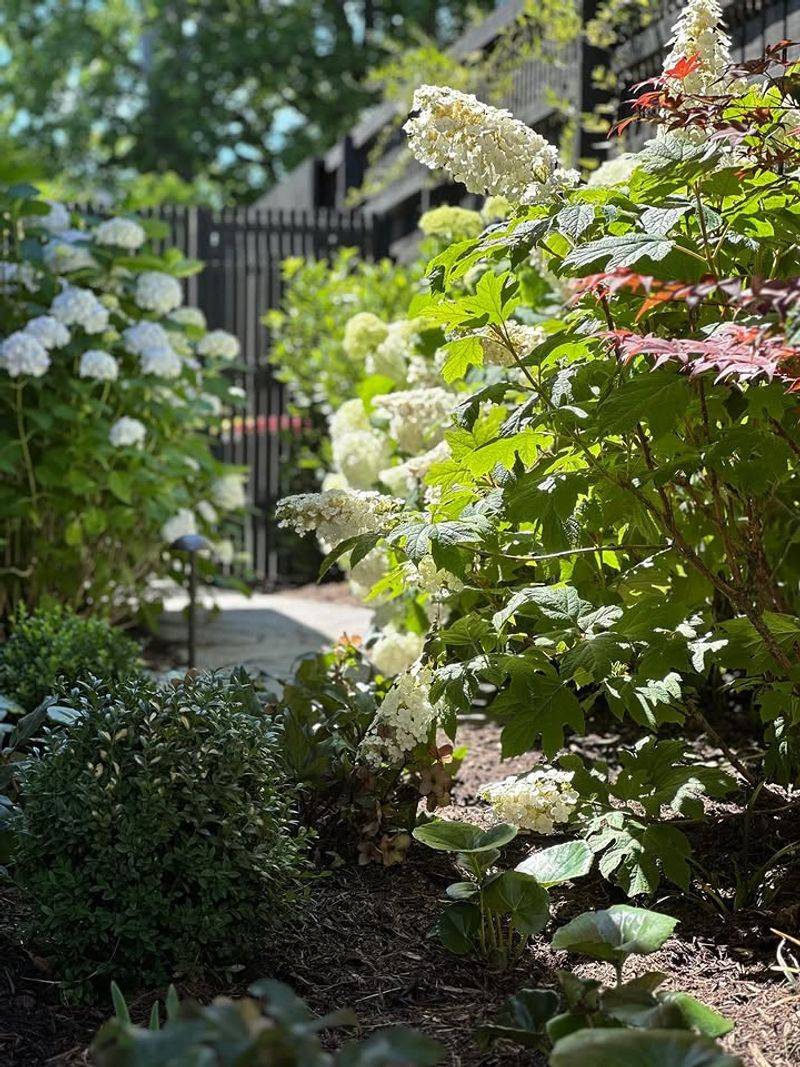
Foundation beds in North Carolina yards are often already home to boxwoods, hollies, ligustrums, or other established evergreens before hydrangeas ever get added to the mix.
Tucking a hydrangea into one of those tight gaps might seem like a smart way to fill in bare spots, but what usually follows is a slow, quiet battle that the hydrangea rarely wins.
Large evergreen shrubs have aggressive, well-established root systems that spread far beyond what you can see above ground. When a young hydrangea gets planted nearby, it immediately starts competing for the same water and nutrients.
The hydrangea often comes out on the losing end, growing slowly, blooming poorly, and looking stressed even when you are doing everything else right.
Dense evergreens also block airflow and create shady microclimates that can encourage fungal problems on the hydrangea’s leaves.
Spacing is the key solution here. Give hydrangeas room to grow without major competition by planting them at least four to five feet from large established shrubs.
If your foundation bed is already crowded, consider removing or relocating one of the older evergreens to open up a proper spot. Sometimes the best garden decision is editing what is already there rather than just adding more.
A foundation planting that gives each shrub adequate space looks more intentional, stays healthier overall, and requires far less intervention from you season after season. Thoughtful spacing at planting time pays off beautifully in the long run.
7. Watering Too Shallowly During Summer
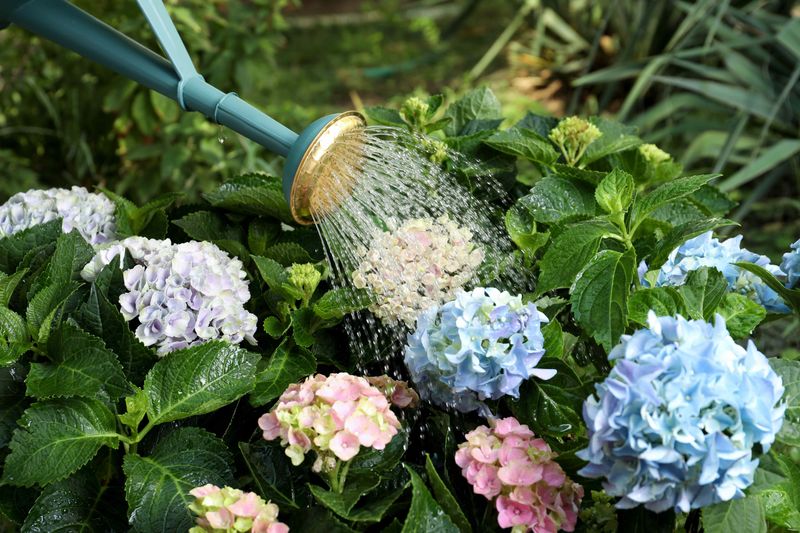
Few things are more discouraging than watching your hydrangeas wilt in the summer heat even though you watered them just yesterday. In many cases, the problem is not how often you are watering but how deeply the water is actually reaching.
Shallow, frequent watering is one of the most common irrigation mistakes in North Carolina foundation beds, and it quietly undermines plant health all season long.
When you water lightly, moisture only penetrates the top inch or two of soil. Hydrangea roots respond by staying shallow, chasing that surface moisture rather than growing deep where soil temperatures are cooler and water reserves last longer.
Shallow-rooted plants become far more vulnerable during heat waves and dry stretches because their roots simply have no access to deeper moisture. You end up in a cycle of constant watering that never really solves the problem.
The goal should be deep, infrequent watering that encourages roots to grow downward. Water slowly and thoroughly, allowing moisture to soak at least six to eight inches into the soil.
A simple way to check is to push a wooden dowel or long screwdriver into the soil after watering. If it slides in easily to six inches or more, you have watered deeply enough.
Drip irrigation or soaker hoses work extremely well for foundation beds because they deliver water directly to the root zone without wasting it on foliage.
Watering two to three times per week during peak summer heat, deeply each time, gives North Carolina hydrangeas exactly what they need to stay strong and blooming.
8. Choosing The Wrong Hydrangea For The Site
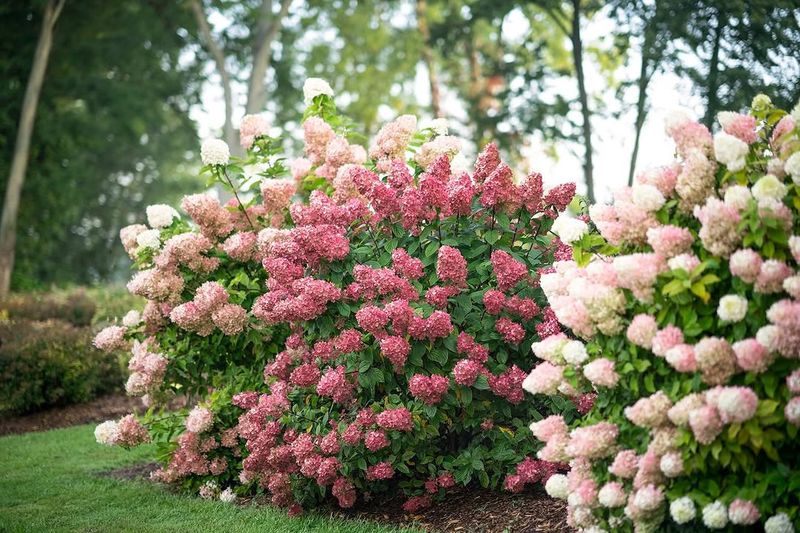
Walk into almost any garden center in North Carolina during spring and you will find rows of gorgeous hydrangeas in full bloom.
That makes it incredibly tempting to grab whatever catches your eye without thinking too carefully about where it will actually live in your yard.
Choosing a variety based purely on looks without matching it to your specific site conditions is a mistake that shows up quickly once the plant is in the ground.
North Carolina gardeners have access to several hydrangea types, each with its own preferences. Bigleaf hydrangeas love morning sun and afternoon shade, and they struggle badly on hot south or west-facing walls.
Oakleaf hydrangeas handle shade and dry spells better than most. Panicle hydrangeas are the toughest sun tolerators of the group and can handle more heat than their counterparts.
Smooth hydrangeas like Annabelle thrive in part shade and are surprisingly cold-hardy. Each variety has a personality, and planting the wrong one in the wrong spot leads to constant disappointment.
Before buying, take a realistic look at your foundation site. How much direct sun does it get and during which hours?
How does water drain after rain? Is the soil amended or still the compacted clay that often surrounds home foundations?
Matching the right hydrangea variety to the actual conditions of your specific spot is the single most impactful planting decision you can make. Getting that match right means less babying, stronger growth, and far more blooms every single year.
9. Pruning At The Wrong Time
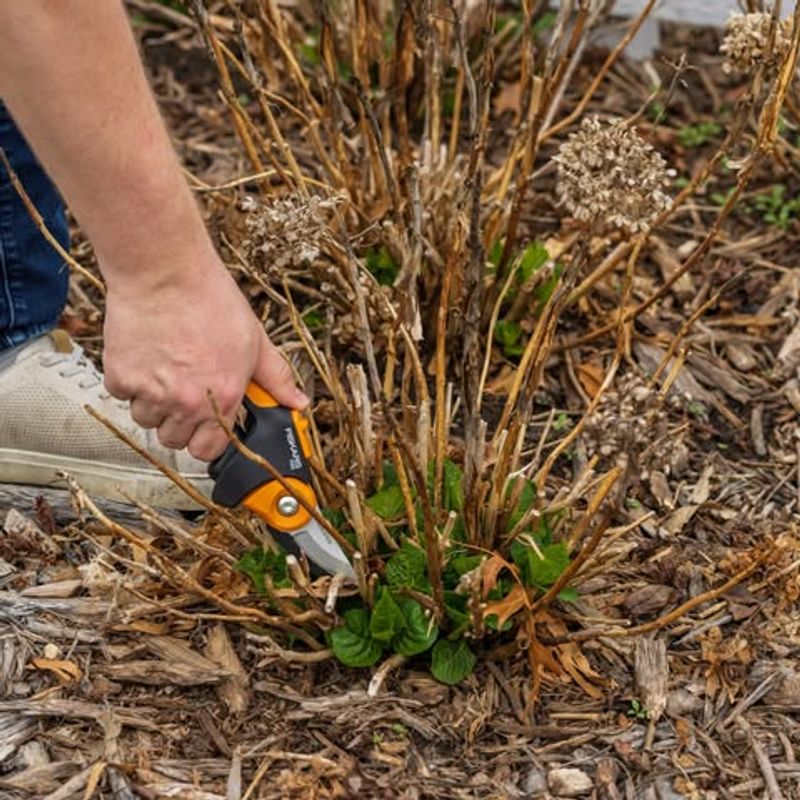
Every fall, well-meaning North Carolina gardeners grab their pruning shears and tidy up their foundation beds before winter. It feels productive and satisfying.
But for many hydrangea varieties, cutting stems back in fall or early spring is the fastest way to guarantee a bloomless summer, and it is one of the most heartbreaking mistakes to discover after waiting months for flowers that never arrive.
Bigleaf and oakleaf hydrangeas bloom on old wood, meaning the flower buds for next year actually form on this year’s stems before the plant goes dormant.
If you prune those stems in fall, winter, or early spring, you are removing next season’s blooms before they ever get a chance to open.
Many gardeners do this for years without connecting the pruning to the missing flowers, assuming something else is wrong with the plant.
Timing your pruning correctly changes everything. For old-wood bloomers, the only safe window to prune is right after they finish flowering in summer, usually late July or early August in North Carolina.
This gives the plant time to set new buds before dormancy. Panicle and smooth hydrangeas bloom on new wood and can be pruned in late winter without losing flowers.
Learning which type of hydrangea you have before reaching for the pruners is an absolute must. A quick variety check saves you an entire season of waiting for blooms that your own pruning quietly removed months earlier.
10. Ignoring Airflow In Humid Conditions
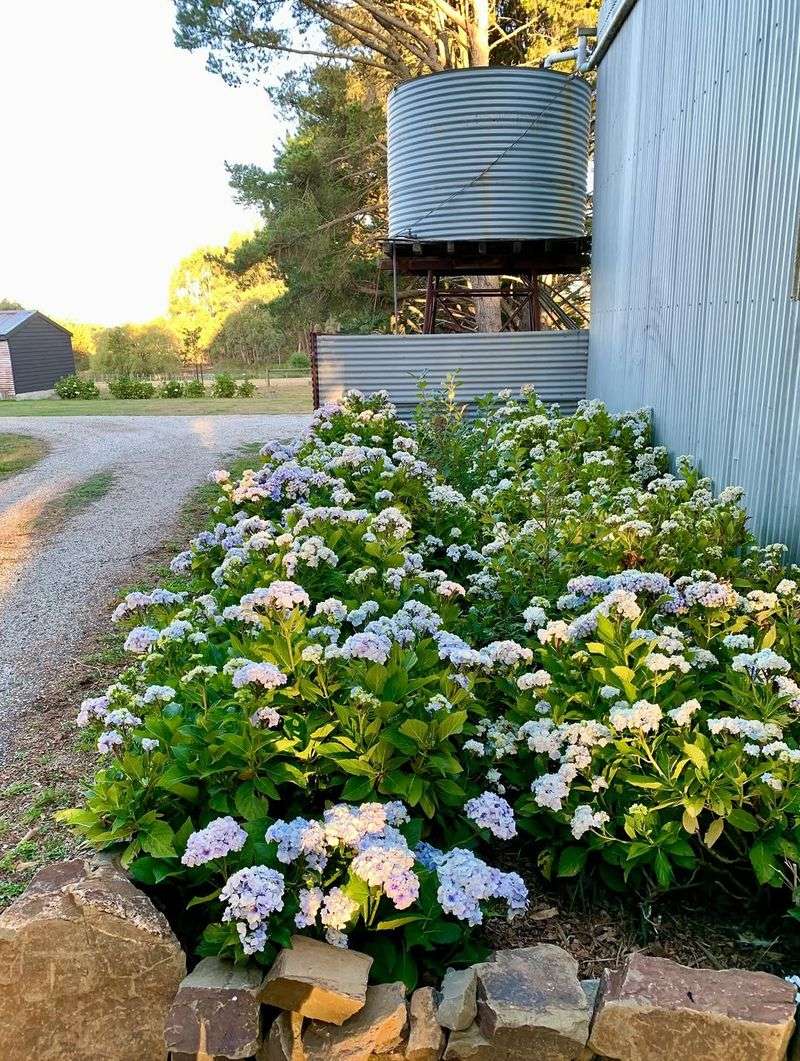
North Carolina summers bring a combination of heat and humidity that feels oppressive to people and plants alike.
For hydrangeas planted in dense, tightly packed foundation beds, that humidity creates the perfect conditions for fungal diseases like powdery mildew and cercospora leaf spot.
Both are extremely common in the Carolinas and both thrive when air cannot circulate freely around the foliage.
Powdery mildew shows up as a white, dusty coating on leaves and is almost always linked to poor airflow combined with warm, humid nights.
Cercospora leaf spot creates purple-ringed brown spots that spread across the leaf surface and can cause significant leaf drop by late summer.
Neither problem is catastrophic on its own, but both weaken the plant over time and make your foundation bed look rough. Gardeners often reach for fungicide sprays as the first response, but improving airflow is actually the more effective long-term solution.
Spacing plants properly from the beginning is the best prevention. Avoid planting hydrangeas so close together that their branches overlap and trap moisture between them.
Thin out any crossing or inward-growing branches during the appropriate pruning window to open up the center of each shrub. Avoid overhead watering in the evening, since wet foliage overnight in humid conditions is practically an invitation for fungal problems.
Morning watering at the base of the plant keeps leaves dry and dramatically reduces disease pressure throughout the summer. Good airflow costs nothing and protects everything.