This Is What Texas Salvia Needs Before The Heat Gets Brutal
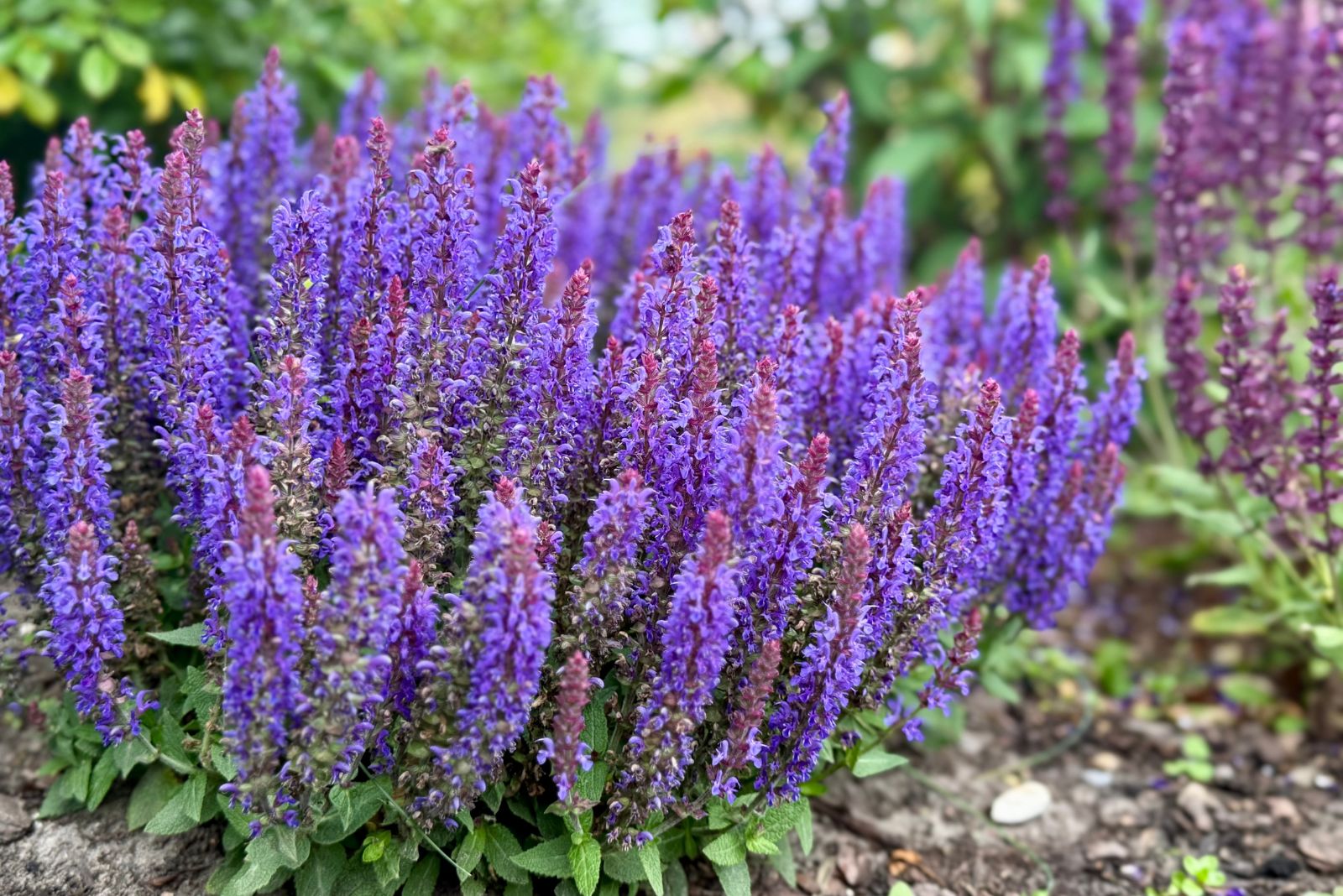
Salvia is one of the most reliable performers in a Texas garden, but reliable through summer and reliable through brutal heat are two different things without the right preparation.
The weeks before temperatures lock in at their worst are actually one of the most important windows for giving salvia what it needs to bloom consistently rather than fade out when conditions get extreme.
Most Texas gardeners treat salvia as a set-it-and-forget-it plant, and while it does handle neglect better than most, a little focused attention before peak summer arrives pays off significantly in how the plant looks and performs from July through September.
Pruning timing, feeding habits, and a few soil-level adjustments all play a role in how well salvia holds up under pressure.
Getting these things right now, before the heat makes recovery harder, sets your salvia up for the kind of season that makes it one of the standout plants in the yard.
1. A Light Trim Before Summer Peaks
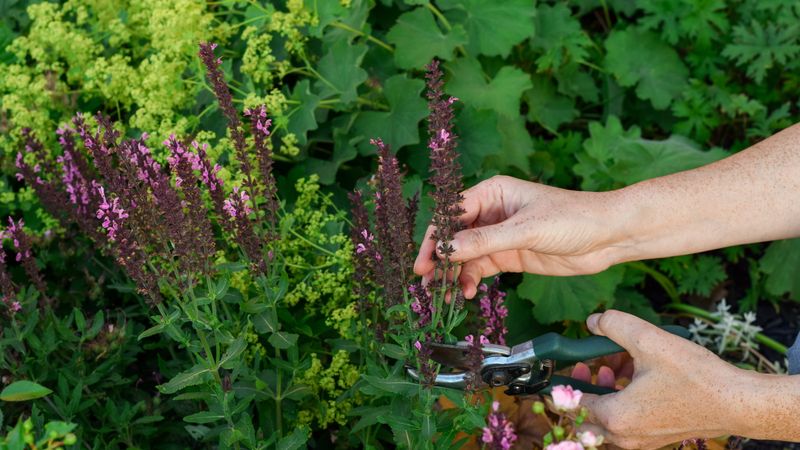
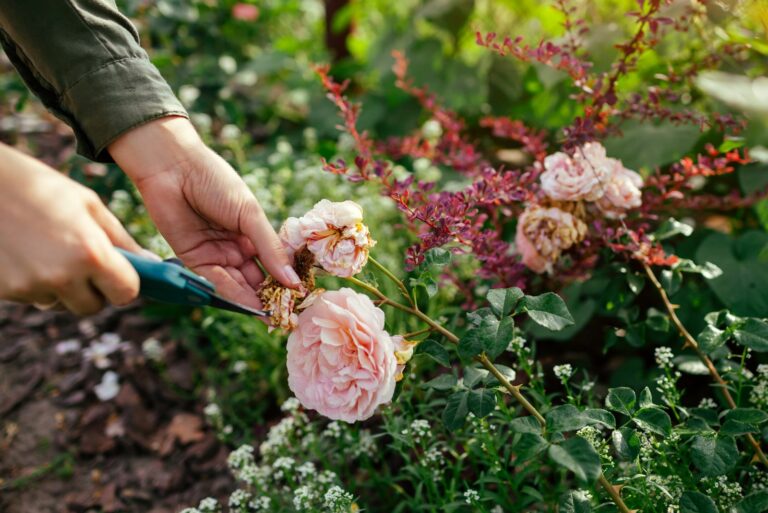
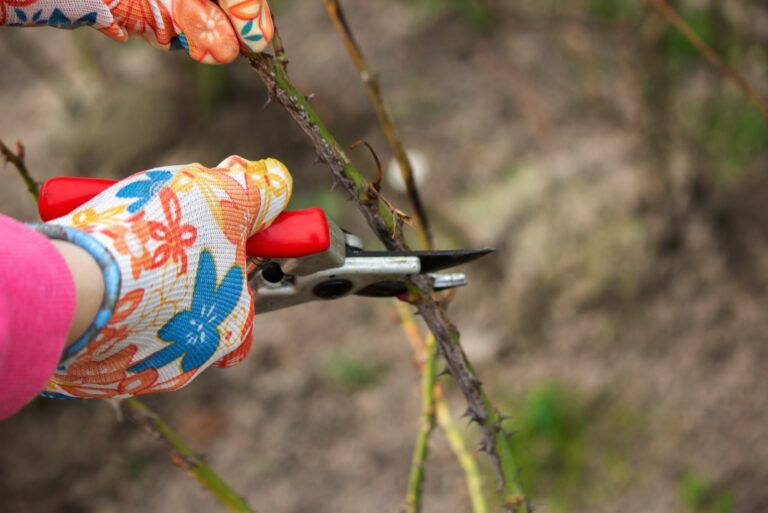
Grabbing your pruning shears before summer really kicks in might just be the best thing you do for your salvia all year. A light trim removes spent blooms and any stems that have gotten long, floppy, or unruly.
When you cut those tired parts away, the plant puts its energy into pushing out fresh new growth instead of trying to keep old stuff alive.
Many gardeners skip this step because they worry about cutting too much. The good news is that salvia is very forgiving.
You do not need to go overboard. Just snip back the top third of the plant, focusing on flower stalks that have already finished blooming.
That small effort makes a huge difference in how full and bushy the plant looks going into summer.
Pruning also improves airflow around the stems, which helps prevent fungal issues that can sneak in during hot and humid stretches. Texas summers bring both heat and occasional humidity, and good airflow keeps your plant healthier overall.
Use clean, sharp shears so you make smooth cuts that heal quickly. Wipe your blades with rubbing alcohol before you start to avoid spreading any plant diseases.
A trimmed salvia bounces back fast and rewards you with a fresh flush of flowers just when your garden needs color the most. Think of it as giving your plant a fresh start right before the toughest season of the year.
2. Deep Watering To Build Drought Resistance
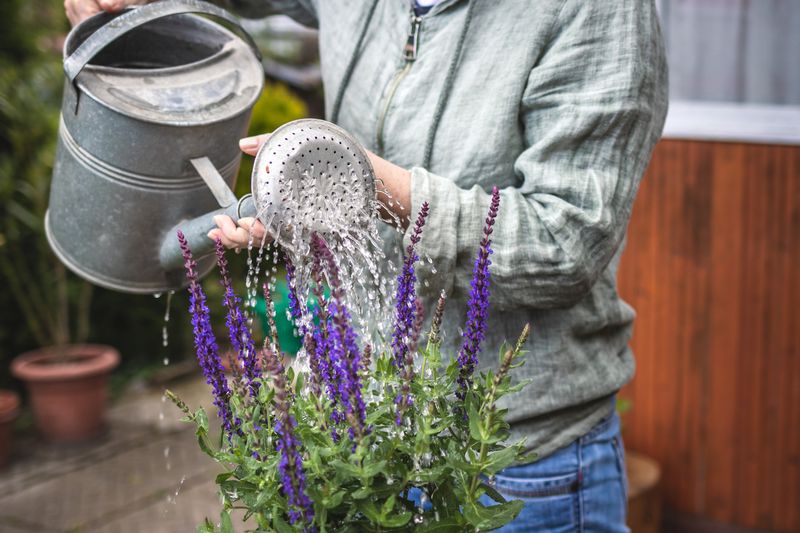
Most people water their plants a little bit every single day, and while that feels helpful, it can actually work against you. Shallow, frequent watering keeps roots near the surface where the soil dries out fast.
When a heat wave rolls through Texas, those shallow roots have nowhere to go for moisture.
Deep watering changes the whole game. When you water slowly and thoroughly, moisture moves deep into the soil.
The roots follow that moisture downward, pushing further and further below the surface. Deep roots can access water that stays cooler and more available even when the top inch or two of soil is bone dry.
Your Texas Garden Changes Every Week. Your Plan Should Too.
Gardening in Texas changes quickly throughout the season. Every Friday you’ll receive a simple weekly plan showing exactly what to plant, prune, fertilize, harvest, and protect so you never miss the right timing.
That is exactly the kind of resilience salvia needs to handle triple-digit temperatures without flinching.
Try watering your salvia deeply once or twice a week rather than a little every day. Let the water run slowly at the base of the plant for several minutes so it soaks in rather than running off.
A drip system or soaker hose works really well for this. Water early in the morning so the leaves dry off quickly and the roots have time to absorb moisture before the midday heat arrives.
Did you know that salvia actually evolved in dry, rocky environments? That background means it is built to handle drought, but only when its root system has had the chance to grow deep and strong before extreme heat sets in.
Give it that head start now, and it will thank you all summer long.
3. Full Sun For Maximum Blooming
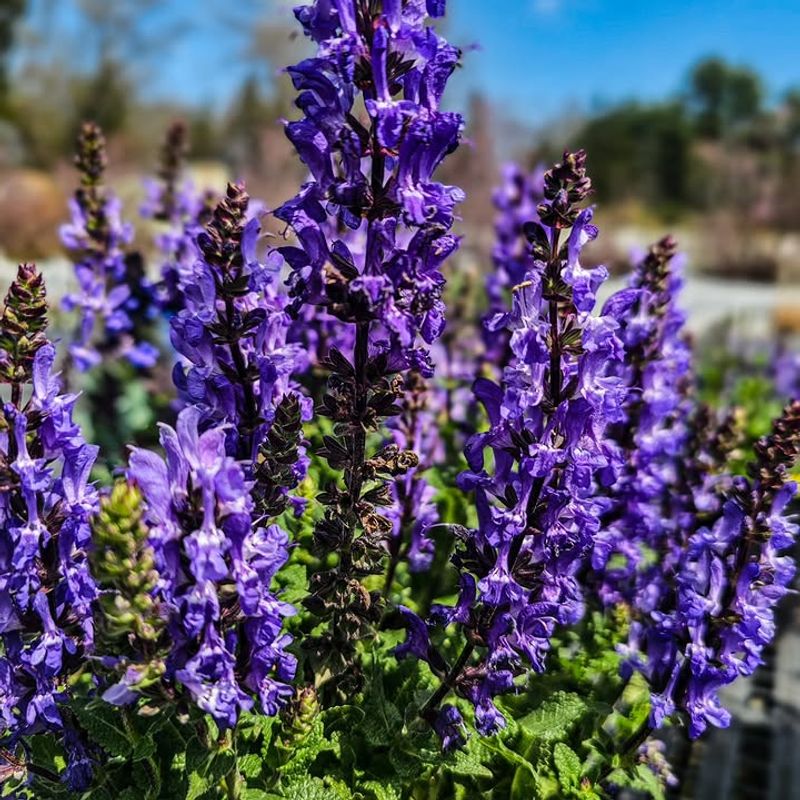
Salvia is a sun-lover through and through. If you have been thinking about moving your salvia to a shadier spot to protect it from the summer sun, you might want to reconsider.
Most Texas salvias actually perform their best when they soak up at least six to eight hours of direct sunlight every day.
Sunlight fuels the plant’s ability to produce flowers. More sun generally means more blooms, stronger stems, and a healthier overall plant.
When salvia does not get enough light, it tends to grow tall and leggy as it stretches toward whatever light it can find. The flower production drops off, and the plant looks sparse and weak rather than full and vibrant.
Before summer peaks, take a look at where your salvia is planted. Watch the area throughout the day and note how many hours of direct sun it actually gets.
Trees and structures cast different shadows as the sun shifts position across seasons, so a spot that worked in spring might be shadier than you think by late summer.
If your plant is in a container, now is a great time to move it to a sunnier location while temperatures are still manageable.
Planting salvia in a raised bed or along a south-facing fence line can maximize sun exposure.
Healthy sun exposure before the hottest months arrive means your plant builds up the strength it needs to keep blooming even when temperatures climb well past comfortable. Bright blooms in summer are absolutely worth the effort of finding the right sunny spot.
4. Fast-Draining Soil
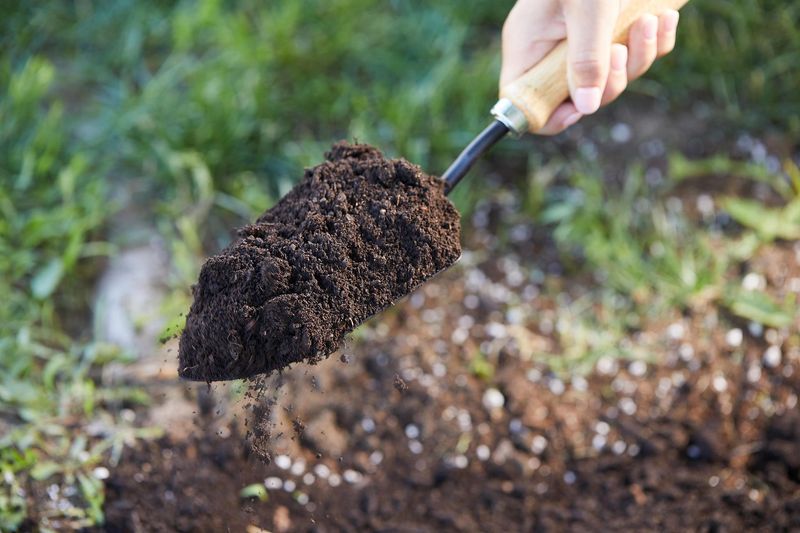
Soggy roots are one of the fastest ways to lose a salvia plant. Salvia comes from naturally dry, rocky, or sandy environments, and its roots simply are not built to sit in wet, compacted soil for long stretches of time.
If water pools around your salvia after rain or irrigation, that is a sign the drainage needs some attention before summer arrives.
Fast-draining soil allows water to move through quickly, giving roots the moisture they need without drowning them. You can improve your soil by mixing in coarse sand, perlite, or fine gravel.
These materials open up the soil structure and allow air and water to move through more freely. Raised beds are another excellent option because they naturally drain better than in-ground planting areas.
Texas clay soil is a common challenge for gardeners across the state. Clay holds water for a long time, which can cause root problems even when you think you are not overwatering.
If you are dealing with clay-heavy soil, adding a generous amount of organic compost along with coarse grit can help loosen the texture and improve drainage significantly.
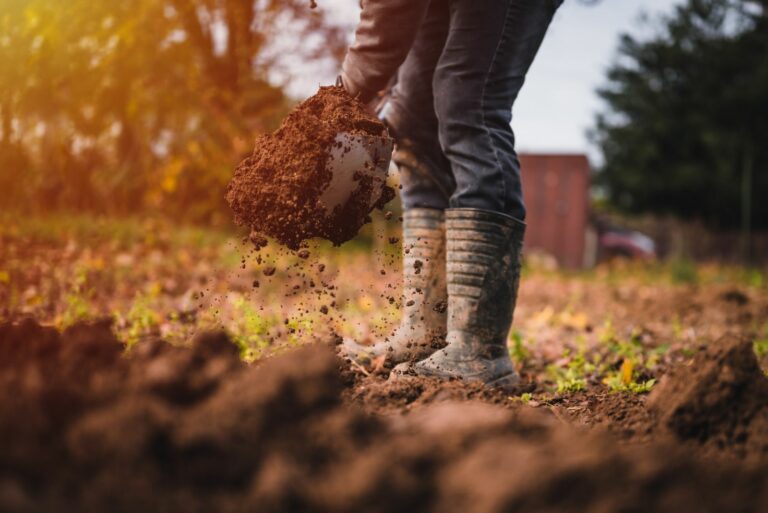
Work the amendments into the top several inches of soil before planting or around existing plants at the start of the season.
A simple test is to dig a small hole, fill it with water, and see how fast it drains. If the water is still sitting there after thirty minutes, your soil needs some work.
Getting the drainage right now means your salvia roots stay healthy and happy even during the wettest summer storms.
5. Mulch Around The Base
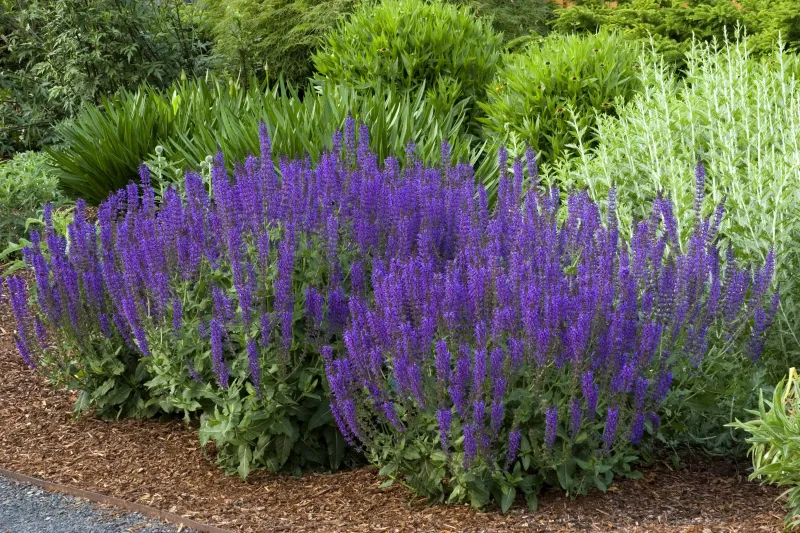
Here is a simple trick that experienced Texas gardeners swear by every single summer: mulch. Spreading a layer of mulch around the base of your salvia does more than make your garden bed look tidy.
It acts like a protective blanket that keeps soil moisture from evaporating too quickly in the blazing summer sun.
Soil temperatures in Texas can climb shockingly high during summer, sometimes reaching levels that stress or damage plant roots. A two-to-three-inch layer of mulch insulates the soil and keeps those root-zone temperatures much more stable.
That buffer makes a real difference in how well your salvia holds up during the hottest weeks of the year. Cedar mulch, shredded hardwood, and pine straw are all popular choices that work well in Texas gardens.
Mulch also helps suppress weeds, which compete with your salvia for water and nutrients. Fewer weeds mean your plant gets more of what it needs without having to share.
When you apply mulch, keep it a couple of inches away from the base of the stem to allow air circulation and prevent moisture from sitting directly against the plant.
Reapply mulch as it breaks down over the season since decomposed mulch actually adds organic matter back into the soil, which is a bonus. Think of mulching as one of the easiest, most affordable ways to protect your garden investment.
A single afternoon spent laying mulch now can save your salvia from a lot of unnecessary stress when temperatures start climbing toward extreme levels in the weeks ahead.
6. Very Little Fertilizer
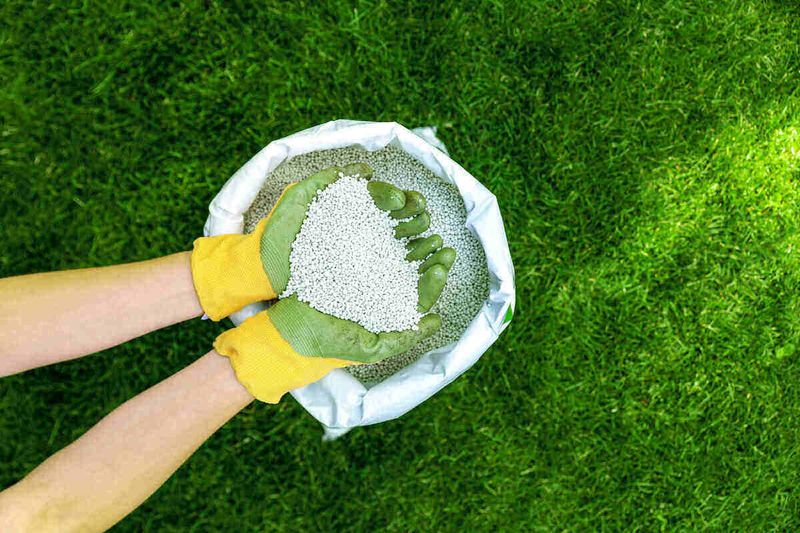
It might feel counterintuitive, but salvia actually performs better when you hold back on the fertilizer. Many gardeners assume that feeding plants more will always lead to better results.
With salvia, the opposite tends to be true. Too much fertilizer, especially nitrogen-heavy blends, pushes the plant into producing lots of leafy green growth while flower production takes a back seat.
Salvia evolved in lean, low-nutrient soils. It is naturally adapted to thrive without a lot of extra feeding.
When you mimic those conditions, the plant channels its energy into blooming rather than growing oversized leaves and stems.
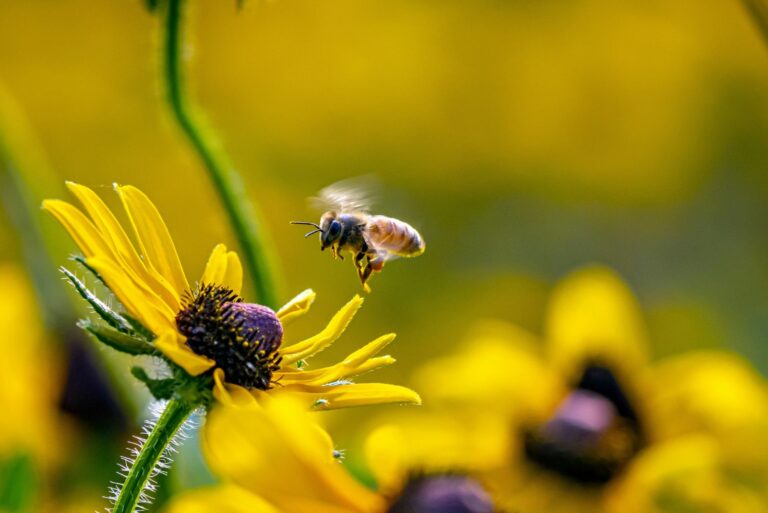
Lean conditions signal to the plant that it needs to reproduce, which means more flowers for you and more food for the pollinators that love salvia blooms.
If you feel the need to fertilize at all, choose a slow-release formula with a balanced or low-nitrogen ratio and apply it sparingly just once at the beginning of the season.
Avoid liquid fertilizers that deliver a quick burst of nutrients, since that sudden rush tends to trigger the exact kind of lush, leafy growth you want to avoid before a Texas summer.
Compost is a gentler option that feeds the soil slowly and naturally without overwhelming the plant. A thin layer worked into the soil around the base of the plant is usually all the extra nutrition salvia needs.
Less really is more with this plant. Trust the process, keep the feeding minimal, and your salvia will reward you with a stunning display of blooms that last well into the season.