8 Arizona Herbs That Struggle When Afternoon Heat Kicks In
Nothing says “I paid twelve dollars for this” quite like a pot of crispy cilantro that survived exactly four days on your Arizona patio. At this point, local nurseries should just hand out tiny little grief counselors at checkout.
It is not the soil. It is not the watering schedule. It is not even the heat itself, at least not in the way you think. There are eight herbs that low-desert Arizona gardeners fight with season after season.
But the reason they keep losing has nothing to do with green thumbs or gardening experience. Beginners and seasoned growers usually hit the same wall.
The answer comes down to something so simple that once you see it, you can’t unsee it. Something that seed packets never mention.
Something that gardening videos gloss right over. Your afternoon sun placement can be destroying everything you plant, but luckily, the fix is easier than you think.
1. Give Cilantro Afternoon Shade Before It Bolts
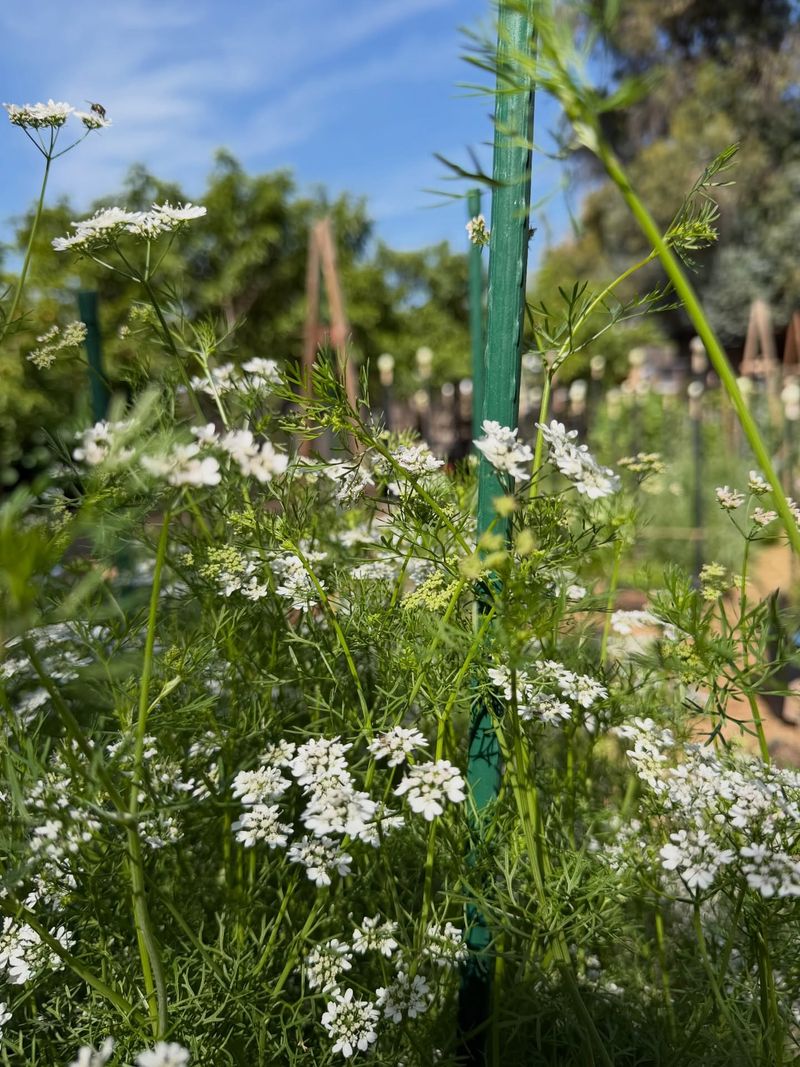
Cilantro has a dramatic side, and Arizona summers bring it out fast. One week you’re clipping fresh leaves into your guacamole. The next week, it has shot up a flower stalk and gone full diva on you.
That’s bolting, and once it starts, there’s no talking it back down. Cilantro is a cool-season herb at heart. It was never built for triple-digit afternoons.
Once temperatures regularly push past 80 degrees, cilantro stops caring about your tacos and starts thinking about reproduction instead. The flavor turns bitter. The stems go woody. The whole plant checks out.
Afternoon shade is your best defense. A spot that gets morning sun but stays protected after noon gives cilantro a fighting chance.
A shade cloth rated at 30 to 40 percent can buy you several extra weeks of harvest. Walls, fences, and taller plants all act as natural shields too.
Harvest frequently and cut generously. Trimming stems regularly slows the bolt, at least a little. Keep the soil consistently moist, because dry roots speed up the whole process.
Here is the silver lining. If cilantro bolts anyway, let it go to seed. Those seeds are coriander. Collect them for cooking, or save them to replant when fall temperatures return.
Arizona cilantro may have a short career, but with the right placement, it puts on a solid show before the curtain falls.
2. Move Dill Out Of Harsh Afternoon Sun
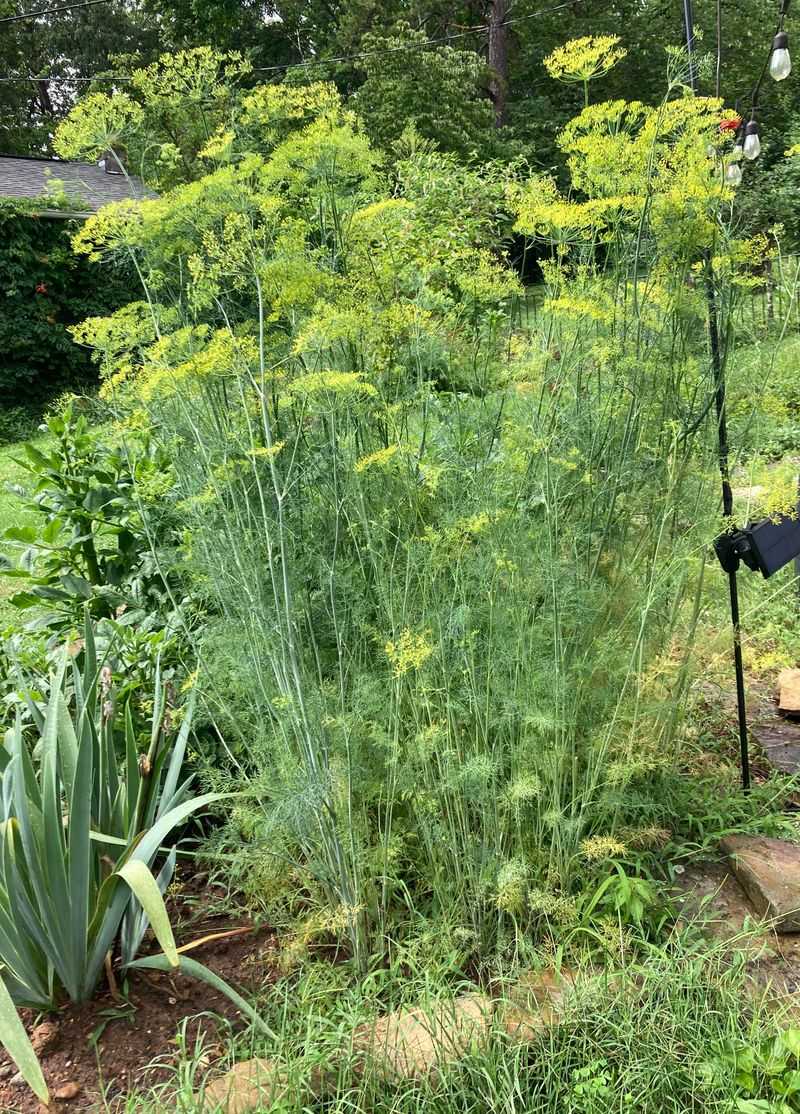
Yes, dill looks wispy and delicate. In an Arizona afternoon, it could very much be.
Do not let the feathery fronds fool you into thinking this herb is easygoing in the desert. Put dill in full afternoon sun during a Phoenix summer, and you are basically running a very slow composting experiment.
Dill is a cool-season herb that does its best work in mild temperatures. Once the heat builds, it rushes toward flowering faster than you can grab a pair of scissors. That means less time harvesting, less flavor, and a whole lot of frustration.
Morning sun is where dill actually thrives. A spot that catches light from sunrise until around midday gives dill a real shot at producing well.
Your Arizona Garden Changes Every Week. Your Plan Should Too.
Gardening in Arizona changes quickly throughout the season. Every Friday you’ll receive a simple weekly plan showing exactly what to plant, prune, fertilize, harvest, and protect so you never miss the right timing.
Container growing is a huge advantage here. You can simply move the pot as the season shifts instead of fighting a fixed location.
However, you should watch out for reflected heat. Patio pavers, stucco walls, and concrete edges radiate serious warmth even when the plant seems shaded.
Place dill containers on wooden surfaces or anywhere away from heat-absorbing materials.
Keep watering consistent. Dill dislikes both drought stress and soggy soil, so finding that middle ground matters.
Harvest the feathery leaves regularly. It slows bolting a little and keeps the flavor at its peak before summer fully takes over.
3. Keep Parsley Cooler With Filtered Light
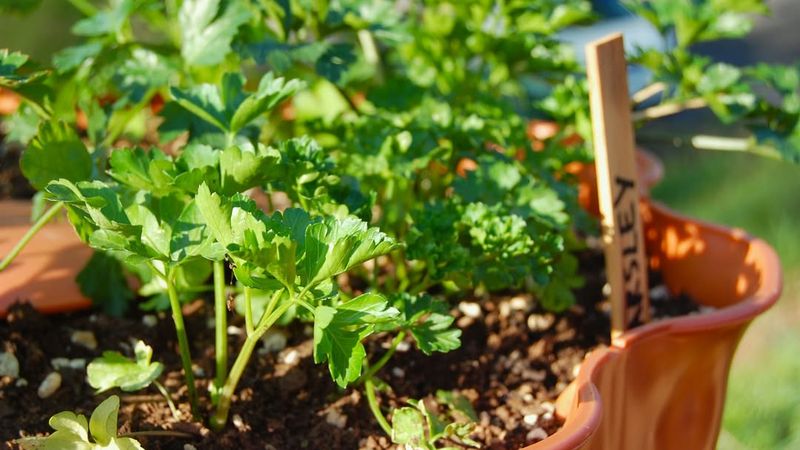
This plant has a reputation for being the quiet, reliable herb. The one that just sits there looking green while everything else falls apart. In Arizona, though, that reputation gets tested.
Parsley is tougher than cilantro or dill, no question. But tough does not mean invincible, and full afternoon sun in the low desert can push even this sturdy herb into a slow decline.
Leaves start to yellow. New growth slows down. The plant looks less like a garnish and more like a cry for help.
Flat-leaf and curly parsley both handle warmth better than most cool-season herbs. Still, the brutal combination of intense sun, dry air, and radiant heat from patio surfaces adds up quickly.
Filtered light is a practical fix. A 30 to 40 percent shade cloth cuts the harshest rays while still letting in plenty of brightness.
East-facing spots that catch morning sun and stay shaded after noon work beautifully for container parsley.
Raised beds near taller plants or fences can also create helpful natural shade without much effort.
Steady moisture is non-negotiable. Arizona heat dries out containers fast, so check them daily during warm months.
Mulching the soil surface slows evaporation and keeps roots noticeably cooler.
Parsley is a biennial, so it focuses on leafy growth in its first year before flowering in its second. Keep it cool and well-watered, and you can stretch that productive first season much further than you might expect.
4. Shield Chives From Scorching Patio Heat
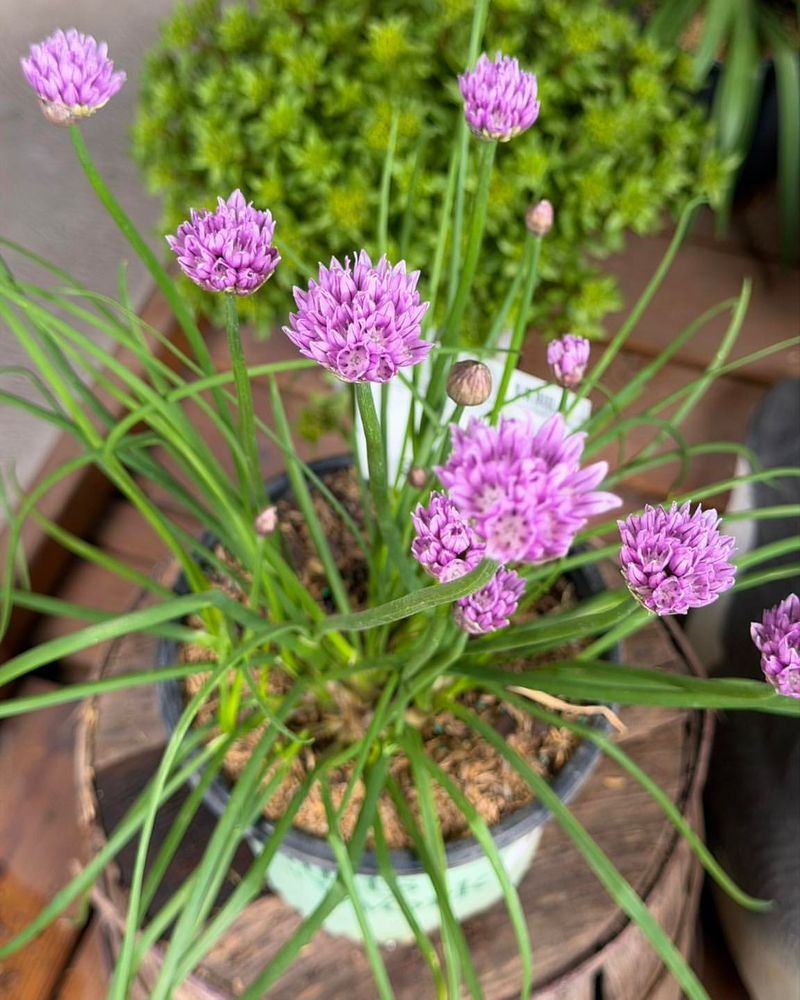
Chives are supposed to be the indestructible herb. The one even beginner gardeners brag about. Then someone moves to Arizona and discovers that chives have a limit after all.
A pot of chives sitting on a sun-baked patio in July stops being low-maintenance real fast. The tips go brown.
The leaves curl. The whole pot starts to look more like dried grass than something you’d sprinkle on a baked potato.
Chives prefer cooler conditions. They handle light frost without complaint, but serious summer heat is a different story entirely.
Reflected heat from patios, walls, and pavers makes things even harder. A container sitting on sun-heated concrete can reach soil temperatures well above what the air temperature suggests.
Roots cook quietly from below while the sun hammers from above. Moving pots off hot pavement makes a noticeable difference.
Wooden benches, shelving, or shaded ground surfaces all help. Even a few inches of air space under a container reduces root stress significantly.
Position chive containers near a north or east-facing wall for gentle morning light without the full afternoon assault. Consistent watering is a must. Dry soil turns chive tips brown and crispy in a hurry.
Trim the leaves regularly to encourage fresh growth and keep the plant productive as long as possible.
If chives look truly exhausted by midsummer, give them a break. Pull them back, rest the container, and replant fresh starts when fall temperatures make life worth living again.
5. Tuck Mint Where Afternoon Shade Holds
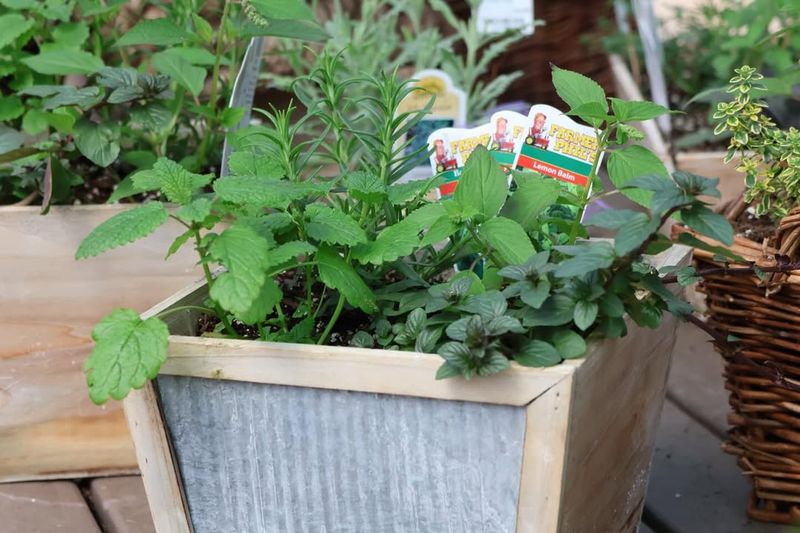
Know that one plant that’s famously aggressive? That’s right, it’s mint. You plant it once and spend the next decade trying to get rid of it.
Arizona, however, has a way of humbling even mint. Drop a pot of mint into full afternoon sun on a dry Phoenix patio, and that so-called unstoppable herb starts looking pretty stoppable by July.
The leaves wilt. The color fades. The plant that supposedly takes over gardens starts begging for mercy.
Mint comes from moist, temperate places. It was not designed for blazing sun, low humidity, and fast-draining desert soils all at once. Shade and moisture are what mint actually needs to survive an Arizona summer.
A spot under a patio cover, near a tall wall, or beneath a shade tree works well. East-facing placements that catch morning sun but stay cool from noon onward are a solid option for containers.
Avoid tucking mint against concrete edges that bake in the sun, even when the plant itself appears shaded. The heat radiating up from below does real damage.
Water generously and often. Containers in warm conditions can dry out within a single day. A layer of mulch on top of the soil helps slow moisture loss significantly.
Containers are actually a smart choice for mint in Arizona for two reasons. They let you control placement easily, and they keep mint from spreading into places you never intended.
With enough shade and consistent water, mint can hold on through much of the warm season and bounce back strong when fall arrives.
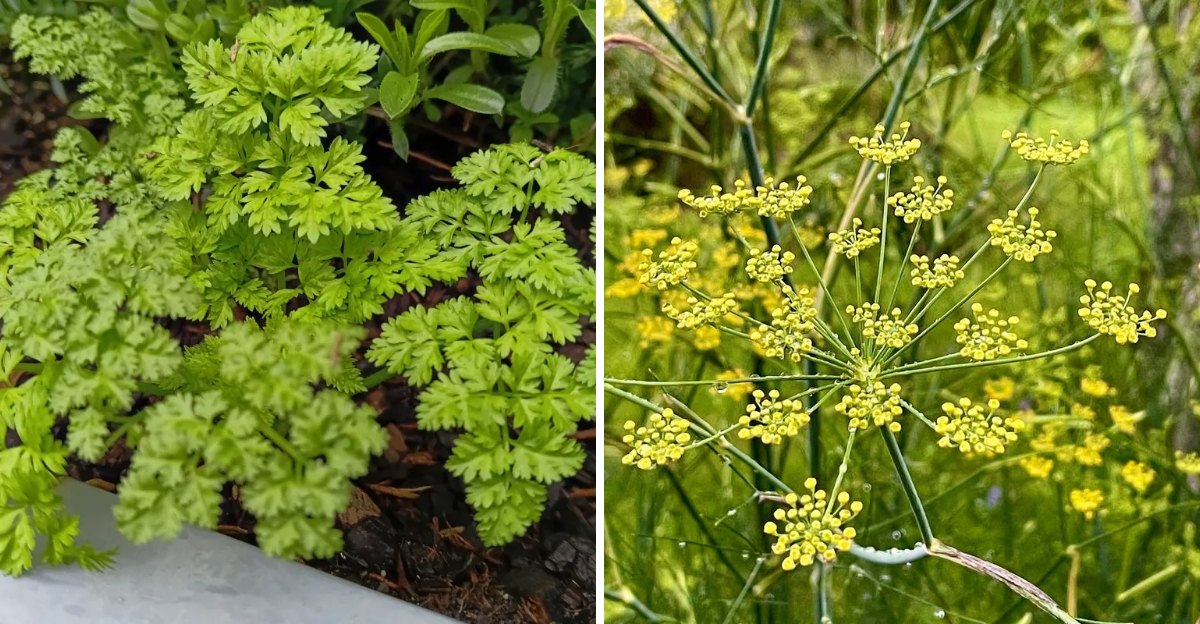
6. Grow Chervil Before Desert Heat Builds
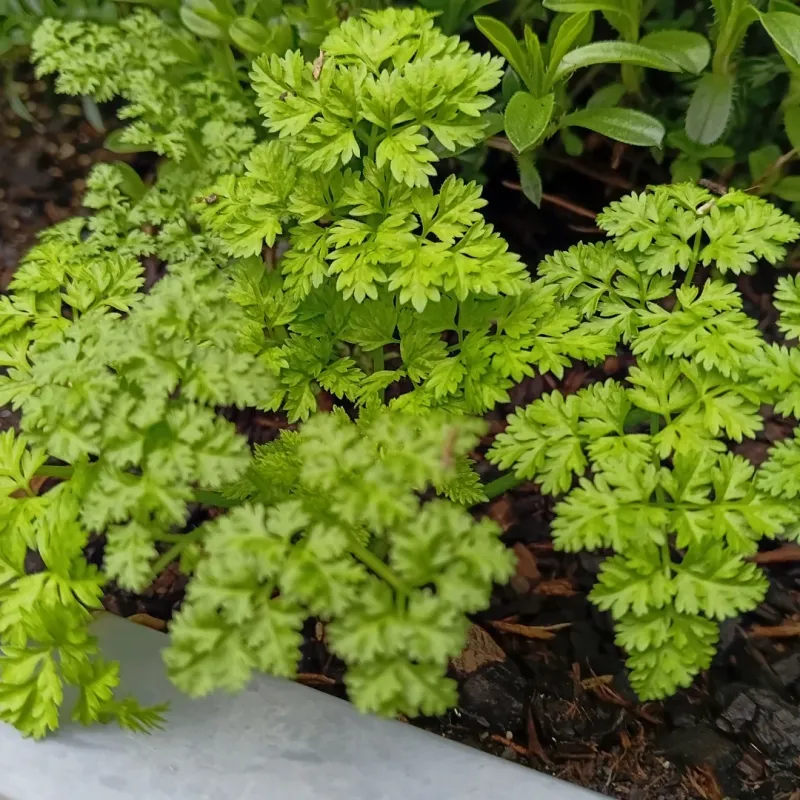
Chervil is the herb that many gardeners never tried, and that is honestly a shame.
It has a delicate, anise-like flavor that works beautifully in salads, eggs, and light dishes. It looks elegant in the garden. And in the right conditions, it is surprisingly easy to grow.
The catch is that those right conditions have a very short window in the desert. Chervil strongly prefers cool temperatures, somewhere between 45 and 65 degrees Fahrenheit. In Arizona’s low desert, that puts fall and winter squarely in the sweet spot.
Once heat builds, chervil bolts fast and the whole experience is over before it really started.
Trying to grow it through an Arizona summer is not a realistic goal. The herb simply was not built for that, and no amount of shade cloth or strategic watering will change its mind.
Fall is the play here. Start seeds in late September or October directly in the soil, because chervil does not transplant well.
Direct sowing gives it the best start. Choose a spot with morning sun and afternoon shade, or filtered light throughout the day. Keep the soil consistently moist, because chervil wilts fast when roots dry out.
Harvest leaves before the plant flowers. Flavor drops off once bolting begins, and the lacy leaves are far better fresh than dried.
Treat chervil as a seasonal treat in Arizona rather than a year-round herb. Time it right, and it rewards you with something genuinely special before the heat rolls back in.
7. Start Fennel Early Before Summer Heat Pushes Growth
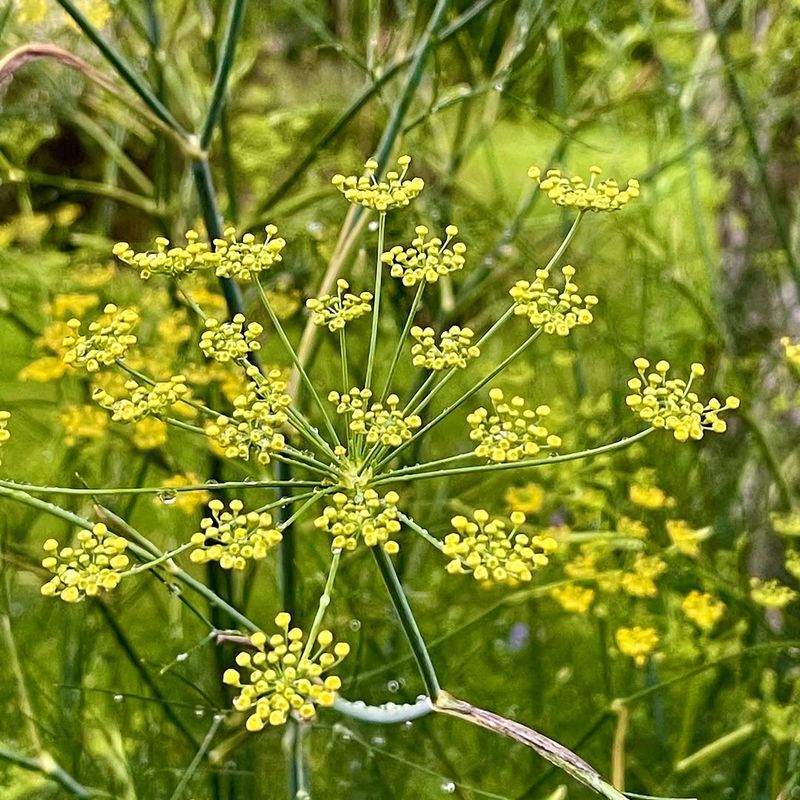
People either love its bold, anise-forward flavor or they find it completely overwhelming. But in Arizona, the real debate is not about taste. It is about timing.
Get fennel in the ground at the right moment, and you end up with a productive, flavorful plant. Miss that window, and you end up with a tall, bitter, bolted stalk that is useful to basically no one.
Fennel grows as a cool-season crop in Arizona’s low desert. Fall and late winter are the prime planting windows.
Once late spring arrives and temperatures start climbing, fennel shifts into survival mode. It sends up flower stalks. Growth changes.
Flavor suffers. The whole character of the plant turns sharper and less pleasant than what you got during the cooler months.
Getting fennel established early, while temperatures are still mild, gives it time to develop before summer changes everything.
Both Florence fennel, grown for its bulb, and herb fennel, grown for fronds and seeds, benefit from early planting. Give fennel full sun during cooler months, then consider afternoon shade as spring temperatures begin to rise.
Keep soil moisture consistent. Fennel dislikes drying out completely, and stress accelerates bolting.
If it bolts before you are ready, do not write off the season entirely. Collect the seeds. They store well, taste great in cooking, and can be replanted when cooler weather returns. Nothing about fennel in Arizona has to go to waste.
8. Give Basil Morning Sun And Afternoon Relief
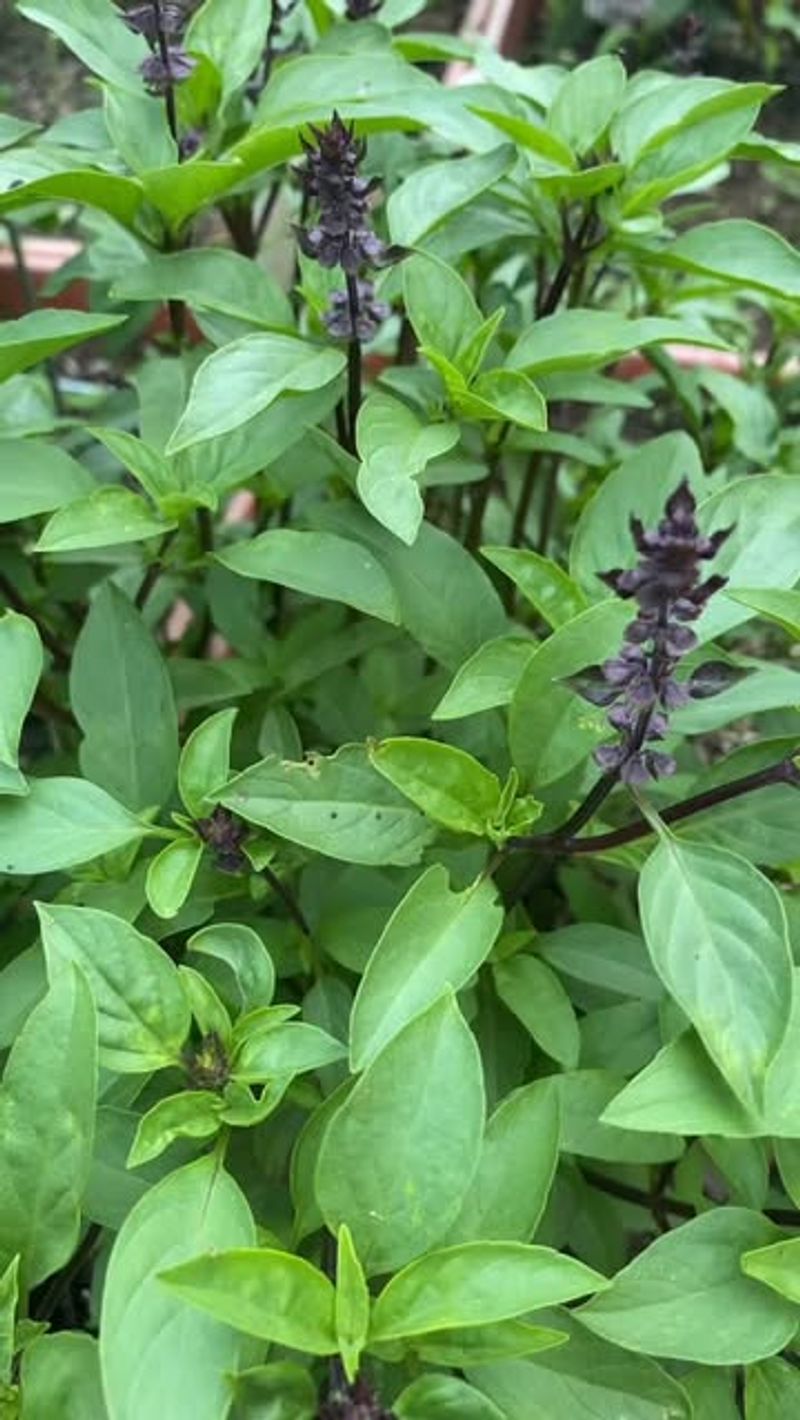
Basil seems like the perfect Arizona herb on paper. It loves warmth. It thrives in summer. It practically begs for sunshine. Everything about it sounds like a match made in desert gardening heaven.
Then you put it on a south-facing patio in August and watch it slowly lose the will to live. Here is the thing about basil and extreme heat. There is a point past which even this sun-loving herb taps out.
Temperatures above 95 degrees, combined with dry air and radiant heat, push basil well beyond its comfort zone. Leaves wilt. Edges scorch.
Plants in full afternoon sun may need watering twice a day just to stay upright, and they can still look rough by three in the afternoon.
Morning sun is where basil actually does its best work. East-facing placements work beautifully for this in most Arizona yards.
Consistent watering is essential. Basil wilts fast when the soil dries out, and repeated wilting weakens the plant over time in ways that are hard to reverse.
Pinch off flower buds the moment they appear. It keeps the plant focused on producing leaves instead of going to seed.
If you place it thoughtfully, it can thrive from late spring through early fall. It just needs a little afternoon mercy to get there.