These Are The Florida Plants That Come Back Fuller After Every Tropical Storm Without Any Help
Storm season in Florida is a real test. Two weeks after a tropical system moves through, you can tell instantly which plants belong here and which ones were always on borrowed time.
Some yards look rough for months. Others recover fast, almost like nothing happened.
The difference usually comes down to plant selection, not luck. Certain Florida plants have a reputation among longtime gardeners for taking a beating and coming back fuller on the other side.
No pruning, no fertilizer push, no coaxing. They just recover.
Newer gardeners often overlook them because they are not always the showiest option at the nursery. But ask anyone who has gardened here through multiple storm seasons and the same plant names keep coming up.
Your yard can handle whatever the Atlantic throws at it. You just need the right plants in the ground before the season gets serious.
1. Firebush Pushes Out Fresh Growth After Summer Storms
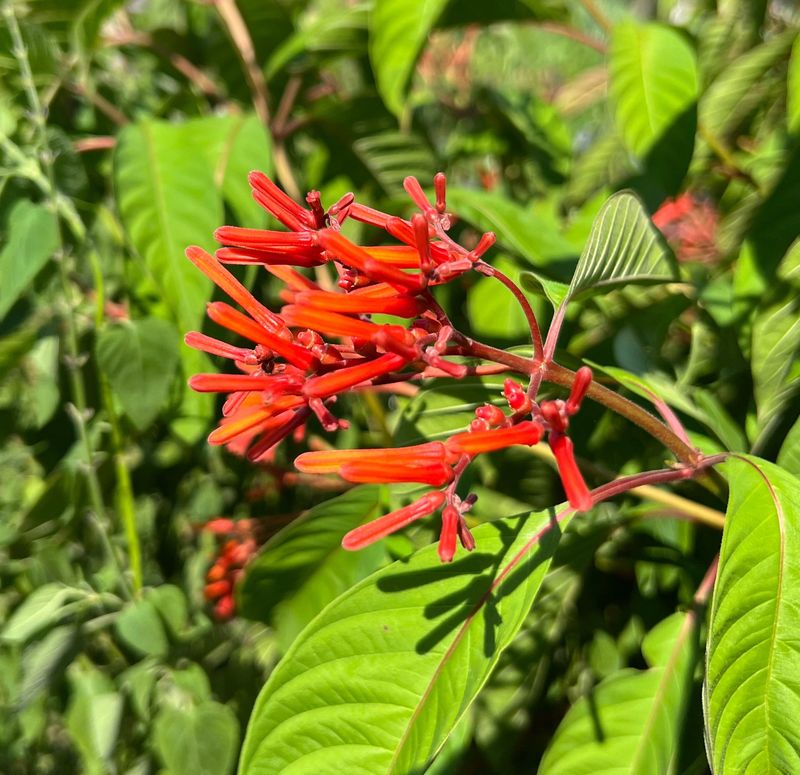
Fresh growth is often the first sign that a well-placed firebush survived a rough night. Native firebush, known botanically as Hamelia patens var. patens, is a warm-season shrub that can push out new stems and leaves quickly once summer rain picks back up after a storm.
That speed of recovery is one reason it shows up in so many local gardens across the state.
The flexible stem structure helps. Instead of snapping cleanly under wind pressure the way a brittle ornamental might, established firebush stems can bend and spring back, especially on younger growth.
The orange-red tubular flowers return fast too, which means the butterflies and hummingbirds that visit regularly do not stay away for long after a storm passes through.
Firebush handles heat and humidity well, which gives it a real advantage during the heavy rain and sun cycles that follow tropical weather.
It can grow into a large shrub in warm South and Central Florida regions, so give it room and plan for light shaping if it outgrows its spot.
It is not immune to storm damage. A direct hit from heavy debris or standing water can still set it back.
But in a good location with well-drained soil, it often looks surprisingly full again within a few weeks of a summer storm.
2. Muhly Grass Bounces Back From Wind And Rain
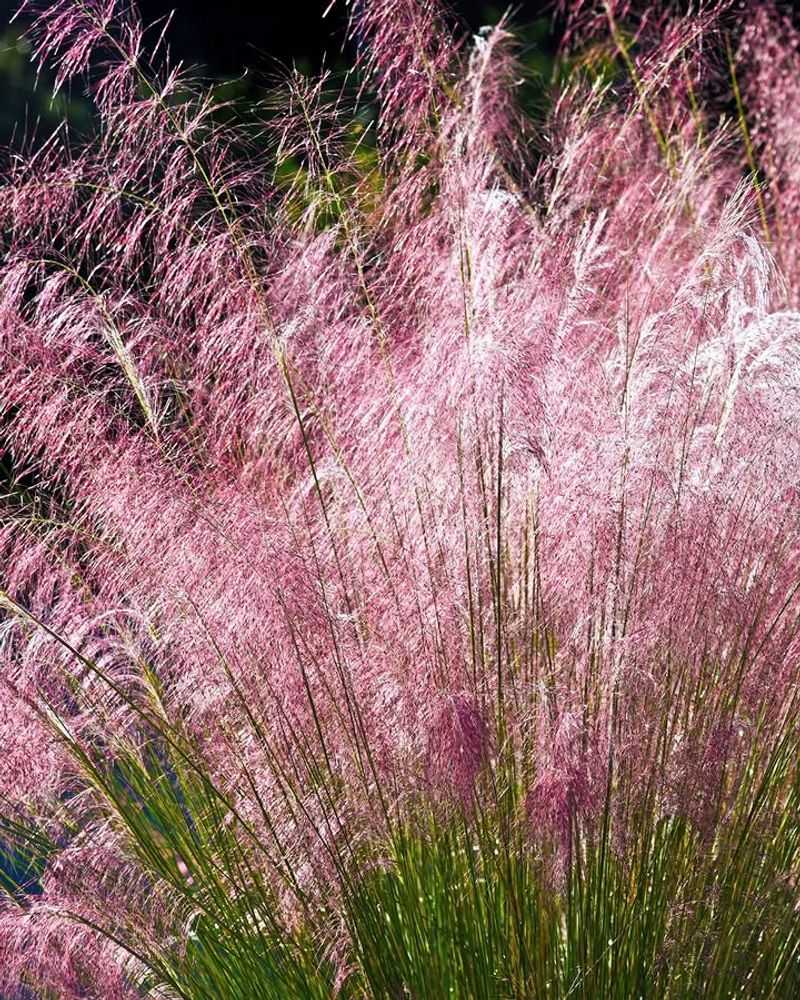
Flexible foliage can recover better than brittle stems, and muhly grass proves that every storm season. Muhlenbergia capillaris is a native clumping grass with thin, arching blades that move with wind rather than fighting it.
Right after a strong storm, a clump can look flattened or disheveled, but it usually settles back into its natural shape once the water drains and the wind calms down.
The real payoff comes in fall, when established clumps push out their famous pink-purple plumes that catch the light in a way that feels almost unreal. That show happens reliably year after year, even after a rough summer.
Full sun and well-drained soil are important here. Muhly grass planted in low, soggy spots or heavy clay is far less likely to recover cleanly after a storm than one growing in the right sandy or amended bed.
Your Florida Garden Changes Every Week. Your Plan Should Too.
Gardening in Florida changes quickly throughout the season. Every Friday you’ll receive a simple weekly plan showing exactly what to plant, prune, fertilize, harvest, and protect so you never miss the right timing.
Heavy debris landing directly on a clump can mat the foliage down and slow recovery, so a quick debris check after a storm is worth doing. Broken outer blades can be pulled away by hand without harming the crown.
The clumping growth habit means the center of the plant is usually protected even when the outer edges look rough. For sunny, dry-ish beds in local gardens, muhly grass is one of the more dependable plants to have when storm season rolls around.
3. Fakahatchee Grass Refills With Bold Native Texture
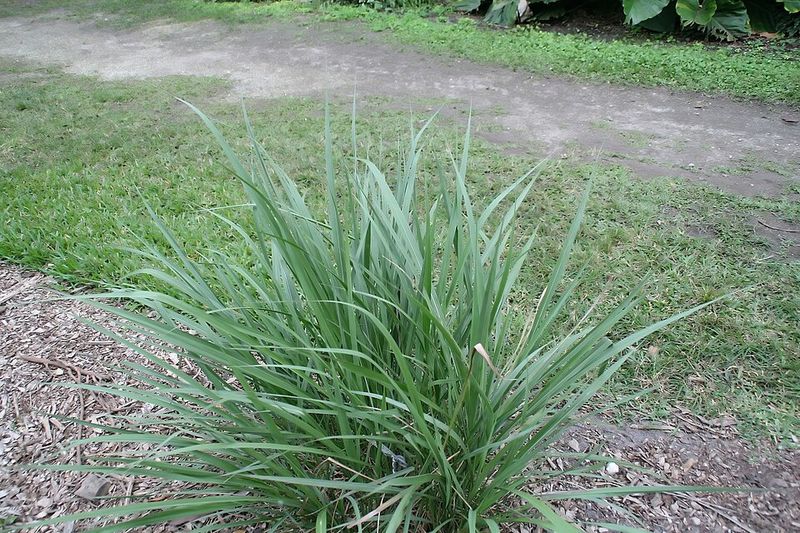
Bold texture helps a bed look full again, and few plants deliver that faster than Fakahatchee grass after a summer storm. Tripsacum dactyloides is a large native grass with wide, strappy foliage that can reach impressive heights in the right spot.
It thrives in the warm, humid conditions that define Florida summers, and it handles seasonal rain well in sites with reasonable drainage.
After a storm, the broad leaves may flatten or twist, but the deep root system of an established clump gives it a strong foundation to push new growth from.
The texture that makes it so visually bold also means it can fill a large bed quickly once conditions settle back to normal.
That filling-in quality is exactly what you want in a storm-recovery plant.
One thing to plan for upfront is size. Fakahatchee grass is not a plant for a small border or a tight spot next to a pathway.
It can spread into a wide, dense clump over time, and in spacious beds or naturalistic landscapes, that is a feature rather than a problem. In the right location, it can look lush and established again relatively quickly after rough weather.
It is not the right choice for every yard. But where there is room and the soil suits it, this grass can be one of the most reliable large-scale plants in a storm-tested Florida garden.
4. Beach Sunflower Spreads Back Across Sunny Beds
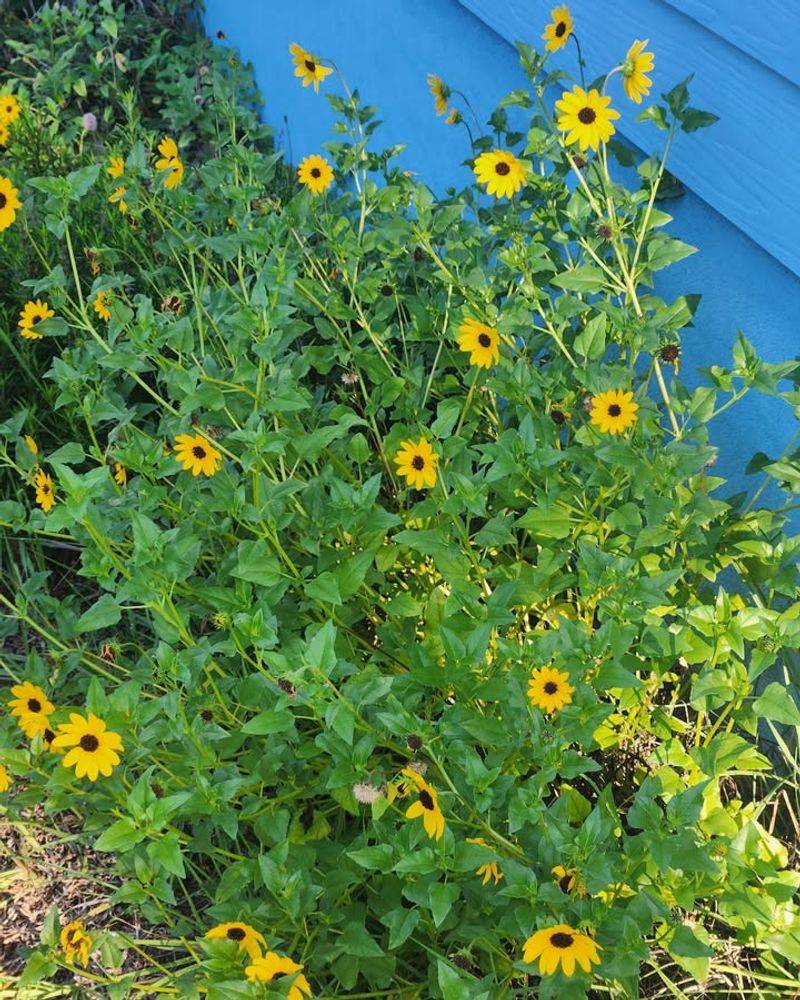
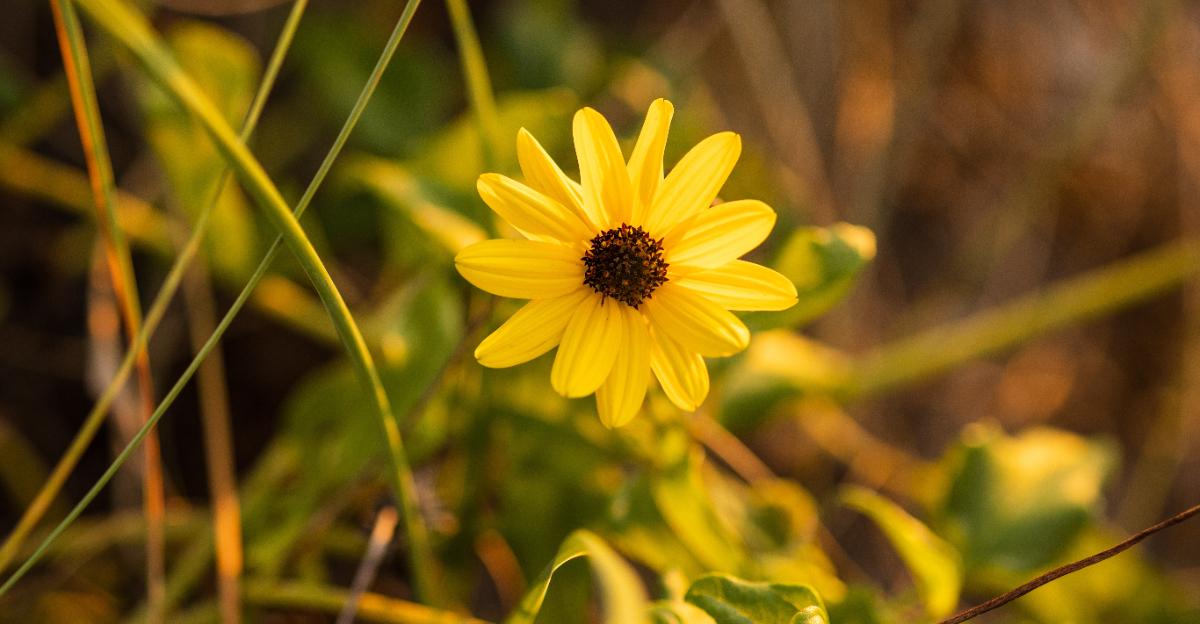
A spreading groundcover can turn bare soil back into color faster than almost anything else, and beach sunflower does exactly that in sunny, sandy beds. Helianthus debilis is a native groundcover that spreads by stems and reseeds readily.
That means open patches left by storm disturbance often get covered again without much intervention from the gardener. The cheerful yellow flowers return quickly once the plant finds its footing again.
Coastal gardens benefit especially from beach sunflower because it handles sandy, dry, and even slightly salty conditions well.
After a storm scours the soil or washes away mulch, this plant can creep back across exposed ground and start blooming again while other plants are still recovering.
That combination of fast coverage and continuous flowers makes it genuinely useful during storm season rather than just pretty.
The spreading habit is something to plan for honestly. Beach sunflower does not respect tight formal edges, and it can move into adjacent beds or lawn areas if left unchecked.
It works best where a loose, naturalistic groundcover is welcome. Good spots include a sunny slope, a coastal bed, or a wide open area that needs low-maintenance coverage.
Trying to keep it contained in a small, structured border takes more effort than most gardeners expect. In the right setting, though, it is one of the fastest ways to reclaim a bare sunny patch after summer storms roll through.
5. Sunshine Mimosa Creeps Back Through Open Spots
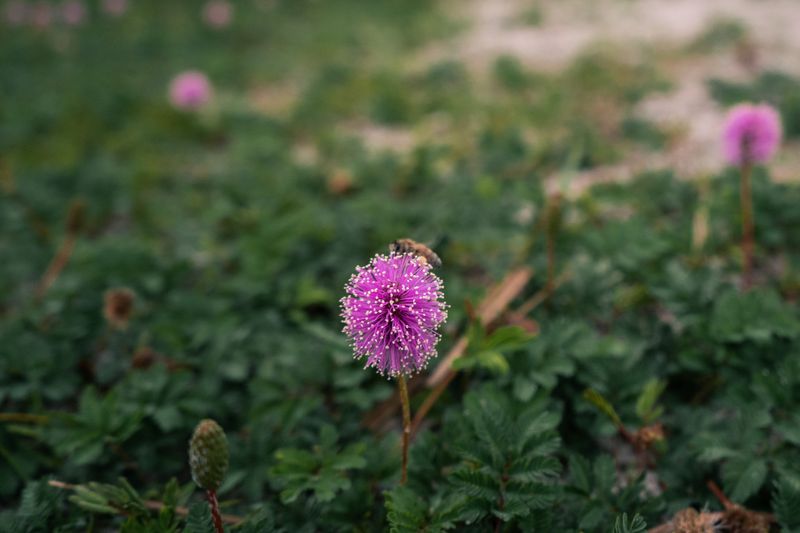
Low creeping stems can refill gaps quietly, and that is exactly how sunshine mimosa works after storm disturbance opens up bare patches in a sunny bed.
Mimosa strigillosa is a native flowering groundcover that spreads along the ground, rooting as it goes, and can move back into open spaces where conditions suit it.
The pink powderpuff flowers are a bonus that pollinators appreciate throughout the warm season.
One of the more interesting things about this plant is the way it responds to touch. Its leaflets fold inward when brushed, which makes it fun to observe in the garden.
Beyond that novelty, its real value in a storm-season garden is the ability to spread without needing replanting. After wind or rain opens up gaps in a lawn alternative or bed edge, sunshine mimosa can creep back in on its own once the weather settles.
Spreading is both the strength and the consideration with this plant. It can move beyond the area you originally planted it in, crossing into lawn grass or neighboring beds if there is no edging to slow it down.
It is best used where a spreading, informal groundcover is genuinely welcome. Good options include a sunny pathway edge, an open lawn-alternative area, or a naturalistic front bed.
Shade, standing water, or heavy foot traffic can limit how well it recovers, so site selection matters as much as the plant itself.
6. Scarlet Sage Reseeds After Rough Weather
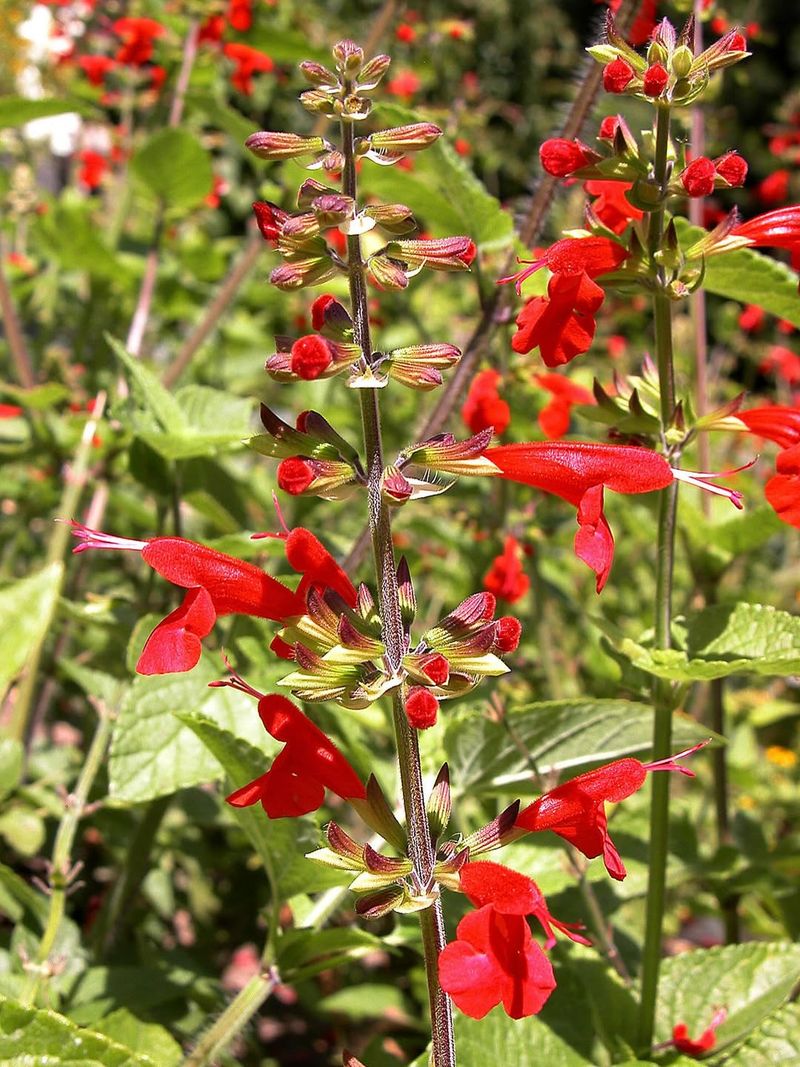
Some wildflowers return by seed instead of staying in one place, and scarlet sage is a perfect example of that kind of resilience.
Salvia coccinea is a native wildflower that can come back through reseeding after storms disturb the soil or knock plants around.
Seedlings often appear in spots you did not expect, which means the plant can actually spread into new areas after rough weather rather than just recovering in place.
The bright red tubular flowers are magnets for hummingbirds and butterflies, and they return reliably once seedlings establish themselves in warm, sunny spots. In informal beds and naturalistic gardens, this reseeding behavior is a genuine asset.
After a storm clears and soil gets exposed, scarlet sage seedlings can pop up in open areas. Over the following weeks, they can fill those spaces with color without any replanting from the gardener.
The wandering nature of a reseeding plant is worth understanding before you add it to a tidy formal bed.
Scarlet sage can move around from season to season, and seedlings may appear in spots that feel random or inconvenient if you prefer a structured layout.
In a relaxed cottage-style garden, a wildflower border, or a naturalistic landscape, that movement adds charm rather than chaos. It is also a short-lived perennial in warm regions, meaning established plants may persist through mild winters.
New seedlings can carry on the colony after colder spells or storm damage takes out the parent plants.
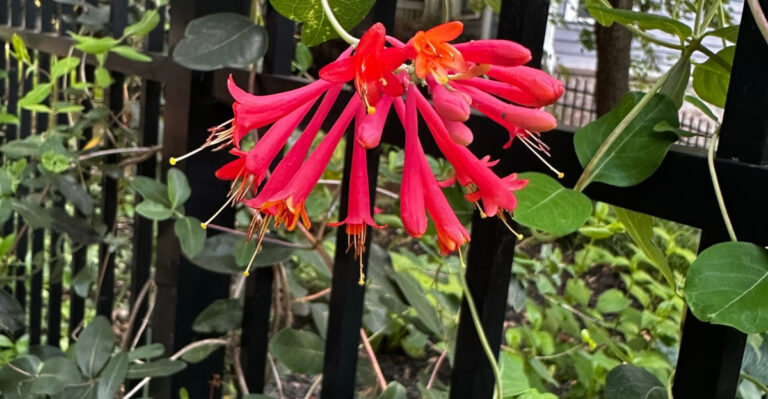
7. Coral Honeysuckle Sends New Growth Over Trellises
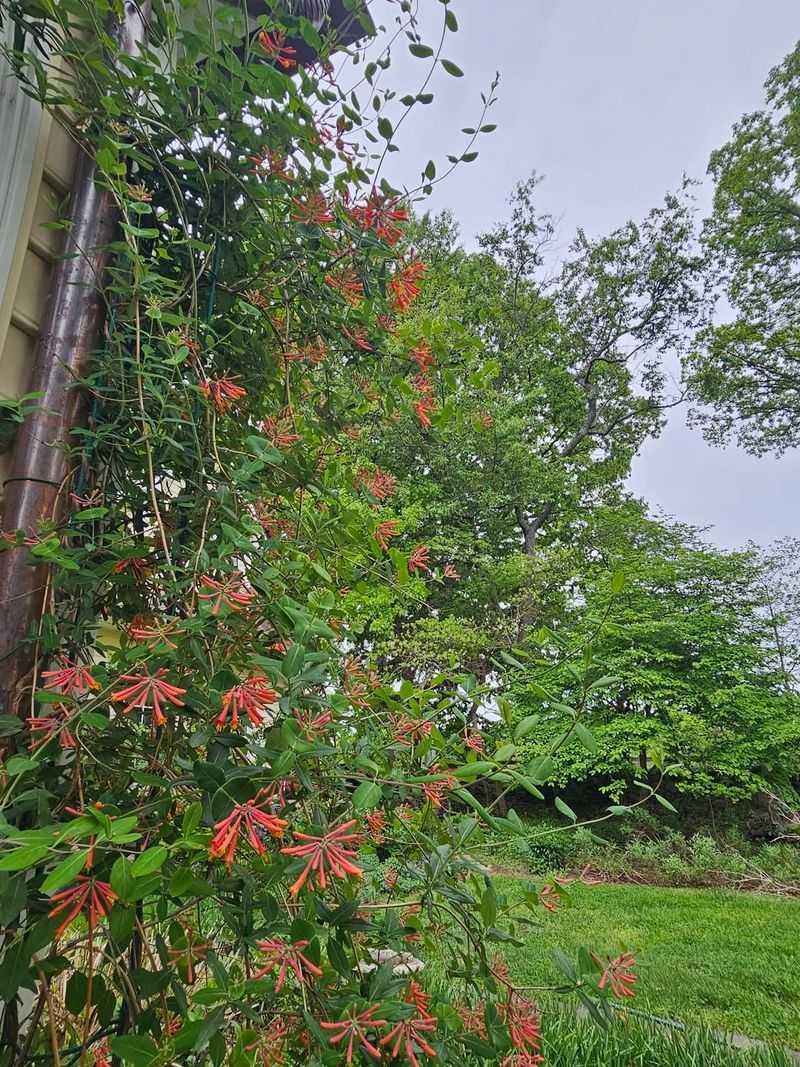
A vine can recover fast when the support stays strong, and coral honeysuckle is one of the better examples of that in local gardens. Lonicera sempervirens is a native vine that can push new growth over trellises, fences, and arbors during the warm season.
It can do this even after a storm shakes loose some of its older stems. The red tubular flowers that hummingbirds love return reliably once the vine gets going again on a stable structure.
The key word in that last sentence is stable. Coral honeysuckle rebounds well when the support it is growing on survives the storm intact.
A trellis that holds firm through wind and rain gives the vine something to climb back onto quickly. A broken fence post or a collapsed arbor changes the recovery picture entirely.
The vine has nowhere to go and can end up tangled on the ground instead of climbing back up.
After a storm, it is worth checking where the stems landed and gently guiding them back onto the support. Do this before they tangle into gutters, roof edges, or weak structures nearby.
A little post-storm guidance is not the same as heavy maintenance, and it takes only a few minutes. Once redirected, the vine usually picks up on its own.
Coral honeysuckle is a strong performer in sunny spots with good air circulation. On a well-supported garden structure, it can look lush and full again surprisingly quickly after summer storms pass through.
8. Frogfruit Fills Bare Spots After Summer Rain
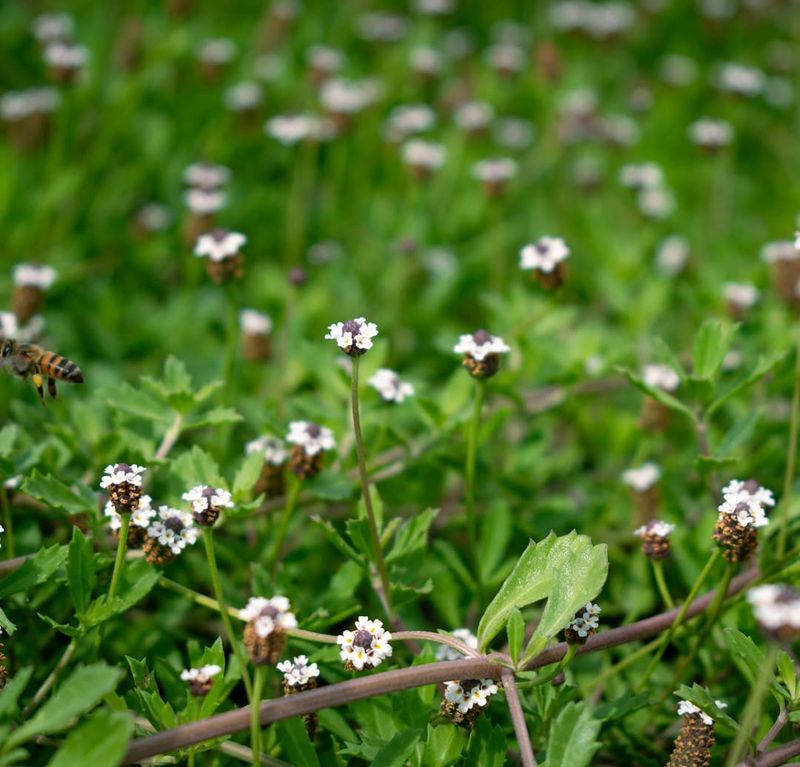
Bare spots after rain are easier to cover with the right groundcover, and frogfruit has a quiet way of doing exactly that. Phyla nodiflora is a native low groundcover that spreads by rooting along its stems as it creeps across the soil.
In sunny spots with decent drainage, it can move back into open areas left by storm disturbance without needing to be replanted.
The small white to lavender flowers that cover the mat are genuinely attractive to native bees and small pollinators throughout the warm season.
Frogfruit works well as a lawn alternative in areas where foot traffic is light to moderate. It also handles the wet-dry cycles of Florida summers better than many non-native groundcovers do.
After a summer storm soaks the soil and opens up bare patches, established frogfruit can spread back across those spots as conditions return to normal. That spreading and rooting habit is the engine behind its recovery.
Not every site suits frogfruit equally well. Heavy shade slows it down significantly, and prolonged drought or compacted soil can limit how quickly it fills in.
Heavy foot traffic on a regular basis can thin it out faster than it recovers. It is also not the right choice for a formal lawn that needs a uniform look year-round.
Frogfruit is one of the most dependable low groundcovers to have going into storm season. It performs best where the site is sunny, reasonably moist, and its informal texture fits the overall garden style.