Arizona Gardeners Are Using These Simple Tricks To Double Their Citrus Harvest
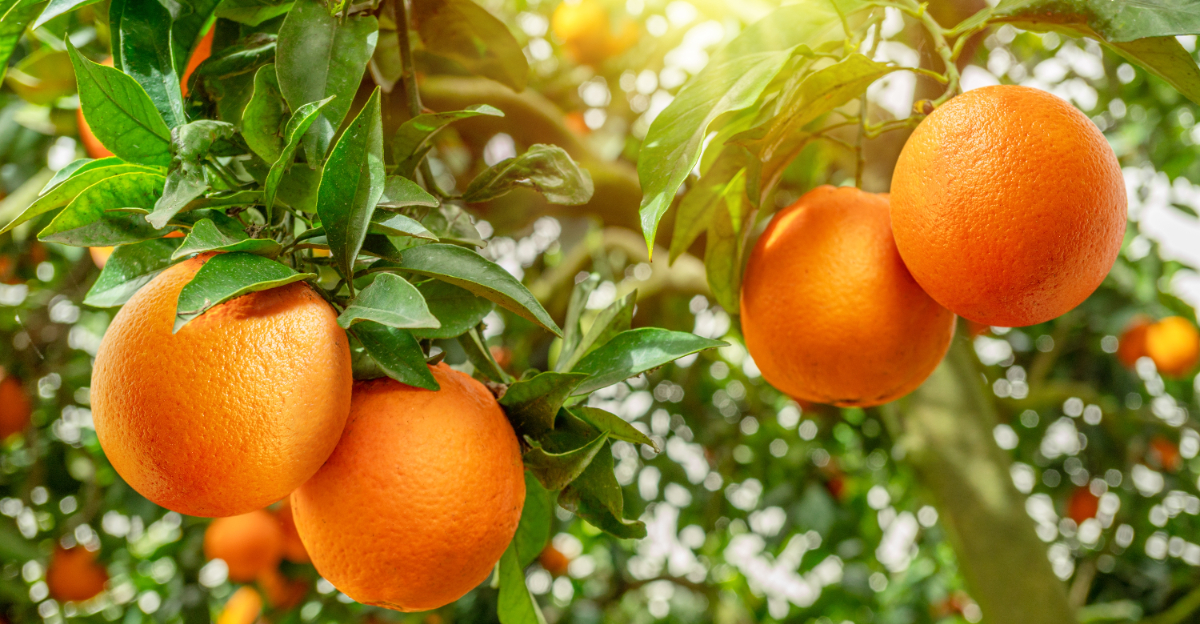
Fruit season has a way of exposing every mistake a citrus tree has been dealing with for months. A tree that looked perfectly healthy in spring can end up carrying far fewer oranges, lemons, or grapefruits than expected by the time harvest arrives.
That is usually when people start wondering what went wrong.
The answer is not always obvious. Citrus trees can continue putting on new growth and still fall short when it comes to fruit production.
Because of that, it is easy to miss the small details that influence how much a tree is capable of producing later in the season.
Arizona is filled with mature citrus trees, yet the harvest from one yard can look completely different from another nearby property. Simple habits often play a bigger role than expensive products or complicated routines.
A few adjustments at the right time can have a noticeable impact, which is exactly why experienced growers pay close attention to them year after year.
1. Water Deeply Instead Of More Often
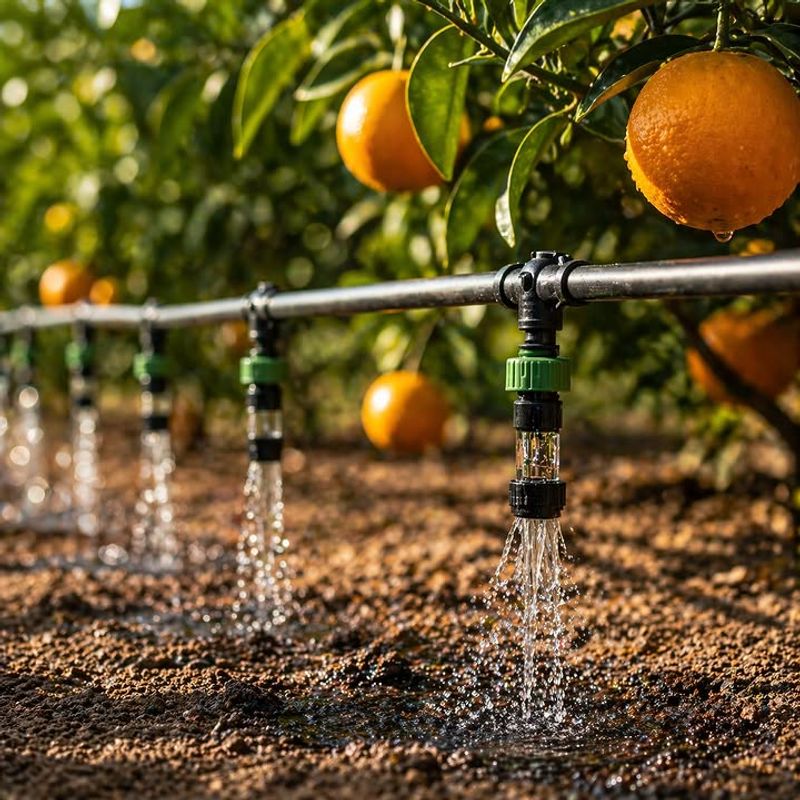
Shallow, frequent watering is one of the most common mistakes citrus growers make. Roots chase moisture, and if water only reaches the top few inches of soil, roots stay near the surface.
Surface roots are weak and vulnerable to heat stress.
Deep watering pushes moisture down 18 to 24 inches, encouraging roots to grow deeper into cooler soil. Deeper roots anchor the tree better and access more nutrients.
That stronger root system directly supports heavier fruit production.
In hot, low-humidity climates, a good rule of thumb is to water slowly and thoroughly once or twice a week during summer. Let the soil dry slightly between sessions.
Constantly wet soil can cause root issues just as fast as drought can.
A simple test: push a wooden dowel or long screwdriver into the soil after watering. It should slide in easily to about 18 inches.
If it stops short, your water is not penetrating deeply enough.
Drip systems work well for citrus when emitters are placed 18 to 24 inches away from the trunk. Watering right at the trunk does little good and can cause bark problems.
Spread emitters outward toward the drip line for the best results.
2. Feed Citrus During Active Growth Periods
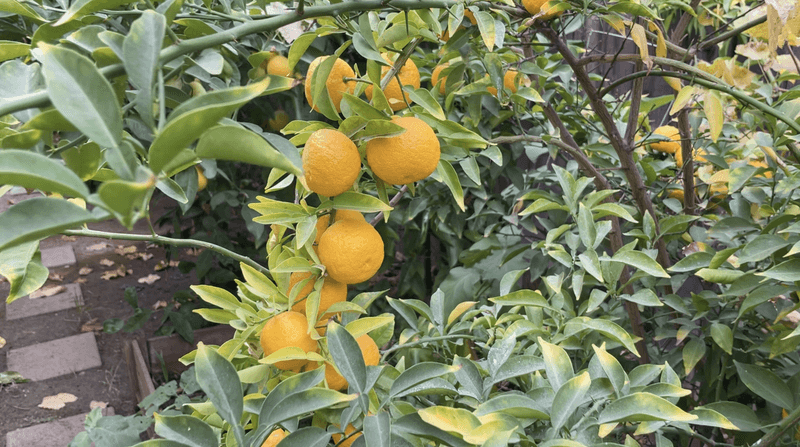
Feeding a citrus tree at the wrong time is almost as bad as not feeding it at all. Timing matters more than most gardeners realize.
Citrus has three main growth flushes: late winter, early summer, and early fall.
Applying fertilizer just before or during each flush gives the tree the nutrients it needs when it is actively building new leaves, flowers, and fruit. Feeding during dormancy wastes product and can push weak, vulnerable growth at the wrong time.
A balanced citrus fertilizer with nitrogen, phosphorus, potassium, and micronutrients like iron, zinc, and manganese covers most of what these trees need. Micronutrients are especially important in alkaline desert soils, where deficiencies are common.
Granular fertilizers work well for most home gardeners. Spread them evenly under the canopy and water thoroughly afterward.
Avoid piling fertilizer against the trunk, as that can cause problems with the bark over time.
Your Arizona Garden Changes Every Week. Your Plan Should Too.
Gardening in Arizona changes quickly throughout the season. Every Friday you’ll receive a simple weekly plan showing exactly what to plant, prune, fertilize, harvest, and protect so you never miss the right timing.
Liquid fertilizers act faster and can be useful for correcting deficiencies quickly. Some growers use a combination of both: granular for steady feeding and liquid for quick corrections during the growing season.
Young trees need lighter, more frequent feeding compared to mature trees. Overfeeding pushes excessive leafy growth at the expense of fruit.
3. Thin Out Crowded Interior Branches
A citrus tree packed with crossing, tangled branches might look full and healthy, but looks can be deceiving. Dense canopies block airflow and sunlight, and both are essential for strong fruit development.
Fruit forms and ripens best when sunlight can reach deep into the canopy. Shaded branches tend to produce smaller, lower-quality fruit or drop it early.
Opening up the interior lets light work evenly across the entire tree.
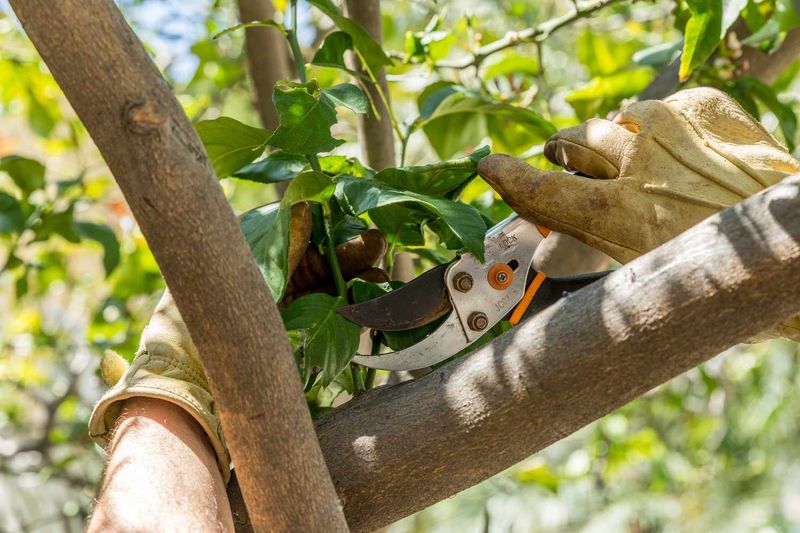
Start by removing branches that cross or rub against each other. Next, take out any that grow straight toward the center of the tree.
Your goal is a canopy where air can move freely and light can filter through without major gaps.
Late winter, just before the spring growth flush, is the best time for significant pruning. Avoid heavy cuts in summer when heat stress is already high.
Light cleanup cuts can be made year-round as needed.
Clean, sharp tools matter. Ragged cuts heal slowly and invite problems.
You do not need to remove a lot. Even modest thinning of 10 to 15 percent of interior growth can improve airflow and light penetration noticeably.
4. Remove Suckers Growing Below The Graft
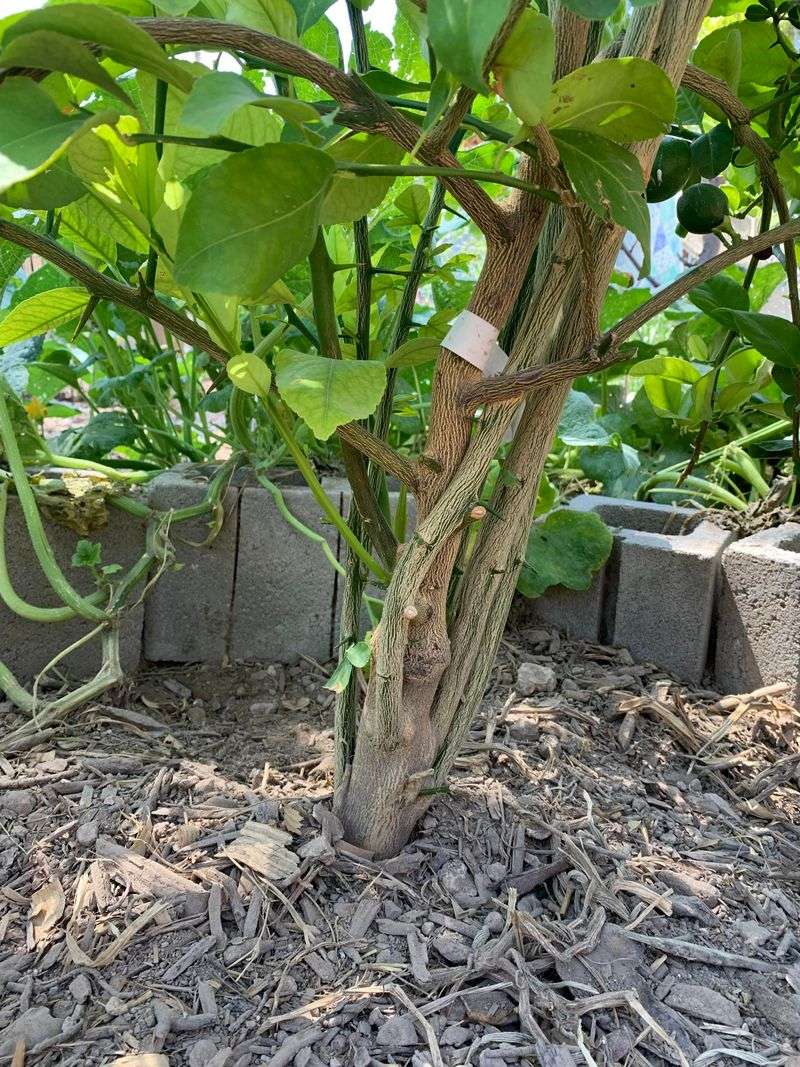
Suckers are sneaky. They pop up fast, look healthy, and can fool a gardener into thinking the tree is just putting out new growth.
But suckers growing below the graft union are a completely different plant, and they steal energy meant for fruit production.
Grafted citrus trees have two parts: the rootstock on the bottom and the fruiting variety on top. Suckers come from the rootstock.
Left unchecked, they can eventually take over and push out the fruiting wood entirely.
Identifying them is straightforward. Look for shoots emerging from below the visible graft scar on the lower trunk.
Rootstock growth often has different leaf shape, color, or texture compared to the fruiting variety above.
Remove suckers as soon as you spot them. Do not let them gain size or develop woody stems.
Pull them off by hand when they are young and tender, which removes the base and reduces regrowth. Cutting them leaves a stub that sprouts again quickly.
Check for new suckers every few weeks during the active growing season. Warm weather speeds up sucker development, so regular checks are worth the small effort involved.
Removing suckers consistently redirects the tree’s energy toward flowering and fruit set.
5. Keep Mulch Away From The Trunk
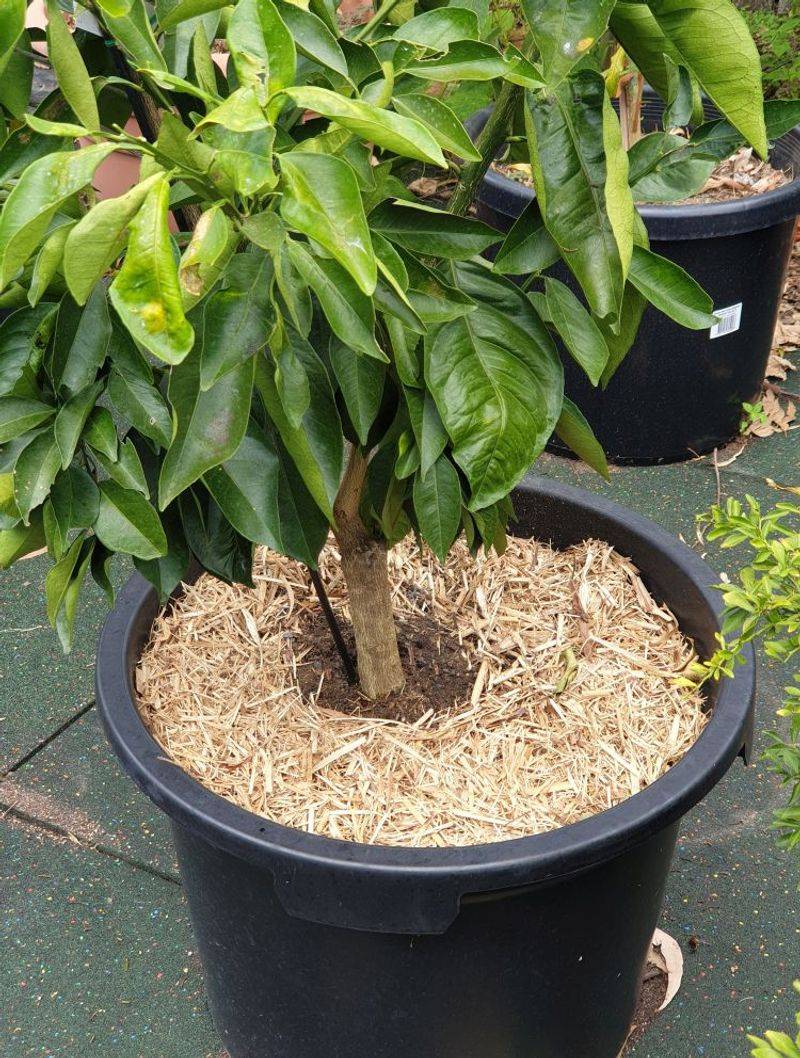
Mulch is one of the best tools a citrus grower has, but placement makes all the difference. Piling mulch directly against the trunk creates a consistently moist environment around the bark, which weakens it over time.
Keep a clear gap of at least three to four inches between the mulch and the trunk. That gap allows the bark to stay dry and breathe.
Healthy bark is the tree’s protective layer, and keeping it dry matters in any climate.
Wood chips, straw, or shredded bark all work well as mulch for citrus. Apply a layer two to four inches deep, extending from just outside the trunk gap out to the drip line or slightly beyond.
Deeper mulch is not always better and can restrict oxygen to roots.
Mulch does several important things at once. It reduces soil temperature during summer heat, slows moisture evaporation, and suppresses weed competition.
In hot, dry regions, those benefits add up quickly during peak summer months.
Refresh mulch once or twice a year as it breaks down. Decomposed mulch adds organic matter to the soil, which improves structure and water retention over time.
Both help the root zone stay healthier between waterings.
Check under the mulch occasionally to make sure moisture levels feel right. Consistently soggy soil under thick mulch can cause root problems.
6. Protect Developing Fruit From Extreme Heat
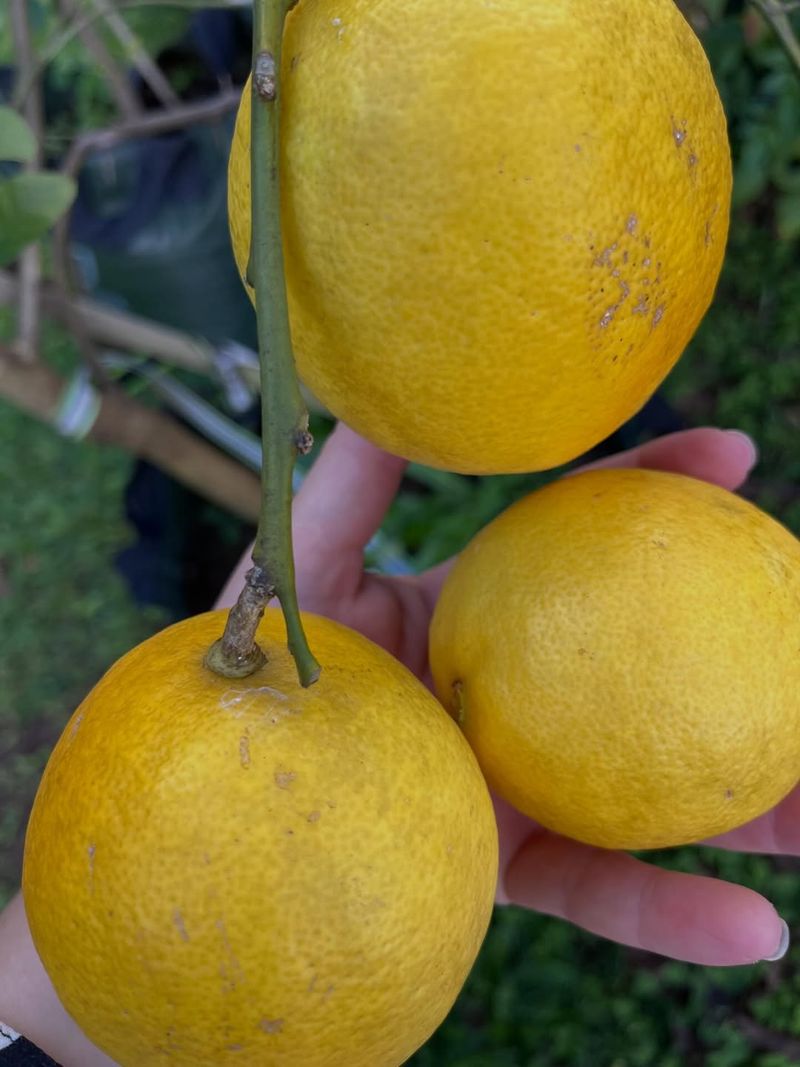
Triple-digit temperatures hit hard in the desert Southwest, and developing citrus fruit is not immune to heat damage. Young fruit exposed to extreme sun during peak summer can sunburn, drop prematurely, or fail to size up properly.
Shade cloth is one practical option. A 30 to 40 percent shade cloth draped over the canopy during the hottest weeks reduces surface temperature on both leaves and developing fruit.
Remove it once temperatures moderate to allow full sun exposure again.
Timing matters. Fruit is most vulnerable during the early stages of development when it is still small and the skin is thin.
Once fruit reaches a reasonable size, it handles heat better, though consistent watering remains critical throughout.
Kaolin clay spray is another option some growers use. When applied to leaves and fruit, it creates a reflective coating that reduces heat absorption.
It washes off with rain or irrigation and needs reapplication, but it can make a real difference during heat spikes.
Keeping trees adequately watered during heat events is just as important as any physical protection. Heat stress combined with drought stress pushes trees to shed fruit as a survival response.
Consistent moisture helps trees hold their crop through difficult stretches.
Avoid fertilizing during extreme heat. Pushing new growth when temperatures are already stressing the tree adds unnecessary burden.
7. Harvest Mature Fruit Promptly
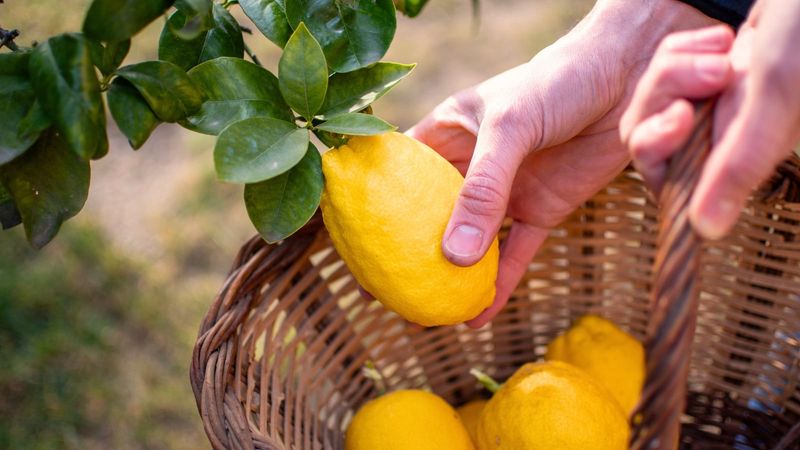
Leaving ripe fruit on the tree too long seems harmless, but it actually signals the tree to slow down new fruit production. Prompt harvesting keeps the tree focused on the next crop cycle instead of maintaining fruit that is already past peak.
Citrus does not continue to ripen after it is picked, so timing the harvest correctly matters. Color alone is not always a reliable indicator in warm climates, where fruit can stay green even when fully ripe inside.
Taste and feel are better guides.
Ripe citrus feels heavy for its size and gives slightly when squeezed. A fruit that feels light or hollow has likely lost moisture and quality.
Sample a fruit before harvesting the whole crop to confirm flavor and ripeness.
Use sharp pruning shears or scissors to cut fruit from the branch rather than pulling or twisting. Clean cuts protect the stem and the remaining branch.
Rough removal can damage the spur where next season’s fruit may develop.
In Arizona, different varieties ripen at different times across a long harvest window. Navel oranges may be ready as early as November, while Valencia oranges can hold into spring.
Knowing your variety helps you harvest at the right moment each season.
Store harvested fruit in a cool, shaded spot rather than leaving it in direct sun. Properly stored citrus holds quality for several weeks.
8. Watch For Nutrient Deficiencies Early
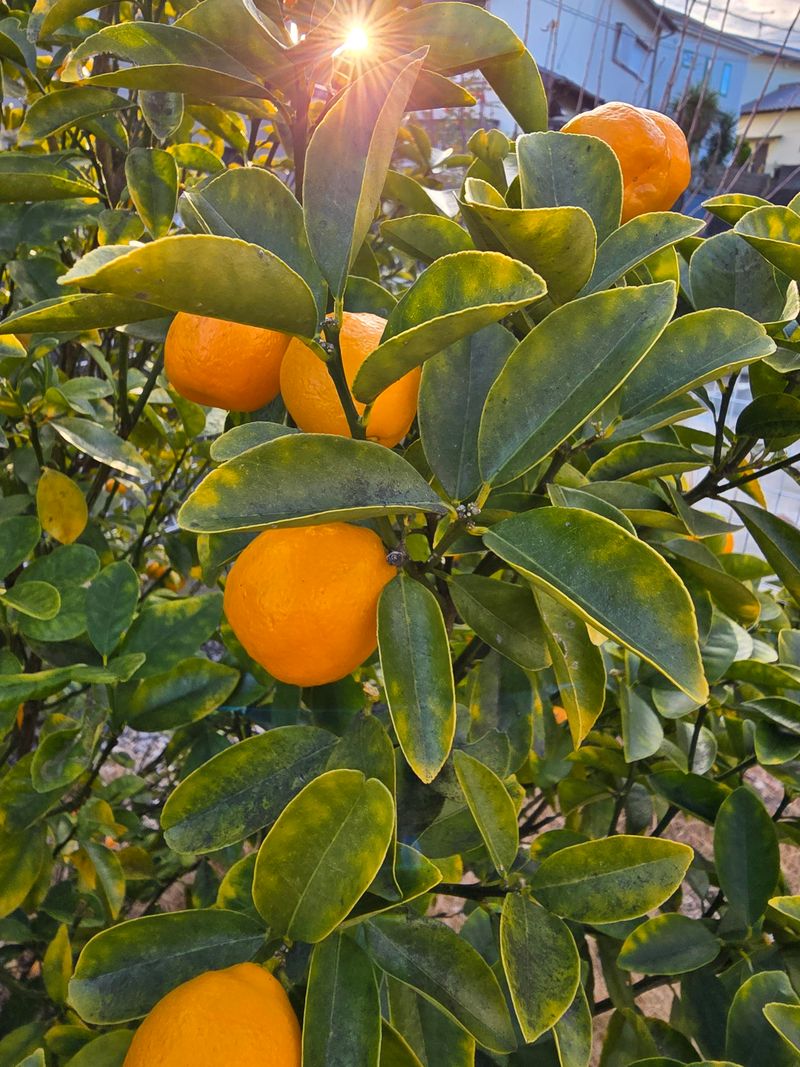
Yellow leaves on a citrus tree are not always a watering problem. Nutrient deficiencies show up on leaves first, and catching them early makes correction much easier than waiting until the whole tree looks stressed.
Iron deficiency causes yellowing between the leaf veins while the veins themselves stay green. Zinc deficiency produces small, mottled leaves with a dull appearance.
Nitrogen deficiency turns older leaves uniformly pale yellow, starting from the bottom of the canopy upward.
Desert soils tend to be alkaline, which locks up iron, zinc, and manganese even when those nutrients are technically present. Acidifying the soil slightly around the root zone helps make those minerals more available to roots.
Sulfur-based soil amendments can help over time.
Chelated iron and zinc products work faster than standard mineral forms because chelation keeps them available even in alkaline conditions. Apply foliar sprays directly to leaves for the quickest response when deficiency symptoms are visible.
Soil testing every year or two removes the guesswork. Knowing your soil’s actual nutrient levels and pH lets you target corrections precisely rather than applying products that may not address the real problem.
Keep a simple log of what you apply and when. Tracking inputs alongside tree performance over multiple seasons helps you spot patterns and fine-tune your approach.