Do This To Your Texas Esperanza Now And It’ll Reward You With Color Until November
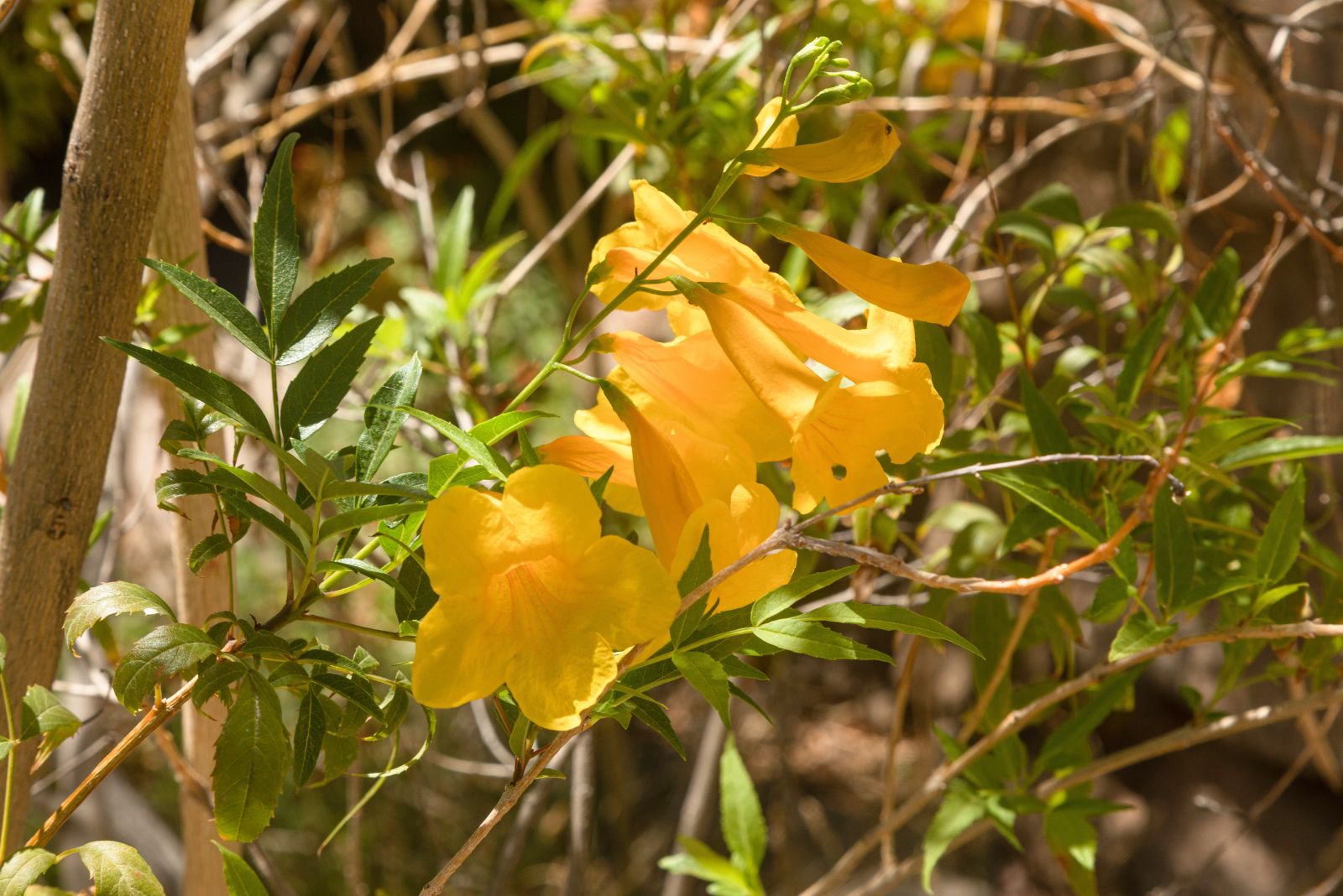
Esperanza is one of those Texas plants that can either coast through the season producing a modest amount of color or absolutely take off and bloom from summer well into fall depending on how it is managed.
The difference between those two outcomes is largely decided right now, before the peak heat of summer locks in and the plant shifts into full performance mode.
Esperanza responds to good timing in a way that shows up clearly in the results, and the steps that make the biggest difference are not complicated once you know what they are.
Pruning at the right moment, feeding with the right approach, and a few adjustments to how you water can keep this plant pushing out waves of bright yellow blooms long past the point where most garden color has faded for the season.
If you want your esperanza still looking impressive in October and November, what you do with it right now is where that outcome gets decided.
1. Give Your Esperanza A Full Sun Every Day
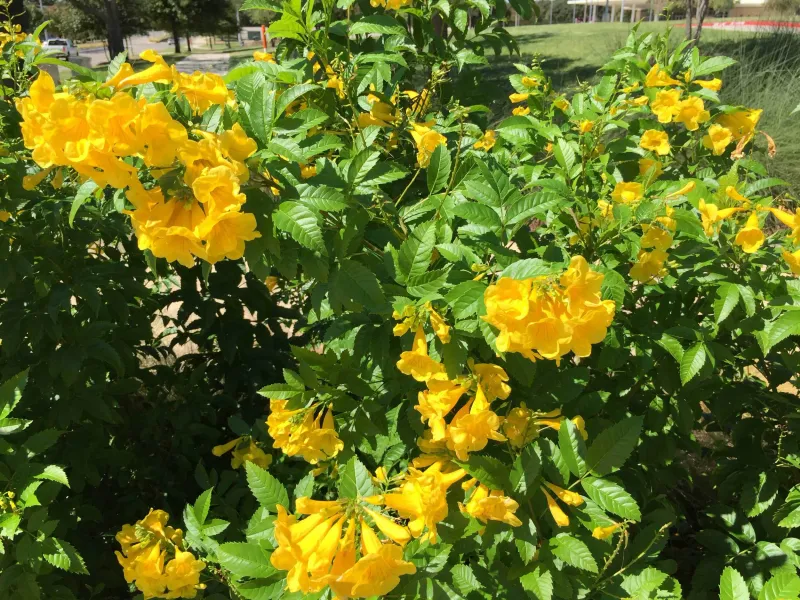
Sunlight is the secret fuel behind every bloom on your esperanza. This plant was built for heat and brightness, and when it gets less than six hours of sun each day, the flowers start to thin out fast.
Placing it in partial shade might seem fine at first, but over time the plant stretches toward light and produces far fewer flower clusters.
Esperanza blooms most heavily when it receives at least six to eight hours of direct sunlight. Texas morning sun is good, but afternoon sun is even better for this heat-loving shrub.
If your plant is in a container, now is a great time to move it to your sunniest spot in the yard or on the patio.
Think about where the shadows fall in your Texas yard throughout the day. Trees, fences, and buildings can block more light than you realize.
Even a few extra hours of direct exposure can make a noticeable difference in how many blooms open each week.
A well-sunlit esperanza grows more compactly too, which means a tidier shape and sturdier stems. The more energy it pulls from the sun, the more it puts into producing those cheerful yellow trumpets.
If your plant has been looking tired or sparse, moving it to a sunnier location might be the single biggest change you can make for a stronger, more colorful performance through the rest of the growing season.
2. Trim Away Weak Or Leggy Growth
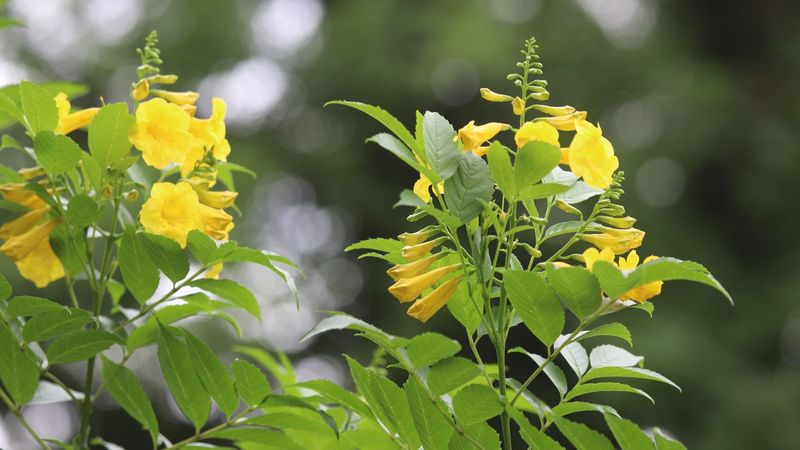
Have you ever noticed how a haircut can make someone look completely refreshed? The same idea applies to your esperanza.
When the plant starts to look stretched out, floppy, or uneven, a little trimming goes a long way toward bringing it back to life.
Light pruning encourages a fuller shape and more flower-producing stems. When you remove weak or leggy growth, the plant responds by pushing out new side shoots.
Those new shoots are where fresh blooms develop, so every cut you make is basically an invitation for more flowers to appear.
Your Texas Garden Changes Every Week. Your Plan Should Too.
Gardening in Texas changes quickly throughout the season. Every Friday you’ll receive a simple weekly plan showing exactly what to plant, prune, fertilize, harvest, and protect so you never miss the right timing.
You do not need to do a heavy cutback right now. Just focus on stems that look thin, pale, or are growing in awkward directions.
Use clean, sharp pruning shears and cut just above a leaf node, which is the small bump or joint where leaves grow from the stem. That spot is where new growth will sprout from.
Pruning also helps air move through the plant more freely. Good airflow reduces the chance of fungal problems, which can sneak up on dense shrubs during humid summer months.
A plant with open, well-spaced branches stays healthier and looks much better overall. Do not be afraid to trim off a few healthy-looking stems too if they are pointing in the wrong direction.
Shaping your Texas esperanza now sets it up for a strong, bushy finish to the season. A little effort with the shears today means a fuller, more colorful plant by the time cooler weather arrives in the fall.
3. Water Deeply Instead Of Frequently
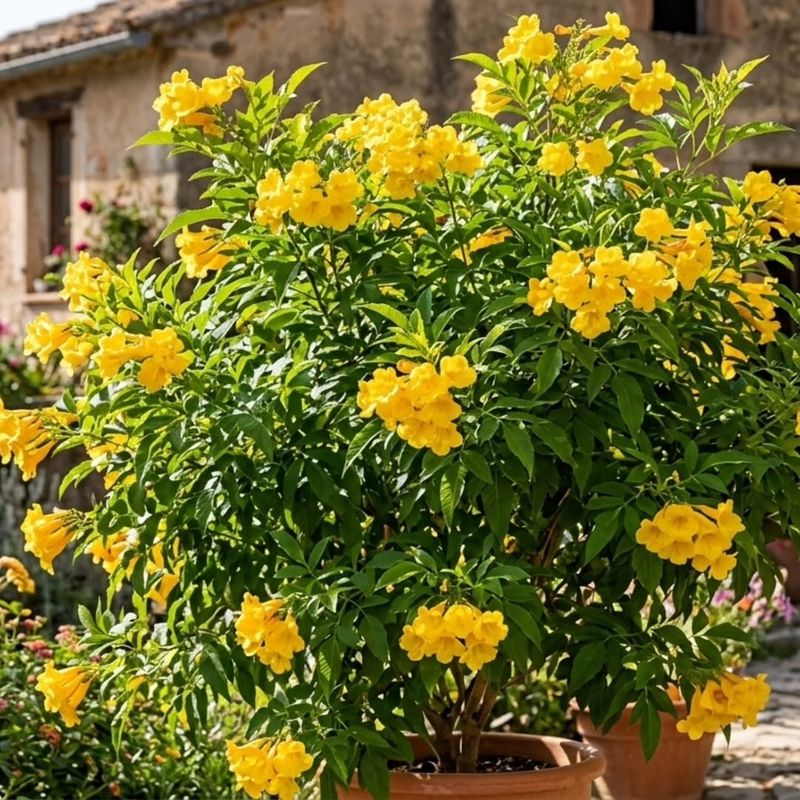
Watering your esperanza every single day might seem like the caring thing to do, but it can actually work against you.
Frequent shallow watering keeps moisture close to the surface, which trains roots to stay near the top of the soil. Shallow roots make the plant weaker and much more sensitive to heat and dry spells.
Deep watering helps develop stronger roots and better drought tolerance. When you water slowly and thoroughly, moisture sinks down several inches into the soil.
Roots follow that moisture downward, anchoring the plant more firmly and helping it access water stored deeper in the ground during hot, dry stretches.
A good rule of thumb is to water deeply once or twice a week rather than a little every day. Let the soil dry out slightly between waterings.
Stick your finger about two inches into the ground near the base of the plant. If it still feels damp, wait another day before watering again.
Early morning is the best time to water. The plant gets the moisture it needs before the heat of the day, and the leaves have time to dry off before evening. Wet foliage sitting overnight can invite fungal issues that slow down blooming.
Drip irrigation or a slow-running hose at the base of the plant works better than overhead sprinklers.
Keeping water off the leaves and focused at the roots is a simple habit that pays off with a healthier, more vigorous esperanza that keeps pumping out blooms all the way through fall.
4. Add A Layer Of Mulch Around The Base
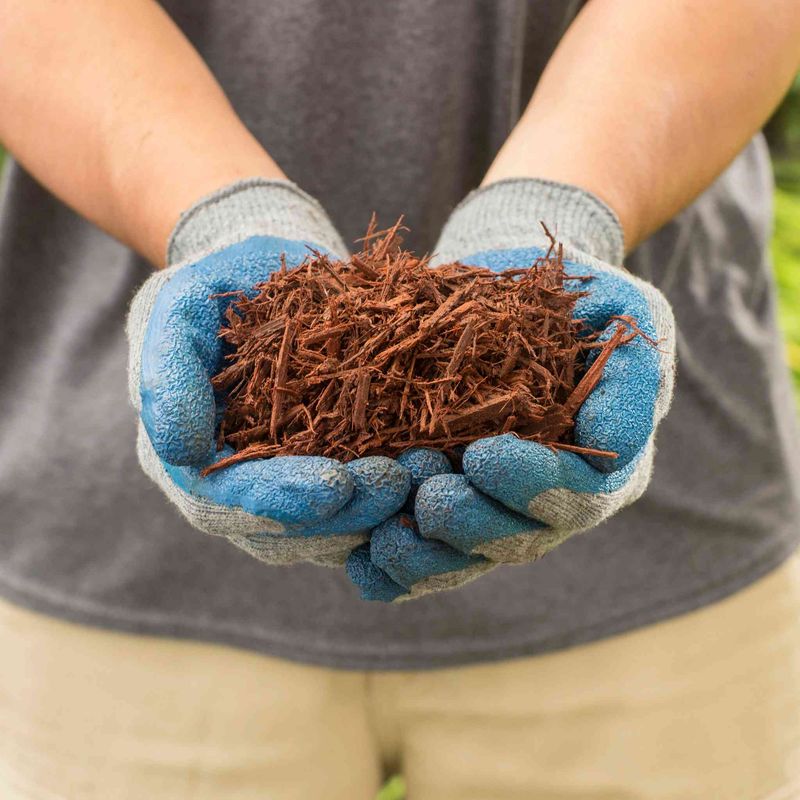
Here is something small that makes a surprisingly big difference: a fresh layer of mulch around your esperanza right now can protect it through the hottest months of summer.
Bare soil heats up fast under direct sun, and extreme soil temperatures stress plant roots in ways that show up as wilting, fewer blooms, and slower growth.
Mulch helps conserve moisture and keeps roots cooler during extreme summer heat. A two-to-three-inch layer of wood chips, shredded bark, or straw spread around the base of the plant acts like a blanket for the soil.
It slows evaporation, which means you water less often and the roots stay comfortable even when temperatures climb into the triple digits.
Keep the mulch a few inches away from the main stem of the plant. Piling it right up against the stem traps moisture against the bark and can cause rot over time. Think of it as a ring around the plant rather than a mound on top of it.
Organic mulches like wood chips also break down slowly over time, adding nutrients back into the soil. That is a bonus that keeps on giving long after you have spread it.
Refreshing the mulch layer once or twice during the growing season keeps it working at its best.
This one simple step can reduce your watering needs by as much as half during dry summer weeks.
A cooler, more moisture-stable root zone means your esperanza spends less energy just surviving the heat and more energy producing the vivid yellow blooms that make it such a standout in Texas garden.
5. Use Fertilizer Sparingly
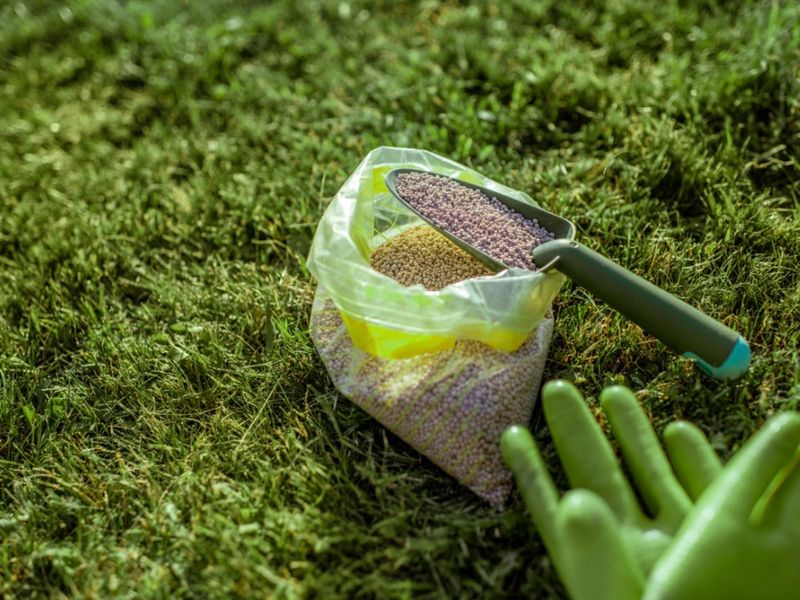
More is not always better, especially when it comes to fertilizing esperanza. It is tempting to load up on plant food when you want more flowers, but overfeeding this particular shrub tends to backfire in a pretty noticeable way.
Instead of producing blooms, an over-fertilized esperanza puts all its energy into growing big, lush leaves.
Too much fertilizer can encourage leaves instead of the nonstop blooms esperanza is known for. The plant becomes bushy and green but frustratingly bare of flowers.
Nitrogen, which is found in high amounts in many general-purpose fertilizers, is the main culprit. It pushes vegetative growth, not flowering.
If you want to feed your esperanza, choose a low-nitrogen fertilizer or one labeled for flowering shrubs.
A balanced formula like 5-10-10, which has less nitrogen and more phosphorus and potassium, supports root strength and bloom production without triggering a leafy growth spurt.
Apply fertilizer no more than once a month during the active growing season, and always water the plant well before and after feeding. Feeding a dry plant can stress the roots and cause more harm than good.
If your soil is naturally rich or you have already added compost this year, you may not need to fertilize at all.
Esperanza is actually pretty low-maintenance when it comes to feeding. It thrives in lean, well-drained soils and does not demand the kind of regular fertilizing that some other flowering plants do.
Holding back a little on the plant food is one of the easiest ways to keep those golden blooms coming strong all season long.
6. Remove Spent Flower Clusters Regularly
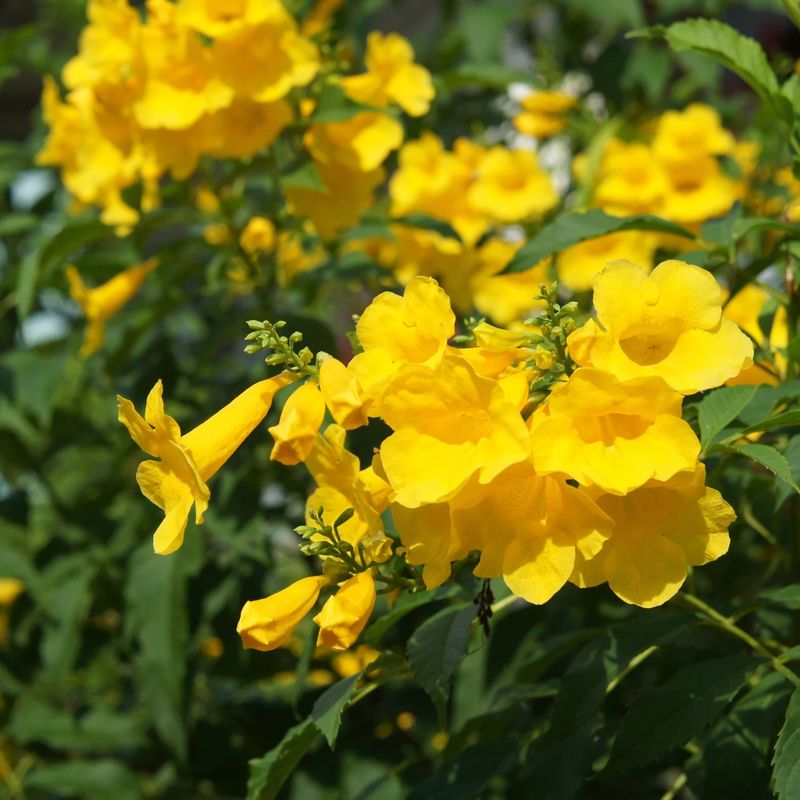
Picture this: your esperanza is covered in bright yellow trumpets one week, and the next, those same flowers are brown, papery, and clinging to the stems.
That is totally normal, but if you leave them there, the plant starts shifting its energy toward making seeds instead of making new flowers. That is where deadheading comes in.
Removing spent flower clusters regularly helps keep the plant focused on producing fresh blooms through fall. Deadheading is just a fancy word for snipping off flowers that have already faded.
It sends a signal to the plant that its job is not done yet, encouraging it to push out another round of blooms right away.
You do not need any special tools for this task. A pair of small pruning shears or even your fingers can do the job.
Pinch or cut the faded flower cluster off just below where it connects to the stem. Try to do this every week or two so the plant stays tidy and keeps its blooming momentum going.
Deadheading also keeps your esperanza looking neat and well-cared-for. Brown, drooping flower heads can make even a healthy plant look a little sad.
Removing them regularly gives the shrub a cleaner, more polished appearance throughout the season.
Make it part of your regular garden walk. Spend just five or ten minutes a couple of times a week checking for faded blooms and snipping them off.
That small habit, done consistently from now through the end of summer, is what will keep your esperanza bursting with color all the way into November.