Flowering Vines Michigan Homeowners Are Growing Instead Of Climbing Hydrangea
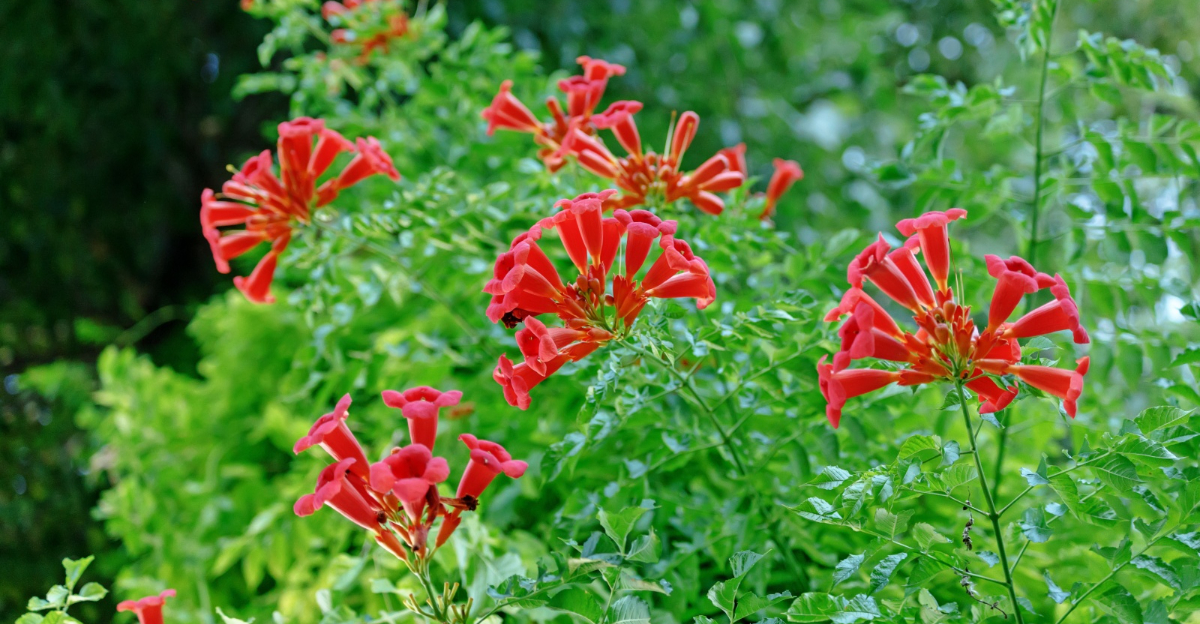
A bare fence is basically a blank canvas, and Michigan gardeners have a long growing season to do something about it.
Flowering vines are one of the most satisfying ways to transform a plain wooden fence, an empty pergola, or a trellis that has been standing there looking hopeful for two seasons running.
Climbing hydrangea gets a lot of attention, and fair enough, but waiting several years for a vine to really get going tests the patience of even the most dedicated gardener.
Brighter colors, faster establishment, hummingbird traffic, and genuine fragrance are all on the table with the right vine choice.
Michigan yards have plenty of room for something a little more exciting, and these options deliver that without the long wait.
1. Climbing Roses Add Easy Vertical Color
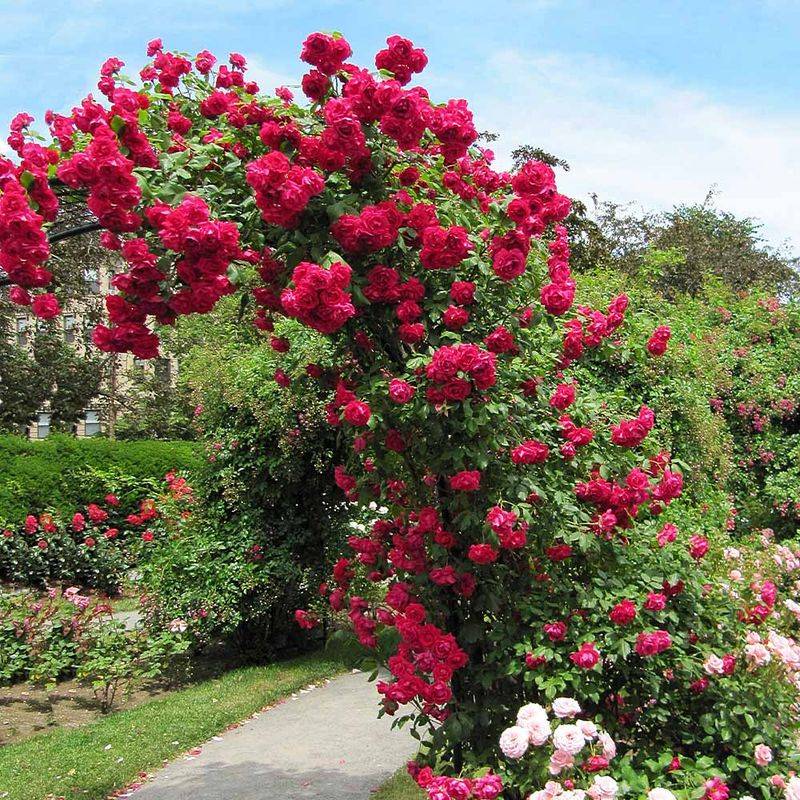
Few things catch a neighbor’s eye quite like a fence covered in climbing roses in full summer bloom. In Michigan, climbing roses can be a rewarding choice for homeowners who want bold vertical color without the long wait that comes with some other vines.
Unlike climbing hydrangea, which tends to produce soft white flower clusters, climbing roses offer blooms in red, pink, yellow, and white that really stand out against a fence or trellis.
Choosing the right variety matters a lot. Look for cold-hardy cultivars like ‘Blaze,’ ‘New Dawn,’ or roses from the Canadian Explorer or Parkland series, which are bred to handle tough winters.
These varieties tend to be more reliable in Michigan’s climate than older hybrid tea climbers, which may struggle during harsh cold snaps.
Climbing roses grow well on sturdy structures like arbors, trellises, or wooden fences. They need good air circulation to help reduce common fungal issues like black spot.
Planting them in a sunny spot with well-drained soil gives them the best start. Regular pruning after bloom cycles helps keep the canes manageable and encourages new flowering wood.
Climbing roses do need some attention, but many homeowners find the seasonal payoff well worth the effort they put in each spring.
2. Clematis Brings Big Blooms
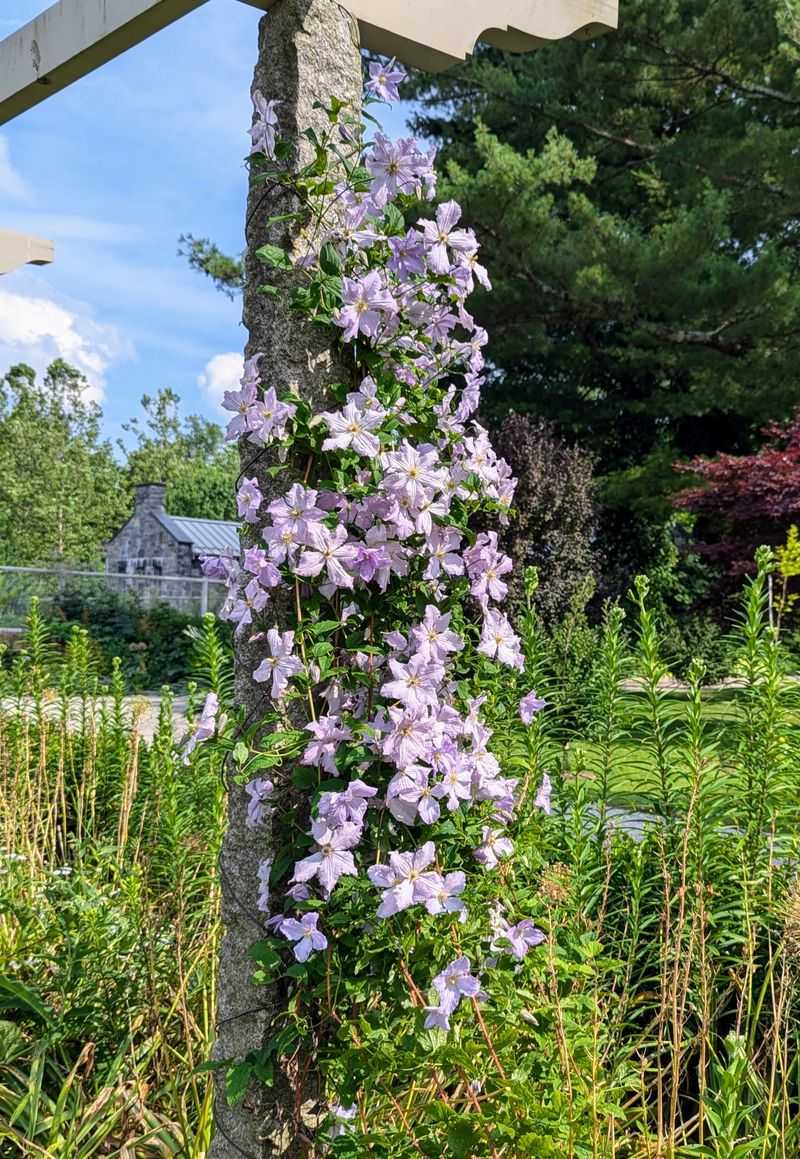
Walk through almost any Michigan neighborhood in late spring and you may spot clematis climbing a mailbox post, a porch railing, or a garden trellis with its large, showy flowers.
Clematis is one of the most popular flowering vines in the Midwest for good reason.
Its blooms can reach several inches across and come in shades of purple, violet, pink, white, and red, depending on the variety you choose.
Compared to climbing hydrangea, clematis tends to bloom faster after planting and produces flowers that are far more eye-catching from a distance.
Most clematis varieties suited to Michigan fall into hardiness zones 4 or 5, making them a solid choice for much of the state.
Varieties like ‘Jackmanii,’ ‘Nelly Moser,’ and ‘Henryi’ are widely available at Michigan garden centers and have proven themselves in local conditions.
One thing to keep in mind is that clematis likes its roots in cool, shaded soil while its top growth reaches toward the sun. Mulching around the base helps keep the roots comfortable during warmer summer months.
Your Michigan Garden Changes Every Week. Your Plan Should Too.
Gardening in Michigan changes quickly throughout the season. Every Friday you’ll receive a simple weekly plan showing exactly what to plant, prune, fertilize, harvest, and protect so you never miss the right timing.
Clematis grows best on lightweight supports like wire, thin wooden lattice, or narrow trellises because its twining leaf stems need something slender to grip.
Pruning rules vary by group, so checking the label or tag when you buy is a smart first step before cutting anything back.
3. Trumpet Honeysuckle Draws Hummingbirds
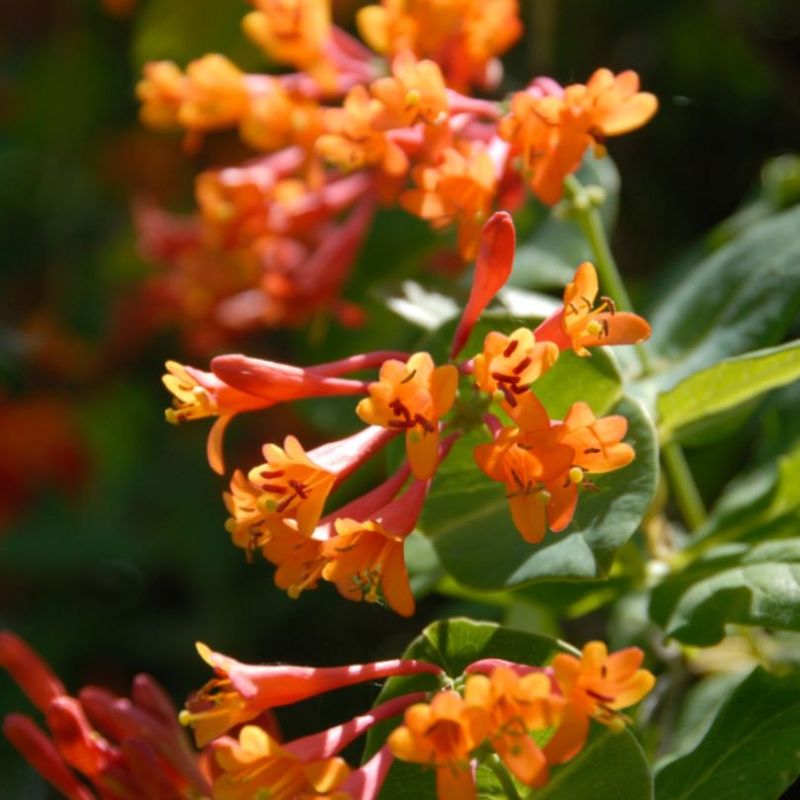
Hang a trellis near a patio or deck in Michigan and plant trumpet honeysuckle nearby, and you may find yourself watching hummingbirds visit throughout the summer.
Trumpet honeysuckle, known botanically as Lonicera sempervirens, is a native North American vine that produces clusters of tubular red and orange flowers from late spring well into summer.
Its relationship with ruby-throated hummingbirds is well documented, making it a top pick for wildlife-friendly gardens.
It is worth being clear that trumpet honeysuckle is very different from Japanese honeysuckle, which is an invasive species that can spread aggressively and cause real problems in Michigan natural areas.
Trumpet honeysuckle is not considered invasive and behaves much more politely in home landscapes.
It grows at a moderate pace and stays manageable on a fence, pergola, or trellis without taking over surrounding plants.
Gardeners in zones 4 and 5 should find trumpet honeysuckle reasonably cold-hardy, though performance can vary depending on your specific location and winter conditions. The vine prefers full sun to partial shade and does well in average, well-drained soil.
Unlike climbing hydrangea, which can take many years before it blooms reliably, trumpet honeysuckle tends to flower within its first or second growing season.
That quicker payoff appeals to many homeowners who want visible results sooner rather than later in their Michigan landscape.
4. Goldflame Honeysuckle Adds Color And Scent
Some vines earn their place in the garden through bold color. Others win gardeners over with fragrance.
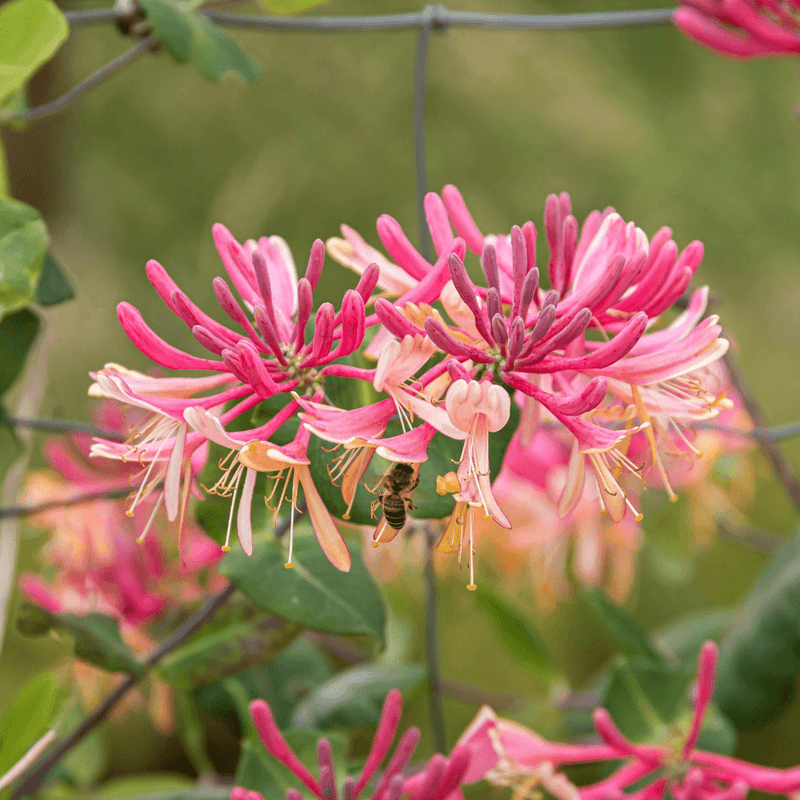
Goldflame honeysuckle, a cultivar of Lonicera x heckrottii, manages to do both at once.
Its two-toned flowers open rosy pink on the outside and reveal a soft yellow interior, creating a color combination that looks warm and inviting climbing up a garden fence or arbor through the summer months.
Like trumpet honeysuckle, Goldflame is not the same as the invasive Japanese honeysuckle that causes ecological problems in Michigan and across the Midwest. Goldflame is a well-behaved hybrid that stays within reasonable bounds in home landscapes.
It blooms from late spring into fall, giving gardeners a long window of color and fragrance compared to many other vines that bloom for only a few weeks.
Goldflame honeysuckle grows well in full sun to partial shade and adapts to a range of soil types, though it appreciates good drainage. It is generally considered hardy through zone 5, which covers a large portion of Michigan’s Lower Peninsula.
Gardeners in colder northern Michigan areas may want to check with a local nursery about winter protection needs. The vine twines around supports naturally, so a sturdy trellis or fence post works well.
Compared to climbing hydrangea’s slower establishment, Goldflame tends to get growing and blooming relatively quickly, rewarding patient homeowners with seasonal color and sweet scent.
5. Trumpet Vine Brings Bold Summer Flowers
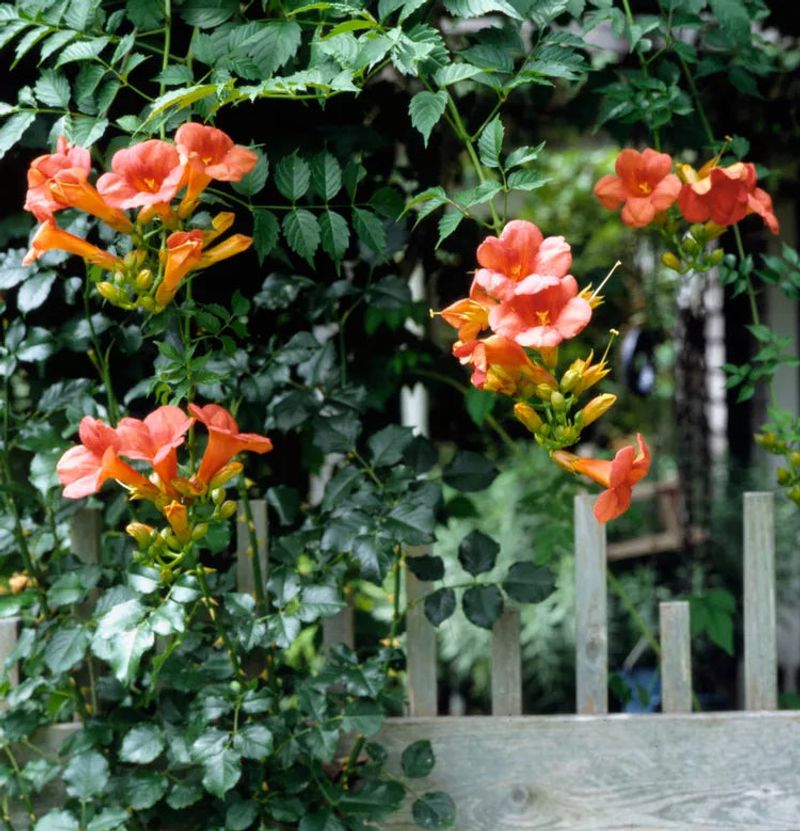
When summer heat settles over Michigan and most spring bloomers have faded, trumpet vine steps up with some of the most vivid flowers you can grow on a fence or wall.
Campsis radicans, commonly called trumpet vine or trumpet creeper, produces large clusters of flared, tubular flowers in shades of orange, red, and yellow.
The blooms are a reliable magnet for hummingbirds and several native bee species, adding wildlife interest to the yard during the hottest months of the season.
Trumpet vine is vigorous, which is one of its most talked-about traits. It can grow quite large and spread by root suckers, so placement matters.
Most homeowners do best planting it against a sturdy structure like a masonry wall, a heavy wooden fence, or a metal trellis rather than a delicate arbor.
Keeping up with pruning helps manage its spread and keeps the plant looking tidy rather than overwhelming nearby garden beds.
The vine is generally hardy through zones 4 and 5, making it suitable for much of Michigan. It blooms on new wood, which means cutting it back in early spring does not reduce flowering.
Full sun brings out the best performance. Compared to climbing hydrangea, trumpet vine is faster to establish and much showier in terms of summer flower color.
Homeowners who want a dramatic focal point on a fence or sturdy support often find it a satisfying and low-fuss option for Michigan landscapes.
6. Michigan Rose Adds Soft Pink Blooms
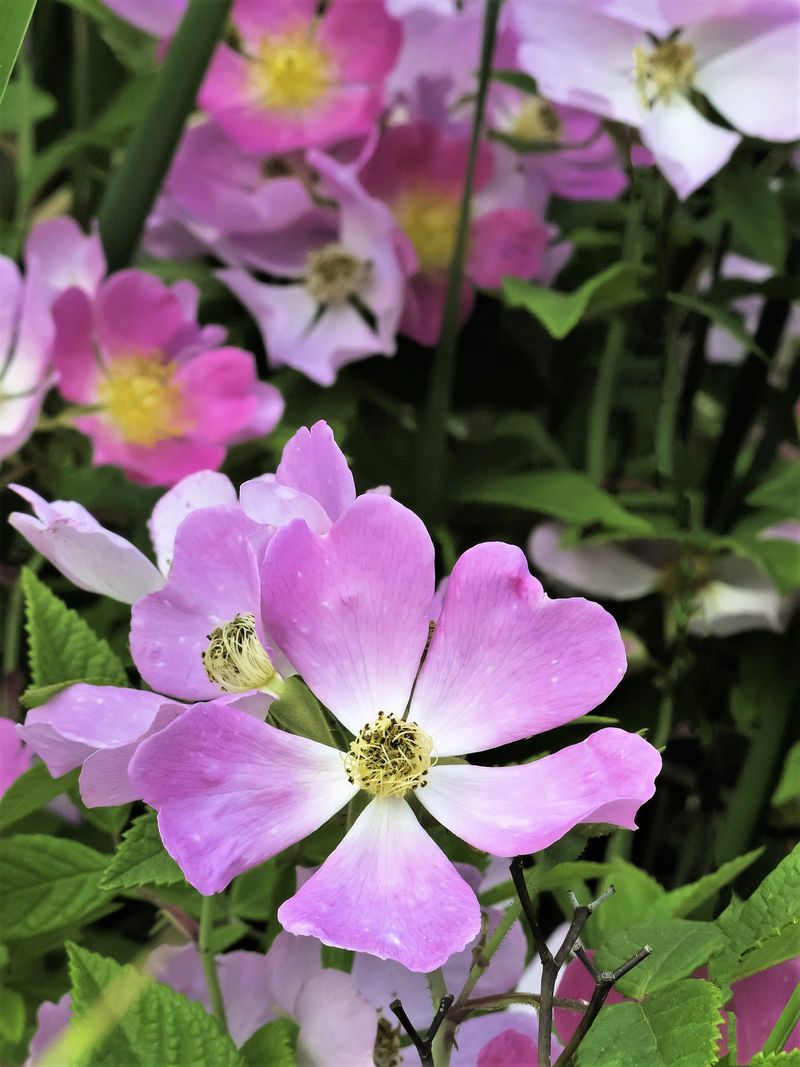
Not every homeowner wants a vine that demands constant attention. Rosa blanda, commonly called the smooth rose or Michigan rose, is a native rose species that grows naturally across Michigan and much of the upper Midwest.
It produces simple, single pink flowers in early summer that have a quiet, old-fashioned charm quite different from the flashy double blooms of modern hybrid roses. For gardeners who appreciate a more naturalistic look, this rose can be a rewarding choice.
Michigan rose is not a traditional climbing vine in the same way clematis or trumpet vine is, but its arching canes can be trained along a fence or low trellis to create a flowering hedge-like effect.
Because it is native to Michigan, it tends to handle the state’s cold winters without much fuss and does not require the same level of cold protection that some non-native climbing roses may need in northern parts of the state.
The plant attracts native bees and other pollinators when it blooms in early summer, and its red rose hips provide food for birds later in the season.
It grows in average to poor soils and tolerates both sun and partial shade, making it adaptable to many Michigan yard conditions.
Compared to climbing hydrangea, Michigan rose blooms earlier in the season and offers a native alternative that supports local wildlife. Homeowners near natural areas may especially appreciate choosing a plant with regional roots.
7. American Wisteria Adds Hanging Flowers
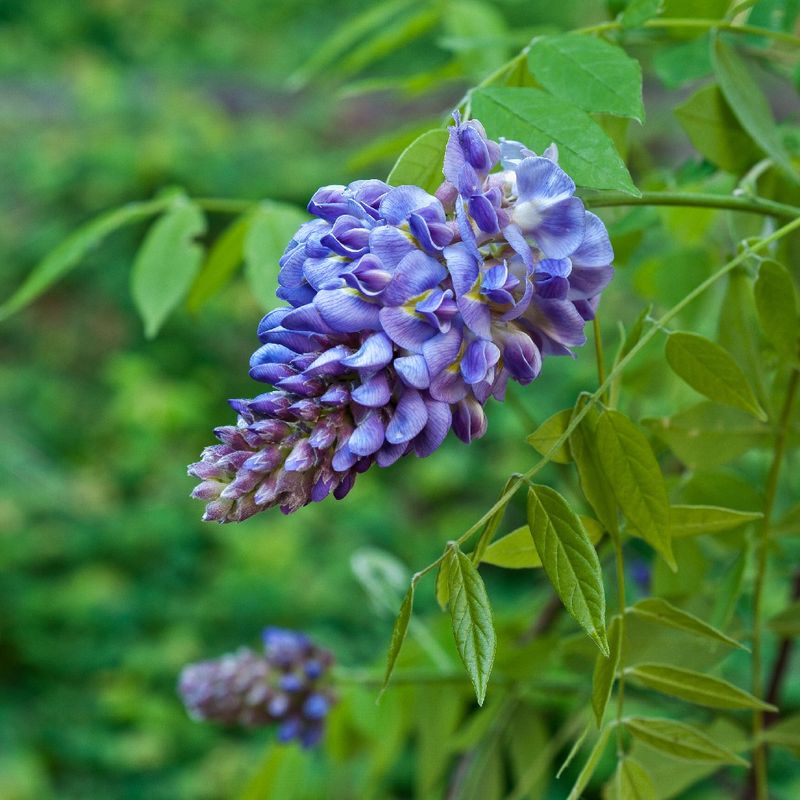
Wisteria has a reputation for being breathtaking in bloom, and American wisteria, Wisteria frutescens, lives up to that reputation without the invasive baggage of its Asian relatives.
Chinese and Japanese wisteria are considered problematic in many parts of the eastern United States, but American wisteria is a native species that behaves more responsibly in home landscapes.
It produces hanging clusters of fragrant lavender to purple flowers in late spring, with some repeat blooming possible through summer.
For homeowners, the key appeal of American wisteria is that it offers that classic, romantic wisteria look on a pergola, arbor, or fence without the aggressive spreading that makes Asian species such a concern.
Cultivars like ‘Amethyst Falls’ and ‘Nivea’ are popular choices at Midwest nurseries and are noted for blooming at a younger age than species plants, which can take several years to flower.
American wisteria is generally considered hardy through zones 5 and sometimes zone 4, so Michigan gardeners in colder northern areas should check cultivar-specific hardiness before planting.
The vine needs a very sturdy support because its stems and flower clusters become quite heavy over time.
Full sun encourages the best flowering. Unlike climbing hydrangea, which tends to cling to walls and masonry, wisteria twines and needs a structure it can wrap around.
With the right placement and support, American wisteria can become a stunning seasonal showpiece in Michigan landscapes.
8. Kentucky Wisteria Brings Cascading Blooms
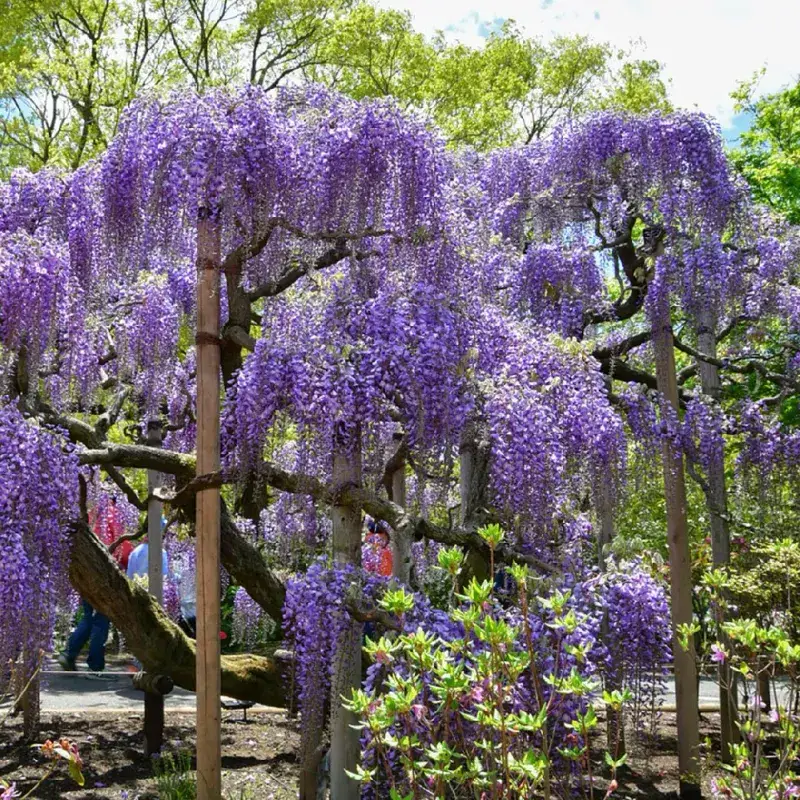
Cold winters are a real consideration for gardeners choosing flowering vines, and Kentucky wisteria, Wisteria macrostachya, earns attention specifically because of its stronger cold tolerance compared to other wisteria species.
Native to the south-central United States, this wisteria species has shown the ability to handle zone 4 winters in some cases, making it a more realistic option for gardeners in northern Michigan who love the look of wisteria but worry about winter damage.
Kentucky wisteria produces shorter flower clusters than Chinese or Japanese wisteria, but the blooms are still fragrant and come in shades of blue-purple to violet.
The cultivar ‘Blue Moon’ has become especially popular in the Midwest because it is reported to bloom multiple times in a single season, giving homeowners more than one window of color between late spring and late summer.
That extended bloom potential sets it apart from many other vines in this category.
Like American wisteria, Kentucky wisteria needs a sturdy support structure because the vines and flower clusters carry real weight as the plant matures. A heavy pergola, a robust arbor, or a strong fence post works well.
Full sun is recommended for the best flowering results. Compared to climbing hydrangea, Kentucky wisteria is showier in bloom and offers a more dramatic seasonal display.
Michigan gardeners who want cascading flowers and cold-weather reliability will find Kentucky wisteria a genuinely compelling option worth considering for their home landscape.