What To Do When Cilantro Bolts In Arizona May Heat
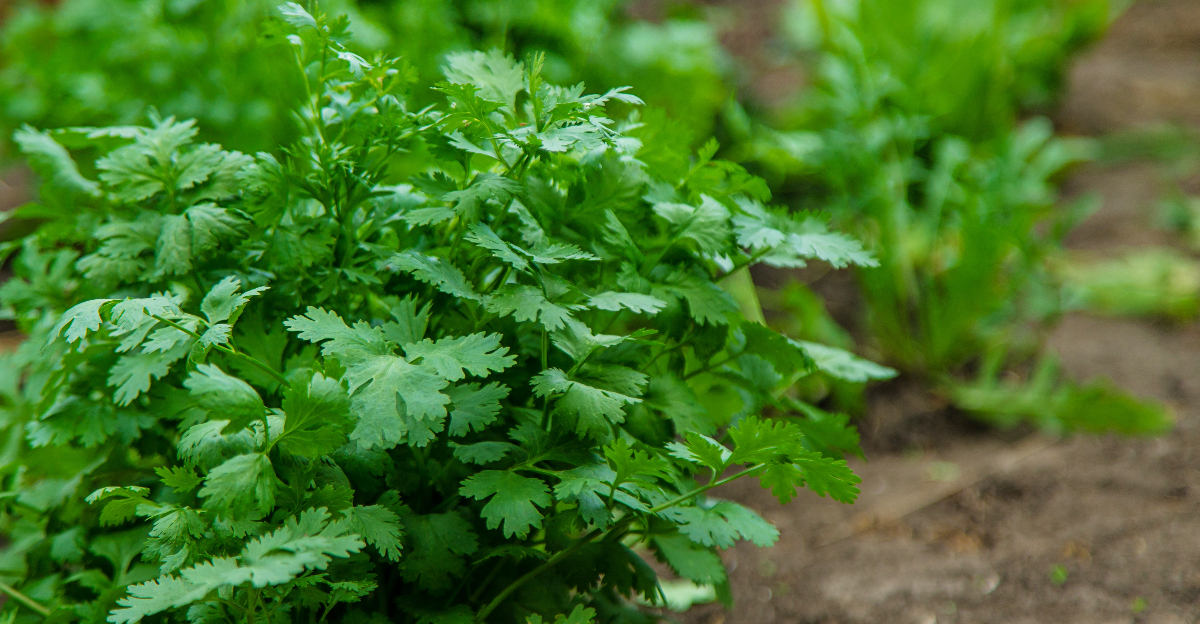
Cilantro in Arizona May has the life expectancy of a snowflake on a griddle. You plant it. You love it. You turn your back for one warm week, and suddenly it has shot up a flower stalk and started making very different life choices.
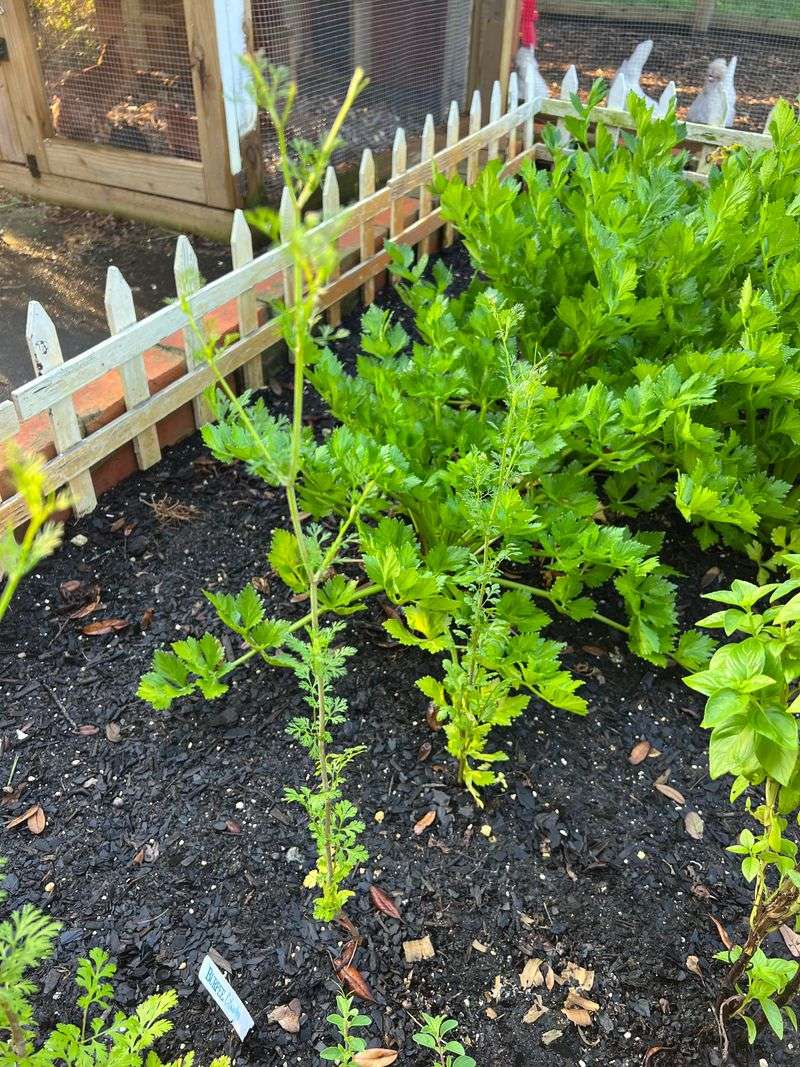
That moment feels like a loss, but it really is not. A bolting cilantro plant may look finished, but it is not always the end of the story. Many gardeners pull it too soon and miss what comes next.
That sudden flower stalk can lead to a few clever moves most herb guides barely mention. The plant you almost yanked out of the ground this week might turn out to be the most productive thing in your garden.
1. Harvest Cilantro Leaves Before Flowers Take Over
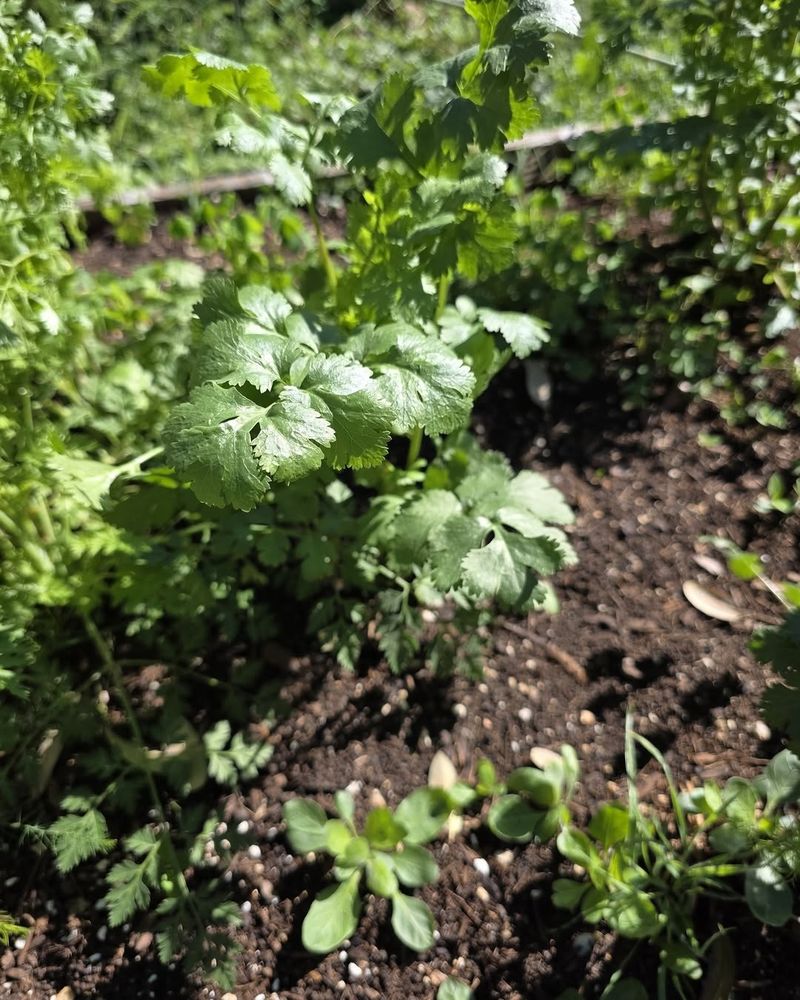
Here is the cilantro cliffhanger. One day, the plant looks leafy and useful. The next, a tall flower stalk shoots up like it heard a secret call. That is your cue to move fast.
Once cilantro starts bolting, it begins shifting energy away from leafy growth. The plant is trying to flower and make seed.
The leaves may start tasting stronger, sharper, or a little bitter. So grab clean scissors and get snipping.
Focus on the lower, younger leaves first. They may hold onto that fresh cilantro flavor a little longer. The leaves near the flower stalk can turn tougher or more intense sooner.
Harvest generously. This is not the moment for tiny, polite pinches. Arizona May heat does not give cilantro much time to linger.
Think of it as a salsa sprint. If you love fresh cilantro, this is your final leafy lap before the plant changes gears.
Use the cut leaves quickly if you can. Toss them into tacos, rice bowls, soups, chutneys, or salsa verde.
You can also stir them into limey yogurt sauce or sprinkle them over grilled vegetables. Have more than you can use today? Store the stems in a glass of water in the fridge. Cover them loosely with a plastic bag. That may buy you a few more days.
You can also chop leaves and freeze them in ice cube trays. Add a little water or olive oil before freezing. Those cubes work nicely in cooked dishes later.
So no, your cilantro did not betray you. It just started a fast-paced herb-venture. Your job is to catch the flavor before it flowers away.
2. Let Bolted Cilantro Turn Into Coriander Seed
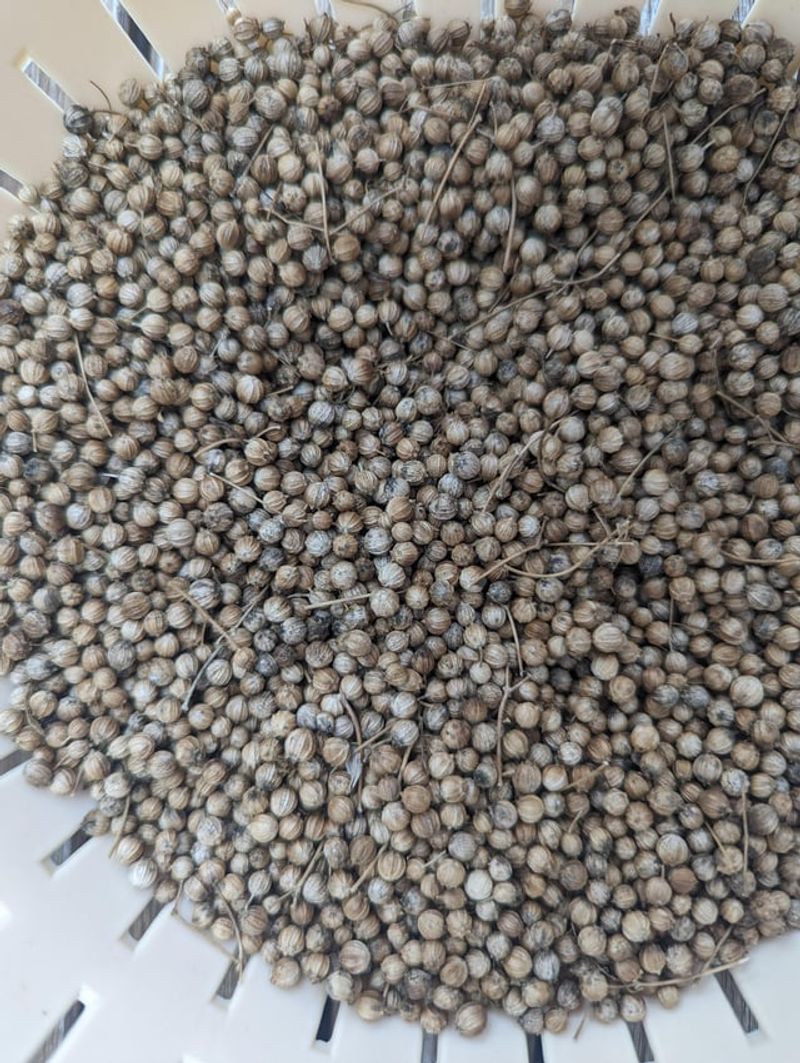
Before you yank that bolted cilantro, pause for the plot twist. Those flower stalks are not just a sign that leaf season is ending. They may be the beginning of your spice harvest.
Cilantro and coriander come from the same plant. The leafy part is called cilantro. The dried seed is called coriander. So when your cilantro bolts, it is not simply quitting. It is changing departments.
Let the small white flowers form and fade. After that, little round green seeds begin to appear. Those seeds need time to mature on the plant.
Your Arizona Garden Changes Every Week. Your Plan Should Too.
Gardening in Arizona changes quickly throughout the season. Every Friday you’ll receive a simple weekly plan showing exactly what to plant, prune, fertilize, harvest, and protect so you never miss the right timing.
As they dry, they usually shift from green to tan or light brown. That color change is your harvest hint.
Resist the urge to pull the plant too early. This part asks for patience, which is rude in May heat but worth it.
Coriander seed tastes warm, citrusy, and slightly nutty. It does not taste just like fresh cilantro. That makes it feel like a bonus ingredient instead of a leftover.
You can use it in spice rubs, roasted vegetables, pickles, curry blends, soups, and marinades. Toast the seeds gently before grinding them for extra aroma. Your kitchen may smell like you planned this all along.
When seed heads look dry, snip them into a paper bag. Let them finish drying indoors for about a week. Then shake the bag to release the seeds.
Pick out stems and chaff before storing. Keep the seeds in a sealed jar away from heat and direct light.
Not bad for a plant that looked finished, right? Cilantro may have bolted. But coriander is the seed-quel you did not know you needed.
3. Save Seeds For Cooler Fall Planting
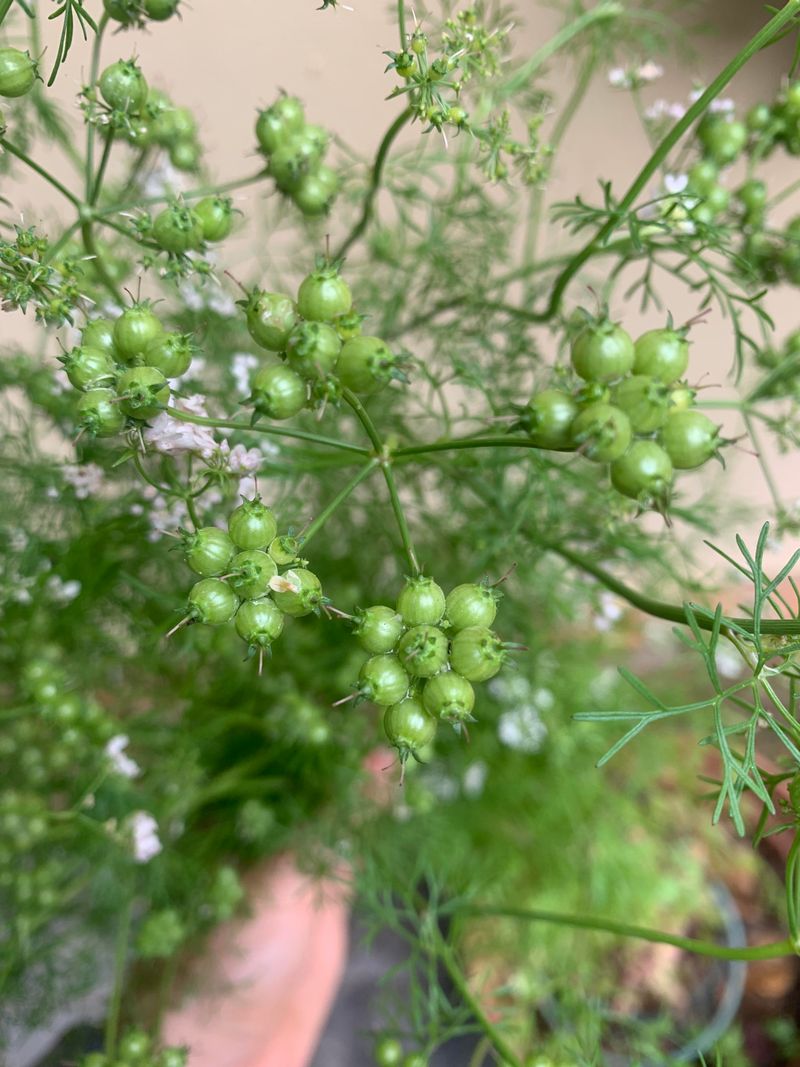
Bolted cilantro can feel like bad news in May. But if you look closer, it may be holding your fall garden in its tiny round hands.
Once the plant makes coriander seed, you can save some for replanting. That turns one struggling spring herb into a future crop. And honestly, that is a pretty good garden comeback story.
Let the seeds dry fully on the plant before collecting them. Green seeds usually need more time. Tan or brownish seeds are closer to ready.
When the seed heads are dry, clip them into a paper bag. Let them sit indoors in a cool, dry place for several more days. Then shake the bag gently and collect the seeds.
Now comes the important part. Separate your cooking seeds from your planting seeds. You do not want to roast your future herb garden by accident.
Put planting seeds in a paper envelope or small jar. Label them with the date. Add the variety name too, if you know it.
Store them somewhere cool, dark, and dry until fall. A cabinet or pantry shelf may work well. Avoid hot garages or sunny windowsills.
When Arizona temperatures begin easing later in the year, those seeds can go back into the soil. Cilantro tends to prefer cooler weather. That gives fall plantings a better chance to stay leafy longer.
Sow the seeds directly where you want them to grow. Cilantro can be fussy about transplanting because of its taproot. Direct seeding keeps things simpler.
Keep the soil lightly moist while seeds germinate. Then thin seedlings if they crowd each other.
You just turned bolting into a seed-saving strategy. Call it cilantro recycling with extra flavor. The plant bolts, you collect, and fall gets a fresh start.
4. Pull Spent Plants And Start Heat-Friendly Herbs
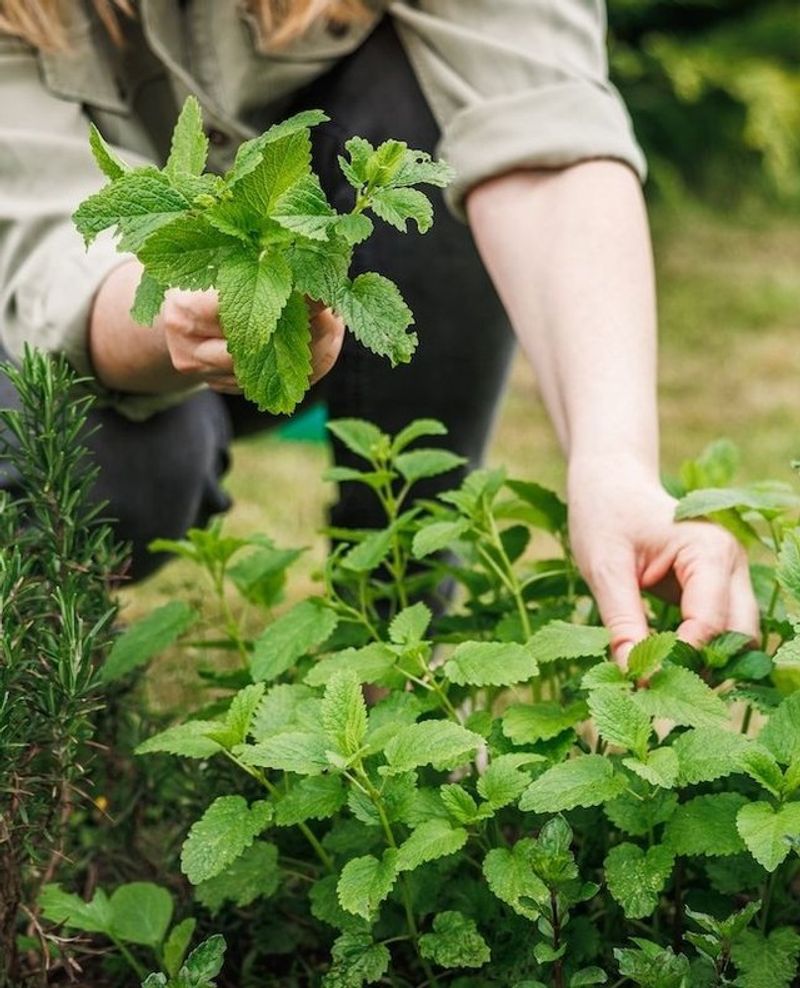
At some point, your cilantro will finish its act. The plant may look like it has nothing left to say. That is when pulling it can make sense. But do not think of it as giving up.
Think of it as clearing the stage for herbs that actually enjoy summer heat. Arizona May is not gentle. Cilantro may struggle once the season turns hot.
Other herbs, though, are much more comfortable in that spotlight.
Basil is a strong candidate. It often grows quickly in warm weather and brings big flavor to summer meals. Use it for pesto, caprese salads, pasta, grilled vegetables, and tomato dishes.
Pinch basil regularly to keep it bushier. If it tries to flower, snip the buds to keep the leaves coming longer.
Oregano can also handle a tougher summer mood. Greek oregano brings classic Mediterranean flavor.
Mexican oregano has a bolder, citrusy edge that works beautifully in salsa, beans, and grilled meats.
Rosemary and thyme may also suit hot, dry gardens well. They do not usually need pampering once established. Just give them good drainage and avoid drowning them.
Epazote is another interesting choice if you cook with beans or Mexican dishes. Its flavor is strong, so a little can go a long way.
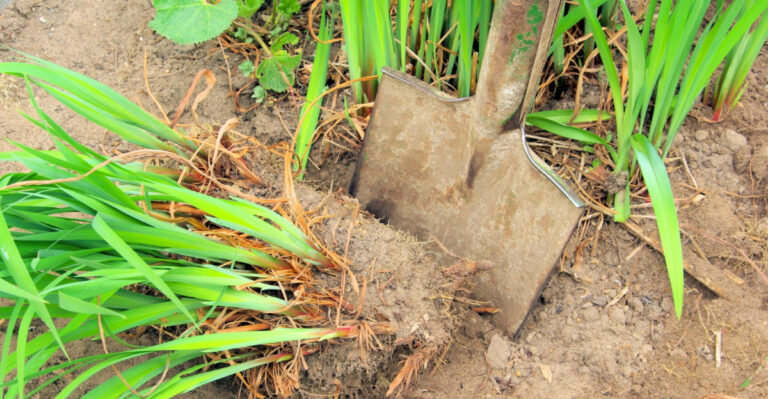
Before planting something new, clean up old cilantro roots and debris. Add compost or fresh mix if the soil looks tired.
Water new transplants well while they settle. Your garden does not need to sit empty after cilantro checks out. That empty spot can become a herb seat upgrade.
Cilantro had its season. Now let the summer squad clock in.
5. Plant Papalo For A Summer Cilantro Stand In
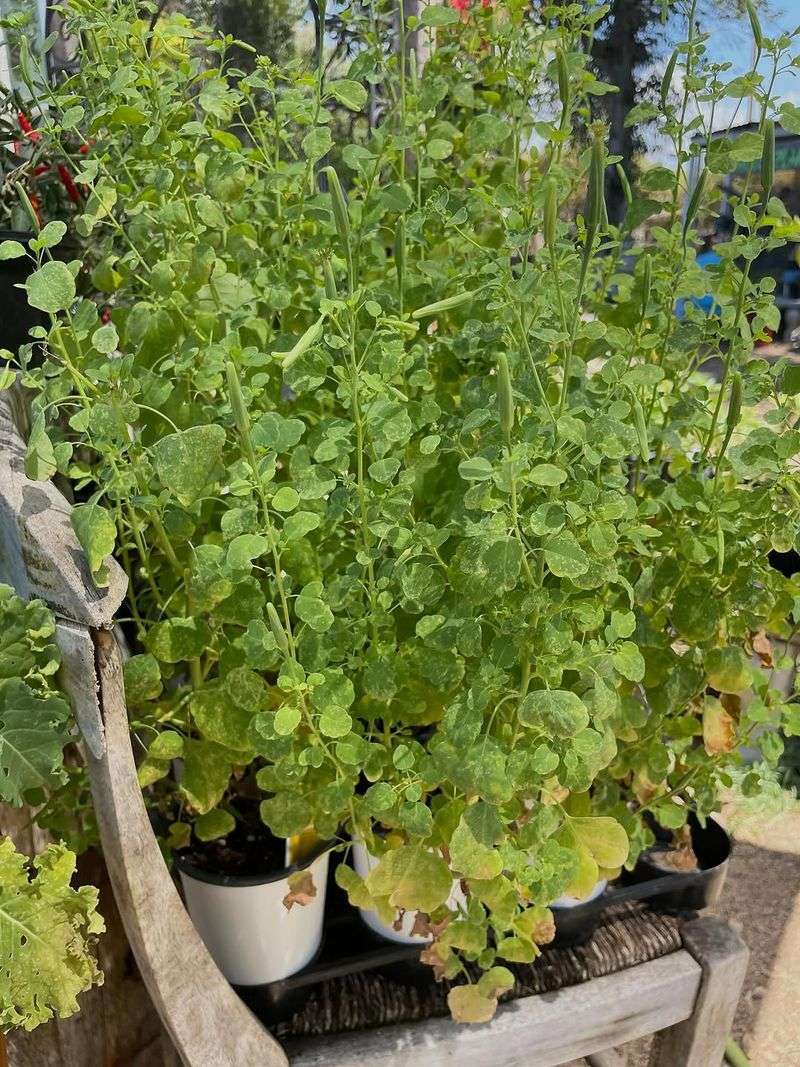
If cilantro bolts every time Arizona turns up the heat, meet papalo. This herb has serious summer confidence. It brings bold flavor, heat tolerance, and a little mystery to the garden.
Papalo is often used in Mexican and Central American cooking. It has round green leaves and a strong, complex taste.
Some people describe it as cilantro mixed with arugula. Others notice citrus, pepper, or a slightly wild green bite.
So no, it is not a perfect cilantro copy. It is more like cilantro’s fearless cousin that handles summer better.
Use papalo fresh rather than cooked. Try it in tacos, salsa, guacamole, sandwiches, and bean dishes.
Start with a small amount because the flavor can be intense. You can always add more after tasting.
That is where you come in. Taste one leaf. Decide what you think. Papalo tends to have a personality, and not every herb lover feels the same way about it.
In the garden, papalo may be easier to manage through heat than cilantro. It likes warm soil and sunny conditions. It can also handle dry stretches better once established.
Sow seeds directly after cold weather has passed. Give the young plants regular water while they get started. After that, you can usually ease back a bit.
Papalo can grow tall, so give it room. A cramped pot may make it less happy. In a bed or large container, it has more space to stretch.
If cilantro keeps vanishing by May, papalo gives you another path. Different flavor, same fresh green thrill.
6. Sow Cilantro Again When Cooler Weather Returns
Sometimes the smartest move with cilantro is waiting. That may sound boring. But in Arizona, timing can be the whole trick.
Cilantro is much happier in cooler conditions. When the weather is mild, it often grows leafy and tender.
When the heat rises, it may bolt before you get many harvests. So instead of fighting May, plan for fall.
Once temperatures start easing, cilantro gets another chance to shine. Shorter days and cooler nights may slow bolting and stretch the harvest window.
This is where patience becomes a garden strategy. You are not quitting cilantro. You are rescheduling it.
Prepare a bed or container with loose, well-draining soil. Mix in a little compost if the soil needs help. Avoid heavy, compacted soil that stays soggy.
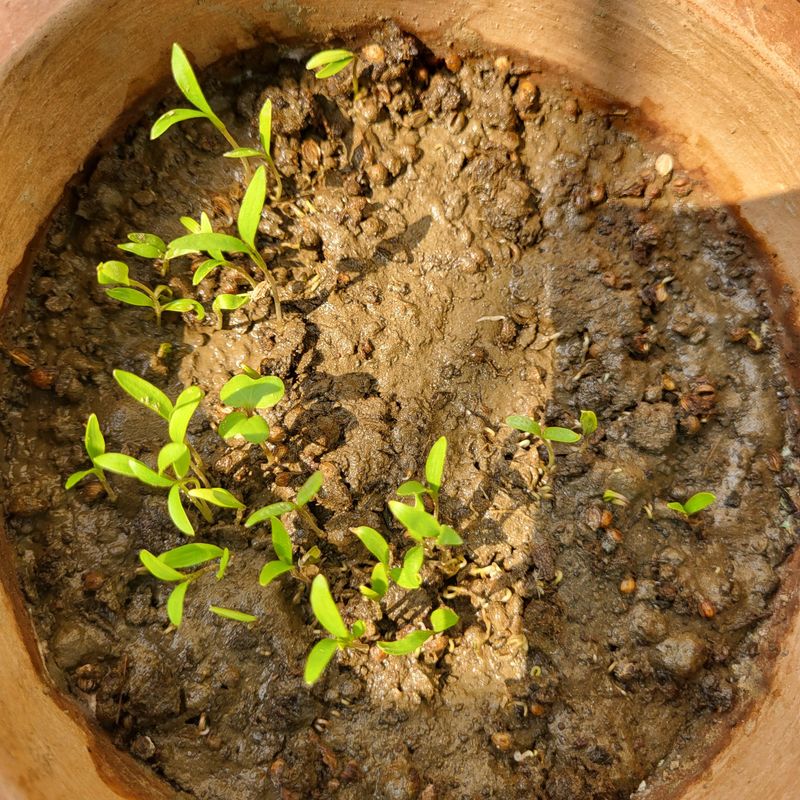
Sow seeds directly into the soil. Cilantro usually does better this way than as a transplant. Its taproot prefers not to be disturbed.
Press the seeds lightly into the surface. Cover them with a thin layer of soil. Water gently so they do not wash away.
Keep the area consistently moist until seedlings appear. Do not let the seedbed dry out completely during germination.
Here is a useful reader move. Do not plant every seed at once. Sow a small batch. Then sow another batch two or three weeks later. Repeat while the season stays friendly.
This gives you a staggered harvest instead of one big cilantro wave. It also reduces the heartbreak of everything bolting at once.
Think of it as cilantro on installment plan. A little now, a little later, and more chances for fresh salsa. May may win the heat round. Fall can still bring the comeback crop.
7. Use Afternoon Shade To Slow The Next Crop
If your cilantro bolts too quickly, the sun may be rushing the story. Arizona afternoon light can be intense. Even plants that like sun may appreciate a break from the harshest hours.
Cilantro especially can benefit from a cooler setup. You can’t change the season. But you can change the plant’s little world.
Try giving the next crop morning sun and afternoon shade. Morning light is usually gentler. Afternoon shade can help reduce heat stress during the toughest part of the day.
Look around your garden. Is there an east-facing wall? A fence that casts shade later in the day? A taller plant that can act like a leafy umbrella? Use those spots to your advantage.
You can also use shade cloth. A light shade cloth over a simple frame may help soften the heat. Make sure air can still move around the plants. Trapped heat and poor airflow can create new problems.
Mulch can help too. Add a light layer around the base of the plants. Straw, shredded leaves, or fine wood chips can shade the soil surface. Keep mulch slightly away from the stems.
Cilantro likes cooler roots, but it still needs breathing room. Water matters as well. Consistent moisture can help cilantro stay less stressed. Avoid letting young plants swing between dry and soaked.
Watch your plants closely. If leaves wilt every afternoon but recover by morning, shade may help. If they stay limp, check the soil and roots too.
This is your chance to become a microclimate detective. A few feet can change everything. It’s not a magic spell, but a clever way to slow the bolt and stretch the harvest.