What Arizona Homeowners Should Know About Packrats Nesting This Summer
A quiet corner of the yard can stay unnoticed for weeks, especially during the busiest part of summer. Then one day you spot a pile of sticks where there was nothing before.
A few days later, it has grown even larger. That kind of discovery often leaves people wondering what is going on and whether they should be concerned.
Packrats are busy builders, and summer is one of the times when they spend extra effort creating sheltered places to nest. They look for protected spots where they can gather branches, leaves, and other materials without being disturbed.
Yards with the right conditions can quickly become appealing, even if everything looks perfectly normal at first glance.
Arizona homeowners are often surprised by how easily a nest can blend into the landscape.
Recognizing the early signs makes it much easier to deal with the situation before the nest becomes well established.
1. Packrats Choose Sheltered Places Close To Food
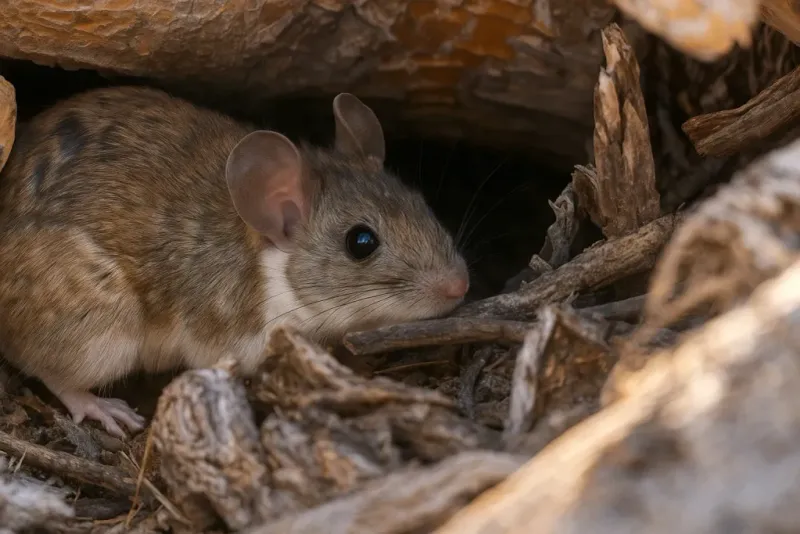
Packrats are not random about where they set up camp. Location matters a lot to them, and they almost always pick spots that offer both cover and quick access to food.
Garages, sheds, woodpiles, and the undersides of decks are all prime real estate. A packrat wants to feel hidden while staying within a short distance of anything edible.
Fruit trees, bird feeders, compost bins, and even potted herbs can act as magnets. Once a packrat spots a reliable food source nearby, it starts scouting for a sheltered spot to settle in.
Vehicles parked outdoors are another favorite target. Engine compartments offer warmth, protection, and surprisingly good nesting material from wiring and insulation.
Homeowners often do not notice a packrat nest forming until it is already well established.
Catching early signs like chewed materials, droppings, or scattered debris can help you act before the problem grows.
Reducing clutter around the exterior of your home removes the sheltered hiding spots packrats depend on.
Keeping storage areas tidy and elevated off the ground makes your property far less attractive to them from the start.
2. Nesting Materials Can Build Up Quickly
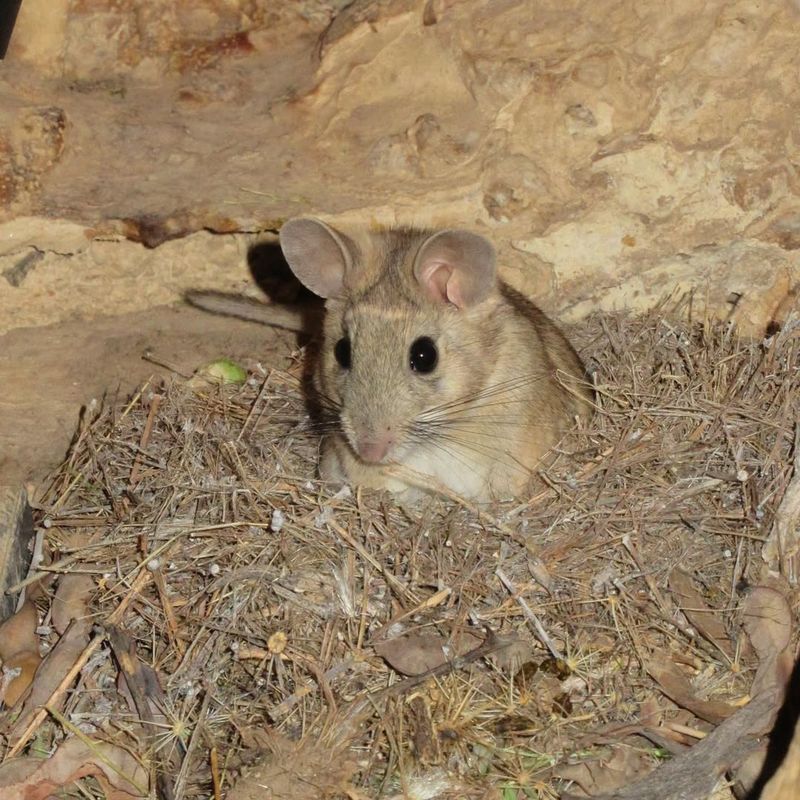
Packrats are relentless collectors. Within just a few days, a single packrat can haul in enough sticks, leaves, cactus joints, and random debris to build a surprisingly large nest.
These piles are called middens. Middens can grow to the size of a small trash bag or larger if left undisturbed.
What starts as a small cluster of sticks can become a dense, tightly packed mound fast.
Packrats add chewed insulation, fabric scraps, paper, and even food wrappers to their middens. Anything they can carry gets repurposed into their home base.
One of the stranger habits packrats have is trading. They will drop one item to pick up something they find more interesting.
Shiny objects, small tools, and bits of wire often end up inside their nests.
A midden left in place becomes harder to remove over time. Packrats pack materials tightly, and older nests can harden significantly in dry desert conditions.
Your Arizona Garden Changes Every Week. Your Plan Should Too.
Gardening in Arizona changes quickly throughout the season. Every Friday you’ll receive a simple weekly plan showing exactly what to plant, prune, fertilize, harvest, and protect so you never miss the right timing.
Checking potential nesting spots around your yard every couple of weeks during summer is a smart habit. Catching a midden early means less material to clear and a much easier cleanup overall.
Staying consistent with yard checks keeps nesting activity from going unnoticed for too long.
3. Pet Food Left Outside Attracts More Activity

Leaving pet food outside overnight is one of the fastest ways to invite packrats onto your property. Even a small amount of kibble left in a bowl sends a clear signal that food is available.
Packrats are active mainly at night. By the time you wake up, they have already visited, eaten, and possibly started scouting nearby spots for a nest location.
Cat food, dog food, and even bird seed left in accessible areas all count as food sources. Packrats are not picky.
Anything calorie-dense and easy to reach works for them.
Bringing pet bowls indoors each evening is one of the simplest protective steps you can take. It removes one of the biggest attractants without requiring any special equipment or products.
Water bowls matter too. Packrats need water, especially during hot desert summers.
A water source combined with nearby food makes your yard almost impossible for them to resist.
Store pet food in sealed, hard-sided containers rather than open bags. Packrats can chew through plastic bags and cardboard boxes with very little effort.
4. Dense Shrubs Give Them More Places To Hide
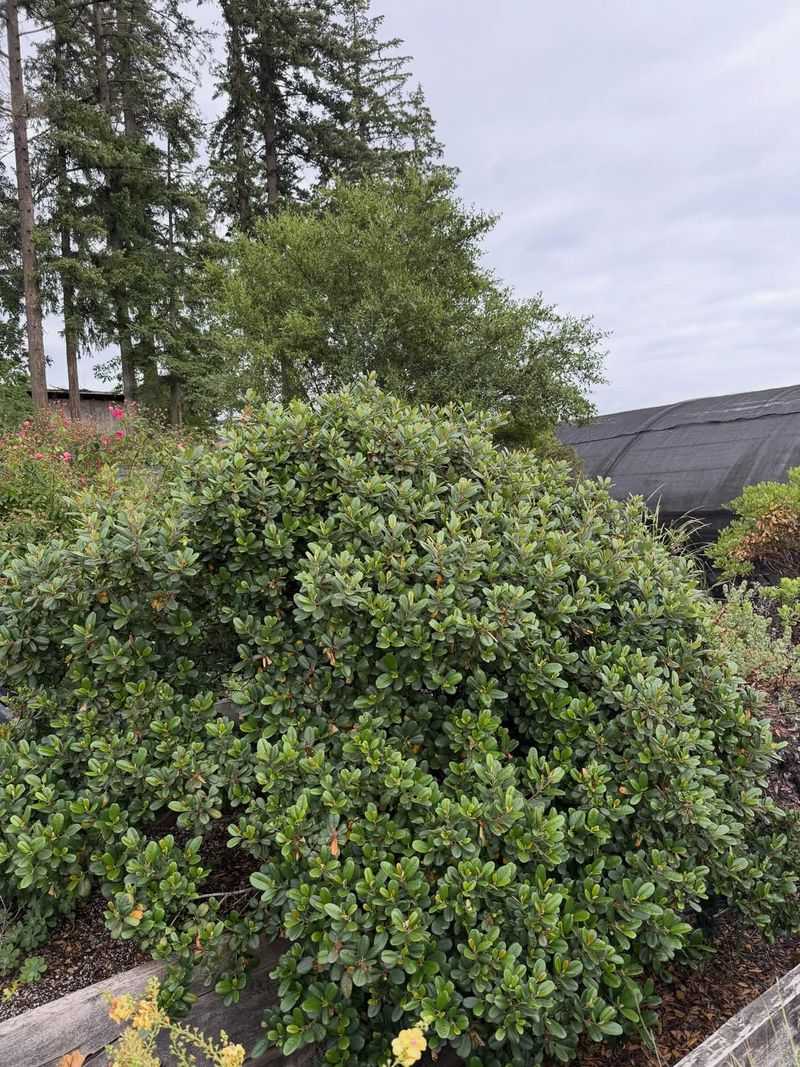
Overgrown shrubs are one of the most overlooked packrat attractants in desert yards. Dense, low-growing vegetation gives packrats exactly what they want: cover, shade, and a sense of security.
Packrats prefer to move along edges rather than across open ground. A row of thick shrubs along a fence line or block wall creates a perfect travel corridor right to your home.
Oleanders, bougainvillea, and other fast-growing desert plants can get thick enough to completely hide a packrat midden inside them. Homeowners often do not discover a nest until they trim the plant back.
Keeping shrubs trimmed and thinned out reduces the amount of cover available. Aim to maintain at least a foot of clearance between shrubs and your walls or foundation.
Ground-level branches that touch the soil are especially inviting. Packrats use them as ramps and hiding spots simultaneously.
Lifting the canopy of low shrubs removes that easy ground-level access.
Yard maintenance does not have to be extreme to make a difference. Regular trimming a few times per season keeps vegetation from becoming dense enough to shelter packrat activity.
5. Cactus Can Provide Another Nesting Spot
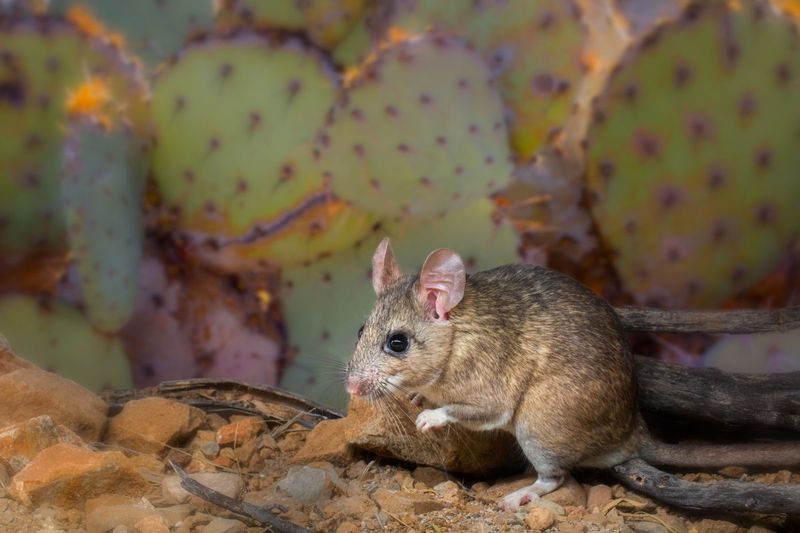
Cholla cactus is practically a packrat apartment building. The sharp spines that make cholla painful for humans actually protect packrats from predators, making it one of their favorite nesting sites.
Packrats carefully navigate around the spines and use detached cholla joints as building material. A midden built around a cholla base can be enormous and nearly impossible to approach safely without gloves and tools.
Saguaro cacti with hollow sections or low cavities can also attract packrats. Any cactus that offers structural cover at ground level becomes a candidate for nesting activity.
Prickly pear pads scattered on the ground near the base of a cactus are another nesting material packrats use regularly. They weave them into the midden alongside sticks and debris.
Removing cacti entirely is rarely necessary or practical. Instead, focus on reducing the clutter and debris that accumulates around the base.
Less material means less nesting opportunity.
If a cactus in your yard already has a midden at its base, wear thick gloves and use long-handled tools to clear it out. Work slowly to avoid dislodging cholla joints onto yourself.
6. Sealing Small Openings Helps Keep Them Out
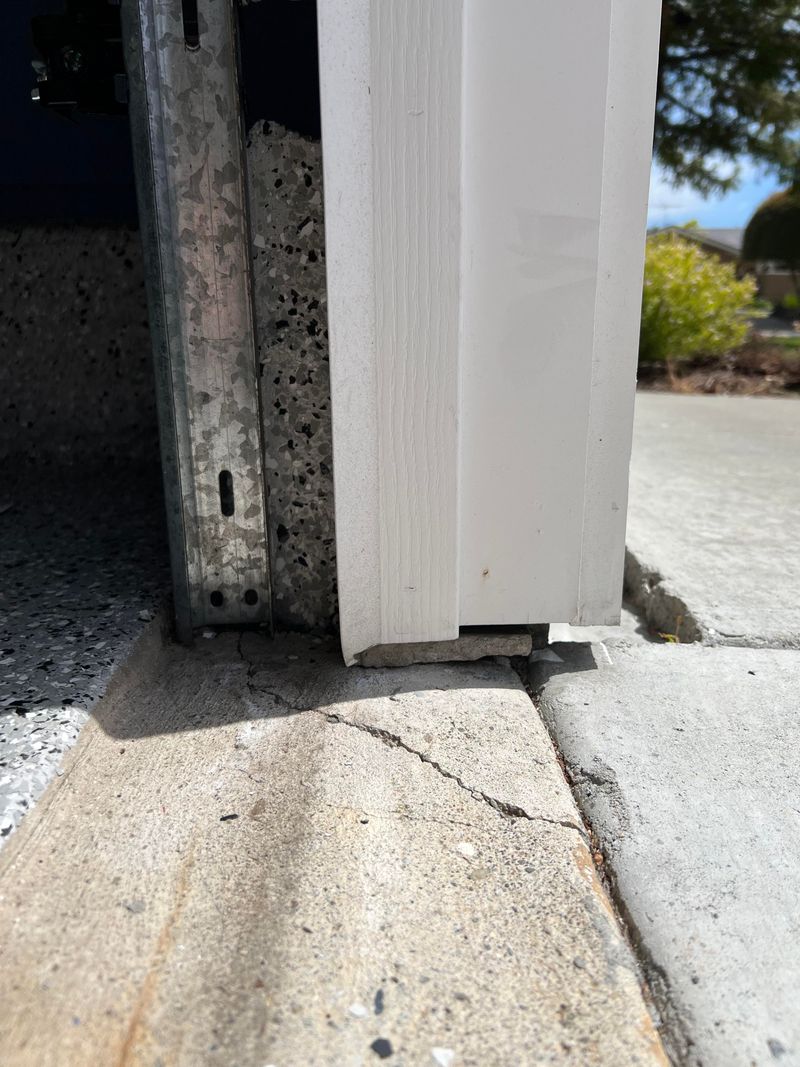
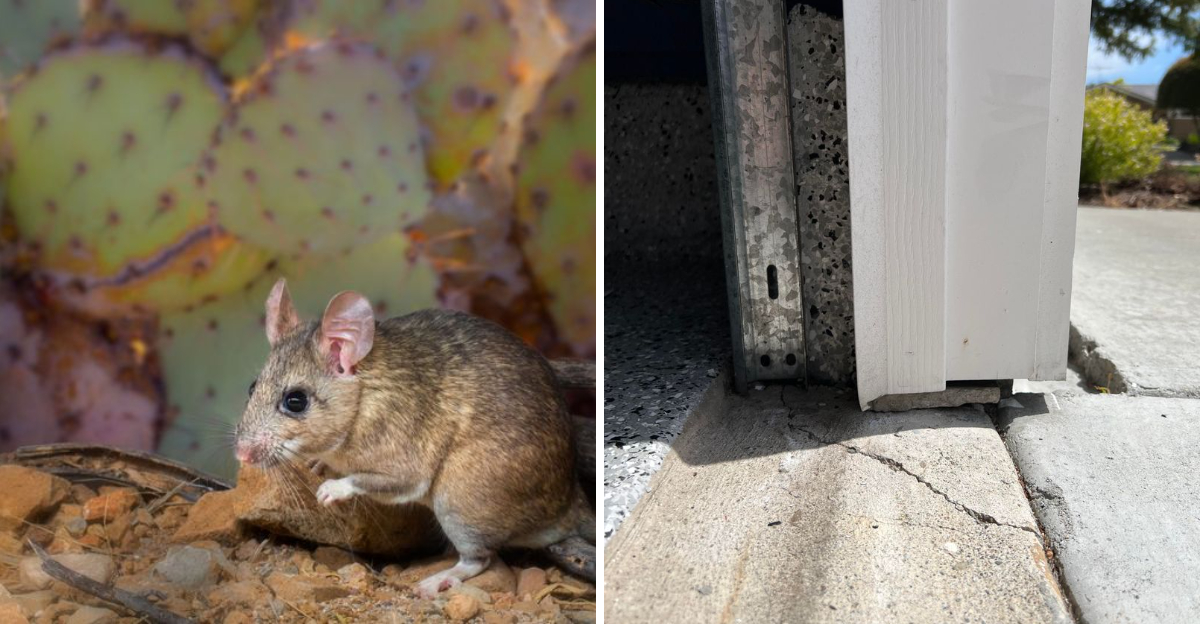
Packrats can squeeze through openings that look impossibly small. A gap as narrow as half an inch is enough for a young packrat to push through and explore what is on the other side.
Common entry points include gaps around garage doors, spaces where pipes enter walls, torn window screens, and openings under crawl space vents. Checking all of these spots once a season takes less than an hour.
Steel wool stuffed into small gaps is a practical short-term fix. Packrats can chew through foam and caulk relatively easily, but steel wool is much harder for them to get past.
Hardware cloth with a quarter-inch mesh is a more permanent solution for vents and crawl space openings. It allows airflow while blocking rodent access effectively.
Garage doors deserve special attention. Even a small gap along the bottom seal creates an easy entry point.
Replacing worn door sweeps is a low-cost fix that makes a noticeable difference.
Walk the perimeter of your home and look at ground level. Check where utility lines enter, where the foundation meets siding, and around any plumbing access panels.
Gaps that seem minor to you look like open invitations to a packrat scouting for shelter.
Sealing these entry points before summer nesting season peaks is one of the most effective preventive steps any homeowner can take.
7. Early Removal Prevents Larger Nesting Problems
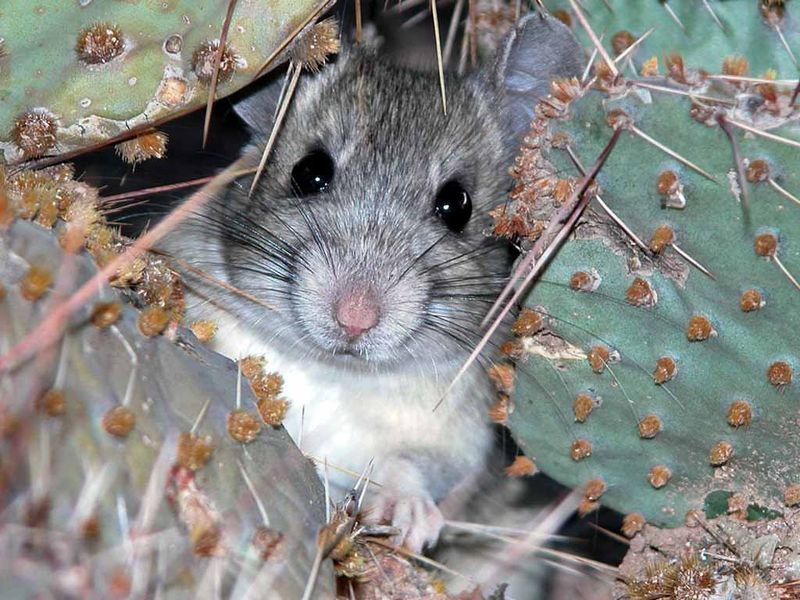
Catching a packrat nest early makes everything easier. A fresh midden with just a few sticks and some scattered debris takes minutes to clear.
An established nest that has been growing for weeks is a completely different situation.
Packrats are territorial and will return to the same location repeatedly if the area remains attractive to them. Removing the nest is only part of the solution.
Addressing what drew them there is equally important.
Wear gloves and a dust mask when handling any packrat nesting material. Rodent droppings and urine can carry health risks, so taking basic precautions protects you during cleanup.
Bag and seal all nesting material before disposing of it. Do not leave it in an open bin near your home, as the scent can attract other packrats looking for an established territory.
After clearing a nest, clean the area with an enzyme-based cleaner. Packrats use scent markers to navigate back to familiar spots.
Neutralizing those odors reduces the chance they will return to the exact same location.
Professional pest control is worth considering if nests keep coming back despite your efforts. A licensed technician can identify entry points and attractants you may have missed.