7 Smells That Attract Squirrels, Chipmunks And Other Pennsylvania Garden Critters
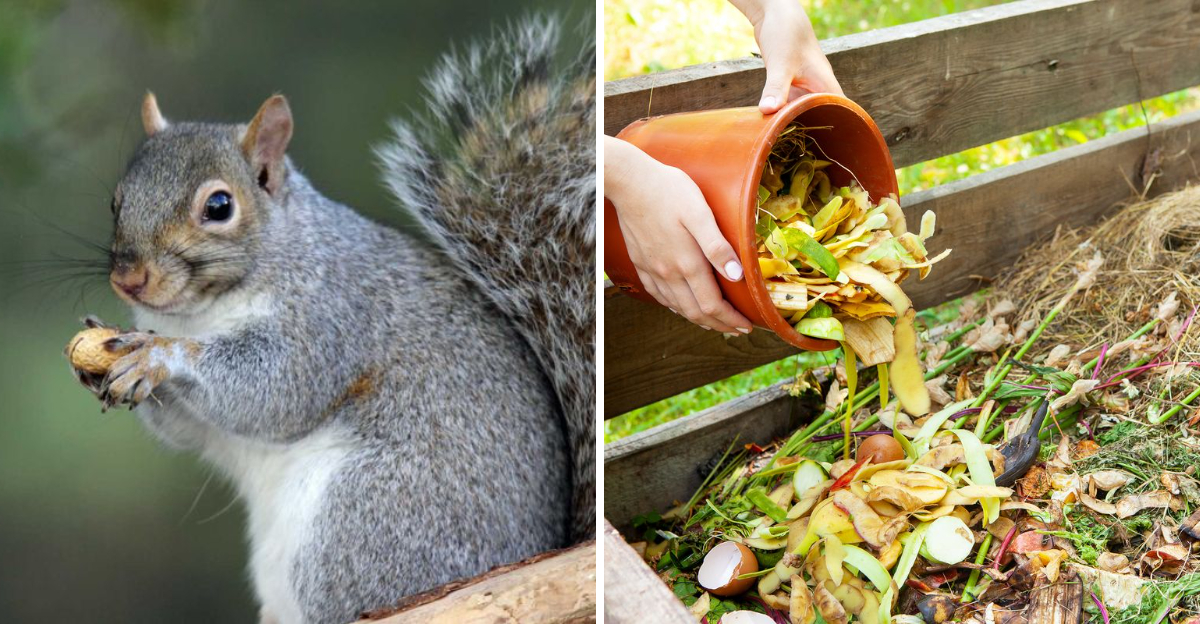
Squirrels and chipmunks can be entertaining to watch right up until they start working through your garden. Once they find something worth coming back for, they tend to return persistently, and the damage to bulbs, seedlings, and container plants adds up quickly.
What most Pennsylvania gardeners do not think about is that scent plays a much bigger role in attracting these animals than what is visibly growing in the yard.
Certain smells act almost like a signal that something worth investigating or eating is nearby, and a yard that is sending those signals without the gardener realizing it will keep pulling critters in regardless of other deterrents.
Knowing which scents draw squirrels, chipmunks, and other common Pennsylvania critters into a garden is actually one of the more useful pieces of information a gardener can have.
The reason is because eliminating or managing those attractants is often more effective than trying to repel the animals after they have already arrived.
1. Sunflower Seeds
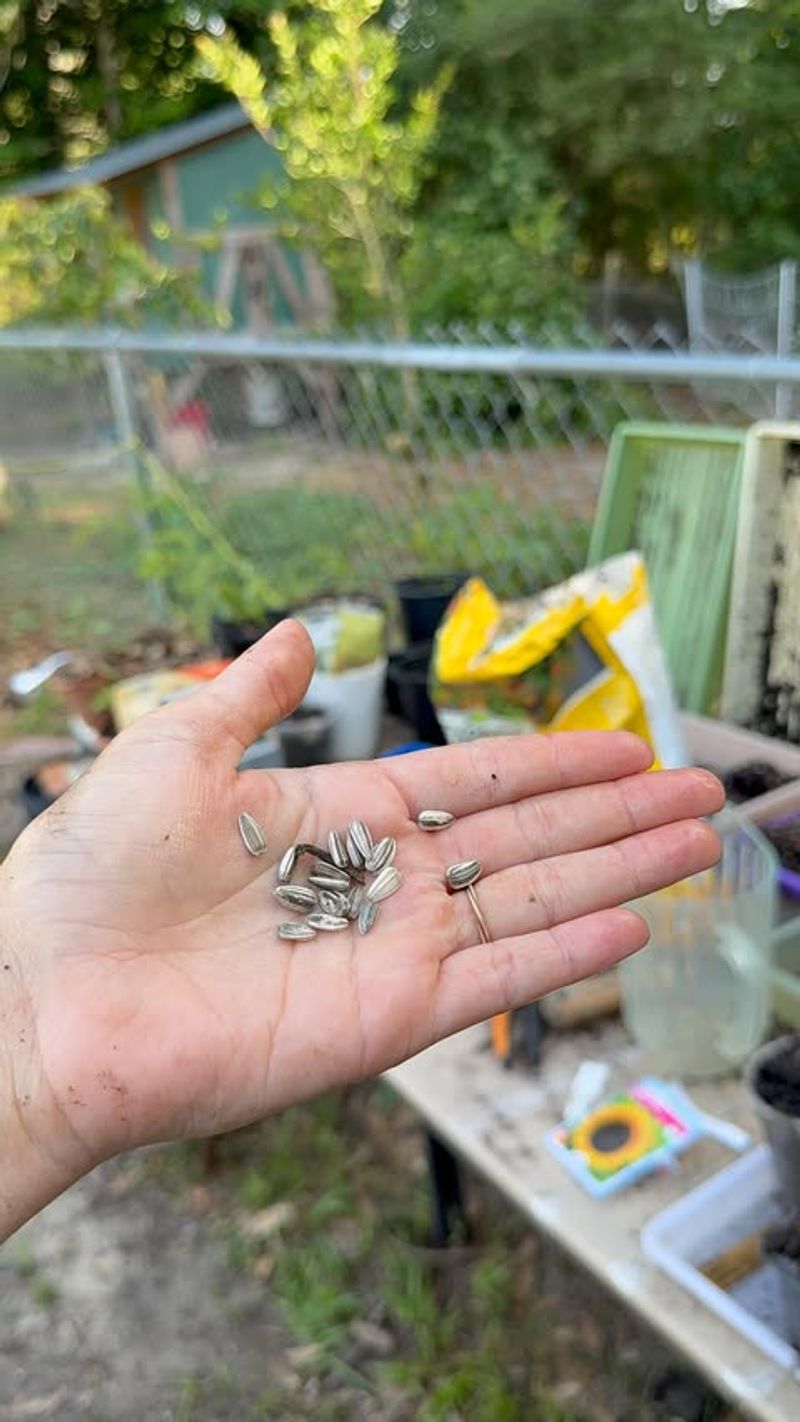
Walk past a bag of sunflower seeds and you might not smell much, but a squirrel a hundred yards away tells a completely different story. Squirrels, chipmunks, and dozens of backyard bird species can detect the nutty, oily scent of sunflower seeds from a remarkable distance.
That rich aroma comes from the natural oils packed inside each seed, and it acts like a dinner bell for wildlife.
In Pennsylvania, black-oil sunflower seeds are especially popular among bird lovers who fill feeders throughout the year. The problem is that spilled seeds pile up fast beneath feeders, creating a ground-level buffet that squirrels and chipmunks find almost impossible to resist.
Even a small handful of seeds scattered on the soil can bring critters rushing in within minutes.
If you want to keep using sunflower seeds without turning your yard into a wildlife free-for-all, a few simple changes can make a big difference. Try switching to a squirrel-proof feeder with a weight-sensitive tray that closes when heavier animals land on it.
Cleaning up spilled seeds daily also cuts down on lingering scent. You can also try placing feeders on tall, smooth metal poles that are hard for squirrels to climb.
Catching critters in the act is actually pretty entertaining, but if your garden beds are getting dug up, it is worth taking action. A little prevention goes a long way when sunflower seeds are involved.
2. Ripening Corn
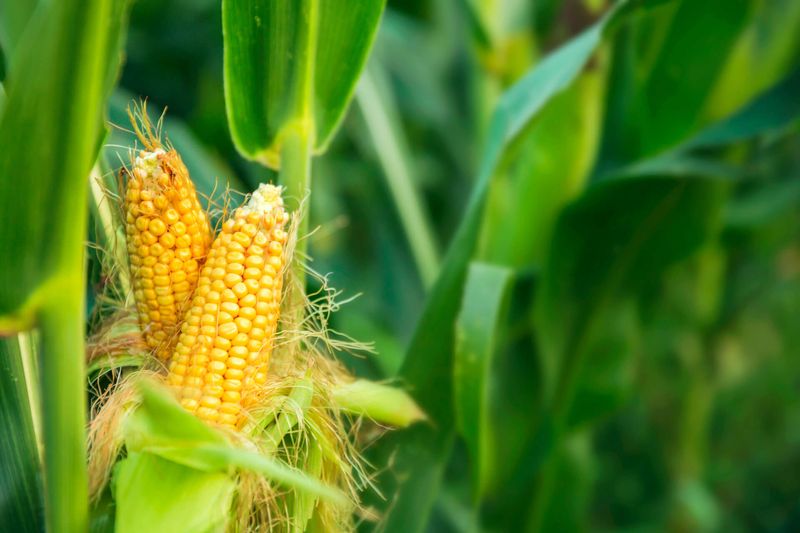
There is something almost magical about the smell of sweet corn ripening on the stalk on a warm Pennsylvania summer afternoon. To a human, it smells like a backyard barbecue waiting to happen.
To a squirrel or raccoon, that same sweet, starchy aroma is basically a flashing neon sign that says free food right here.
Corn releases more scent as it ripens, especially when the husks begin to pull back or get damaged by insects. That exposed sweetness travels on the breeze and can reach animals from a surprising distance away.
Squirrels are known to strip ears of corn right off the stalk, often working fast and efficiently before you even notice the damage. Chipmunks and deer are also frequent corn raiders in Pennsylvania gardens.
Your Pennsylvania Garden Changes Every Week. Your Plan Should Too.
Gardening in Pennsylvania changes quickly throughout the season. Every Friday you’ll receive a simple weekly plan showing exactly what to plant, prune, fertilize, harvest, and protect so you never miss the right timing.
Protecting a corn crop takes some creativity. Many gardeners use physical barriers like chicken wire cages or netting placed directly around the stalks as the ears begin to fill out.
Some people try sprinkling cayenne pepper around the base of the plants, since the sharp scent can discourage mammals without harming the plants themselves.
Another useful trick is to harvest corn as soon as it reaches peak ripeness rather than leaving it on the stalk for extra days.
Timing your harvest right reduces the window when that sweet smell is strongest. Growing corn in a raised bed surrounded by a low fence can also slow down determined critters looking for an easy snack.
3. Fallen Apples And Pears
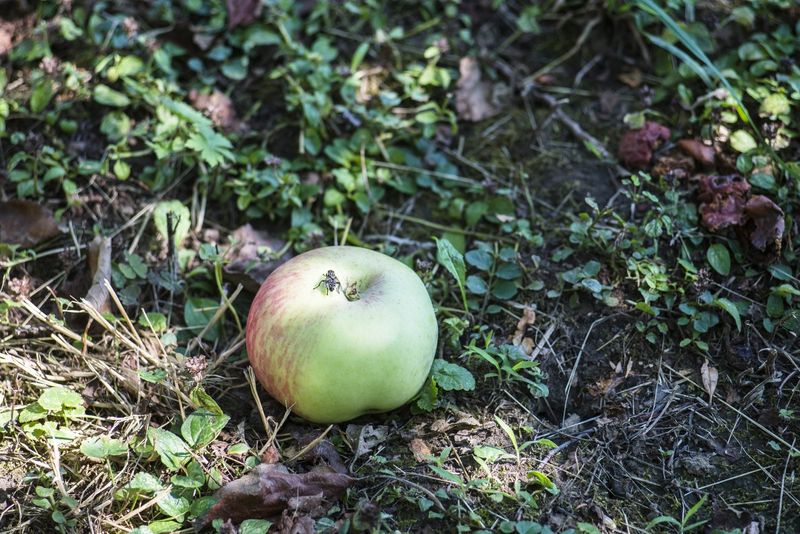
Few things in a Pennsylvania garden smell as powerful as fruit that has been sitting on the ground for a day or two.
Fallen apples and pears begin to ferment almost immediately, producing a sweet, yeasty, slightly boozy scent that carries far and wide. For small mammals, that smell is completely irresistible.
Squirrels love soft, overripe fruit because it is easy to bite into and packed with sugar and water. Chipmunks are quick to fill their cheek pouches with bits of fallen pear.
Opossums, raccoons, and even deer are drawn in by the fermenting smell too, turning a simple dropped apple into a neighborhood gathering spot after dark. If you have ever wondered why your fruit tree area looks disturbed in the morning, now you know.
Managing fallen fruit is one of the most effective ways to reduce unwanted wildlife visits. Make it a habit to pick up dropped fruit every single day during the harvest season.
Compost fallen fruit away from the main garden area in a sealed bin if possible, since leaving it in an open pile only spreads the scent further.
You can also try placing wire mesh around the base of fruit trees to slow animals down, though determined critters will often find a way around it.
If you enjoy watching wildlife, leaving a small amount of fallen fruit in a designated spot away from your main garden beds can redirect animals without encouraging them to roam freely through everything you have planted.
4. Birdseed
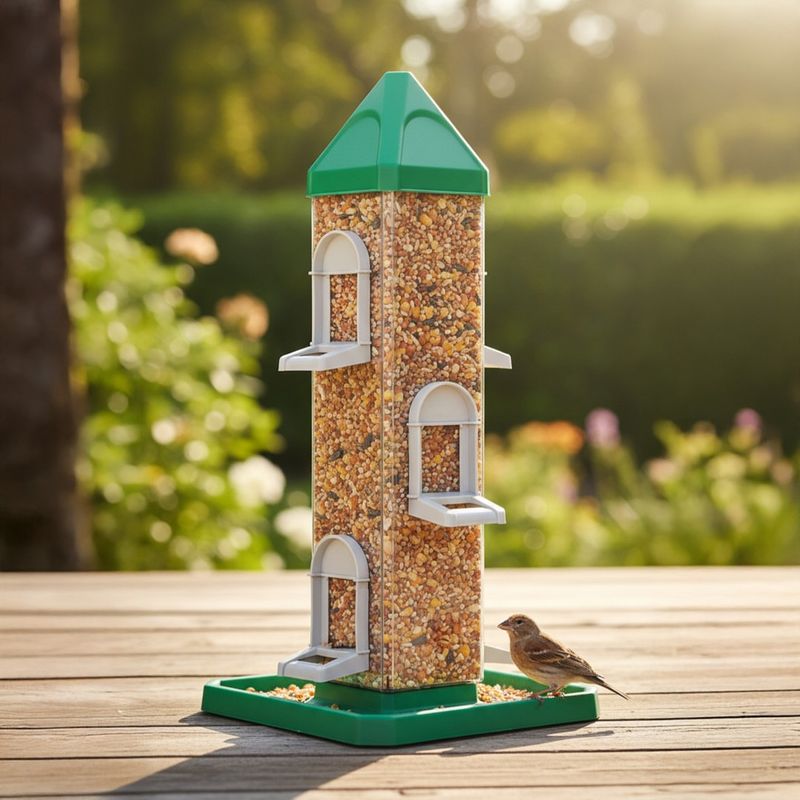
Birdseed blends are a staple in Pennsylvania backyards, and for good reason. They bring cardinals, finches, nuthatches, and chickadees right up close to the window.
But that same mix of millet, safflower, sunflower, and cracked corn sends out a scent cocktail that practically screams come eat here to every squirrel and chipmunk in the neighborhood.
The combination of different seed oils and grain aromas creates a smell that is even more complex and attractive than any single seed on its own.
Squirrels are especially skilled at locating birdseed, and they are persistent enough to spend hours working around obstacles to reach it.
Chipmunks tend to work at ground level, scooping up whatever falls from the feeder above. Over time, a consistently stocked feeder trains local wildlife to check your yard on a regular schedule.
Keeping birdseed appealing to birds without becoming a squirrel and chipmunk magnet is a challenge many Pennsylvania gardeners face every season.
One of the best solutions is to use a feeder with a built-in baffle, which is a dome-shaped shield that blocks climbing animals.
Hanging feeders on a thin wire strung between two poles also makes it harder for squirrels to reach. Sweeping up spilled seed from the ground daily removes the ground-level scent trail that brings chipmunks running.
Some bird lovers switch to safflower seeds, which many squirrels find less appealing but birds still enjoy. A little strategy goes a long way in keeping your feeder area tidy and critter-controlled.
5. Peanuts And Nut-Based Feeds
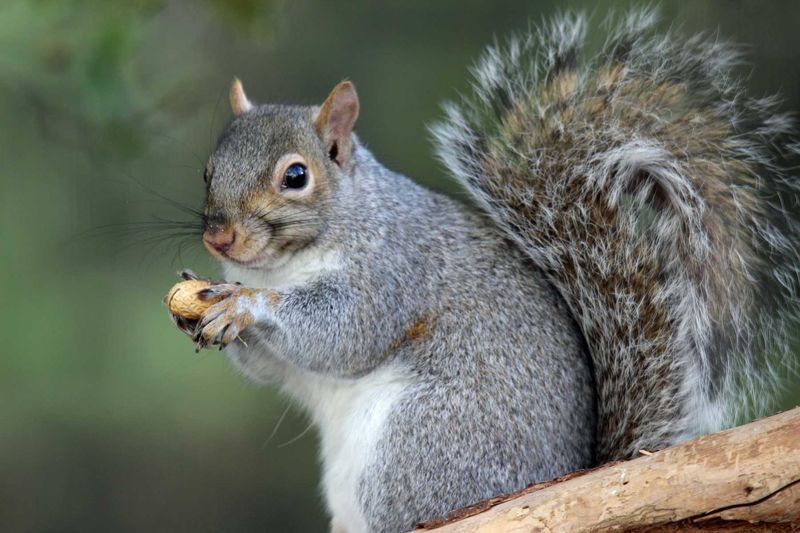
Ask any Pennsylvania wildlife watcher what the single best way to attract squirrels is, and most of them will say peanuts without hesitation. Peanuts have a bold, roasted, oily smell that squirrels and chipmunks find almost hypnotically appealing.
Even raw peanuts in the shell carry enough natural aroma to bring critters from several yards away.
Squirrels rely heavily on stored food to get through Pennsylvania winters, and high-fat, high-protein nuts are their top priority for caching.
When they smell peanuts, they go into full collection mode, stuffing cheeks and burying supplies across your yard and garden beds.
Chipmunks do the same thing, carrying peanuts back to underground burrows where they store enough food to last for months. This behavior, while fascinating to watch, can lead to dug-up garden beds and disturbed plant roots.
If you enjoy feeding squirrels and chipmunks intentionally, peanuts are a great choice for a designated wildlife feeding station set away from your main garden. Unsalted, raw peanuts are the healthiest option for the animals.
Avoid feeding them salted or flavored varieties, as added sodium is not good for small mammals. Setting up a specific feeding area in one corner of your yard can help redirect animals away from bird feeders and vegetable beds.
On the flip side, if you are trying to reduce wildlife activity near your plants, storing peanut-based feeds in airtight metal containers rather than plastic bags makes a noticeable difference in controlling that irresistible smell.
6. Pumpkins And Winter Squash
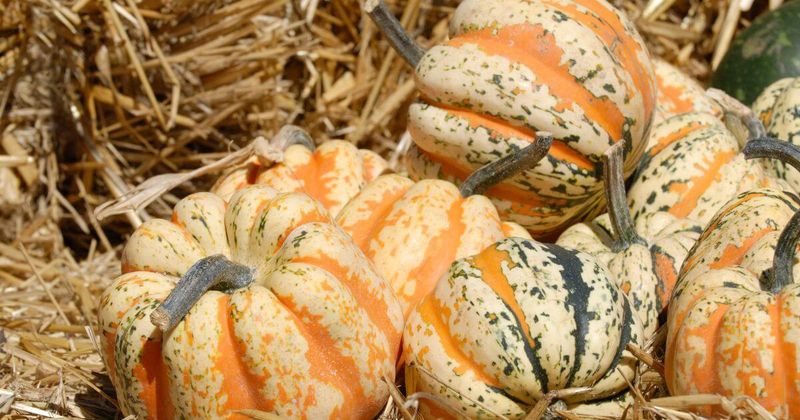
Every fall in Pennsylvania, pumpkins and winter squash become a staple of porches, gardens, and harvest displays. What most people do not think about is how much these gourds actually smell to the animals living nearby.
As pumpkins and squash begin to soften, crack, or get nicked by frost, they release a warm, sweet, earthy scent that travels easily through cool autumn air.
Squirrels are quick to take advantage of any opening in a gourd’s skin. Once they get inside, they go straight for the seeds, which are packed with fat and nutrients.
Chipmunks also nibble at soft spots on the outer flesh. Even a small crack or soft patch on a pumpkin can release enough smell to bring in visitors overnight.
Many Pennsylvania gardeners are surprised to wake up and find their decorative pumpkins hollowed out or chewed on by morning.
A few easy steps can help protect your autumn gourds from becoming wildlife snacks. Rubbing the outside of pumpkins and squash with a thin layer of petroleum jelly is a popular trick that creates a slippery, unappealing surface.
Some gardeners spray a diluted hot pepper solution around and on the gourds, which irritates the sensitive noses of small mammals without causing any lasting harm. Bringing pumpkins indoors at night during peak critter season also helps a lot.
If you want to use pumpkins as wildlife food intentionally, cutting them open and placing them at the edge of your yard gives animals a treat without drawing them too close to your home or garden beds.
7. Compost Containing Food Scraps
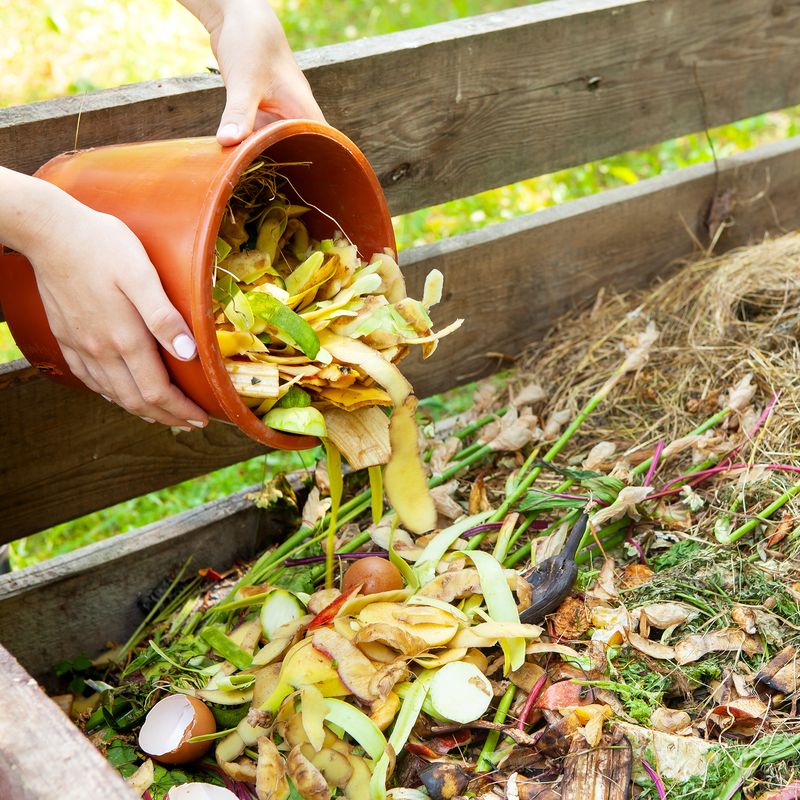
Composting is one of the smartest things a gardener can do for their soil, but an open or poorly managed compost pile is basically a buffet announcement for every critter in the neighborhood.
Fruit peels, vegetable trimmings, bread crusts, and leftover grains all break down and release a rich, complex mix of smells that is extremely attractive to squirrels, chipmunks, mice, raccoons, and opossums.
The smell of decomposing food intensifies as bacteria get to work breaking things down, especially in warm weather. Pennsylvania summers can turn a fresh compost pile into a powerful scent source within just a day or two of adding new kitchen scraps.
Animals are not just attracted by hunger either. The warmth that active compost generates is appealing to small mammals looking for a cozy spot, making compost piles doubly attractive during cooler months.
Switching to a fully enclosed compost bin with a tight-fitting lid is the single most effective way to control odors and keep critters out.
Tumbling composters are especially good because they seal completely and can be rotated to speed up decomposition, which reduces the time food scraps spend in a smelly, accessible state.
Avoid adding meat, dairy, or cooked foods to your compost, since those items produce the strongest and most appealing smells for wildlife. Burying fresh scraps under a layer of dry leaves or finished compost also helps mask the odor.
Turning your pile regularly speeds up breakdown and keeps strong smells from building up to levels that attract unwanted guests.