Grow Better Petunias In Iowa By Avoiding These 13 Mistakes
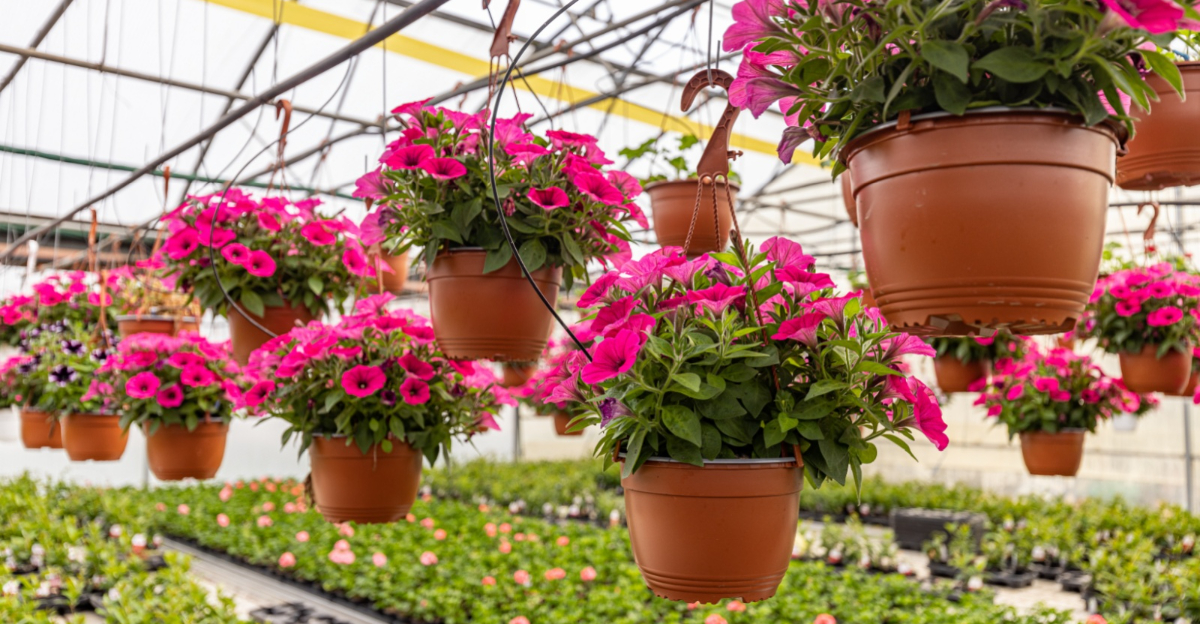
Here’s a simple truth: petunias somehow turn an ordinary Iowa yard into something worth slowing down for. My first window box taught me that lesson brutally, going leggy and sparse by July despite my best intentions.
A few simple missteps were quietly sabotaging the whole show. Iowa’s clay-heavy soils, surprise late frosts, and sticky summer humidity stack the odds against these blooms before they even get started.
But petunias are forgiving when you know what they actually need. The gap between a scraggly planter and a cascading explosion of color almost always traces back to a handful of avoidable habits.
How you feed, water, and tend these plants matters far more than most people expect. Sidestep these mistakes, and your petunias will reward you with a riot of color that carries the whole garden from Memorial Day straight through the first frost.
1. Planting Too Early Before Last Frost
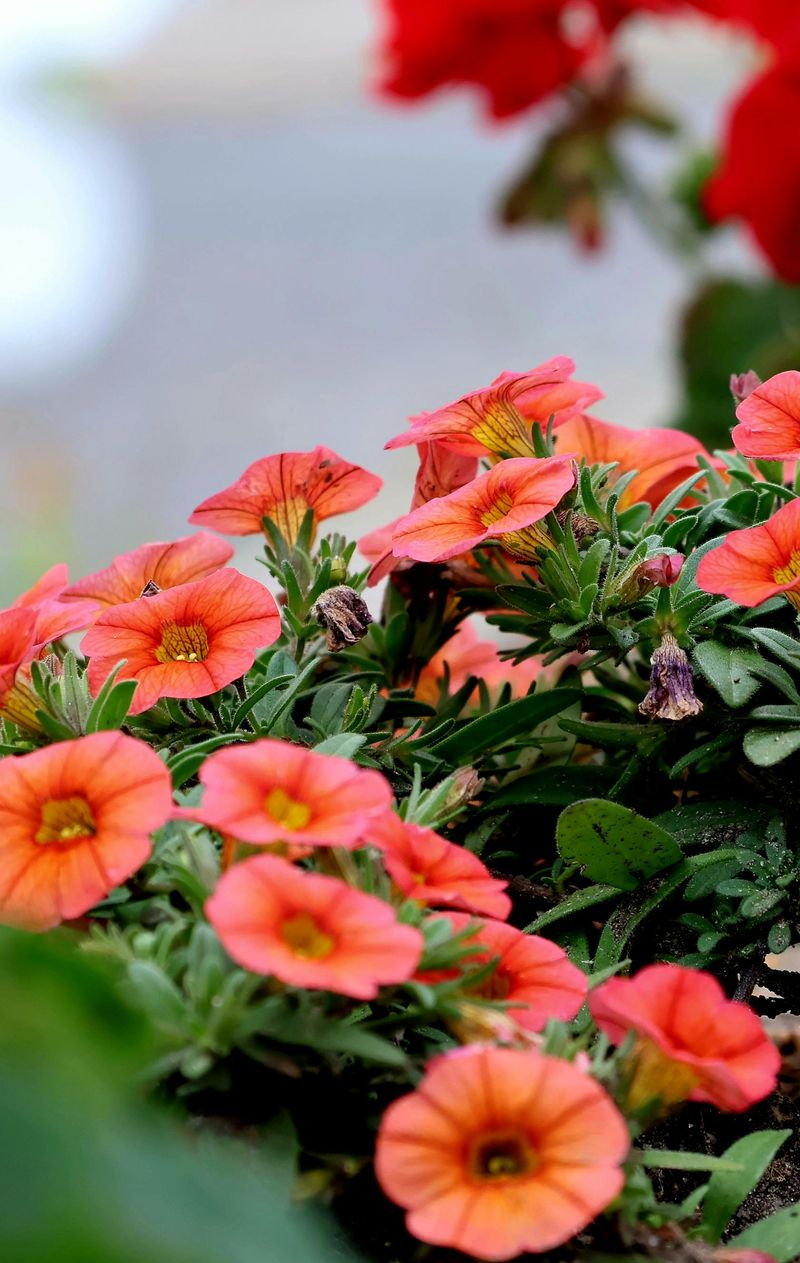
Frost-bitten petunias are a heartbreak no gardener forgets. That tender bloom, perfectly healthy yesterday, turns soft and collapsed overnight when temperatures drop below freezing.
Iowa’s last frost typically falls between late April and mid-May depending on your county, and planting before that window is a gamble you will almost always lose.
Petunias are warm-season annuals that simply cannot handle a freeze. Even a light frost can stunt their growth, damage their root systems, and set them back by weeks.
A few warm days in April can make the garden center feel urgent, but a cold snap will undo that excitement fast.
Check the Iowa State University Extension frost date map for your specific zip code before buying a single transplant. Keep an eye on the ten-day forecast and wait until nighttime temps stay consistently above 40 degrees Fahrenheit.
Plants set out at the right time catch up fast and bloom far more reliably than ones that struggled through a cold snap. A two-week wait is worth months of gorgeous color.
2. Starting Seeds Indoors Too Late
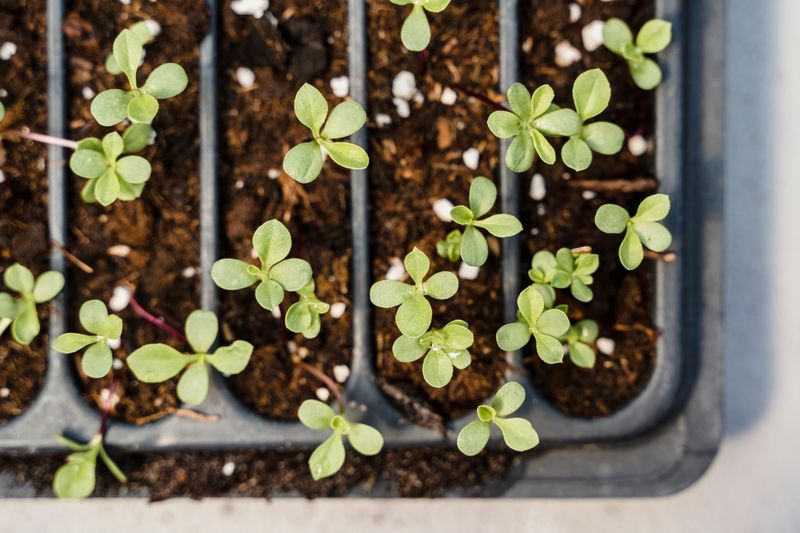
Miss the January window and your petunias will spend all summer playing catch-up. Sow seeds ten to twelve weeks before your expected last frost date, which puts most Iowa gardeners at late January or early February.
These seeds are almost microscopic and require light to germinate, so press them onto the surface of a moist seed-starting mix rather than burying them.
Germination takes ten to fourteen days under warm conditions, and without enough lead time, your homegrown starts will be weak and small when transplant time arrives.
A quality grow light set on a timer for sixteen hours a day makes all the difference in producing stocky, strong seedlings. Keep soil temperature around seventy to seventy-five degrees Fahrenheit using a heat mat for the best germination rates.
Once seedlings have two sets of true leaves, begin hardening them off gradually by setting them outside for short periods each day. Strong starts equal strong plants all season long.
3. Overwatering Your Petunias
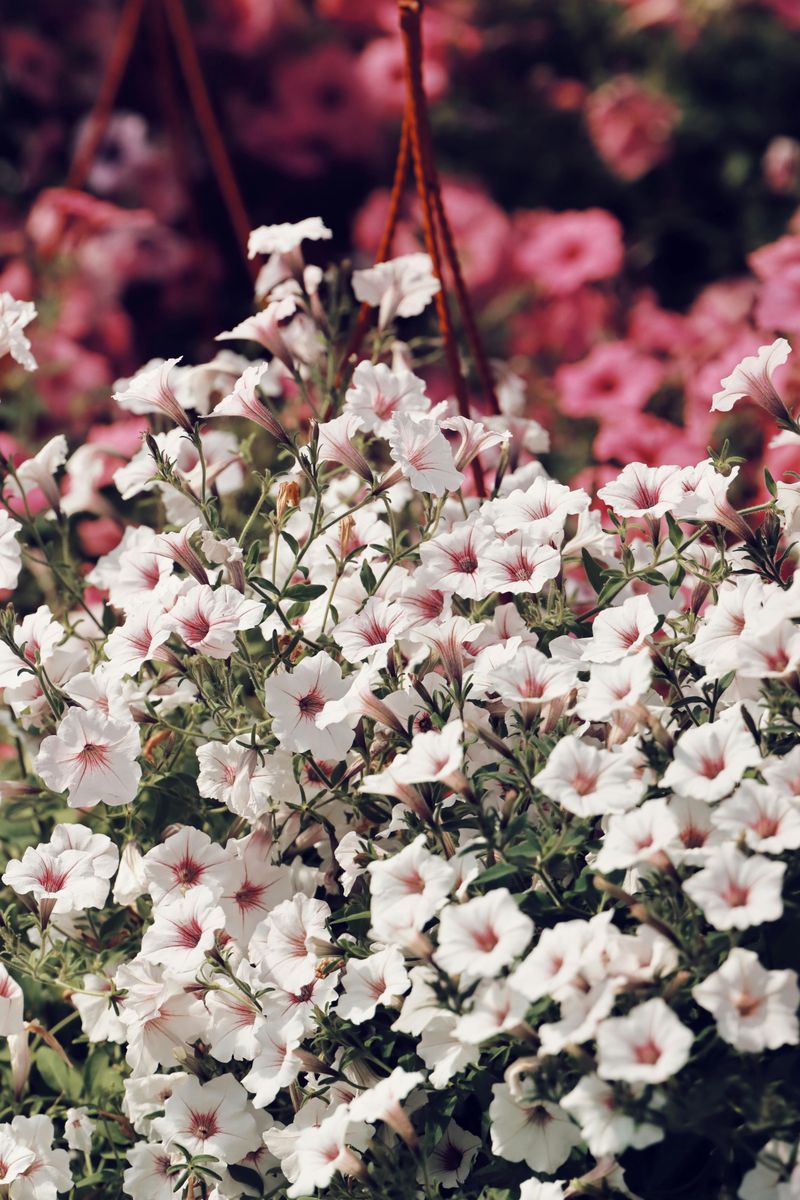
Overwatering is the number one mistake that quietly takes down an otherwise healthy petunia planting. Petunias prefer to dry out slightly between waterings, and sitting in constantly wet soil leads to root rot faster than almost anything else.
Your Iowa Garden Changes Every Week. Your Plan Should Too.
Gardening in Iowa changes quickly throughout the season. Every Friday you’ll receive a simple weekly plan showing exactly what to plant, prune, fertilize, harvest, and protect so you never miss the right timing.
Yellowing leaves, mushy stems at the base, and a general look of defeat are all warning signs that your plants are getting too much water.
Water deeply and then wait until the top inch of soil feels dry before watering again. Check container petunias daily during hot Iowa summers because pots dry out quickly in the heat.
In-ground plants do fine with two to three waterings per week unless rainfall has been absent. Make sure containers have drainage holes and that garden beds are not sitting in low spots where water collects.
A layer of mulch around in-ground plants helps regulate moisture without trapping excess water around the crown. When in doubt, stick your finger two inches into the soil before reaching for the hose.
Letting petunias dry out a little between drinks actually encourages stronger root development and more vigorous blooming throughout the season.
4. Watering From Overhead
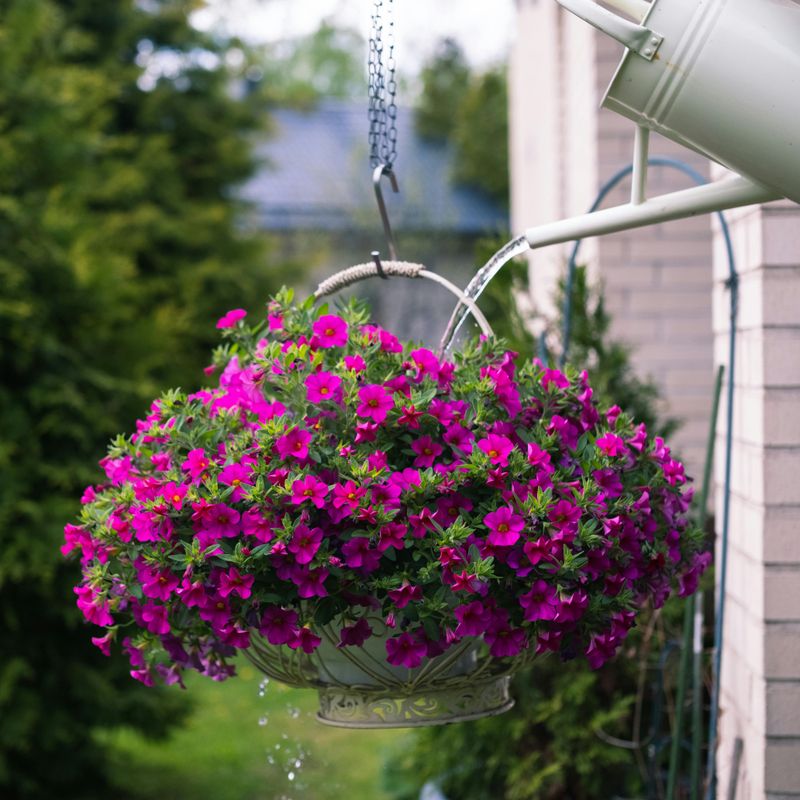
Splashing water all over petunia blooms might feel satisfying, but your flowers are far worse off for it.
Overhead watering damages petals, promotes fungal diseases like botrytis and powdery mildew, and leaves blooms looking worn out.
In Iowa’s humid summer climate, wet foliage that stays damp overnight is practically an invitation for disease to move in. The fix is simple: water at the base of the plant, not from above.
A soaker hose or drip irrigation system delivers moisture directly to the root zone. If using a watering can or hose, aim the nozzle low and let the water soak into the soil rather than showering the plant from the top.
Morning watering is always preferable to evening watering because any accidental splash on the foliage has time to evaporate before nightfall.
For hanging baskets, water slowly and steadily so the moisture soaks through rather than rushing out the bottom before the roots can absorb it.
A simple change in your watering technique can dramatically reduce disease pressure. Keep those colorful blooms looking crisp and full from late spring all the way through the first frost.
5. Planting In Unamended Clay Soil
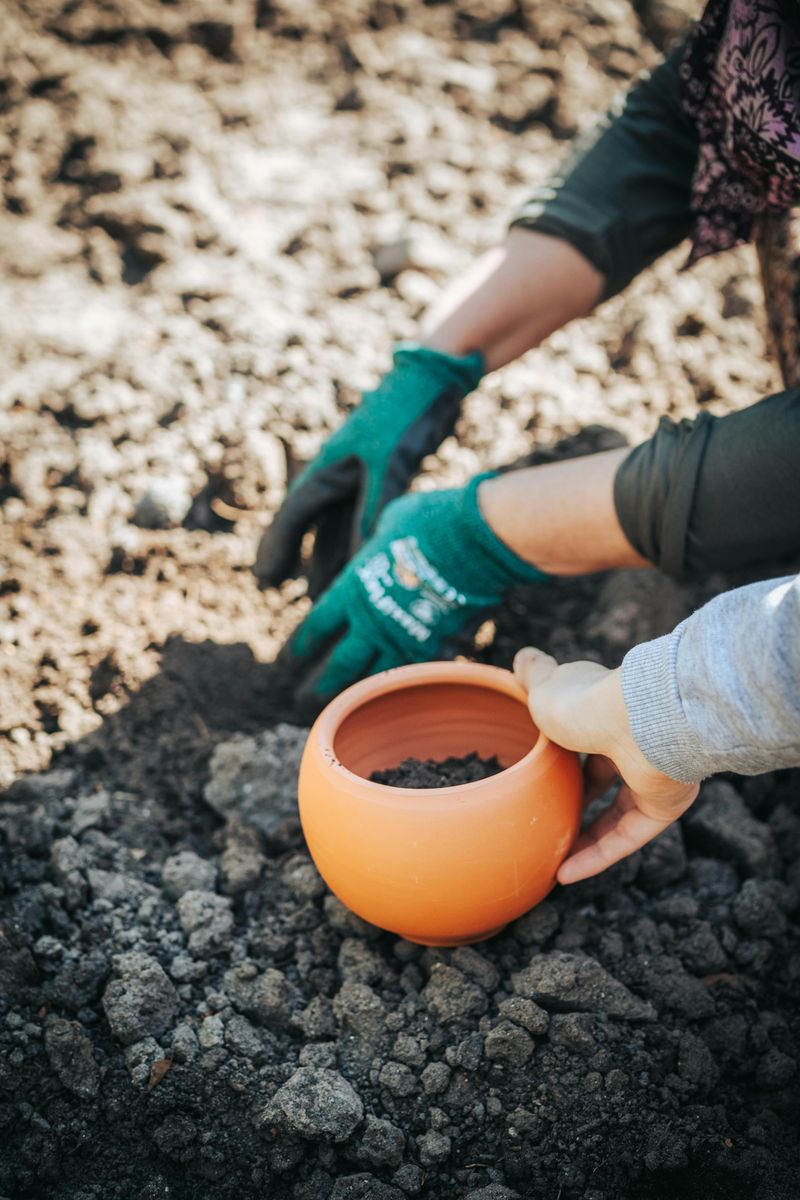
Iowa’s native clay soil is legendary for growing corn, but petunias are a completely different story. Clay holds too much moisture, drains poorly, and compacts around roots so tightly that plants can barely breathe.
Planting petunias straight into unamended clay is one of the fastest ways to end up with struggling, stunted plants that never reach their potential.
Before planting, work in at least three to four inches of compost and mix it into the top twelve inches of soil. Compost opens up the clay structure, improves drainage, adds nutrients, and creates the loose, airy texture that petunia roots crave.
Coarse perlite or aged bark fines can also be blended in to further lighten heavy soil. Filling a raised bed with a custom blend of topsoil, compost, and perlite gives petunias exactly the growing environment they love.
For container planting, skip garden soil entirely and use a high-quality potting mix formulated for flowering annuals.The effort of amending your soil before planting pays back tenfold once those petunias take off and bloom beautifully all summer.
Petunias are considered non-toxic to cats and dogs, so they’re generally a pet-safe choice for gardens and planting areas.
6. Skipping Spent Bloom Removal
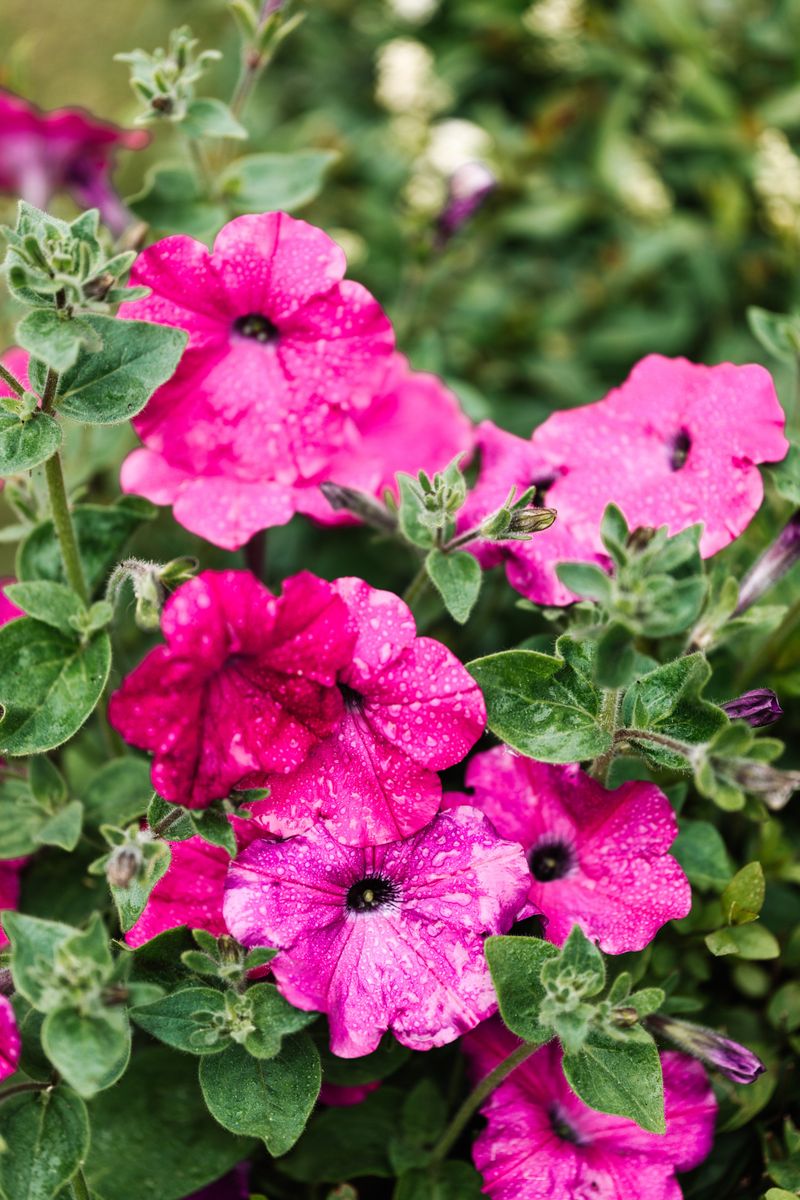
Left to their own devices, petunias will quietly shift their energy from making flowers to making seeds. Once a bloom fades and a seed pod begins to form, the plant considers its job done and slows down blooming significantly.
Letting faded flowers linger on the stem is like watering a plant and then blocking the drain. The energy has nowhere productive to go.
The fix is straightforward: pinch or snip off spent flowers before they can set seed. For most varieties, this means checking your plants every few days during the peak of summer and removing any faded blooms along with their seed-bearing base.
Grandiflora types with large blooms need the most attention, while wave and spreading varieties are more self-cleaning but still benefit from occasional cleanup.
No special tools are needed, your thumb and forefinger work perfectly. Pinch the spent flower off just below the base of the bloom where it connects to the stem.
Folding this into your regular garden routine, perhaps while you are out with your morning coffee, keeps the task from feeling overwhelming.
Done consistently, it signals the plant to keep producing new buds, and the payoff is a fresh flush of color that keeps going strong well into fall.
7. Not Cutting Back In Midsummer
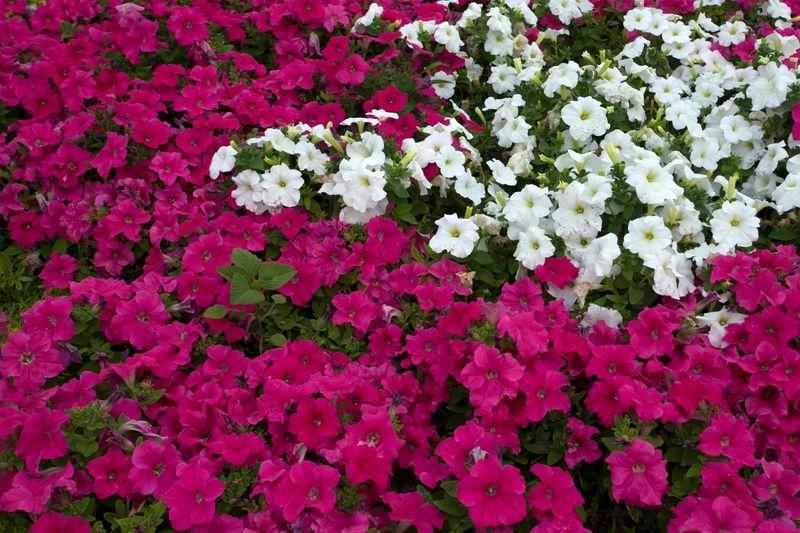
By mid-July, Iowa petunia plants can start looking worn out. Long, leggy stems stretch out with just a few blooms at the very tips while the middle of the plant looks bare and exhausted.
This is completely normal, and a bold midsummer cutback is exactly what these plants need to bounce back.
Around the Fourth of July, grab your scissors or pruning shears and cut each stem back by about one-third to one-half of its length. This feels drastic, but petunias are remarkably resilient and respond to hard pruning with a flush of vigorous new growth.
Within two to three weeks, your plants will fill back in with fresh foliage and a brand new wave of blooms that last all the way to frost.
After cutting back, water deeply and follow up with a balanced liquid fertilizer to fuel the regrowth. This combination of pruning and feeding works like a reset button on your entire planting.
Skip this step and you risk bare, woody plants by August while the rest of the neighborhood is still enjoying full, lush color. One bold haircut in July can carry your entire petunia display through the rest of the season.
8. Under-Fertilizing Your Plants
Petunias are hungry plants, and they will tell you loud and clear when they are not getting enough to eat. Pale green or yellow leaves, sparse blooming, and thin spindly stems are all signs that your plants are running on empty.
Unlike many perennials that can coast on decent soil, petunias bloom so heavily and grow so fast that they burn through nutrients at a remarkable pace.
A slow-release granular fertilizer worked into the soil at planting time gives your petunias a solid nutritional foundation.
That alone is rarely enough for the entire season, especially in containers where nutrients wash out with every watering.
Supplementing every two weeks with a water-soluble bloom booster keeps plants fed and flowering at their peak.
Look for a fertilizer with a higher middle number on the label, such as 10-30-20, because that middle number represents phosphorus which directly supports root development and flower production.
For hanging baskets and window boxes, feeding every seven to ten days during the heat of summer is not excessive, it is simply what these heavy feeders require.
Think of fertilizing as paying the rent for all those stunning blooms your petunias produce, and they will reward you generously all season.
9. Over-Fertilizing With Nitrogen
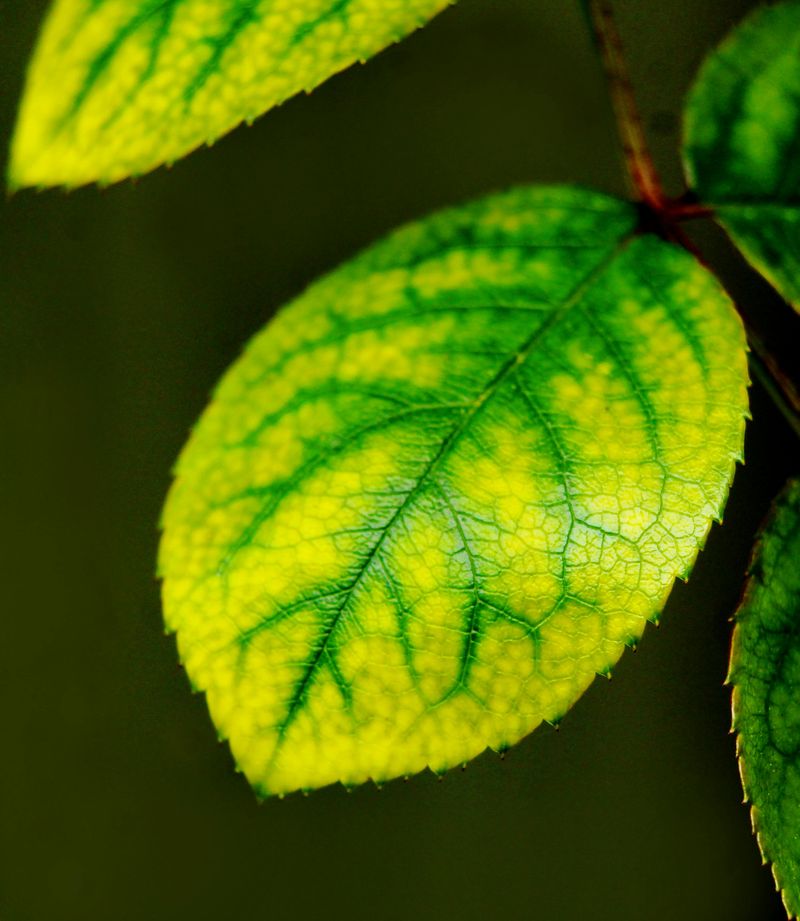
More fertilizer does not always mean more flowers, and nitrogen is the perfect example of that gardening truth. When petunias get too much nitrogen, they respond by putting all their energy into producing big, lush, dark green leaves.
Flower production gets almost completely ignored in the process. The plant looks healthy and full but disappointingly bare of the colorful blooms you were hoping for.
Nitrogen is the first number on a fertilizer label, and for flowering plants you generally want that number to be moderate rather than sky-high.
Lawn fertilizers are loaded with nitrogen and should never be used on petunias. Even well-intentioned gardeners can over-apply balanced fertilizers and tip the nitrogen balance too far in the wrong direction.
If your petunias are all leaves and no flowers, stop fertilizing for two weeks and then switch to a phosphorus-rich bloom formula.
Reducing nitrogen input allows the plant to redirect its energy toward bud formation and flowering. Always follow the label directions and resist the urge to add just a little extra for good measure.
Getting the nutrient balance right is one of those adjustments that seems small but makes an enormous difference in how many blooms you get to enjoy all summer long.
10. Insufficient Sunlight For Petunias
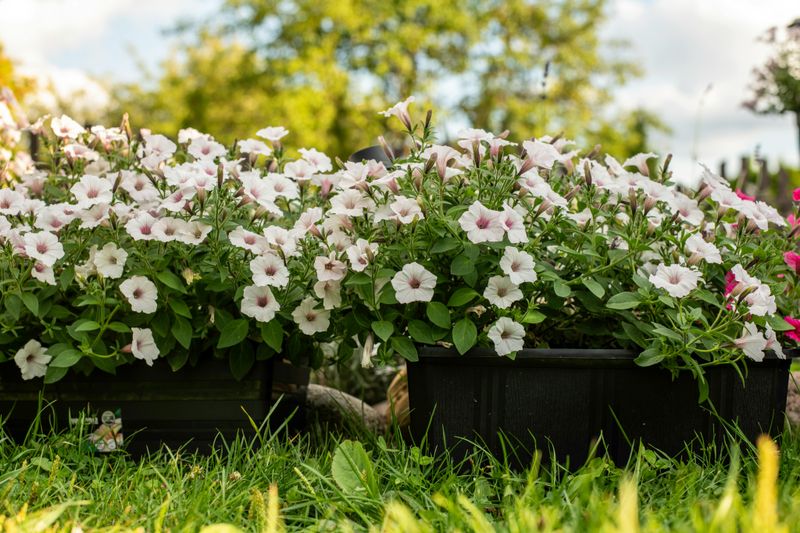
Sun is not optional for petunias, it is non-negotiable. These plants need at least six hours of direct sun per day to perform well.
Growing them in less will get you stretched, floppy stems, reduced flowering, and plants far more vulnerable to pests and disease.
Iowa summers offer plenty of sunshine, but shade from trees, fences, and buildings can create surprisingly dark pockets in a yard.
Before choosing a planting spot, spend a day observing how sunlight moves across your garden and note which areas receive at least six to eight hours of direct exposure.
Spots that look bright in the morning might be deeply shaded by early afternoon, which is not enough for petunias to thrive.
If your existing beds are too shady, consider growing petunias in containers that can be moved to follow the sun throughout the day. Hanging baskets placed in full-sun locations on a south or west-facing porch often produce the most spectacular displays.
Choosing the sunniest spot available is one of the simplest and most impactful decisions you can make, and petunias will reward that effort with nonstop color from late spring through the end of summer.
11. Ignoring Wind Exposure
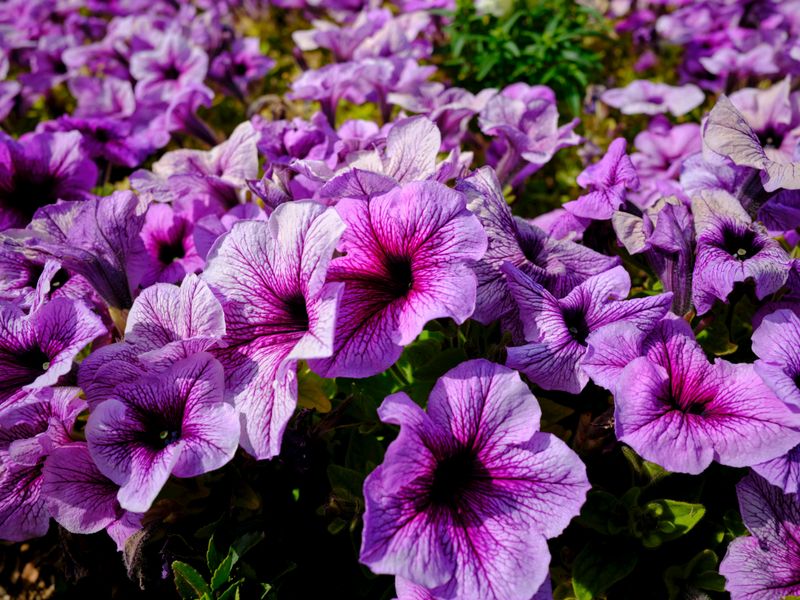
Iowa wind is no joke, and petunias are not built for punishment. Strong gusts snap stems, shred delicate petals, and dry out soil in containers at an alarming rate.
Baskets hung on exposed south or west-facing corners of the home often leave petunias looking battered and stressed by midsummer, even when every other aspect of care is perfect.
Choosing a sheltered location makes a meaningful difference in how your petunias perform throughout the season. A spot near a fence, hedge, or building wall that blocks prevailing winds can turn a struggling planting into a thriving one.
For in-ground beds, taller companion plants like ornamental grasses or shrubs can act as a natural windbreak. Just make sure they are positioned so they do not block the sunlight petunias need.
Container petunias in windy spots need more frequent watering because wind accelerates moisture loss from the potting mix.
Using a heavier ceramic pot instead of a lightweight plastic one helps prevent tipping on breezy days. Adding water-retaining crystals to your potting mix keeps moisture levels stable when the wind picks up.
Paying attention to where the wind hits hardest in your yard and adjusting placement accordingly can save your plants from a season of unnecessary stress.
12. Missing Early Aphid Infestations
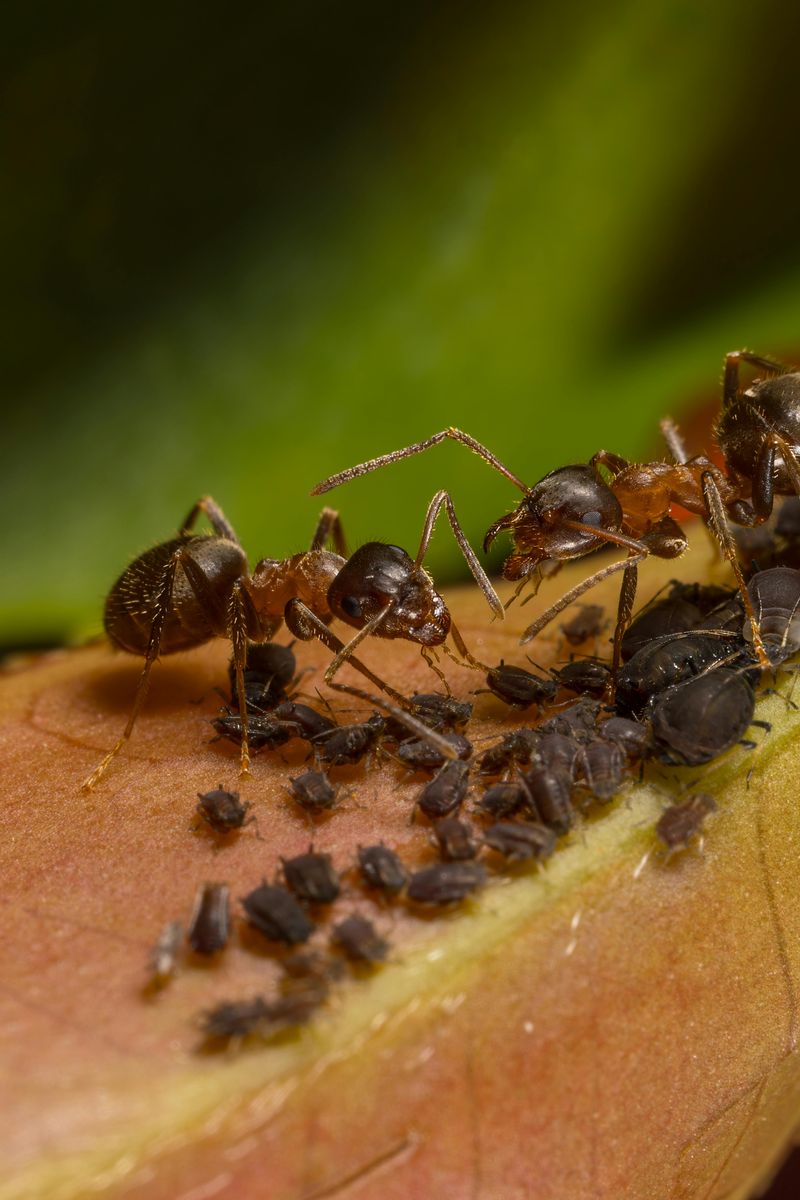
Aphids are persistent insects that can overtake a petunia planting before you even realize they have moved in. These tiny soft-bodied insects cluster on new growth and the undersides of leaves, sucking out plant sap.
They leave behind a sticky residue called honeydew that attracts sooty mold. A small aphid population can grow into a serious infestation within days during warm Iowa summers.
The key to managing aphids is catching them early, ideally when populations are still small enough to knock back with a strong blast of water from the hose.
Check the undersides of leaves and the tips of new growth at least once a week, especially during hot and humid weather.
Distorted or curling leaves, sticky stems, and the presence of ants, which farm aphids for their honeydew, are all signs that you have a problem developing.
Insecticidal soap spray is a highly effective and low-toxicity option for treating aphid outbreaks on petunias.
Apply it in the early morning or evening to avoid burning foliage. Encouraging natural predators like ladybugs and lacewings by avoiding broad-spectrum pesticides helps keep populations in check.
Catching an infestation in its early stages is always easier than trying to recover plants that have been overwhelmed.
13. Not Rotating Planting Locations Year To Year
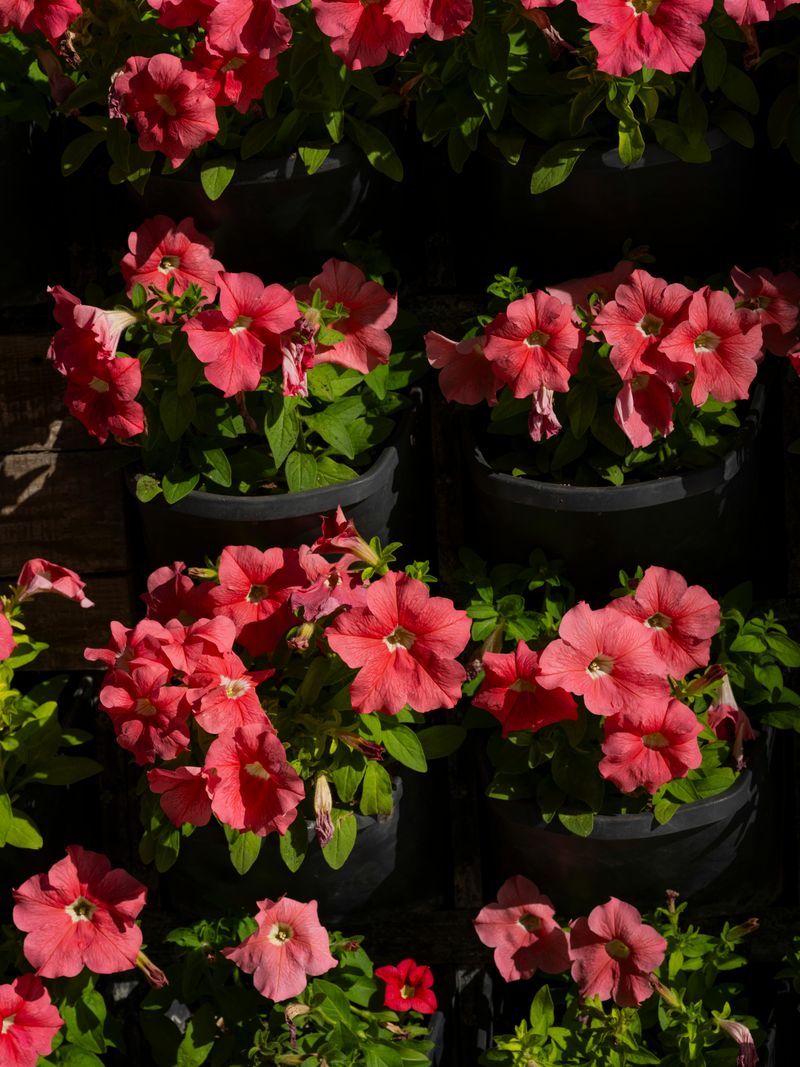
Planting petunias in the exact same spot year after year is a habit that slowly works against you. Soil pathogens, fungal spores, and insect eggs from last season can overwinter in the soil.
They are ready to cause problems the moment new plants go in the ground. Rotating your planting locations by even a few feet from one year to the next disrupts these pest and disease cycles significantly.
Rotation also benefits soil health because petunias are heavy feeders that deplete specific nutrients over a growing season.
Giving a bed a year off and planting a different annual there instead allows the soil to recover and rebalance its nutrient profile. Adding compost to rested beds during the off-season accelerates that recovery even further.
Keeping a simple garden journal or even a quick photo on your phone of where you planted each year makes rotation planning easy. Note which areas had disease or pest problems so you can avoid reusing those spots too soon.
This small act of planning before the season begins can prevent frustrating repeat problems that seem to appear out of nowhere.
Growing better petunias in Iowa over the long run is as much about smart planning as it is about good in-season care, and rotation is one of the easiest wins you can give yourself.