This Gorgeous Low-Maintenance Plant Is Becoming A Popular Hydrangea Alternative In Pennsylvania
Hydrangeas have a devoted following in Pennsylvania gardens, and it is easy to understand why. The blooms are impressive, they come back reliably, and they bring a kind of classic garden appeal that is hard to argue with.
But hydrangeas also come with a specific set of demands, and in the wrong location or with inconsistent care, they can be more frustrating than rewarding.
A native alternative has been quietly gaining ground among Pennsylvania gardeners who want the same lush, multi-season presence without the fussing.
This plant offers spectacular fall color that rivals anything in the Pennsylvania landscape, blooms that pollinators actively seek out, and a natural adaptability to the kind of moist, partially shaded spots where hydrangeas often struggle.
It asks for very little once established and rewards that low maintenance relationship with seasonal interest that stretches well beyond what most flowering shrubs can manage. Pennsylvania gardeners who discover it tend to wonder why it took them so long.
Virginia Sweetspire Is The Native Shrub Pennsylvanians Choose Instead Of Hydrangeas
Hydrangeas have a way of making gardeners feel hopeful every spring. Their big, showy blooms are hard to resist at the garden center, and they look stunning in magazines and on Pinterest boards.
But once they are planted, many Pennsylvania gardeners find out the hard way that hydrangeas can be demanding.
They need the right soil pH, the right pruning schedule, and just the right amount of sun. One wrong move, and you end up with a leafy green shrub that never blooms.
That is exactly why Virginia sweetspire is getting so much attention right now. This native shrub, known scientifically as Itea virginica, grows naturally in the eastern United States, including Pennsylvania.
It has been quietly thriving in nurseries and native plant sales for years, but more gardeners are finally giving it a real chance. Word spreads fast when something works this well.
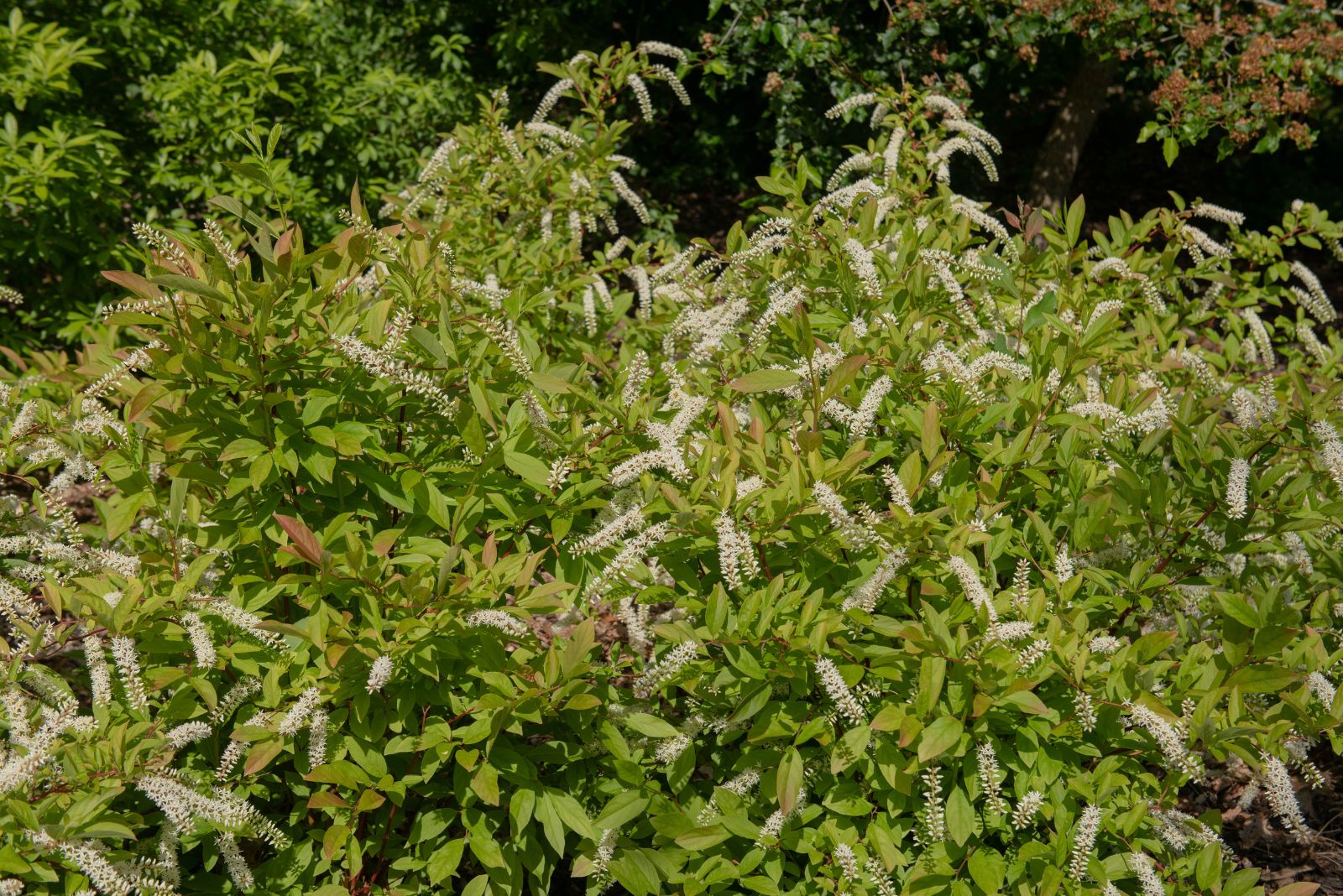
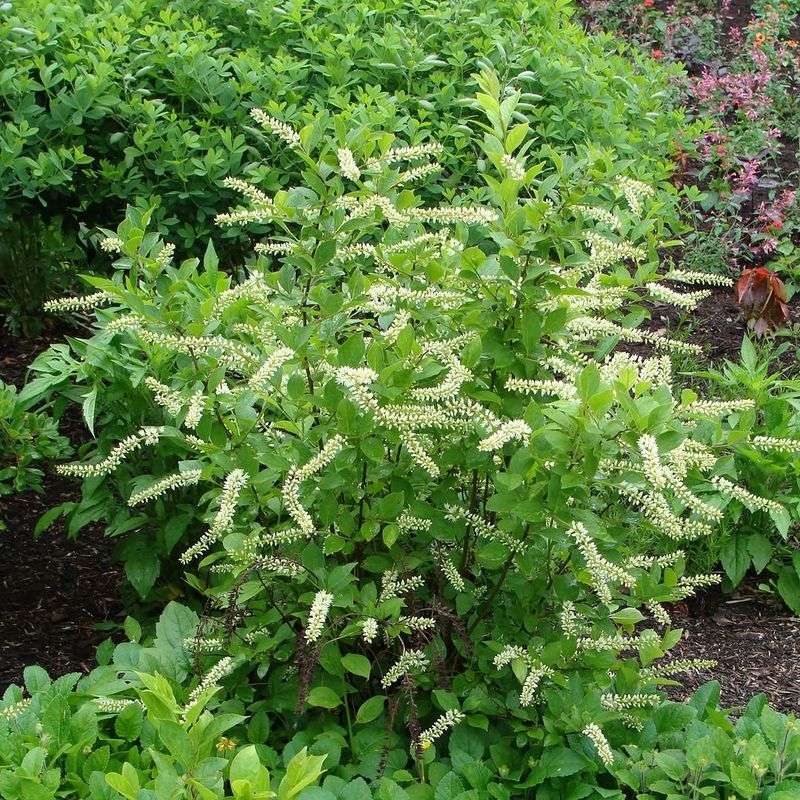
Virginia sweetspire offers the same lush, cottage-garden feel as a hydrangea but without the drama. Its arching branches, long white flower clusters, and blazing fall foliage make it a standout in any yard.
It handles Pennsylvania’s unpredictable weather like a champ. Whether the season brings a late frost, a hot dry spell, or weeks of rain, sweetspire keeps going strong.
For gardeners who want beauty without constant babysitting, this shrub is quickly becoming the smart choice across the state.
It Produces Elegant White Flower Spikes
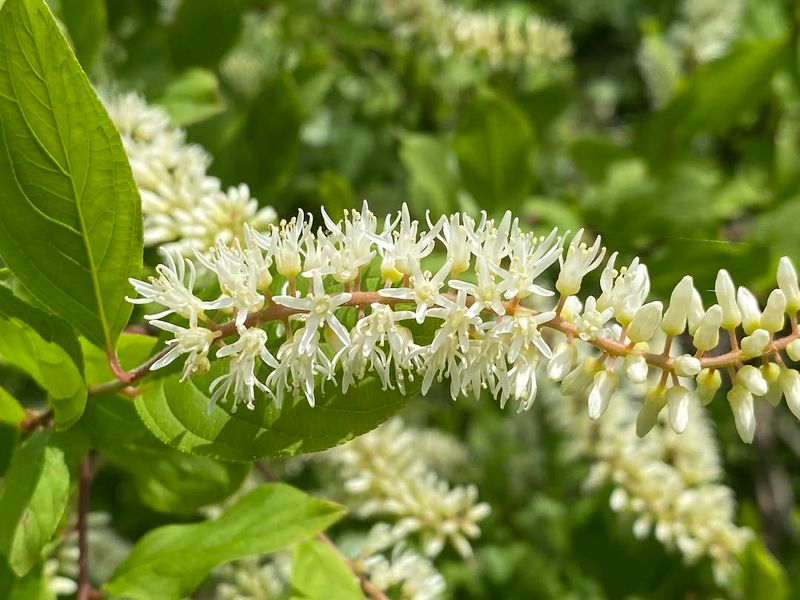
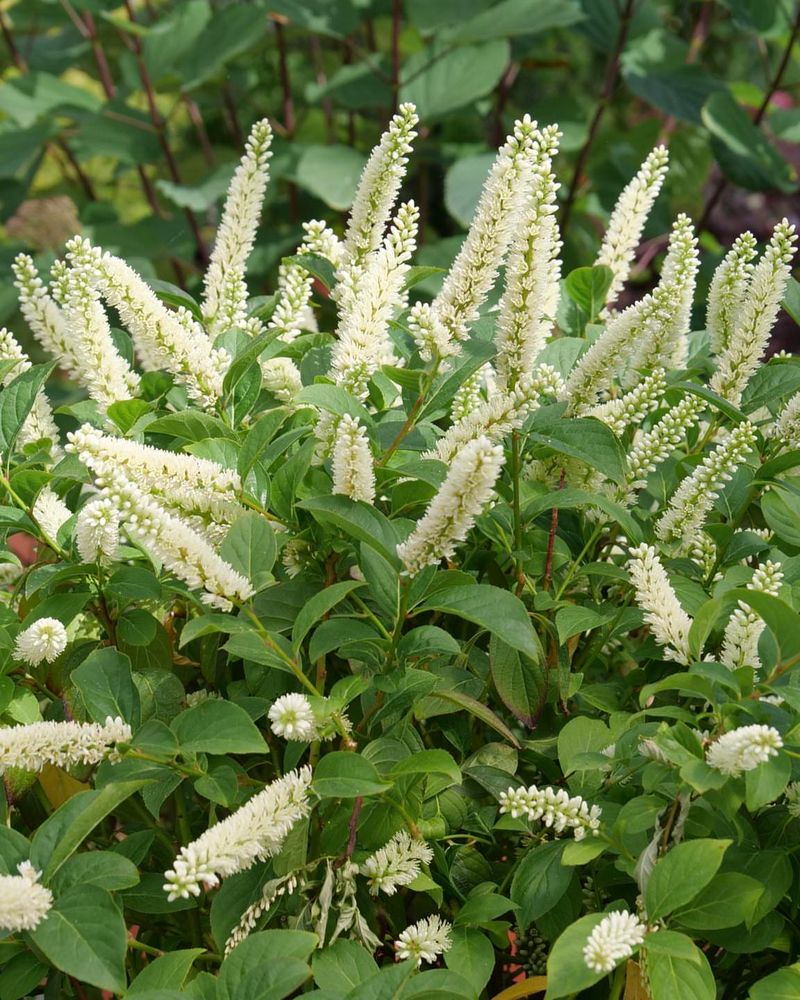
Picture long, drooping clusters of tiny white flowers gently swaying in a warm June breeze. That is what Virginia sweetspire looks like when it blooms, and it is genuinely hard to walk past without stopping to look twice.
The flowers appear in late spring to early summer, usually from May through June in Pennsylvania, depending on your location. Each bloom cluster, called a raceme, can stretch up to six inches long and has a soft, feathery texture that catches the light beautifully.
The visual effect is surprisingly similar to a hydrangea, especially the panicle types with their elongated flower heads. Both plants offer that romantic, cottage-garden aesthetic that so many homeowners are chasing right now.
Your Pennsylvania Garden Changes Every Week. Your Plan Should Too.
Gardening in Pennsylvania changes quickly throughout the season. Every Friday you’ll receive a simple weekly plan showing exactly what to plant, prune, fertilize, harvest, and protect so you never miss the right timing.
But sweetspire pulls it off with a lighter, more delicate touch. The flowers do not feel heavy or overdone.
They have an airy elegance that works just as well in a formal border as it does in a naturalistic planting.
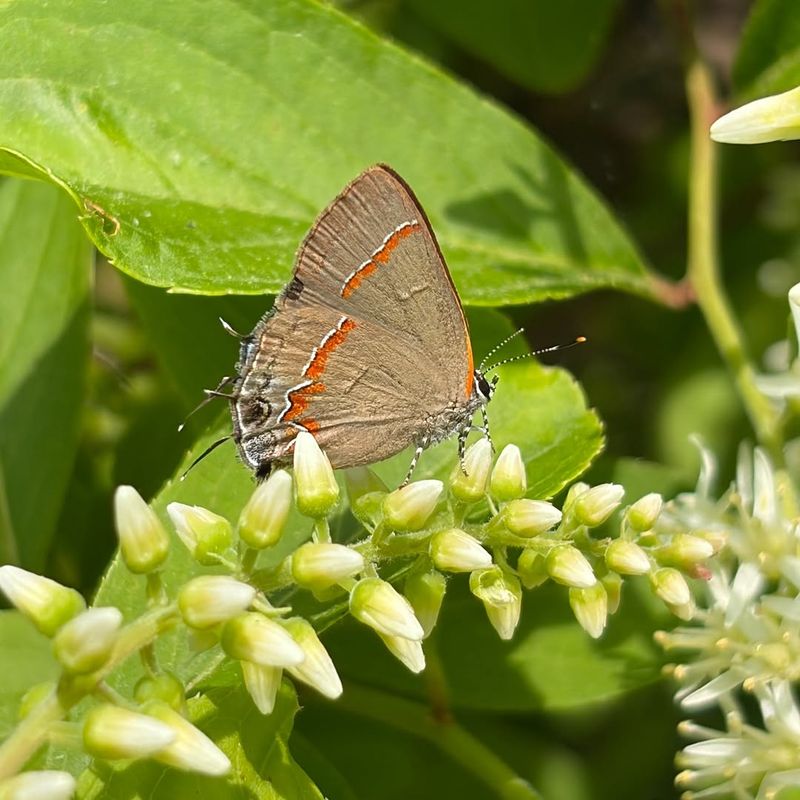
Pollinators absolutely love these blooms. Bees, butterflies, and other beneficial insects are drawn to the nectar-rich flowers throughout the blooming period.
On a sunny morning, you can hear the gentle buzzing of activity around a flowering sweetspire from several feet away.
That kind of pollinator traffic is great news for your whole garden, since those same insects will visit your vegetables, fruit trees, and other flowering plants nearby.
The bloom show may not last all summer, but while it is happening, it is genuinely one of the most charming sights in any Pennsylvania yard.
It Handles Pennsylvania Clay Soil Better
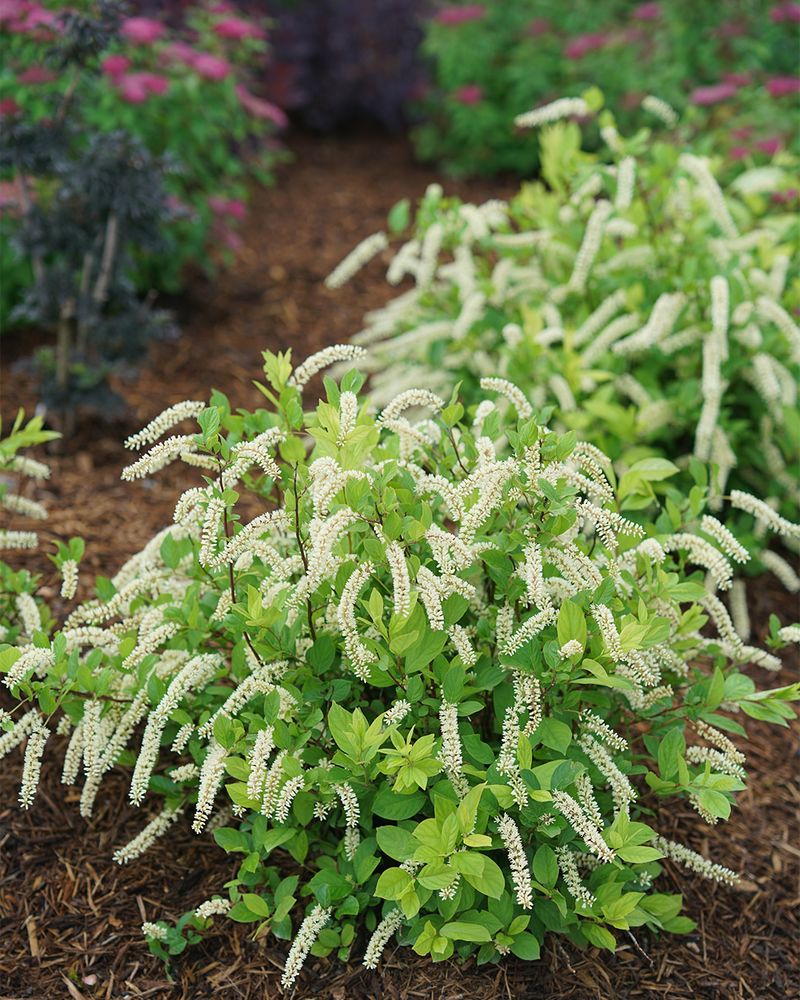
Clay soil is one of the most common complaints among Pennsylvania gardeners. It gets sticky and waterlogged after rain, then bakes into something resembling concrete during a dry stretch.
Most flowering shrubs really struggle in those conditions. Hydrangeas in particular need well-draining soil to stay healthy, which means Pennsylvania gardeners with heavy clay often end up doing a lot of extra work amending beds before planting.
Virginia sweetspire skips all that hassle. It naturally grows in moist, sometimes poorly drained soils throughout its native range, which includes floodplains, stream banks, and wet woodland edges.
That background makes it remarkably well-suited to the heavy, moisture-retaining soils that are so common across much of Pennsylvania.
You do not need to haul in bags of compost or sand to make it happy. Plant it, water it in well, and let it do its thing.
Rain gardens are becoming increasingly popular as homeowners look for smart ways to manage stormwater runoff, and Virginia sweetspire is one of the best shrubs you can use in those settings. It handles the wet-dry cycle of a rain garden without skipping a beat.
Low spots near downspouts, soggy corners of the yard, and areas next to retention ponds are all fair game. Few ornamental shrubs can claim that kind of soil flexibility.
For Pennsylvania gardeners tired of fighting their native soil, sweetspire feels almost like a gift. It meets your yard where it is instead of demanding you change everything to suit it.
It Needs Less Pruning And Fussing
Ask any experienced gardener about hydrangeas, and you will likely hear a groan before you hear any praise. The pruning question alone is enough to send beginners running.
Bigleaf hydrangeas bloom on old wood, so if you prune at the wrong time, you lose all your flowers for the year.
Panicle hydrangeas bloom on new wood and are more forgiving, but they still benefit from annual shaping. Keeping track of which hydrangea needs what kind of pruning can feel like a part-time job.
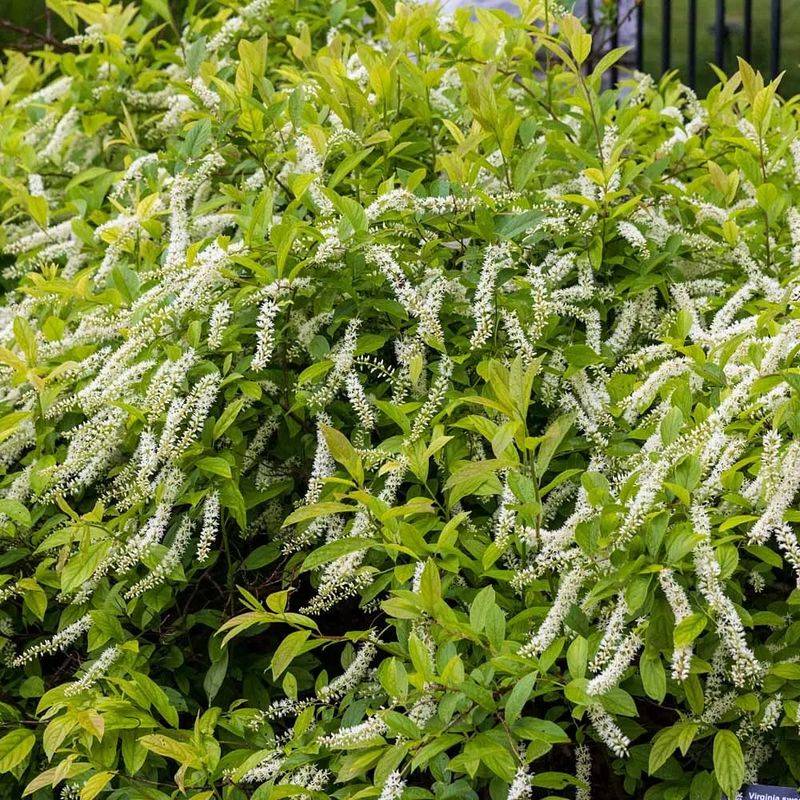
Virginia sweetspire makes things much simpler. It naturally grows into a graceful, mounded shape with arching branches that look tidy without much interference.
You can prune it lightly if you want to control its size or remove any crossing branches, but it is not something you have to do on a strict schedule.
Miss a year or two of pruning, and the shrub will still look presentable. That kind of resilience is rare in ornamental shrubs.
For homeowners who want a beautiful yard without spending every weekend maintaining it, sweetspire fits right into a low-maintenance landscape plan. It pairs well with ornamental grasses, native perennials, and ground covers that also require minimal attention.
Once established, it is quite drought-tolerant too, meaning you will not be out there with a hose every other day during a dry summer. Established plants generally only need supplemental watering during extended dry periods.
The overall care routine is refreshingly simple, and that simplicity is a big part of why Pennsylvania gardeners are making room for it.
It Adds Stunning Fall Color
Most flowering shrubs put on their best show in spring or summer and then fade quietly into the background for the rest of the year. Virginia sweetspire refuses to follow that script.
When fall arrives in Pennsylvania, this shrub transforms into something genuinely spectacular.
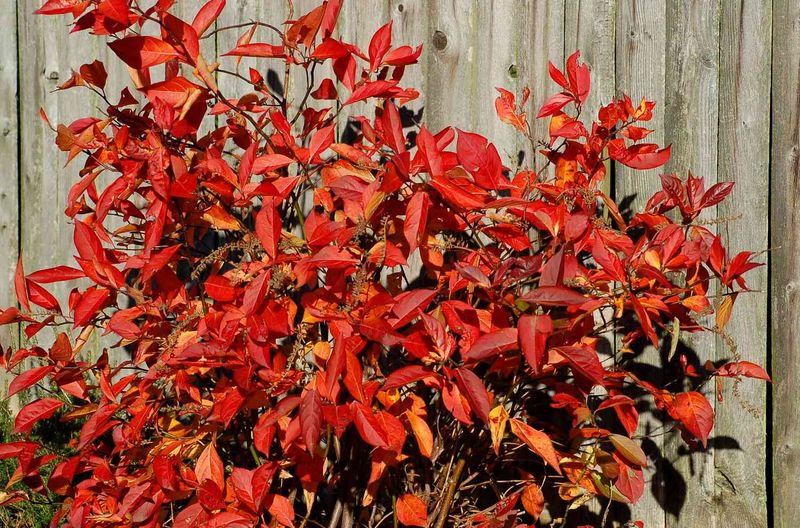
The leaves shift from green to shades of red, orange, and deep burgundy, creating a fiery display that can rival even the most dramatic maple trees in your neighborhood.
What makes the fall color especially impressive is how long it lasts. The leaves do not all change at once and drop within a week.
Instead, the color develops gradually and hangs on well into late fall, giving you weeks of visual interest rather than just a few days.
Some years, depending on weather conditions, the color can be so vivid that the shrub becomes the focal point of the entire yard during October and November.
Think about what most hydrangeas look like in fall. The blooms have faded to papery brown, and the leaves turn a dull yellowish green before dropping without much fanfare.
Virginia sweetspire, by contrast, keeps earning its place in the garden long after the blooms are gone. Planting it alongside ornamental grasses and late-blooming perennials like asters and goldenrod creates a fall garden scene that feels alive and colorful.
For Pennsylvania homeowners who want their yard to look great from spring through late autumn, sweetspire delivers a seasonal payoff that very few shrubs can match.
It Works In Sun Or Part Shade
One of the trickiest parts of choosing shrubs for a Pennsylvania yard is figuring out what will actually work in the spots you have available. Full sun borders are easy to plant.
It is the tricky in-between areas, the north-facing foundation beds, the spots under a big oak tree, the shady corner near the fence, where gardeners really struggle to find something attractive that will thrive.
Virginia sweetspire handles a wide range of light conditions with surprising ease. It grows well in full sun, but it also performs beautifully in part shade, making it one of the more flexible shrubs you can add to a mixed planting.
In fact, many gardeners find that it looks especially lush when grown with some afternoon shade, which helps the foliage stay a rich, deep green through the hottest months of summer.
The fall color tends to be equally vivid regardless of whether the plant gets full or partial sun. This adaptability opens up a lot of planting possibilities. Use it along a shady woodland edge to create a naturalistic buffer.
Plant it near a foundation where other shrubs have struggled. Tuck it into a mixed border between taller trees and lower ground covers.
It also works well as a mass planting along a fence line or property edge, where its spreading habit fills in nicely over time. Few flowering shrubs offer this much flexibility without sacrificing looks or performance.
For Pennsylvania homeowners with challenging spots to fill, sweetspire is a genuinely useful and attractive solution.
It Supports Pollinators And Native Wildlife
There is something deeply satisfying about planting a shrub that gives back to the environment around it.
Virginia sweetspire is a true Pennsylvania native, which means it has evolved alongside the local insects, birds, and other wildlife that depend on native plants for food and shelter.
When you plant it in your yard, you are not just adding beauty. You are adding ecological value that ripples out through your entire neighborhood.
The flowers are a rich source of nectar for native bees, including bumblebees and sweat bees, as well as butterflies and other beneficial insects.
Pollinators visit the blooms repeatedly throughout the flowering season, and the activity they bring to the garden is lively and entertaining to watch.
If you have a vegetable garden or fruit trees nearby, that extra pollinator traffic can actually improve your harvests. It is one of those situations where doing something good for nature also does something good for your garden.
Beyond pollinators, Virginia sweetspire provides cover and nesting habitat for small birds and beneficial insects throughout the growing season. Its dense branching structure makes it useful as a sheltered spot for wildlife even when it is not in bloom.
Choosing native plants like sweetspire over non-native ornamentals is one of the most impactful things a homeowner can do to support local ecosystems.
Pennsylvania is home to a rich variety of native pollinators and songbirds, and every native plant you add to your yard helps sustain that biodiversity.
Sweetspire is a small but meaningful way to make your outdoor space healthier for everyone who lives in it.