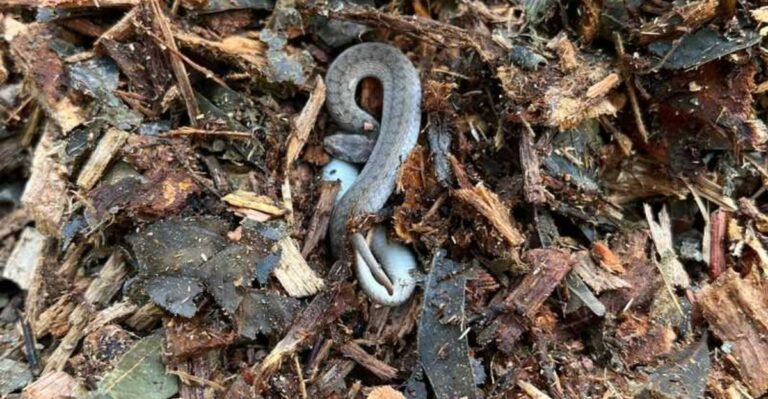
These Yard Mistakes Are Making Tick Problems Worse In Florida This Summer
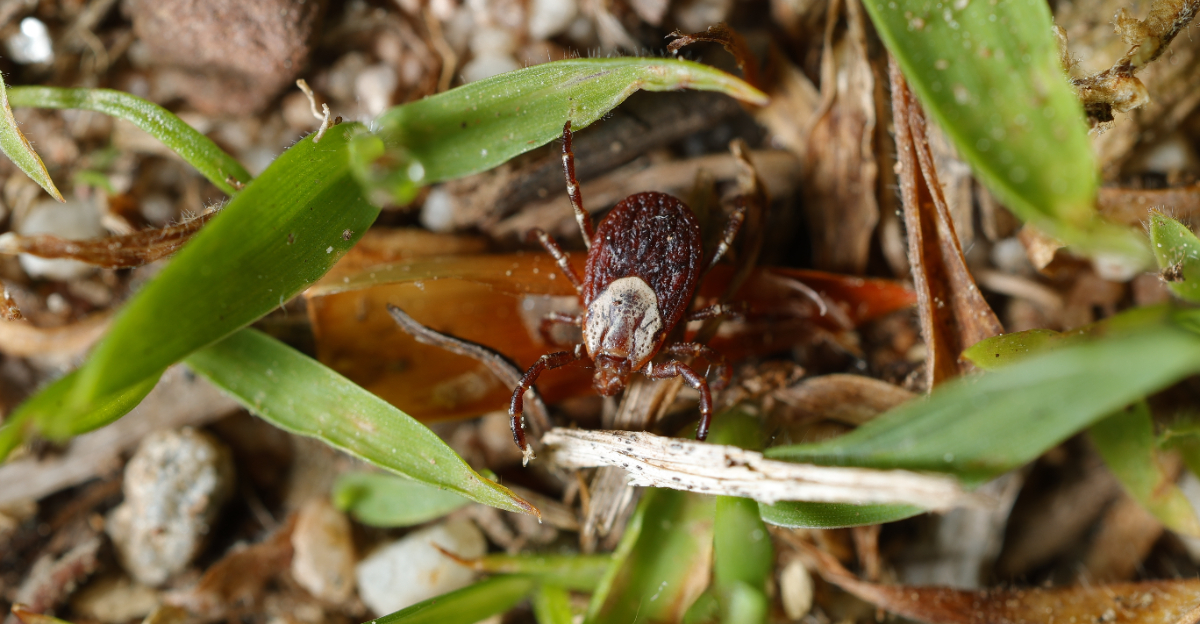
Ticks in Florida are not a woods problem anymore. They are a backyard problem.
And chances are good that something you do every single week is making your yard more attractive to them.
Overgrown edges, excess moisture, certain plants, even the way you handle grass clippings – all of it adds up to an environment ticks find absolutely irresistible.
Most homeowners focus on repelling ticks off their skin and completely overlook the yard conditions inviting them in the first place. That is fighting the symptom and ignoring the cause.
This summer, tick populations across Florida are pushing into suburban neighborhoods in numbers that have experts paying close attention. So what are everyday yards actually doing wrong?
Quite a lot, it turns out. A few smart changes to your outdoor routine could make a real difference between a yard you enjoy and one you avoid.
1. Letting Grass And Weeds Grow Too Tall
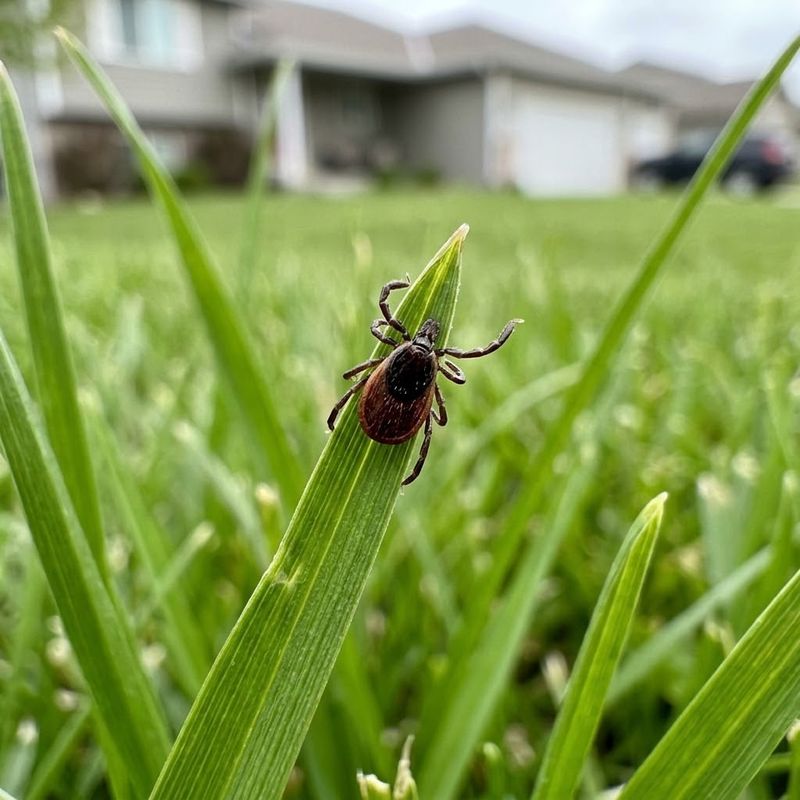
Tall growth gives pests more cover than most people realize. Grass and weeds that go unmowed for even a couple of weeks can create shaded, sheltered pathways that ticks use to move through a yard.
This is especially true along fence lines, path edges, and anywhere people or pets walk regularly.
Ticks do not jump or fly. They wait on low vegetation and latch on when a host brushes past.
Keeping grass trimmed and weeds pulled in high-use areas takes away some of that waiting cover. Focus your mowing efforts on the areas your family and pets actually use most, like the yard near the back door, pet paths, and play zones.
You do not need to scalp the lawn or remove every plant from the yard. Taller growth farther from high-use spaces can still support local wildlife without creating a big risk.
Aim for regular mowing on a consistent schedule through the summer months, and pay extra attention to weedy edges where grass tends to get missed.
Trimming those spots every week or two can make a real difference in keeping tick-friendly cover lower in the places that matter most.
2. Leaving Leaf Litter Along Fence Lines
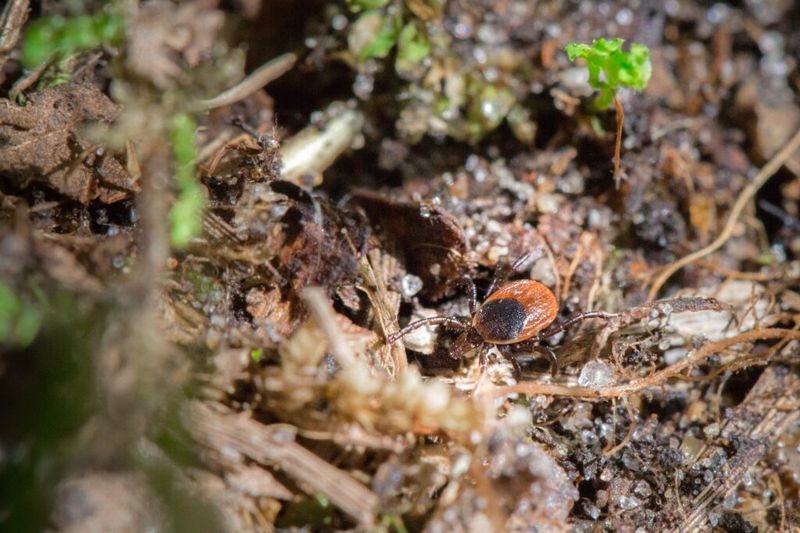
A fence line can collect more than leaves. Over time, fallen leaves, old mulch, and plant debris pile up along walls, sheds, and shaded borders.
That layer of organic material holds moisture long after summer rain, and it gives small animals like mice and rats a sheltered place to move through the yard.
Small rodents are important hosts for certain tick species. When they travel regularly along a fence line covered in leaf litter, they can bring ticks with them.
Cleaning up those edges, especially near patios, pet runs, and play areas, removes some of that shelter and disrupts those travel paths.
You do not have to clear every natural area in the yard. Intentional wildlife habitat farther from your high-use spaces can still be left alone.
The goal is to focus on the edges where people and pets spend time. Raking out leaf buildup along fences nearest to the house, patio, and yard entry points a few times during the summer is a practical and manageable step.
Your Florida Garden Changes Every Week. Your Plan Should Too.
Gardening in Florida changes quickly throughout the season. Every Friday you’ll receive a simple weekly plan showing exactly what to plant, prune, fertilize, harvest, and protect so you never miss the right timing.
Bagging or composting that debris away from the yard keeps it from simply shifting the problem to another corner.
3. Keeping Brushy Edges Too Close To Play Areas
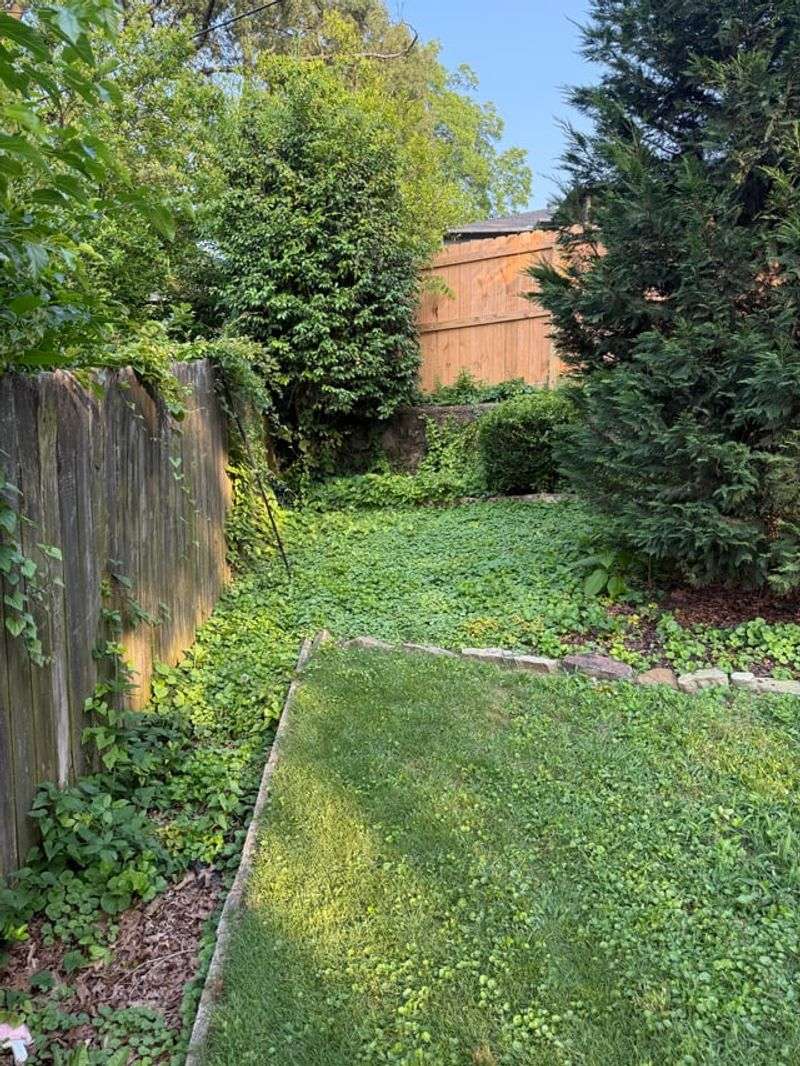
The edge of a play space matters more than most parents think. Brush, vines, and dense weedy growth near swing sets, dog runs, and outdoor seating can raise the chance of contact with ticks.
Kids and pets move in and out of those spaces constantly, which increases the chances of brushing against tick habitat. The closer that brushy edge is to where people sit or play, the higher the contact risk tends to be.
Creating a clearer buffer between play areas and overgrown edges does not mean removing all vegetation from the yard. It means pulling back the dense growth that sits right up against the spaces you use every day.
Trim vines away from fence posts near play equipment. Cut back tall weeds along the edges of dog runs.
Keep the grass short and open in the areas closest to where kids spend time.
For yards that border woods or natural areas, this buffer is especially worth maintaining throughout the summer. You may not be able to control what grows on the other side of the fence, but you can manage the transition zone on your side.
Keeping that edge clear and well-trimmed is one of the more practical steps for reducing contact risk in yards near natural or wooded borders.
4. Letting Shady Damp Corners Stay Untouched
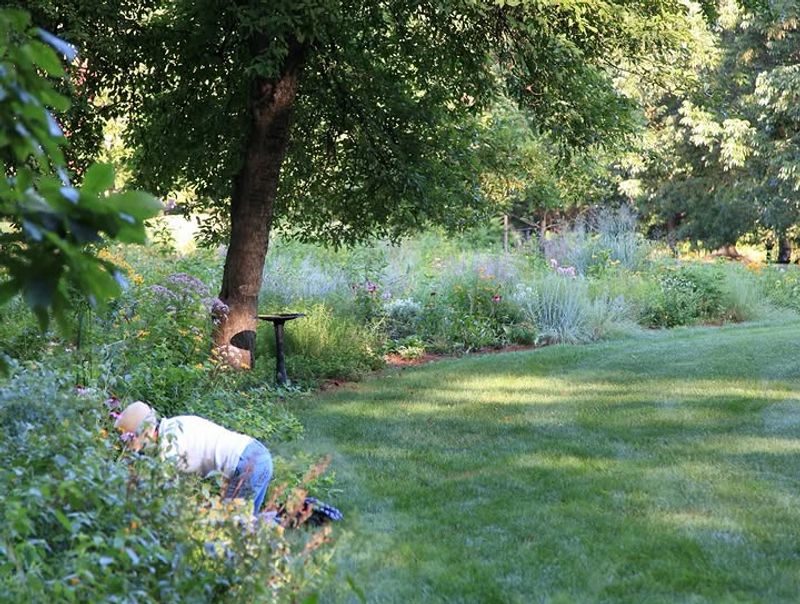
Damp shade deserves a closer look in summer. Ticks tend to do better in spots that stay cool, moist, and protected from direct sunlight.
Corners of the yard that collect water after summer rain can become more tick-friendly when they stay wet and overgrown. The same is true for areas under dense shrubs and spots behind sheds or along shaded walls.
Improving airflow in those corners can help. Thinning out overgrown shrubs or low-hanging branches allows more sunlight and air movement to reach the ground.
Fixing minor drainage problems, like spots where water pools after rain, reduces the moisture that makes those areas more hospitable. Even small changes to how water moves through a corner of the yard can shift conditions over time.
You do not need to remove every shaded planting from the yard. Shade plants and garden borders serve real purposes.
The focus should be on corners that stay persistently damp and untouched, especially near pet paths or areas where kids play. Checking those spots after heavy summer rain and clearing out any buildup of deceased plant material is a good starting habit.
Pairing that cleanup with attention to drainage is more effective than tackling either one alone.
5. Stacking Firewood In Dark Moist Spots

A woodpile can become a quiet shelter when it is stored in the wrong spot. Firewood stacked directly on the ground in a shaded, damp area can hold moisture and create gaps that small rodents use as hiding spots.
Mice and rats that nest near a woodpile can carry ticks and bring them closer to the house and yard spaces your family uses.
Storing wood off the ground, even just a few inches on a simple rack or pallets, allows air to circulate and reduces the moisture that builds up underneath.
Moving the stack away from the house and away from high-traffic outdoor areas like patios, door entries, and play zones is another practical step.
A sunny, open spot is a better location for a woodpile than a dark corner near the back fence.
Keeping the stack tidy and removing old or rotting pieces of wood also helps. Decaying wood is especially attractive to insects and small animals.
You do not need a complicated storage setup to make a difference. A basic rack, a more open location, and regular attention to the base of the pile can make a real difference.
Together, those steps make the space less inviting to the animals that often carry ticks into the yard.
6. Placing Bird Feeders Where Rodents Gather
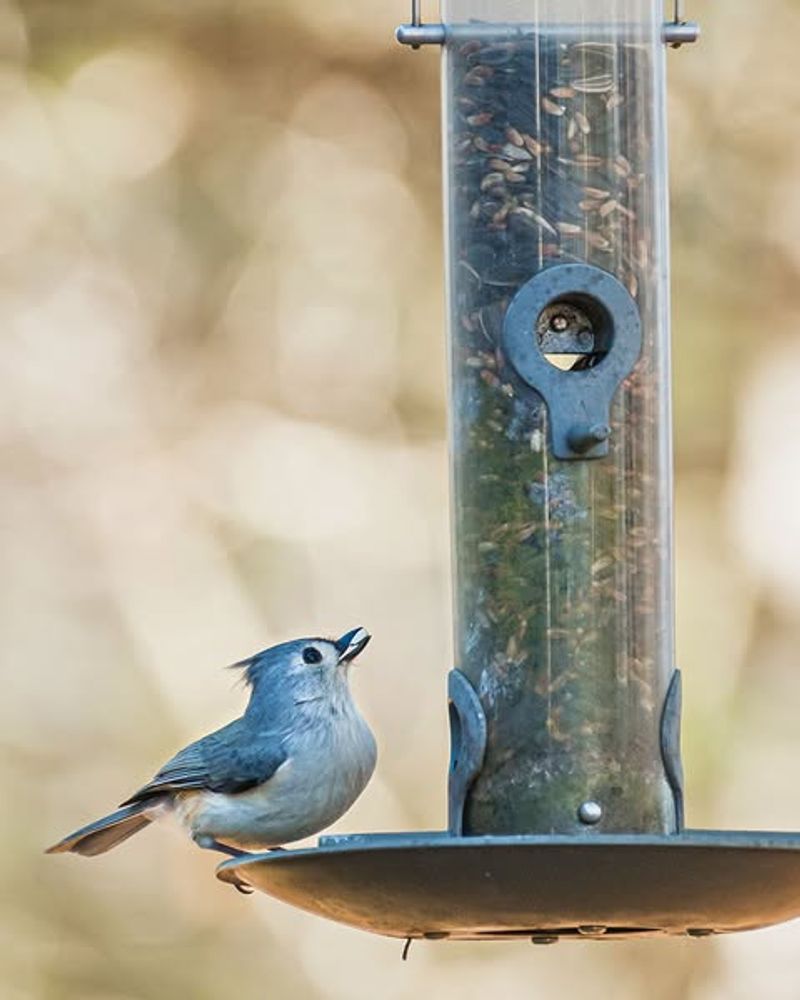
Birdseed on the ground changes yard traffic in ways that are easy to overlook. Spilled seed under feeders can attract mice, rats, and other small animals that move through the yard regularly.
When those animals carry ticks, they can deposit them in areas close to your patio, garden beds, and pet spaces without any obvious sign that it is happening.
Feeder placement makes a real difference. Keeping feeders away from patios, play areas, and pet paths reduces the chance that seed-attracted animals are moving through your highest-use spaces.
Using a catch tray under the feeder to collect fallen seed, and cleaning up spilled seed regularly, keeps that ground-level food source from building up. The birds themselves are not the issue.
The problem is the seed that accumulates below.
Moving a feeder even ten or fifteen feet farther from a seating area or play space is a small adjustment with practical benefits.
If rodent activity around a feeder becomes noticeable, taking the feeder down temporarily and cleaning the area thoroughly is a reasonable response.
You can still enjoy backyard birds while paying attention to where seed falls. That balance is a straightforward part of managing yard conditions during the summer months when tick activity tends to be higher.
7. Skipping A Dry Barrier Near Wooded Edges
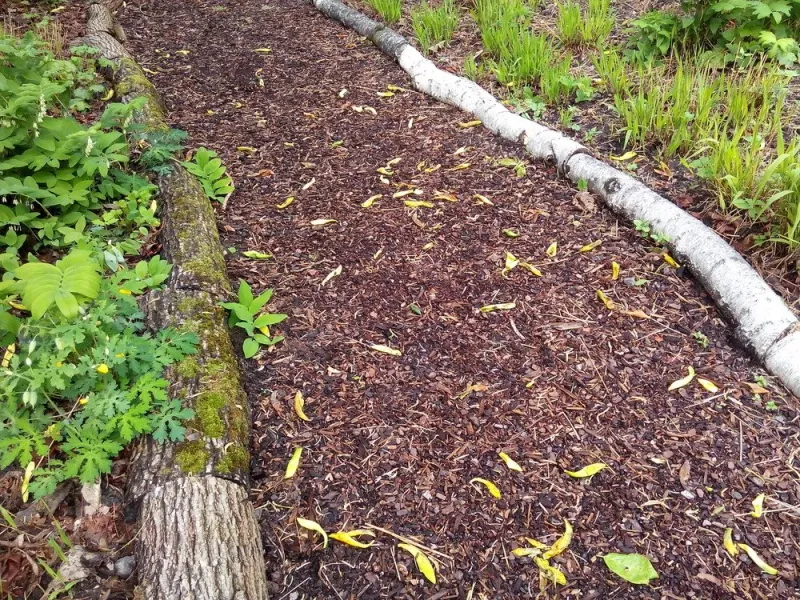
A clear border can make a wooded edge easier to manage. When a lawn runs directly into a wooded or brushy area with no transition, ticks can move more easily from that habitat into the spaces where your family spends time.
A dry border of wood chips, gravel, or a similar material can help create a visible and physical separation between those two zones.
The idea is not that a barrier stops every tick from crossing. A dry, open strip is less hospitable to tick movement.
It is a better transition than a continuous stretch of grass and ground cover running from a wooded edge straight to a play area or patio. Ticks tend to prefer moist, shaded cover, and a dry, sunny strip offers less of that.
A strip of about three feet wide is a commonly suggested width for this kind of transition zone. This is especially useful near paths, seating areas, and play spaces that sit close to wooded or brushy borders.
Keeping that strip clear of leaf buildup and debris helps it stay dry and functional. This step works best as part of a broader approach that includes regular mowing and leaf cleanup.
It should also include personal tick checks after time spent in or near the yard edges where contact is most likely.
8. Relying Only On Repellent Plants
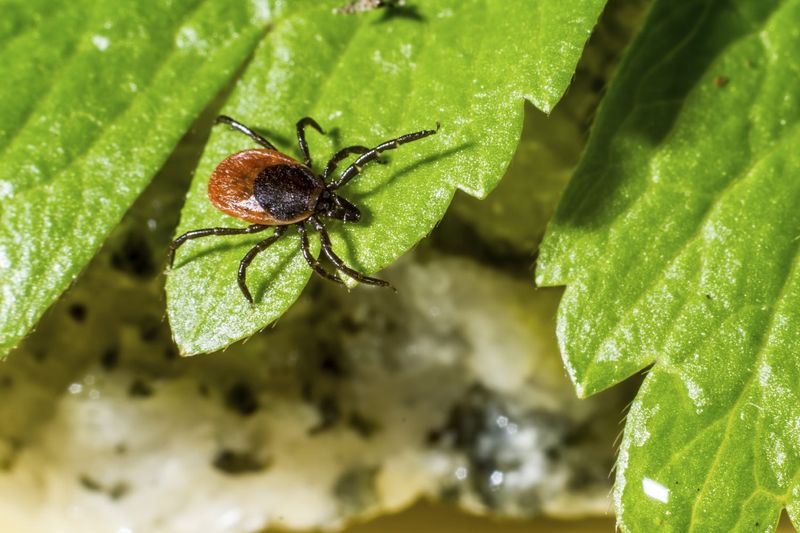
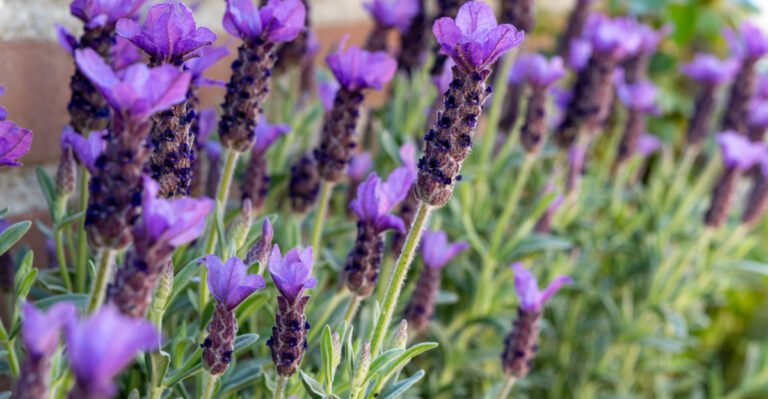
Repellent plants cannot fix a messy habitat problem. Lavender, rosemary, marigolds, and similar aromatic plants are often marketed as natural tick deterrents.
Some may have properties that certain insects find unappealing. However, planting them around the yard does not address the conditions that actually make a yard more tick-friendly in the first place.
If the yard still has tall grass along the fence, damp leaf piles near the shed, brushy edges close to the play area, and regular rodent or wildlife traffic, the bigger habitat problems remain.
A few fragrant plants are not going to change the overall picture in any meaningful way.
The bigger habitat issues need to be the first priority. Mowing, cleanup, drainage, wood storage, and barrier management all have a more direct connection to reducing tick-friendly conditions than plant selection does.
That does not mean aromatic plants have no place in a Florida garden. Rosemary, for example, is a practical and low-maintenance herb that many local gardeners grow for cooking.
Including it in a garden bed is fine. Just do not count on it as a tick-prevention strategy.
Pairing good yard habits with proven personal protection steps gives you a much more grounded approach. That includes tick checks, protective clothing, and veterinarian-approved pet prevention, which plants alone cannot replace.