Pennsylvania Gardeners Who Make These Yard Changes Report Seeing Far Fewer Ticks
Ticks in Pennsylvania are not just a summer problem anymore. The active season has stretched in both directions over the years, and gardeners who used to think carefully about tick exposure only during peak warm months are now dealing with them earlier in spring and later into fall.
The good news that tends to get buried in all the cautionary advice is that the design and management of your yard plays a much bigger role in tick pressure than most homeowners realize.
Pennsylvania gardeners who have made specific, intentional changes to how their outdoor spaces are structured and maintained are reporting consistent reductions in tick encounters, not through chemical treatment alone but through changes that alter the habitat itself.
Some of these adjustments are structural, others involve plant choices, and a few come down to maintenance habits that are easy to shift once you understand what ticks actually need to thrive close to your home.
1. Plant Native Ground Covers
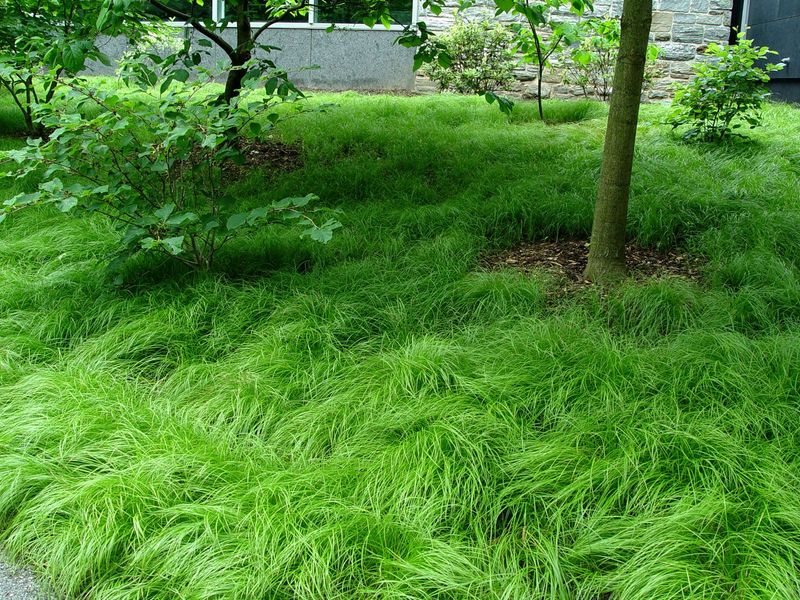
Walking barefoot through the yard is one of summer’s simple pleasures, but ticks can quickly ruin that feeling. One of the smartest moves Pennsylvania gardeners are making right now is planting native ground covers.
These low-growing plants spread across the soil and crowd out the open, leaf-covered spaces where ticks love to hide and wait for a host to walk by.
Native ground covers like wild ginger, creeping phlox, and Pennsylvania sedge are excellent choices for local yards. They grow well in our climate without needing much extra care.
Because they are native, they also support local pollinators and wildlife, giving your yard a double benefit. They stay low to the ground, which means there are fewer shady, damp hiding spots for ticks to settle into.
Another reason gardeners love this approach is how it changes the look of a yard. Instead of bare mulch or open dirt, you get a rich green carpet that looks intentional and well-kept.
Ticks prefer areas where they can cling to tall blades of grass or leaf debris and wait at the tips. Dense, low ground cover makes that kind of ambush much harder for them.
Getting started is easier than most people think. Visit a local native plant nursery and ask about ground covers suited to your soil type and sun exposure.
Plant in early spring or fall for the best results. Within one growing season, many of these plants spread enough to offer solid coverage.
Over time, you will likely notice fewer ticks and a yard that looks naturally beautiful without a lot of effort.
2. Keep Lawns Short And Well-Maintained
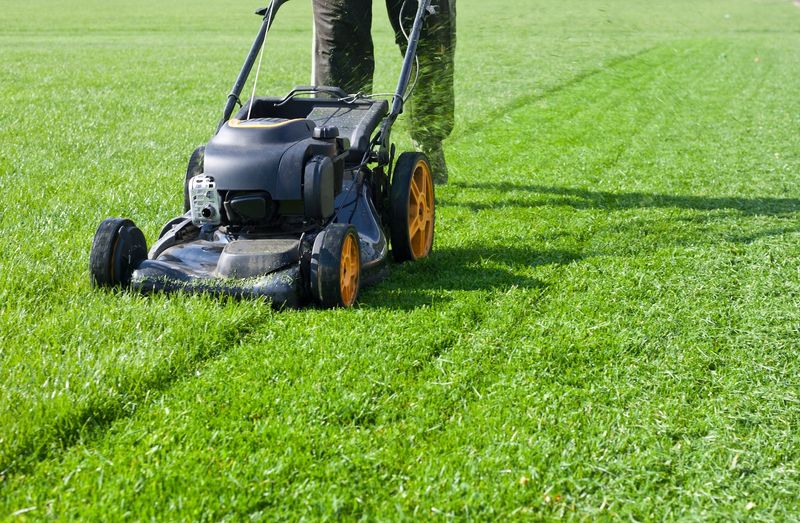
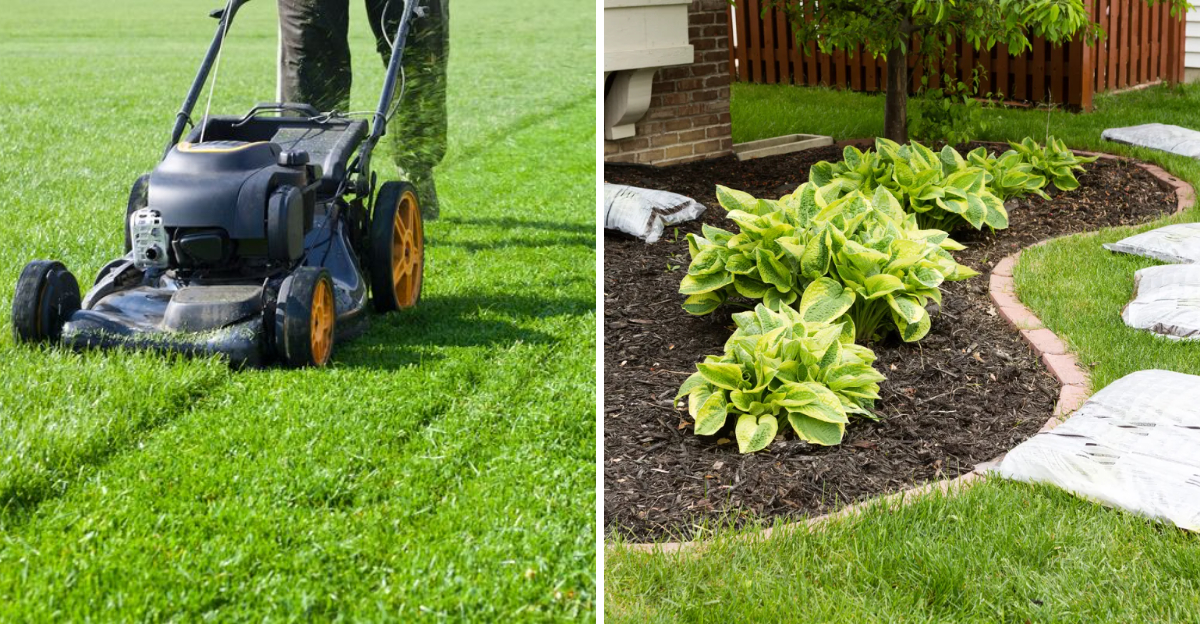
There is something satisfying about a freshly mowed lawn, and it turns out that satisfaction goes beyond good looks. Keeping your grass cut short is one of the most effective and straightforward ways to reduce ticks in your yard.
Ticks do not hunt by chasing their targets. Instead, they climb to the tips of tall grass and wait for a person or animal to brush past so they can hitch a ride.
Your Pennsylvania Garden Changes Every Week. Your Plan Should Too.
Gardening in Pennsylvania changes quickly throughout the season. Every Friday you’ll receive a simple weekly plan showing exactly what to plant, prune, fertilize, harvest, and protect so you never miss the right timing.
When grass stays short, ticks lose one of their favorite staging areas. Short grass also dries out faster after rain, and ticks need moisture to survive.
A dry, sunny lawn is simply not a welcoming place for them. Pennsylvania summers bring plenty of humidity, so keeping the lawn trimmed regularly gives you an edge during the peak tick season from spring through early fall.
Mowing every one to two weeks during the growing season is a solid routine to follow. Try to keep your lawn at about three inches or shorter.
Do not let grass get so long that it flops over and creates a shaded, damp layer near the soil. That kind of environment is exactly what ticks look for.
Bag your clippings when possible so they do not pile up and create a moist layer on the surface.
Edge along fences, garden beds, and wooded borders too. Ticks often move in from the edges of a yard, so trimming those transition zones is just as important as mowing the main lawn.
A little extra attention to these spots each week can go a long way toward keeping tick numbers low all season long.
3. Remove Leaf Litter And Debris
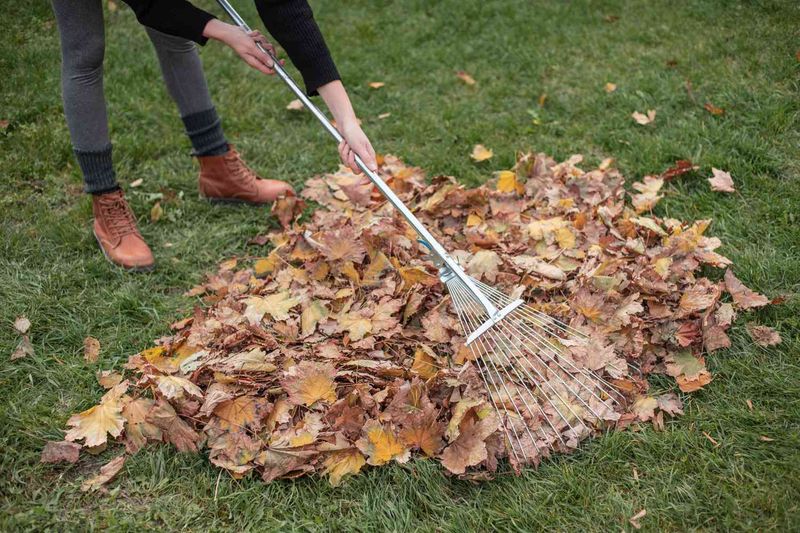
Autumn in Pennsylvania is gorgeous, but all those falling leaves come with a hidden downside. Leaf litter is one of the top tick habitats in any yard.
Ticks love to burrow into piles of dry leaves, sticks, and other yard debris because these spots stay cool and moist long after the rest of the yard dries out.
If you have been letting leaves pile up along your fence line or under your trees, you may have unknowingly created a perfect tick hotel.
Cleaning up leaf litter does not have to be a huge chore. Raking regularly throughout fall and bagging the debris keeps things manageable.
Pay special attention to areas that tend to collect leaves naturally, like corners of the yard, the bases of shrubs, and spots near wooded borders. Those areas stay damp and shaded, which ticks find very appealing.
Stacked firewood, old lumber, and garden debris also offer hiding places for ticks and the small animals that carry them, like mice and chipmunks. Store firewood on a raised rack, away from the house and out in the open where sunlight can reach it.
Remove any old boards, broken pots, or piles of brush that have been sitting around for a while.
Spring cleanup matters just as much as fall. Ticks that have overwintered in leaf piles become active again as temperatures warm up.
Clearing out those old leaves before tick season peaks in May and June gives you a big advantage. Many Pennsylvania gardeners who have made this simple habit part of their routine report noticing a real drop in tick sightings throughout the year.
4. Create A Barrier Between Lawn And Woods
If your yard backs up to woods or a brushy area, you already know that ticks tend to migrate from those wild spaces into your lawn.
Creating a physical barrier between your yard and the woods is one of the most effective strategies Pennsylvania gardeners are using to stop ticks before they ever reach the areas where people play, relax, or garden.
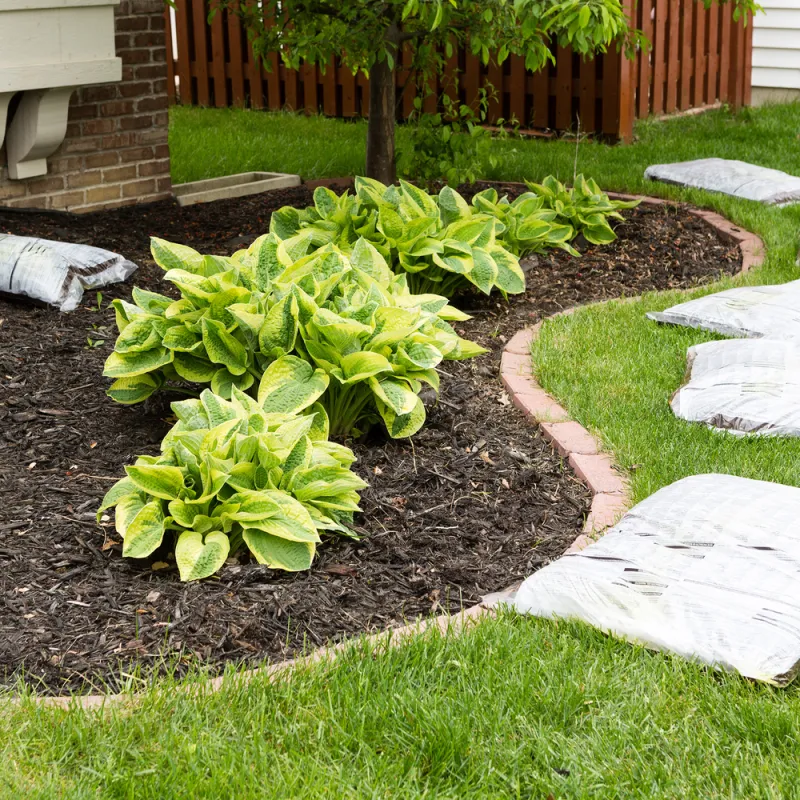
A barrier made of wood chip mulch, gravel, or pea stone works really well. Aim for a strip that is at least three feet wide running along the edge where your lawn meets the tree line or any dense brush.
Ticks avoid crossing dry, open materials like gravel and mulch because these surfaces do not hold moisture the way grass and soil do. The barrier essentially creates a dry zone that ticks are reluctant to cross.
You can also plant tick-resistant border plants along this strip to make it even more effective and attractive. Lavender, rosemary, and native shrubs like buttonbush can line the outer edge of the barrier and add a natural look.
The combination of a dry mulch zone and repelling plants creates a layered defense that works much better than either strategy alone.
Maintenance is straightforward. Refresh the mulch or gravel once a year to keep the barrier thick and effective.
Pull any weeds or grass that try to grow through it, since those can create damp pockets that undercut your efforts. A well-maintained barrier does not just reduce ticks.
It also gives your yard a cleaner, more defined look that makes the outdoor space feel more organized and intentional all season long.
5. Provide Sunlight And Airflow
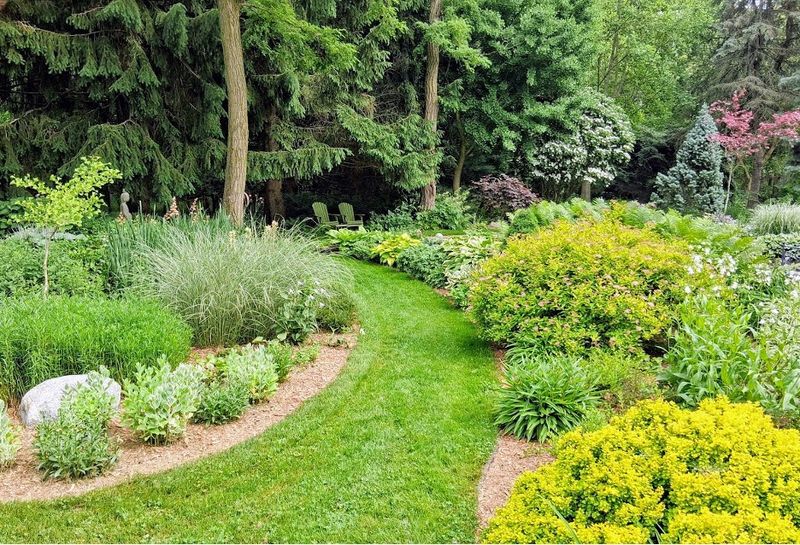
Ticks are creatures of comfort, and their comfort zone is cool, shaded, and damp. That means one of the best things you can do for your yard is open it up to more sunlight and better airflow.
Dense shrubs, overgrown hedges, and heavily shaded corners create exactly the kind of microclimate ticks thrive in. Pruning and thinning those areas can make your yard far less hospitable to them.
Start by looking at the shrubs and small trees around your yard. If they have become dense and bushy, they are blocking sunlight from reaching the ground beneath them.
Trim them back so air can circulate through the branches and sunlight can reach the soil. This simple step speeds up how quickly the ground dries after rain, and ticks struggle in dry, sunny conditions.
Overhanging tree branches that shade large sections of your lawn are also worth addressing. You do not need to remove whole trees, but lifting the canopy by removing lower branches can let in enough light to change the conditions underneath.
Focus especially on areas near patios, play sets, or garden beds where your family spends the most time.
Many Pennsylvania gardeners are surprised by how much difference this change makes. After a good pruning session, the yard feels more open, brighter, and more pleasant to spend time in.
Birds and beneficial insects also tend to move in when conditions improve, and some of those creatures, like certain songbirds, actually eat ticks.
Better sunlight and airflow is a change that benefits your whole yard ecosystem, not just the battle against ticks. It is a genuinely rewarding project to take on each spring.
6. Add Tick-Repelling Plants
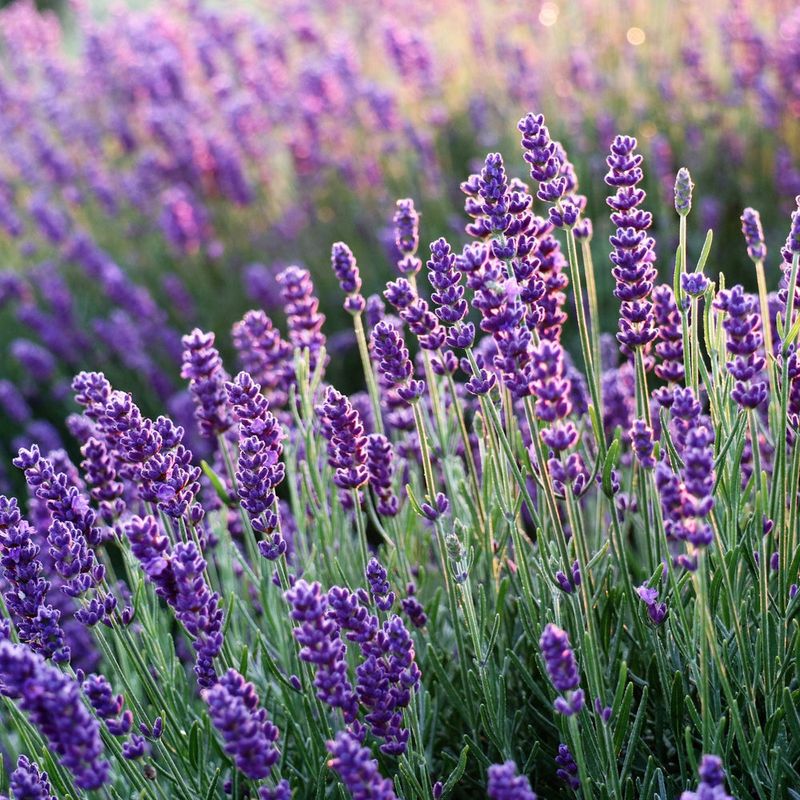
Nature has its own built-in pest control, and some plants are surprisingly good at keeping ticks at bay. Adding tick-repelling plants to your yard is a strategy that looks beautiful and works quietly in the background all season long.
Gardeners across Pennsylvania have been experimenting with this approach and many report noticing fewer ticks in the areas where these plants grow.
Lavender is one of the most popular choices. Its strong scent, which humans tend to love, is something ticks strongly prefer to avoid.
Plant it along walkways, near seating areas, or at the edges of garden beds where people are most likely to brush against it. As you walk past and release that familiar fragrance, you are also releasing natural compounds that ticks find repellent.
Garlic is another powerhouse. It can be grown in garden beds or even in containers near entry points to the yard.
The sulfur compounds in garlic are well known for keeping many pests away. Rosemary, mint, and lemon balm also have strong aromatic oils that ticks dislike.
Mixing these herbs into your existing garden beds is an easy way to build up a natural defense without changing the whole look of your yard.
Native herbs like American beautyberry have also gotten attention for their tick-repelling properties. Studies have found that compounds in beautyberry leaves can be as effective as some synthetic repellents.
Planting a mix of these herbs and shrubs throughout your yard creates overlapping zones of protection. You get a yard that smells amazing, looks lush, and actively works to push ticks away. It is one of the most enjoyable yard changes you can make all season.