These Are The Florida Garden Tasks Worth Doing In June That Most Homeowners Skip Until It’s Too Late
June is when Florida gardens get serious, and not always in a good way. The heat climbs fast, summer storms start rolling in on a daily schedule, pests get more active, and plants push out new growth at a pace that can feel impossible to keep up with.
Most homeowners do not realize things are getting out of hand until the problems are already stacking up.
The good news is that a handful of smart, practical adjustments made right now in June can change the entire trajectory of your summer garden.
It does not take a major overhaul, just the right moves at the right time. Getting ahead of the season instead of reacting to it is really the whole game in a Florida summer garden.
1. Check Trees Before Storm Season Picks Up
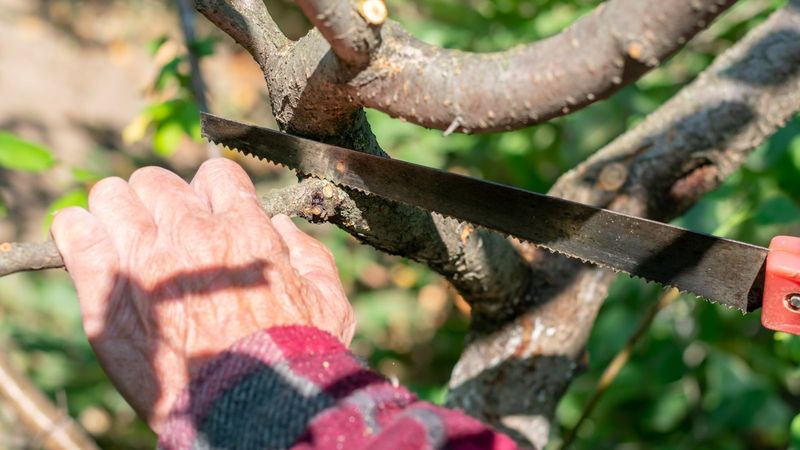
Weak branches hiding in the canopy of a Florida tree can stay unnoticed for months until a summer storm suddenly puts them to the test. June is an ideal time to walk your yard and look up, because storm activity tends to increase as the season moves deeper into summer.
Catching a problem branch before wind and rain arrive is far easier than dealing with the aftermath.
Look for branches that appear cracked, damaged, or growing at a sharp angle from the trunk. Watch for crowded limbs that rub against each other, since that friction gradually weakens both over time.
Crossing branches and narrow V-shaped connections between limbs can signal structural weakness worth addressing sooner rather than later.
Palms, oaks, and large shade trees common across Florida landscapes all benefit from a careful visual check this time of year.
Removing small problem branches yourself may be manageable, but anything involving large limbs, tall canopies, or trees near power lines should go to a qualified arborist.
A professional can spot issues that are easy to miss from the ground and handle the work safely. Spending a little time now on tree inspection can save a lot of stress when the next round of summer storms moves through your Florida neighborhood.
2. Look For Garden Pests Each Week
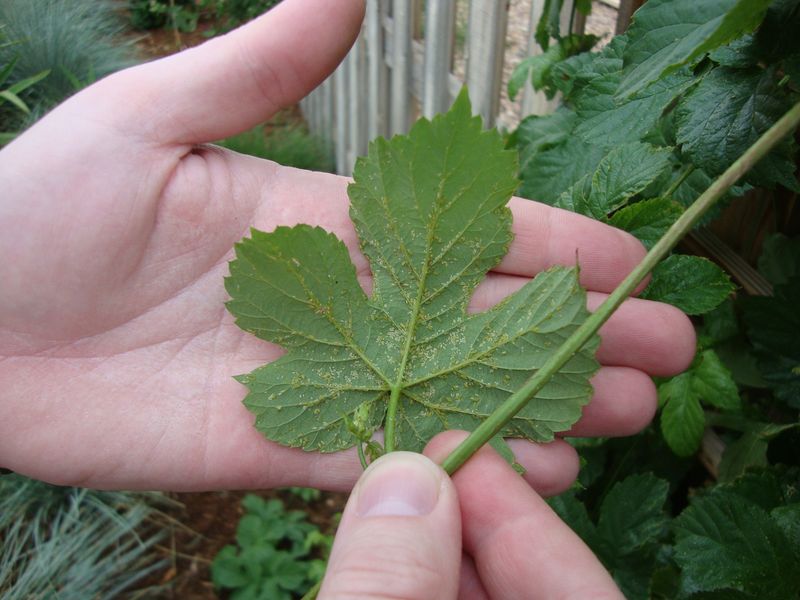
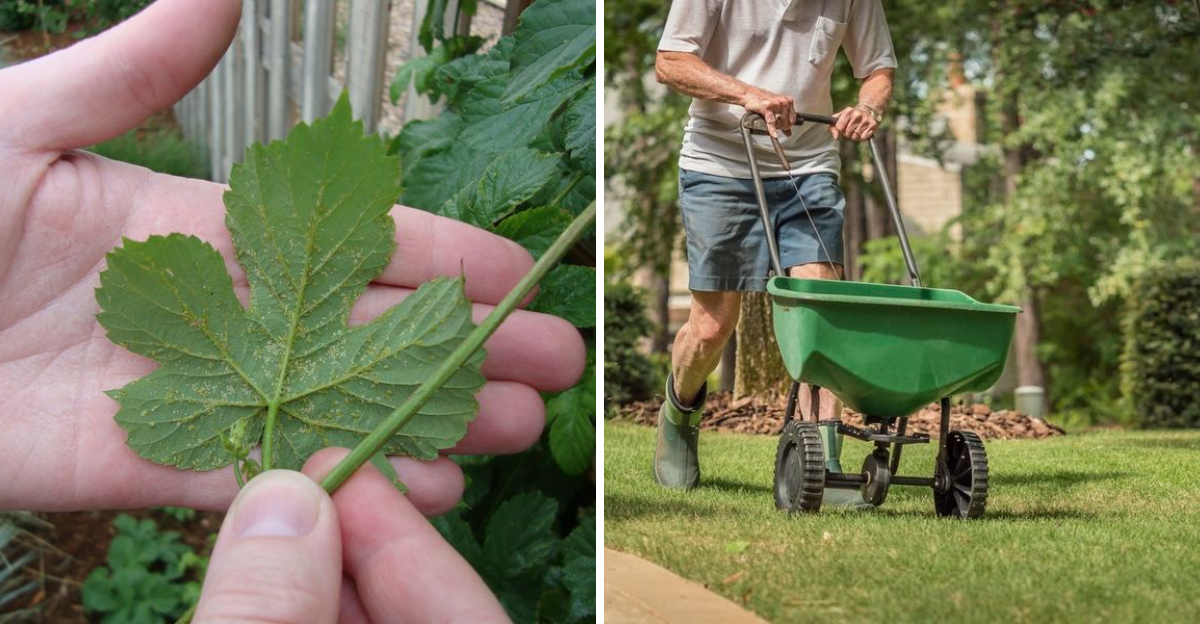
Warm Florida summers create near-perfect conditions for insects to multiply quickly, and a pest problem that looks minor one week can spread noticeably by the next.
Building a habit of checking your plants every week during June gives you a real advantage, because catching an infestation early means you have more options and less damage to deal with overall.
Start by flipping leaves over and checking the undersides, where many soft-bodied insects prefer to hide and feed. New growth at stem tips, flower buds, and the soil around plant bases are also worth a close look.
Aphids, whiteflies, caterpillars, scale, and spider mites are among the common culprits active during summers, though what you find will depend on what you are growing.
Resist the urge to spray something right away before identifying what is actually present. Misidentifying a pest can lead to treatments that do not work or that affect beneficial insects that were actually helping your garden.
Your Florida Garden Changes Every Week. Your Plan Should Too.
Gardening in Florida changes quickly throughout the season. Every Friday you’ll receive a simple weekly plan showing exactly what to plant, prune, fertilize, harvest, and protect so you never miss the right timing.
Take a photo if you are unsure, and check with a local extension office or a reliable online resource before deciding on any action. Some populations stay manageable with simple steps like removing affected leaves or using a strong spray of water.
Weekly monitoring is not complicated, but it makes a genuine difference in how well your Florida garden holds up through the summer months.
3. Adjust Watering For June Rain
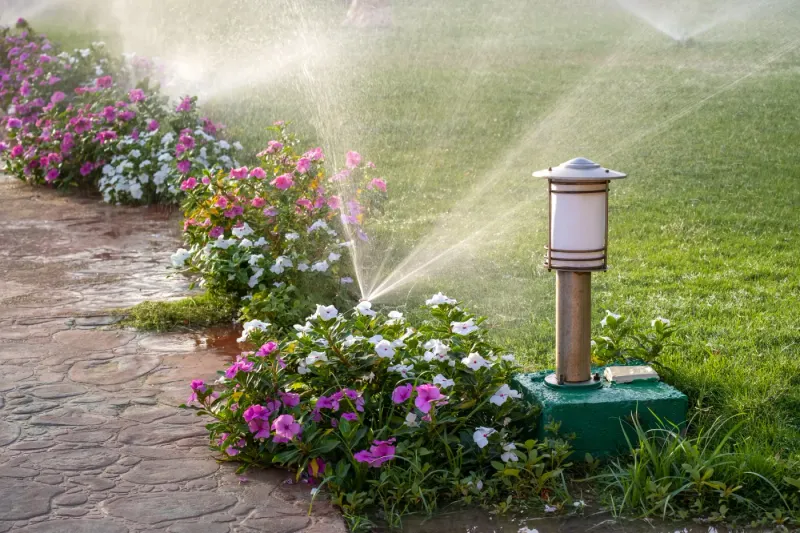
Florida’s rainy season typically gets going in June, but the rainfall that comes with it is rarely spread out evenly across the week. One afternoon storm can drop an inch of rain in an hour, while the next several days stay completely dry.
Running your irrigation system on a fixed schedule without accounting for that variability can lead to overwatering, which stresses plants and wastes water at the same time.
Checking soil moisture before watering is a simple habit that makes a real difference. Push a finger or a small screwdriver a few inches into the soil near your plants, and if it still feels damp, hold off on irrigation.
Many homeowners find that their systems need to run far less often in June than they did in the dry spring months, though plants in containers or sandy spots may still need attention between rain events.
A rain sensor or a smart irrigation controller that adjusts based on local weather data can take some of the guesswork out of the process.
Check whether your city or county has specific watering day restrictions, since many Florida communities maintain those rules year-round regardless of rainfall.
Paying closer attention to what your plants actually need, rather than watering on autopilot, keeps your landscape healthier and helps avoid the root problems that come from consistently wet soil.
4. Check Local Fertilizer Rules First
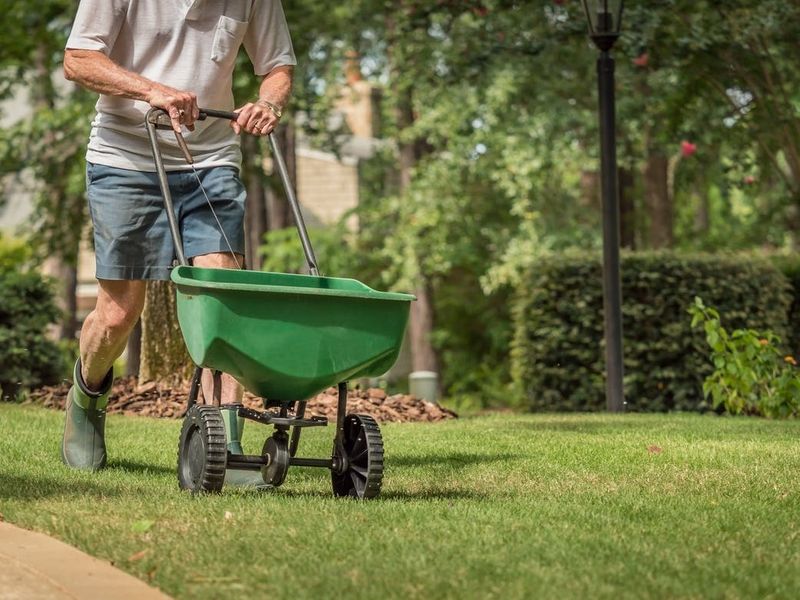
Before reaching for a bag of fertilizer this June, it is worth taking a few minutes to look up what your local community actually allows.
A growing number of Florida cities and counties have adopted fertilizer ordinances that restrict or prohibit certain fertilizer applications during the rainy season, which typically runs from June through September.
These rules exist because heavy summer rains can wash nutrients off lawns and into waterways before plants can absorb them.
The specific rules vary depending on where you live in Florida. Some communities ban nitrogen and phosphorus fertilizers entirely during restricted months, while others allow slow-release formulas under certain conditions.
Applying fertilizer without checking first could put you out of compliance with local ordinances, and it may not even benefit your plants the way you expect if rain washes it away quickly.
If your lawn or garden beds are showing signs of stress or poor color, consider whether the cause might be something other than a lack of nutrients. Compacted soil, irrigation issues, pest pressure, or disease can all produce symptoms that look similar to nutrient deficiency.
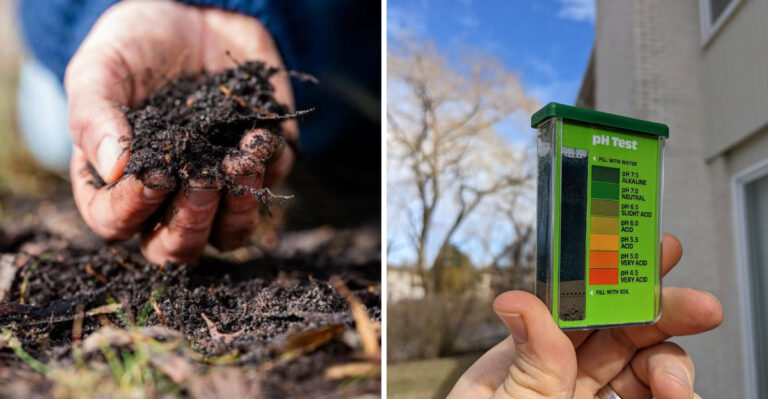
Getting a soil test through your county extension office can give you a clearer picture of what is actually needed before spending money on products that may not address the real problem.
Being informed before you fertilize is genuinely one of the more practical steps a homeowner can take in June.
5. Diagnose Lawn Patches Before Treating
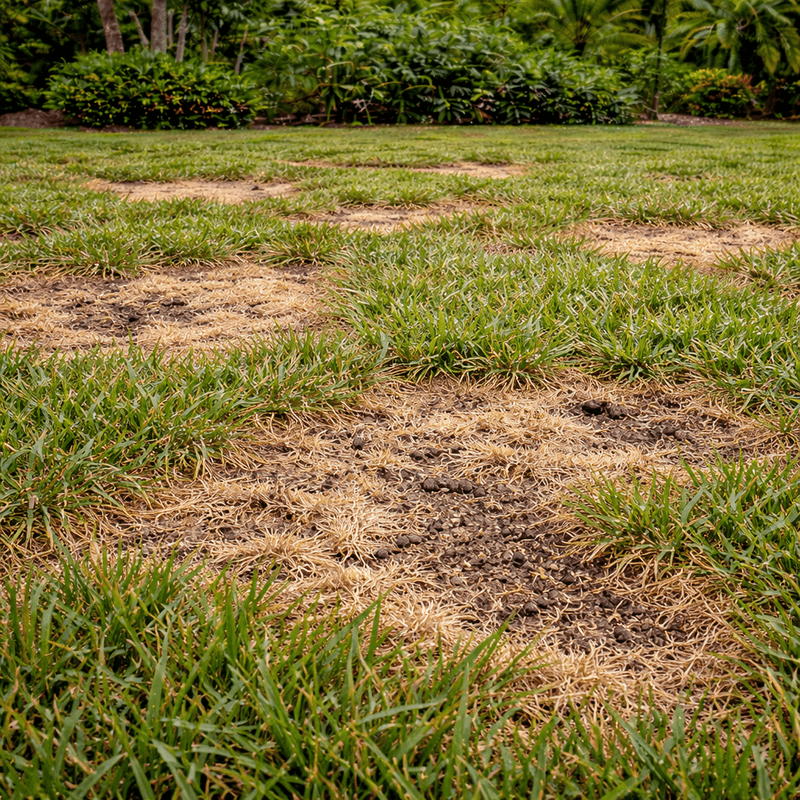
Brown or yellow patches showing up in a Florida lawn during June can send homeowners straight to the garden center for a bag of grub control or a fungicide, but treating the wrong problem rarely fixes anything.
Those patches can come from a surprising number of different causes, and the right response depends entirely on what is actually going on beneath the surface.
Chinch bugs are a common culprit in St. Augustine lawns during hot, dry stretches, and they tend to appear first in sunny areas near sidewalks or driveways.
Fungal diseases like gray leaf spot or brown patch tend to show up more during warm, humid periods with frequent rainfall.
Irrigation problems, whether a dry zone from a clogged head or a soggy area from an over-watering zone, can also produce patches that look similar to pest or disease damage at first glance.
Taking time to examine the grass closely, check irrigation coverage, and look for insects before treating is a much better approach than guessing.
Pull back some of the affected grass and look at the base of the blades and the soil just below the surface for signs of insect activity.
If the cause is still unclear, bring a sample to your local extension office or contact a lawn care professional for help. Accurate diagnosis saves money and prevents the added stress of applying something your lawn did not need in the first place.
6. Solarize Soil For Fall Vegetables
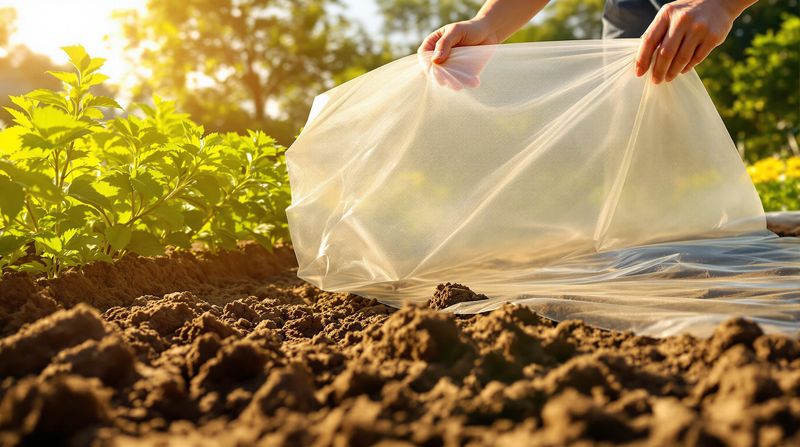
Most gardeners think of fall vegetable planting as something to worry about in September, but the preparation for those beds can actually begin right now in June.
Soil solarization is a technique that uses summer heat to reduce weed seeds, soil-borne pathogens, and certain pests in garden beds before new crops go in.
It takes several weeks to work, which makes June an ideal time to get started.
The process involves moistening the soil thoroughly, then covering it tightly with clear plastic sheeting and leaving it in place for four to six weeks or longer.
The trapped heat under the plastic raises soil temperatures to levels that can reduce many common problems without any chemical inputs.
Clear plastic tends to work better than black plastic for this purpose because it allows sunlight to pass through and generate more heat in the soil layers below.
Secure the edges of the plastic well so it stays in contact with the soil and does not lift in summer wind. Choose a spot that gets full sun for most of the day, since shaded areas will not generate enough heat for the process to be effective.
Once the solarization period is complete, avoid turning the soil deeply, as that can bring untreated material back to the surface.
Florida’s intense summer sun makes this technique especially practical, and putting it to work now means your fall vegetable beds will be in much better shape when planting time arrives.
7. Plant Palms In Warm, Rainy Weather
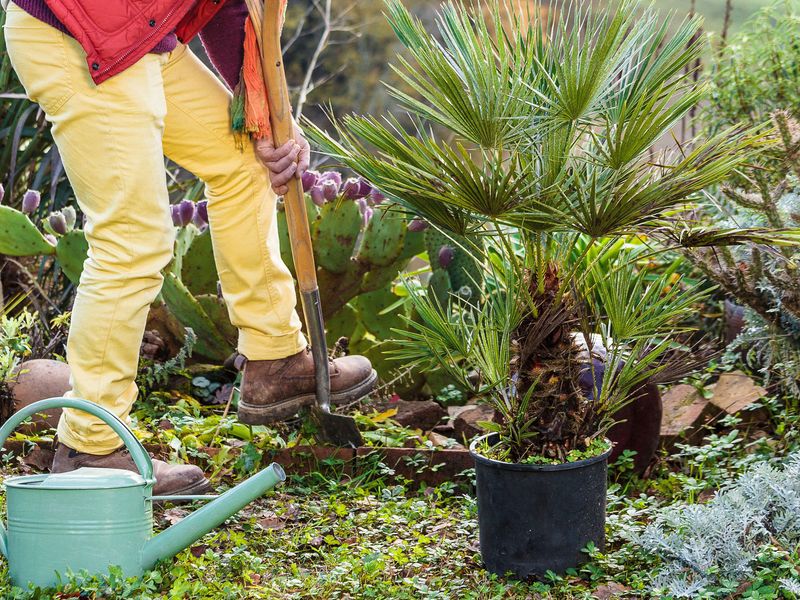
Counterintuitive as it might seem to plant anything during Florida’s hottest months, June is actually a reasonable time to establish palms.
Warm soil temperatures and the arrival of regular summer rain create conditions that support root development.
Palms planted during this period often settle in more smoothly than those put in the ground during cooler, drier months when soil stays cold longer.
Planting depth matters quite a bit with palms. The root initiation zone at the base of the trunk should sit at roughly the same level it was in the container, and piling soil or mulch up against the trunk can lead to rot and other problems over time.
Keep the area around the base clear and apply mulch in a ring that starts a few inches away from the trunk rather than directly against it.
Watering after planting needs to be consistent but not excessive. Newly planted palms benefit from regular moisture while they establish, but soggy soil around the root zone is not helpful.
Check the soil before watering rather than following a rigid schedule, especially since June rain may provide much of what the palm needs on many days.
Avoid fertilizing a newly planted palm right away, as the root system needs time to settle before it can make good use of added nutrients.
Choosing a palm species suited to your specific part of Florida will also give it a much better start.
8. Grow Heat Tolerant Edibles
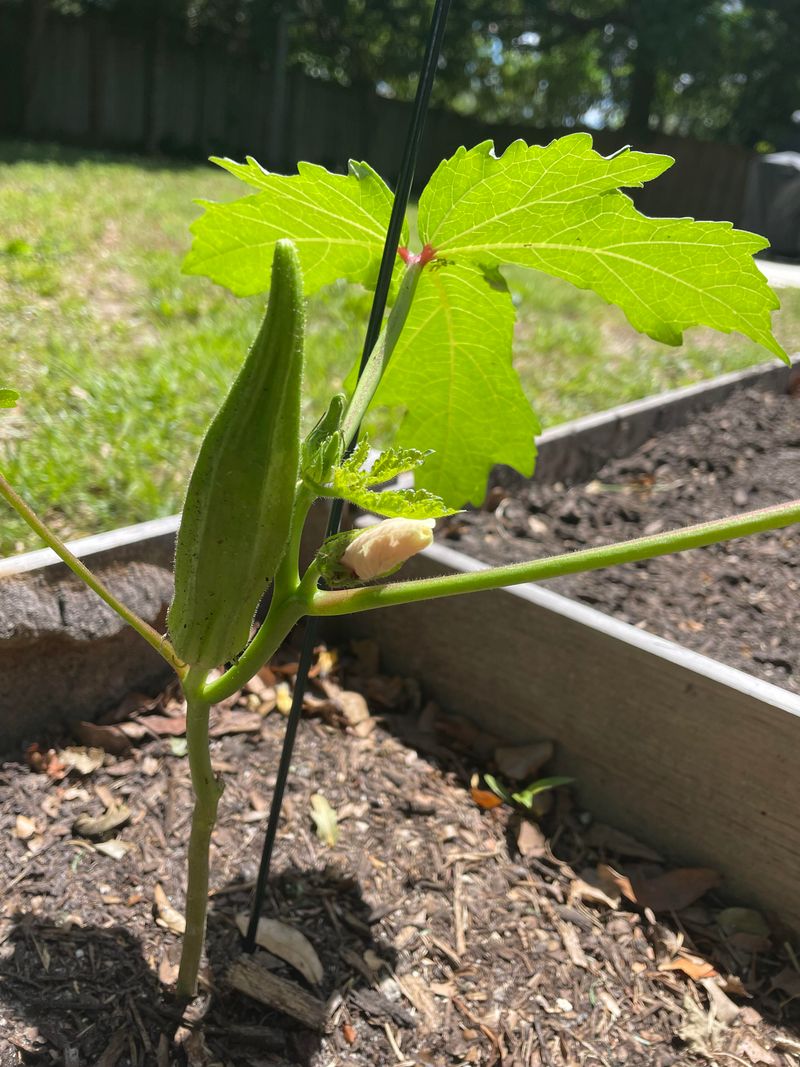
June is not the month to plant tomatoes, peppers, or other warm-season favorites that prefer a bit of relief from the heat during fruiting.
Florida summers are genuinely intense, and crops that thrive in spring or fall often struggle when temperatures stay high around the clock.
Shifting your edible garden toward heat-tolerant options this month is a practical way to keep growing food without fighting the season.
Okra is one of the most dependable warm-weather vegetables for Florida gardens, producing reliably even in humid, hot conditions.
Southern peas, sometimes called cowpeas, handle heat and sandy soils well and can actually improve soil by adding nitrogen as they grow.
Sweet potatoes are another low-maintenance option that spreads and produces through the summer with very little fuss once established in the ground.
Malabar spinach is a climbing vine that provides leafy greens through the hottest months when regular spinach would simply give up.
Calabaza and other tropical squash varieties are also worth considering, particularly in South and Central Florida where they have a long history of performing well in warm conditions.
Container gardening can work for some of these crops if garden bed space is limited, though containers in full sun may need more frequent watering.
Matching your plant choices to what the season actually offers, rather than what you wish the weather would do, makes June edible gardening far more rewarding.