Pennsylvania Native Plants To Replace Your Crape Myrtles Along Fence Lines And Driveways
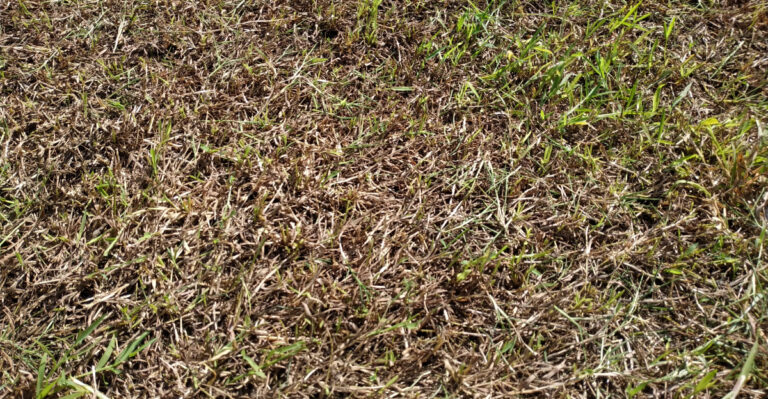
Crape myrtles are a common sight along Pennsylvania fence lines and driveways, carried north by their popularity in warmer states and planted here by homeowners who admire them and hope for the best.
In the right Pennsylvania location they can perform reasonably well, but they are not native to this region and the winters here push them hard enough that many never reach the size or bloom quality they are capable of.
Some struggle back from the roots every spring rather than growing as the trees or large shrubs they are meant to be.
Pennsylvania native plants are better suited to these high-visibility spots in nearly every way, bringing reliable seasonal interest, cold hardiness without question, and the kind of ecological value that crape myrtles simply cannot offer in this part of the country.
Along fence lines and driveways where plants are seen every day, choosing something that truly belongs here makes a difference that shows across every season.
1. Serviceberry
Few plants earn their keep quite like serviceberry. Long before European settlers arrived, Native Americans were harvesting its sweet, blueberry-like fruits to eat fresh or dry for winter.
Today, it remains one of the most rewarding native plants you can put in your Pennsylvania yard.
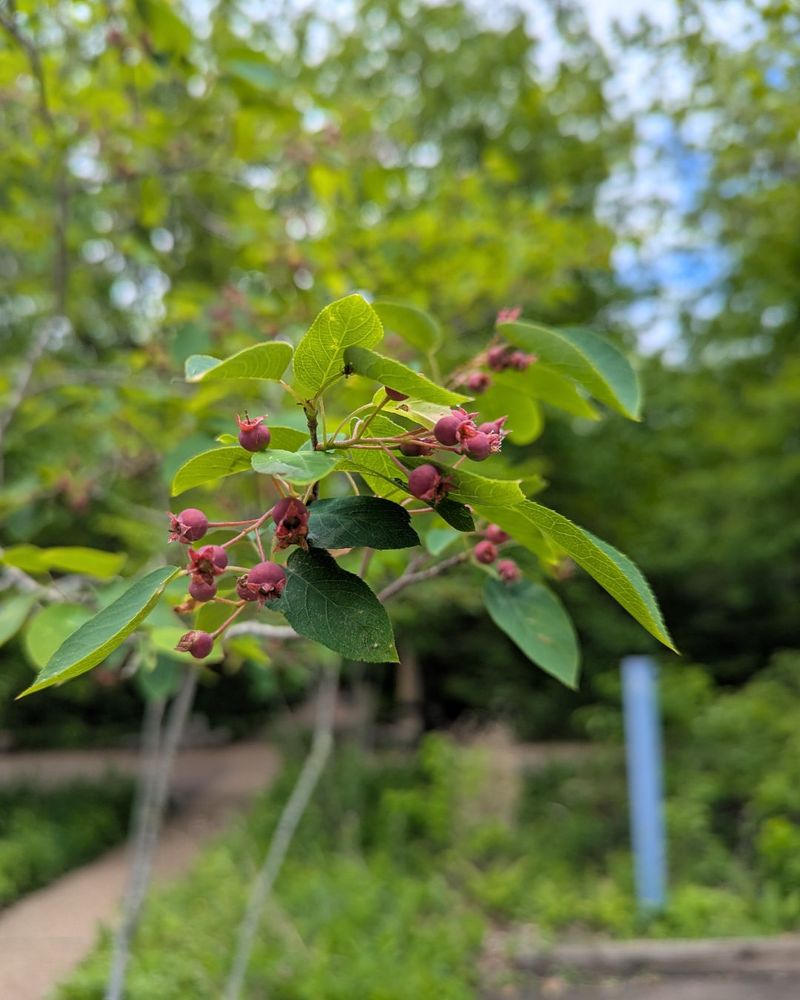
Serviceberry, also called Amelanchier, blooms early in spring with clouds of white flowers before most other plants have even woken up. That early bloom is a lifeline for bees and other pollinators that are just coming out of their winter rest.
After the flowers fade, small purple-red berries ripen in June and attract robins, cedar waxwings, and other songbirds in big numbers.
Along a fence line or driveway, serviceberry works beautifully because it can be grown as a multi-stemmed shrub or a small tree reaching about 15 to 25 feet tall.
It naturally has an upright, slightly arching shape that creates a soft, graceful border without looking stiff or formal. The fall color is stunning too, with leaves turning shades of orange, red, and gold.
Serviceberry tolerates both full sun and part shade, and it handles Pennsylvania’s clay-heavy soils reasonably well. It does prefer consistent moisture, especially when young, so watering during dry spells helps it get established.
Once rooted in, it is quite tough. For homeowners who want a plant that delivers something beautiful in every single season, serviceberry is hard to beat.
2. Eastern Redbud
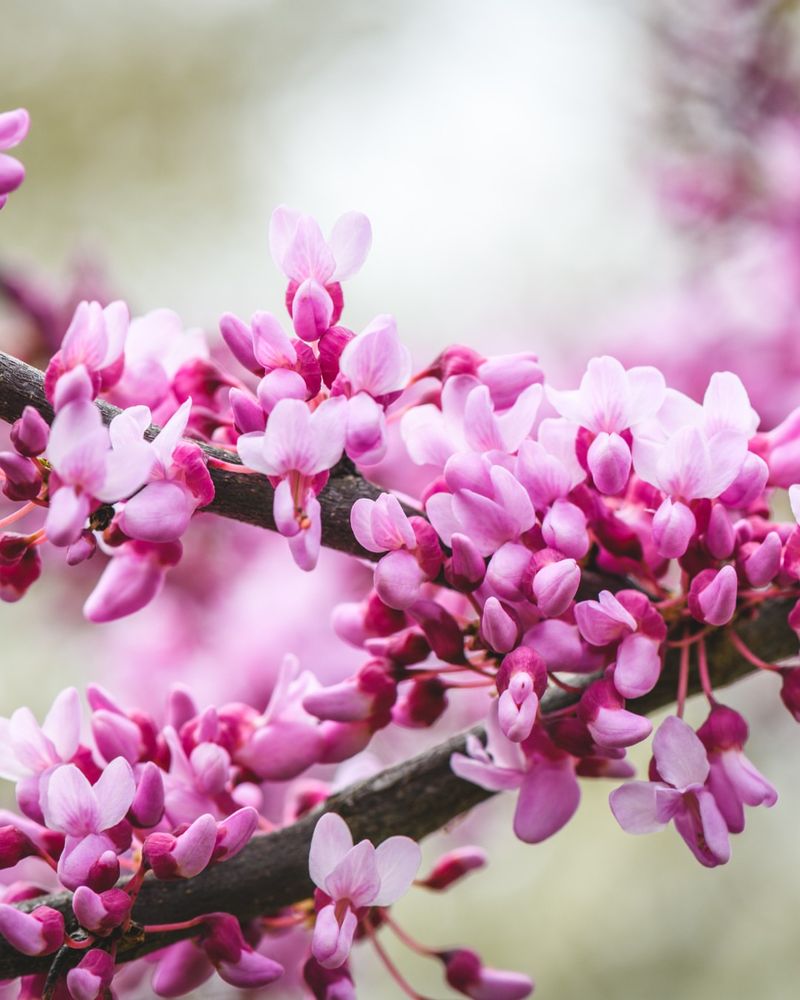
There is a moment every April in Pennsylvania when the Eastern Redbud seems to set itself on fire with color.
Before a single leaf appears, the branches explode with clusters of bright magenta-pink flowers that line every twig from tip to trunk. It is one of the most dramatic spring shows any native plant can put on.
Eastern Redbud, or Cercis canadensis, grows naturally across Pennsylvania and thrives in the same conditions your yard already has. It typically reaches 20 to 30 feet tall with a graceful, rounded canopy that spreads wide.
That broad shape makes it a natural fit along driveways where you want a soft, arching canopy overhead without planting something that will eventually tower over your house.
Your Pennsylvania Garden Changes Every Week. Your Plan Should Too.
Gardening in Pennsylvania changes quickly throughout the season. Every Friday you’ll receive a simple weekly plan showing exactly what to plant, prune, fertilize, harvest, and protect so you never miss the right timing.
After flowering, the leaves emerge in a warm reddish-purple tone before settling into a rich, heart-shaped green. In fall, the foliage turns yellow, adding one more season of interest.
The seed pods that follow the flowers attract birds and small mammals through winter, keeping wildlife activity in your yard year-round.
Redbud grows best in full sun to partial shade and adapts well to average, well-drained Pennsylvania soils. It does not love standing water, so avoid low spots that stay soggy after rain.
Young trees benefit from mulching around the base to keep moisture in and weeds out. Once established, Eastern Redbud is a low-fuss, high-reward plant that brings genuine wow factor to any driveway planting.
3. Flowering Dogwood
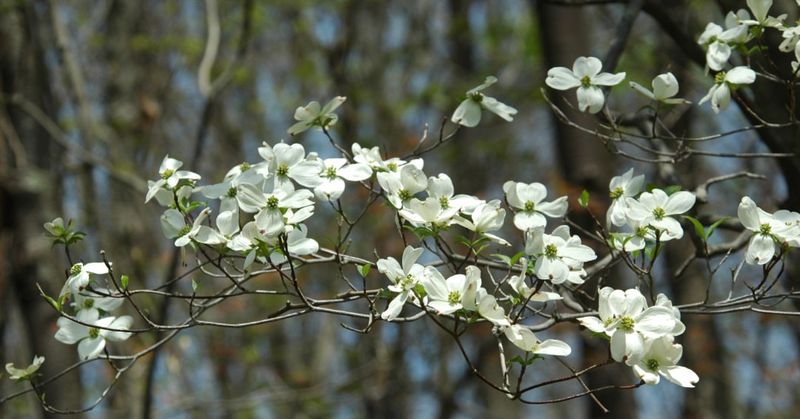
Ask any Pennsylvania gardener to name their favorite native flowering tree, and Flowering Dogwood will come up almost every time. Cornus florida is a classic, and for good reason.
It delivers four full seasons of interest in a compact, layered form that fits perfectly along fence lines and driveways.
Spring brings the iconic white or pink bracts that most people think of as the flowers. Those large, showy petals are actually modified leaves surrounding tiny true flowers in the center.
Pollinators love them, and the display lasts for weeks. Summer follows with deep green, textured leaves that create a dense canopy.
Then fall arrives with brilliant red and purple foliage paired with clusters of glossy red berries that birds feed on heavily before winter sets in.
The horizontal branching pattern of Flowering Dogwood is one of its most attractive features.
The tree grows in distinct, layered tiers that give it a sculptural quality even in winter when the branches are bare. It typically tops out at 15 to 25 feet, making it a manageable size for residential planting.
Flowering Dogwood prefers partial shade, especially protection from harsh afternoon sun, which can stress the tree in hot summers. It grows best in moist, well-drained, slightly acidic soil with good organic content.
Mulching around the base helps retain moisture and mimics the forest floor conditions it loves. Give it room to spread its branches naturally and it will reward you for decades.
4. Witch Hazel
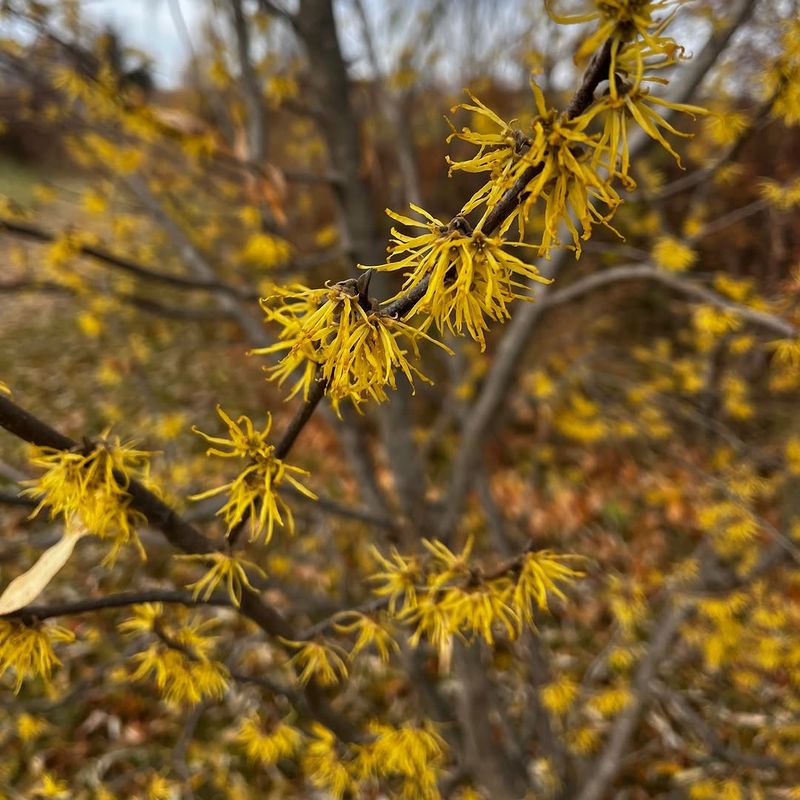
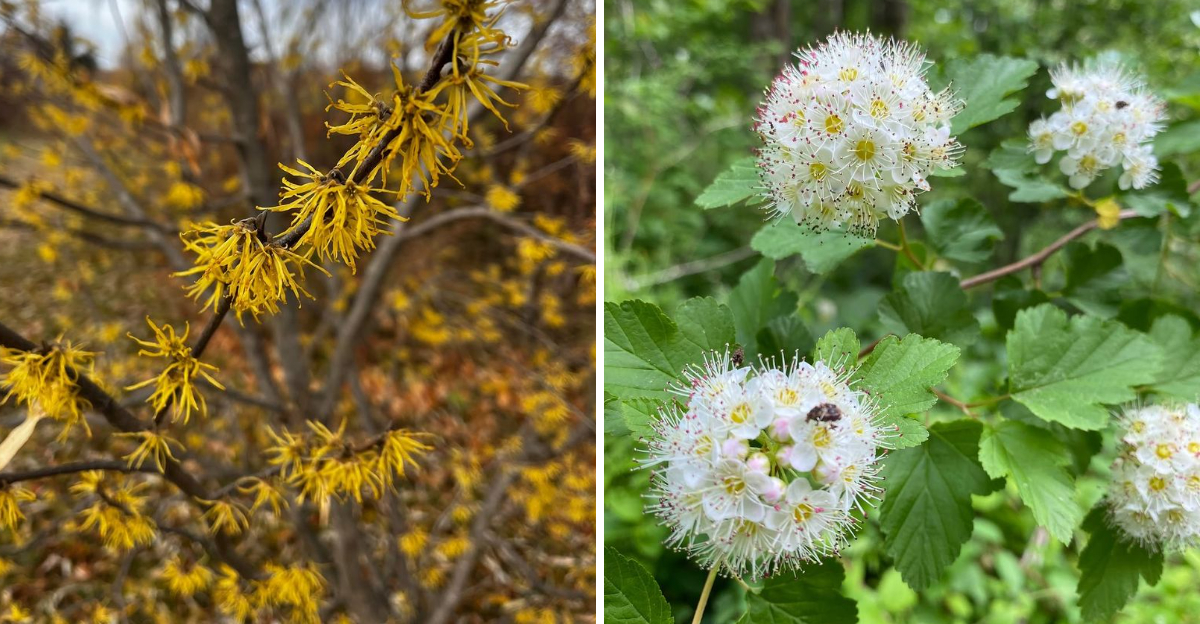
Witch Hazel might just be the most surprising plant on this list. While every other shrub in your yard is going dormant for winter, Witch Hazel is just getting started.
Its spidery, ribbon-like yellow flowers burst open in late fall and even into December, filling a quiet corner of the yard with unexpected color and a sweet, spicy fragrance.
Hamamelis virginiana is native to Pennsylvania woodlands and has been used for centuries. Early settlers learned from Indigenous peoples that the bark and leaves had medicinal properties, and witch hazel extract is still sold in pharmacies today.
Beyond its history, it is simply a fantastic landscape plant that most homeowners overlook. Along a fence line, Witch Hazel grows as a large, multi-stemmed shrub or small tree, typically reaching 10 to 20 feet tall with an equal spread.
The fall foliage turns a warm golden yellow before dropping to reveal those fascinating late-season blooms. Birds and small mammals use the dense branching for shelter through winter.
Witch Hazel thrives in partial shade, which makes it ideal for fence lines that get filtered light or sit near taller trees. It prefers moist, well-drained, slightly acidic soil and is very tolerant of Pennsylvania’s clay soils once established.
It grows slowly but steadily, so patience pays off. For gardeners who want something truly different that sparks conversation every November, Witch Hazel delivers a one-of-a-kind seasonal performance that no crape myrtle can match.
5. Ninebark
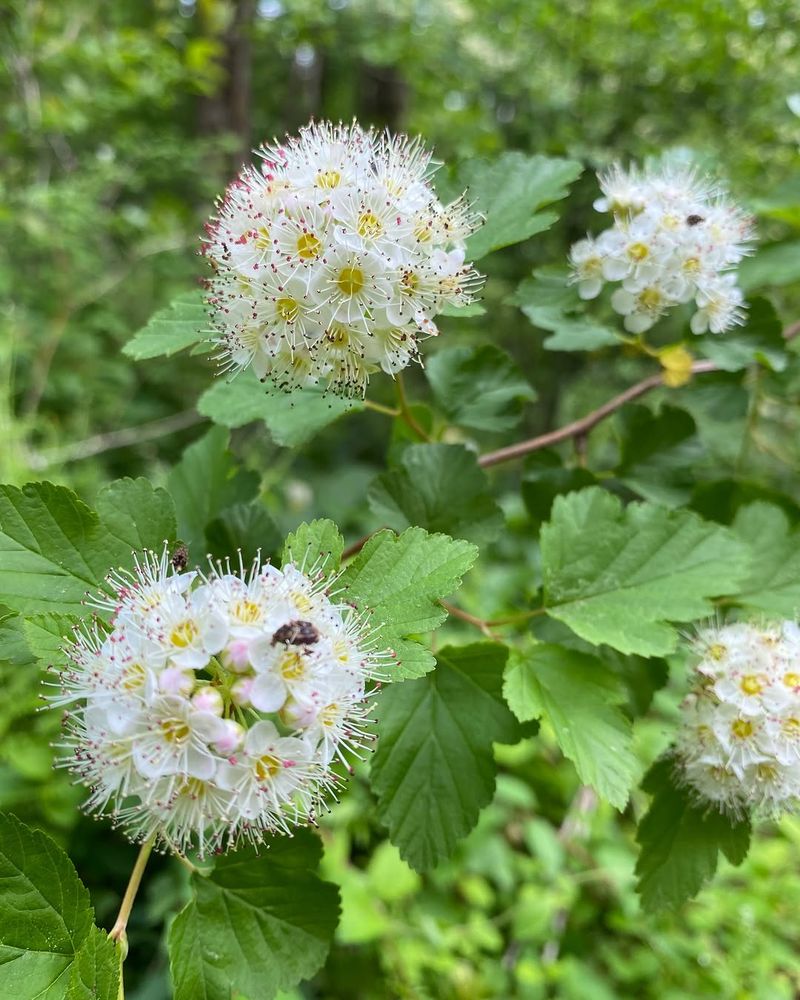
Ninebark is the workhorse of Pennsylvania native shrubs. It is tough, adaptable, and surprisingly beautiful, yet it never seems to demand much attention in return.
If you have a fence line with tricky soil or inconsistent moisture, Ninebark is the plant you want filling that space.
Physocarpus opulifolius gets its quirky name from the way its bark peels back in multiple papery layers, revealing cinnamon and tan tones underneath. In winter, when everything else is bare, that peeling bark adds genuine visual texture to the landscape.
Come late spring, the plant covers itself in clusters of small white or pale pink flowers that attract bees and butterflies in large numbers.
Modern cultivars like Diablo and Coppertina offer deep burgundy or orange-bronze foliage that holds its color all season long, making Ninebark one of the most versatile plants for creating bold, colorful borders.
The natural species has bright green leaves that turn yellow-orange in fall. Either way, the plant earns its spot every month of the year.
Ninebark grows 5 to 10 feet tall and wide depending on the variety, making it a solid choice for creating privacy along a fence or a defined edge along a driveway.
It tolerates full sun to part shade and handles both wet and dry soil conditions better than almost any other native shrub.
Pruning right after flowering keeps it tidy and encourages fresh, vigorous growth. For low-maintenance landscaping with real year-round appeal, Ninebark is a standout.
6. Virginia Sweetspire
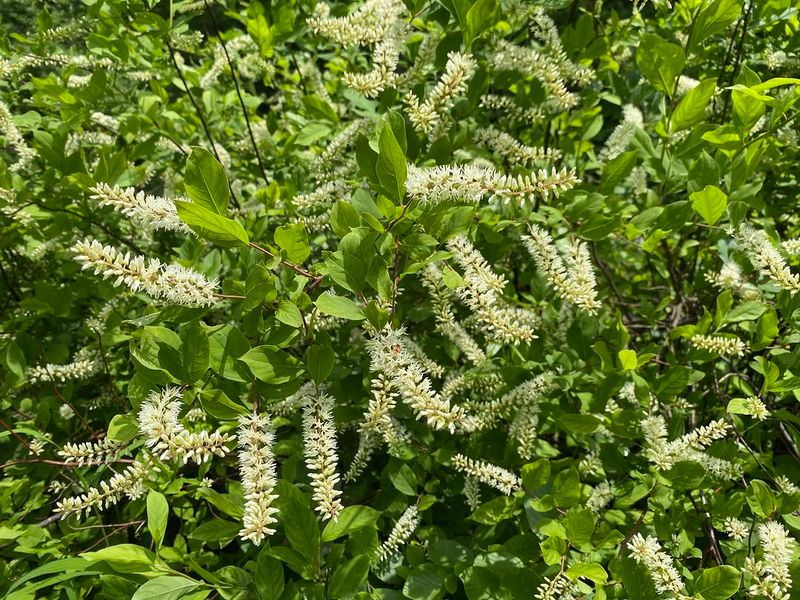
Walk past Virginia Sweetspire on a warm June morning and the fragrance will stop you in your tracks.
The long, arching clusters of white flowers smell genuinely sweet, almost like honey, and they attract an impressive variety of bees, butterflies, and hummingbirds. It is the kind of plant that makes your whole yard feel alive.
Itea virginica is a native shrub that grows naturally along stream banks and woodland edges across the eastern United States, including Pennsylvania.
That background tells you a lot about what it needs: moisture, some shade tolerance, and room to spread its graceful, arching stems. Along a fence line, it creates a soft, flowing texture that feels natural rather than stiff or formal.
Virginia Sweetspire typically grows 3 to 5 feet tall with a slightly wider spread, making it a good mid-size choice for layering in front of taller plants or using as a standalone border. The fall color is one of its greatest strengths.
The leaves turn shades of red, orange, and burgundy and hold on well into late fall, long after many other shrubs have gone bare.
One of the best things about Virginia Sweetspire is how flexible it is. It grows equally well in full sun or partial shade and handles wet soil conditions that would stress most other plants.
It spreads slowly by suckers to form a tidy colony, which is perfect for filling in fence lines without becoming invasive. For a fragrant, colorful, and genuinely low-effort native plant, Virginia Sweetspire earns a top spot in any Pennsylvania yard.
7. Arrowwood Viburnum
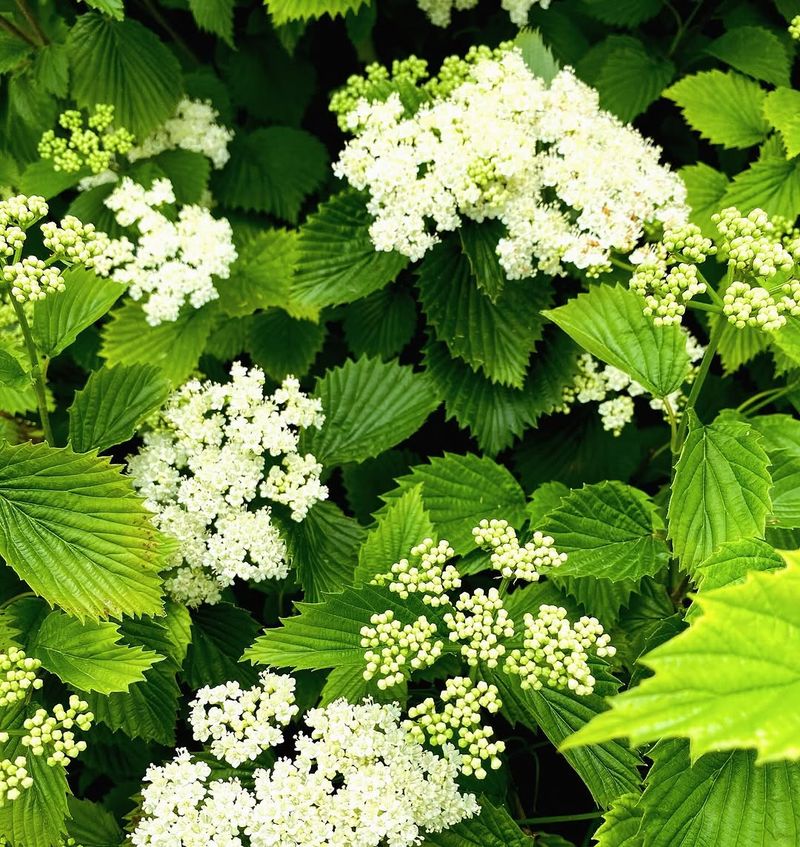
If wildlife value is high on your list, Arrowwood Viburnum belongs at the top of your planting plan. Few native shrubs pack as much ecological value into one plant.
The white flower clusters feed pollinators in late spring, the blue-black berries fuel migrating birds in fall, and the dense branching provides nesting cover for songbirds all season long.
Viburnum dentatum is a medium to large native shrub that grows naturally in Pennsylvania woodlands and along stream edges. It reaches 6 to 10 feet tall with an upright, rounded form that makes it a natural privacy screen along fence lines.
The glossy, toothed leaves are attractive all summer and turn shades of yellow, orange, red, and purple in fall, creating a multi-colored display that rivals many ornamental shrubs.
The common name Arrowwood comes from the fact that Indigenous peoples used the straight, strong stems to make arrow shafts.
That history is a reminder of how deeply this plant is woven into the landscape and culture of the eastern United States. It is a plant with genuine roots in this region.
Arrowwood Viburnum grows in full sun to partial shade and tolerates a wide range of soil types, including the clay-heavy soils common across much of Pennsylvania.
It handles both dry and moist conditions once established, which makes it very forgiving for homeowners who do not always have time to water.
Planting two or more varieties near each other improves berry production significantly. For a natural, wildlife-friendly border that looks great all year, Arrowwood Viburnum is a clear winner.