7 Veggies To Sow In Pennsylvania Before June Ends And Harvest In Just Weeks
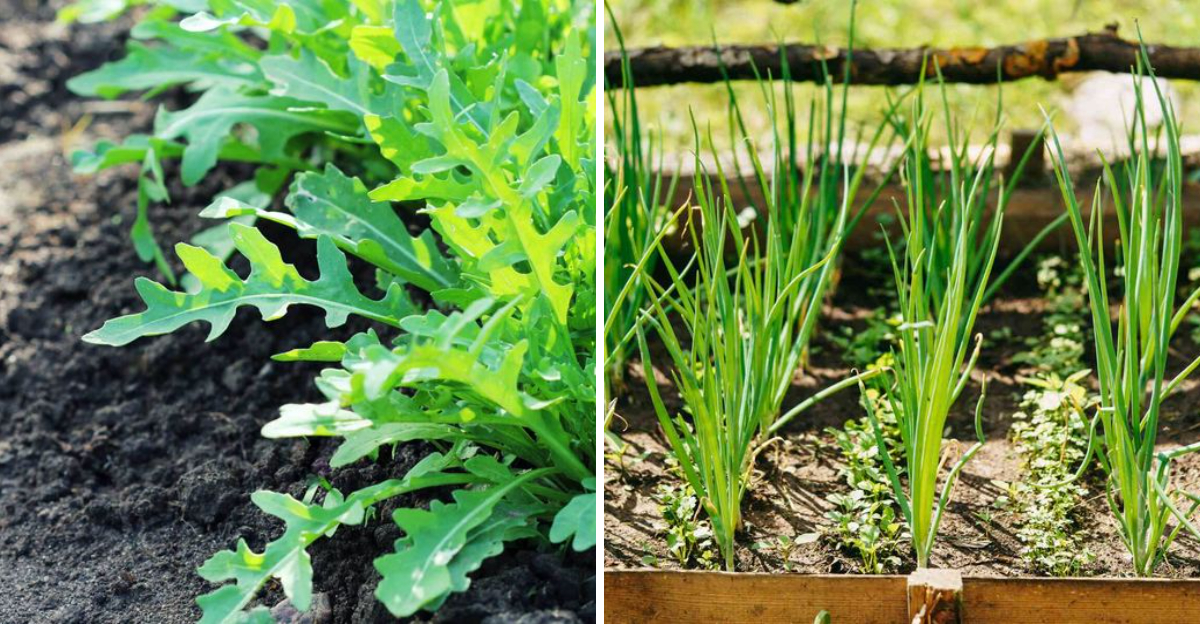
June is not over yet, and your Pennsylvania garden still has plenty of potential left in it. A lot of gardeners assume that once summer hits, the planting window has closed and the best they can do is maintain what’s already in the ground.
But that thinking is leaving a lot of fresh homegrown vegetables on the table. There are vegetables you can sow right now and have ready to harvest in just a matter of weeks.
We’re not talking about a long drawn out growing season either. Some of these crops go from seed to table incredibly fast, making them perfect for a late June planting.
You still have enough warm weather ahead to get a genuinely rewarding harvest before the season winds down. The key is knowing which vegetables actually work on this timeline.
Not everything is a good fit for a late start, but the ones that are will surprise you with how quickly they deliver.
1. Radishes
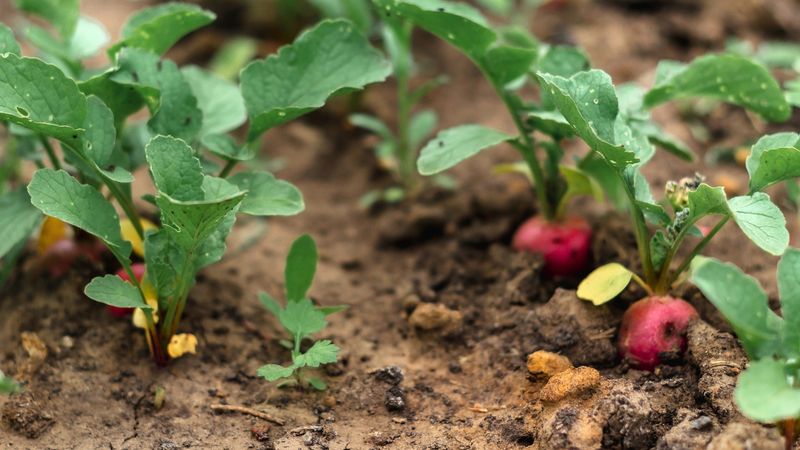
If patience is not your strong suit, radishes are about to become your new best friend in the garden.
These little roots grow so fast that you can go from seed to snack in as little as three to four weeks. That is faster than most people finish a good book.
Radishes are one of the easiest vegetables to grow, making them a fantastic choice for beginners and experienced gardeners alike. You simply sow the seeds about half an inch deep directly into the soil, water them regularly, and watch them take off.
They do not need a lot of room either, so small raised beds, window boxes, or even shallow containers work perfectly fine.
Sowing in late June in Pennsylvania works well because radishes actually prefer a little warmth to get started. Just make sure they get consistent moisture.
Dry soil can make them taste bitter or become tough and woody inside. Aim to water them evenly and keep the soil from drying out completely between waterings.
Fun fact: radishes were one of the first European vegetables brought to the Americas by explorers in the 1500s. They have been a garden staple ever since.
You can find them in red, white, purple, and even black varieties, each with its own flavor profile.
Harvest them when they reach about one inch in diameter. Leave them in the ground too long and they will get pithy and lose their satisfying crunch.
Pull a few, rinse them off, and enjoy them sliced fresh in salads or with a little butter and salt on the side.
2. Baby Leaf Lettuce
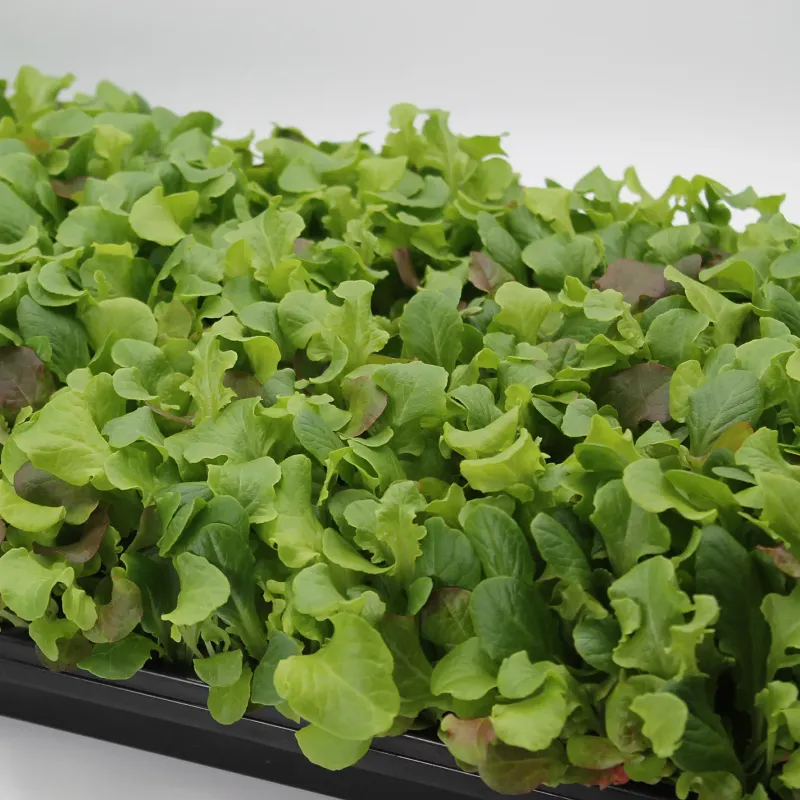
There is something almost magical about stepping outside, snipping a handful of fresh lettuce leaves, and tossing them into a salad bowl minutes later.
Baby leaf lettuce makes that kind of garden-to-table experience totally possible, even when you are starting in late June.
Most baby lettuce varieties are ready to harvest in just three to five weeks from sowing. You do not even have to wait for full heads to form.
Your Pennsylvania Garden Changes Every Week. Your Plan Should Too.
Gardening in Pennsylvania changes quickly throughout the season. Every Friday you’ll receive a simple weekly plan showing exactly what to plant, prune, fertilize, harvest, and protect so you never miss the right timing.
Once the leaves reach about three to four inches tall, you can start cutting them with scissors. The plant will keep growing new leaves from the center, giving you multiple harvests from a single sowing.
This technique is called cut-and-come-again harvesting, and it is one of the best tricks for keeping fresh greens on your table all summer long.
Sow a new small patch every ten days or so, and you will have a continuous supply of tender, flavorful leaves throughout the warmer months.
Lettuce prefers a bit of shade during the hottest parts of the day. In June, the sun can be intense, so try planting it near taller crops or under a light shade cloth. This helps prevent the leaves from turning bitter too quickly, a process called bolting.
Water your lettuce regularly and keep the soil evenly moist. Sandy or loamy soil with good drainage works best.
Mix in some compost before sowing to give the seedlings a rich, nourishing start. With just a little attention, baby lettuce will reward you with crisp, colorful, incredibly fresh greens that store-bought bags simply cannot match.
3. Arugula
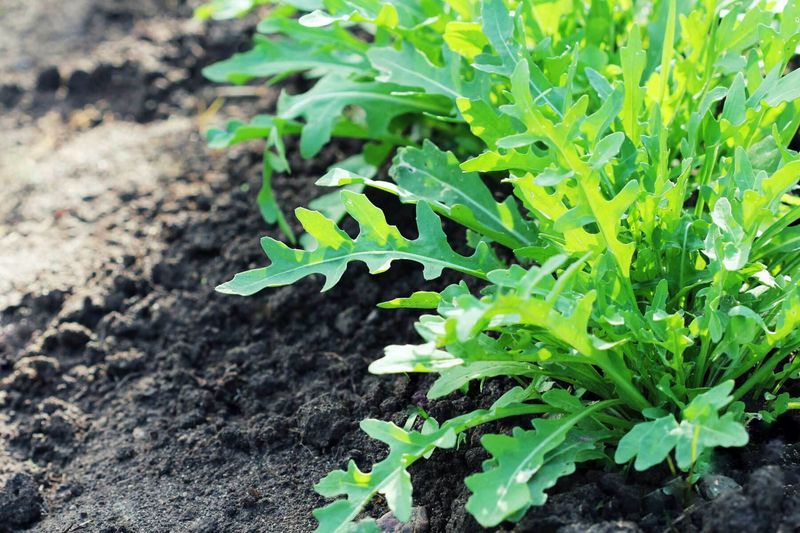
Arugula has a bold, peppery kick that makes it stand out from other salad greens. If you have only ever tasted it from a grocery store bag, growing it fresh in your own garden is a completely different experience.
The flavor is sharper, more vibrant, and honestly a little addictive. The good news is that arugula grows incredibly fast. You can expect to harvest tender leaves in just three to four weeks after sowing.
Scatter the seeds directly onto prepared soil, press them in lightly, and water gently. Germination usually happens within a week, and growth takes off quickly from there.
One of arugula’s best qualities is its tolerance for partial shade. In the heat of late June, a spot that gets morning sun but afternoon shade will keep your arugula from bolting too quickly.
Bolting happens when a plant shifts its energy toward producing flowers and seeds instead of leaves, which makes the greens taste more bitter.
Keep the soil consistently moist but not soggy. Arugula roots are shallow, so they dry out faster than deeper-rooted plants.
A light layer of mulch around the base of your plants can help lock in moisture and keep the soil temperature a bit cooler during hot summer days.
Did you know arugula has been eaten since ancient Roman times? Romans prized it not just for flavor but also for its supposed health benefits.
Today, it is packed with vitamins A, C, and K, making it as nutritious as it is tasty. Toss it fresh into pasta, layer it on sandwiches, or use it as a pizza topping straight out of the oven.
4. Spinach
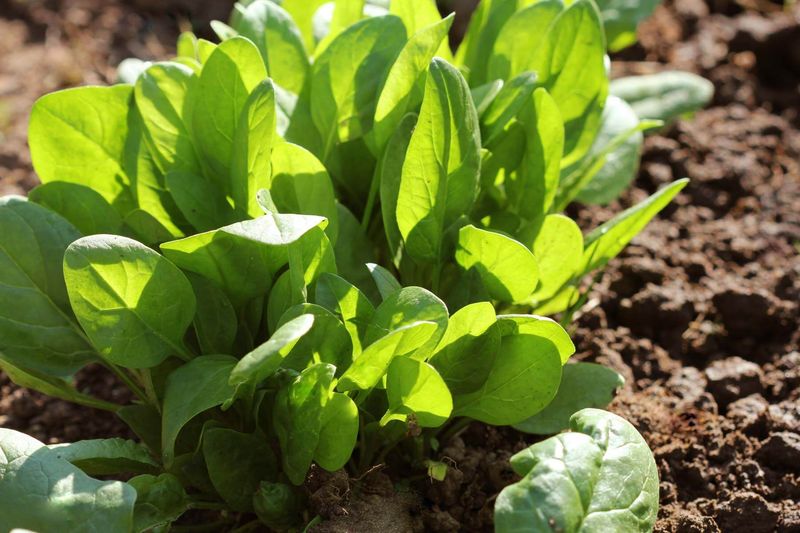
Spinach has a reputation for being a cool-weather crop, but do not let that scare you away from planting it in June.
With a little strategic thinking, you can absolutely grow a successful spinach crop during the summer months and harvest baby leaves in as little as four to six weeks.
The key to growing spinach in warm weather is choosing the right spot. Look for an area in your garden that gets shade during the hottest part of the afternoon.
The north side of a fence, under a trellis, or alongside taller plants like tomatoes or corn can create the cooler microclimate spinach needs to thrive without bolting too fast.
Choose heat-tolerant spinach varieties like Bloomsdale Long Standing or Tyee. These are specifically bred to handle warmer temperatures better than standard varieties.
Sow seeds about half an inch deep and one inch apart, then thin the seedlings once they are a couple of inches tall to give each plant enough room to grow properly. Water spinach consistently and deeply. The soil should stay moist but never waterlogged.
Adding a generous layer of organic mulch around your plants will help regulate soil temperature and reduce how often you need to water during hot spells.
Baby spinach leaves are best harvested when they are young and tender, usually around four to five inches long. At that stage, they are sweet, mild, and perfect for smoothies, salads, or quick sautes.
Harvest outer leaves first and leave the inner growth to keep producing. Spinach is also loaded with iron, calcium, and antioxidants, making every bite genuinely worth the effort.
5. Green Onions
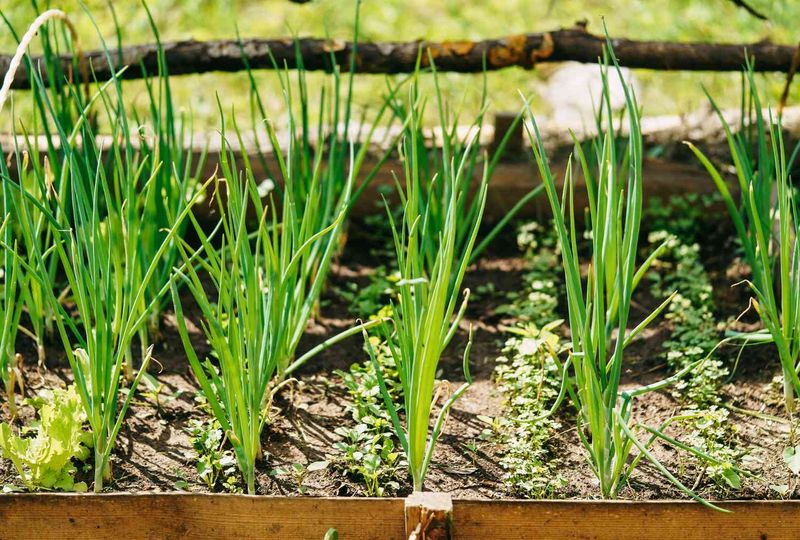
Green onions might just be the most underrated vegetable you can grow in a summer Pennsylvania garden. They take up almost no space, need very little attention, and deliver a crisp, mild onion flavor that works in just about every dish you can think of.
Soups, stir-fries, tacos, salads, grilled meats: green onions make everything taste better. When you sow scallion seeds in late June, you can start snipping tender green tops in as little as three to five weeks. You do not even need to pull the whole plant.
Just cut the green portion about an inch above the soil line, and the plant will regrow from the base. This makes green onions one of the most efficient crops for small-space gardeners.
They are also incredibly versatile in terms of where they can grow. A six-inch-deep container on a balcony works just as well as a row in a raised bed.
Plant seeds about a quarter inch deep and about one inch apart. They are not fussy about soil type, but they do appreciate good drainage and consistent moisture.
Green onions prefer full sun but will manage well in partial shade too. In very hot weather, a little afternoon shade actually helps them stay tender and flavorful longer.
Avoid overwatering, as soggy soil can cause the roots to rot before the plants get a chance to mature.
Here is a fun growing tip: you can also regrow green onions from grocery store scraps. Just place the white root ends in a glass of water on a sunny windowsill, and new green growth will appear within days.
It is one of the simplest and most satisfying garden experiments you can try at any age.
6. Bush Beans
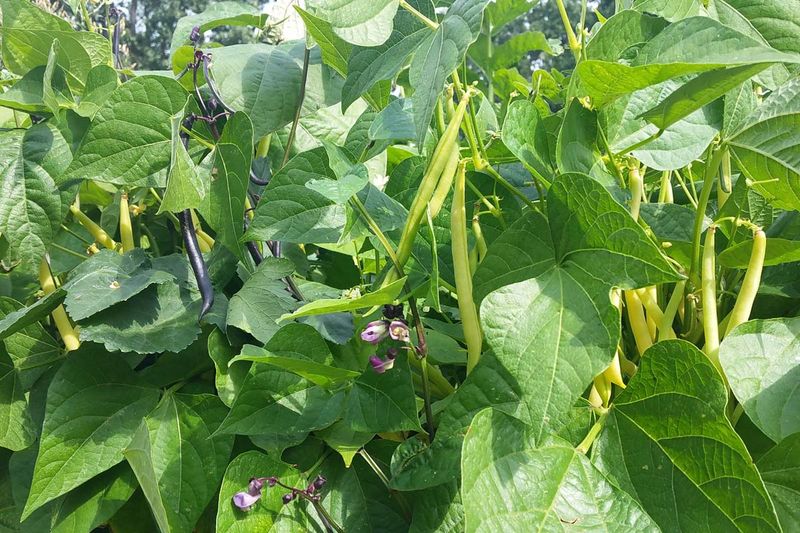
Few things beat the satisfaction of snapping a fresh green bean right off the plant and eating it on the spot. Bush beans are warm-weather lovers, and late June is honestly one of the best times to get them in the ground.
They germinate fast, grow without needing any staking or support, and produce a generous harvest in just five to six weeks.
Unlike pole beans, bush beans stay compact and low to the ground, usually topping out at about two feet tall. This makes them ideal for garden beds, raised planters, and even large containers.
Sow seeds directly into the soil about one inch deep and three to four inches apart. Skip starting them indoors because bean roots do not like being disturbed during transplanting.
Bush beans are heat-tolerant, which makes them a natural fit for June planting. They love full sun and warm soil, so choose the sunniest spot in your garden for the best results.
Water at the base of the plants rather than overhead to reduce the risk of fungal issues on the leaves and pods.
To stretch your harvest season, try sowing a new batch of seeds every two weeks through July.
This practice is called succession planting, and it ensures you always have fresh beans coming in rather than one giant glut all at once. Most bush bean varieties produce heavily for about two to three weeks before tapering off.
Popular varieties like Provider, Contender, and Blue Lake are known for their reliability and flavor. Bush beans are also nitrogen fixers, meaning their roots actually improve the soil for future crops. That is a pretty impressive bonus for such an easy-to-grow vegetable.
7. Baby Bok Choy
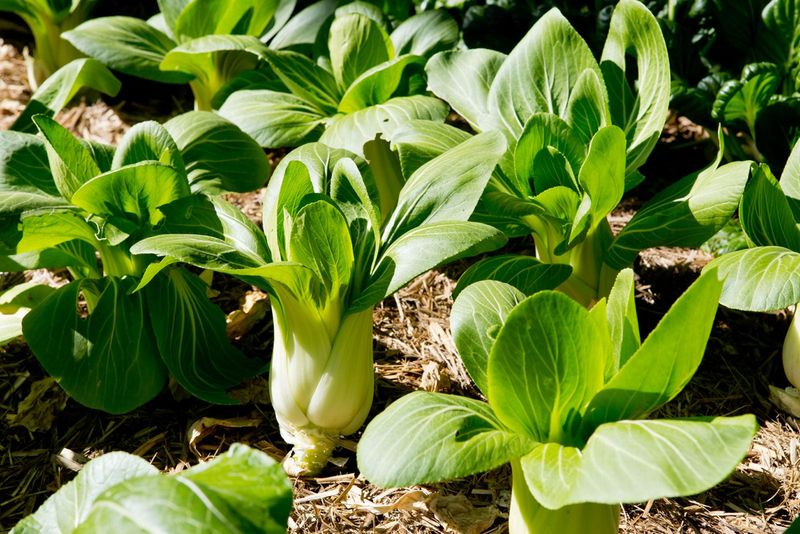
Baby bok choy is one of those vegetables that looks impressive on a plate but is surprisingly simple to grow at home. With its crisp white stalks and glossy dark green leaves, it adds both beauty and nutrition to any meal.
Stir-fried, steamed, roasted, or eaten fresh in salads, baby bok choy is wonderfully versatile in the kitchen.
Even though bok choy is technically a cool-season crop, baby varieties mature so quickly that you can sneak in a late June planting and still get a great harvest in four to six weeks.
The trick is to choose a spot with partial afternoon shade to protect the plants from intense summer heat.
Direct sunlight all day long can cause the leaves to wilt and the plant to bolt before it reaches a harvestable size.
Sow seeds about a quarter inch deep and two inches apart. Once seedlings are about two inches tall, thin them to about six inches apart so each plant has room to form a proper head.
Baby bok choy does not need a lot of space, making it a great option for containers, window boxes, or the edges of a larger garden bed.
Keep the soil consistently moist and add a balanced fertilizer once after thinning to encourage steady, healthy growth. Bok choy is a heavy feeder compared to some other quick-growing greens, so a little extra nutrition goes a long way.
Harvest baby bok choy when the heads are about four to six inches tall. At that stage, the stalks are tender and the leaves are at their most flavorful.
Cut the whole plant at the base, rinse it off, and it is ready to cook or eat raw within minutes of leaving the garden.