The Self-Sufficient Native Shrub That Makes Kentucky Driveways Look Professionally Landscaped
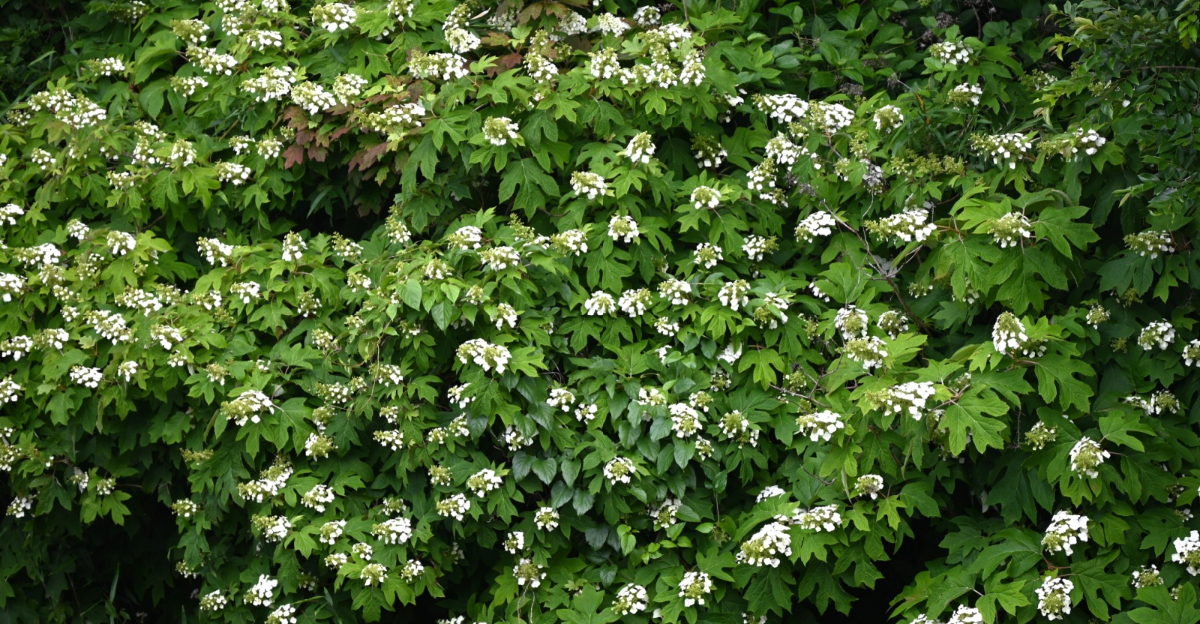
Forget expensive landscaping crews. Kentucky homeowners have a secret growing right in their own backyard.
This native shrub is built for the Bluegrass State, and it transforms driveways from plain to stunning without draining your wallet. This bold, four-season beauty earns its place through sheer performance.
In spring and summer, massive white blooms command attention from the road. Come fall, its foliage shifts into deep crimson and burgundy tones that stop neighbors in their tracks.
Even in winter, the peeling copper bark adds texture and visual interest when everything else goes bare.
It handles heat, tolerates shade, and asks for very little once settled into the ground. No standing over it with a watering can like it’s on life support. Give it one Kentucky summer. You’ll wonder why you waited so long.
Why It Is Truly Kentucky Native
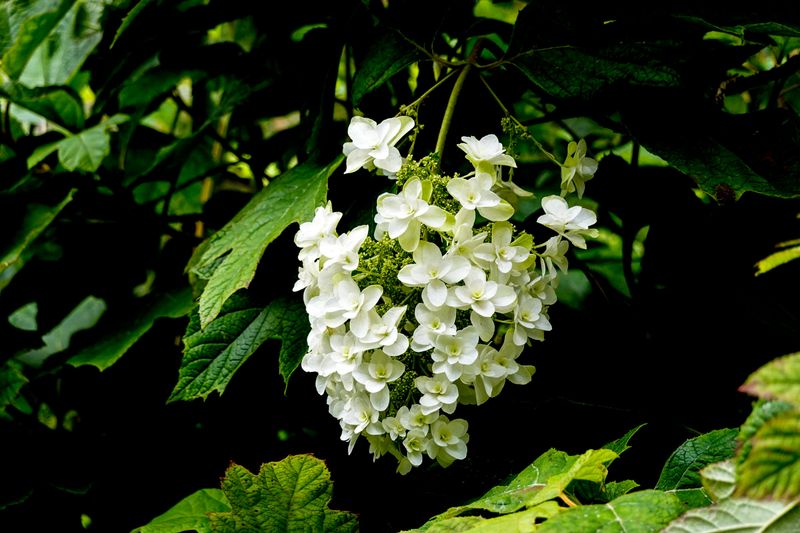
Oakleaf hydrangea has been growing across the southeastern United States long before anyone thought to plant it on purpose.
This shrub, known scientifically as Hydrangea quercifolia, is native to a wide swath of the region that includes Kentucky’s forests, creek banks, and shaded slopes.
That deep-rooted history means this plant already knows how to handle what Kentucky throws at it.
Summer humidity, clay-heavy soil, and unpredictable spring weather are no problem for a plant that evolved right alongside these conditions.
Unlike imported ornamental shrubs that struggle to adapt, oakleaf hydrangea is already home.
It does not need coaxing, babying, or special soil amendments to settle in and look stunning.
Gardeners who have spent years fighting imported plants often describe switching to native shrubs as a genuine relief.
Once you plant something that belongs here, the whole relationship between you and your yard changes.
You stop fighting nature and start working with it instead. Local wildlife also recognizes this plant as one of their own.
Native bees, butterflies, and small birds are drawn to oakleaf hydrangea in ways they simply are not drawn to foreign ornamentals.
Planting it feels less like decorating your yard and more like restoring a small piece of what this land once looked like.
That sense of place is something no imported shrub can replicate. Kentucky has a rich native plant heritage, and this shrub sits right at the heart of it. Choosing it for your driveway is not just a landscaping decision, it is a homecoming.
Why Driveways Are The Perfect Spot
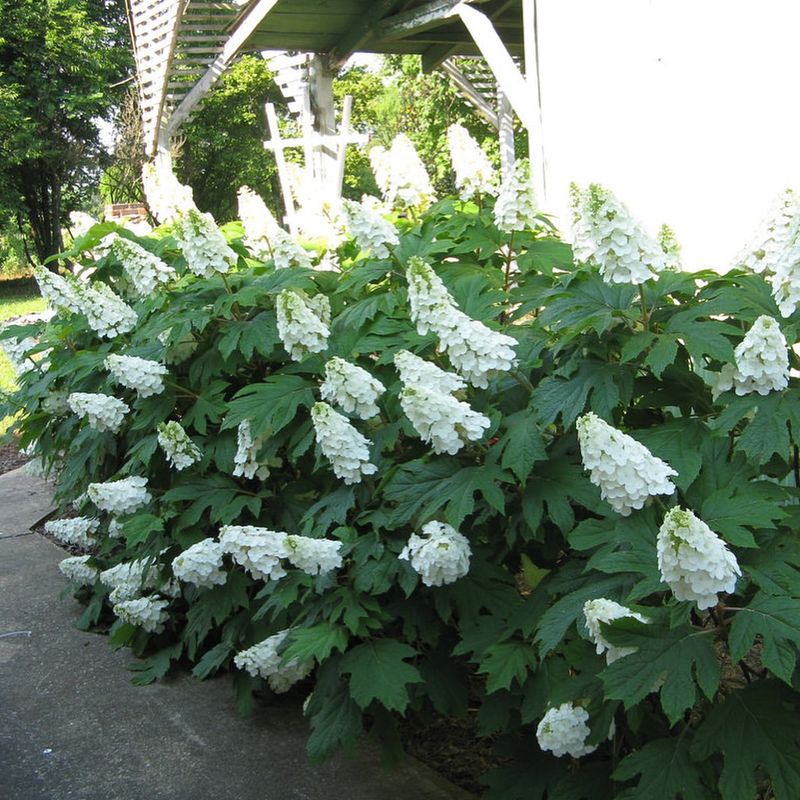
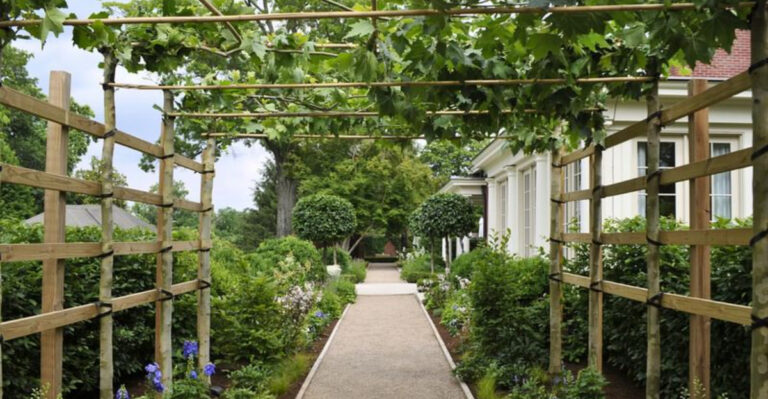
Picture pulling into your driveway and being greeted by two rows of lush, flowering shrubs that look like something out of a Southern garden magazine. That is exactly what oakleaf hydrangea can do when planted along a driveway edge.
Few other native shrubs create that kind of instant, dramatic impact. Driveways are often overlooked as landscaping opportunities.
Most homeowners focus on the front door or the lawn, leaving the driveway borders bare or filled with scraggly mulch.
Oakleaf hydrangea turns that neglected strip of ground into a genuine showpiece. The shrub grows in a naturally rounded, layered shape that looks tidy without constant pruning.
Your Kentucky Garden Changes Every Week. Your Plan Should Too.
Gardening in Kentucky changes quickly throughout the season. Every Friday you’ll receive a simple weekly plan showing exactly what to plant, prune, fertilize, harvest, and protect so you never miss the right timing.
It reaches about four to six feet tall and wide at maturity, which is just the right scale to frame a standard residential driveway without blocking sightlines.
That natural structure means you get a polished look without spending every weekend with hedge trimmers in your hand.
Driveway borders also tend to get partial shade from the house or nearby trees, which suits this shrub perfectly. Oakleaf hydrangea actually prefers a spot where it gets morning sun and afternoon shade.
That light pattern is almost exactly what most driveway borders offer, making the match nearly ideal. There is also a practical benefit that often gets overlooked.
The shrub’s dense growth creates a soft visual barrier between your driveway and the neighboring lawn.
That gentle separation gives your whole property a more intentional, professionally designed appearance without hiring anyone to achieve it.
Four Seasons Of Stunning Visual Appeal
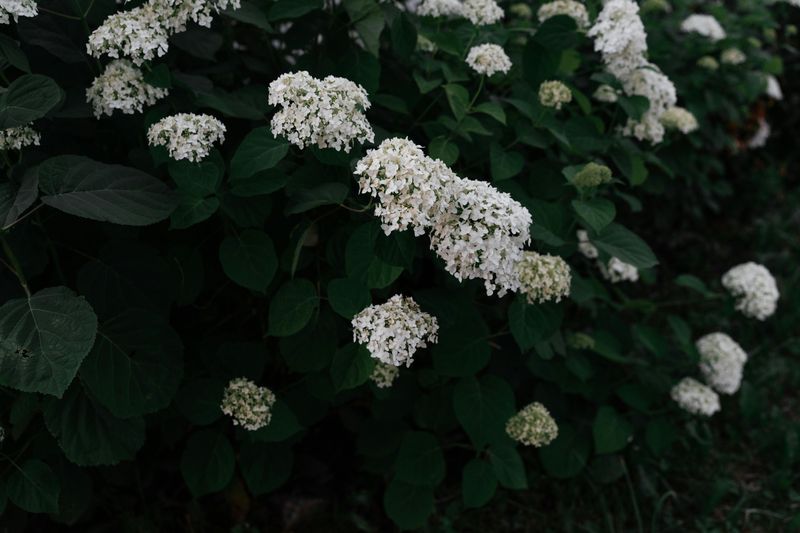
Most flowering shrubs give you one good month and then fade into the background. Oakleaf hydrangea refuses to be a one-trick wonder.
This shrub puts on a show from the first warm days of spring straight through the coldest weeks of winter. Spring brings fresh, deeply lobed leaves that look almost prehistoric in their texture and size.
Those leaves are what give the plant its name, since they closely resemble the shape of an oak leaf.
By late spring, the first flower clusters begin to emerge as tight, creamy green buds that slowly unfurl into large white cone-shaped blooms. Summer is when the drama really builds.
On mature plants, the blooms can reach up to twelve inches long. Combined with the bold foliage, the shrub looks like it was designed by a professional landscaper working with an unlimited budget.
Autumn transforms the whole picture. The leaves shift from green to deep burgundy, orange, and bronze, rivaling the best fall color trees in the region.
At the same time, the spent flower heads turn a warm parchment brown that adds texture and visual interest even as other plants go dormant.
Winter reveals one final surprise that most people never expect from a flowering shrub. The cinnamon-colored, peeling bark becomes the star of the show once the leaves drop.
That rich, textured bark makes oakleaf hydrangea a genuinely beautiful plant in every single season, which is a rare and valuable quality in any landscape.
The Truth About Its Low Maintenance
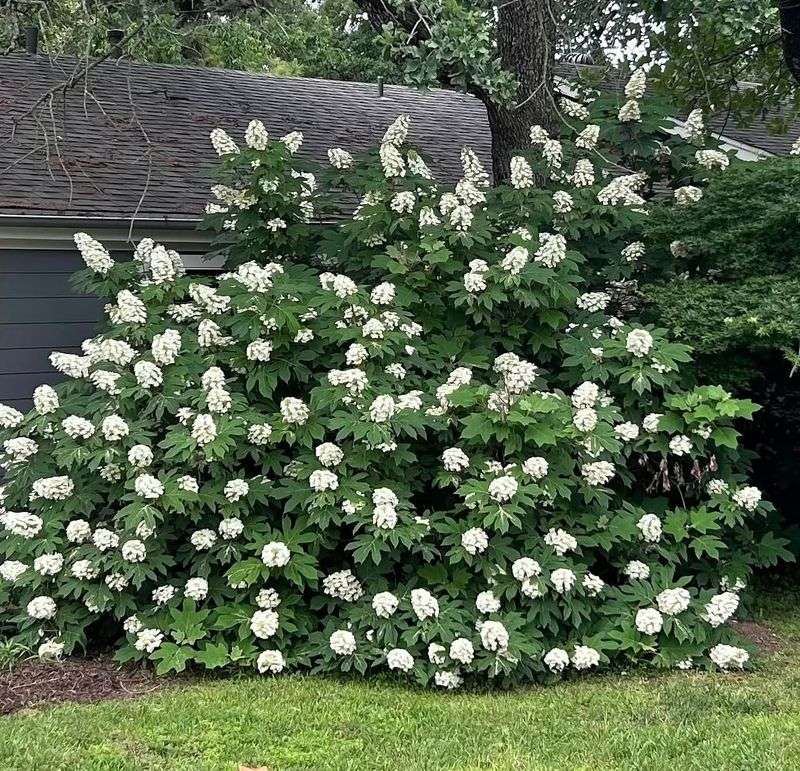
Forget everything you have been told about hydrangeas being fussy and demanding. Oakleaf hydrangea is the exception to every rule you have heard about this plant family.
Once it gets established, it essentially takes care of itself with very little help from you. Watering is the one area where new plants need some attention during their first growing season.
Giving the shrub a deep soak once or twice a week through its first summer helps it build a strong root system.
After that first year, natural rainfall in Kentucky is usually enough to keep it healthy and thriving. Fertilizing is optional at best. This shrub evolved in lean forest soils and does not need or want heavy feeding.
A light layer of compost around the base in early spring is all the nutrition it typically needs to produce those magnificent blooms. Pruning is where most homeowners overthink things.
Oakleaf hydrangea blooms on old wood, meaning the flower buds form the previous summer.
If you prune in fall or early spring, you will cut off next season’s blooms before they ever open, so the best approach is to leave it alone after flowering or do a light cleanup immediately after the blooms fade.
Pests and diseases rarely bother this tough native shrub. Its natural resistance to common landscape problems means fewer trips to the garden center for sprays and treatments.
For busy homeowners who want a beautiful yard without a packed maintenance schedule, oakleaf hydrangea feels like a genuine gift.
One thing worth knowing before you plant: like many plants in the hydrangea family, this shrub is mildly toxic to dogs, cats, and horses if ingested.
It is not considered highly dangerous, but pet owners should keep that in mind when choosing a planting spot near areas where animals roam freely.
Best Time Of Year To Plant
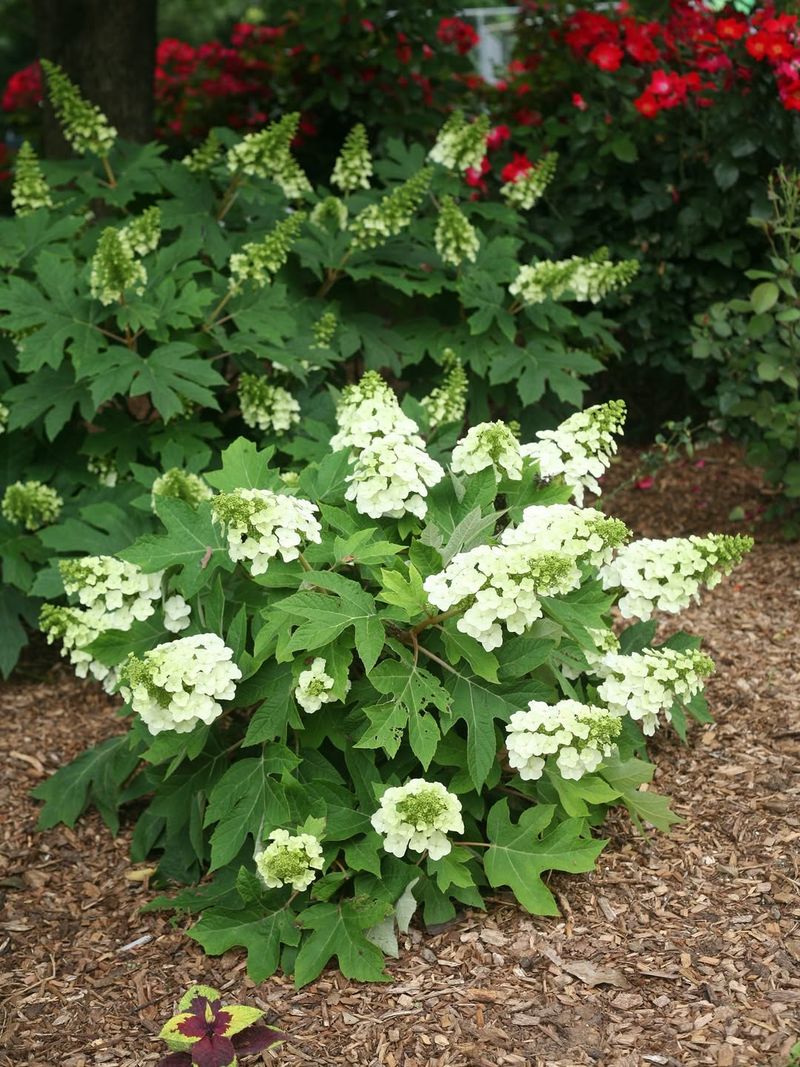
Timing a planting correctly can mean the difference between a shrub that thrives and one that struggles through its first year.
Fortunately, oakleaf hydrangea is forgiving about when you put it in the ground, though some seasons do give it a better head start than others.
Knowing the window makes the whole process smoother and more rewarding. Early fall is one of the best times to plant this shrub in Kentucky.
Soil temperatures are still warm enough to encourage root growth, but the brutal summer heat has passed.
The cooler air reduces stress on the plant while the roots quietly establish themselves before winter sets in.
Spring planting is the second-best option and works well for most homeowners.
Aim for after the last frost but before the temperatures start climbing into the high eighties.
That window of mild, moist weather gives the shrub a solid foundation before summer heat arrives. Summer planting is possible but requires more effort on your part.
You will need to water consistently and may want to add a thick layer of mulch around the base to hold moisture in the soil.
With extra attention, summer-planted shrubs can succeed, but they demand more from the gardener in those first critical weeks.
Container-grown plants from a nursery can go in the ground almost any time the soil is workable.
The key is always to water thoroughly at planting and keep the root zone consistently moist for the first several weeks.
Get the timing right, and this shrub will reward you with a spectacular first-year performance that builds your confidence as a gardener.
Spacing And Positioning For Curb Appeal
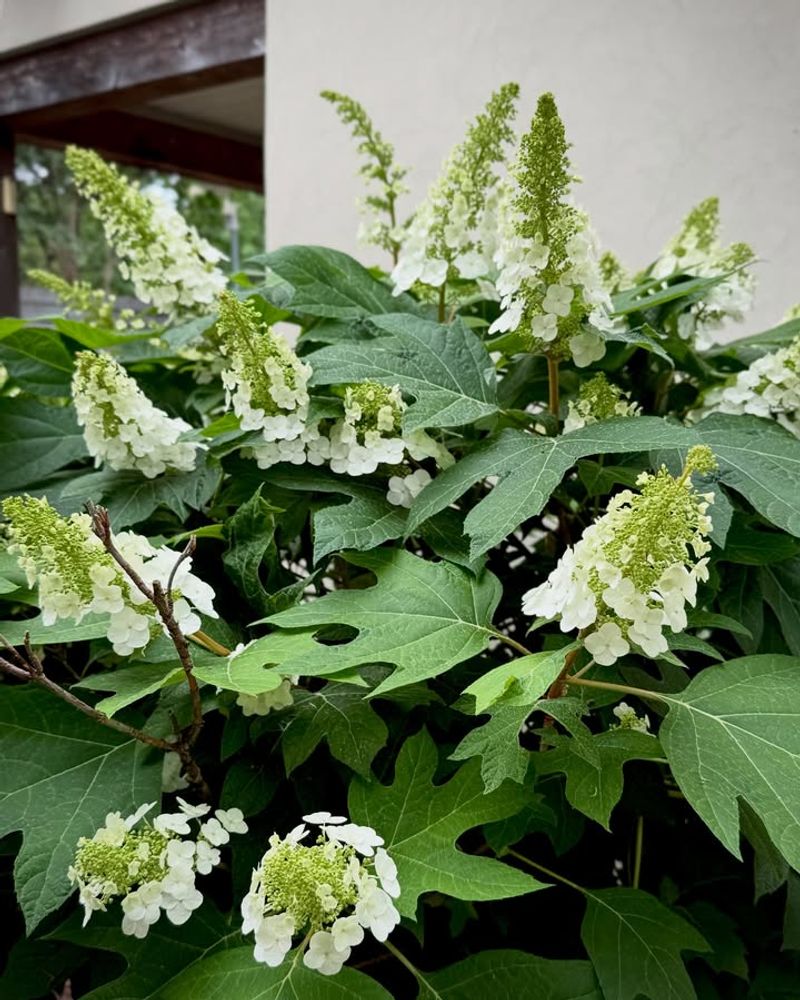
Spacing mistakes are the number one reason a driveway planting ends up looking crowded, messy, or just plain wrong.
Oakleaf hydrangea is a shrub that needs room to breathe and spread into its full natural shape.
Giving it that space upfront is one of the smartest things you can do for long-term curb appeal. Plant each shrub about five to six feet apart when lining a driveway.
That spacing allows the plants to eventually grow together into a soft, continuous hedge-like border without crowding each other.
At first the gaps may look wide, but within three to four years the plants will fill in beautifully and create that lush, layered look you are after. Positioning relative to the driveway edge also matters.
Set each plant at least three feet back from the pavement to allow for mature spread without branches hanging over the driving surface.
That small buffer also makes it easier to walk between the shrubs and the driveway without brushing against wet foliage on rainy mornings. Think about sun exposure when choosing which side of the driveway to plant.
The east-facing side typically gets ideal morning sun and afternoon shade, which matches this shrub’s preferences almost perfectly.
If both sides of your driveway get similar light, either side works well and the plants will adapt.
Pairing oakleaf hydrangea with lower-growing native groundcovers at its feet adds another layer of polish to the overall design.
Plants like native ginger or wild blue phlox fill in the lower space and make the whole border look intentional and complete.
The right spacing and positioning transforms a simple shrub planting into something that genuinely looks like professional landscaping work.
Common Planting Mistakes To Avoid
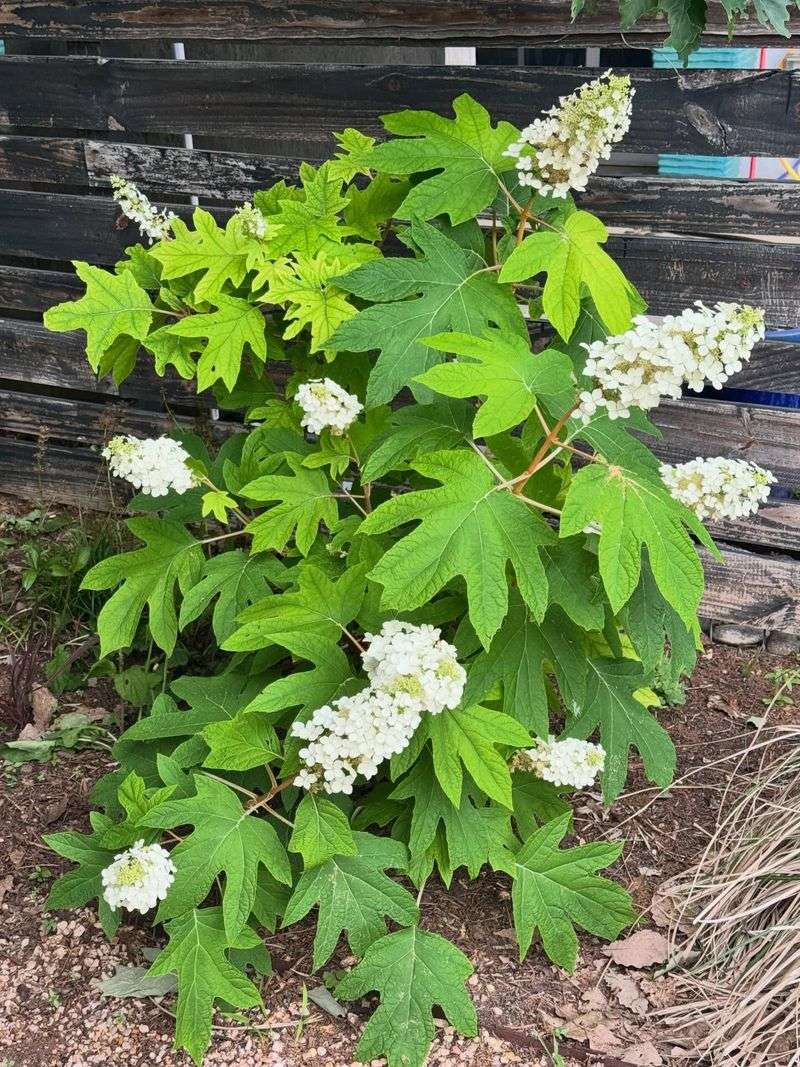
Even the toughest native shrub can struggle when it is planted the wrong way. Oakleaf hydrangea is resilient, but a handful of common mistakes can slow its establishment and dull its performance in those first critical seasons.
Avoiding these missteps sets the plant up for the kind of success that makes neighbors ask who did your landscaping.
Planting too deep is the most frequent error homeowners make. The top of the root ball should sit level with or just slightly above the surrounding soil surface.
Burying it too low traps moisture around the crown and can lead to rot, which is one of the few things that genuinely threatens this otherwise sturdy shrub.
Skipping mulch is another mistake that costs the plant dearly in its first year. A two-to-three-inch layer of organic mulch around the base helps regulate soil temperature, hold moisture, and suppress weeds.
Keep the mulch a few inches away from the main stem to allow for good airflow at the base of the plant. Planting in full, all-day sun is a setup for disappointment.
Oakleaf hydrangea can handle morning sun beautifully, but harsh afternoon sun in a Kentucky summer will scorch the leaves and stress the plant.
Choose a spot with afternoon shade and you will see the difference in leaf color and bloom quality almost immediately. Overwatering established plants is a trap that well-meaning gardeners fall into regularly.
Once oakleaf hydrangea has been in the ground for a full year, it rarely needs supplemental water except during extended dry spells. Trusting the plant to handle itself is often the best thing you can do for it.