This Toxic Texas Shrub Gets Less Attention Than A Copperhead
Texas has no shortage of things that can hurt you, and most of them get plenty of attention. Copperheads show up in every cautionary conversation about outdoor safety, and rightfully so.
But there is a native Texas shrub quietly growing in yards, along roadsides, and across the Hill Country that carries a level of toxicity most homeowners have no idea about, and it rarely comes up in the same breath as the dangers people actually warn each other about.
This plant is genuinely beautiful, which is part of why it gets planted without much question.
The purple blooms are striking, the seeds have a color that makes them look almost decorative, and the whole plant has a presence that earns it real admirers.
What does not come with the admiration is nearly enough awareness of what those seeds can do and how little it takes for the situation to become serious, especially with children and pets in the picture.
1. Texas Mountain Laurel Is Beautiful, Native, And Surprisingly Toxic
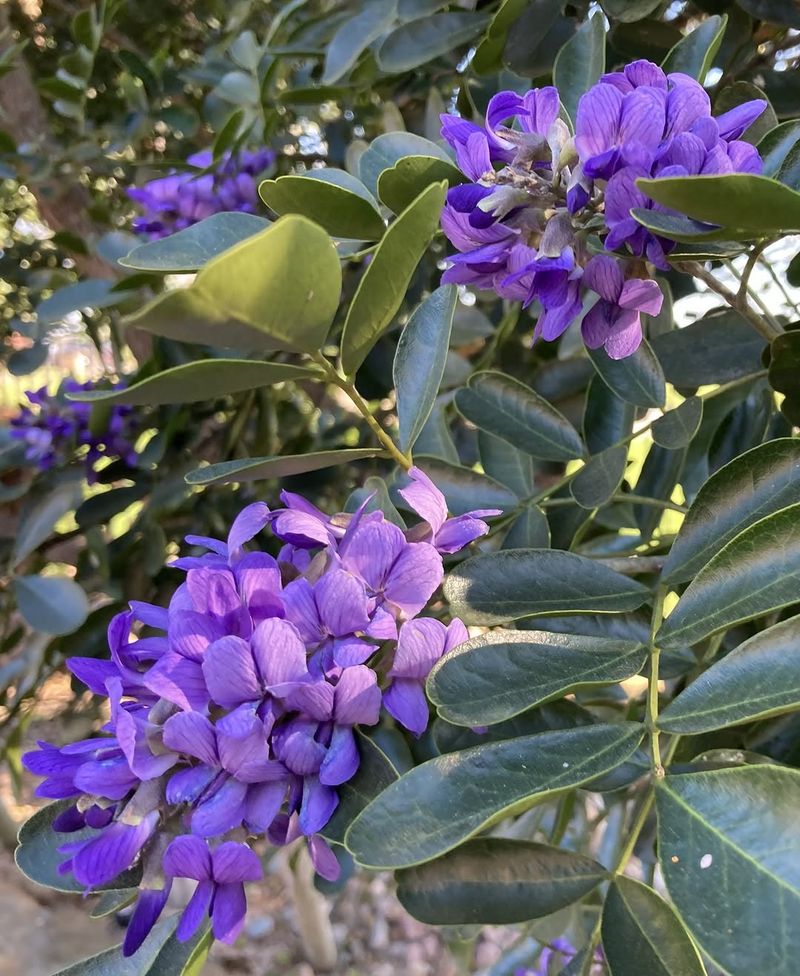
Walk through almost any Texas neighborhood in early spring, and you will likely smell it before you see it. That sweet, grape-soda scent drifting through the air comes from Texas Mountain Laurel, one of the most beloved native shrubs in the Lone Star State.
Gardeners plant it for its stunning purple flower clusters, its year-round green leaves, and its tough-as-nails attitude toward Texas heat.
Botanically known as Sophora secundiflora, this evergreen shrub is native to central and west Texas, as well as parts of New Mexico and Mexico. It grows naturally on rocky hillsides and along canyon walls, which tells you a lot about how well it handles tough conditions.
Many Texas homeowners plant it near driveways, front entries, and fences because it looks polished and requires very little fuss.
Here is the part that surprises most people. Tucked inside those beautiful seed pods are bright red seeds that contain a powerful toxic compound called cytisine.
This alkaloid affects the nervous system and can cause serious harm if swallowed. The plant has been used in traditional ceremonies for centuries, but that history does not make the seeds safe to handle carelessly.
Most Texans who plant it have no idea just how potent those seeds really are. The beauty of the blooms tends to steal all the attention, while the danger hiding in the seed pods goes almost completely unnoticed.
Knowing what you are growing in your yard is always the smart move, especially when children and pets are part of the picture.
2. The Seeds Are The Most Dangerous Part
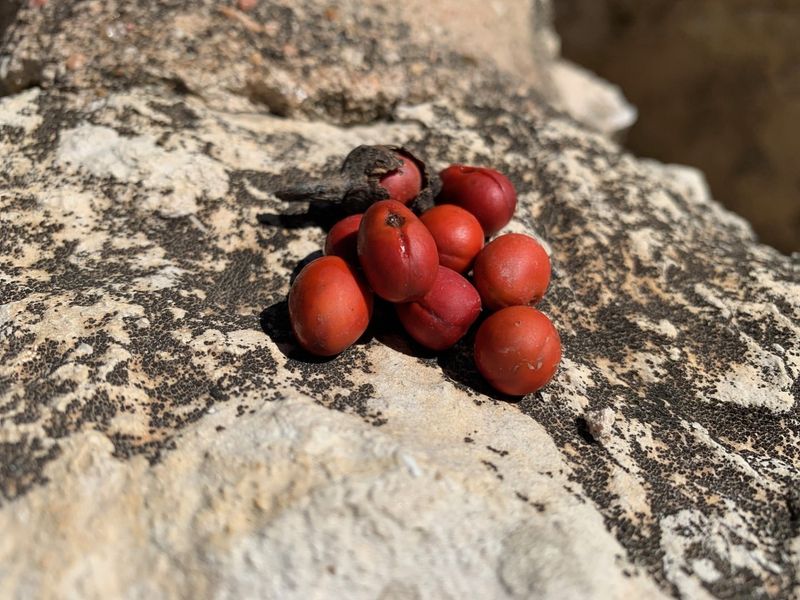
If the flowers are the star of the show, the seeds are the troublemakers backstage. Texas Mountain Laurel produces hard, woody seed pods that split open when mature, revealing vivid red seeds that look almost like candy or decorative beads.
That bold color is eye-catching, and that is exactly the problem. Children are naturally drawn to them, and some people have historically used them as jewelry or decorations without fully understanding the risk.
Your Texas Garden Changes Every Week. Your Plan Should Too.
Gardening in Texas changes quickly throughout the season. Every Friday you’ll receive a simple weekly plan showing exactly what to plant, prune, fertilize, harvest, and protect so you never miss the right timing.
The seeds contain cytisine, a naturally occurring alkaloid that is chemically similar to nicotine. It binds to the same receptors in the body and can trigger symptoms like nausea, vomiting, confusion, and in serious cases, much worse.
The seeds are extremely hard, which means that swallowing one whole may reduce exposure somewhat, but chewing one is a completely different story.
Even small amounts of cytisine can cause a strong reaction, especially in young children whose bodies are much more sensitive to toxins.
Parents and grandparents who have this plant in their yard should make sure kids understand that the seeds are not toys and should never go in their mouths.
It is a good habit to pick up fallen seed pods before they split open and scatter seeds across the ground.
Wearing gloves when handling the pods is also a smart precaution, especially if you have sensitive skin. The seeds look harmless and even pretty, which is what makes them so easy to underestimate.
Treating them with the same caution you would give a snake in the grass is not an overreaction. It is just good sense.
3. Most Texans Grow It For The Flowers
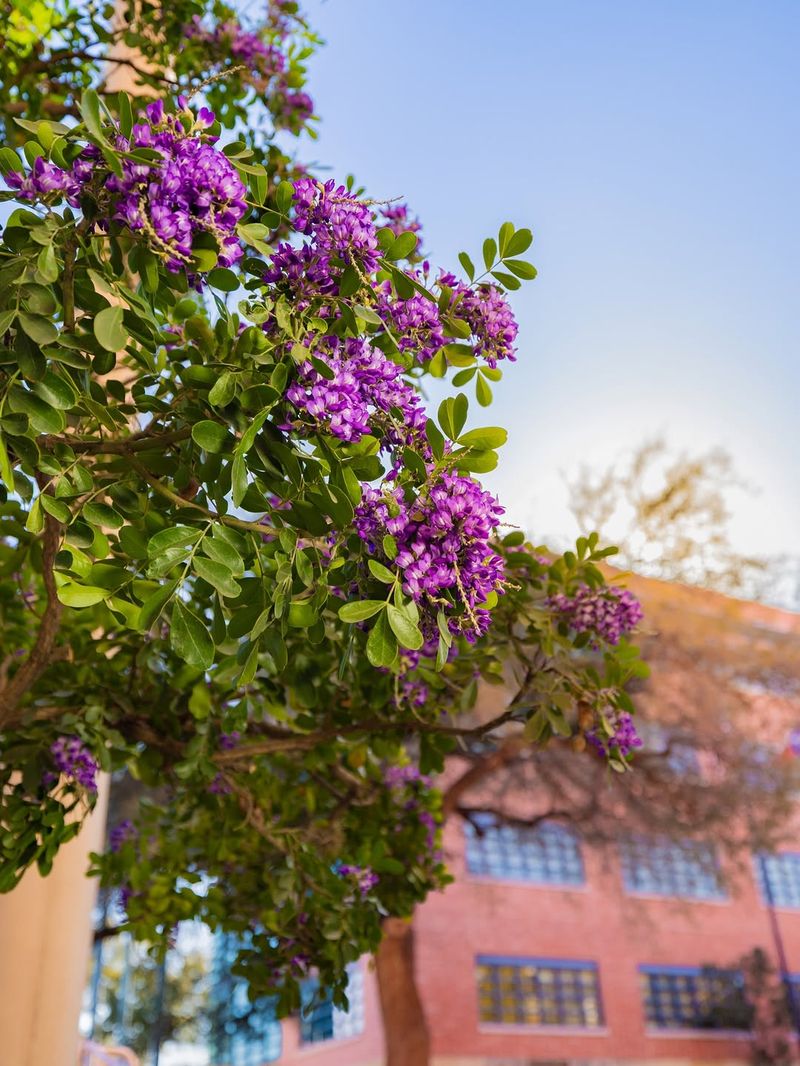
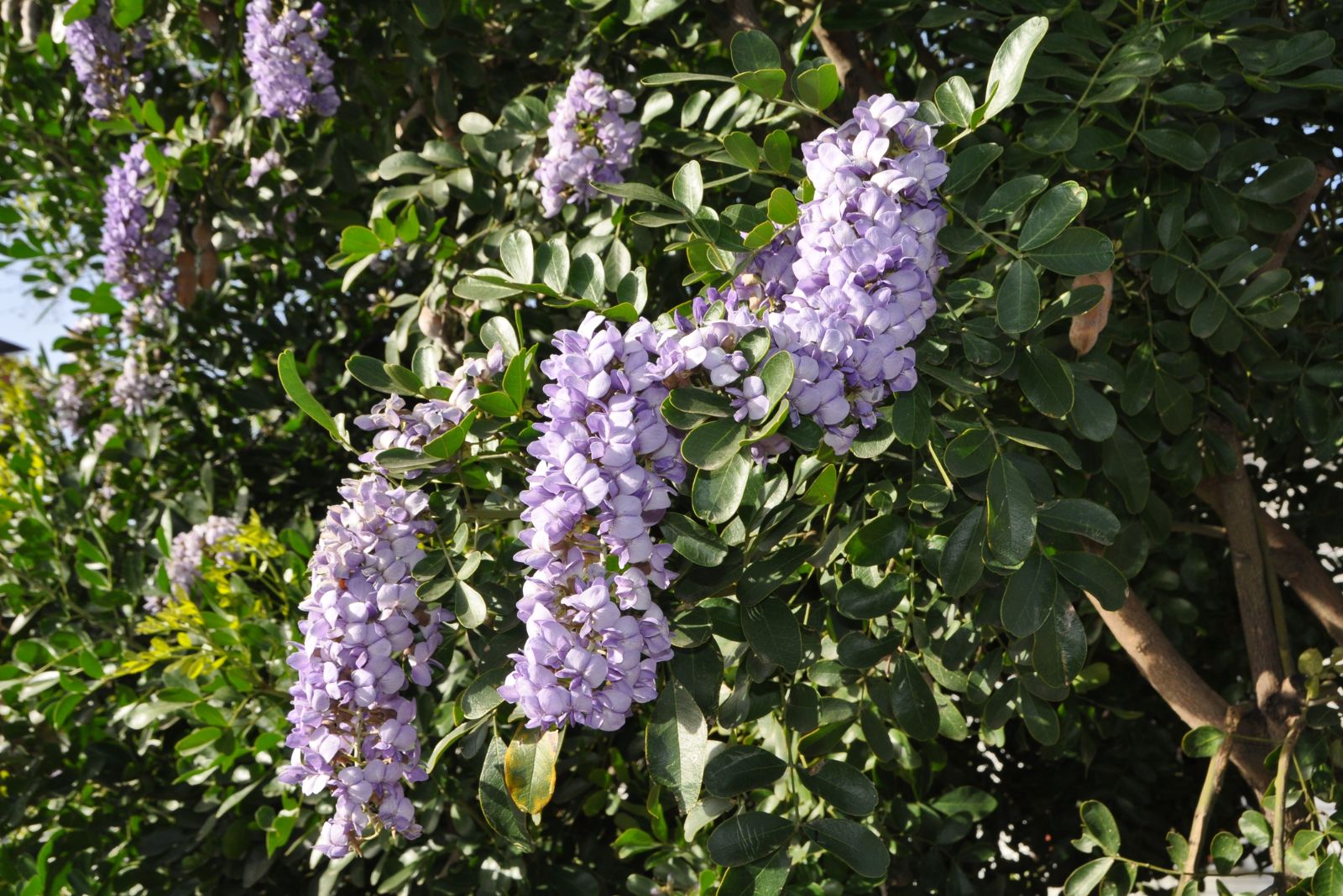
Every February and March, something magical happens across Texas. Texas Mountain Laurel bursts into bloom, and suddenly every yard that has one becomes the most talked-about spot on the block.
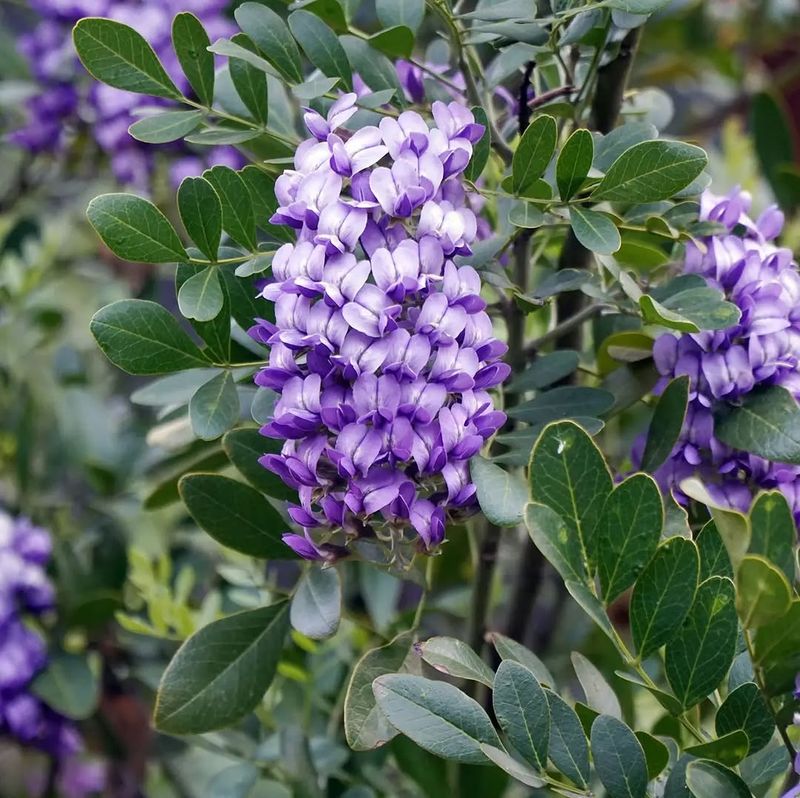
The flower clusters hang in long, drooping bunches that look a lot like wisteria, only they smell far more interesting. Most people describe the fragrance as grape soda or grape bubble gum, and once you smell it, you never forget it.
The blooms last only a few weeks, but they make a big impression. Bees absolutely love the flowers, making Texas Mountain Laurel a fantastic choice for anyone who wants to support pollinators in their yard.
The purple color pops beautifully against the plant’s deep green, glossy leaves, and the combination creates a look that feels both wild and refined at the same time.
It photographs beautifully too, which is why you see it all over Texas gardening blogs and social media every spring.
Beyond the blooms, the plant holds its good looks all year long. Unlike many flowering shrubs that look scraggly or bare after blooming season ends, Texas Mountain Laurel stays dense and green through every season.
That makes it a reliable anchor plant in a landscape, something you can count on to look tidy even during the hottest, driest Texas summers. Landscape designers often use it as a screening plant, a foundation shrub, or a small specimen tree.
It is truly one of those rare plants that earns its place in the yard not just for one season, but for every single month of the year.
4. It Thrives In Tough Texas Conditions
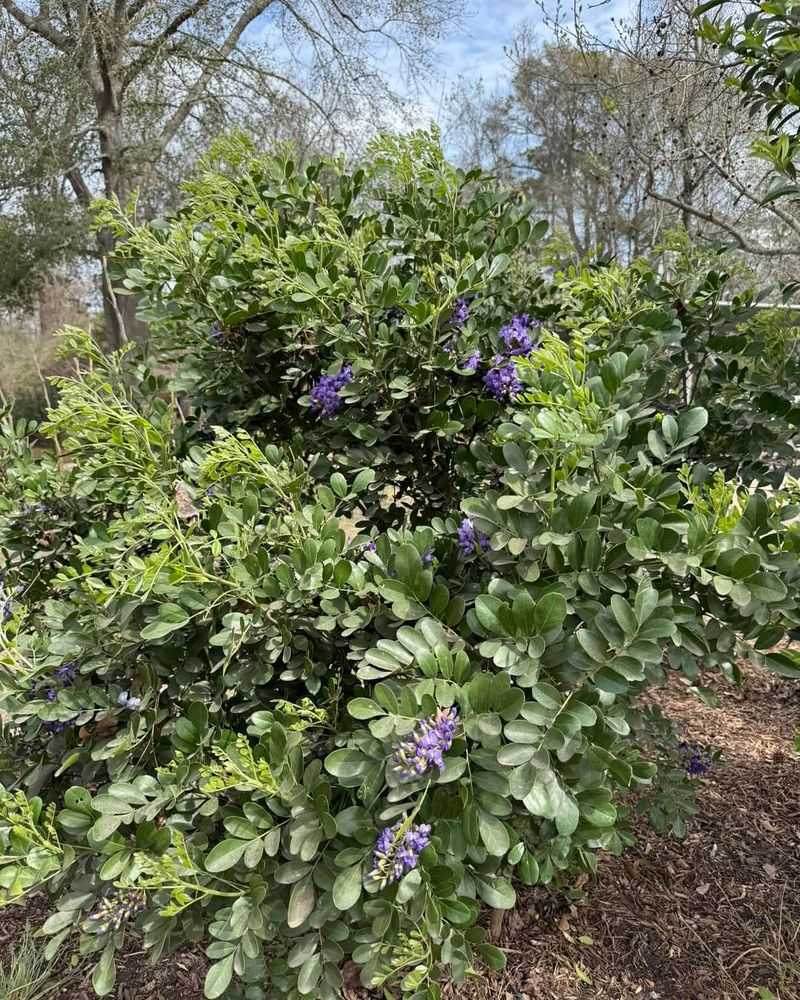
Texas is not exactly known for being gentle on plants. Scorching summers, unpredictable rainfall, rocky alkaline soils, and sudden cold snaps in winter can wipe out a lot of landscape plants before they ever get established.
Texas Mountain Laurel, though, was literally born for these conditions. It evolved in the Texas Hill Country and the Trans-Pecos region, where thin limestone soils, blazing sun, and long dry spells are just a normal Tuesday.
Once established, this plant needs almost no supplemental watering. It has a deep root system that seeks out moisture far below the surface, allowing it to cruise through droughts that would stress most other shrubs.
It also handles alkaline soils with ease, which is a huge advantage in central Texas where high-pH caliche soils challenge even experienced gardeners.
You do not need to amend the soil, add special fertilizers, or baby it through its first few years the way you would with many ornamental plants.
Pruning needs are minimal too. Texas Mountain Laurel grows slowly, usually just a few inches per year, which means it holds its shape without constant trimming.
That slow growth also means it tends to stay in proportion with the space around it, so you are not constantly fighting to keep it from taking over a bed or crowding a walkway.
Pest and disease problems are rare, and deer tend to leave it alone, which is a serious bonus for anyone gardening in areas with heavy deer pressure.
For low-maintenance, high-reward landscaping in Texas, few plants can match what this native shrub brings to the table.
5. Wildlife And Pets Need Extra Consideration
Sharing your yard with pets means thinking carefully about every plant you choose to grow.
Texas Mountain Laurel is a wonderful native plant, but the seeds it drops can pose a real concern for dogs, cats, and other animals that explore the yard with their noses and mouths.
Dogs in particular tend to chew on things they find on the ground, and a bright red seed rolling across a patio can look like an interesting object worth investigating.
The cytisine in the seeds affects animals much the same way it affects people. Signs of trouble in pets can include drooling, vomiting, weakness, and disorientation.
If you ever suspect your pet has chewed or swallowed a seed, contacting your veterinarian right away is the right call. Time matters in those situations, and a quick phone call can make a big difference in how things go.
Keeping the ASPCA Animal Poison Control number saved in your phone is a smart habit for any pet owner with a landscaped yard.
Managing the risk is not complicated. Regularly sweeping up fallen seed pods before they dry out and split open is the single most effective thing you can do.
Planting Texas Mountain Laurel in areas that pets do not have access to is another solid strategy. Raised beds, fenced garden areas, or front yard plantings away from the main pet zone all work well.
Wildlife like birds and squirrels also interact with the seeds, though they tend to handle them differently than domestic animals. Being aware of what falls from your plants each season is just part of responsible gardening in Texas.
6. It Remains One Of Texas’s Best Native Shrubs
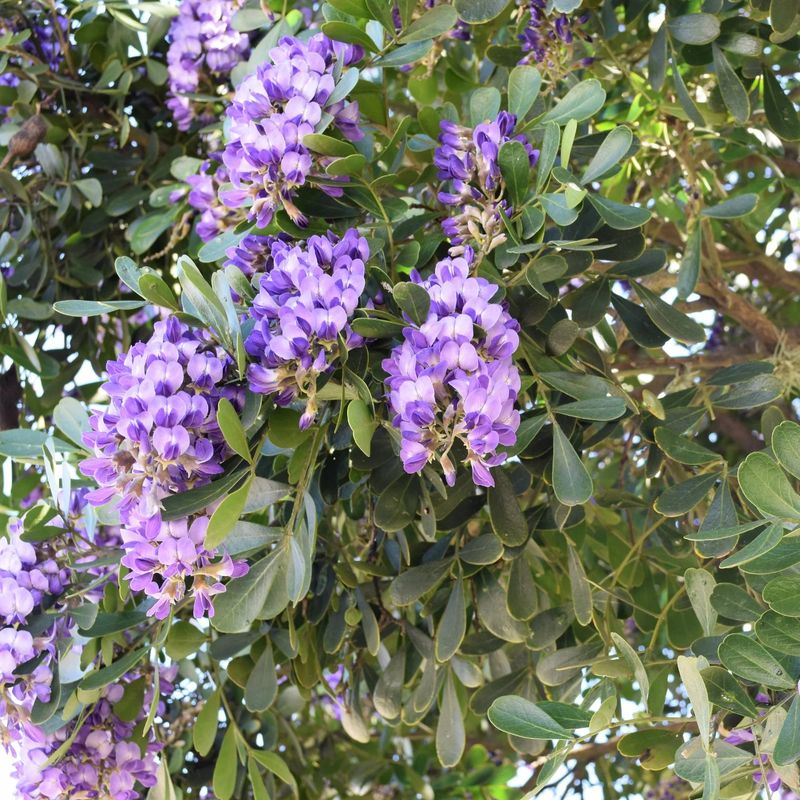
Knowing that a plant has toxic seeds does not automatically mean it has no place in a well-loved yard.
Texas Mountain Laurel has been growing across Texas for thousands of years, and generations of gardeners, landscapers, and native plant enthusiasts have found smart, safe ways to enjoy it.
Awareness is the tool that turns a potential hazard into a manageable one, and this plant rewards informed gardeners generously.
The combination of beauty, toughness, and ecological value is hard to beat. It supports native bees and other pollinators during late winter and early spring when few other plants are blooming.
Its evergreen structure gives the landscape a sense of permanence and order throughout the year.
And that unforgettable grape-scented bloom each spring is something that people genuinely look forward to, the kind of seasonal event that makes gardening feel worth it.
Planting it thoughtfully makes all the difference. Choose a spot with good drainage and full sun.
Keep it away from areas where young children play unsupervised, and make a habit of cleaning up seed pods each fall. Pair it with other tough Texas natives like Salvia greggii, Blackfoot Daisy, or Cenizo for a landscape that is both beautiful and ecologically sound.
Texas Mountain Laurel is not a plant to fear. It is a plant to respect, understand, and celebrate as one of the finest native shrubs the state has to offer.
With a little knowledge and a few simple habits, it can be a safe, stunning, and deeply rewarding part of any Texas landscape for decades to come.