Native Oregon Shrubs That Work Better Than Arborvitae Along Driveways And Side Yards
Arborvitae may look like the easy answer, but Oregon yards often ask for something better. Along a driveway or narrow side yard, plants need to handle tight space, changing light, reflected heat, and the occasional bump from daily life.
Native shrubs can bring more character to those tricky spots while still giving you privacy and structure.
They can also blend into the landscape in a way that feels less stiff than a wall of green columns. Some offer flowers. Some bring berries.
Some give birds a reason to visit while still helping your yard feel screened and settled. The real secret is choosing shrubs that fit the space instead of forcing a hedge where it does not belong.
With the right native picks, a driveway edge or side yard can become useful, beautiful, and easier to maintain than you might expect.
1. Mock Orange Makes Side Yards Smell Better Than Arborvitae
Few plants stop people in their tracks the way mock orange does in early summer. The scent hits you before you even see the flowers.
That sweet, citrusy fragrance drifts across driveways and side yards like a natural air freshener you never have to replace.
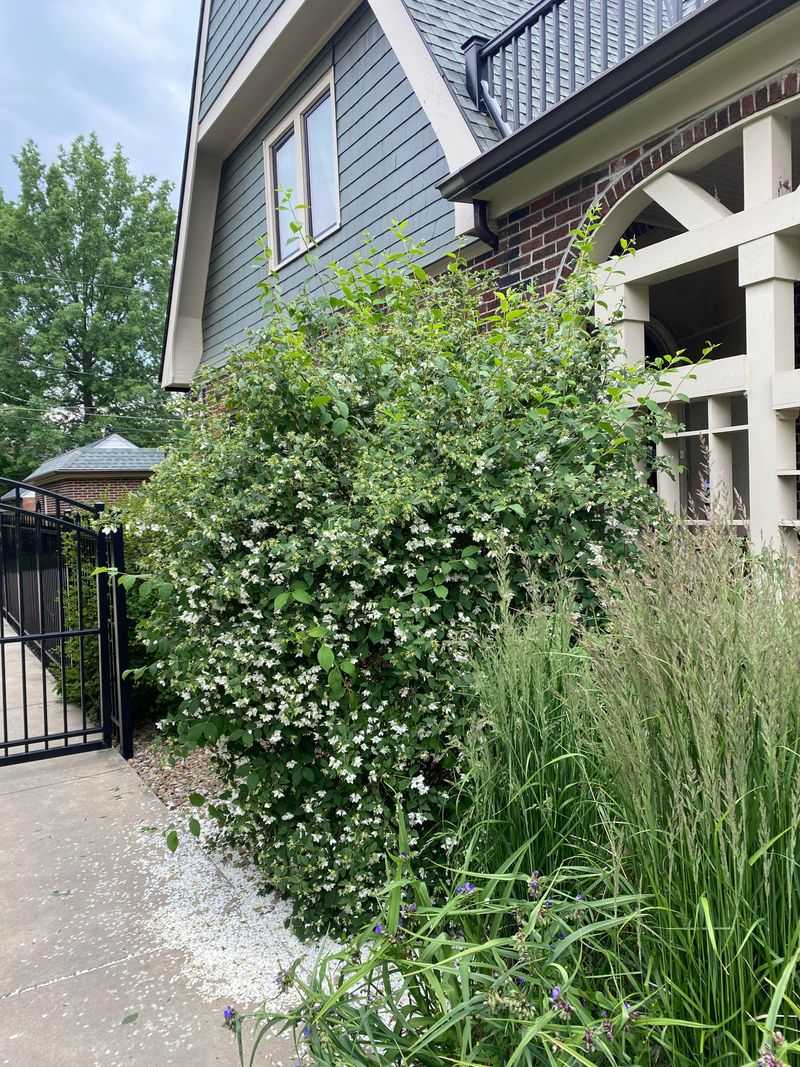
Philadelphus lewisii is the state flower of Idaho, but it grows beautifully here in our state too. It thrives in full sun to partial shade and handles our dry summers with ease once it gets established.
The shrub grows six to ten feet tall and wide, making it a solid privacy screen without looking stiff or forced.
Unlike arborvitae, mock orange offers something different in every season. Spring brings fresh green leaves.
Early summer delivers those famous white blooms. Fall turns the foliage golden before it drops.
Even in winter, the arching branches add gentle structure to a bare side yard. Plant it about five feet from the driveway edge so it has room to arch naturally. It does not need much pruning, just a light trim after flowering.
Bees absolutely love the blossoms, so expect some happy buzzing around your yard all June long.
Mock orange earns its spot by doing double duty: it screens your side yard and makes the whole space smell incredible.
2. Oceanspray Handles Dry Edges With Foamy Summer Blooms
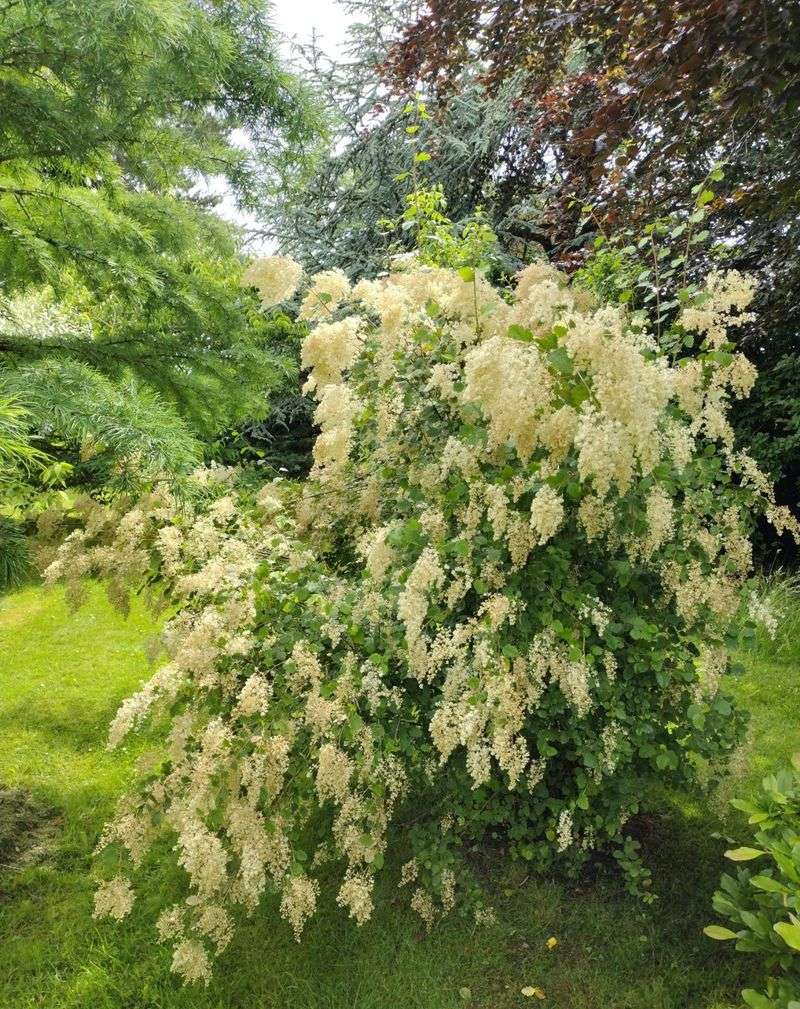
There is something wonderfully wild about oceanspray in full bloom. The creamy, foamy flower clusters cascade off arching branches like tiny waves frozen in place.
It is one of the most eye-catching native shrubs you can plant along a dry driveway edge. Holodiscus discolor earns serious respect for toughness.
Once established, it needs almost no supplemental water during our dry summers.
It thrives in rocky, well-drained soils where other shrubs struggle. That makes it a perfect fit for sunny driveway strips that bake in July and August heat.
The shrub grows six to fifteen feet tall depending on soil and light conditions. In shadier spots it stays shorter and more open.
In full sun it grows fuller and more upright, which works well for a loose privacy screen along a side yard.
Your Oregon Garden Changes Every Week. Your Plan Should Too.
Gardening in Oregon changes quickly throughout the season. Every Friday you’ll receive a simple weekly plan showing exactly what to plant, prune, fertilize, harvest, and protect so you never miss the right timing.
Blooms appear in June and July, and they last for weeks. After the flowers fade, the dried seed clusters stay on the branches and turn a warm rusty brown.
Birds pick at them through fall and winter, so the shrub keeps earning its place even after the blooms are gone.
Oceanspray is also historically significant. Indigenous communities used its incredibly hard wood for tools and implements.
Planting it connects your yard to a deep, meaningful history while solving a very modern landscaping problem: what to do with that hot, dry driveway edge.
3. Blueblossom Ceanothus Adds Native Color To Sunny Driveways
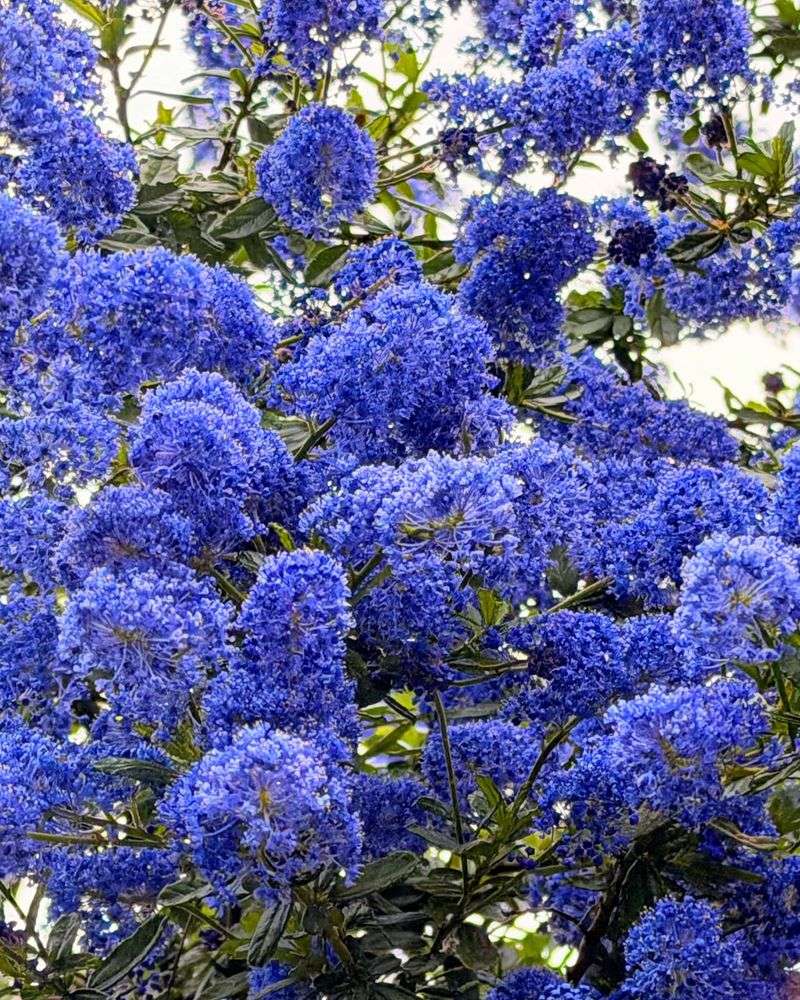
Blue flowers are rare in the native plant world, which is exactly why blueblossom ceanothus turns heads every spring.
The clusters of tiny blue to violet flowers cover the entire shrub in April and May, creating a show that arborvitae simply cannot compete with.
Ceanothus thyrsiflorus grows fast and loves full sun. Along a sunny driveway, it can reach six to twelve feet tall and spread just as wide.
That size makes it useful for blocking views, softening fence lines, or creating a colorful hedge that feels alive rather than clipped and rigid.
One of the biggest selling points is drought tolerance. After the first year or two of establishment watering, blueblossom handles our dry summers without complaint.
It actually prefers well-drained soil and does not like sitting in wet clay, so raised driveway edges with decent drainage are ideal spots for it.
Bees go absolutely wild for ceanothus blossoms. Native bees, honeybees, and bumble bees all pile in during the bloom period.
The flowers also fix nitrogen in the soil, which means this shrub quietly improves the ground around it while it grows. Keep in mind that ceanothus does not love hard pruning.
Shape it lightly right after bloom if needed, but let it grow naturally for the best results. Give it room, give it sun, and it will reward you with color every spring for years.
4. Redstem Ceanothus Brings Texture Without A Flat Hedge Look
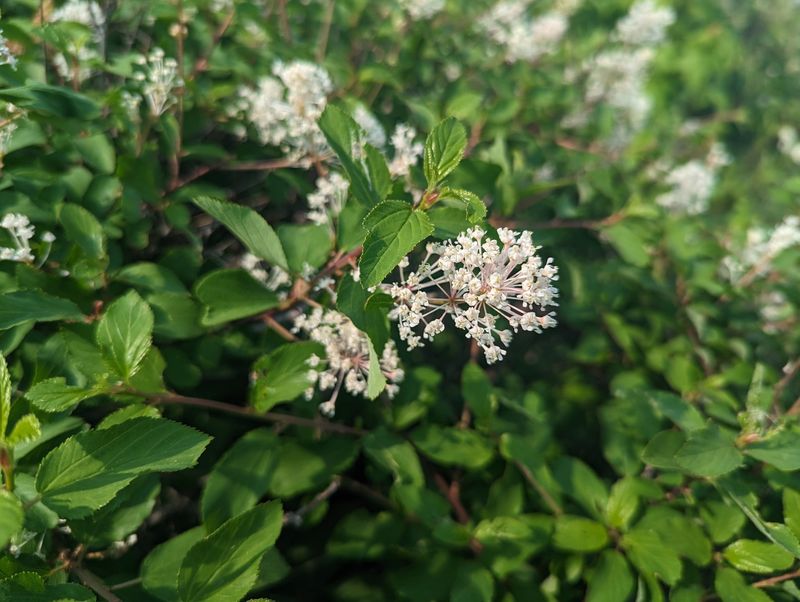
Not every driveway border needs to look like a formal hedge. Sometimes a little texture and natural irregularity makes a yard feel more welcoming and less like a parking lot.
Redstem ceanothus brings exactly that kind of relaxed, layered energy to side yards and driveway edges.
The name comes from the reddish-purple stems that show up clearly in winter when the leaves have dropped.
Those colorful stems keep the shrub interesting even in the coldest, grayest months when most plants just look brown and forgettable.
That is a real advantage over arborvitae, which just stays green and static all year. Ceanothus sanguineus grows four to nine feet tall and produces clusters of white flowers in late spring.
The blooms attract a wide range of pollinators, and the seeds that follow feed birds into the fall.
It is a shrub that keeps giving through multiple seasons without asking much in return.
In terms of soil preference, redstem ceanothus is more adaptable than its blue-flowering cousin. It handles heavier soils and shadier conditions a bit better.
That makes it a good option for side yards that get filtered light rather than full afternoon sun.
Plant several together for a casual, flowing screen along a driveway. Space them about five feet apart and let them fill in naturally.
The result looks intentional but never stiff, which is exactly the look many homeowners want without knowing how to ask for it.
5. Indian Plum Wakes Up Narrow Oregon Borders Early
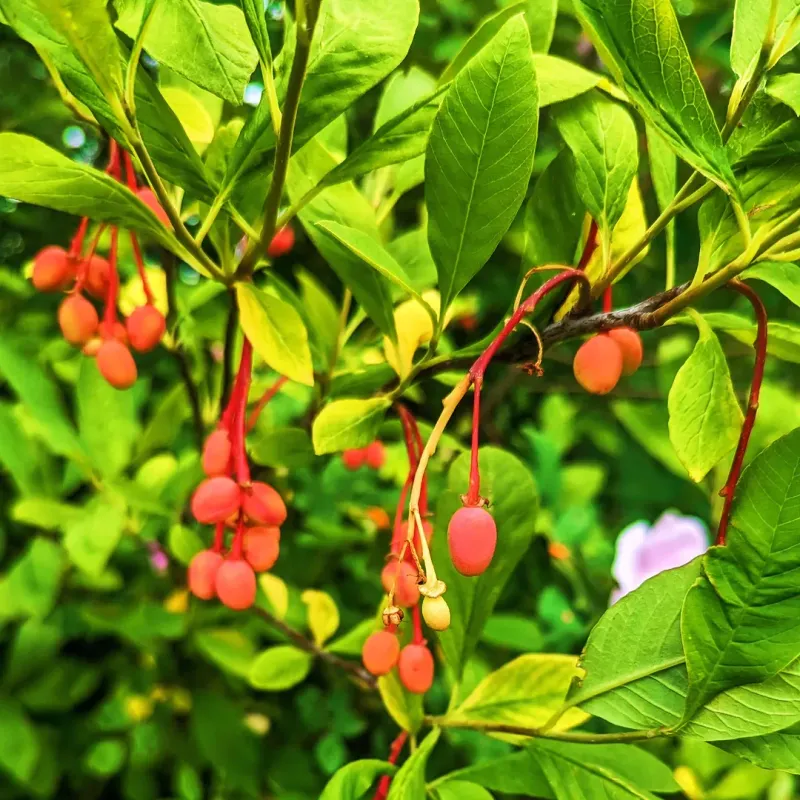
While everything else is still dormant in late winter, Indian plum is already putting on a show.
It is one of the very first native shrubs to bloom in our state, often flowering in February or even late January. That early energy is something no arborvitae can offer.
Oemleria cerasiformis grows upright and suckering, which means it naturally forms a multi-stemmed thicket over time. For narrow side yards, that growth habit is actually perfect.
It fills a tight space without spreading outward aggressively, and it creates a dense screen that gives real privacy without taking over the whole yard.
The small white flowers hang in drooping clusters and smell faintly of almonds. They appear before the leaves fully open, which makes them easy to appreciate.
Hummingbirds and early-season native bees show up immediately, making Indian plum one of the most ecologically important shrubs you can plant near a driveway.
After flowering, the plant produces small plum-like fruits that ripen from red to dark purple by midsummer. Birds love them.
Robins, cedar waxwings, and thrushes will visit regularly once the fruit appears. The leaves drop in fall, leaving attractive reddish stems through winter.
Indian plum tolerates shade better than most native shrubs, which makes it ideal for side yards that sit between a house and a fence.
It grows six to fifteen feet tall and rewards patient gardeners with something new to notice every single month of the year.
6. Baldhip Rose Gives Side Yards Flowers Without A Formal Hedge
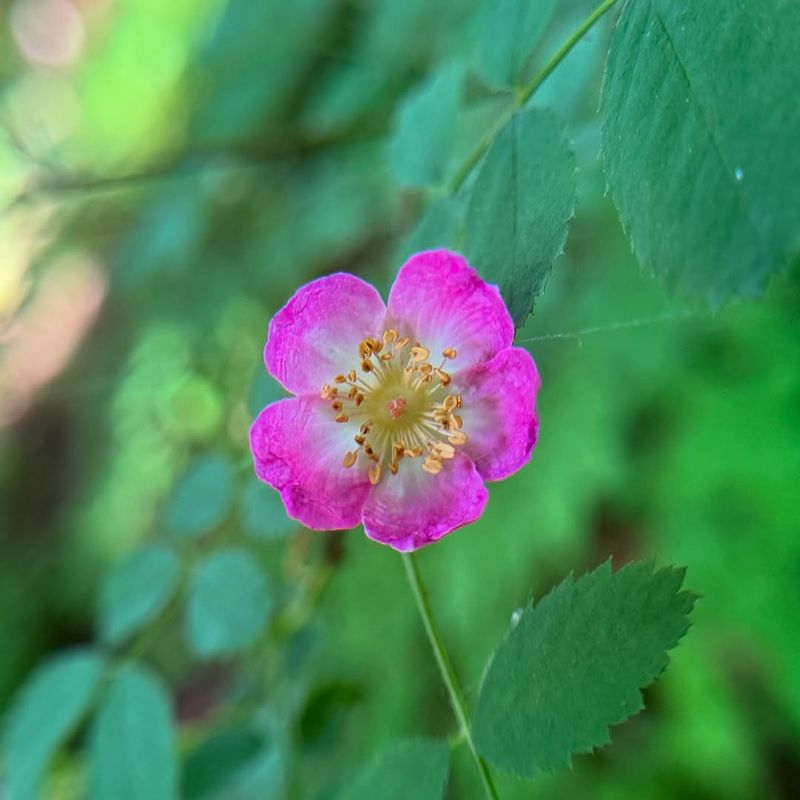
Roses get a reputation for being high-maintenance, but baldhip rose flips that idea on its head.
This native rose grows without fuss, without weekly spraying, and without the complicated pruning schedules that hybrid roses demand. It is a tough, cheerful plant that earns its space every season.
Rosa gymnocarpa stays smaller than many wild roses, typically reaching three to five feet tall and wide.
That compact size makes it easy to work with along a side yard where you want some height and texture but not a shrub that swallows the entire walkway. It fits neatly between a fence and a driveway without becoming a problem.
Small pink flowers appear in late spring and early summer. They are not as showy as a hybrid tea rose, but they have a simple, honest beauty that feels right at home in a naturalistic yard.
The blooms attract native bees and butterflies, adding movement and life to what could otherwise be a flat, quiet edge. After the flowers fade, small bright red rose hips appear and persist through winter.
Birds eat them eagerly, and the hips add a splash of color to the yard during the dullest months of the year.
The thorny stems also provide nesting habitat for small birds. Baldhip rose handles partial shade and dry summers well. It needs almost no supplemental water once established.
Plant it in groups of three for a natural-looking mass that screens a side yard without ever looking like a hedge that needs a ruler to maintain.
7. Thimbleberry Fills Awkward Edges With Big Soft Leaves
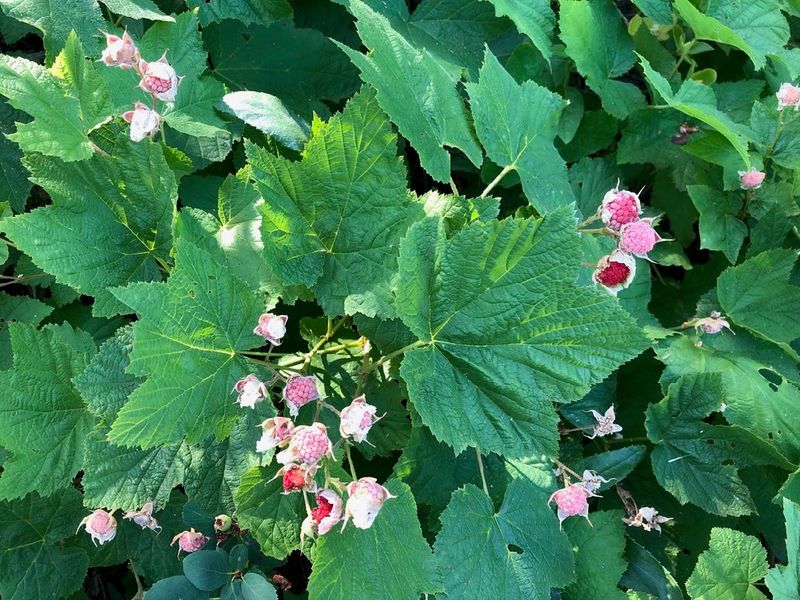
Some side yards are just awkward. Too shady for most shrubs, too narrow for anything formal, and too irregular in shape to fit a clean hedge.
Thimbleberry was practically made for those spots. Its big, soft, maple-shaped leaves fill space generously and make even a neglected edge look lush and intentional.
Rubus parviflorus grows three to six feet tall and spreads by underground stems, slowly colonizing an area over several years.
That spreading habit is a feature, not a flaw, in spots where you want full coverage without replanting every spring.
Along a shaded side yard between two structures, it creates a soft green wall that feels natural and cool.
White flowers appear in late spring, followed by the famous thimbleberries themselves. The soft red fruits look like raspberries but are flatter and more delicate.
They are edible and sweet, though birds usually find them before most homeowners do. Either way, the wildlife value is excellent.
The large leaves are a visual statement. They create a bold, tropical-looking texture that contrasts beautifully with the finer foliage of nearby plants.
In fall, the leaves turn yellow and gold before dropping, leaving the arching canes to add winter structure.
Thimbleberry prefers moist, shaded conditions and is not the best choice for a hot, dry driveway strip.
But for that shady side yard where nothing else seems to thrive, it is often the best answer in the entire native plant catalog. Give it room to spread and it will do the rest.
8. Douglas Spiraea Works Where Driveway Edges Stay Damp
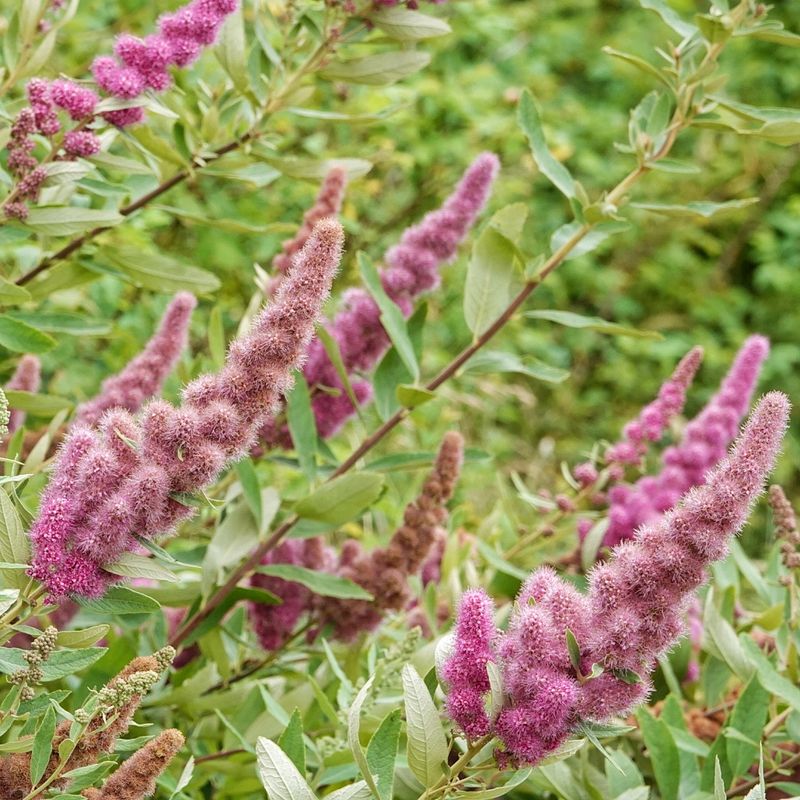
Wet driveway edges are a landscaping headache that arborvitae handles poorly. Standing water, poor drainage, and consistently soggy soil cause arborvitae to struggle and eventually fail.
Douglas spiraea, on the other hand, was built for exactly these conditions and actually prefers them.
Spiraea douglasii grows three to six feet tall and produces fluffy, upright pink flower spikes from June through August.
The blooms are bold and easy to spot from the street, giving a damp side yard real curb appeal during the summer months. Bees and butterflies flock to the flowers all season long.
This shrub spreads by rhizomes, forming dense colonies over time. In a wet driveway strip or a low-lying side yard, that spreading habit is useful.
It stabilizes soggy soil, prevents erosion, and fills the space without requiring replanting. Once established, it manages itself with very little help.
The foliage is attractive too. The leaves are gray-green on top and pale and fuzzy underneath, giving the whole shrub a soft, muted appearance that pairs well with grasses and other moisture-loving natives.
In fall, the leaves turn warm shades of orange and rust before dropping.
Douglas spiraea is also incredibly tough in cold weather. It handles the wet, freezing winters in northern regions of our state without complaint.
If your driveway edge collects runoff from the street or a downspout, this shrub will turn that soggy problem zone into one of the most interesting spots in your entire yard.
9. Western Azalea Turns Part-Shade Borders Into A Spring Show
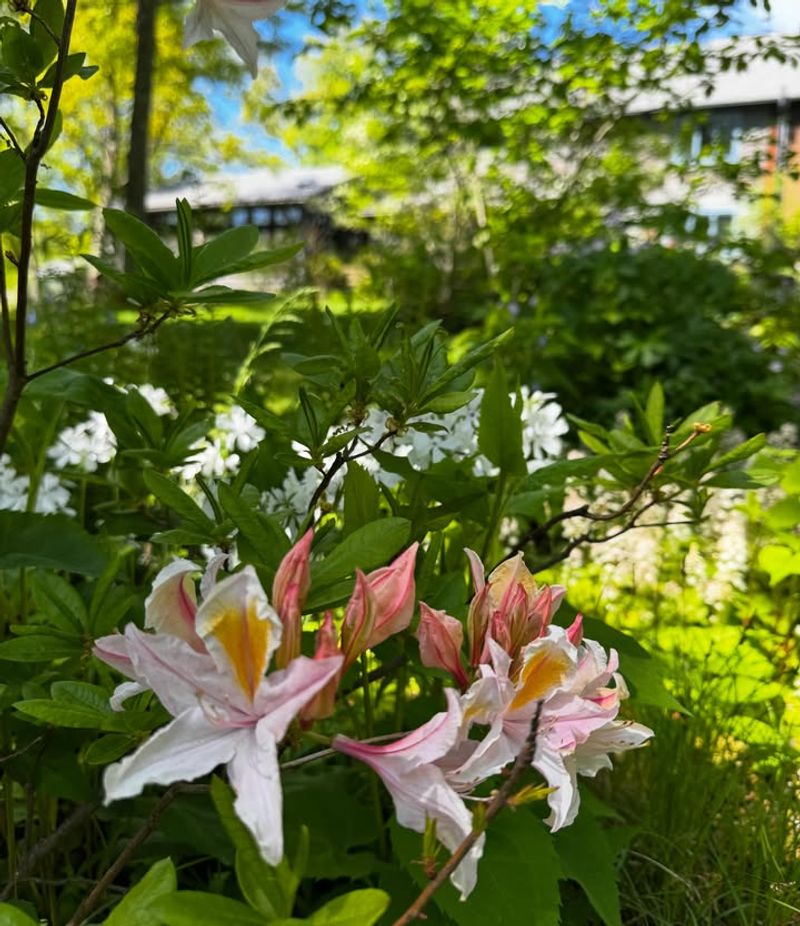
There is a moment in late spring when western azalea blooms and everything around it seems to quiet down just to let the flowers speak.
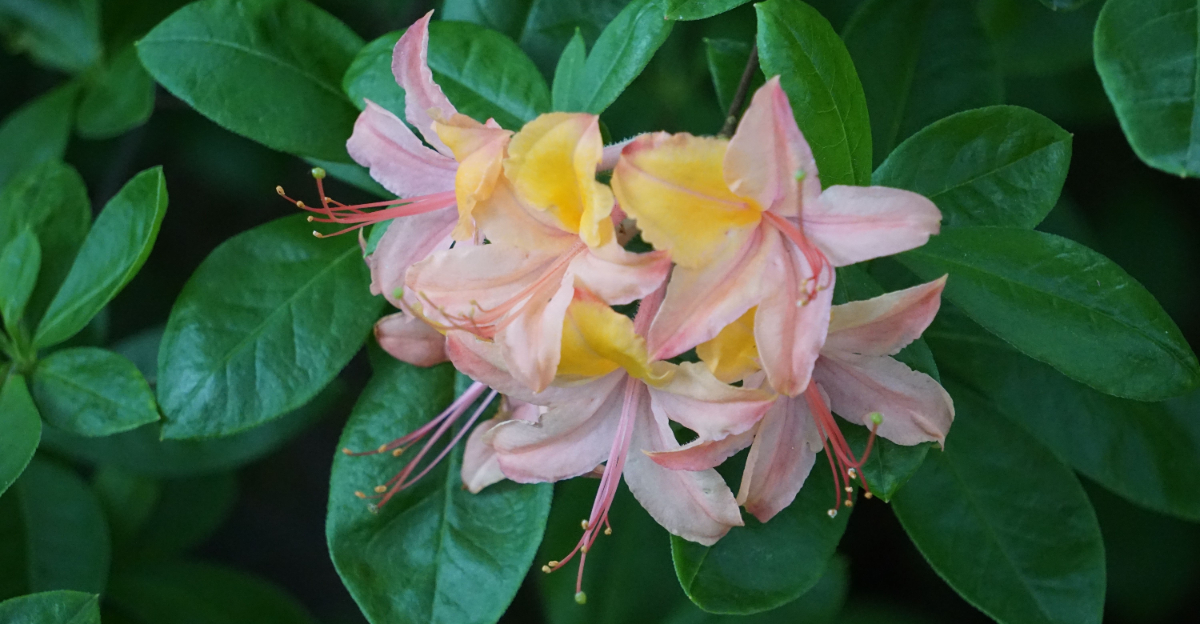
The blossoms are large, fragrant, and range from pure white to soft pink with a yellow blush at the center. It is one of the most spectacular native flowering shrubs in our state.
Rhododendron occidentale grows six to fifteen feet tall over time, making it a genuine privacy screen for part-shade side yards and driveway borders. It grows slowly, so patience is part of the deal.
But the payoff is a shrub that improves every single year and becomes more beautiful as it matures.
Unlike the invasive ornamental azaleas common in nurseries, western azalea is fully adapted to local conditions. It prefers moist, well-drained, acidic soil and thrives in dappled shade.
Side yards that sit under the canopy of large trees are often ideal, since those spots tend to have exactly the right light and soil chemistry.
The fragrance is remarkable. On a warm spring afternoon, the scent carries across an entire yard and even drifts into neighboring spaces.
That is something no arborvitae has ever done and never will. Hummingbirds visit the flowers regularly, and the dense branching provides excellent nesting cover for songbirds.
Fall color is another bonus, with leaves turning yellow, orange, and red before dropping. Western azalea rewards gardeners who plan ahead and think long-term about what they want their side yard to become.