Garden Habits That Bring Swallowtail Butterflies To Texas Backyards Every Migration Season
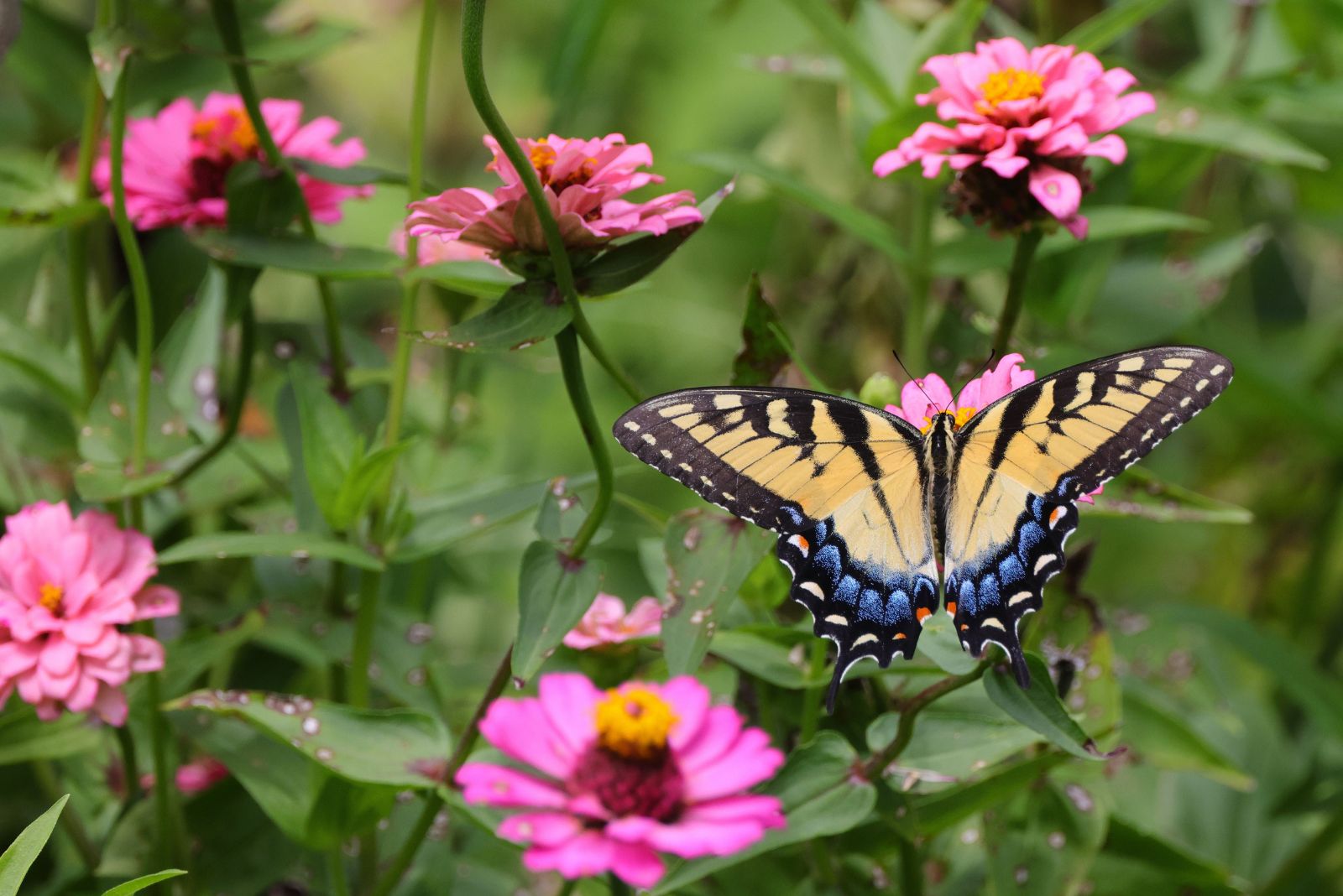
Swallowtail butterflies passing through Texas during migration are one of the more quietly spectacular events in the natural calendar, and most people miss the best of it simply because their yards are not set up to pull these butterflies in and hold them.
Swallowtails are not just looking for flowers to land on. They have specific host plant needs, preferred nectar sources, and habitat preferences that determine where they stop and how long they stay.
Texas sits along a significant migration corridor, which means the opportunity to attract large numbers of swallowtails is genuinely there for gardeners who know what to offer.
The right combination of plants and yard habits can turn a yard from a place butterflies pass over into one they return to repeatedly through the migration season.
None of the adjustments required are dramatic, but they make a real difference in what shows up and when.
1. Plant Native Nectar Flowers That Bloom For Months
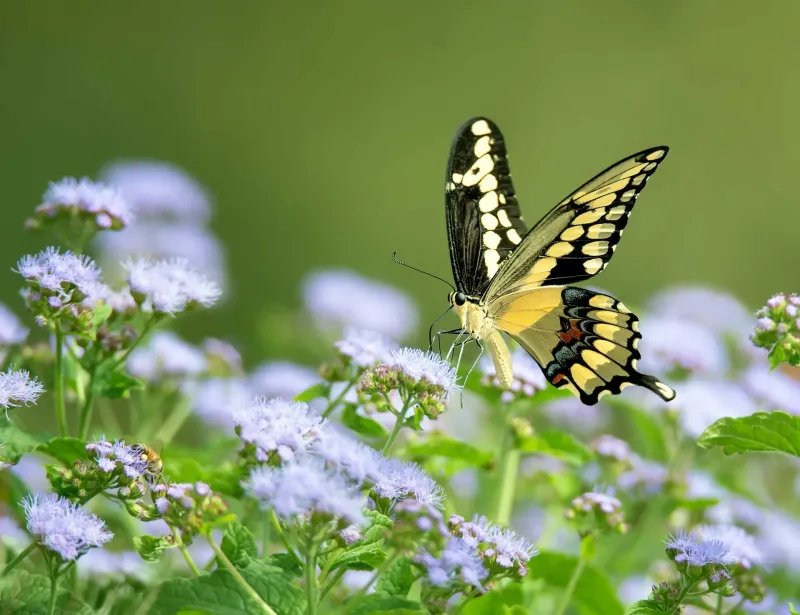
Walk through any Texas wildflower meadow in late summer, and you will likely spot swallowtails hovering over clusters of bright blooms. That is not a coincidence.
These butterflies are drawn to long-blooming native flowers that provide a reliable nectar source throughout the growing season. Planting the right flowers is the single most powerful thing you can do to attract them.
Native salvias like Autumn Sage and Mealy Blue Sage are top performers in Texas gardens. They bloom from spring through the first frost, giving butterflies a consistent food source during both migration windows.
Coneflowers, also known as echinacea, are another excellent choice. Their flat, open blooms make landing and feeding easy for large swallowtail species.
Mistflower, sometimes called wild ageratum, is a late-season powerhouse that blooms just as the fall migration peaks. It tends to spread naturally, which means more flowers over time without extra effort.
Zexmenia and Mexican sunflower also perform well in Texas heat and attract both Eastern and Giant Swallowtails.
The key is to stagger your planting so something is always blooming. Try mixing early bloomers like bluebonnets with mid-season coneflowers and late-season mistflowers.
This creates a buffet that keeps swallowtails returning from March through November. Grouping flowers in clusters of three or more plants also helps butterflies spot them from a distance.
Native flowers are adapted to Texas soil and rainfall patterns, so they tend to need less watering once established. That means less work for you and more blooms for the butterflies all season long.
2. Grow Host Plants For Caterpillars
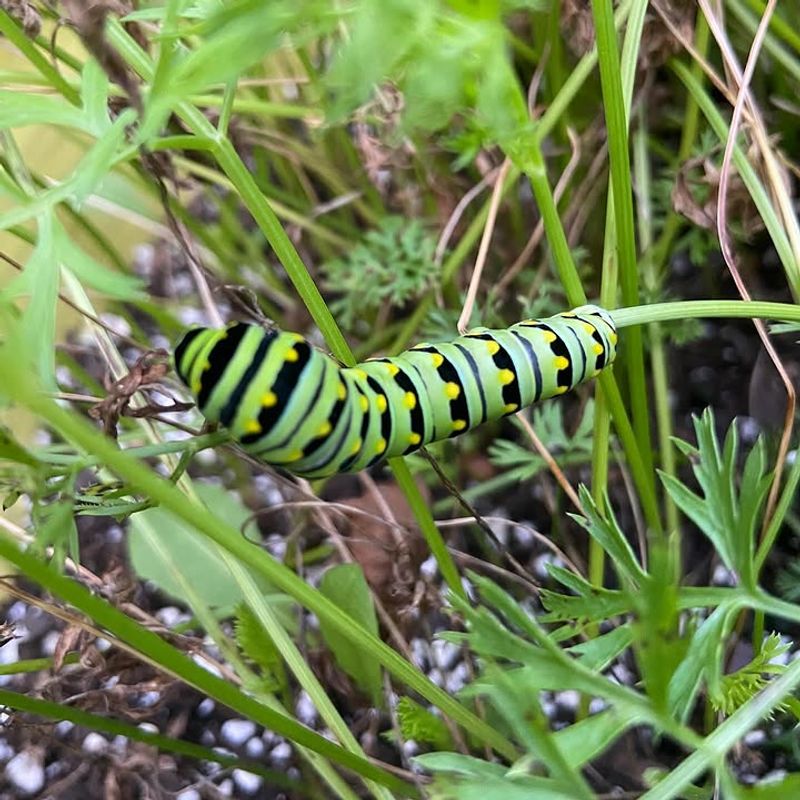
Most gardeners focus only on nectar, but swallowtails need more than a meal. They need a safe place to lay their eggs and a food source for their caterpillars.
Without host plants, butterflies will pass through your yard without staying. Adding just a few host plants can change your garden from a quick snack stop into a full butterfly nursery.
Eastern Black Swallowtails are especially fond of plants in the carrot family. Fennel, parsley, dill, and rue are all excellent choices that are easy to grow in Texas gardens. You might notice small striped caterpillars munching on your herbs. That is a great sign.
Your Texas Garden Changes Every Week. Your Plan Should Too.
Gardening in Texas changes quickly throughout the season. Every Friday you’ll receive a simple weekly plan showing exactly what to plant, prune, fertilize, harvest, and protect so you never miss the right timing.
Let them eat freely, because they will eventually become the beautiful butterflies you are hoping to attract.
Pipevine Swallowtails have a very specific need. They rely almost entirely on native pipevine plants, also called Aristolochia.
Planting Woolly Pipevine or Swanflower in a sunny to partly shaded spot can bring in this gorgeous iridescent species. Giant Swallowtails prefer citrus trees and plants in the rue family, so even a potted lemon tree on your patio can serve as a host.
One practical tip is to plant extra herbs so you have enough for both your kitchen and the caterpillars. Fennel grows quickly and can handle a lot of munching. Parsley can be grown in containers near a sunny window or patio.
Having multiple host plants spread across your garden also gives female butterflies more options when choosing egg-laying spots, which increases the chances that more swallowtails will complete their full life cycle right in your yard.
3. Avoid Broad-Spectrum Insecticides
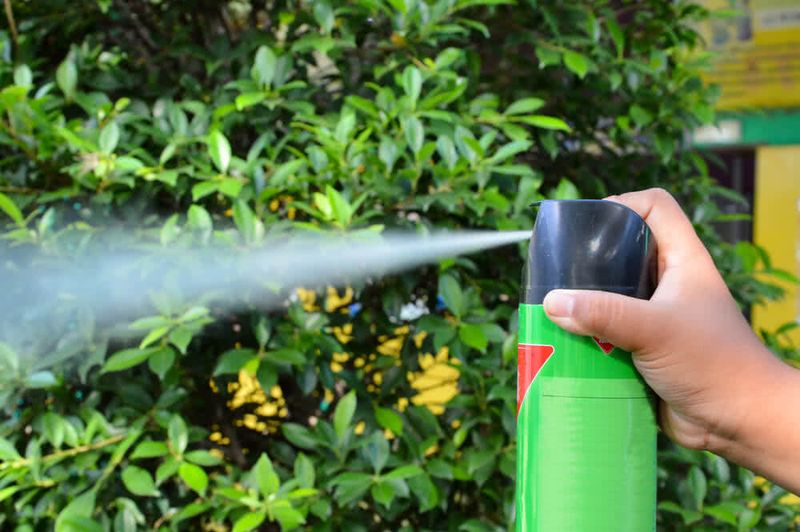
Picture spending weeks traveling to find the perfect garden, only to land on a plant that has been treated with chemicals. That is exactly what happens to swallowtails when gardeners use broad-spectrum insecticides.
These products do not just target pest insects. They affect nearly every insect that comes into contact with treated plants, including caterpillars, adult butterflies, and the small insects butterflies depend on for a balanced ecosystem.
Pyrethroid-based sprays and systemic insecticides are among the most harmful. Systemic products are absorbed into every part of a plant, including the nectar and leaves.
When a butterfly feeds on treated flowers or a caterpillar eats treated foliage, the chemicals can cause serious harm. Even organic options like neem oil can be damaging when applied directly to caterpillars or eggs.
Switching to targeted pest management is a smarter approach. If aphids or other pests are a problem, try a strong blast of water from a garden hose or introduce natural predators like ladybugs.
Handpicking large pests is also very effective in smaller gardens. Keeping plants healthy through good watering and soil care also reduces pest pressure naturally.
Another helpful habit is to check plants carefully before applying anything. Many caterpillars that look like pests are actually swallowtail larvae.
The black and yellow striped caterpillar on your parsley is not a garden threat. It is a future butterfly.
Giving up sprays in your butterfly garden is one of the most impactful changes you can make. Over time, a chemical-free space becomes more balanced, and natural pest control takes over on its own.
4. Create Sunny Resting Areas
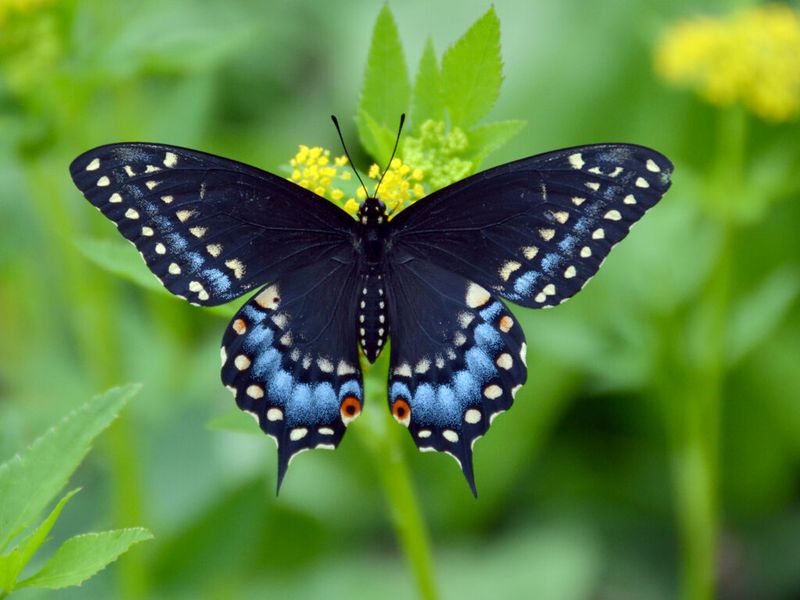
Swallowtails are solar-powered creatures. They rely on warmth from the sun to fuel their flight, and they spend a surprising amount of time simply basking with their wings spread wide.
A garden that offers warm, open resting spots is far more inviting than one that is entirely shaded. Creating these spots is easy and adds a natural, beautiful element to your outdoor space.
Flat stones are one of the best tools for this. A few large, smooth rocks placed in a sunny area of your garden will heat up quickly in the morning and hold warmth throughout the day.
Butterflies will land on them regularly, especially on cool spring mornings when temperatures are still climbing. Brick pathways, bare soil patches, and wooden garden benches placed in full sun serve the same purpose.
Positioning matters a lot. Resting spots should be near nectar flowers so butterflies do not have to travel far between feeding and warming up.
South-facing areas of your yard tend to get the most direct sunlight in Texas, making them ideal locations. Keeping these spots free from heavy plant cover or tall grass also helps butterflies feel safe from predators while they rest.
Wind protection is another factor worth considering. Swallowtails prefer calm spots where they can bask without being tossed around.
Planting a low shrub or ornamental grass nearby can act as a natural windbreak without blocking sunlight.
A well-placed resting zone can turn a butterfly that simply passes through into one that lingers for hours, giving you a front-row seat to one of nature’s most colorful shows right outside your back door.
5. Provide Shallow Water Or Mud-Puddling Spots
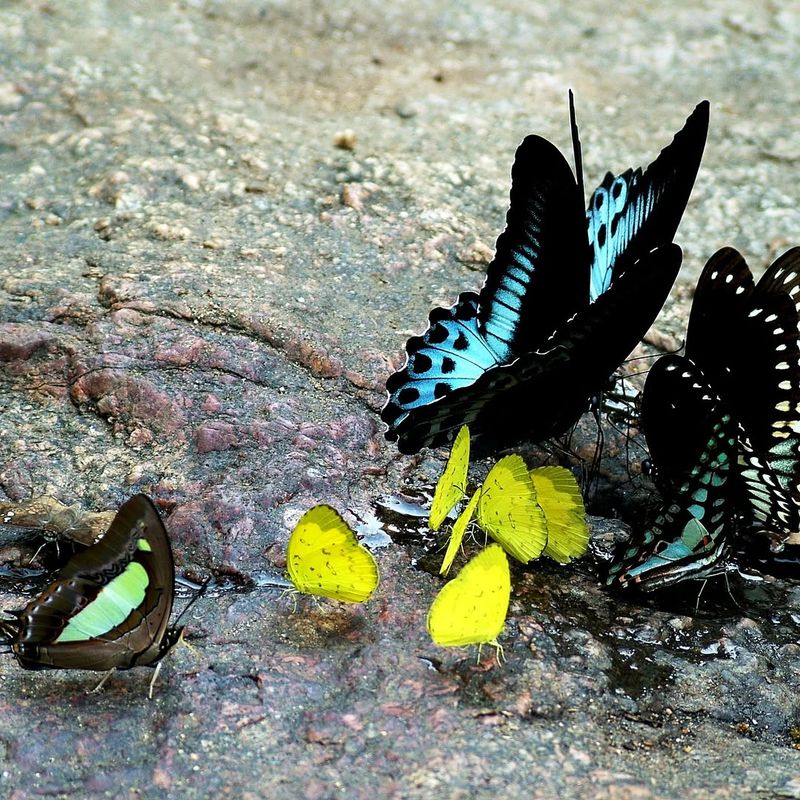
Here is something fascinating that many gardeners do not know. Male swallowtails regularly gather on wet soil, muddy puddles, and damp sand to sip moisture loaded with minerals and salts.
This behavior is called mud-puddling, and it plays an important role in their health and reproduction. Adding a simple water feature to your garden can attract groups of swallowtails that you might never see otherwise.
Creating a mud-puddling station is surprisingly easy. Fill a shallow dish or plant saucer with coarse sand, small pebbles, and a little soil.
Keep it consistently moist by adding water every day or two. Placing it in a sunny, open spot makes it more visible and appealing to passing butterflies.
You can also add a small pinch of sea salt or wood ash to the mix to boost its mineral content.
Natural options work just as well. A low-lying area of your garden that stays damp after rain can become a natural gathering spot.
A slow-dripping outdoor faucet near bare soil creates a reliable mud puddle with almost no effort. The key is keeping the moisture level steady, because butterflies tend to revisit spots they have found reliable in the past.
Traditional birdbaths with deep water are not very useful for butterflies, since they prefer to stand on a solid surface while drinking. Adding a few flat stones or corks to an existing birdbath creates shallow edges that butterflies can safely use.
On warm spring and summer mornings, a well-placed mud-puddling spot can draw in several swallowtail species at once, turning your garden into a lively and colorful gathering place.
6. Plant In Layers Instead Of Single Beds
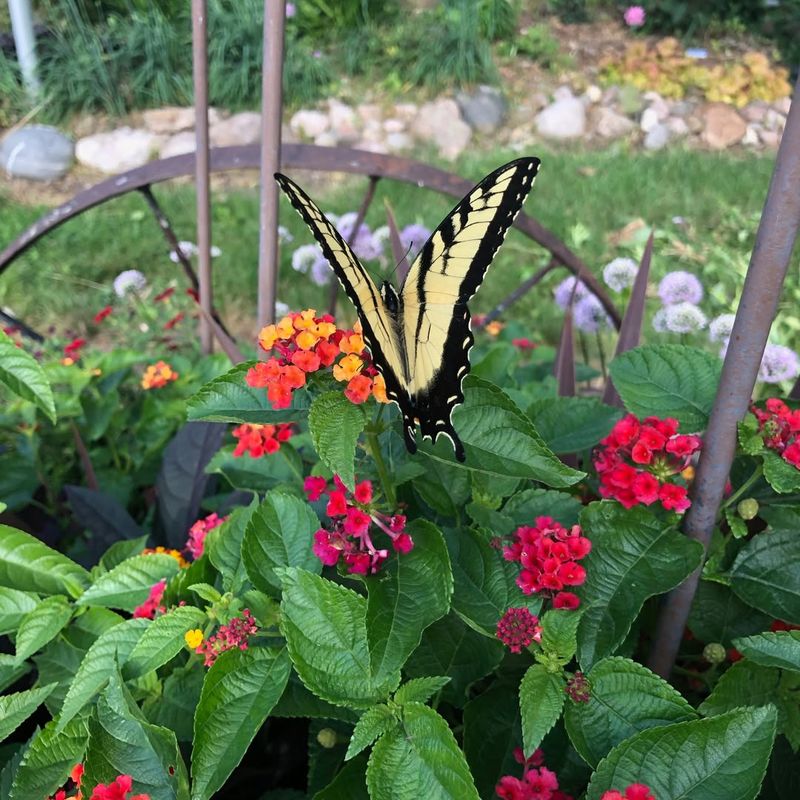
Think about the way a natural Texas woodland looks. There are tall trees overhead, medium shrubs filling the middle space, and low wildflowers carpeting the ground below.
That layered structure is exactly what swallowtails and many other butterflies are looking for. A flat, single-level flower bed is better than nothing, but a garden with real depth and variety is dramatically more attractive to wildlife.
Start by adding small native trees like Texas Mountain Laurel or Mexican Plum if space allows. These provide shelter from rain and wind, perching spots for resting butterflies, and in some cases, additional food sources.
Below that canopy layer, shrubs like Turk’s Cap, Beautyberry, and native buttonbush fill the middle zone beautifully while also offering nectar and shelter.
At ground level, mix low-growing wildflowers with ornamental grasses and spreading herbs. Milkweed, lantana, and gregg’s mistflower all thrive at this layer in Texas gardens.
The variety of plant heights creates microclimates with different levels of sun, shade, and wind protection. Swallowtails use all of these zones depending on the time of day and weather conditions.
Layered gardens also support the insects that butterflies depend on indirectly, like aphid predators and pollinators that keep the ecosystem balanced.
Connecting your layers with winding paths or stepping stones makes it easy to enjoy the space and observe butterflies up close without disturbing them.
Even a small yard can achieve three layers with thoughtful planning. Over time, a layered garden becomes increasingly self-sustaining, requiring less maintenance while providing more habitat.
That is a win for both the gardener and the butterflies returning each migration season.