This Native Georgia Shrub Is Replacing Foundation Plantings In Yards Across The State
Some shrubs spend years blending into the background. Then suddenly they seem to be everywhere.
More people start planting them, neighbors begin asking about them, and what once felt uncommon becomes one of the most talked about plants around.
That shift is happening with a native shrub that is showing up in more front yards than ever before. It is not gaining attention because of a passing trend.
Gardeners are choosing it because it brings qualities that many traditional foundation plants struggle to match.
In Georgia, native plants continue to gain popularity as people look for options that fit local growing conditions.
This particular shrub has become a favorite for its appearance, seasonal interest, and ability to fit naturally into different landscape styles.
Once established, it is easy to see why it is replacing older foundation plantings in so many yards.
1. Oakleaf Hydrangea Is Appearing In More Foundation Beds
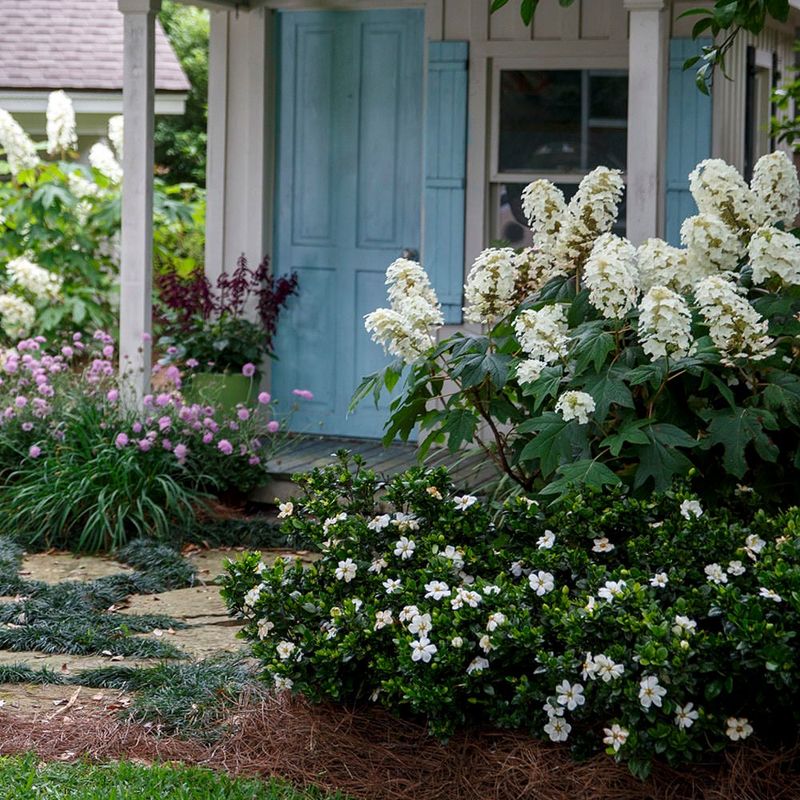
Yards that once featured boxwoods and junipers are starting to look a little different. Oakleaf hydrangea is showing up along foundations from the suburbs of Atlanta to small towns in the Piedmont region.
Homeowners are noticing it at nurseries, in neighbors’ yards, and on garden blogs, and they want in.
Native plants have been gaining real traction with gardeners who are tired of fighting their landscape. Oakleaf hydrangea fits that shift perfectly.
It is native to the southeastern United States, meaning it evolved right alongside the soil types, rainfall patterns, and summer heat that define this region.
Foundation beds are tricky spots. They often sit close to structures, deal with reflected heat, and get uneven rainfall depending on roof overhangs.
Oakleaf hydrangea handles those pressures better than many non-native alternatives that struggle through August.
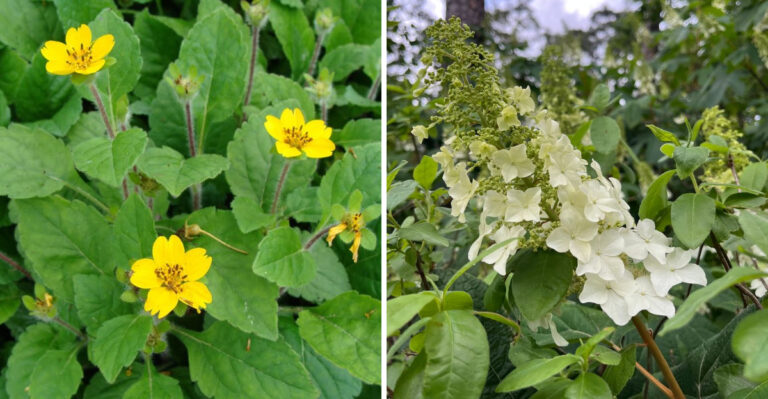
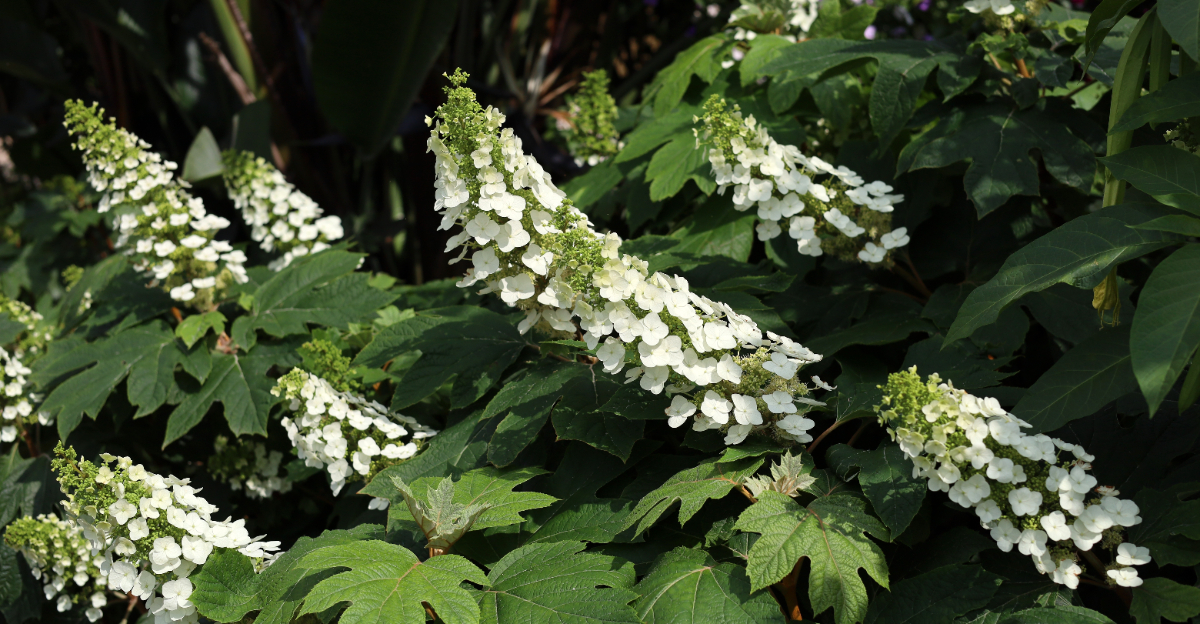
Beyond toughness, it brings real visual interest. Cone-shaped white blooms open in late spring and turn papery pink as summer moves along.
Bark peels in cinnamon-colored strips during winter. Fall foliage shifts to burgundy and orange.
That four-season performance is hard to match with a single shrub. Most traditional foundation plants offer one or two seasons of interest at best.
Oakleaf hydrangea keeps earning its spot all year long.
2. Morning Sun Supports Better Growth And Flowering
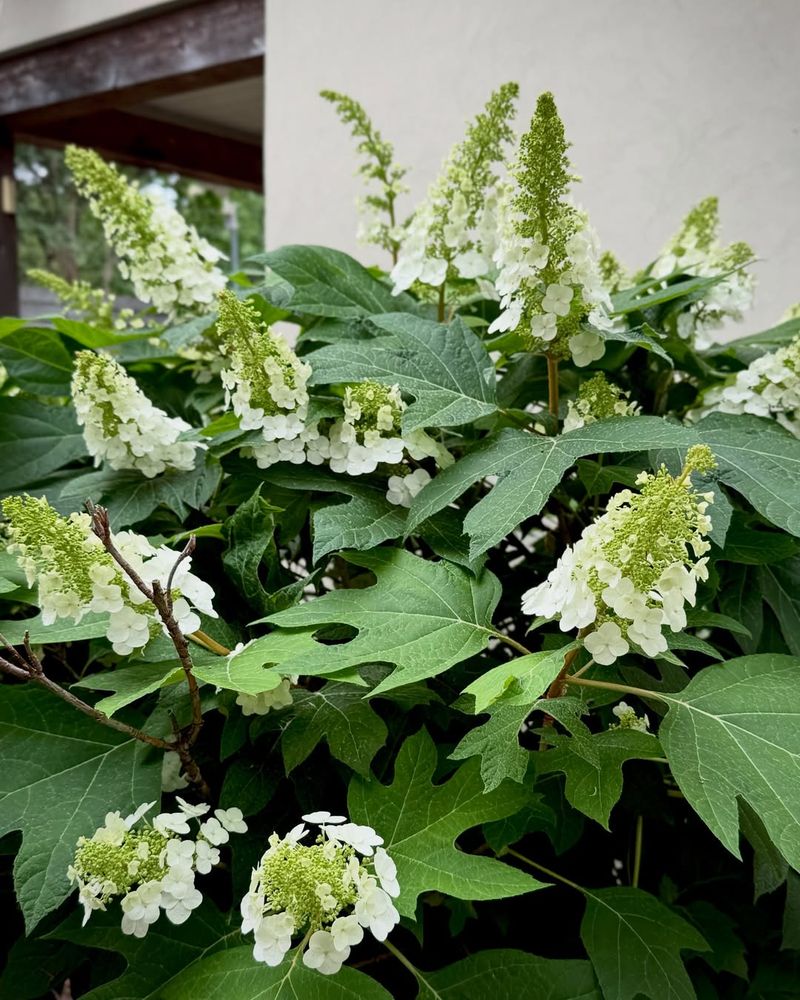
Placement makes or breaks an oakleaf hydrangea. Get the sun exposure right and this shrub rewards you with thick growth and heavy blooms.
Get it wrong and the plant sulks, stretches, or barely flowers at all.
Morning sun with afternoon shade is the sweet spot. East-facing foundation beds are nearly ideal.
The plant soaks up gentle early light, then gets a break from the brutal afternoon heat that peaks in mid-summer across the Southeast.
Full shade is a common mistake. Oakleaf hydrangea tolerates shade better than most flowering shrubs, but it will not bloom well without some direct sun.
Sparse, floppy growth is usually the first sign that a plant is not getting enough light.
Full sun all day is equally problematic, especially in hotter inland areas. Leaves may scorch along the edges, and the plant burns through moisture faster than roots can replace it.
Your Georgia Garden Changes Every Week. Your Plan Should Too.
Gardening in Georgia changes quickly throughout the season. Every Friday you’ll receive a simple weekly plan showing exactly what to plant, prune, fertilize, harvest, and protect so you never miss the right timing.
Some afternoon protection goes a long way.
North-facing foundation beds tend to be too shady for reliable blooming. South and west-facing spots can work with consistent watering and a good layer of mulch to buffer soil temperatures.
East-facing remains the most forgiving option overall.
Before planting, spend a day watching how sunlight moves across your foundation bed. Note where shade falls by noon and where it lingers until evening.
3. Regular Watering Helps New Shrubs Establish Faster
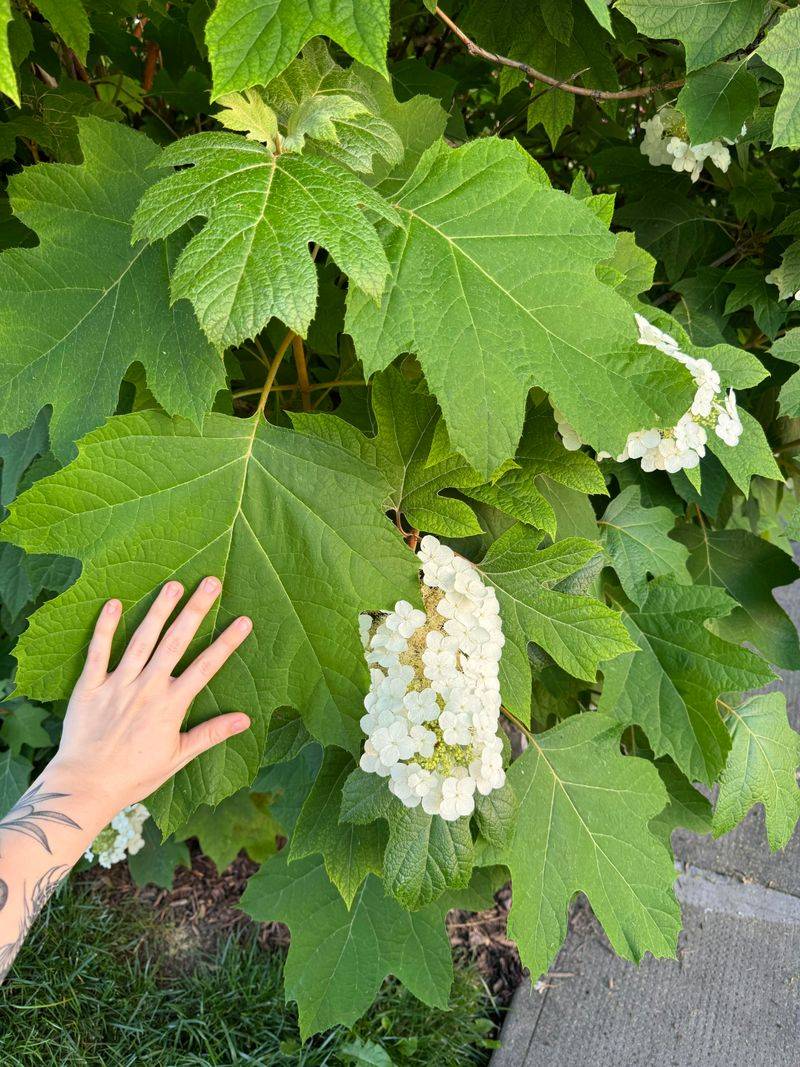
Newly planted shrubs need more attention than established ones. Oakleaf hydrangea is no exception.
During the first growing season, consistent watering is what separates a plant that thrives from one that barely survives.
Right after planting, water deeply every two to three days for the first few weeks. Deep watering encourages roots to push downward rather than staying shallow near the surface.
Shallow roots make plants more vulnerable to dry spells later on.
Once the shrub shows new growth, you can begin stretching the interval between waterings. New leaves emerging is a sign that roots are starting to anchor.
At that point, watering once or twice a week during dry stretches is usually enough.
Clay soil, which is common across much of the region, holds moisture longer than sandy soil. Check the soil a few inches down before watering again.
If it still feels damp, hold off another day or two.
Wilting in the early morning is a reliable warning sign. If leaves droop before the sun gets intense, the plant genuinely needs water.
Afternoon wilting on hot days can be temporary and does not always mean the soil is dry.
4. Good Drainage Prevents Problems Near The Foundation
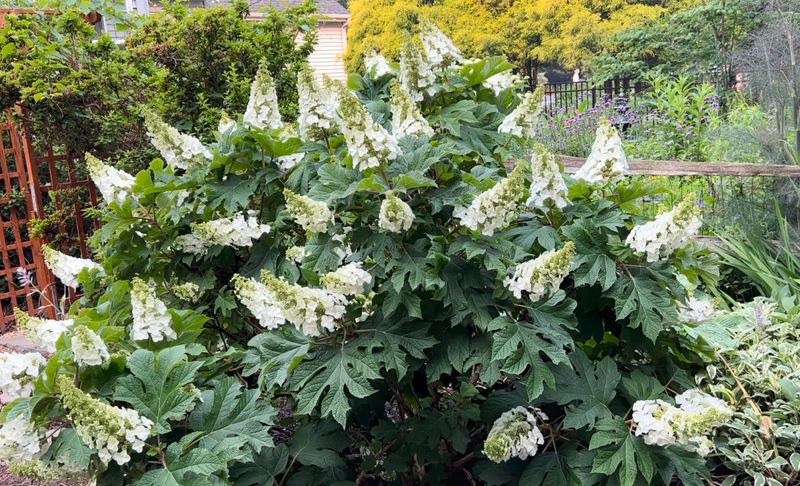
Water pooling near a foundation is bad news for almost any plant. Oakleaf hydrangea is more tolerant of moist soil than many shrubs, but soggy, waterlogged conditions will cause serious root problems over time.
Foundation beds are notorious for drainage issues. Soil near structures often gets compacted during construction.
Grading sometimes directs water toward the house rather than away from it. Downspouts can dump large volumes of water into a small area.
Before planting, evaluate how water moves through your foundation bed after a heavy rain. If puddles linger for more than an hour or two, drainage needs to be improved before any shrubs go in the ground.
Amending heavy clay soil with compost improves structure and drainage meaningfully. Work organic matter several inches deep across the entire planting area, not just in the individual planting hole.
A wider improvement zone gives roots more room to spread into healthy soil.
Raised beds are another practical option. Even lifting the planting area four to six inches above grade can make a significant difference in how quickly excess water drains away from root zones.
Keep planting holes from becoming water traps. In clay soil, a hole dug straight down can act like a bucket, collecting water with nowhere to go.
5. Pruning After Flowering Protects Next Year’s Buds
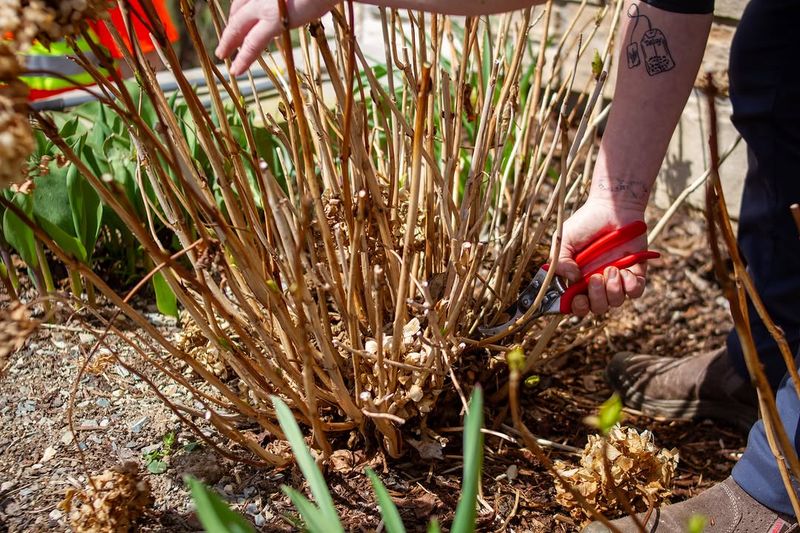
Timing is everything with oakleaf hydrangea pruning. Cut at the wrong time and you remove the buds that were already forming for next season.
Most gardeners who end up with a non-blooming shrub made one simple mistake: they pruned too late in the year.
Oakleaf hydrangea blooms on old wood. That means the flower buds for next summer start developing on current-season stems shortly after this year’s blooms fade.
Pruning in fall or early spring removes those buds before they ever get a chance to open.
The safe window for pruning is right after flowering wraps up, typically in midsummer. Cutting back at that point gives the plant the rest of the growing season to set new buds on the regrowth before temperatures cool down.
Not every stem needs cutting. Light shaping is fine, but heavy pruning should be reserved for shrubs that have genuinely outgrown their space.
Deadheading the spent blooms is optional. Oakleaf hydrangea actually has attractive dried flower heads that persist through fall and into winter.
Many gardeners leave them on intentionally for winter interest, cutting them off only when they start to look ragged.
6. Mature Size Matters More Than Many Homeowners Expect
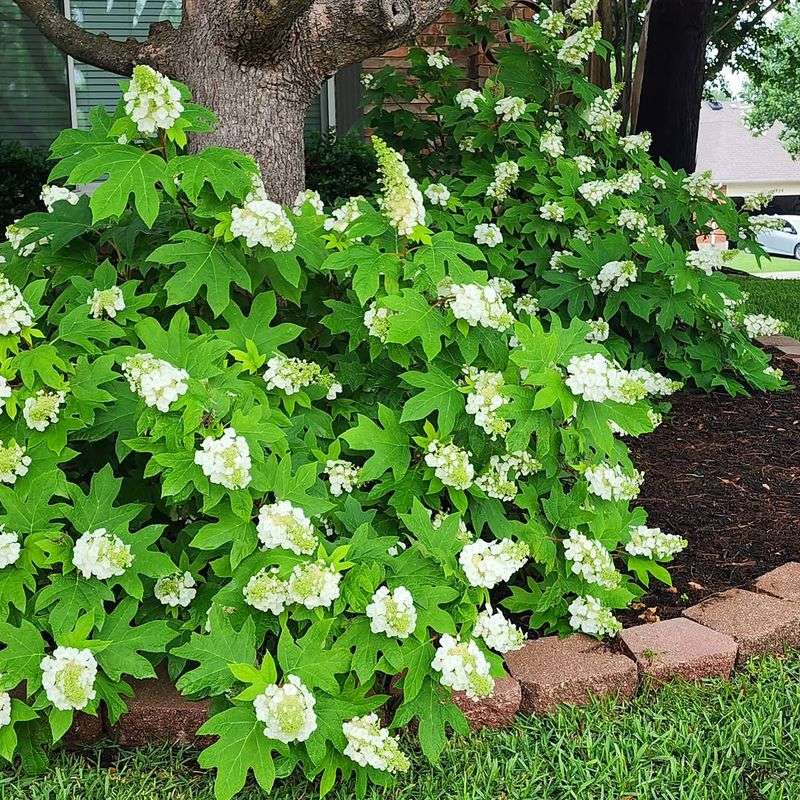
Picking a shrub based on how it looks in a one-gallon pot is one of the most common planting mistakes around. Oakleaf hydrangea gets big, and it does so faster than most people expect.
Understanding mature size before you plant saves a lot of headache down the road.
Standard oakleaf hydrangea varieties typically reach six to eight feet tall and equally wide at maturity. Some older specimens in established landscapes push even larger.
Planted too close to a foundation, windows, or walkway, that size becomes a problem within just a few years.
Spacing plants correctly from the start is smarter than pruning constantly to keep them contained. Allow at least four to five feet between the shrub and the structure when planting.
That gap feels generous with a young plant but fills in appropriately as the shrub matures.
Compact varieties exist and are worth considering for tighter spots. Cultivars like Pee Wee and Sike’s Dwarf stay closer to three to four feet in height.
They offer the same blooms and fall color with a smaller footprint, which suits narrow foundation beds well.
Check the mature size listed on the plant tag before purchasing. Nursery tags are not always perfectly accurate, but they give a reasonable baseline.
Cross-referencing with a reliable plant database takes only a minute and can prevent years of overcrowding.
7. Mulch Helps Maintain Consistent Soil Moisture
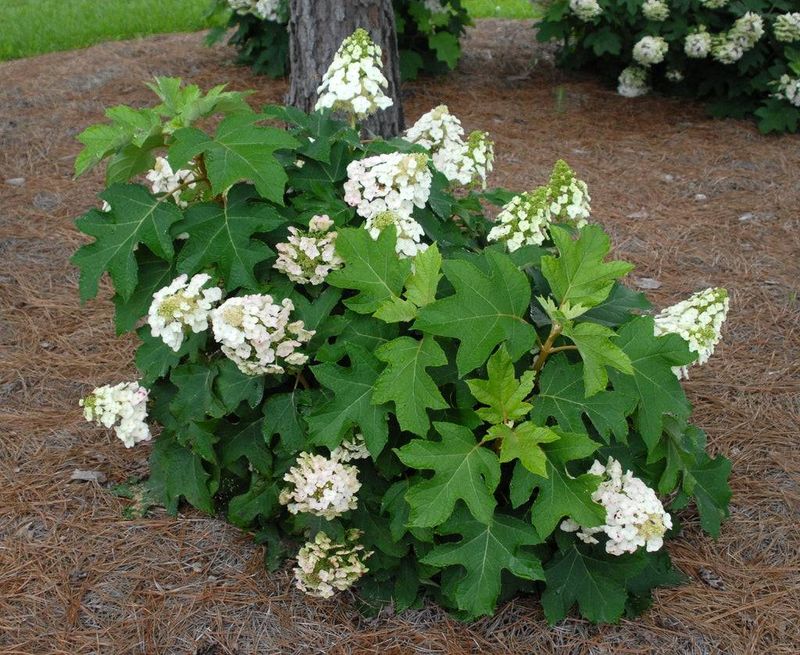
Bare soil around a newly planted shrub is a missed opportunity. Mulch does several important jobs at once, and in a hot, humid climate like the one across much of the Southeast, those jobs matter a great deal from spring through fall.
Moisture retention is the most immediate benefit. A two to three inch layer of shredded bark or wood chip mulch slows evaporation dramatically.
Soil under mulch stays noticeably cooler and wetter than exposed soil during dry stretches in July and August.
Consistent moisture is what oakleaf hydrangea roots want. Wet-dry cycles stress plants and can cause leaf scorch or slowed growth during an already demanding summer.
Mulch smooths out those swings between waterings.
Weed suppression is another real advantage. Fewer weeds mean less competition for water and nutrients.
It also means less time spent pulling weeds from a bed that should be low maintenance by design.
Soil temperature regulation matters more than most gardeners realize. Mulch insulates roots from extreme heat in summer and buffers them from hard freezes in winter.
Both extremes are easier on a mulched root zone than bare ground.
Keep mulch pulled back a few inches from the base of the shrub’s stems. Piling it directly against the bark holds moisture against the wood and can encourage rot over time.