Native Ohio Trees That Outperform Arborvitae As Windbreaks And Still Support Wildlife
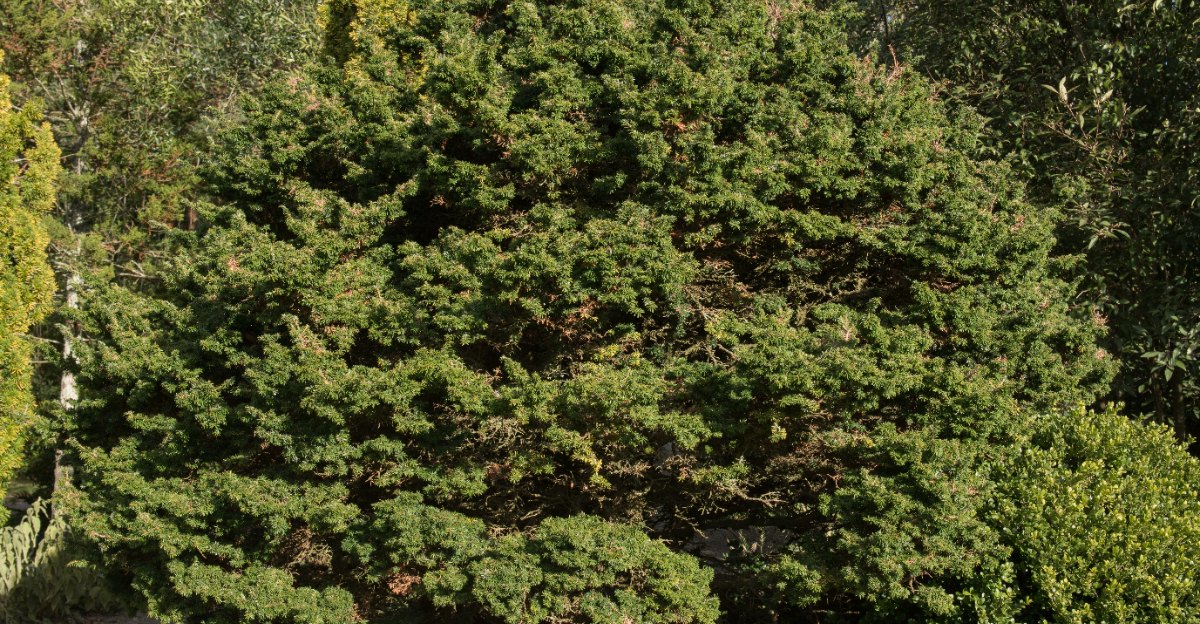
Arborvitae became Ohio’s default windbreak for one reason. It grows fast, stays evergreen, and nobody has to think too hard about it.
But fast and familiar does not always mean smart. Gardeners who planted arborvitae windbreaks a decade ago are dealing with the reality now.
Bagworm pressure every summer, deer browsing that strips entire rows, varieties that promised ten feet and delivered twenty.
A windbreak only works when it actually survives and stays intact, and arborvitae has a spotty track record in Ohio landscapes once stress hits.
Native trees flip the whole equation. Deep root systems that hold through ice storms and high winds.
Canopy structure that genuinely blocks prevailing cold. And real wildlife value that arborvitae simply cannot offer.
Birds, pollinators, and mammals use these trees in ways that make your property part of something bigger. Your windbreak can do a lot more than block wind.
1. Eastern Redcedar Builds Evergreen Cover For Wind And Birds
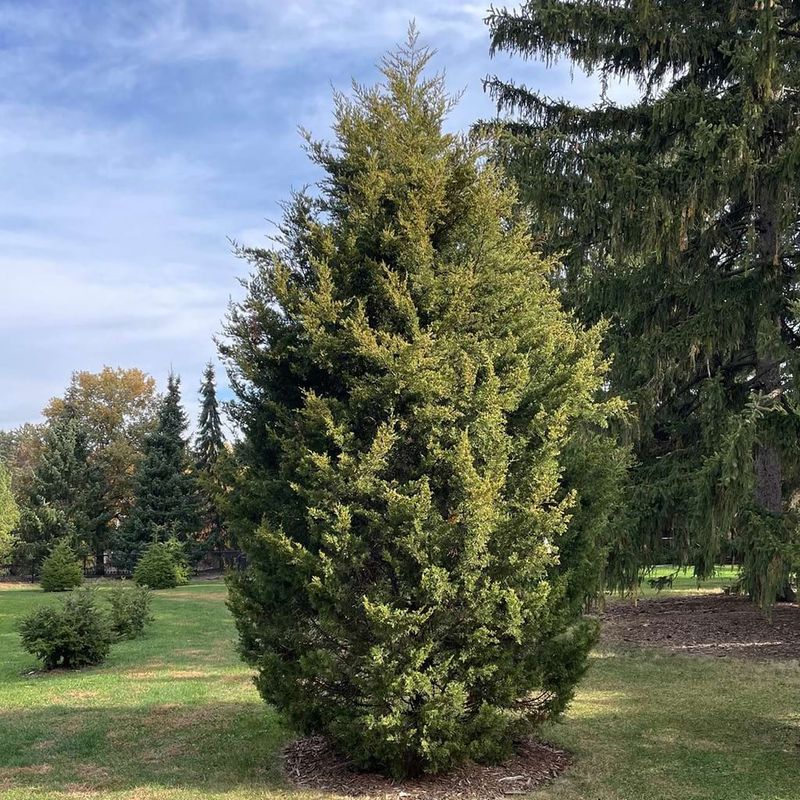
Few native evergreens work harder along a rural property edge than eastern redcedar. Known botanically as Juniperus virginiana, this tough tree is one of the most bird-friendly natives you can plant for a windbreak.
Cedar waxwings, bluebirds, robins, and mockingbirds all use the dense foliage for shelter and the small blue-gray berries for winter food.
Eastern redcedar handles full sun and well-drained soil extremely well. It works beautifully on open, exposed, or naturalized sites where wind protection is the priority.
Mature trees can reach 40 to 50 feet tall with a spread of 8 to 20 feet, giving a windbreak real structure over time.
One important caution: eastern redcedar is a host for cedar-apple rust, a fungal disease that cycles between junipers and members of the rose family. Do not plant it near apples, crabapples, hawthorns, serviceberries, or quince.
If you have any of those plants on or near your property, choose a different evergreen for your windbreak. In the right site, away from rust-sensitive plants, eastern redcedar is a low-maintenance, deeply native, and genuinely valuable windbreak tree.
2. White Pine Creates A Tall Native Screen With Soft Needles
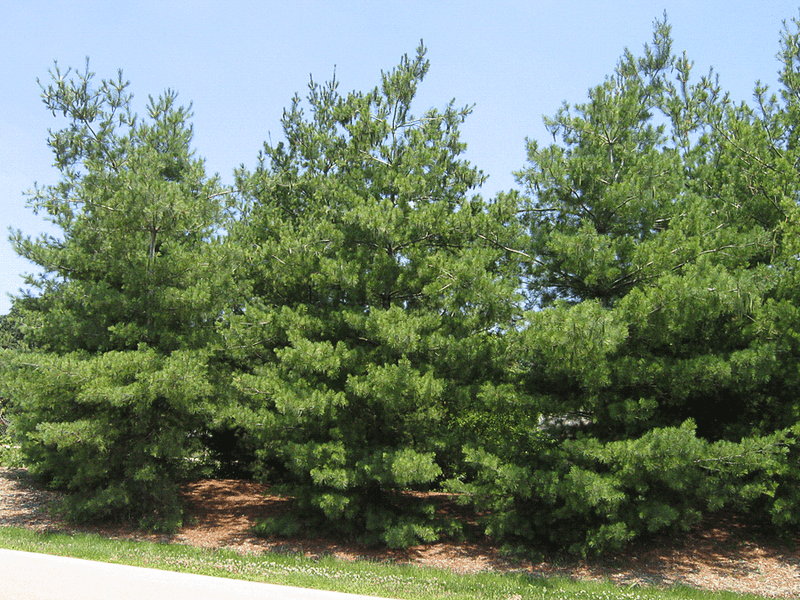
Eastern white pine is one of the tallest native evergreens in the eastern United States. When given enough room, it can form an impressive windbreak screen with a soft, graceful look.
Pinus strobus grows quickly for a large tree and can reach 80 feet or more at maturity. That makes it a serious long-term structure plant for larger yards and rural properties.
Spacing matters more with white pine than almost any other windbreak tree. Planting trees too close together or too near buildings, power lines, or property lines leads to problems as the canopy expands.
Allow at least 25 to 30 feet between trees in a windbreak row and keep them away from overhead utilities and septic systems.
Several cautions are worth knowing before you plant. White pine weevil can damage the central leader on young trees, especially in sunny, exposed spots.
Young trees are also browsed heavily by deer in areas with high deer pressure. White pine is sensitive to road salt and should not be planted near heavily salted roads or driveways.
Your Ohio Garden Changes Every Week. Your Plan Should Too.
Gardening in Ohio changes quickly throughout the season. Every Friday you’ll receive a simple weekly plan showing exactly what to plant, prune, fertilize, harvest, and protect so you never miss the right timing.
Storm damage can be significant on mature trees in exposed sites. With the right spacing, good drainage, and some deer protection early on, white pine can build a beautiful and functional native windbreak over time.
3. American Holly Adds Evergreen Shelter And Winter Berries
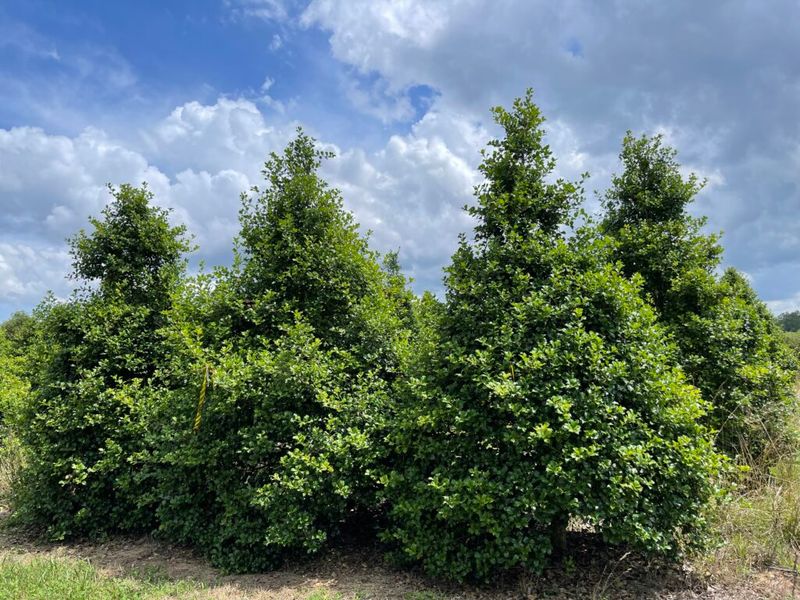
American holly brings something to a windbreak that most evergreens simply cannot match. It has glossy, spiny leaves that stay green all winter and bright red berries that birds absolutely love.
Ilex opaca is a broadleaf native evergreen that can grow into a substantial tree or large shrub, reaching 15 to 30 feet tall depending on the site and growing conditions.
One detail that surprises many first-time holly growers is that berries only appear on female plants, and a male plant must be nearby to provide pollination. Without a male within a reasonable distance, a female holly will not produce fruit.
Plan for at least one male for every few female plants in your planting.
American holly is more site-sensitive than eastern redcedar or white pine. It performs best in milder or protected parts of the state, including some southern and central areas with good soil drainage and some wind shelter.
Exposed, windy, wet, or poorly drained sites can stress these trees significantly. It also grows slowly, so do not expect an instant windbreak.
Patience pays off here. Given a sheltered spot with moist, well-drained, slightly acidic soil, American holly can become a stunning and wildlife-rich addition to a layered native planting.
4. Eastern Hemlock Works Where Cool Shade And Moist Soil Meet
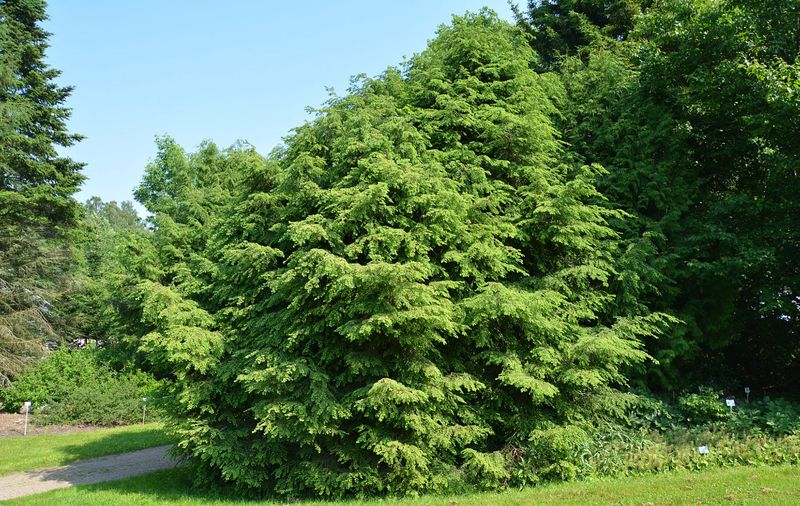
Eastern hemlock is one of the most elegant native evergreens in the eastern forest. In the right setting, it can provide dense, soft, year-round cover for wildlife and wind shelter alike.
Tsuga canadensis grows best where conditions feel more like its natural woodland home. That means cool temperatures, partial to full shade, moist and well-drained acidic soil, and protection from harsh wind and reflected heat.
That site sensitivity is the key message about hemlock. It does not belong in hot, dry, exposed, compacted, or urban-stressed locations.
Planting it in full sun on a dry slope or a windy open field is a setup for serious decline. Hemlock rewards careful site matching and struggles badly when that match is off.
A serious pest concern also needs to be on every homeowner’s radar. Hemlock woolly adelgid, an invasive insect, has been spreading through parts of the eastern United States and has reached some areas of this state.
Before planting eastern hemlock, check with your local Ohio State University Extension office or Ohio Department of Natural Resources. Ask for current guidance on adelgid presence in your county.
In the right cool, moist, protected site, hemlock can be a deeply rewarding native evergreen. It works best for a layered windbreak or woodland edge where adelgid pressure is manageable.
5. Bur Oak Brings Long-Term Wind Protection And Wildlife Value
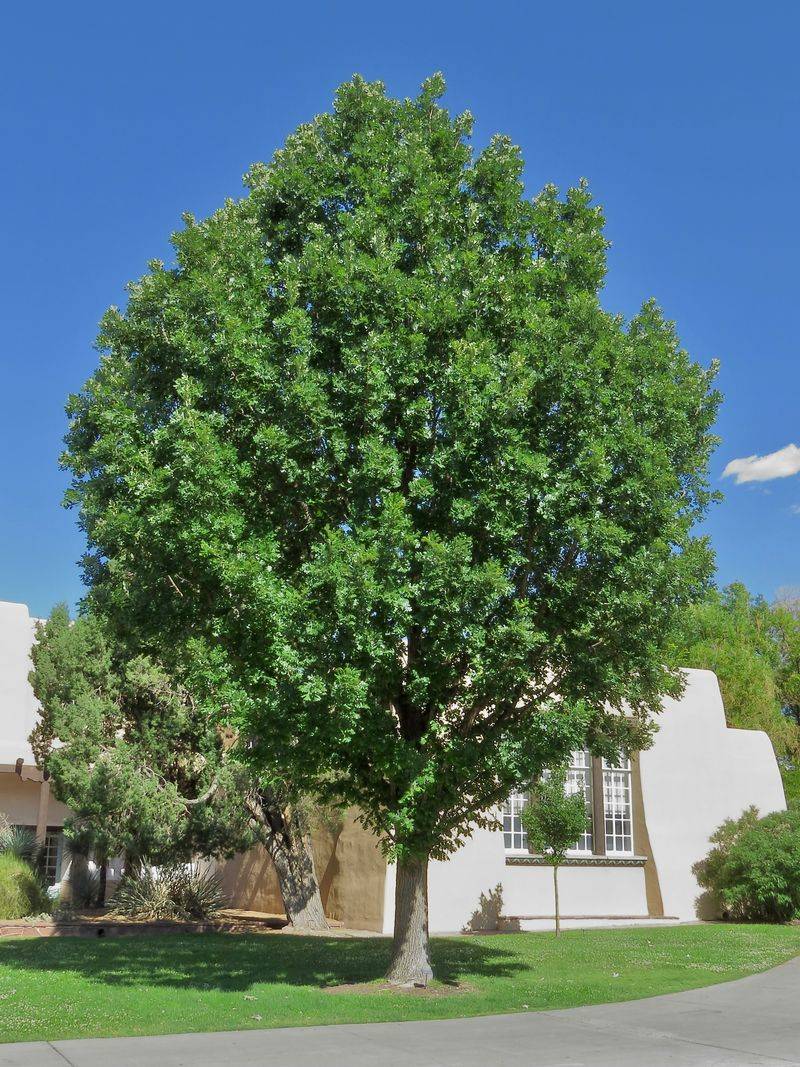
Planting a bur oak is an act of long-term thinking, and that is exactly what makes it so valuable. Quercus macrocarpa is one of the toughest and most wildlife-rich native trees in the entire midwestern landscape.
A mature bur oak can reach 60 to 80 feet tall with a canopy spread of equal or greater width. Its deep root system makes it remarkably resistant to wind, drought, and harsh weather once established.
Bur oak does not provide evergreen screening. It is fully deciduous, dropping its leaves in fall and standing bare through winter.
What it does provide is something far more durable: massive wind-slowing structure at maturity and enormous acorn crops that feed deer, turkeys, squirrels, and dozens of other species.
It also has a host plant relationship with hundreds of native insects that feed the food chain from the ground up.
This tree needs a large site. Small suburban lots, tight side yards, and properties near power lines are not the right fit.
Bur oak belongs in open fields, farm edges, larger rural properties, or spacious suburban yards where it has room to reach full size over several decades. Think of it as the anchor tree in a mixed windbreak, not a quick privacy fix.
Given space and time, few native trees deliver more.
6. Black Gum Adds Strong Structure, Fall Color, And Bird Food
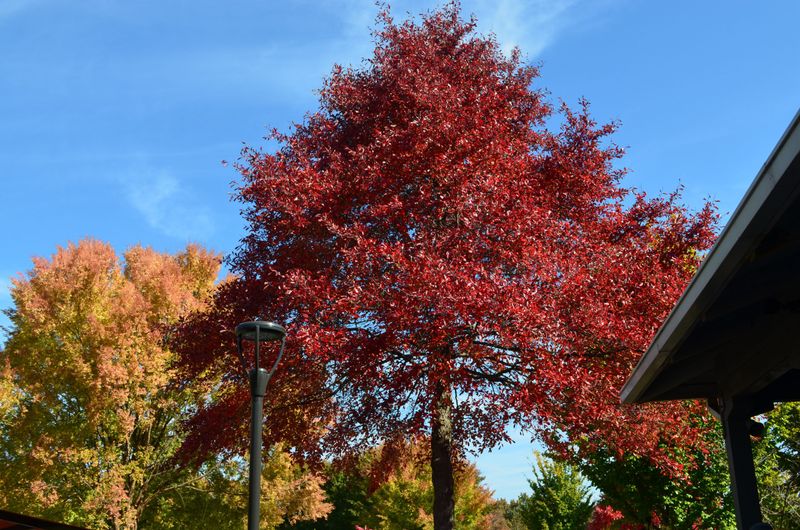
Black gum might be the most underused native tree in the windbreak toolkit. Nyssa sylvatica earns attention first for its fall color, which is among the most vivid of any native tree in the eastern United States.
The leaves shift from deep green to blazing scarlet, orange, and purple in early autumn, often weeks before many other trees begin to turn.
Beyond the color, black gum produces small dark blue fruits in late summer and early fall that are quickly claimed by birds. Wood thrushes, robins, bluebirds, woodpeckers, and wild turkeys are among the many species documented feeding on the fruit.
The tree also supports a variety of native bees and insects, adding pollinator value to its wildlife resume.
Black gum prefers moist but well-drained, acidic soil and tends to establish slowly in its first few years. It is not an evergreen screen, so it should be used as part of a layered windbreak that includes evergreens and native shrubs to provide year-round cover.
Mature trees develop a strong horizontal branching structure that slows wind and adds real landscape presence. It can reach 30 to 50 feet at maturity.
With patience and the right soil conditions, black gum rewards the gardener with decades of wildlife food, color, and structure.
7. Hackberry Handles Tough Windbreak Sites While Feeding Wildlife
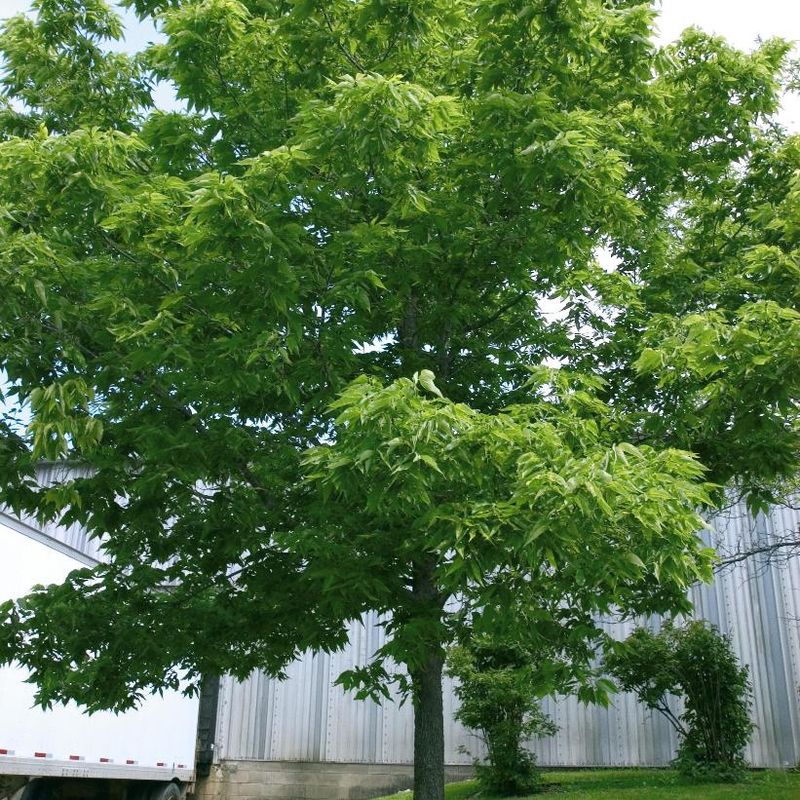
Hackberry is the tree that keeps showing up in the toughest spots, and for good reason. Celtis occidentalis handles wind, clay soil, compacted ground, drought, and urban stress better than most native trees of comparable size.
If you have a difficult windbreak site where more sensitive trees have struggled, hackberry deserves a serious look.
The wildlife value is real and well-documented. Hackberry produces small, dark purple fruits in fall that persist into winter.
They are used by a wide variety of birds including cedar waxwings, robins, mockingbirds, and yellow-rumped warblers. It also serves as a host plant for several native butterfly species, including the hackberry emperor and tawny emperor.
That adds another layer of habitat value to a mixed windbreak planting.
Hackberry is a large, somewhat informal tree that can reach 40 to 60 feet tall with a broad, irregular canopy. It is not the right choice for very formal or tightly managed landscapes where a neat, uniform appearance is expected.
Witches broom is a harmless but visually distinctive cluster of twiggy growth caused by a combination of a mite and a powdery mildew fungus. It is common on hackberry and does not seriously harm the tree.
For property edges, rural windbreaks, and mixed native plantings where toughness and wildlife value matter most, hackberry is one of the most reliable choices available.