Heat-Loving Fruits Worth Growing In Arizona Gardens This Summer
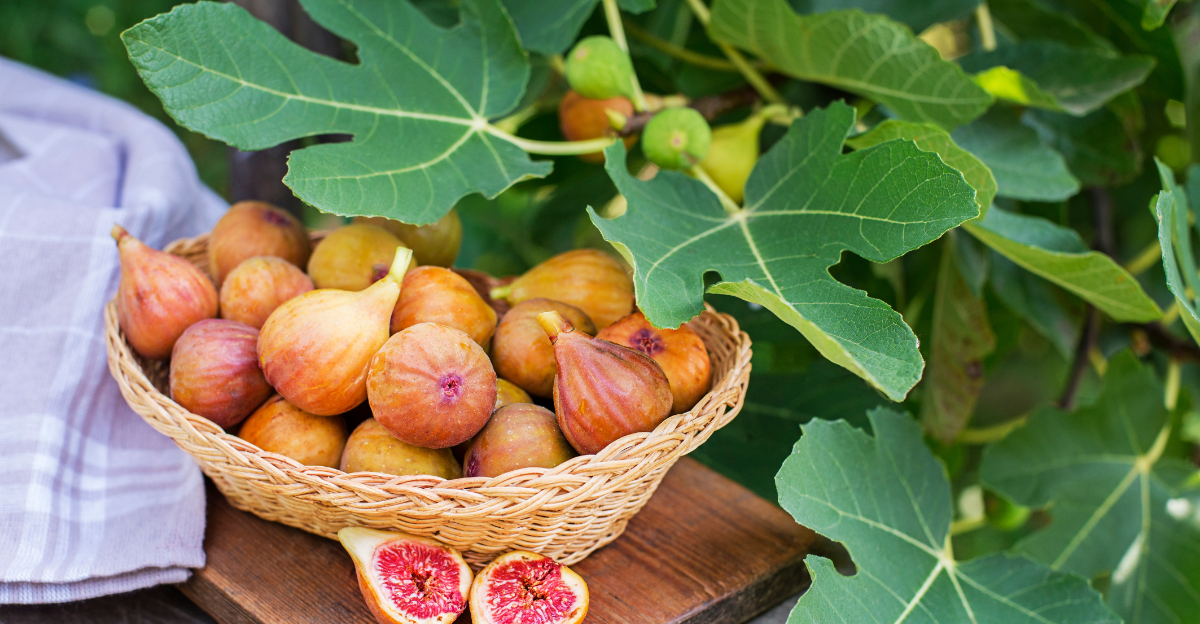
Most fruit plants are talked about as if summer heat is something they need to survive. That is not always the case.
Some fruits respond to rising temperatures with faster growth, stronger production, and some of their best performance of the year.
That difference becomes easy to see once the hottest part of summer arrives. While certain plants begin struggling, others continue putting on new growth and developing fruit as if the heat barely affects them.
Choosing the right varieties can completely change what is possible in a home garden.
Summer gardening comes with challenges, but Arizona also has conditions that many heat-loving fruits appreciate. A few stand out for their ability to handle intense sun and long stretches of hot weather.
Once established, they can become some of the most rewarding plants to grow during the warmest months of the year.
1. Pomegranate Holds Strong Through Long Summer Heat
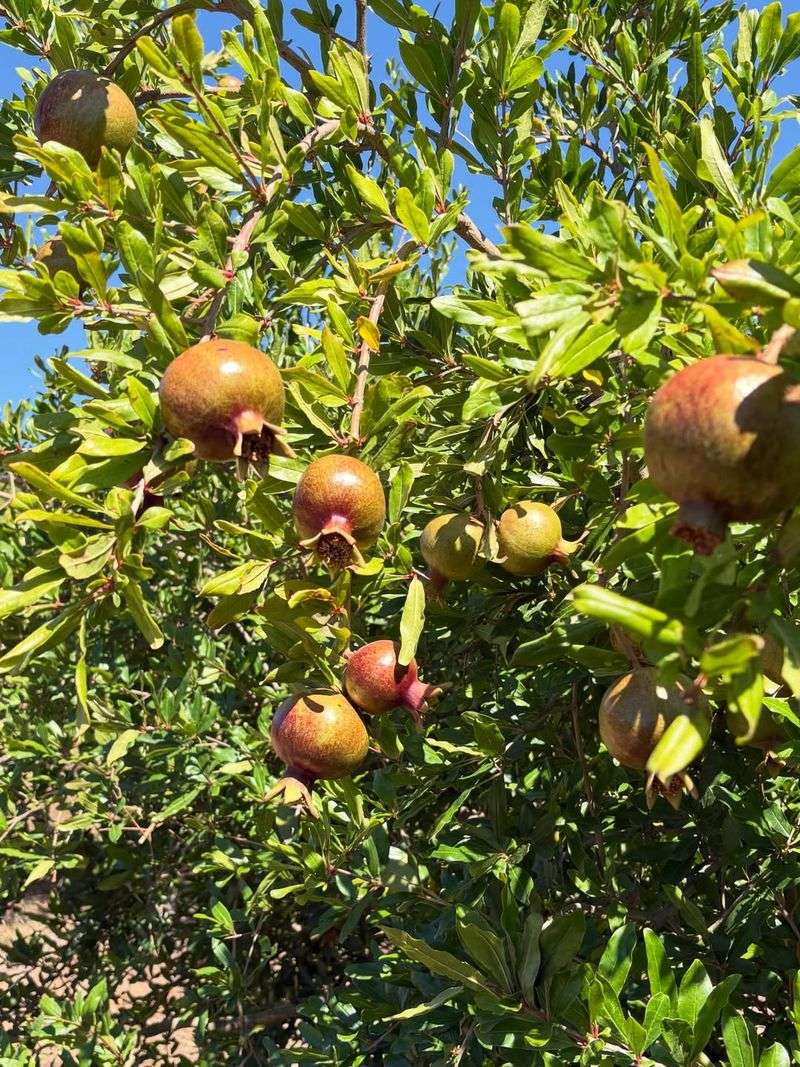
Few fruits handle desert heat as boldly as the pomegranate. It is one of the few fruiting plants that actually performs better in long, hot summers than in cooler climates.
Pomegranates love long, hot summers with low humidity. That combination is exactly what the desert Southwest delivers from June through September.
Varieties like Wonderful and Eversweet perform reliably in low-desert gardens.
Plant them in full sun with well-draining soil. Once established, they are surprisingly drought-tolerant, though regular deep watering during fruit development improves both size and sweetness.
Expect fruit to mature in late summer through fall, usually around 150 to 180 days after flowering. Watch for splitting, which often signals overwatering or irregular irrigation.
Pomegranates can grow as a shrub or a small tree depending on how you prune them. Either way, they add structure and color to a desert landscape.
Harvest when the skin feels firm and slightly leathery and produces a metallic sound when tapped. One established plant can yield 50 or more fruits per season under good conditions, though results vary depending on soil quality and care.
The intense summer heat also helps develop the rich color and flavor that make homegrown pomegranates so rewarding to harvest.
They are also relatively pest-resistant in dry climates, making them a low-maintenance fruit choice in desert gardens.
2. Citrus Trees Stay Healthy During Warm Weather
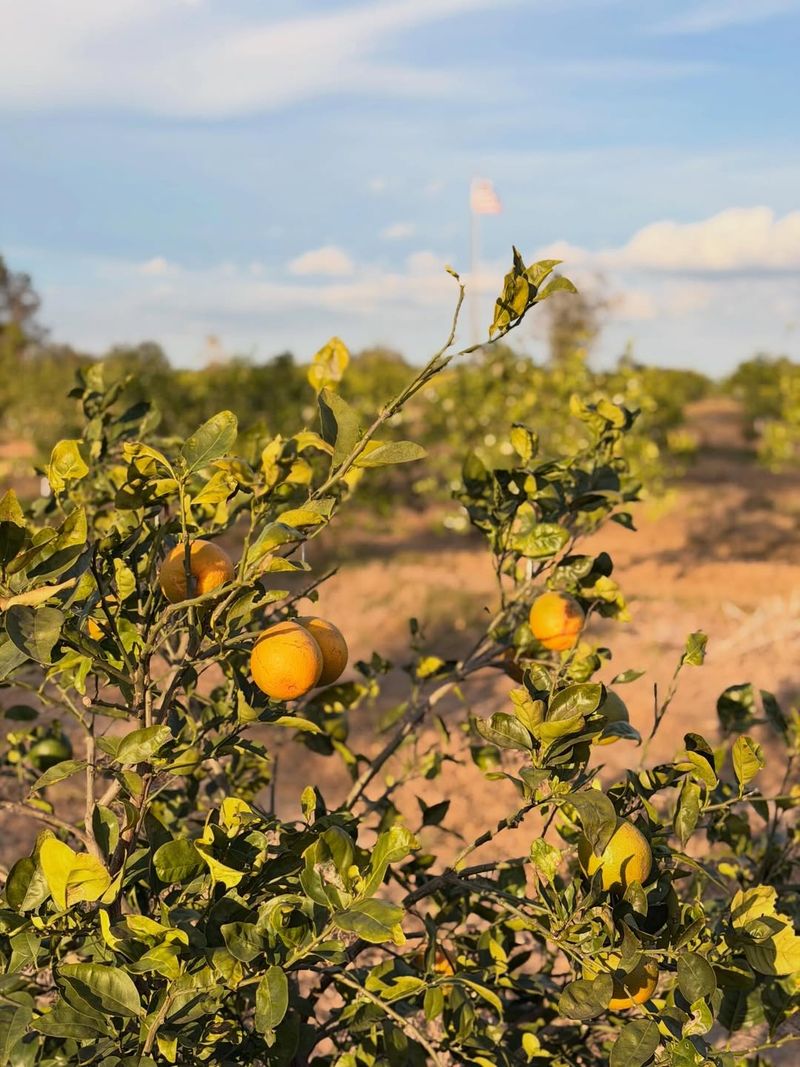
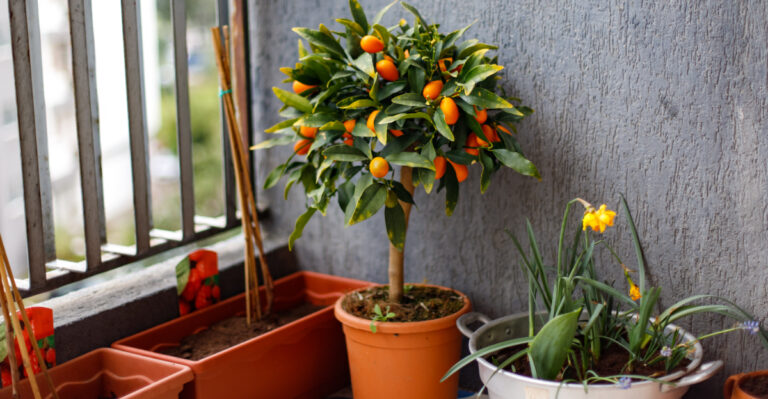
Citrus trees are practically synonymous with warm-weather gardening in the Southwest. Navels, Valencia oranges, lemons, limes, and grapefruits all perform well in low-desert conditions.
Summer is not the primary harvest season for most citrus, but it is absolutely the right time to tend, water, and prepare your trees for a strong fall and winter crop. Keeping citrus healthy through summer heat sets up a better harvest later.
Deep watering every one to two weeks during summer helps trees manage heat stress. Mulching around the base keeps roots cooler and slows moisture loss from the soil surface.
Fertilize in late spring before peak heat arrives. Applying fertilizer during extreme heat can stress the tree rather than help it.
Timing matters more than people often realize.
Sunburn on fruit and bark is a real concern during hot months. Whitewash paint applied to exposed trunks and branches can help reduce bark damage on younger trees.
Your Arizona Garden Changes Every Week. Your Plan Should Too.
Gardening in Arizona changes quickly throughout the season. Every Friday you’ll receive a simple weekly plan showing exactly what to plant, prune, fertilize, harvest, and protect so you never miss the right timing.
Lemons and limes tend to be more forgiving in heat than some orange varieties. Eureka lemon is a solid choice for gardens that deal with extended periods above 110 degrees.
Proper irrigation, mulching, and timing your fertilizer applications will keep your citrus trees producing reliably. Results still depend on your specific microclimate and soil conditions.
A healthy canopy also helps shade developing fruit, reducing heat damage during the hottest part of the summer.
3. Watermelon Grows Well In Hot Summer Conditions
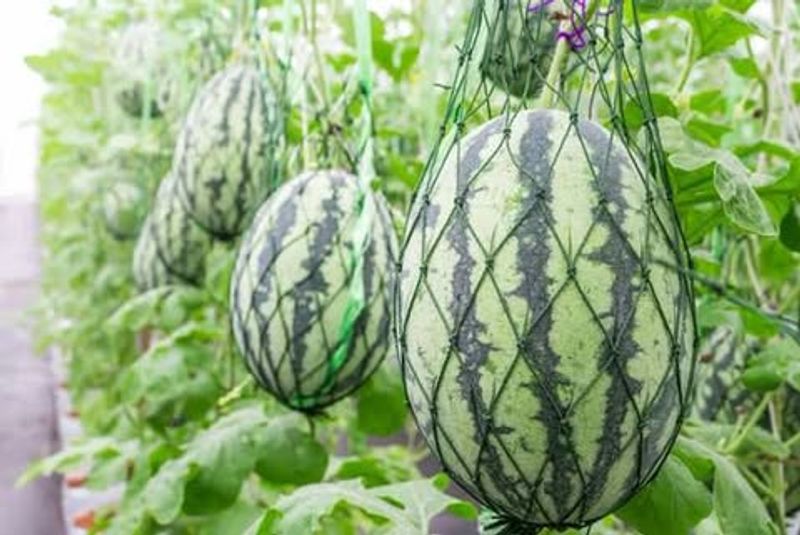
Watermelon was practically made for desert summers. Long, blazing days and warm nights create ideal growing conditions for this fruit to develop sweetness and size.
Plant seeds or transplants in late spring once soil temperatures reach at least 70 degrees. Watermelons need warm roots to germinate and grow well.
Cold soil slows everything down considerably.
Sugar Baby and Crimson Sweet are two varieties that perform well in hot, dry climates. Compact varieties work better in smaller garden spaces while still producing full-sized flavor.
Watermelons are thirsty plants, especially during vine development and early fruit set. Consistent moisture at the root zone matters most during those stages.
Cut back slightly on water as fruit approaches maturity to concentrate sugars.
Sandy, well-draining soil with compost mixed in produces the best results. Heavy clay soil holds too much moisture and can cause root problems in extreme heat.
Check ripeness by looking at the underside of the fruit. A creamy yellow spot where the melon rested on the ground usually signals it is ready.
The curly tendril nearest the stem also dries out when the fruit is ripe.
Give vines plenty of room to spread. Most varieties need at least six to eight feet of space.
Yields vary based on irrigation quality and soil preparation, but a single vine can produce two to four melons under good conditions.
4. Date Palm Fits Naturally Into Desert Gardens
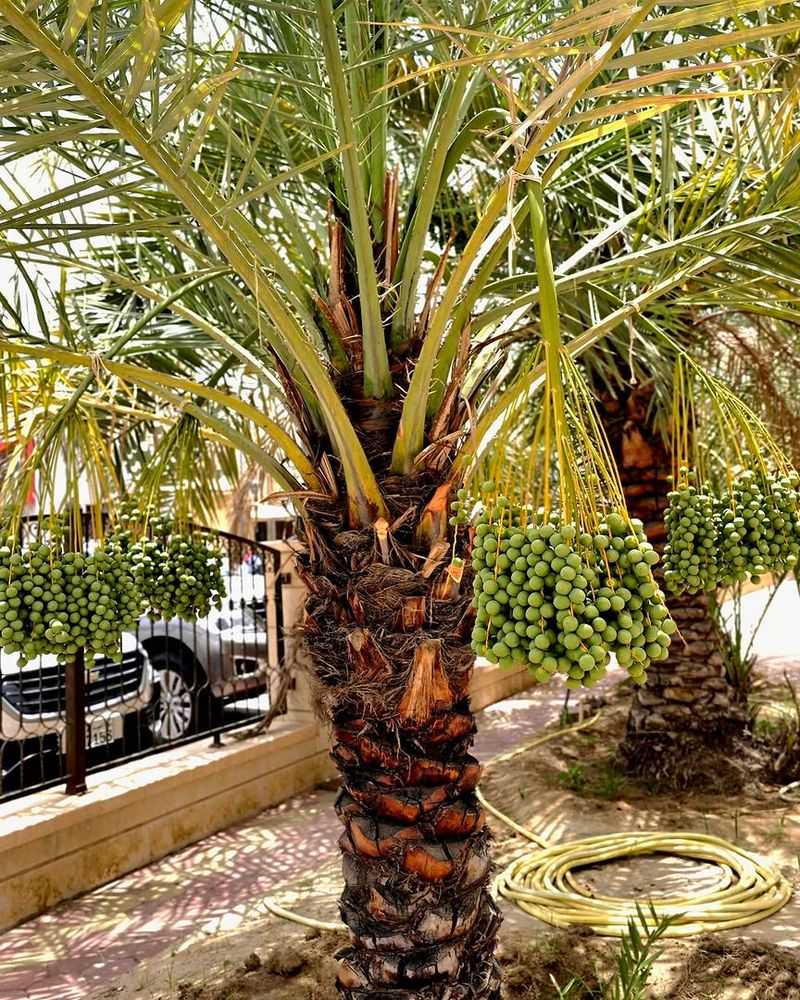
Date palms are built for desert life. They need long, hot, dry summers to produce sweet, fully ripened fruit, and the Sonoran Desert delivers exactly that.
Medjool and Deglet Noor are the most commonly grown varieties in low-desert gardens. Medjool dates are especially prized for their large size and caramel-like flavor.
These palms take patience. A date palm typically needs five to eight years before producing a meaningful fruit crop.
Once established though, a healthy tree can produce for decades.
Full sun is non-negotiable. Dates need heat accumulation measured in units called degree days to fully ripen.
Insufficient heat results in fruit that stays hard and starchy rather than soft and sweet.
Water young palms regularly. Mature trees are more drought-tolerant but still benefit from deep irrigation during summer.
Avoid watering the crown directly, as excess moisture there can cause rot.
Pollination requires either a male tree nearby or hand pollination. Most home gardeners hand-pollinate to ensure fruit set.
Female trees bear fruit, so knowing your tree’s sex before planting matters.
Fruit clusters are often bagged with paper or mesh to protect developing dates from rain, insects, and birds. Rain during ripening can damage fruit quality, though desert summers are typically dry enough to avoid that issue most years.
Few fruit crops are as closely tied to intense desert heat, which is one reason high-quality dates are produced in only a handful of regions worldwide.
5. Dragon Fruit Prefers Warm Growing Conditions
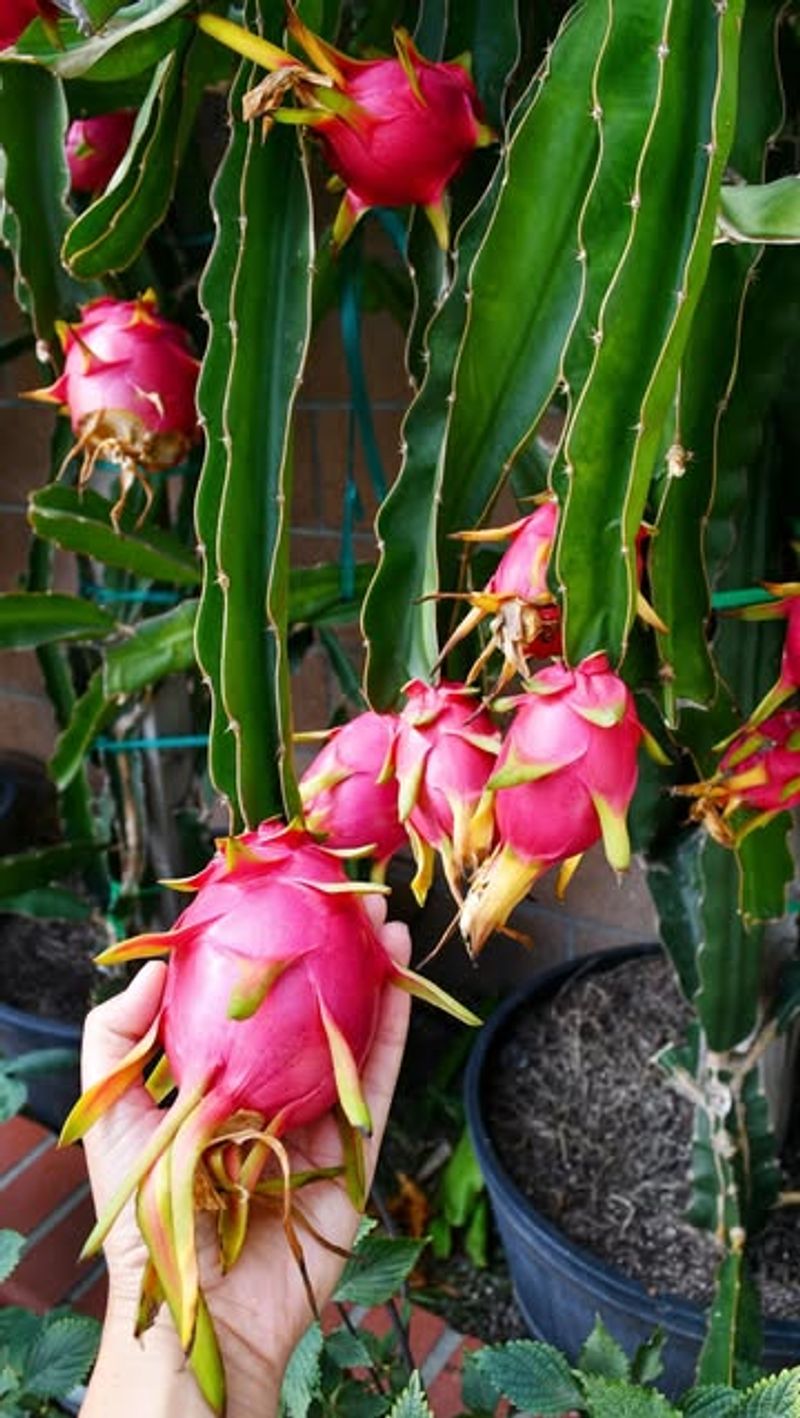
Dragon fruit is one of the most visually striking plants you can grow in a desert garden. It is a cactus, and that tells you a lot about how well it handles heat.
Hylocereus species, the most common type grown for fruit, thrive in warm climates with temperatures between 65 and 100 degrees. They can handle brief spikes above that, but prolonged extreme heat above 110 degrees may affect flowering.
Plant in a spot with morning sun and some afternoon shade. Unlike many desert fruits, dragon fruit benefits from protection against the most intense afternoon heat during peak summer months.
Trellis or stake your plants early. Dragon fruit is a climbing cactus and needs support to grow upright and produce well.
A sturdy post or wooden trellis works fine for home gardens.
Flowers bloom at night and close by morning. Pollination happens overnight, often by moths or bats.
Hand pollination using a small brush improves fruit set significantly if natural pollinators are limited in your area.
Fruit ripens about 30 to 50 days after successful pollination. Skin color shifts from green to bright pink or yellow depending on the variety.
Harvest when the skin color is fully developed and the fruit gives slightly under gentle pressure.
Dragon fruit is still considered a specialty crop in many home gardens, and results vary depending on microclimate, variety, and consistent care.
6. Grape Vines Benefit From Full Sun And Good Air Flow
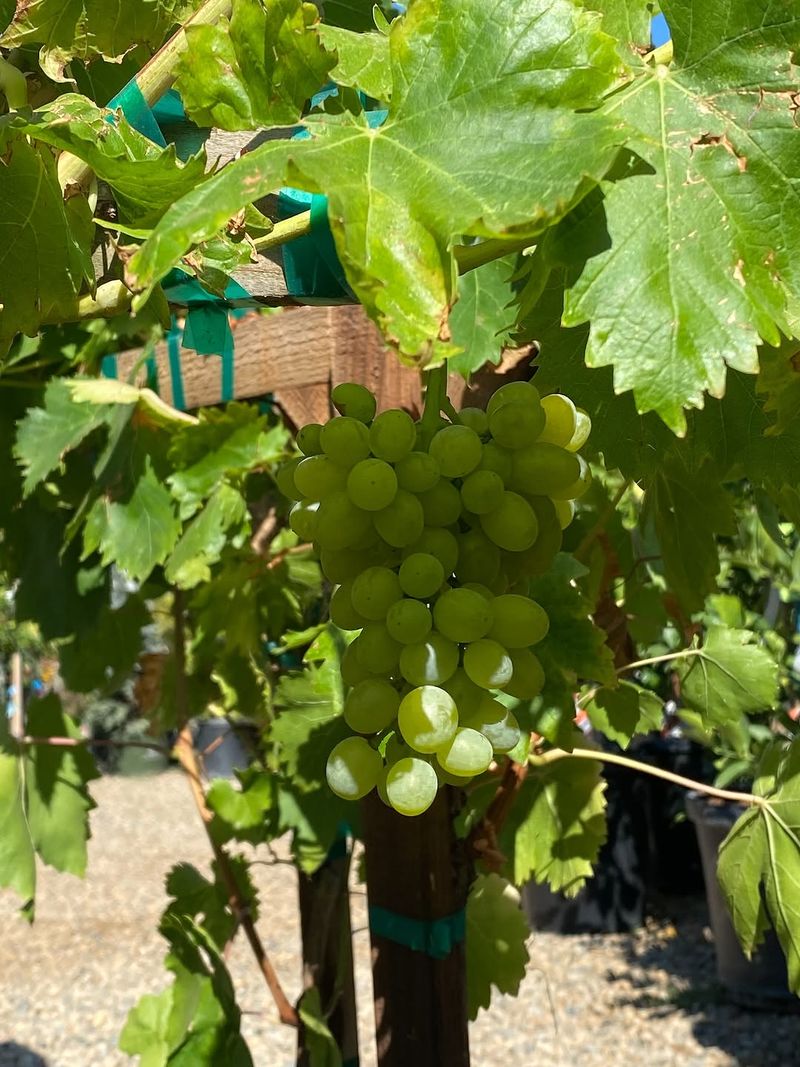
Grapes have a long history in hot, dry climates. Many wine-producing regions of the world share a similar climate profile to the desert Southwest, which means grapes can thrive here with the right setup.
Table varieties like Flame Seedless, Thompson Seedless, and Black Monukka all perform well in low-desert gardens. They ripen earlier here than in cooler climates, often producing fruit by late June or July.
Plant vines in full sun along a sturdy trellis or fence. Grapes need strong support as they mature.
A good trellis system also improves airflow, which helps reduce fungal issues during humid monsoon periods.
Water deeply but infrequently once vines are established. Overwatering encourages excessive leaf growth at the expense of fruit production.
Reducing water slightly as fruit ripens can concentrate sugars and improve flavor.
Pruning is critical for grape production. Most home gardeners under-prune, which leads to lots of leaves and very little fruit.
Hard pruning in late winter sets up a productive growing season.
Protect developing clusters from intense afternoon sun using shade cloth if temperatures regularly exceed 110 degrees. Sunburned grapes shrivel before ripening fully.
Expect a learning curve during the first two to three years. Once a vine matures and you understand its rhythm, grape production in warm desert gardens can be quite rewarding, though yields vary with care and variety selection.
7. Mulberry Trees Grow Quickly In Summer Heat
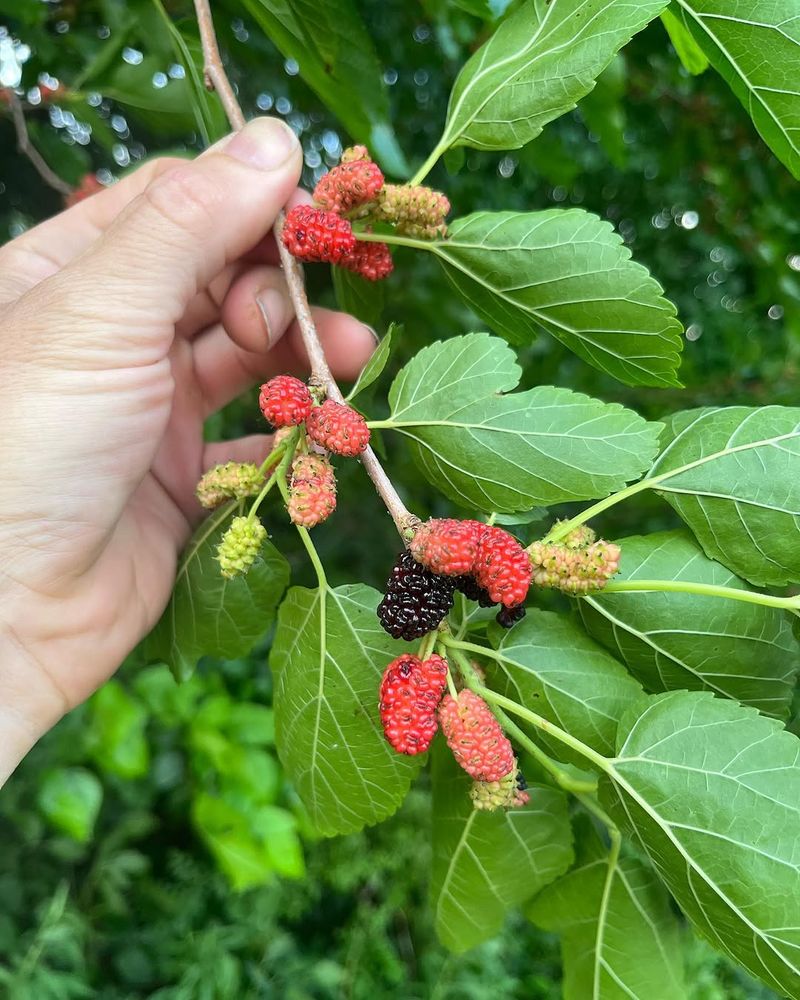
Mulberry trees are one of the best-kept secrets in desert fruit gardening. They grow fast, tolerate heat aggressively, and produce massive amounts of fruit with surprisingly little fuss.
Fruitless mulberry trees are common in landscaping across the Southwest, but the fruiting varieties are worth seeking out. Pakistan mulberry and Shangri-La are two popular choices that produce large, sweet berries in late spring through early summer.
Mulberries ripen quickly and drop from the tree when fully ripe. Spreading a tarp or old sheet under the tree makes harvesting much easier than picking individual berries by hand.
Water young trees regularly during their first two summers. Established mulberry trees are impressively drought-tolerant once their root systems develop fully.
Deep, infrequent irrigation suits them well in hot climates.
Full sun is ideal, though mulberry trees also tolerate partial shade better than most heat-loving fruit trees. They adapt to a range of soil types, including the alkaline, sandy soils common in desert gardens.
Expect fast growth. Mulberry trees can put on several feet of growth per year under good conditions.
Regular pruning keeps the tree at a manageable size and makes harvesting easier.
Birds absolutely love mulberries. Netting the tree during peak ripening season helps protect your harvest.
Fruit production typically improves each year as the tree matures, though specific yields depend on variety, water, and soil conditions.
8. Fig Trees Handle Dry Conditions With Ease
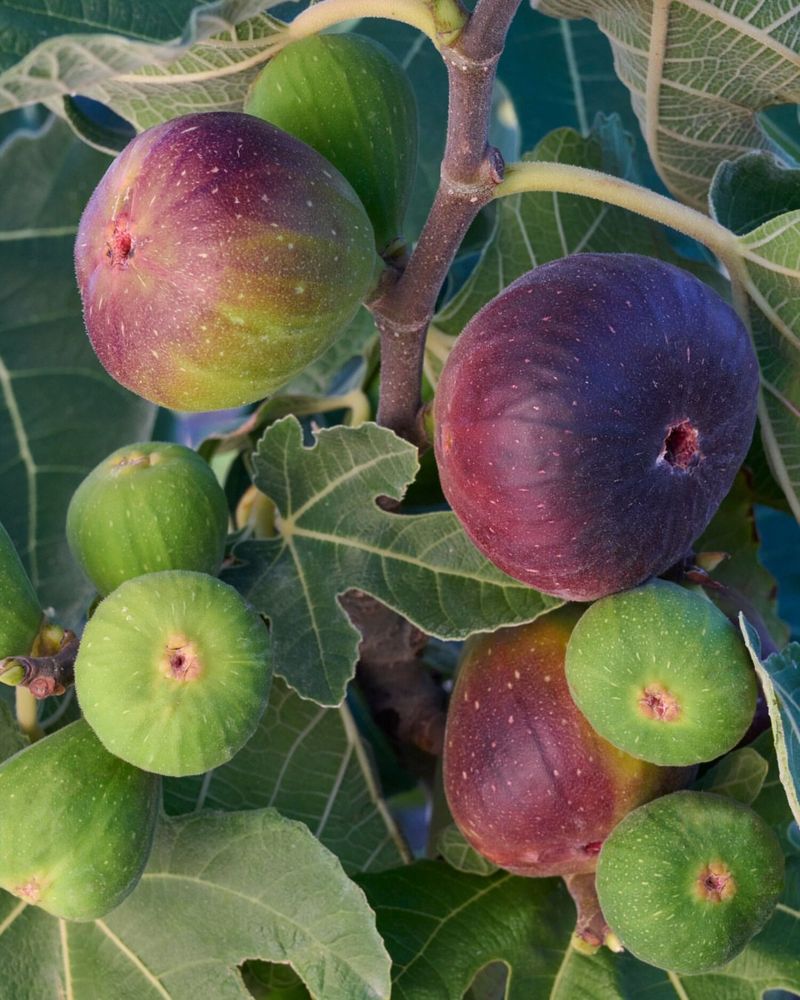
Figs are one of the oldest cultivated fruits in human history, and they still earn their place in modern desert gardens. Heat speeds up their ripening process in a very satisfying way.
Brown Turkey and Black Mission are two varieties that handle hot, dry conditions well. They push out two crops per season in warm climates, one in early summer and another in late summer or early fall.
Figs prefer deep, infrequent watering rather than frequent shallow drinks. Overwatering causes root issues and can reduce fruit quality significantly.
Plant in full sun. Sandy or loamy soil with good drainage works best.
Figs tolerate poor soil better than most fruit trees, which makes them practical for desert gardens where soil quality varies.
Young trees benefit from some afternoon shade during their first summer. After the first year, most fig varieties can handle full desert sun without much trouble.
Watch for fruit that softens and droops slightly at the neck. That is usually a reliable sign of ripeness.
Figs do not ripen after picking, so timing your harvest matters.
Birds and insects love ripe figs, so netting or frequent harvesting keeps your crop intact. A mature fig tree can produce generously, though actual yields depend on variety, soil, and irrigation consistency.
Their large leaves also create welcome shade around the root zone, helping the soil hold moisture longer during extreme summer heat.