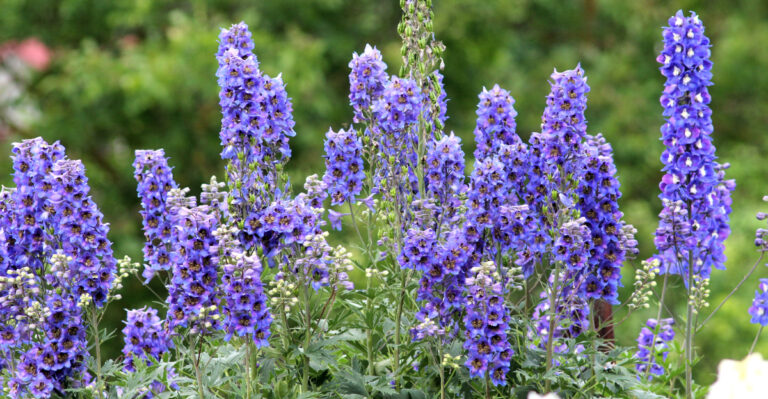
This Tough Perennial Is Becoming A Popular Black Eyed Susan Alternative In Michigan Gardens
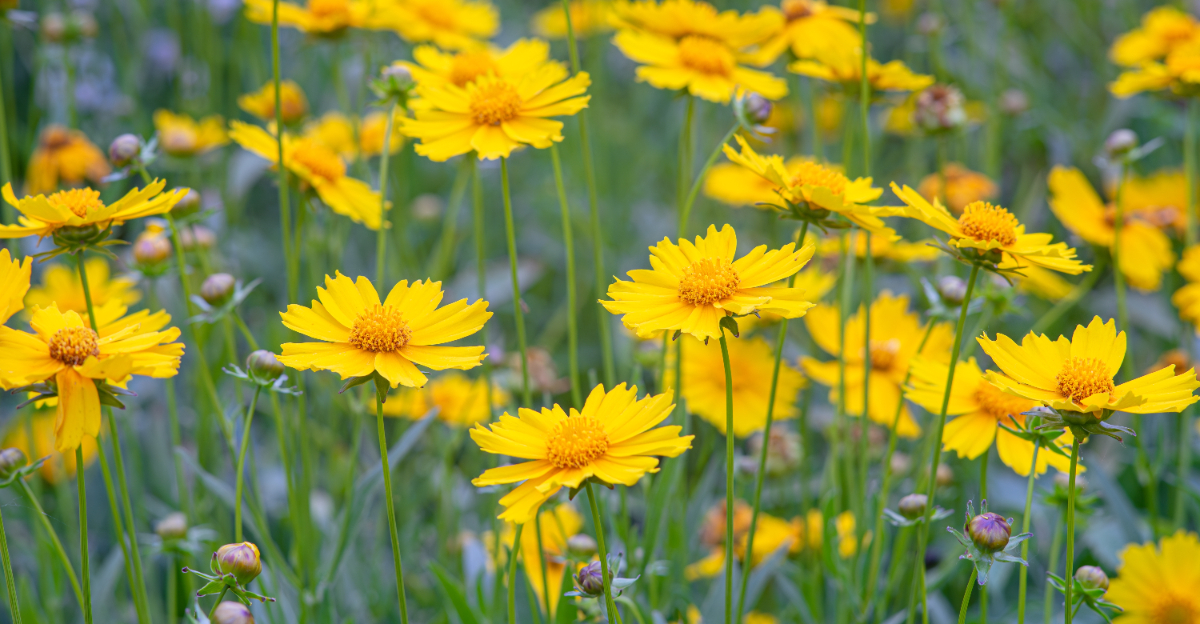
Black eyed Susans have earned their place in Michigan gardens fair and square. They’re reliable, they handle tough conditions, and that warm golden color fits the late summer landscape perfectly.
But gardeners who’ve grown them for years know the downsides too. They spread aggressively, flop in certain spots, and can start feeling a little predictable after a while.
A different perennial has been quietly gaining ground across Michigan as an alternative, one that covers similar visual territory but brings some genuine advantages in terms of structure, longevity, and overall behavior in the garden.
It’s tough in the same ways that matter in Michigan, handles the winters without any drama, and holds its shape better through the season.
Gardeners who made the switch mostly keep both, but the newcomer has earned a permanent spot.
1. Lanceleaf Coreopsis – Coreopsis Lanceolata
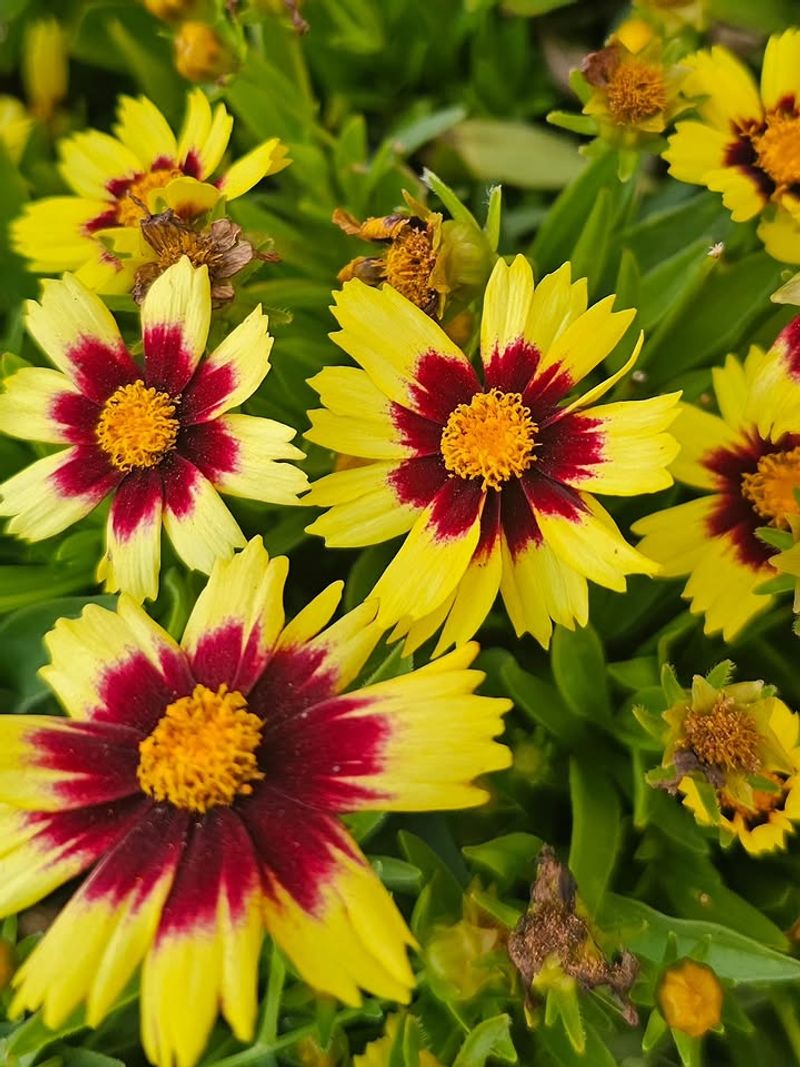
Few native perennials pack as much visual punch as lanceleaf coreopsis. Known botanically as Coreopsis lanceolata, this cheerful wildflower has been quietly thriving across Michigan’s open fields and roadsides long before it found its way into backyard gardens.
Gardeners who want that classic sunny yellow look without constantly babying their plants are turning to this tough native in growing numbers.
The flowers themselves are hard to miss. Each bloom is a bright golden-yellow daisy with slightly notched petals surrounding a warm yellow center, giving the plant a clean, sunny appearance from late spring straight into midsummer.
Unlike some perennials that look good for just a couple of weeks, lanceleaf coreopsis keeps producing flowers over a generous stretch of the season.
Pollinators absolutely love it. Bees, butterflies, and beneficial insects visit the blooms regularly, making it a genuinely productive plant for anyone building a pollinator-friendly yard.
On top of that, its drought tolerance is impressive, allowing it to stay healthy and blooming even when summer turns hot and dry.
For Michigan gardeners who want reliable color, native roots, and real ecological value all in one plant, lanceleaf coreopsis checks every single box.
2. It Has The Same Sunny Yellow Look
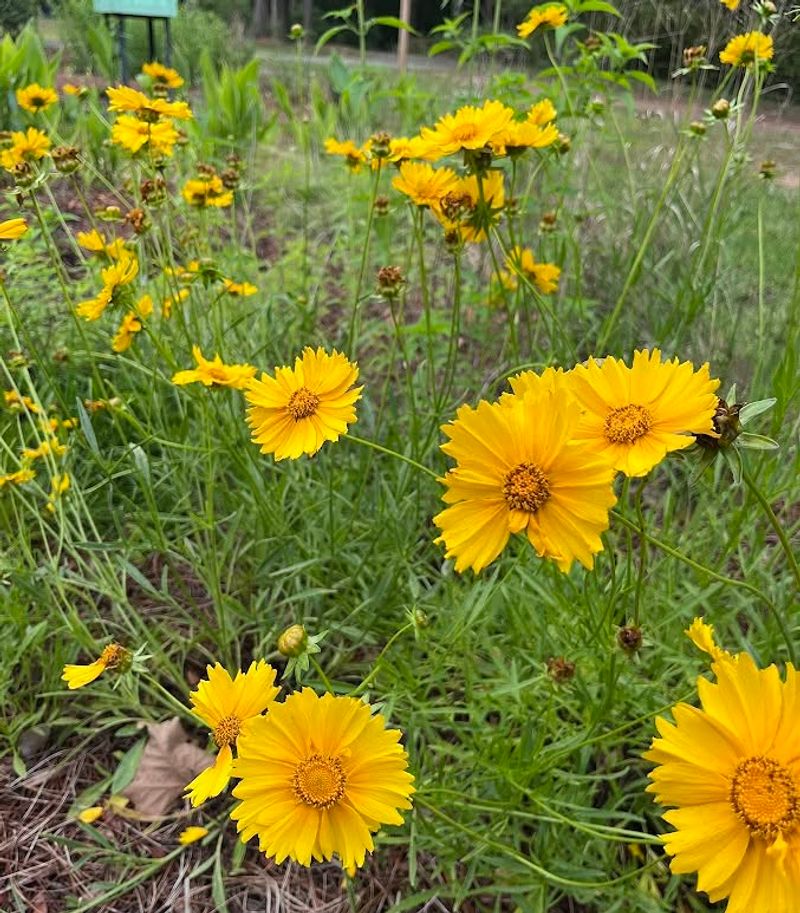
Walk past a bed of lanceleaf coreopsis in full bloom and your eye goes straight to the color. That bold, warm yellow is unmistakably cheerful, and it creates almost the same mood in a garden as a patch of black-eyed Susans.
The difference is subtle enough that most visitors would never notice, but the gardener gets a plant with a slightly different growth habit and some practical advantages.
Black-eyed Susans have that classic dark brown center that gives them a dramatic contrast. Lanceleaf coreopsis, on the other hand, shows a lighter golden-yellow center that makes the whole flower feel a little brighter and more uniform in color.
Both plants catch sunlight beautifully, but coreopsis has a delicate, airy quality that works especially well in informal and naturalistic garden designs.
The blooms sit on slender stems that sway gently in a breeze, which adds movement and life to a planting bed. Pair it with purple salvia, blue veronica, or ornamental grasses and the yellow really pops.
Your Michigan Garden Changes Every Week. Your Plan Should Too.
Gardening in Michigan changes quickly throughout the season. Every Friday you’ll receive a simple weekly plan showing exactly what to plant, prune, fertilize, harvest, and protect so you never miss the right timing.
For gardeners who love that classic cottage-style or prairie-inspired look, lanceleaf coreopsis delivers the same sunny energy as black-eyed Susan while adding its own quiet charm. It is a genuinely beautiful plant that earns its place every single season.
3. It Handles Dry, Sunny Sites Well
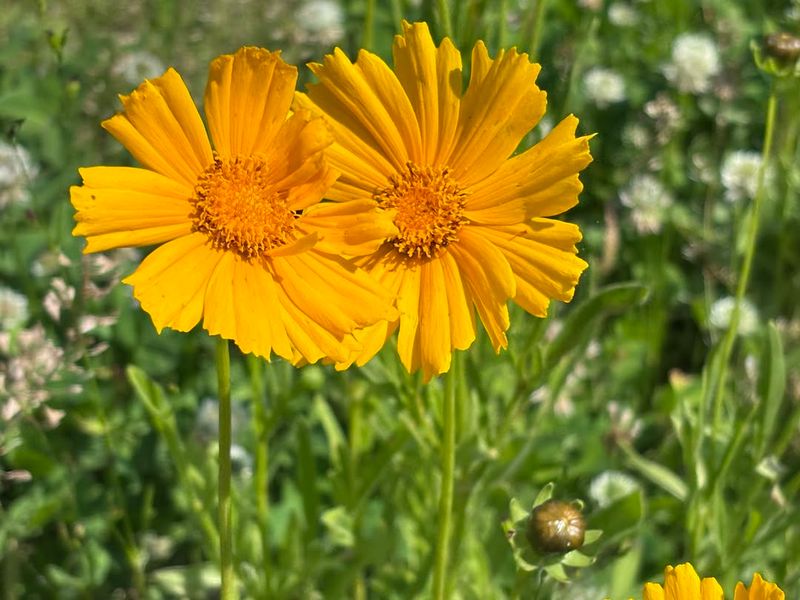
Sandy soil, full sun, and barely any rain for two weeks straight sounds like a nightmare for most garden plants. For lanceleaf coreopsis, that is practically ideal growing conditions.
This plant evolved in open, sun-baked habitats across the eastern and central United States, so Michigan’s driest summer stretches rarely slow it down the way they do with more water-hungry perennials.
Many Michigan gardeners deal with challenging spots where the soil drains fast and irrigation is not always practical, like curb strips, sloped beds, or areas near driveways and sidewalks. Lanceleaf coreopsis fits those tricky spots beautifully.
Once it gets established after its first season, it draws on deep roots that help it access moisture even when the top layer of soil is bone dry.
What actually causes problems for this plant is the opposite situation. Wet, heavy clay soil that stays soggy after rain can stress the root system and shorten the plant’s life.
Good drainage is the single most important thing you can give it. If your garden has naturally lean, sandy, or gravelly soil, do not feel like you need to improve it for coreopsis.
That kind of site is exactly where this plant performs its best, blooming reliably while neighboring plants wilt in the summer heat.
4. It Blooms Through Early And Mid-Summer
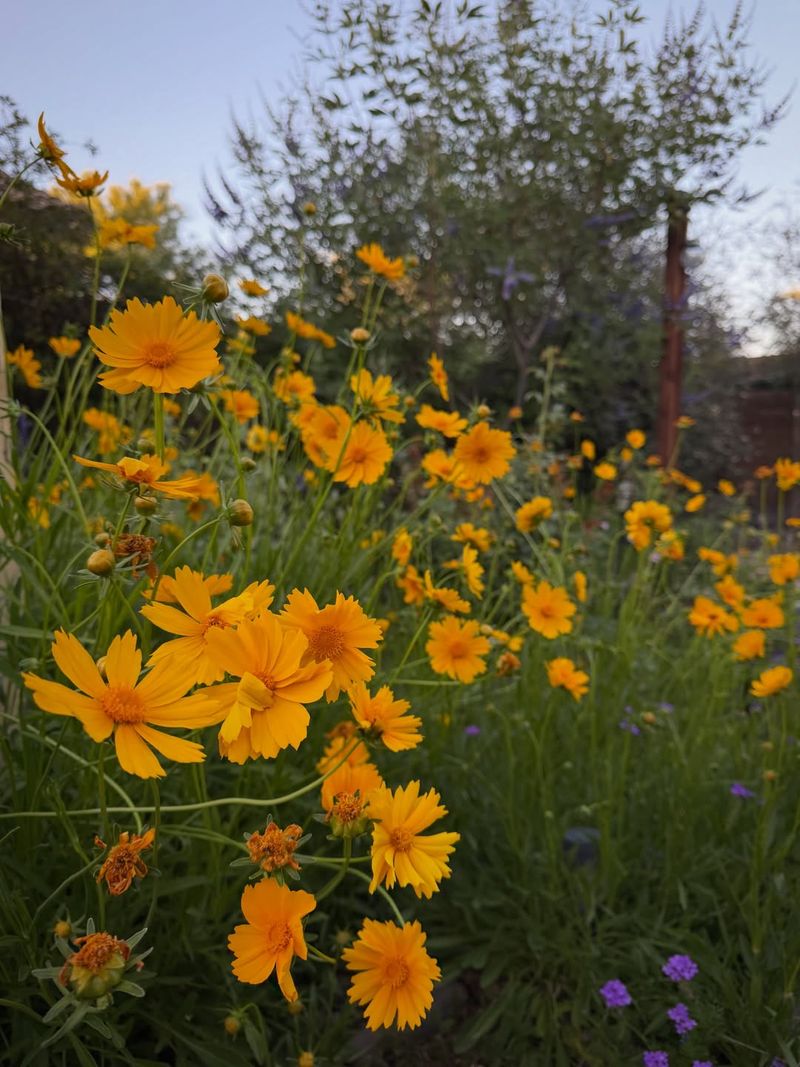
Timing matters a lot in a Michigan garden. Spring bulbs fade by late May, and many of the showiest summer perennials do not really hit their stride until August.
That gap in June and early July can leave a garden looking surprisingly bare, and that is exactly where lanceleaf coreopsis earns its keep. It kicks off its bloom season in late spring and carries bright yellow flowers right through early and midsummer without any fuss.
The bloom period typically stretches from late May into July, sometimes pushing a little further depending on the season and the specific planting location. Gardeners who deadhead spent flowers regularly often get a bonus flush of blooms later in the summer.
Removing faded flower heads redirects the plant’s energy away from seed production and back into making new buds, which can noticeably extend the show.
Even without deadheading, the plant produces a solid and reliable display. It bridges that awkward gap between the spring garden and the full heat of summer beautifully, keeping color going when other plants are just getting started.
Planted alongside black-eyed Susans, which typically bloom a little later in the season, lanceleaf coreopsis creates a relay of yellow blooms that keeps the yard looking lively from early summer all the way into fall.
That kind of seasonal layering is exactly what experienced gardeners aim for.
5. Lanceleaf Coreopsis Supports Native Pollinators
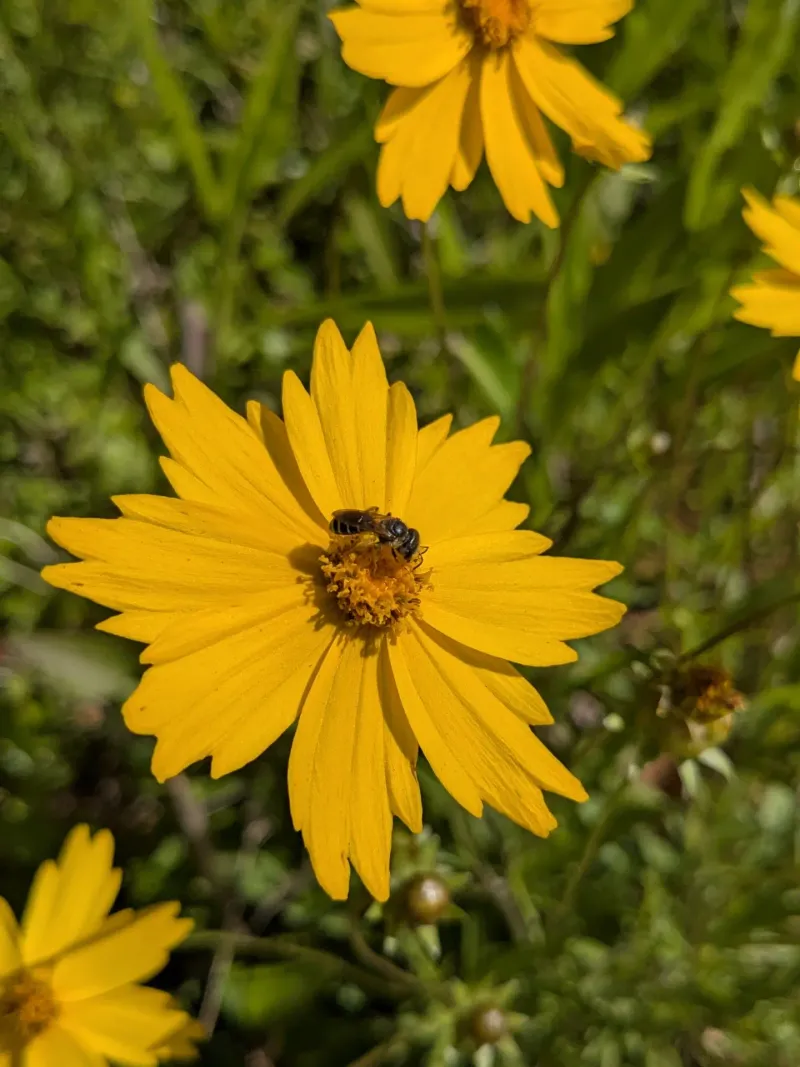
A garden that feeds pollinators is a garden that actually works. Lanceleaf coreopsis is one of those plants that pulls serious pollinator traffic, attracting bumblebees, solitary native bees, skippers, and a variety of butterfly species throughout its bloom season.
The open, flat flower structure makes pollen and nectar easy to access, which is especially important for smaller native bee species that can struggle with more complex flower shapes.
Michigan is home to a rich community of native bees, many of which depend on native flowering plants to meet their nutritional needs. When you plant lanceleaf coreopsis, you are adding a genuine food source for these insects during a critical stretch of the season.
Goldfinches and other small birds also visit the plants later in the season to snack on the seeds, adding even more wildlife value to an already productive perennial.
Gardeners building dedicated pollinator gardens will find that coreopsis pairs well with other Michigan natives like wild bergamot, purple coneflower, and prairie dropseed grass.
Together these plants create a layered habitat that supports insects at multiple life stages, not just adult feeding.
The more native plants a yard contains, the stronger and more resilient the local pollinator population becomes.
Lanceleaf coreopsis is a straightforward, high-impact way to make your garden part of that bigger ecological picture without adding complicated maintenance to your routine.
6. It Can Fit Smaller Garden Spaces
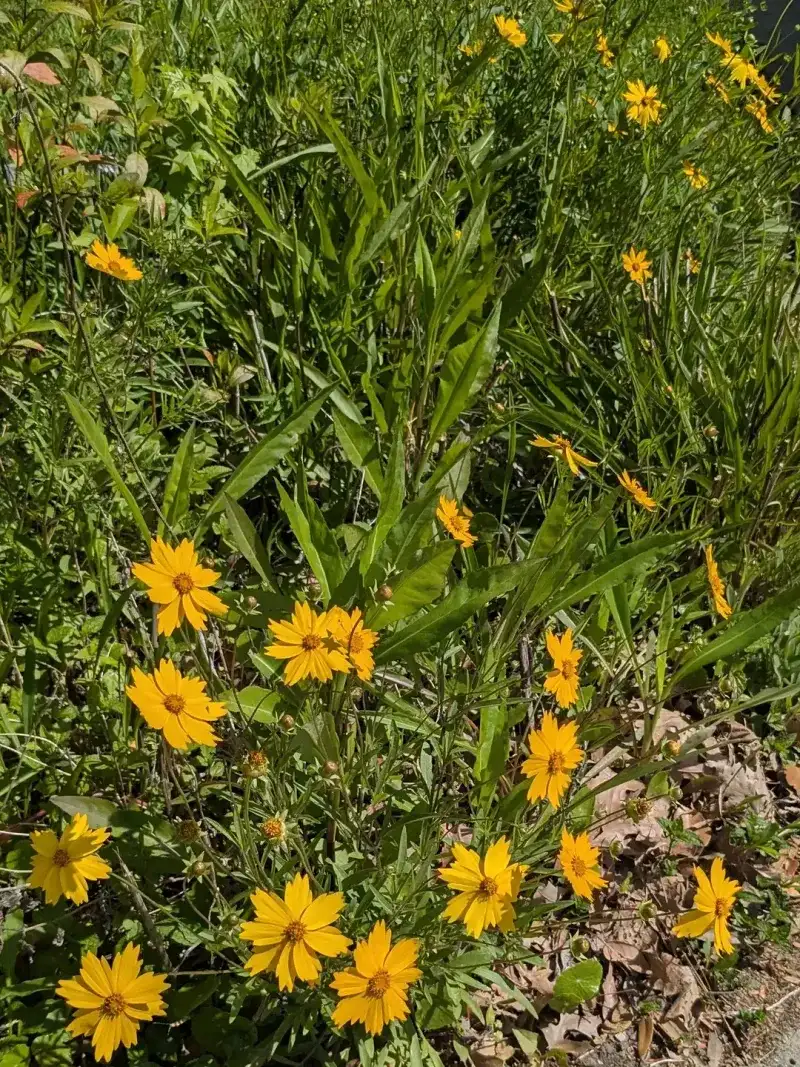
Not every gardener has room for sweeping prairie-style plantings. Many Michigan yards have narrow side beds, small front borders, or tight curb strips where big, sprawling perennials just do not work.
Lanceleaf coreopsis is a natural fit for those compact spaces. It typically grows between one and two feet tall and stays in a relatively tidy clump, making it much easier to manage in a smaller footprint than taller, more aggressive spreaders.
Black-eyed Susans can be enthusiastic self-seeders, popping up well beyond where you originally planted them and sometimes overwhelming smaller beds. Lanceleaf coreopsis is a bit more well-behaved in that regard, especially in its first few years.
It spreads gradually and can be managed without a lot of effort, which is a real advantage for gardeners who want a low-maintenance native without constant editing.
Its slender, lance-shaped leaves are tidy enough to look intentional even when the plant is not in bloom, which matters in a small, visible garden space.
It works beautifully as an edging plant along walkways, tucked between ornamental grasses, or clustered in groups of three or five for a clean, designed look.
Small garden spaces do not mean you have to sacrifice native plants or pollinator value. Lanceleaf coreopsis proves that a compact plant can still make a big, colorful, and ecologically meaningful contribution to your yard.
7. It Looks Natural In Meadow-Style Plantings
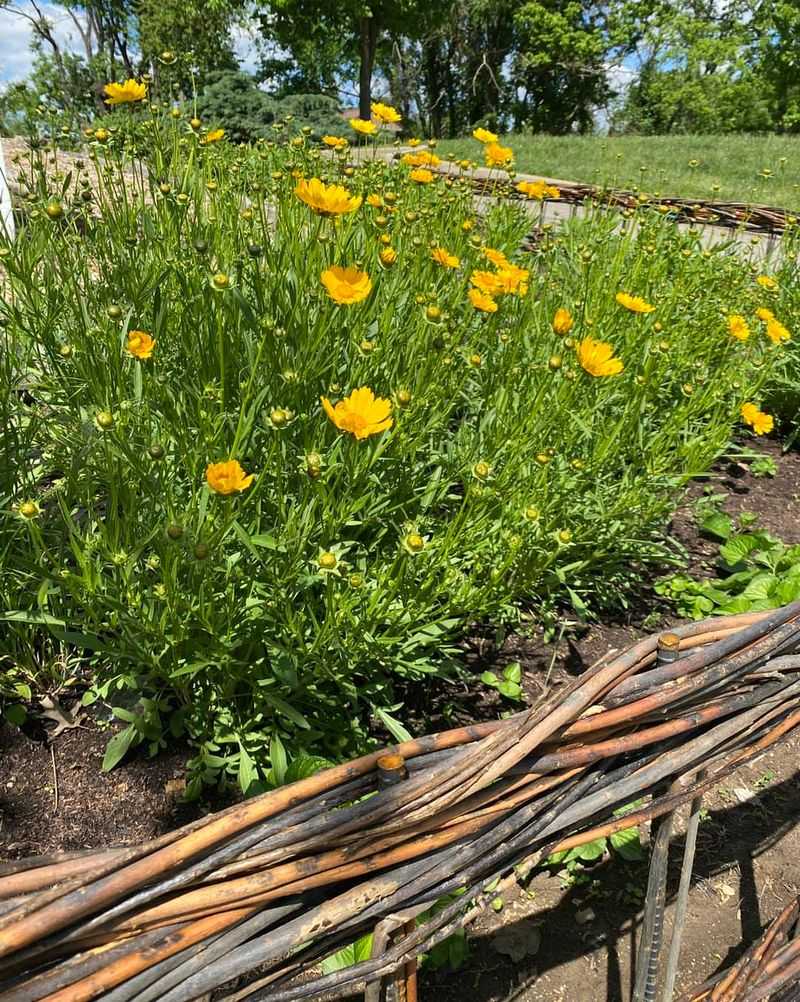
There is something genuinely satisfying about a garden that looks like it belongs to the landscape rather than fighting against it. Lanceleaf coreopsis has that quality in abundance.
Its casual, open form and wildflower personality make it a natural companion for the kinds of plants that define Michigan’s native meadows and prairies, and it blends into those settings without any awkward transitions.
Pair it with little bluestem grass and you get a combination that looks straight out of a Michigan open field.
Add in some common milkweed, wild bergamot, or New England aster and the planting starts to feel like a genuine habitat rather than a collection of individual plants.
The yellow blooms of coreopsis provide early-season color while the surrounding plants build toward their own peak displays, creating a natural sequence that keeps the space interesting from late spring through fall.
Meadow-style gardens are gaining serious popularity in Michigan, partly because they require far less water and maintenance than traditional lawn-heavy landscapes once they are established. Lanceleaf coreopsis fits that low-input approach perfectly.
It self-seeds modestly, fills in gaps naturally, and tends to look better with a light touch than with heavy intervention.
For homeowners who want a yard that feels both beautiful and ecologically alive, building a meadow planting around native anchors like lanceleaf coreopsis is one of the smartest gardening moves you can make.
8. It Does Not Need Rich Soil To Perform
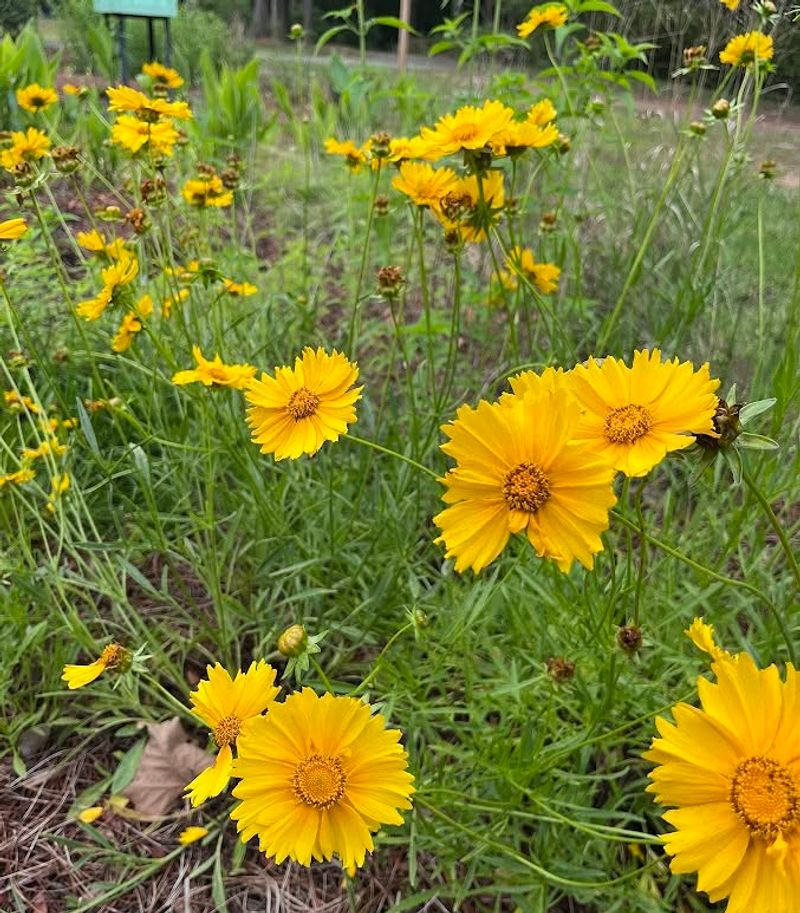
Grab a bag of fertilizer before planting lanceleaf coreopsis and you might actually be setting yourself up for disappointment. This is one of those plants that genuinely performs better when you leave the soil alone.
Rich, heavily amended garden beds can push coreopsis into producing lots of leafy growth at the expense of flowers, and overly fertilized plants sometimes flop over or become more vulnerable to disease.
Lean, well-drained soil is where this plant truly shines. Sandy loam, gravelly soil, or even the kind of thin, nutrient-poor ground that frustrates most gardeners is close to ideal for lanceleaf coreopsis.
It is a plant that evolved in open, nutrient-limited environments, and that background shows in how it behaves. Give it poor soil and good sun and it will reward you with a generous, upright flush of blooms season after season.
This is genuinely good news for Michigan gardeners dealing with sandy or rocky ground, especially in newer developments where topsoil is thin or inconsistent.
Instead of spending money trying to improve challenging soil, you can work with it by choosing plants like lanceleaf coreopsis that are built for those conditions.
Skipping the fertilizer also means less time and money spent on amendments, which makes this plant one of the most practical and budget-friendly choices for a low-maintenance native perennial garden in Michigan.
9. Lanceleaf Coreopsis Is Tough, But Not Maintenance-Free
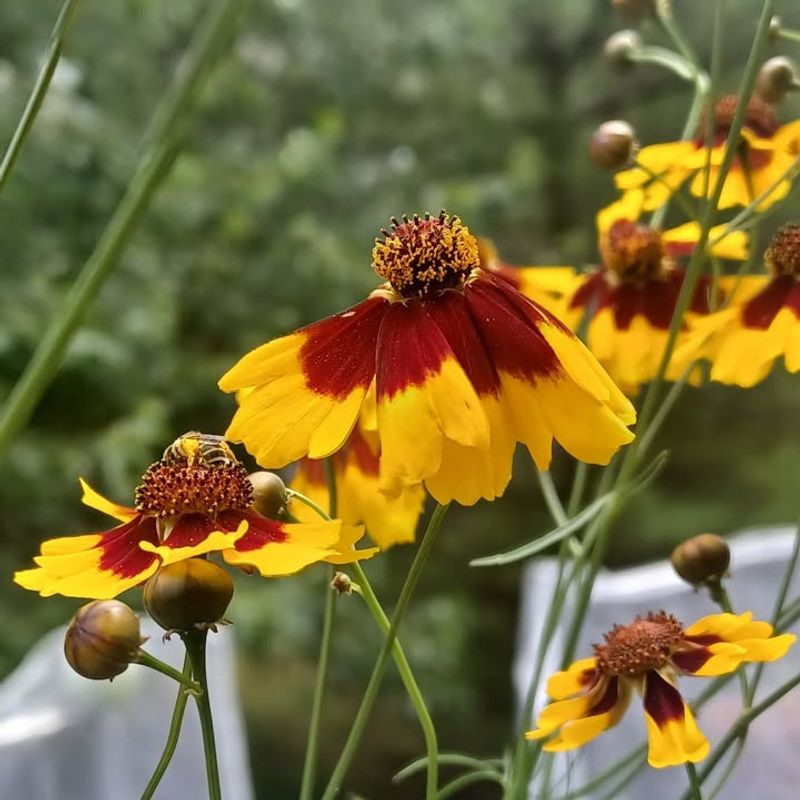
Calling a plant low-maintenance is not the same as calling it no-maintenance, and lanceleaf coreopsis is a good example of that distinction.
It is genuinely tough and forgiving, but a little attention at the right moments makes a real difference in how well it performs and how long it stays healthy in your garden.
The good news is that what it needs is simple and does not take much time.
Getting the plant off to a strong start is the most important investment you can make. Water it regularly during its first growing season to help the root system establish deeply.
Once it is settled in, supplemental watering becomes much less critical, but skipping that first-year care can leave you with a weak, shallow-rooted plant that struggles in dry summers.
Deadheading spent blooms through the summer encourages a longer flowering season and keeps the plant looking tidy. Snipping off faded flowers before they go to seed is a quick task that pays off in more blooms and a cleaner garden bed.
Over time, clumps can become crowded and start to show reduced flowering or a hollow center. When that happens, usually every three to four years, dig up the clump, divide it, and replant the healthiest outer sections with fresh spacing.
That simple step keeps lanceleaf coreopsis vigorous, floriferous, and looking its absolute best for many years to come.