What North Carolina Pepper Growers Keep Getting Wrong That Leads To Small Harvests
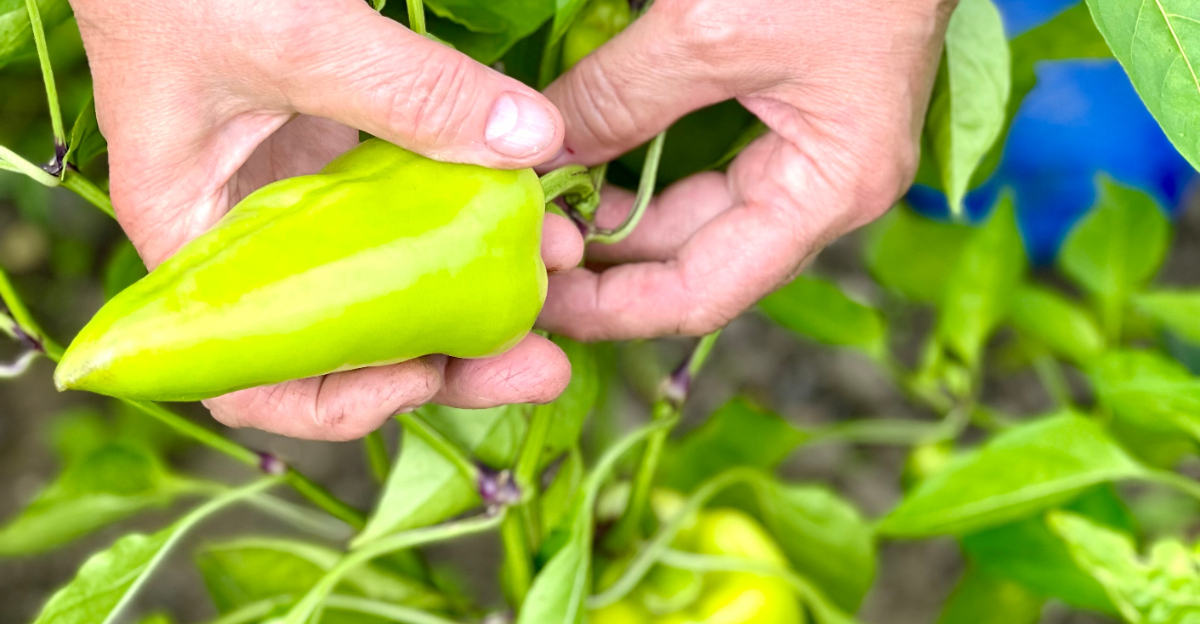
Peppers are one of those vegetables that should do incredibly well in North Carolina. Long warm seasons, plenty of sunshine, and summer temperatures that most pepper varieties genuinely love.
And yet, a lot of gardeners end up staring at plants full of leaves and almost nothing else come August.
The harvest is thin, the fruit is small, and the whole thing feels like a lot of effort for not much return.
The reasons behind that frustration are pretty consistent from garden to garden, and they’re not about bad luck or bad soil.
They’re about a few specific habits that quietly work against the plant from early in the season. Some of them start before anything even goes in the ground.
Fix the right things at the right time and the same plant, in the same yard, produces a completely different result.
1. Planting Peppers Before Nights Stay Warm
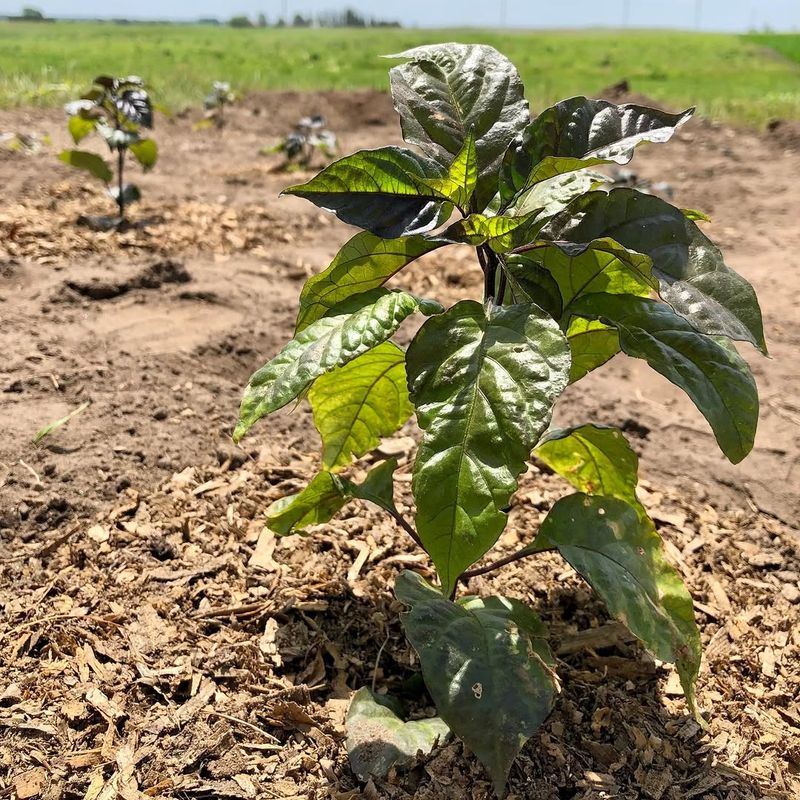
Peppers are warm-weather plants through and through, and cold nights are one of their biggest enemies in North Carolina gardens.
Most growers get excited when spring arrives and rush to get transplants in the ground, but soil temperature matters just as much as air temperature.
Peppers need soil consistently above 60 degrees Fahrenheit, and nighttime air temperatures should stay above 55 degrees before you even think about planting.
When peppers go into cold soil too early, their roots struggle to absorb nutrients and water properly.
The plant looks fine on the surface but essentially stalls out underground, spending energy just trying to survive rather than growing strong.
That slow start can set your entire season back by several weeks, which directly reduces how many fruits you end up harvesting.
In North Carolina, the safe window for transplanting peppers outdoors is generally mid-April in the Piedmont and Coastal Plain regions, and closer to early May in the mountains.
Check your local frost dates through the NC State Extension office for the most accurate guidance.
Using a soil thermometer costs just a few dollars and takes the guesswork completely out of the equation.
Patience in spring almost always pays off with bigger, healthier plants and a much more productive pepper patch by midsummer.
2. Letting Plants Dry Out During Flowering
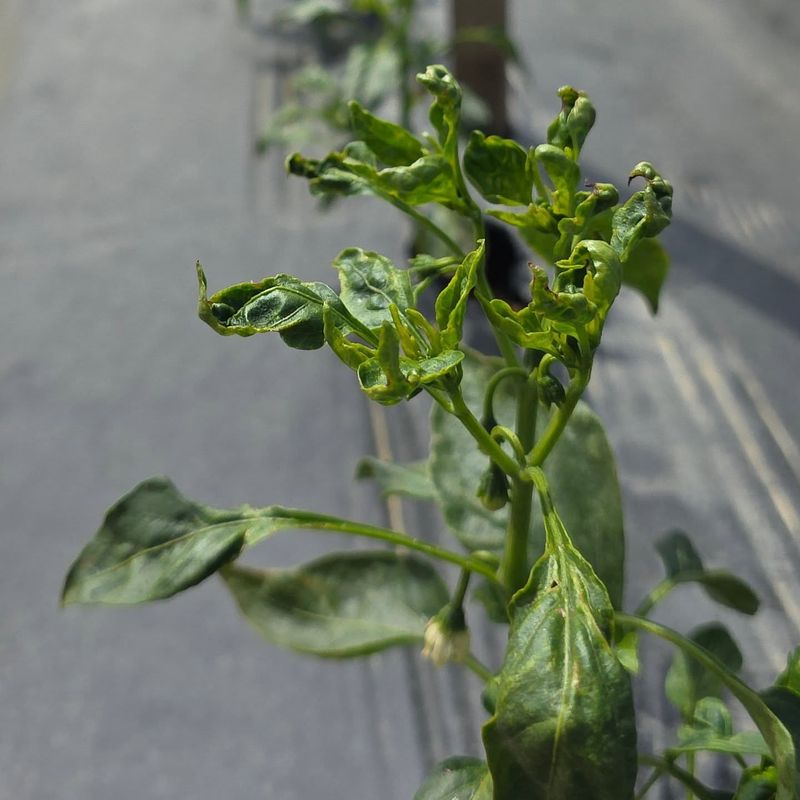
Flowering time is one of the most critical windows in a pepper plant’s entire season, and water stress during this period causes more fruit loss than most growers expect.
When the soil dries out while flowers are forming or open, plants drop those blooms before they ever get a chance to set fruit.
You might walk out one morning and notice a bunch of tiny fallen flowers on the soil, and that is your plant telling you it was thirsty at exactly the wrong moment.
North Carolina summers bring intense heat that pulls moisture out of the soil fast, especially in raised beds or containers.
During flowering, peppers need consistent soil moisture, not soggy ground, but never bone dry either.
Checking soil moisture every day during hot stretches is a smart habit that protects your yield when it matters most.
Your North Carolina Garden Changes Every Week. Your Plan Should Too.
Gardening in North Carolina changes quickly throughout the season. Every Friday you’ll receive a simple weekly plan showing exactly what to plant, prune, fertilize, harvest, and protect so you never miss the right timing.
Watering in the early morning gives plants the moisture they need before the heat of the day kicks in, reducing the risk of stress during peak flowering hours.
Sticking your finger two inches into the soil is a reliable low-tech test. If it feels dry at that depth, your plants need water right away.
Setting up a simple drip irrigation system or soaker hose on a timer takes the pressure off and keeps moisture levels steady without much daily effort on your part.
3. Watering Shallowly Instead Of Deeply
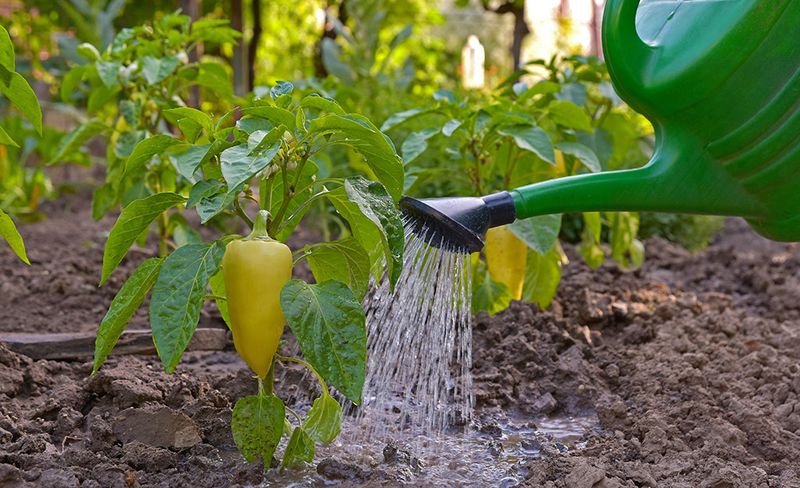
Giving your pepper plants a quick sprinkle every day might feel like good gardening, but shallow watering is one of the sneakiest reasons harvests stay small. When water only wets the top inch or two of soil, roots have no reason to grow downward.
They cluster near the surface instead, which makes plants far more vulnerable to heat stress and drought during North Carolina’s brutal midsummer stretches. Deep roots are what give pepper plants resilience.
A plant with roots reaching six to eight inches down can pull moisture from a much larger reservoir of soil, keeping it steady and productive even when the top layer dries out quickly.
That kind of root system does not happen by accident. It develops in response to water being available deeper in the ground, which only happens when you water slowly and thoroughly.
The goal with every watering session should be to wet the soil at least six inches deep.
You can check this by watering for several minutes and then pushing a screwdriver or wooden dowel into the soil.
If it slides in easily to six inches, you have reached the right depth. Watering every two to three days deeply is far more effective than watering lightly every single day.
Mature pepper plants in North Carolina typically need about one to one and a half inches of water per week, and deep watering helps every drop count.
4. Overfertilizing With Nitrogen
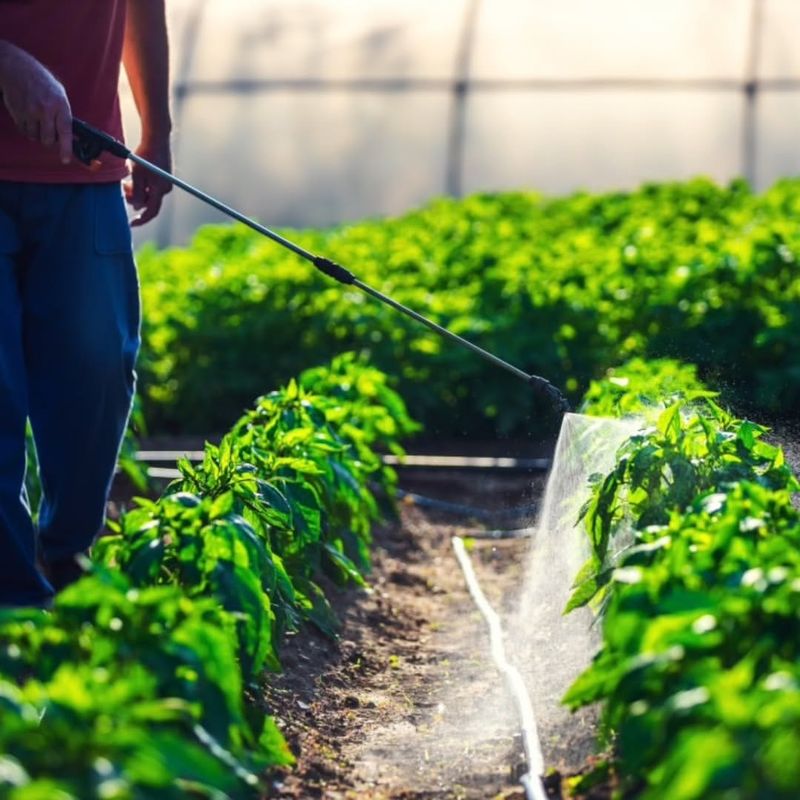
Nitrogen is the nutrient that makes plants grow big and green, and that can actually work against you when it comes to peppers.
Too much nitrogen pushes all of a plant’s energy into producing leaves and stems, leaving very little energy left for flowers and fruit.
If your pepper plants look absolutely lush and full but your harvest is disappointing, overfertilizing with nitrogen is a strong suspect worth investigating.
Many general-purpose vegetable fertilizers are high in nitrogen because it produces the most visible results quickly.
Gardeners see fast, green growth and assume everything is going perfectly. But peppers need a different nutrient balance once they start flowering.
At that stage, phosphorus and potassium become much more important because they support root strength, flower development, and fruit formation.
Switching to a low-nitrogen fertilizer or a bloom-boosting formula once your pepper plants reach about twelve inches tall is a practical move that many North Carolina growers overlook.
Products labeled with higher middle and last numbers in the N-P-K ratio, like 5-10-10 or 4-12-12, are well-suited for the flowering and fruiting stage.
Also, getting a basic soil test through NC State Extension before planting tells you exactly what your soil already has so you are not adding nutrients that are already at sufficient levels.
Feeding your soil smartly, not just heavily, is what separates a good harvest from a great one.
5. Skipping Mulch In Summer Heat
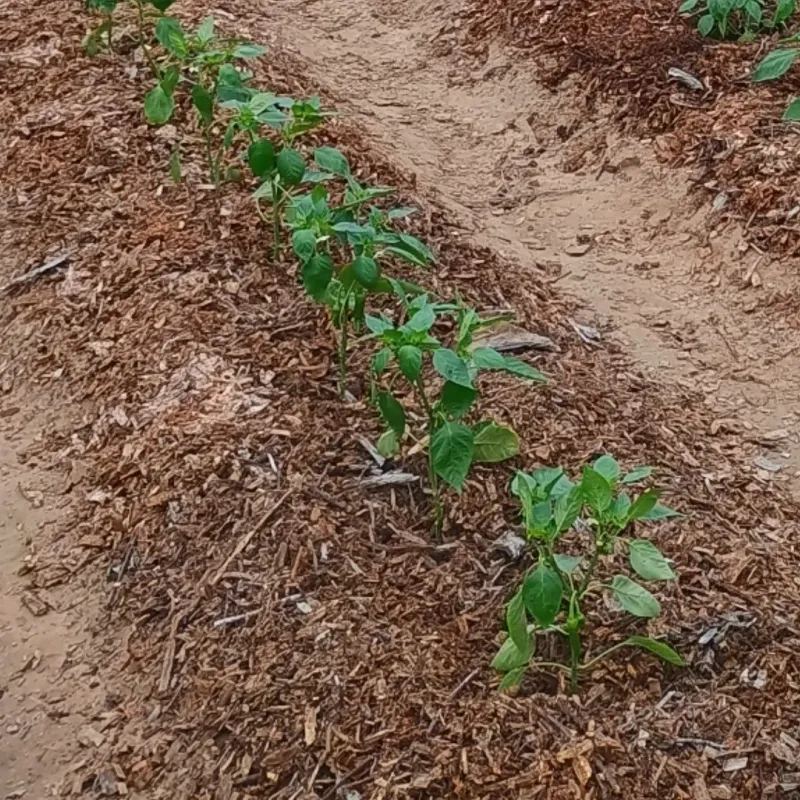
Bare soil in a North Carolina summer garden is not doing your pepper plants any favors.
Without mulch, the sun bakes the soil surface, soil temperatures can spike well above 90 degrees Fahrenheit just a few inches down, and moisture evaporates at a surprising rate even after a good watering.
Roots sitting in overheated soil slow down, and that stress shows up directly in your harvest numbers. Mulch acts like a protective blanket over your garden bed.
A two to three inch layer of straw, shredded leaves, or wood chips keeps soil temperatures significantly cooler, holds moisture in the ground longer, and even suppresses weeds that would otherwise compete with your peppers for water and nutrients.
It is one of the simplest upgrades you can make and one of the most impactful for summer vegetable production in the South.
Applying mulch right after transplanting and refreshing it midseason if it thins out keeps the benefits working all summer long.
Pine straw is especially popular in North Carolina because it is widely available, affordable, and breaks down slowly enough to last the whole growing season.
Pull the mulch back slightly from the base of each plant to avoid trapping moisture directly against the stem, which can cause rot.
That small detail keeps your plants protected without creating new problems in the process.
6. Crowding Plants Too Closely
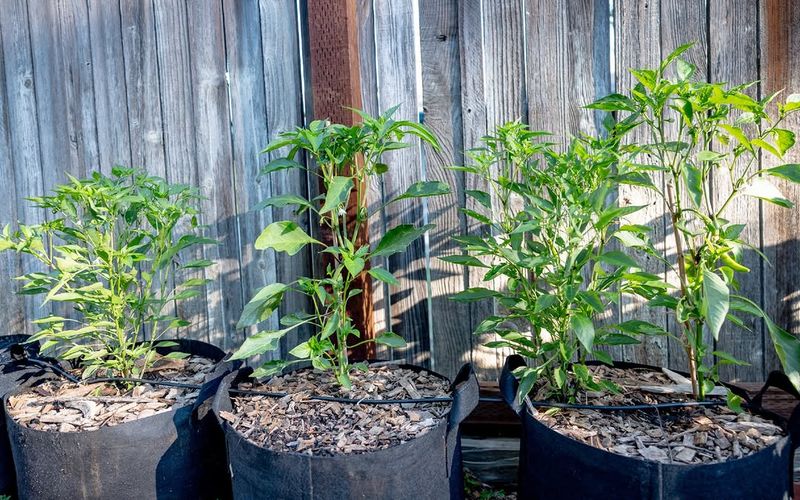
Packing pepper plants close together might seem like a way to get more production out of a small space, but it usually backfires.
When plants are too close, their leaves overlap and block sunlight from reaching the lower parts of the plant. Less sunlight means fewer flowers, and fewer flowers means fewer peppers.
It really is that straightforward. Poor airflow between crowded plants is another serious issue, especially in North Carolina’s humid summers.
When air cannot circulate freely through the garden, moisture lingers on leaves and stems, creating perfect conditions for fungal problems like powdery mildew and bacterial leaf spot.
Once those issues take hold, they can spread quickly and weaken plants right when they should be producing their heaviest crops of the season.
Most pepper varieties do best when spaced eighteen to twenty-four inches apart in rows, with rows at least twenty-four inches apart from each other.
Compact or dwarf varieties can handle slightly tighter spacing, but giving standard-sized plants room to breathe pays off in both yield and plant health.
Planning your garden layout before planting and using a tape measure rather than eyeballing distances makes a real difference in how your garden performs all season long.
More space per plant almost always means more peppers per plant, and that math works in your favor every single time.
7. Leaving Weeds To Compete For Moisture
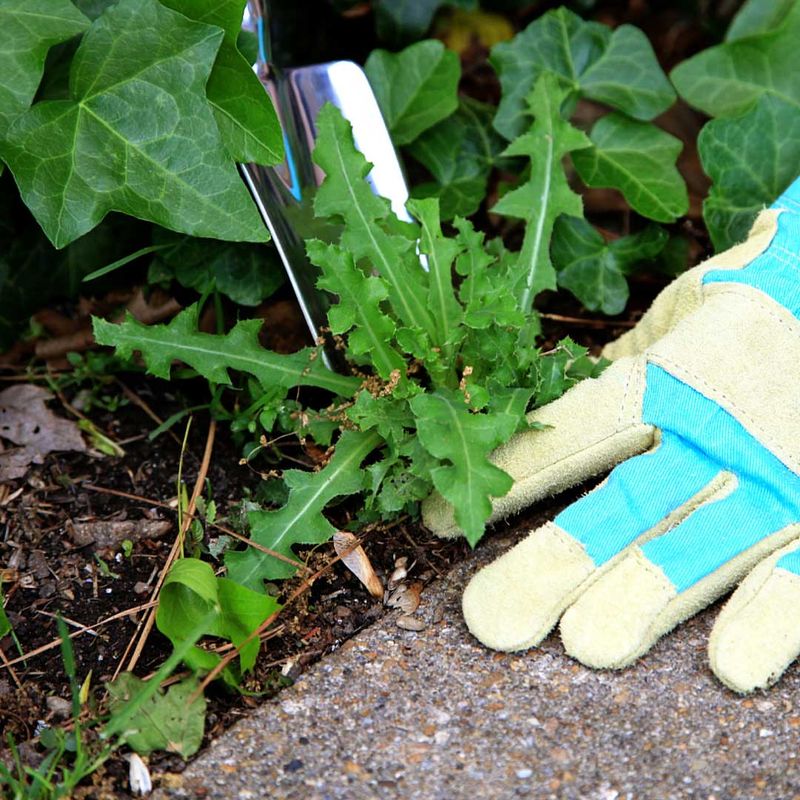
Weeds are not just an eyesore in your pepper patch. They are active competition for every drop of water and every nutrient in your soil.
A well-established weed can pull moisture away from your pepper plants faster than you might imagine, especially during dry spells when every bit of soil moisture counts.
Growers who let weeds go unchecked often wonder why their peppers struggle even when watering consistently.
North Carolina summers are prime time for fast-growing weeds like crabgrass, pigweed, and nutsedge.
These plants are aggressive and can outpace your pepper plants if you give them a week or two of unchecked growth.
The longer you wait to pull them, the more established their root systems become, and the harder they are to remove without disturbing your pepper roots in the process.
Staying on top of weeding with a quick fifteen to twenty minute session twice a week keeps the problem manageable without turning into a major chore.
Pulling weeds when they are young and small is much easier than tackling them once they have matured.
Combining regular hand-weeding with a good layer of mulch cuts down on how often weeds appear in the first place, giving your peppers a much cleaner growing environment.
Fewer weeds mean more water and nutrients going directly to the plants that are supposed to be producing your harvest.
8. Harvesting Too Late For Continued Production
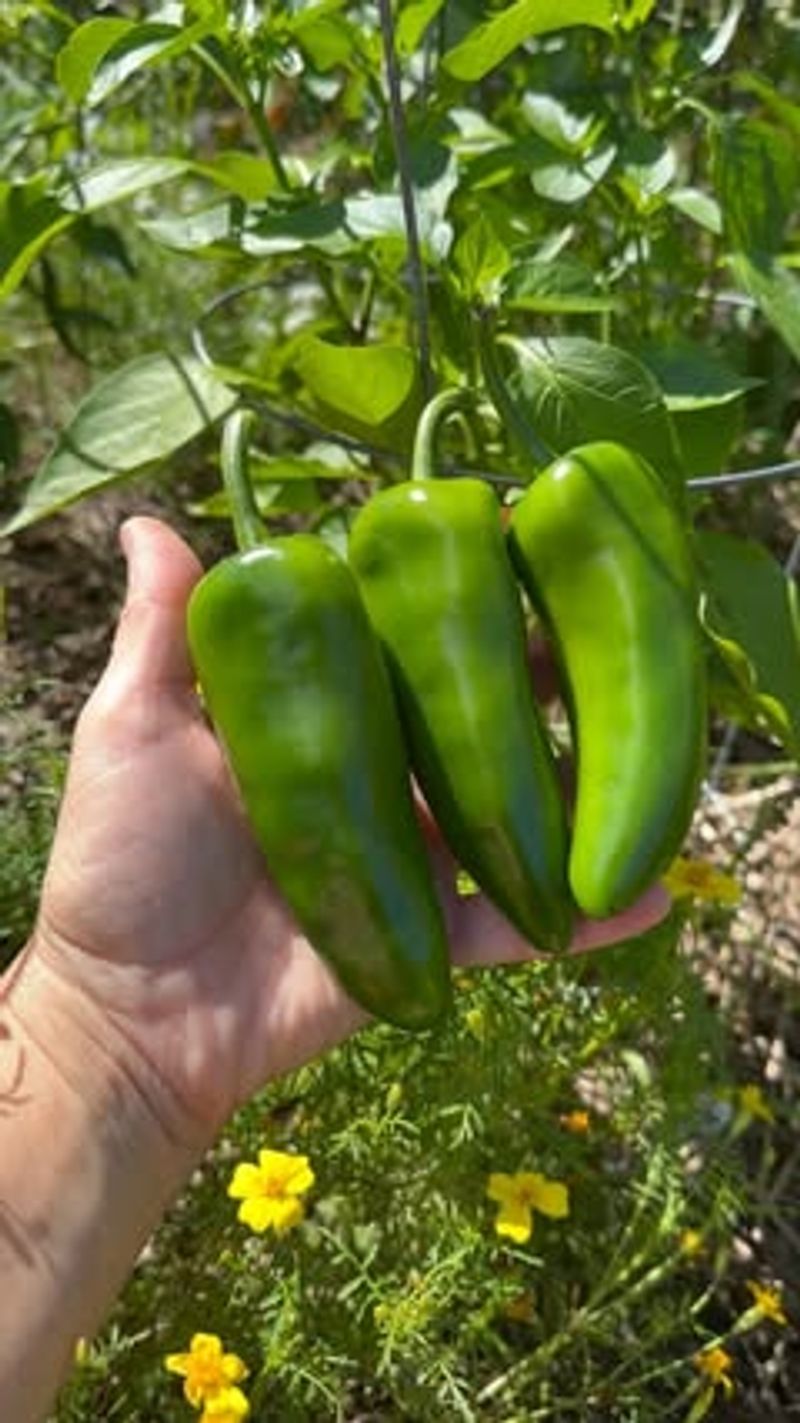
Waiting until every pepper on the plant reaches full color before picking might seem like getting the most out of your garden, but it actually slows your harvest down significantly.
Pepper plants are wired to produce seeds and then stop. Once a fruit fully matures and stays on the plant, the plant gets the signal that its job is done and reduces its effort to produce new flowers and fruit.
Picking peppers regularly, even slightly before they reach peak color, keeps the plant in production mode.
Each time you harvest a pepper, the plant redirects that energy into forming new flowers and setting new fruit.
This cycle can continue for weeks or even months in North Carolina’s long growing season, which runs well into October in many parts of the state if you keep the plant actively producing.
Getting into a routine of checking your plants every two to three days and harvesting anything that is close to full size makes a noticeable difference in total yield over the season.
Green peppers are fully edible at mature size even before they change color, and harvesting them at that stage is perfectly fine.
Using clean garden scissors or pruning shears rather than pulling peppers off by hand protects the plant’s stems and keeps branches intact so new growth can continue without interruption.
Consistent harvesting is one of the easiest ways to double your total pepper output.
9. Growing Peppers In Too Much Shade
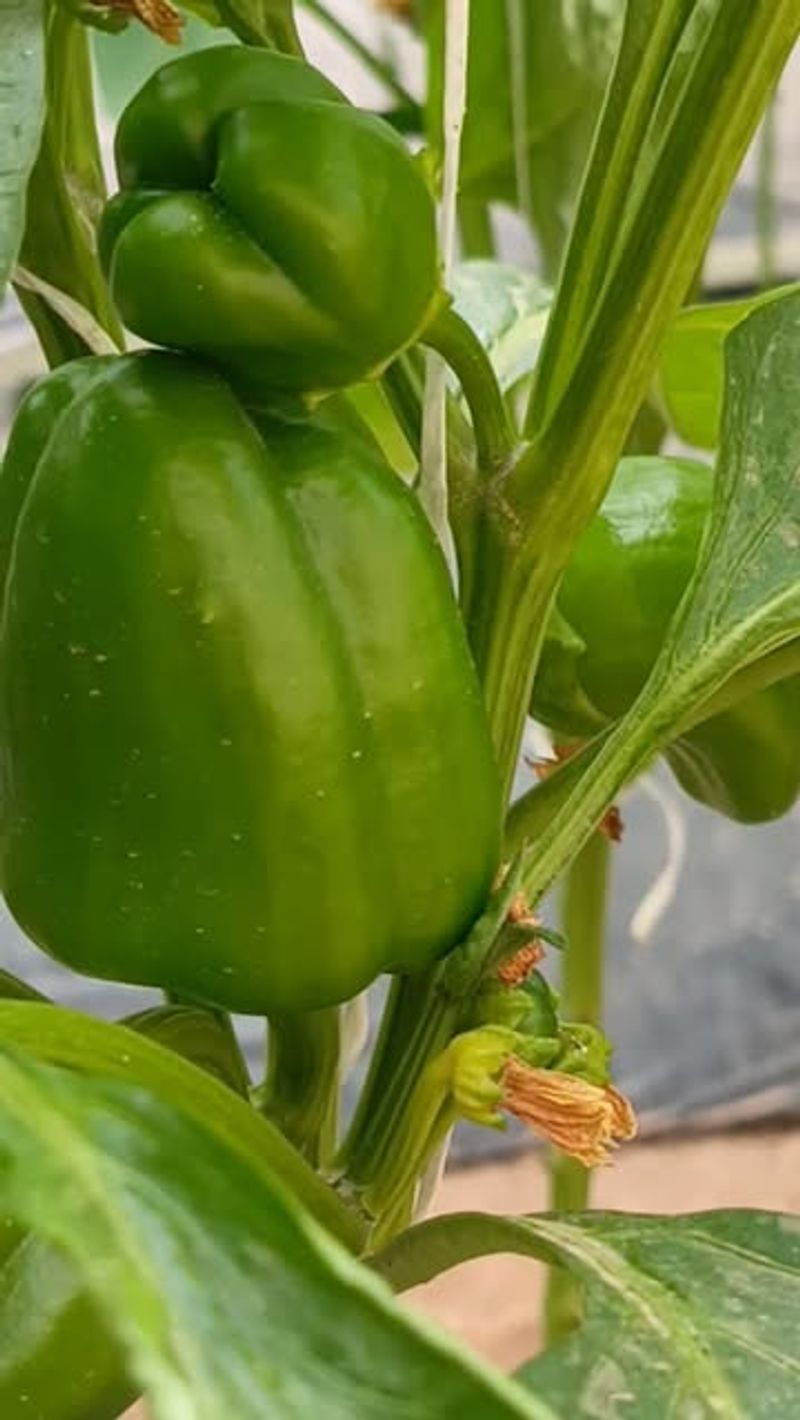
Peppers are sun-loving plants that need full sunlight to produce well, and that means at least six to eight hours of direct sun every single day.
North Carolina gardens often have beautiful mature trees nearby, and while shade from those trees feels welcome on a hot afternoon, it can quietly rob your pepper plants of the light they need to flower and fruit at full capacity.
A common mistake is planting peppers in a spot that gets full morning sun but heavy afternoon shade.
Morning sun is nice, but afternoon sun from two to six in the evening is actually the most intense and productive light of the day.
When peppers miss out on that window consistently, they grow slowly, set fewer flowers, and produce noticeably smaller harvests compared to plants in full sun locations.
Before choosing a garden spot, spend a day observing how sunlight moves across your yard from morning to late afternoon.
Mark the sunniest areas and reserve those for your peppers and other fruiting vegetables. If shade from a fence or structure is the issue, sometimes simply shifting the bed a few feet makes a dramatic difference.
Container-grown peppers have the added advantage of being movable, so you can chase the sun across your patio or deck throughout the season to keep your plants in the ideal light conditions they need to thrive and produce well.
10. Ignoring Pest Damage On New Growth
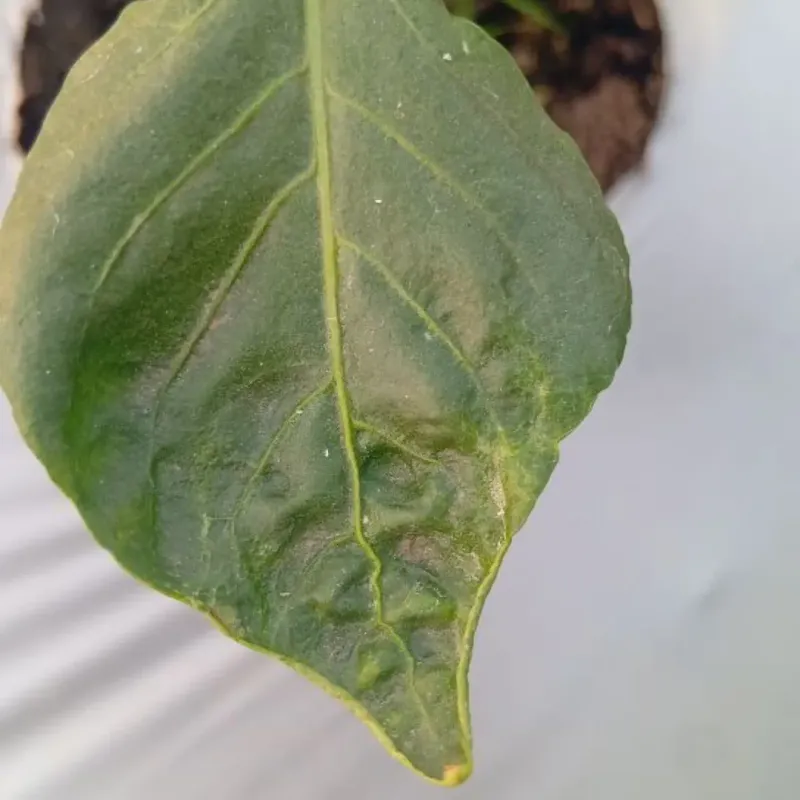
New growth on a pepper plant is where all the action happens. That is where future flowers form, where the plant puts its freshest energy, and unfortunately, where insects love to feed most.
Aphids, flea beetles, and pepper weevils are among the most common pests targeting North Carolina pepper plants, and they tend to zero in on the tender new shoots and flower buds first.
The tricky part is that early pest damage can look minor and easy to brush off.
A few tiny holes in a leaf or some slight curling might not seem like a big deal, but when pests are feeding on flower buds or the growing tips of your plants, they are directly cutting into your future harvest.
Left unchecked over even a week or two, a small pest population can balloon into a serious infestation that sets your plants back considerably.
Making a habit of inspecting new growth two or three times a week puts you in a position to catch problems early when they are easiest to manage.
A strong spray of water from a hose knocks aphids off plants effectively and costs nothing.
Neem oil spray is a widely used organic option that handles a broad range of soft-bodied insects without harming beneficial pollinators when applied correctly in the evening.
Staying observant and responding quickly keeps your plants healthy, your flowers intact, and your harvest moving in the right direction all season long.