California Gardeners Stopped Rat Problems By Planting These Fragrant Flowers
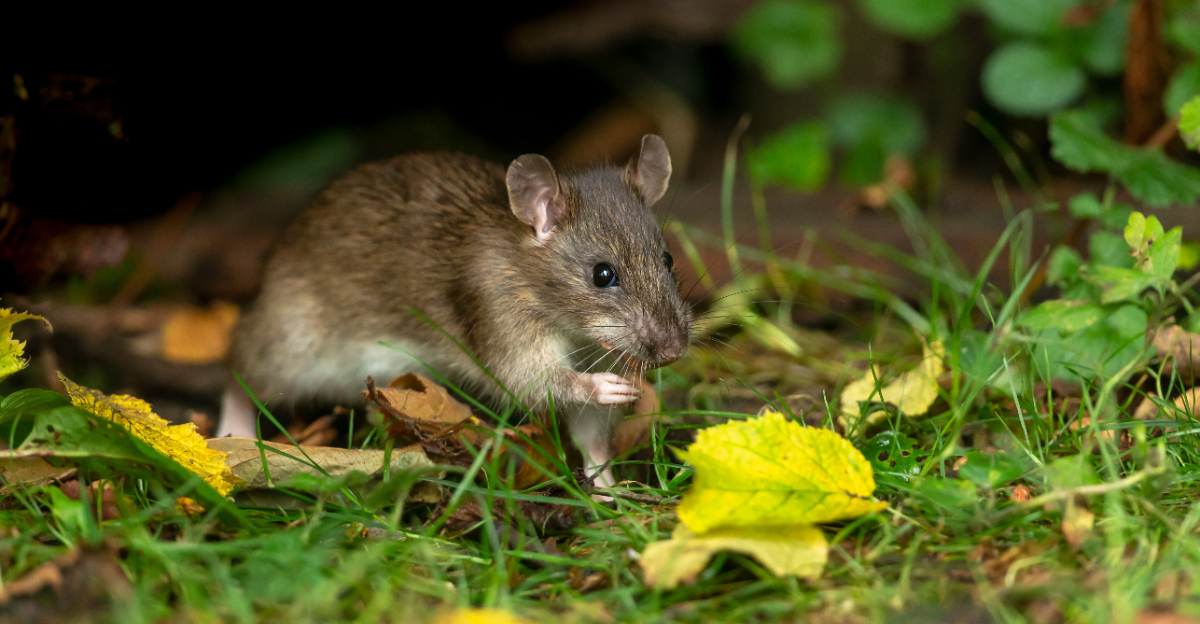
Rats are not just looking for food. They also follow scent, shelter, and easy hiding spots. That is why the right flowers can do more than make a garden look pretty.
Strong fragrance can help make certain areas less inviting, especially near patios, sheds, compost spots, and vegetable beds.
For California gardeners, this can be a simple way to add beauty while making the yard feel less appealing to pests.
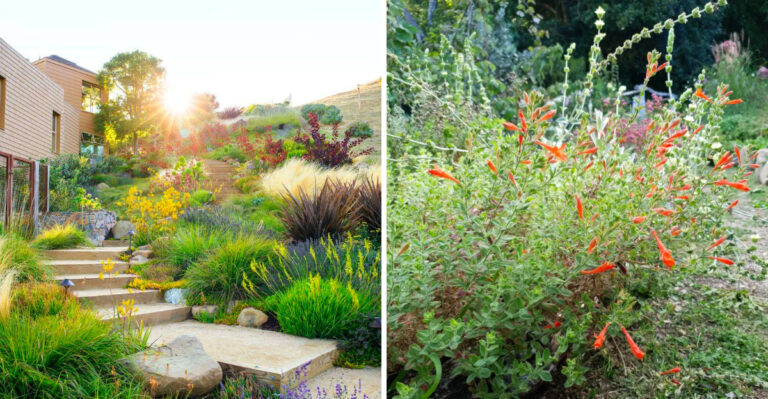
Marigolds, mint family blooms, and other fragrant plants can bring color and scent while helping protect the spaces you use most.
They are not a magic fix on their own, but they can be part of a smarter garden plan. Pair them with clean beds, sealed food sources, and less clutter.
Your yard can feel brighter, smell better, and become a place where unwanted visitors have fewer reasons to linger.
1. Society Garlic Brings Flowers With A Sharp Scent
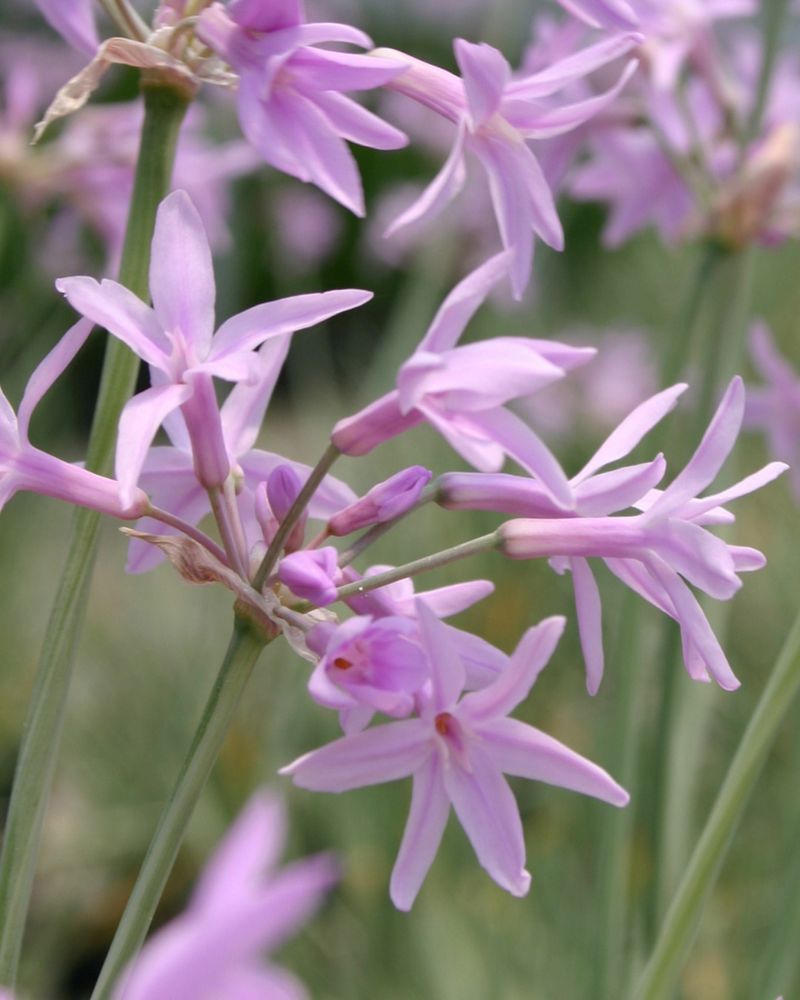
Few plants pack as much punch in a small package as society garlic. The name alone gives you a hint about what makes it special.
Every part of this plant, from its long strap-like leaves to its delicate purple flowers, carries a sharp, garlicky odor that rats find absolutely unbearable.
Gardeners in this state love it because it is incredibly low-maintenance. It tolerates drought, handles poor soil, and comes back year after year without much fuss.
You can plant it along fences, borders, or near compost bins where rat activity tends to be highest.
The flowers are actually quite pretty. They bloom in clusters of soft lavender-purple and attract butterflies and bees throughout the warmer months.
So while you are protecting your garden, you are also supporting local pollinators.
Society garlic grows well in containers too, which makes it a smart choice for patio gardeners who want protection without taking up a lot of ground space. Place a few pots near entry points or along the edges of raised beds.
One thing to keep in mind is that the smell is most potent when the leaves are brushed or bruised.
Planting it along walkways where people naturally brush past it helps release that scent more often. Rats pick up on it quickly and tend to avoid the entire area where it grows.
2. Mexican Marigold Gives Borders A Bold Herbal Fragrance
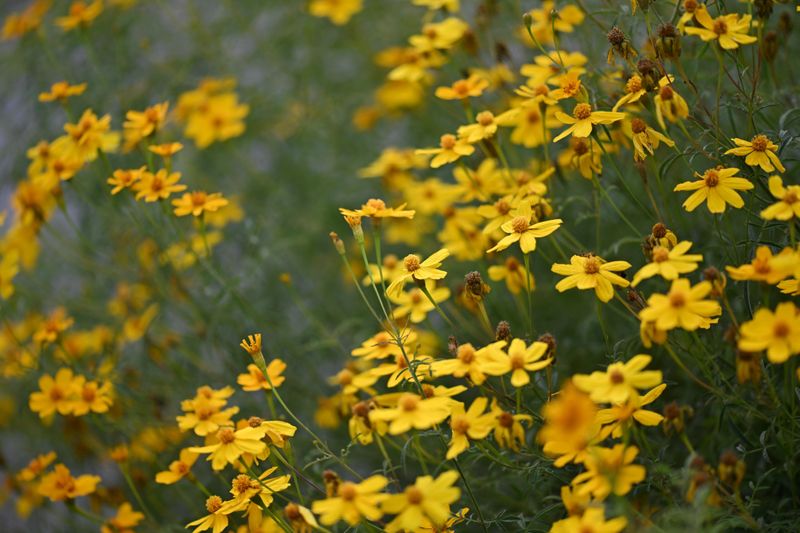
Walk past a Mexican marigold on a warm afternoon and you will understand immediately why rats want nothing to do with it.
The smell is sharp, herbal, and surprisingly strong for such a cheerful-looking plant. It is sometimes called Mexican tarragon or mint marigold, and it earns every one of those names.
Unlike the common marigold you might find at a grocery store, this variety grows into a tall, bushy shrub that can reach four feet or more.
That size makes it excellent for creating natural barriers along garden borders or property edges.
Rats rely heavily on their sense of smell to navigate and find food. A dense row of Mexican marigold plants overwhelms their senses and makes your garden feel unsafe to them.
Your California Garden Changes Every Week. Your Plan Should Too.
Gardening in California changes quickly throughout the season. Every Friday you’ll receive a simple weekly plan showing exactly what to plant, prune, fertilize, harvest, and protect so you never miss the right timing.
Many gardeners in our state have planted it along fence lines and reported noticeable reductions in rodent activity within just a few weeks.
Beyond pest control, this plant offers real beauty. The golden-yellow flowers bloom in late summer and fall, right when many other plants are winding down.
That extended bloom season makes it a valuable addition to any landscape design.
It grows best in full sun and well-drained soil. Once established, it needs very little water, which is a huge plus in areas where drought is a regular concern.
Trim it back in early spring to keep it full and bushy throughout the growing season.
3. Santolina Adds Yellow Flowers And Pungent Foliage
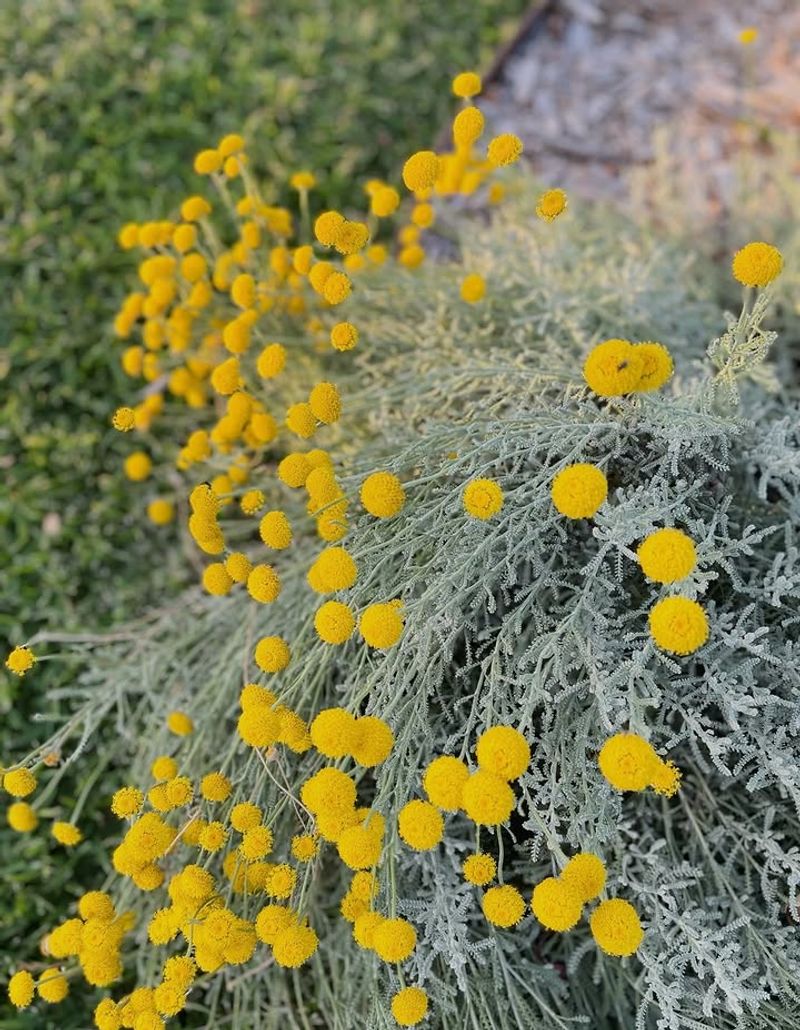
There is something almost prehistoric about santolina. Its silver-green mounding form and button-like yellow flowers look like they belong in an ancient herb garden, and in many ways, they do.
This Mediterranean native has been used for centuries as a natural pest deterrent, and modern gardeners are rediscovering just how effective it really is.
The foliage is where the real power lies. Rub a leaf between your fingers and you get a sharp, camphorous scent that most humans find interesting but rats find deeply unpleasant.
That smell does not fade quickly either. Even on warm, dry days, santolina releases its oils into the surrounding air.
In our state, santolina thrives with almost no extra care. It loves heat, handles drought beautifully, and does not need rich soil to perform well.
In fact, too much water or fertilizer can actually weaken its fragrance and compact form.
Plant it along pathways, at garden entry points, or near vegetable beds where rats are most likely to cause damage.
A low hedge of santolina creates both a visual boundary and an aromatic barrier that rodents are reluctant to cross.
The yellow flowers that appear in summer are a bonus. They attract beneficial insects and add a cheerful pop of color to dry garden beds.
After blooming, give the plant a light trim to keep its shape tidy and encourage fresh, fragrant growth in the weeks that follow.
4. Feverfew Brings Bitter-Scented Blooms Near Paths
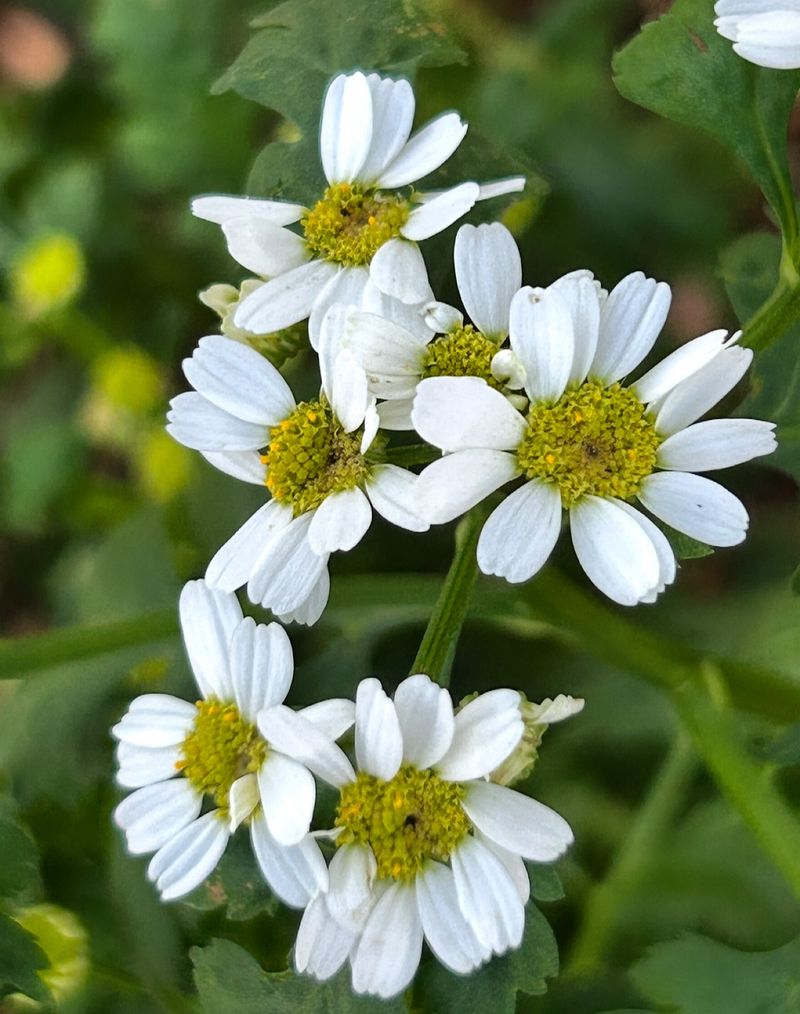
Feverfew has a reputation that goes way beyond its cheerful daisy-like appearance. Gardeners have used it for generations to keep pests away, and the science backs them up.
The plant contains a compound called parthenolide, which gives its leaves and flowers a bitter, medicinal scent that rodents actively avoid.
Planting it near garden paths is a smart strategy. As people walk by and accidentally brush the foliage, the scent releases into the air and creates an invisible barrier.
Rats that might otherwise travel along those paths tend to turn around and go elsewhere.
One of the best things about feverfew is how easily it grows. It self-seeds freely, which means once you plant it, it often returns on its own each year without any extra effort.
That reliability makes it a practical choice for busy gardeners who want results without constant replanting.
The white flowers are genuinely pretty and bloom from late spring through summer. They attract hoverflies and other beneficial insects that help keep aphid populations in check.
So feverfew is doing double duty in your garden, repelling rodents while inviting helpful bugs.
Keep in mind that it can spread enthusiastically if left unchecked. Deadheading spent flowers before they go to seed gives you more control over where it grows.
Plant it in clumps near raised beds, compost areas, or along the edges of paths where rat activity has been a problem in the past.
5. Lemon Verbena Adds Citrus Fragrance Near Patio Edges
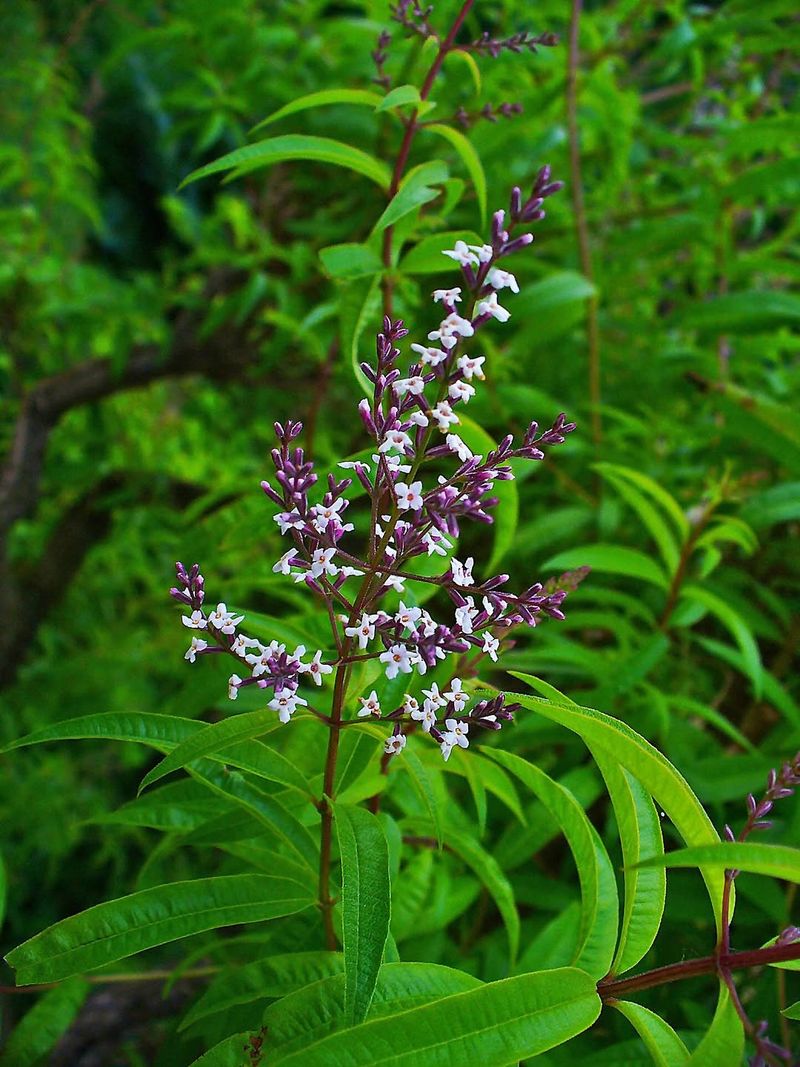
Few plants smell as purely joyful as lemon verbena. Just brushing past its long, narrow leaves fills the air with a fresh, clean citrus scent that most people absolutely love.
Rats, on the other hand, want nothing to do with it. Their sensitive noses find that sharp lemony fragrance overwhelming and disorienting.
Placing lemon verbena along patio edges is a popular strategy among gardeners in this state.
Rats often use the edges of patios and structures as travel corridors, moving along walls and fences to avoid open spaces.
A row of lemon verbena disrupts those routes in the most pleasant-smelling way possible.
The plant grows into a medium-sized shrub and does very well in containers. That flexibility is a real advantage for gardeners who rent or who want to rearrange their pest-control strategy as needed.
Move the pots wherever rat activity seems highest and let the fragrance do the work.
Lemon verbena is also useful in the kitchen. Its leaves make excellent herbal teas, dessert garnishes, and flavoring for homemade syrups.
Growing it means you get both a natural deterrent and a culinary herb in one plant.
It thrives in full sun and needs good drainage to stay healthy. In areas with mild winters, it may stay semi-evergreen.
In cooler spots, it tends to drop its leaves but comes back strong in spring. Regular light pruning keeps it bushy and maximizes its fragrant leaf production throughout the season.
6. Bee Balm Fills Sunny Beds With Minty Fragrance
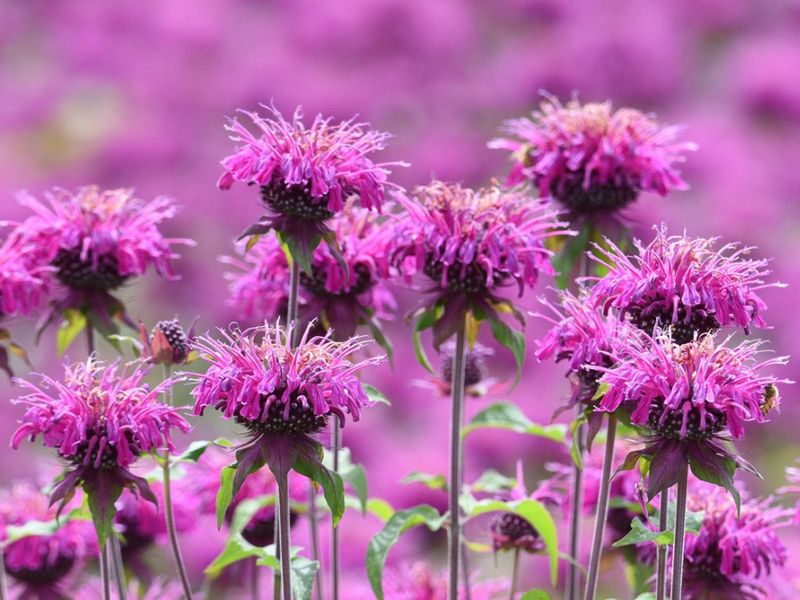
Bold, beautiful, and surprisingly tough, bee balm is one of those plants that earns its place in the garden several times over.
The shaggy, jewel-toned flowers attract hummingbirds, bees, and butterflies in impressive numbers.
But underneath all that beauty is a minty, oregano-like fragrance that rodents find highly unpleasant.
The scent comes from the same family of aromatic compounds found in peppermint and oregano.
Rats have an exceptionally sensitive sense of smell, and strong minty odors interfere with their ability to track food and navigate safely.
A few well-placed bee balm plants can make an entire garden bed feel off-limits to them.
Sunny beds are where bee balm truly thrives. It prefers moist, well-drained soil and at least six hours of direct sunlight each day.
Once established, it spreads gradually through underground runners, creating a natural, fragrant ground cover that fills in gaps beautifully over time.
Gardeners who have struggled with rats near bird feeders or fruit trees have had good results planting bee balm in a ring around those areas.
The flowers also bring in so many pollinators that the whole garden benefits from increased activity and better fruit set.
Watch for powdery mildew in humid conditions, as bee balm can be susceptible to it. Choosing a mildew-resistant variety and giving plants good air circulation helps keep the foliage healthy.
Deadhead regularly during blooming season to encourage a second flush of flowers and keep the scent strong.
7. Coyote Mint Gives Dry Borders A Native Herbal Scent
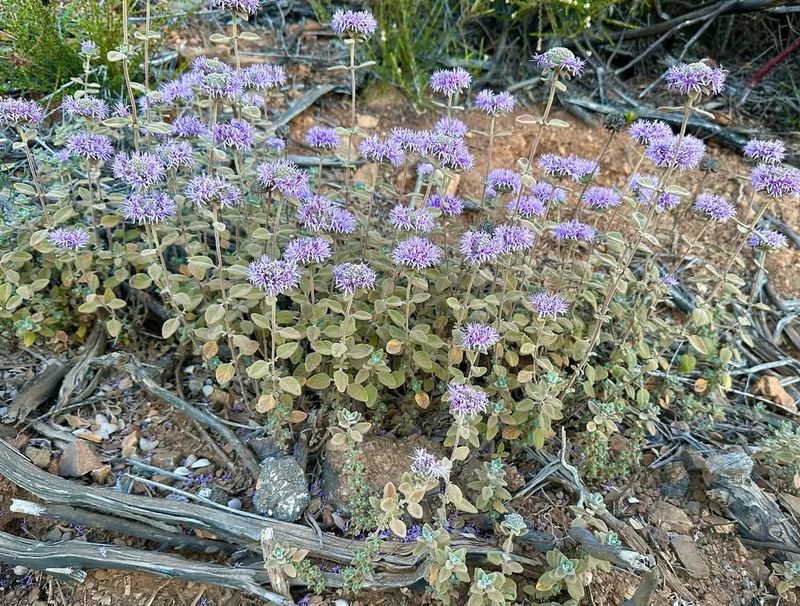
Native plants often hold the best secrets, and coyote mint is a perfect example. This tough little perennial is native to our state and has evolved to thrive in exactly the kind of hot, dry conditions that challenge so many garden plants.
Its small purple flowers are charming, but it is the intensely minty fragrance of its foliage that makes it a genuine rat deterrent.
Coyote mint releases its scent even without being touched. On a warm day, the aromatic oils evaporate naturally from the leaves and create a fragrant zone that rats find deeply uncomfortable.
Planting it along dry borders or rocky slopes where rats tend to travel can significantly reduce their presence.
One of its biggest advantages is water efficiency. Once established, coyote mint needs almost no supplemental irrigation.
That makes it an ideal choice for gardeners in drought-prone areas who want pest protection without adding to their water bill.
Wildlife benefits are another reason to love this plant. Native bees, butterflies, and hummingbirds visit the flowers regularly, making it a strong ecological choice for any garden.
Supporting native plants also helps maintain the local balance of insects and birds that naturally help control pest populations.
It looks especially good when planted in drifts along the edges of gravel paths or among boulders.
The contrast between its soft gray-green foliage and the surrounding hardscape is visually appealing while also creating an aromatic barrier that works quietly in the background.
8. Cleveland Sage Fills Hot Edges With Strong Fragrance
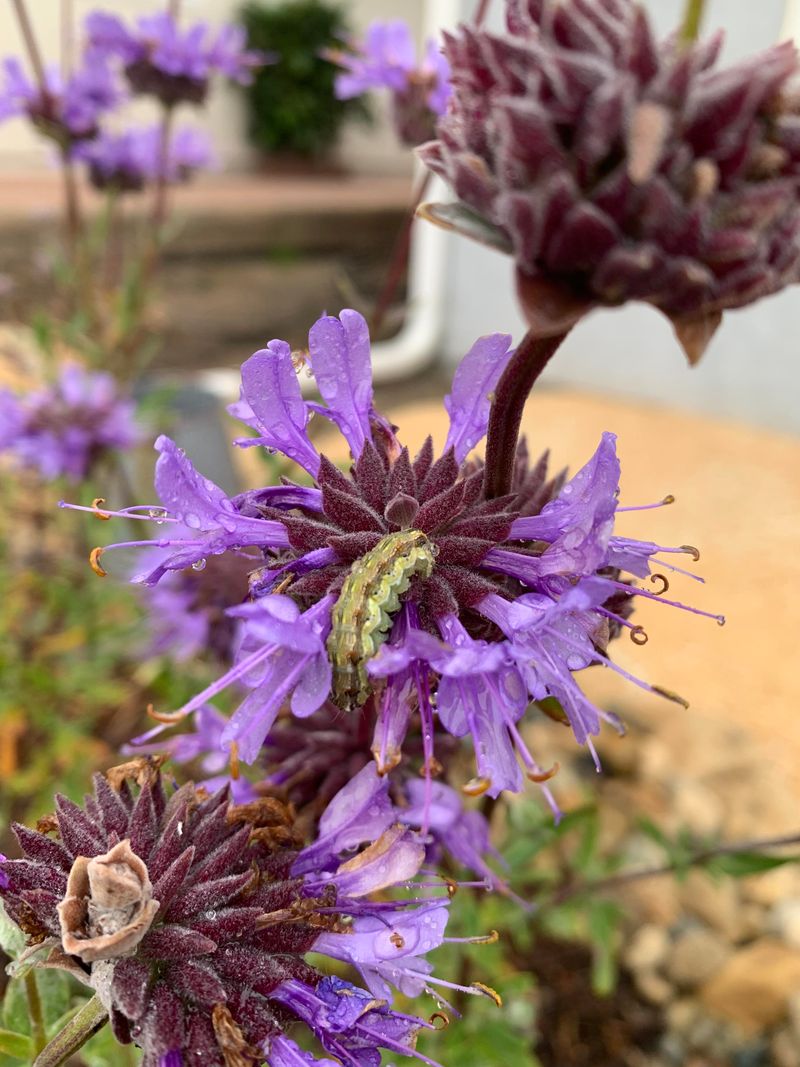
If you have ever walked past a Cleveland sage on a hot summer afternoon, you already know how powerful its fragrance can be.
The scent is rich, resinous, and almost medicinal, filling the air around it in a way that few other plants can match.
That intensity is exactly what makes it so effective at keeping rats away.
This shrubby sage is native to Southern parts of our state and thrives in exactly the kind of conditions that are common in so many of our gardens. Full sun, rocky or sandy soil, and minimal water are all it needs to grow into a full, fragrant specimen that can reach three to four feet tall.
Hot garden edges, south-facing slopes, and dry hillsides are where Cleveland sage performs best.
Planting it along the hottest parts of your property means it will be at its most aromatic during summer months when rat activity often increases as water sources dry up.
The blue-purple flower spikes are a visual treat and a magnet for hummingbirds. Watching a hummingbird work its way through a blooming Cleveland sage is one of those simple garden pleasures that never gets old.
The flowers appear in spring and sometimes again in fall after a good watering. Avoid overwatering once the plant is established.
Too much moisture can lead to root problems and actually reduces the intensity of its fragrance.
Let the soil dry out completely between waterings and give it room to spread, as it grows best when not crowded by neighboring plants.
9. White Sage Adds Silvery Leaves And Powerful Scent
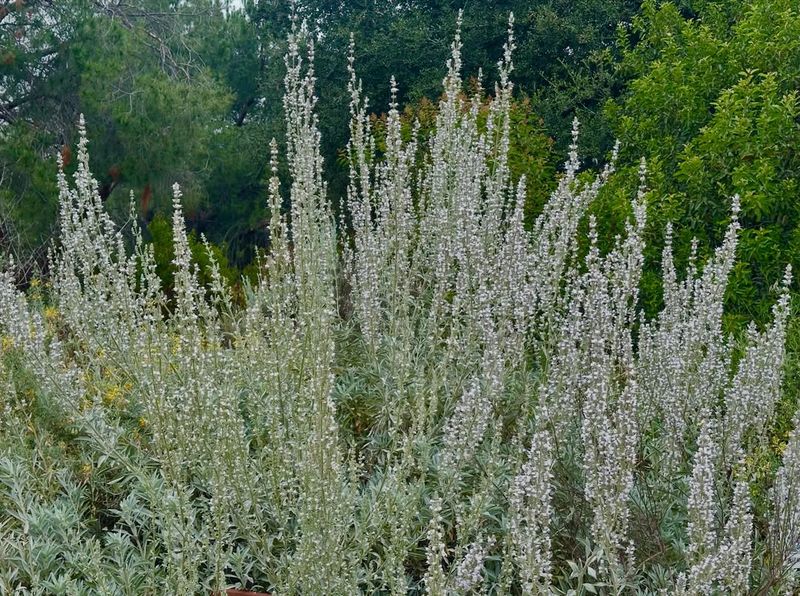
White sage is something of a legend in Western gardening circles. Its striking silvery-white leaves have made it a cultural and ecological icon in our state for thousands of years.
Native people used it for ceremony, medicine, and cooking. Today, gardeners are adding another use to that long list: natural rat repellent.
The smell of white sage is unlike anything else. It is bold, camphor-like, and deeply aromatic in a way that seems to reach right into your senses.
For rats, that overwhelming scent disrupts their ability to smell food, detect safe paths, and communicate with each other. Areas planted with white sage tend to see noticeably less rodent activity.
Growing it successfully requires the right conditions. White sage needs full sun, excellent drainage, and very little water once it is established.
It is perfectly adapted to the dry summers and mild winters that define much of our state’s climate. Overwatering is the most common mistake gardeners make with this plant.
The tall flower stalks that appear in late spring attract native bees and hummingbirds. The flowers are small and white, giving the plant a soft, elegant appearance despite its tough constitution.
Leaving the stalks standing after blooming provides habitat for beneficial insects.
Plant white sage in visible, prominent spots where its silvery color can serve as a design feature. It pairs beautifully with darker green plants and adds a soft, luminous quality to dry garden beds.
Its fragrance is strongest on warm days, which is also when rats are most actively searching for food and shelter.
10. Woolly Bluecurls Brings Fragrance And Purple Blooms
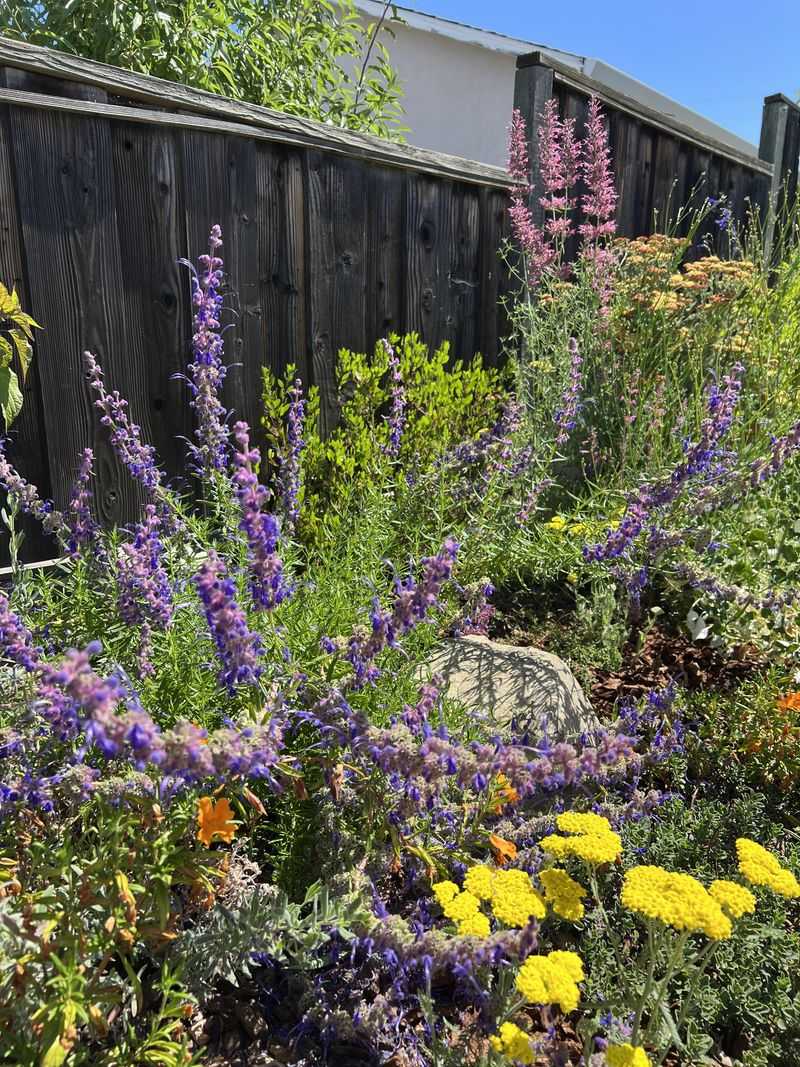
Woolly bluecurls might be the most underrated plant in our state’s native garden toolkit.
Its curling, intensely blue-purple flowers are genuinely stunning, and the woolly, aromatic foliage gives off a strong fragrance that stops rats in their tracks.
It is a plant that delivers on every front. The scent is complex and hard to describe exactly, somewhere between sage, camphor, and something uniquely its own.
Whatever the chemistry behind it, rats find it deeply off-putting. Gardeners who have planted woolly bluecurls near vegetable beds and fruit trees report that rodent intrusions drop significantly after the plants mature.
It is strictly a plant for warm, dry climates, which makes it perfectly suited to much of our state.
It needs fast-draining soil, full sun, and almost no supplemental water once established. In fact, summer irrigation can seriously stress this plant and shorten its lifespan.
The flowers are a hummingbird magnet. During peak bloom in spring and early summer, a single large plant can attract dozens of hummingbird visits each day.
The curling stamens that give the plant its name are specially designed to dust the bird’s head with pollen, making it an efficient and elegant pollination machine.
Give woolly bluecurls plenty of space and do not crowd it with other plants. It needs good air circulation and room to spread its naturally mounding form.
Once settled into the right spot, it rewards you with years of spectacular blooms, powerful fragrance, and reliable pest-deterring performance that no chemical spray can match.