What North Carolina Gardeners Who Regularly See Hawks In Their Trees Are Doing Differently In Their Yard
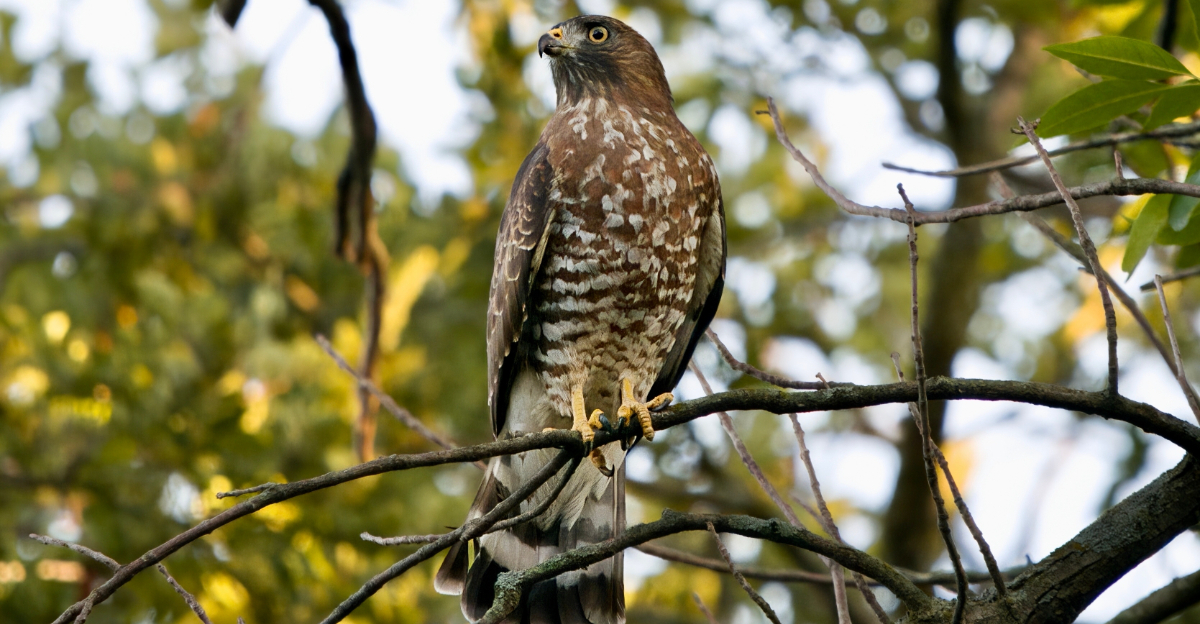
Hawks do not settle into a yard by accident. When red-tailed hawks or Cooper’s hawks are showing up consistently in the same trees week after week, it reflects something deliberate and specific about how that outdoor space is structured.
North Carolina provides excellent hawk habitat across most regions of the state, but certain yards become genuine destinations while others go completely ignored.
The gardeners who see regular hawk activity have almost always made choices, sometimes intentionally and sometimes without realizing it, that make their property attractive to these birds at a fundamental level.
Understanding what those choices are reveals a genuinely interesting connection between thoughtful yard management and the kind of wildlife activity that makes spending time outside feel like something more than just maintenance.
1. Maintaining Diverse Native Plantings
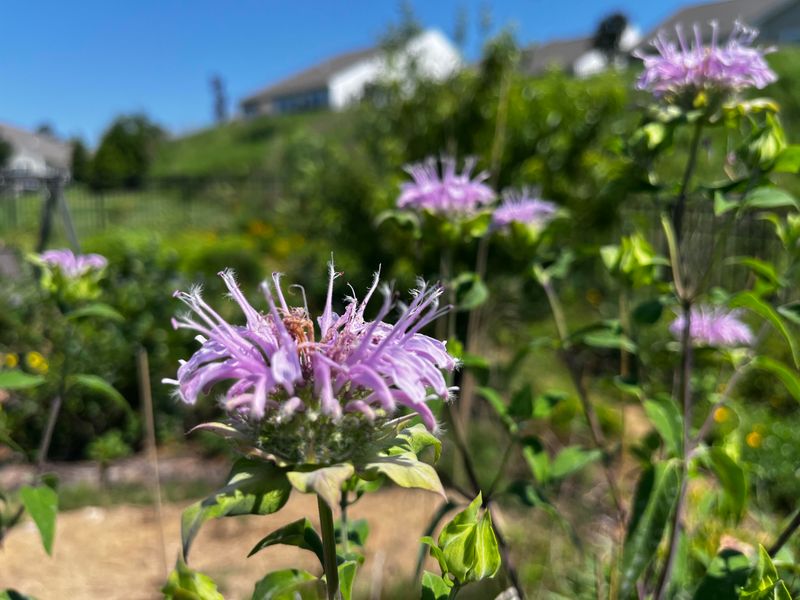
Walk through almost any North Carolina yard that regularly attracts hawks, and you will notice one thing right away: there is a lot going on.
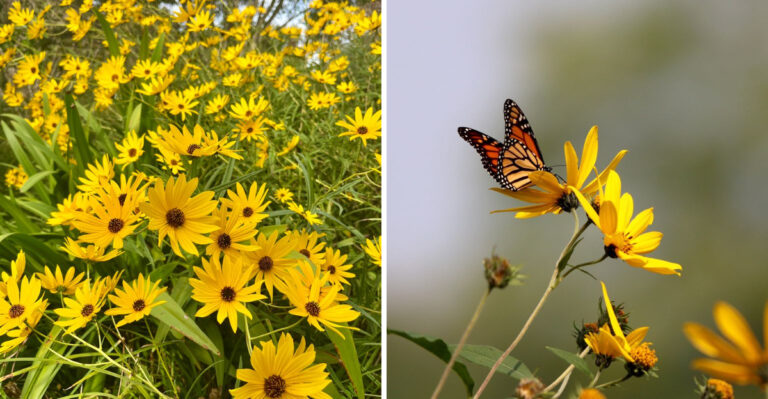
Native plants like Eastern Red Cedar, Beautyberry, Wild Ginger, and Black-Eyed Susan are not just pretty, they are working hard to support the entire food web.
These plants feed insects, which feed small birds and mammals, which in turn bring raptors like the Red-Tailed Hawk circling in.
Planting in layers makes a huge difference. Start with tall canopy trees like White Oak or Tulip Poplar, then add mid-level shrubs like Inkberry or Spicebush, and finish with low-growing native groundcovers.
This approach gives wildlife multiple zones to live, hide, and forage in. When prey animals feel safe moving through your yard, hawks will notice and start patrolling the area regularly.
Spacing matters too. Avoid planting everything in tight rows like a formal garden.
Irregular clusters with open patches in between give small animals room to move around, which makes the yard far more attractive for hunting birds above.
Aim for at least five to seven different native species across your planting zones to keep the ecosystem balanced and buzzing with activity all year long.
2. Leaving Some Natural Ground Cover
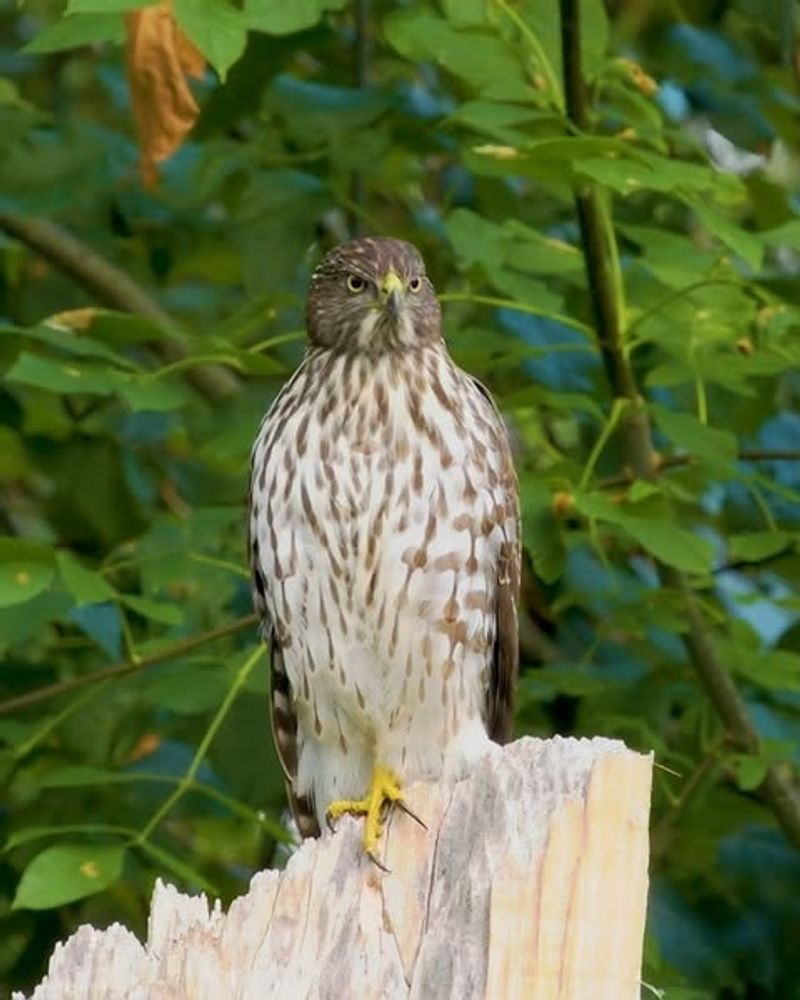
Most people rake every leaf the moment it falls, but gardeners who see hawks regularly tend to leave things a little rougher around the edges.
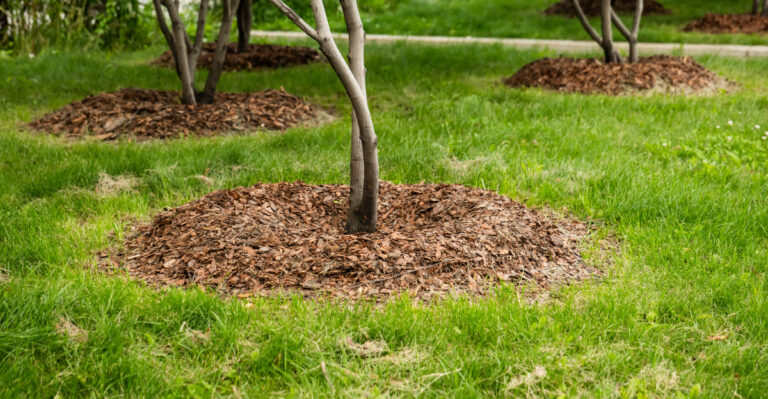
Leaf litter, thick mulch layers, and patches of native grasses left undisturbed create the perfect hiding spots for mice, voles, shrews, and insects.
Those small creatures are exactly what hawks are hunting for every single day.
Think of the ground layer as a buffet table for the whole food chain. When you leave it intact, you are essentially stocking that table for free.
Leaf piles under shrubs, unraked corners near fence lines, and areas of tall native grass all become active wildlife zones. Hawks can spot movement from remarkable distances, and a yard full of ground-level activity catches their attention fast.
You do not need to let your entire yard go wild to make this work. Even a few strategic patches of undisturbed ground cover make a measurable difference.
Try leaving a corner near a tree line or along a back fence where leaves and organic material can build up naturally over the seasons.
Your North Carolina Garden Changes Every Week. Your Plan Should Too.
Gardening in North Carolina changes quickly throughout the season. Every Friday you’ll receive a simple weekly plan showing exactly what to plant, prune, fertilize, harvest, and protect so you never miss the right timing.
Over time, that small patch becomes a thriving micro-habitat that supports the kind of prey population that keeps hawks coming back to your yard week after week.
3. Minimizing Chemical Use
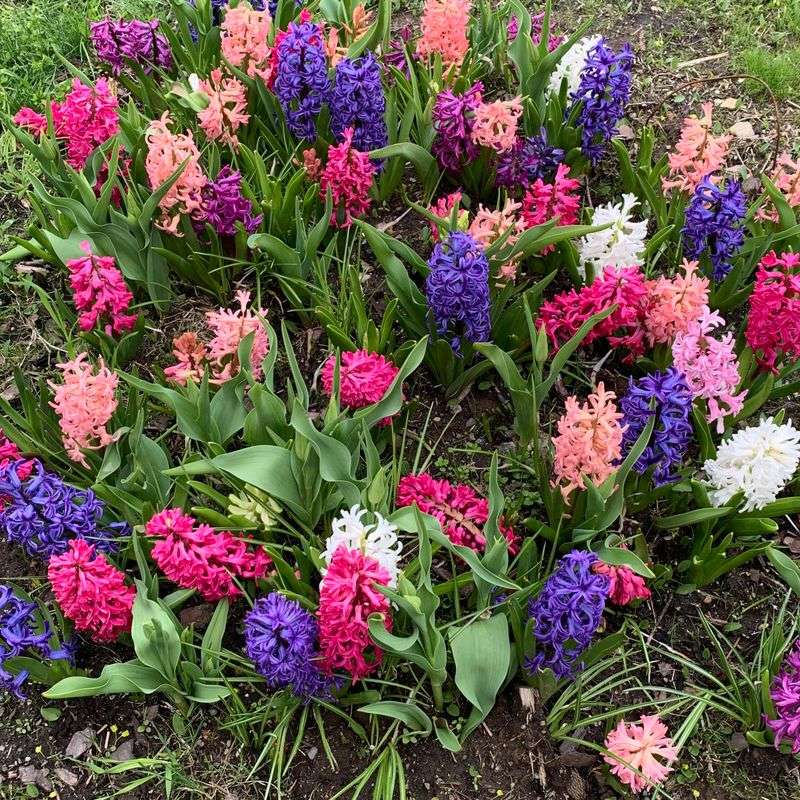
Yards that skip the chemical sprays tend to hum with life in a way that treated lawns simply do not. When pesticides and herbicides get applied regularly, they do not just target weeds or pest insects, they quietly reduce the entire base of the food chain.
Fewer insects mean fewer small birds and rodents, and fewer prey animals mean hawks have no reason to visit.
North Carolina gardeners who attract hawks consistently tend to manage pests the natural way.
Companion planting, hand-pulling weeds, using compost to build healthy soil, and encouraging beneficial insects like ground beetles and spiders all help keep the garden balanced without reaching for a spray bottle.
Healthy soil grows strong plants that resist problems naturally, reducing the need for intervention in the first place.
The ripple effect of going chemical-free is genuinely impressive. Within a season or two, you will likely notice more butterflies, more songbirds, and more small mammals moving through your yard.
All of that activity creates the kind of ecosystem that a hawk can rely on for regular meals.
Red-Tailed Hawks, which are one of the most common large raptors in North Carolina, are highly territorial and will return again and again to any yard that consistently offers good hunting opportunities in a safe, undisturbed environment.
4. Installing Perch Opportunities
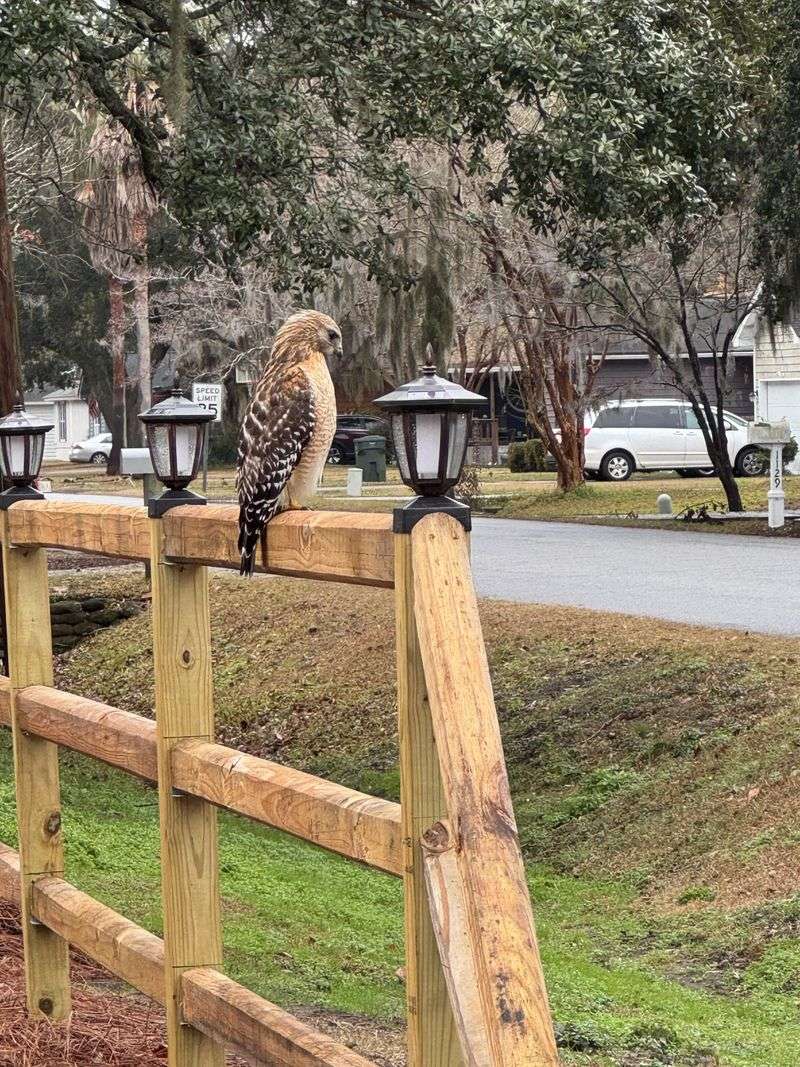
Hawks are visual hunters, and they need height to do their job well. Yards that offer good elevated perching spots are far more likely to see regular hawk visits than flat, open spaces with nothing to land on.
Tall trees are the gold standard, but even a sturdy fence post, a thick trellis, or a dry snag left standing can serve as a perfect hawk lookout point.
Placement matters more than most people realize. A perch that overlooks an open patch of lawn, a garden bed, or a brushy edge gives the hawk a clear line of sight to spot movement below.
Hawks like to survey their territory before they swoop, so giving them a comfortable, elevated spot with a wide view encourages them to linger much longer than they would otherwise.
If your yard lacks natural perch options, you can add a simple wooden post at around eight to ten feet tall near an open area. Cedar or locust wood holds up well outdoors and does not need treatment.
Position it away from dense shrubs so the hawk has a clear view in multiple directions.
Over time, consistent perching in the same spots becomes a habit for individual hawks, and you may find the same bird returning to your yard day after day, making it feel like a true resident of your outdoor space.
5. Maintaining Water Sources
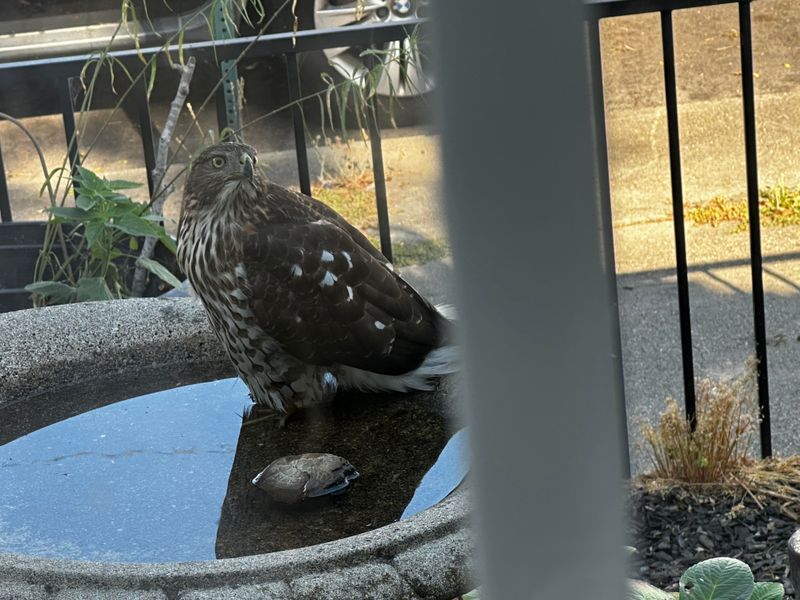
Water is one of the most powerful things you can add to any wildlife-friendly yard. Birds of all sizes need it for drinking and bathing, and when small prey birds and mammals gather around a water source, they naturally draw in the predators that hunt them.
Gardeners who keep birdbaths, garden ponds, or even simple ground-level water dishes filled consistently tend to see a much wider variety of wildlife, including hawks.
Moving water is even more effective than still water. A small solar-powered fountain or a simple dripper attachment on a birdbath creates sound and ripple that attracts birds from surprisingly far away.
Hawks are not usually coming in to drink themselves, but they absolutely notice when other birds gather in one spot regularly. That kind of predictable prey activity is exactly what makes a yard worth patrolling.
Keep water sources clean and refreshed every two to three days, especially during North Carolina summers when heat and mosquitoes can become an issue.
Place birdbaths in partially open areas rather than tucked tightly against dense shrubs, so visiting birds feel safe enough to linger.
A yard that offers reliable, clean water year-round becomes a dependable stop on a hawk’s regular hunting route, and once a hawk learns your yard delivers, it tends to keep showing up on a very consistent schedule.
6. Preserving Mature Trees
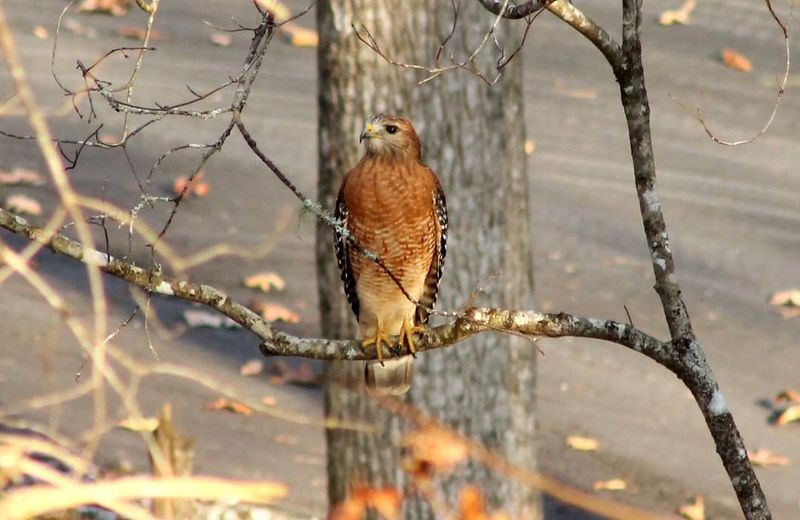
Mature trees are irreplaceable, and the gardeners who understand that tend to have the most wildlife-rich yards on the block.
A large White Oak, Loblolly Pine, or Sycamore that has been growing for decades offers something no young sapling can match: thick, sturdy branches high enough for hawks to nest, roost, and hunt from with complete confidence.
Once a hawk pair claims a tall tree for nesting, they may return to that same tree for many years in a row.
Caring for mature trees properly keeps them safe and structurally sound for decades more. Have a certified arborist inspect large trees every few years for signs of structural weakness, fungal infection, or storm damage.
Removing only hazardous limbs rather than cutting healthy ones preserves the character of the tree while keeping your yard safe.
Avoid compacting soil around the root zone by keeping foot traffic and heavy equipment away from the drip line.
Leaving a standing snag, which is a tree that has lost most of its leaves but still stands upright, is one of the best things you can do for hawks and other cavity-nesting wildlife.
Snags provide hunting perches, insect habitat, and nesting cavities all at once.
As long as a standing snag poses no safety risk to structures or people, leaving it in place adds enormous ecological value and makes your yard a genuinely exceptional hawk habitat in North Carolina.
7. Avoiding Excessive Lawn Clearing
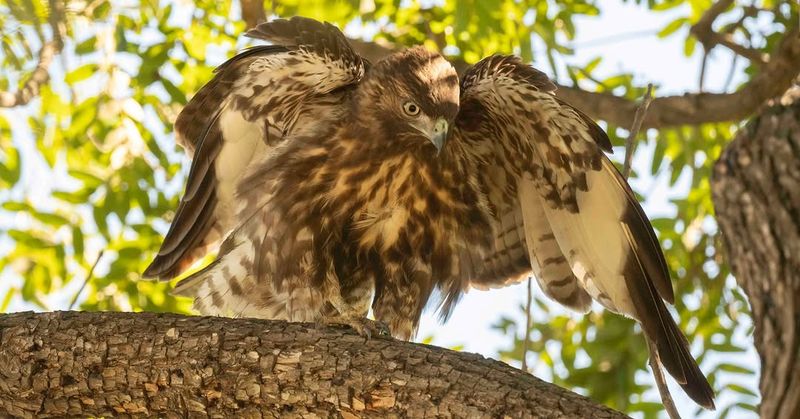
Picture-perfect lawns might look tidy, but they are surprisingly empty when it comes to wildlife. Yards that get mowed edge to edge, raked clean, and cleared of every fallen branch leave very little for small animals to work with.
Gardeners who regularly spot hawks have often made peace with a slightly wilder look along the edges of their property, and that small compromise pays off in a big way.
Brush piles are one of the most underrated wildlife tools available. A loosely stacked pile of fallen branches, twigs, and dried plant stems tucked into a back corner creates instant shelter for rabbits, mice, wrens, and lizards.
All of those animals are regular items on a hawk’s menu, and a brush pile that stays in place through winter becomes a reliable hunting destination for raptors patrolling the neighborhood.
You do not have to sacrifice the whole yard to make this work. Even a ten-foot stretch of unmowed native grass along a fence line, or a small pile of branches behind a garden shed, creates meaningful habitat.
The key is consistency. Leaving those areas undisturbed season after season allows small animal populations to establish and grow.
Hawks are smart birds with excellent memories, and once they learn that your yard reliably shelters prey animals, they will work it into their regular hunting territory without any additional encouragement needed.
8. Creating Layered Habitats
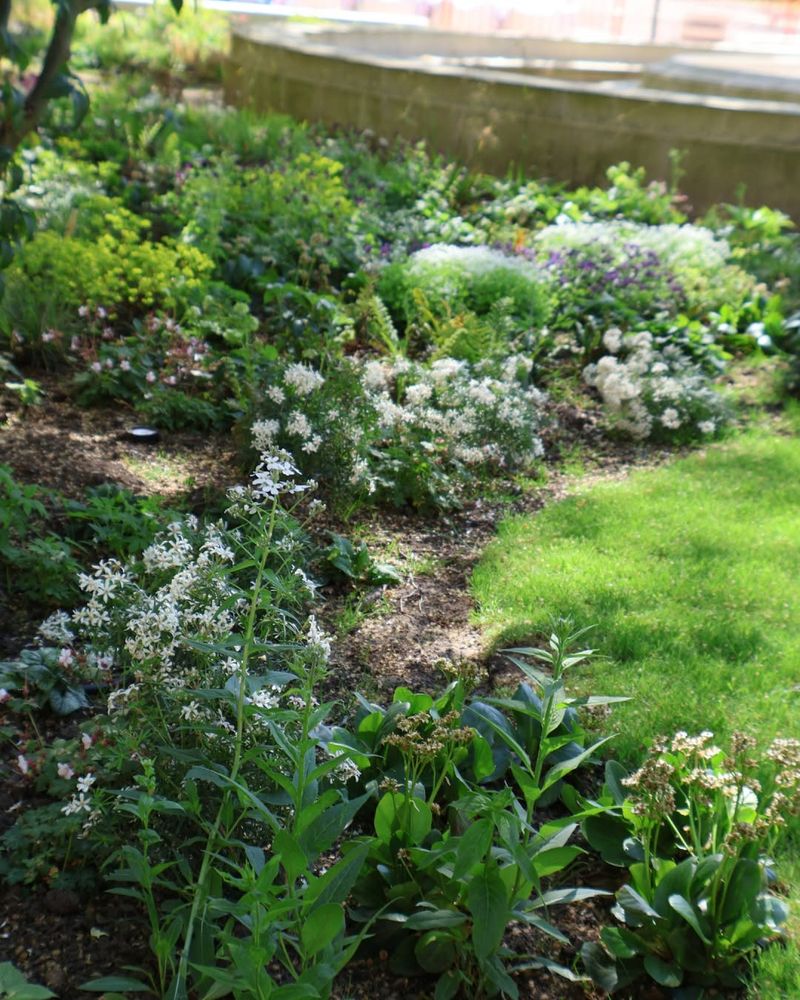
Some yards just feel alive the moment you walk into them. That feeling usually comes from layering, stacking different heights of plants so that every level of the garden is doing something useful for wildlife.
Tall canopy trees anchor the top layer, mid-height shrubs fill in the middle, and low groundcovers and perennials carpet the floor. Together, these zones create a complete ecosystem that supports an impressive range of creatures.
Each layer attracts different species. Canopy trees bring in squirrels, woodpeckers, and large birds.
Shrubs shelter songbirds, rabbits, and nesting warblers. The ground layer supports salamanders, ground-feeding sparrows, and small rodents.
When all of these groups are active in the same yard at the same time, hawks have a diverse and reliable food source that keeps them returning regularly throughout the year.
Building a layered habitat does not require a large yard or a big budget. Even a modest suburban lot can support two or three planting zones if you choose the right species.
In North Carolina, great layering combinations include Tulip Poplar overhead, Virginia Sweetspire in the mid-layer, and Wild Strawberry or Creeping Phlox at ground level.
Over two to three growing seasons, a well-layered yard transforms into a self-sustaining wildlife corridor that supports hawks, songbirds, pollinators, and dozens of other species that make every morning in the garden genuinely exciting.