These Oregon Natives Work Better Than Boxwood As Low Hedges
Boxwood has the polished look, but Oregon native plants can bring more life to a low hedge. They offer shape without making the garden feel stiff.
They also handle local weather better when matched to the right spot. A low hedge near a walkway, patio, or garden bed should do more than sit there like green trim.
It should guide the eye, soften edges, and stay attractive through the season. Native choices can add flowers, texture, berries, and a natural look that fits Oregon yards beautifully.
Many also support birds and pollinators while still giving you the neat border you want. The key is picking plants that stay compact or respond well to light trimming.
Choose the right native shrubs, and your hedge can feel tidy, useful, and full of personality without relying on boxwood.
1. Evergreen Huckleberry Makes A Glossy Native Low Hedge
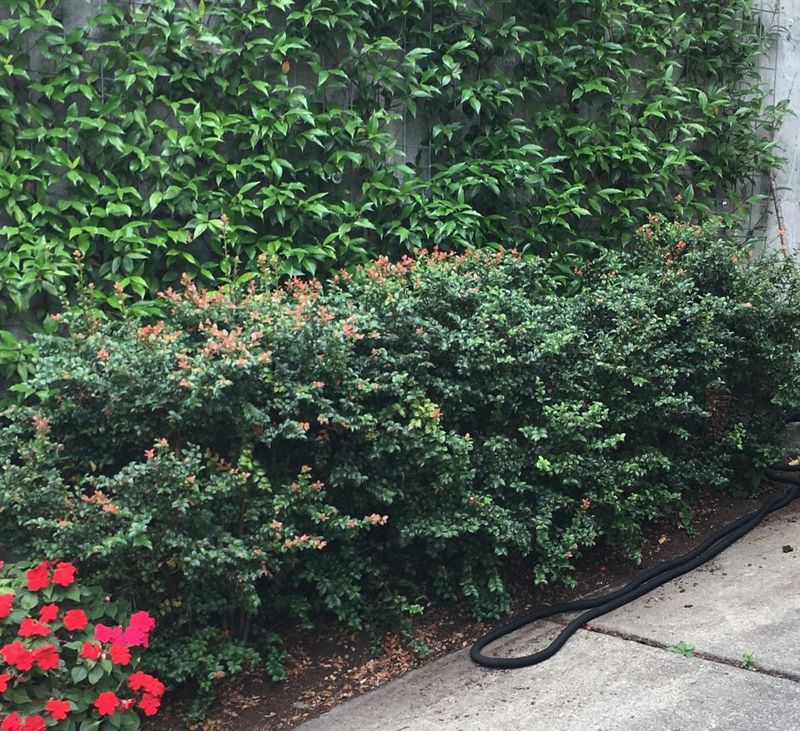
Few native shrubs can match the polished appearance of evergreen huckleberry when grown as a low hedge. The leaves shine like they’ve been waxed, catching sunlight with a gleam that rivals any boxwood.
New growth emerges bronze-red in spring, creating a stunning color contrast before maturing to deep green.
This shrub naturally grows in a compact, rounded form that responds beautifully to light shaping. It reaches about three feet tall and wide, making it perfect for borders along pathways or property lines.
The dense branching habit fills in gaps quickly, creating a solid screen within just two growing seasons.
Pink bell-shaped flowers dangle from the branches in spring, attracting early-season pollinators when few other food sources exist.
By late summer, these blooms transform into delicious dark berries that taste like a cross between blueberries and cranberries.
Birds adore them, but if you harvest first, they make incredible jams and pies.
Evergreen huckleberry thrives in partial shade to full sun, though it appreciates afternoon protection in hotter inland areas.
It prefers acidic soil rich in organic matter, similar to rhododendrons and azaleas. Once established, it handles dry spells better than you might expect for a woodland native.
Pruning needs remain minimal compared to boxwood. A light trim after fruiting keeps the shape tidy without sacrificing next year’s berry crop.
This plant rarely suffers from pests or diseases, saving you time and money on treatments.
2. Low Oregon Grape Creates A Tough Evergreen Border
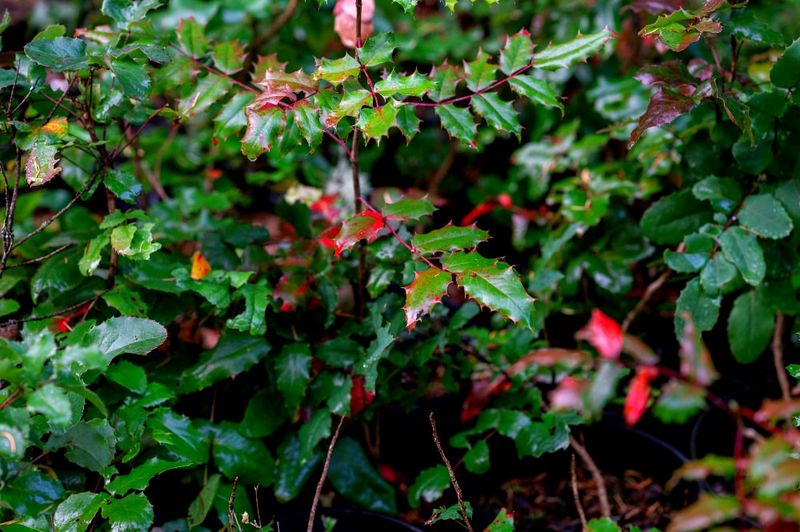
Gardeners who need a hedge that laughs at neglect should consider low Oregon grape their first choice.
This rugged native tolerates poor soil, drought, dense shade, and root competition from nearby trees.
The holly-like leaves stay green year-round, though they often develop gorgeous purple and bronze tones during winter months.
Bright yellow flower clusters explode across the plant in early spring, filling your garden with color when little else blooms. These cheerful flowers smell faintly of honey and draw native bees from blocks away.
By summer, clusters of dusty blue berries replace the blooms, providing food for dozens of bird species.
Low Oregon grape typically stays under two feet tall but spreads steadily through underground runners, making it ideal for filling large areas.
Your Oregon Garden Changes Every Week. Your Plan Should Too.
Gardening in Oregon changes quickly throughout the season. Every Friday you’ll receive a simple weekly plan showing exactly what to plant, prune, fertilize, harvest, and protect so you never miss the right timing.
This spreading habit means you can plant fewer shrubs and let them grow together naturally.
For formal hedges, the runners are easy to control with a sharp spade or edging.
The leathery leaves have sharp spines along their edges, creating a natural barrier that discourages foot traffic and unwanted visitors. This makes it particularly useful along property boundaries or around windows.
Despite the prickly foliage, the plant never feels aggressive or dangerous in the landscape.
This species handles urban conditions remarkably well, tolerating air pollution, compacted soil, and reflected heat from pavement.
It grows successfully in full shade under dense conifers where boxwood would languish.
Supplemental water during establishment helps, but mature plants survive on rainfall alone in most areas.
3. Creeping Oregon Grape Works Better For Low Edging
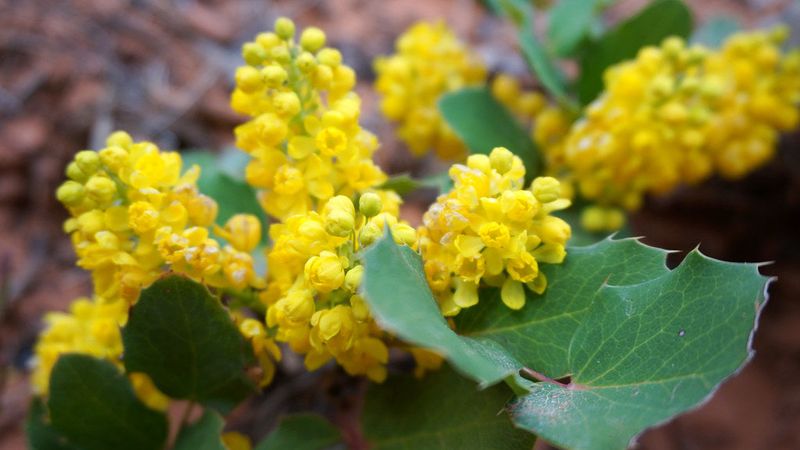
When you need something even shorter than low Oregon grape, its creeping cousin delivers the perfect solution. This groundcover relative stays under one foot tall, making it ideal for edging beds or lining walkways.
The compound leaves look similar to its taller relative but on a much smaller, more delicate scale.
Creeping Oregon grape spreads slowly but steadily, forming a dense mat that suppresses weeds without smothering smaller perennials.
Unlike aggressive groundcovers that take over everything in their path, this native plays nicely with neighbors.
You can easily control its spread by pulling or cutting unwanted runners.
Yellow flowers appear in spring, though they hide somewhat beneath the foliage canopy. The blooms still attract pollinators and produce the characteristic blue berries later in the season.
Wildlife appreciates the low-growing fruit, and the dense foliage provides shelter for ground-nesting birds.
This plant excels in dry shade, one of the toughest gardening situations most homeowners face. It grows happily under eaves, beneath established trees, and in those difficult north-side beds where nothing else survives.
The evergreen foliage looks fresh all year, never developing the tired, brown appearance that afflicts many groundcovers.
Creeping Oregon grape works beautifully cascading over retaining walls or spilling across rock gardens. The foliage develops rich burgundy tones in winter, adding unexpected color during the dormant season.
It tolerates light foot traffic once established, making it useful between stepping stones.
Maintenance requirements border on nonexistent. No pruning, no fertilizing, no fussing required.
Just plant it, water occasionally the first year, then let it do its thing.
4. Salal Gives Shady Borders A Dense Native Look
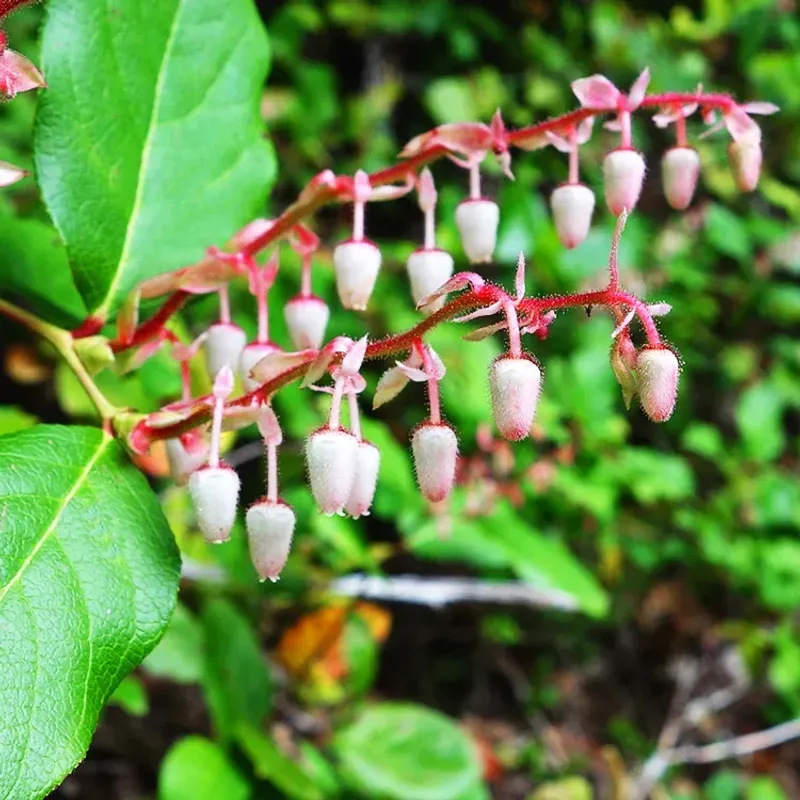
Walk through any forest in the Pacific Northwest and you’ll find salal growing in thick, impenetrable stands beneath the canopy.
This same toughness translates beautifully to garden settings, where it creates lush, full hedges that thrive in shade.
The glossy oval leaves stack densely on upright stems, forming a solid green wall.
Salal adapts to a remarkable range of conditions, from deep shade to full sun, though it looks happiest with some protection from afternoon heat. It tolerates both wet winter soil and dry summer conditions once established.
This flexibility makes it useful in problem areas where other shrubs struggle.
Small white or pink urn-shaped flowers dangle beneath the leaves in late spring, easy to miss unless you look carefully.
These blooms develop into dark purple berries by late summer that taste mildly sweet with a slightly mealy texture.
Native peoples harvested them extensively, and they remain popular for jams and baked goods.
The foliage industry harvests millions of salal stems annually for use in floral arrangements, proof of its lasting quality when cut. In your garden, this same durability means leaves stay attractive through all weather conditions.
They never look ratty or damaged like some evergreens do after harsh winters.
Salal grows naturally to about four feet tall, though it responds well to pruning for shorter hedges. The stems send up new shoots from the base, creating a thick, multi-stemmed form that fills in any gaps.
This growth habit makes it excellent for privacy screening along property lines. Deer generally avoid salal, a huge advantage in areas with heavy browsing pressure.
5. Shrubby Cinquefoil Adds Flowers To Sunny Low Hedges
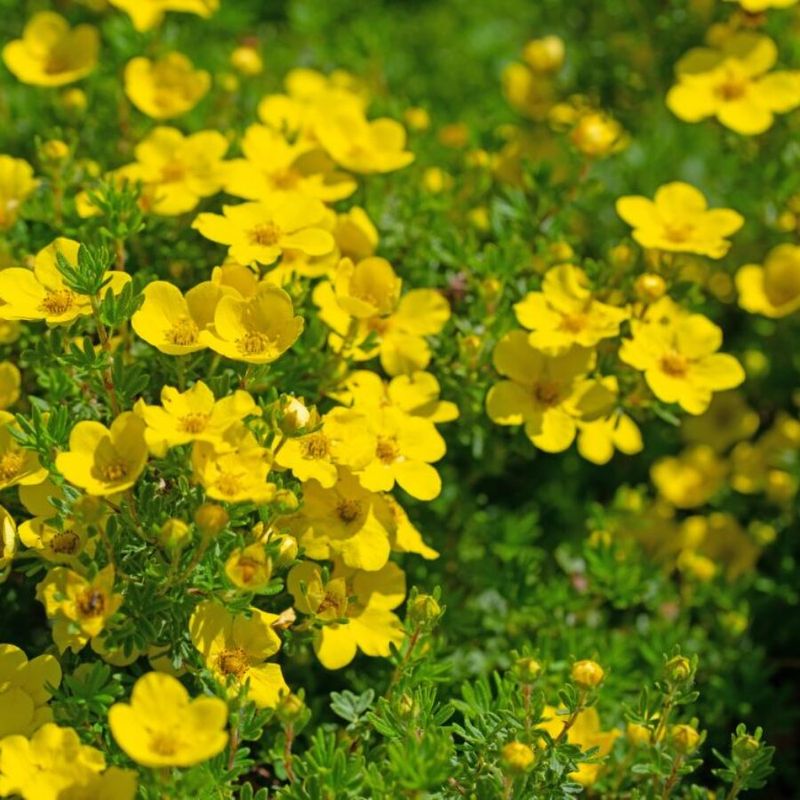
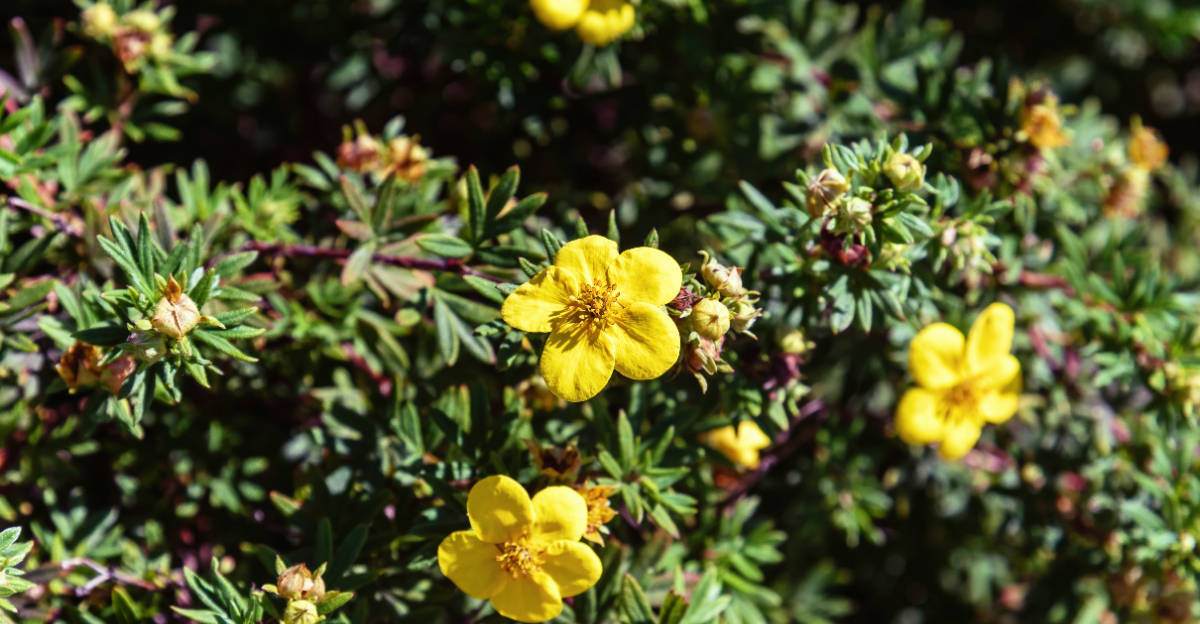
Most native hedges focus on foliage, but shrubby cinquefoil brings months of cheerful yellow flowers to the party.
From June through September, bright blooms cover the small, compound leaves in such profusion that they nearly hide the foliage.
This extended bloom period provides constant color throughout the growing season.
The plant forms a neat, rounded mound that typically stays between two and three feet tall and wide.
Individual branches create a delicate, fine-textured appearance that contrasts beautifully with bold-leaved perennials.
The overall effect feels soft and informal rather than stiff and formal.
Shrubby cinquefoil demands full sun and excellent drainage, making it perfect for hot, dry locations where many natives struggle. It actually performs better with lean soil and minimal water once established.
Overwatering or rich soil leads to floppy growth and fewer flowers.
This tough native survives winters throughout the coldest parts of the state without any protection. It shrugs off summer heat, tolerates reflected light from pavement, and never complains about wind exposure.
These qualities make it ideal for difficult urban and suburban sites.
The flowers attract numerous native bees and butterflies, creating constant activity in the garden during summer months. Unlike many heavy bloomers, the spent flowers don’t create an unsightly mess.
They simply fade away without requiring deadheading to keep the plant looking tidy.
Shrubby cinquefoil drops its leaves in winter, which some gardeners consider a drawback for hedging. However, the fine network of stems still provides structure and interest during dormancy.
The bare branches create a different but equally attractive winter silhouette.
6. Dwarf Red-Flowering Currant Makes A Loose Blooming Hedge
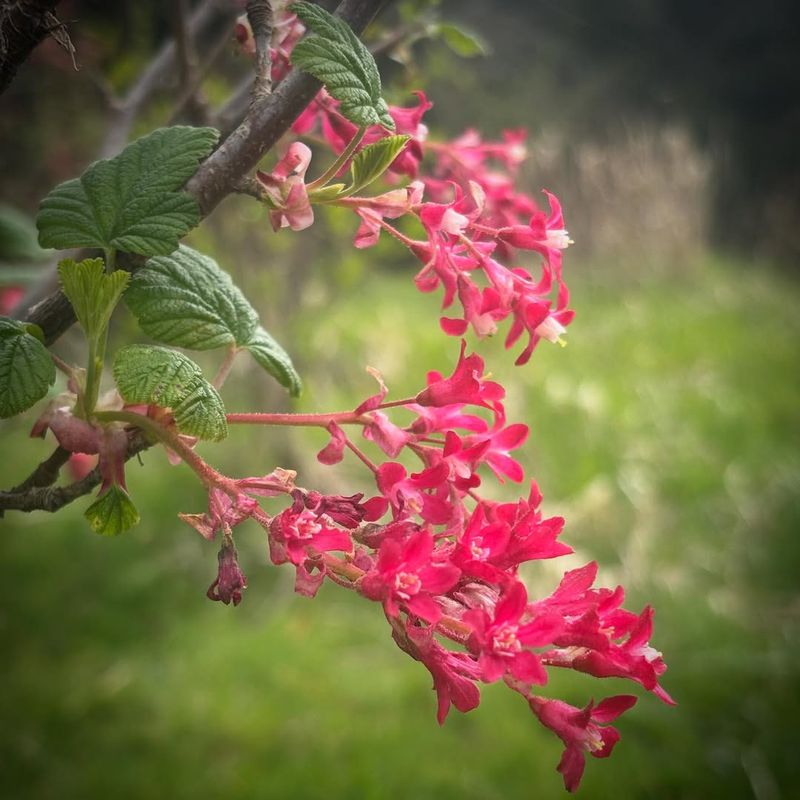
Nothing announces spring quite like red-flowering currant bursting into bloom with dangling clusters of tubular flowers.
The dwarf form offers all the beauty of the species in a more compact package perfect for low hedges.
Hummingbirds arrive within hours of the first blooms opening, making this plant essential for wildlife gardens.
Bright pink to red flowers cover the bare branches in early spring, often appearing before the leaves fully emerge.
This early bloom timing makes the floral display even more dramatic against the stark landscape.
The show lasts for several weeks, providing reliable color when gardens desperately need it.
Maple-like leaves unfurl as the flowers fade, creating a lush green backdrop for the rest of the season. The foliage has a pleasant, spicy fragrance when brushed against or crushed.
By midsummer, clusters of blue-black berries replace the flowers, though birds typically devour them before they fully ripen.
Dwarf red-flowering currant grows naturally to about four feet tall with an equal spread, creating a loose, informal hedge rather than a tight, formal one.
The arching branches give it a graceful, fountain-like form that works beautifully in casual garden designs.
This plant resists heavy pruning, so choose your location carefully to accommodate its natural size.
This native prefers partial shade to full sun and adapts to various soil types as long as drainage is reasonable.
It tolerates summer drought once established but looks better with occasional deep watering during extended dry spells.
The plant goes dormant in winter, dropping its leaves completely. Rust diseases occasionally affect the foliage but rarely cause serious harm.
7. Creeping Snowberry Softens Low Borders Naturally
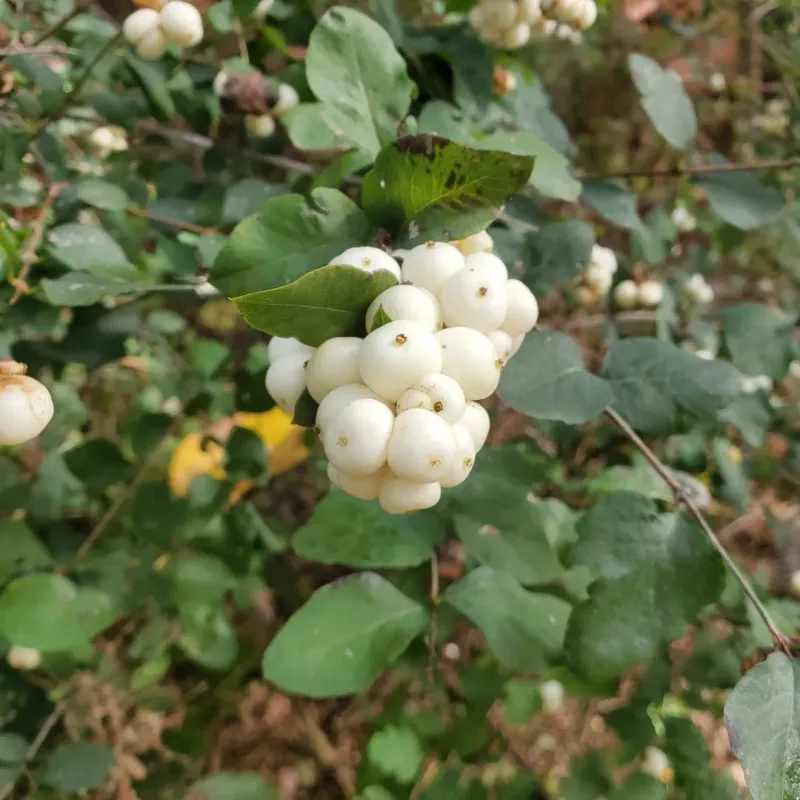
Soft, rounded leaves on delicate stems give creeping snowberry an almost feminine appearance that contrasts beautifully with bolder plants.
This low-growing native spreads slowly to form a gentle groundcover that never feels aggressive or invasive.
The fine texture works particularly well in small gardens where larger shrubs overwhelm the space.
Tiny pink flowers appear in summer, so small you might miss them entirely. Their modest size doesn’t matter to pollinators, who visit them enthusiastically throughout the blooming period.
By fall, these flowers transform into clusters of white berries that give the plant its common name.
The berries persist well into winter, providing visual interest after most other plants have finished their show.
They look like tiny snowballs nestled among the foliage, creating a charming effect in the dormant garden.
Birds eventually consume them, though they seem to prefer other food sources first.
Creeping snowberry typically stays under one foot tall, making it perfect for edging beds or filling spaces between taller plants. It tolerates both sun and shade, though it grows more densely in brighter locations.
The plant handles dry conditions well once established, requiring no supplemental water in most areas.
This native works beautifully in rock gardens, where it softens harsh stone edges and fills crevices naturally.
It also excels as a lawn substitute in low-traffic areas, creating a soft green carpet that requires no mowing.
The stems root where they touch soil, gradually expanding the coverage area.
Maintenance needs remain minimal. No pruning, no feeding, no special care required. Simply plant it and let it spread at its own leisurely pace.
8. Kinnikinnick Keeps Front Edges Low, Green, And Native
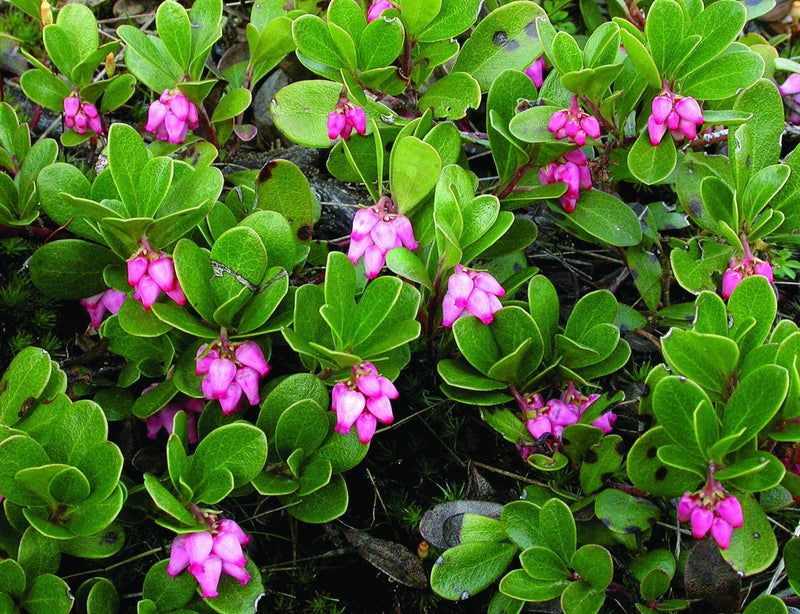
Glossy leaves the size of your thumbnail pack densely on trailing stems that hug the ground like a living carpet.
Kinnikinnick grows so low that you could almost mistake it for moss from a distance, yet it creates a tough, durable groundcover that handles light foot traffic.
The evergreen foliage stays attractive all year, developing bronze tones in winter.
Small pink or white urn-shaped flowers dot the foliage in spring, resembling tiny bells hanging among the leaves. These blooms attract early-season native bees searching for nectar.
By late summer, bright red berries replace the flowers, persisting through fall and winter.
Birds find the berries only marginally appealing, so they often remain on the plants for months, providing long-lasting color. The berries look particularly striking against snow, creating natural holiday decorations.
Native peoples used them for food and medicine, though modern palates generally find them too dry and mealy for eating fresh.
Kinnikinnick spreads slowly through stems that root as they creep across the ground, eventually forming a solid mat.
This growth habit makes it excellent for erosion control on slopes or for covering large areas.
Unlike aggressive groundcovers, it never becomes invasive or difficult to control.
This native demands excellent drainage and full sun to light shade for best performance. It thrives in sandy or rocky soil where many plants struggle.
Once established, it survives on rainfall alone, making it perfect for water-wise landscapes.
Kinnikinnick works beautifully between stepping stones, along pathways, or cascading over retaining walls. It tolerates salt spray, making it useful in coastal gardens.
The low maintenance requirements and year-round beauty make it ideal for busy homeowners.