The Native Oregon Perennials That Help Discourage Ticks While Attracting Pollinators
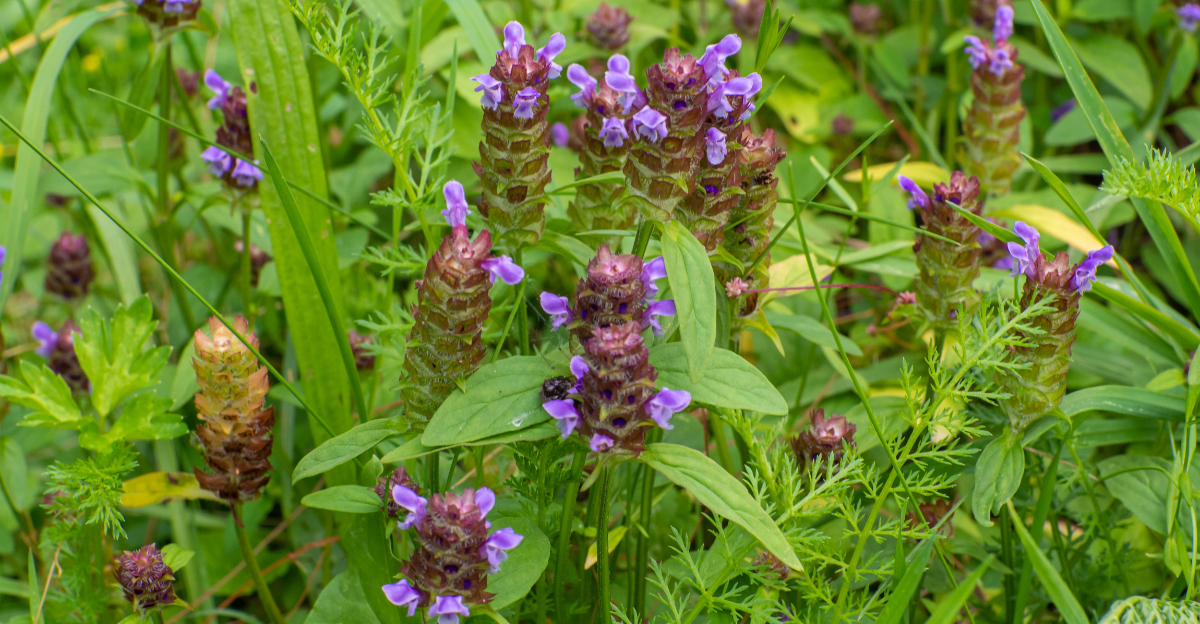
A garden can feel more welcoming when it brings in bees and butterflies, but less inviting to ticks. Oregon homeowners often want both, especially around paths, patios, and play areas.
Native perennials can help shift the yard in a better direction when they are part of a smart planting plan.
The right flowers can support pollinators through the season while making the space less tick friendly.
Open, sunny beds tend to be easier to manage than overgrown edges. Fragrant foliage may also help in spots where pests like to hide.
This is not a magic fix, and plants alone will not handle every tick problem. But choose sturdy Oregon natives with pollinator value, and your garden can feel brighter, busier, and easier to enjoy.
1. Coyote Mint Brings Fragrance To Dry, Tick-Smart Beds
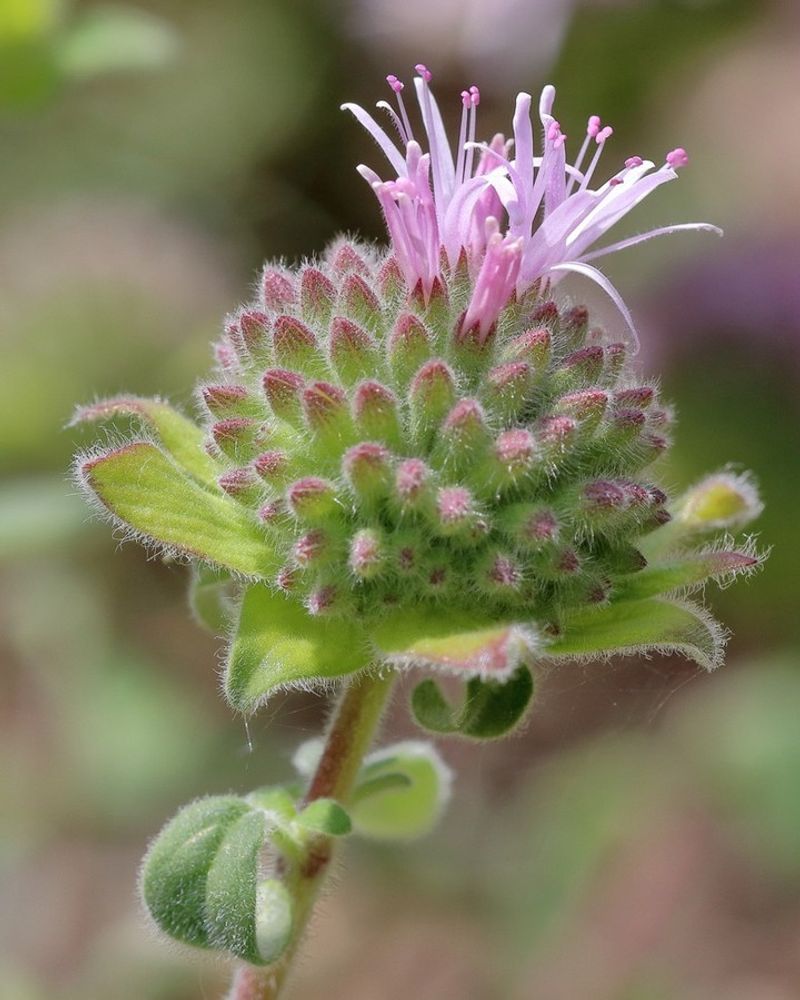
Few plants punch above their weight quite like coyote mint. This low-growing native perennial fills dry garden beds with a sharp, clean fragrance that most insects find overwhelming.
Ticks, in particular, are sensitive to strong-smelling plants, and coyote mint is one of the most potent options in the native plant toolkit.
Native bees absolutely love it. The small purple flower clusters bloom from late spring into summer, drawing in a steady stream of pollinators.
Hummingbirds have been spotted hovering near patches of coyote mint too, especially in warmer parts of Oregon.
Growing coyote mint is straightforward. It prefers well-drained, rocky, or sandy soil and thrives in full sun.
Once established, it handles dry summers without much help from you. That makes it a great fit for slopes, pathway edges, and raised beds where moisture drains quickly.
Planting it near seating areas or garden entrances adds a pleasant scent to your outdoor experience. You can also crush a leaf between your fingers and rub it on your skin before heading into the yard.
It works as a mild natural deterrent. Keep plants spaced about 12 to 18 inches apart to maintain good airflow.
Good airflow means drier conditions, and drier conditions are far less welcoming to ticks. This plant is small but mighty when it comes to building a tick-smart yard.
2. Common Yarrow Keeps Pollinator Beds Open And Airy
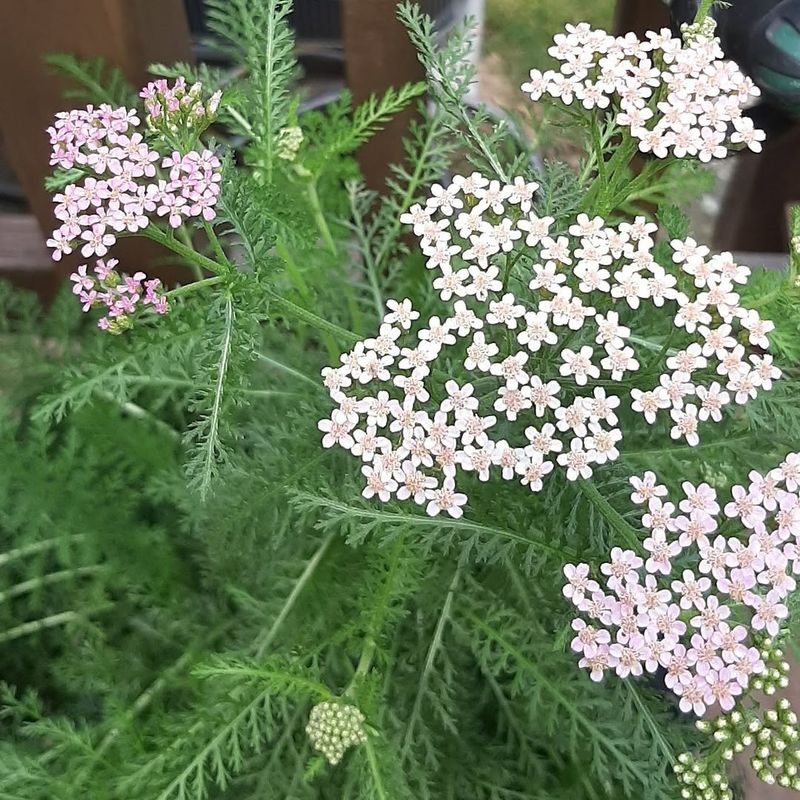
Common yarrow has been growing wild for thousands of years. Its flat-topped white or pale yellow flower clusters are easy to spot along roadsides, meadows, and dry hillsides from late spring through fall.
Gardeners love it because it is nearly impossible to neglect.
What makes yarrow a smart choice for tick management is its open growth habit. It does not form dense, tangled masses that hold moisture.
Instead, it grows in upright clumps with feathery, finely cut leaves that allow air and sunlight to reach the soil. Ticks need humidity and shade to survive, so open, airy beds like those yarrow creates are naturally less appealing to them.
Pollinators respond to yarrow in a big way. Butterflies, native bees, and beneficial wasps all visit the flowers regularly.
The blooms also attract predatory insects that help keep pest populations in check across your yard.
Your Oregon Garden Changes Every Week. Your Plan Should Too.
Gardening in Oregon changes quickly throughout the season. Every Friday you’ll receive a simple weekly plan showing exactly what to plant, prune, fertilize, harvest, and protect so you never miss the right timing.
Yarrow spreads gradually through underground runners, so you may need to divide clumps every few years to keep it tidy. It grows well in poor soils and tolerates drought once established.
Avoid planting it in wet, heavy clay, which can cause root problems over time. White-flowered varieties are the most common native types, but pink and golden cultivars are also available.
Planting yarrow along bed edges or in open pollinator strips gives your yard a clean, structured look while keeping conditions unfriendly to ticks all season.
3. Oregon Sunshine Thrives Where Ticks Are Less Comfortable
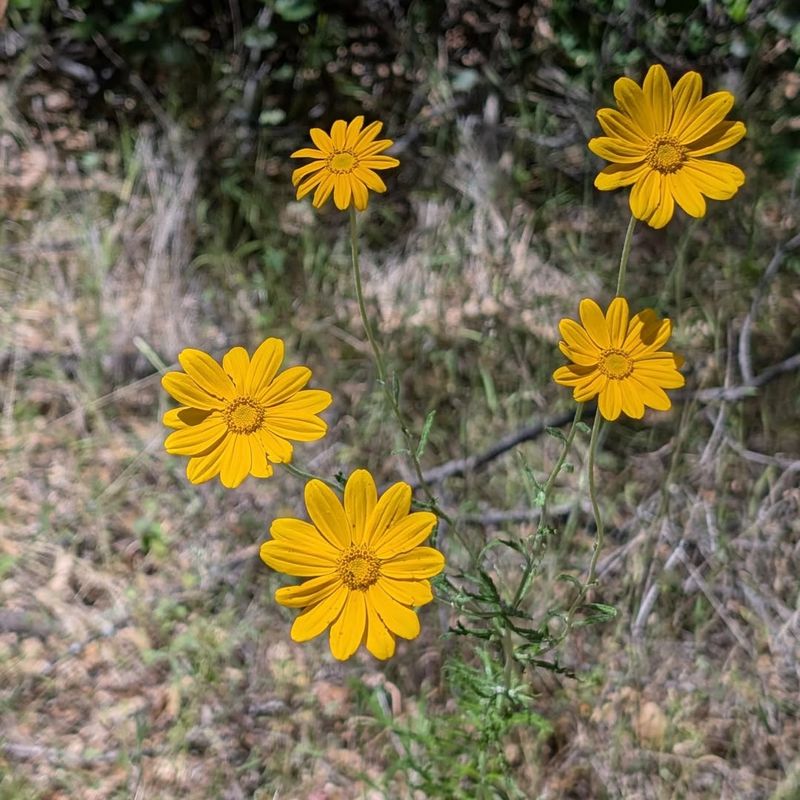
Bright, cheerful, and built for tough conditions, Oregon sunshine is one of the state’s most reliable native perennials.
Its bold yellow flowers bloom from late spring through midsummer, covering low mounds of woolly gray-green foliage with color that is hard to miss.
The plant naturally grows on dry, open slopes and rocky outcroppings where shade is minimal and moisture drains fast.
Those growing conditions are exactly what makes it unfriendly to ticks. Ticks thrive in cool, damp, shaded environments.
Oregon sunshine does the opposite. It seeks out heat, resists drought, and keeps the ground beneath it dry and exposed to sunlight.
Planting it along sunny borders, rock gardens, or dry hillsides creates zones that ticks simply do not want to occupy.
Native bees are big fans of Oregon sunshine. The bright yellow flowers are rich in pollen and attract a wide variety of bee species throughout the blooming season.
Butterflies visit too, especially smaller species that prefer open, warm garden spots.
Caring for this plant is easy. Give it full sun and well-drained soil, and it will reward you for years with almost no attention.
Avoid overwatering, which is the most common mistake gardeners make with this species. It actually performs better in lean, dry soils than in rich, amended beds.
Use it to fill gaps in sunny borders where other plants struggle. It is tough, beautiful, and genuinely helpful in building a tick-resistant landscape.
4. Native Self-Heal Works In Low, Tidy Pollinator Plantings
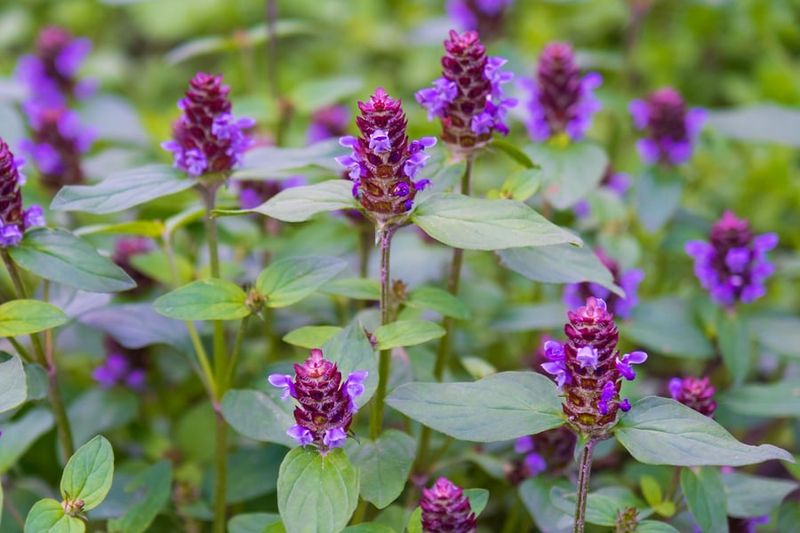
Self-heal might be the most underrated native perennial in the Pacific Northwest. It grows low and tidy, rarely reaching more than eight inches tall, which makes it a fantastic ground cover for pollinator plantings along pathways and bed edges.
The small purple flower spikes appear from late spring through early fall, giving pollinators a long and reliable food source.
Bumblebees go absolutely wild for self-heal. The flower shape is perfectly suited to bumblebee tongues, and you will often see multiple bees working a single patch at the same time.
Smaller native bee species also visit regularly, making this plant a busy pollinator hub despite its modest size.
From a tick management standpoint, self-heal works because of how it grows. Its low, mat-forming habit keeps the ground tidy and well-lit.
It does not create the kind of tall, tangled, moist understory that ticks prefer. Keeping plants trimmed after flowering maintains that open, airy quality.
Self-heal tolerates partial shade and moderate moisture, which gives it more flexibility than some other natives on this list.
It works well beneath taller plants like yarrow or aster, filling in gaps and covering bare soil without becoming aggressive.
It spreads slowly through runners but is easy to manage with occasional edging. Plant it in drifts for the best visual effect and the strongest pollinator impact.
It is a quiet, hardworking plant that earns its place in any native garden planting.
5. Douglas Aster Adds Nectar Without Creating Dense Brush
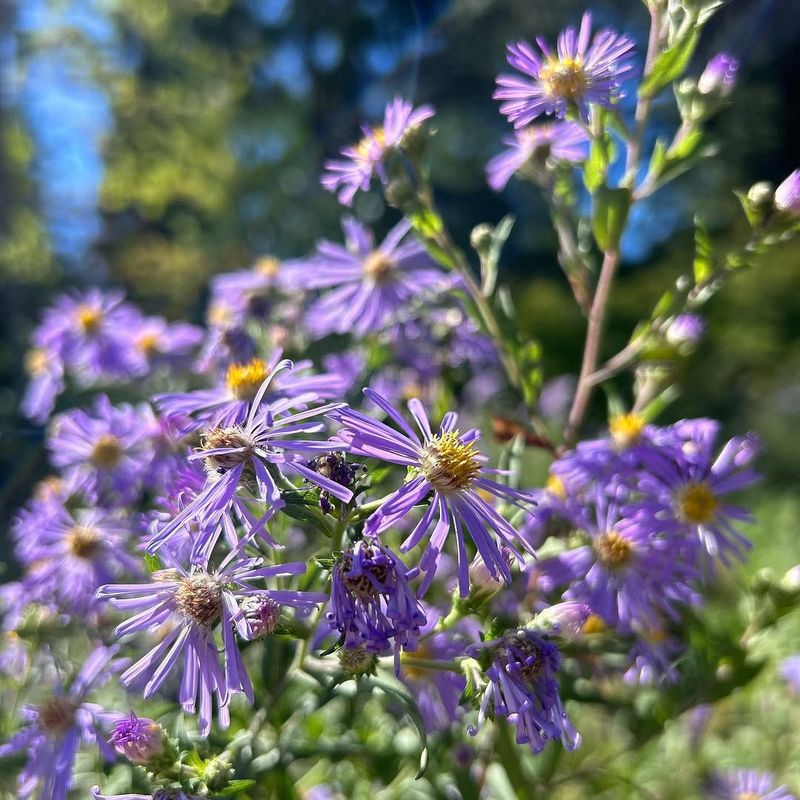
Late summer and early fall can feel like a slow time in the garden, but Douglas aster has other ideas.
This native perennial bursts into bloom just as many other plants are winding down, covering itself in lavender-purple daisy-like flowers that pollinators cannot resist.
It is one of the best late-season nectar sources you can grow in Oregon.
Monarch butterflies, native bees, and bumble bees all rely on Douglas aster during the critical weeks before fall sets in.
For pollinators building up energy reserves for winter, a patch of Douglas aster can make a real difference.
Planting it near other late bloomers like goldenrod creates a powerful fall pollinator corridor in your yard.
Unlike some asters that grow thick and bushy, Douglas aster has a naturally open, branching structure. Airflow moves easily through the stems, keeping the soil beneath drier and less hospitable to ticks.
Pruning back the lower stems in early summer encourages this open habit and prevents the plant from flopping over.
Douglas aster grows well in a range of soil types and handles both full sun and partial shade. It prefers moderate moisture but tolerates dry spells once established.
Cut plants back hard in late fall to keep beds tidy and encourage strong new growth the following spring.
This plant is a generous, reliable bloomer that gives your garden color, life, and a tick-unfriendly structure right through the end of the growing season.
6. Pearly Everlasting Fits Sunny, Dry Garden Edges
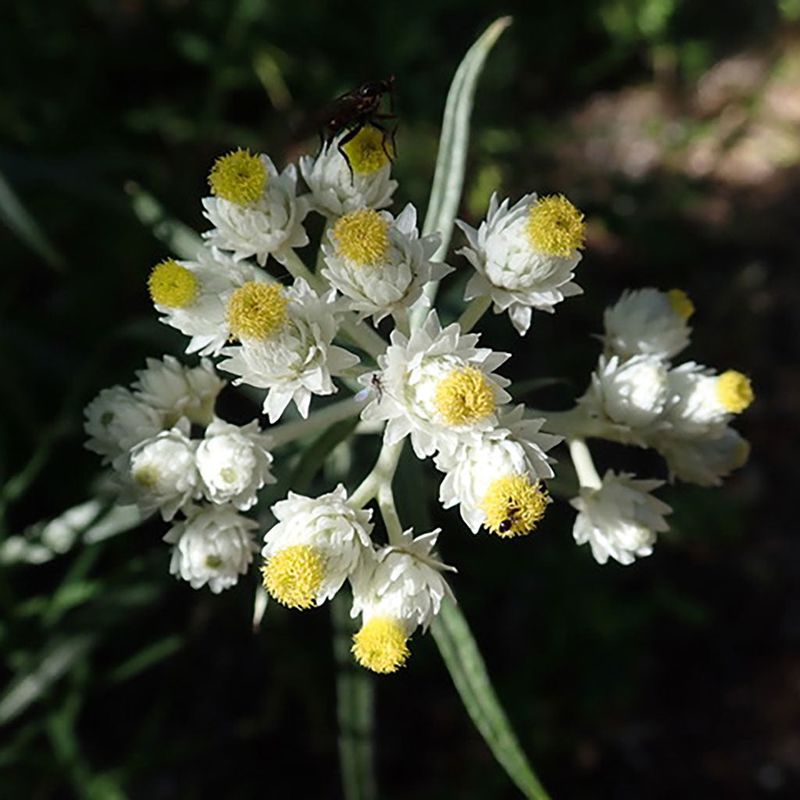
There is something quietly beautiful about pearly everlasting. Its clusters of small, white, papery flowers and silver-gray woolly foliage give it a soft, almost vintage look that stands out in native plantings.
It blooms from midsummer into fall and holds its flowers well even after they dry, making it a favorite for both fresh and dried arrangements.
Painted lady butterflies are among its biggest fans. This plant is actually a host plant for painted lady caterpillars, which means planting it supports the full butterfly life cycle in your yard, not just adult feeding.
That is a meaningful contribution to local pollinator health. From a tick management perspective, pearly everlasting earns its spot on this list through its love of dry, sunny, open conditions.
It naturally grows in gravelly soils, roadsides, and dry meadow edges where humidity stays low.
Those are exactly the kinds of spots ticks avoid. Planting it along sunny garden edges and dry borders creates a natural buffer zone.
The woolly texture of the foliage also plays a role. Dense, fuzzy leaf surfaces make it harder for ticks to move through and latch on, adding a small but real physical barrier in the landscape.
Pearly everlasting spreads through both seeds and underground rhizomes, so it can fill in gaps over time without much help. Give it full sun and fast-draining soil, and avoid fertilizing it heavily.
Rich soil actually causes it to flop and look untidy. Let it grow lean, and it will reward you beautifully.
7. Western Columbine Supports Pollinators In Light Shade
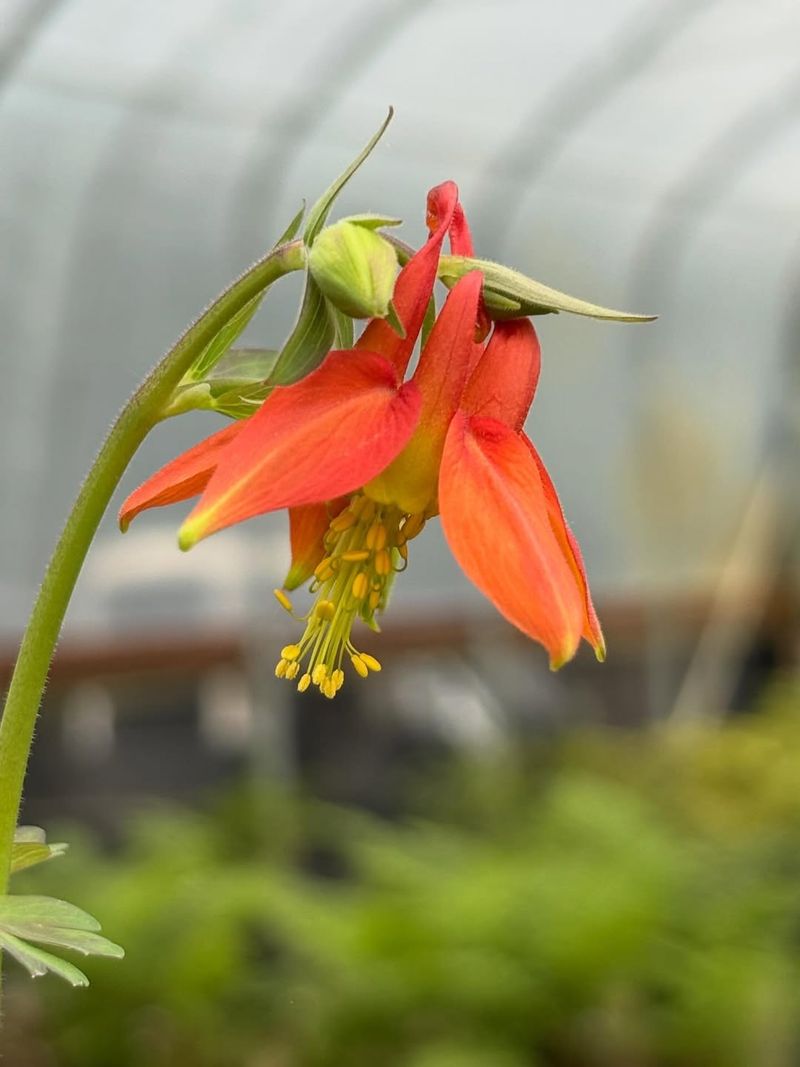
Hummingbirds and western columbine have one of the most charming relationships in the native plant world.
The long, nectar-filled spurs on those distinctive red and yellow nodding flowers are shaped almost perfectly for hummingbird beaks.
Watch a patch of western columbine in bloom and you will likely see hummingbirds visiting again and again throughout the day.
Long-tongued native bees also work these flowers effectively, collecting both nectar and pollen.
Western columbine blooms in spring, which makes it an especially valuable early-season food source for pollinators coming out of winter.
Planting it alongside other spring bloomers creates a strong early-season pollinator welcome mat.
What makes western columbine stand out on this list is its ability to thrive in light shade without creating the dense, moist tangle that ticks prefer.
It grows in open woodland edges and rocky slopes where dappled sunlight keeps conditions relatively dry.
The plant itself is airy and upright, with delicate ferny foliage that does not trap moisture at the soil surface.
Western columbine grows best in well-drained soil with partial to full shade. It self-seeds readily, so you can expect new plants to appear near the parent plant each year.
Deadheading spent flowers will reduce spreading if you prefer a tidier look.
This plant is a natural fit for shaded garden corners, woodland edges, or the north side of buildings where other sun-loving natives would struggle. It is graceful, functional, and genuinely loved by the pollinators that matter most.
8. Goldenrod Adds Fall Flowers To Open Native Beds
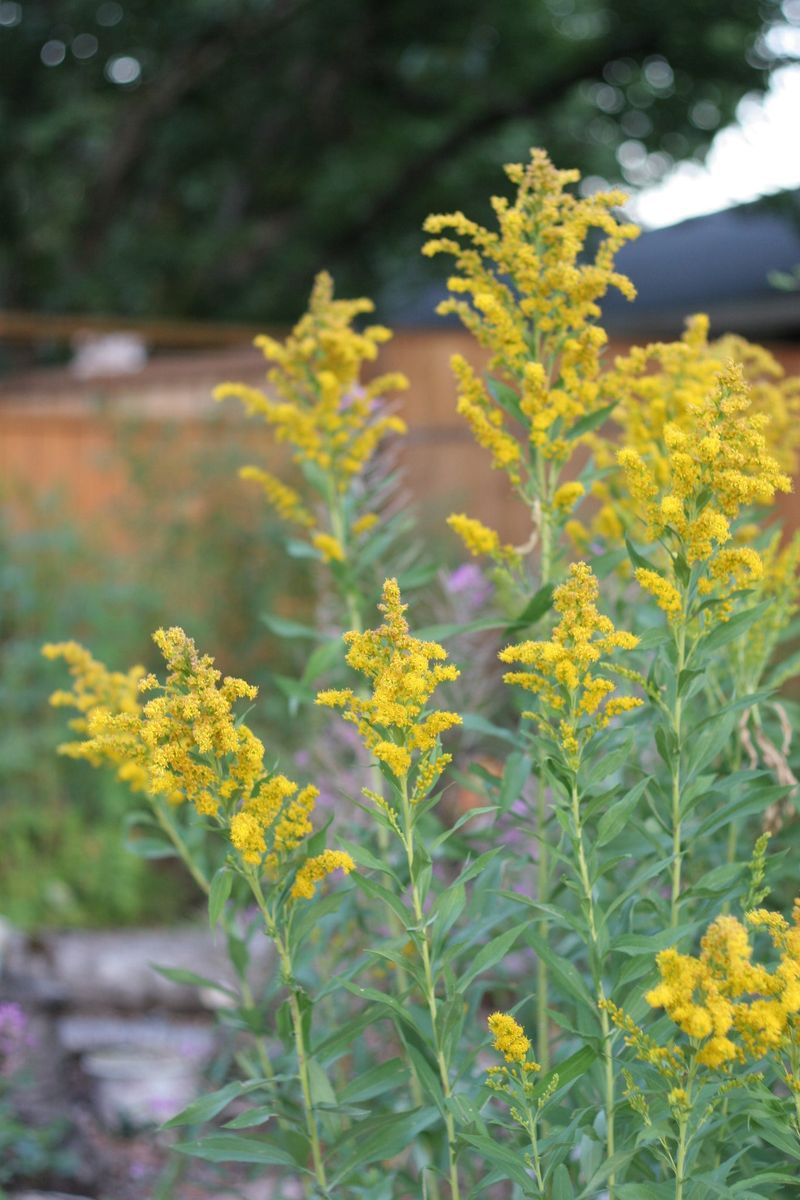
Goldenrod gets a bad reputation it does not deserve. Many people blame it for fall allergies, but the real culprit is ragweed, which blooms at the same time.
Goldenrod pollen is heavy and sticky, carried by insects rather than wind, making it far less likely to cause allergy problems. What it does cause is a frenzy of pollinator activity every single fall.
Native bees, honeybees, wasps, and butterflies all swarm goldenrod when it blooms. For many bee species, goldenrod is one of the last major pollen and nectar sources before winter sets in.
A healthy patch of native goldenrod can support dozens of insect species in a single afternoon. That kind of biodiversity in your yard is a powerful sign of a healthy ecosystem.
For tick management, goldenrod works best when planted in open, sunny spots rather than along shaded edges. It grows in upright clumps that allow good airflow through the bed.
Avoid letting it spread into moist, shaded corners where its dense growth could create tick-friendly conditions. Keep it in full sun, and it stays open, airy, and manageable.
Native goldenrod species spread through rhizomes and can be vigorous, so divide clumps every two to three years to keep them in bounds.
Cut stems back in late fall or leave them standing through winter to provide habitat for overwintering insects.
Either way, goldenrod earns its place as a hard-working, fall-blooming anchor in any open native planting across Oregon.