Why Your Virginia Yard May Be Exactly What Mourning Doves Are Looking For
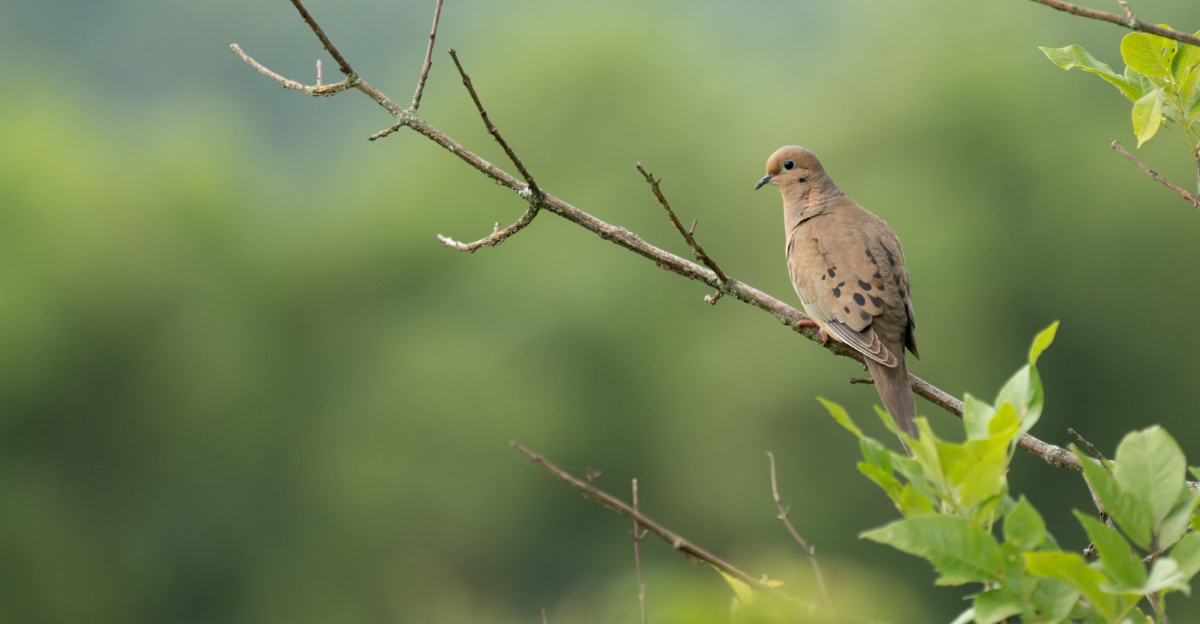
Something stirs before sunrise in Virginia, a soft, hollow coo floating through the yard before the neighbors are even awake.
Last spring, a pair of mourning doves started showing up on my back porch every single morning, dropping into the grass like they had been coming here for years.
Maybe they had. Mourning doves do not stumble into a yard randomly. They scout, they return, and once they decide a place suits them, they keep showing up. Across Virginia, backyard after backyard earns that kind of quiet loyalty from these birds.
Something in your outdoor space is speaking their language, and you probably put it there without thinking twice.
The bare patch near the fence, the low feeder, the birdbath sitting in partial shade. Small things, but to a mourning dove, they add up fast. Your yard is already telling them to stay.
In Search Of Food Seeds And Grains

Mourning doves eat an almost unbelievable amount of seeds each day, sometimes up to 20 percent of their body weight in a single day. Your yard is basically a buffet if you have the right food available.
These birds are ground feeders, meaning they prefer picking up fallen seeds directly from the soil rather than perching on a feeder.
Sunflower seeds, millet, cracked corn, and safflower seeds are absolute favorites. If you have a platform feeder or simply scatter seed on the ground, mourning doves will find it fast.
They have a crop, a special pouch in their throat, that stores seeds so they can eat quickly and digest later in a safer spot. Grassy areas, garden edges, and open patches near shrubs all make ideal foraging ground.
Your yard may have naturally seeding grasses or weeds that produce tiny seeds doves love. Even an untidy corner of the garden can become prime dining territory for these birds.
Once a dove discovers a reliable food source, it will return daily, often bringing a mate along for the meal.
Access To A Fresh Water Source
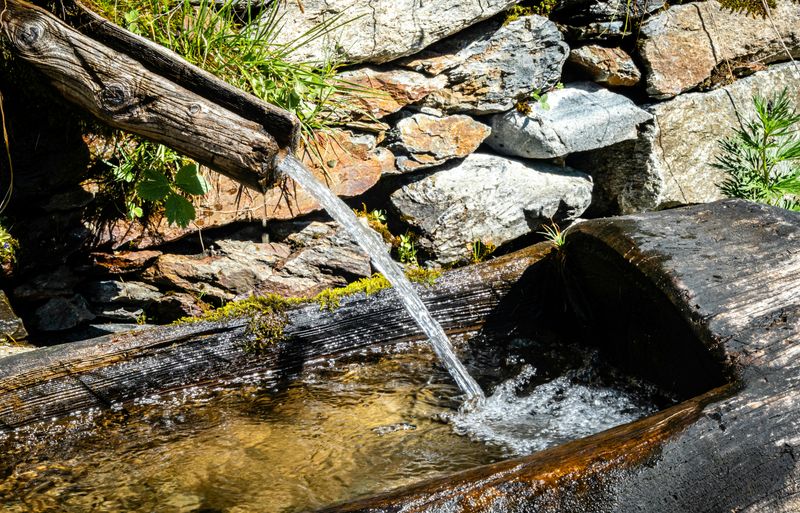
Water is non-negotiable for mourning doves, and your yard might be the only reliable source for blocks around.
Unlike many birds that scoop water with their beaks and tilt their heads back to swallow, mourning doves drink differently. They can actually suck water up continuously, like drinking through a straw.
That quirky ability makes a shallow, accessible water dish especially appealing to them. A birdbath placed at or near ground level is ideal since these birds feel more comfortable drinking close to the earth.
They tend to avoid deep containers where they might struggle to reach the water. Keeping the bath clean and filled consistently will make your yard a go-to destination, especially during hot Virginia summers when natural water sources dry up.
Even a slow drip or gentle fountain sound can attract doves from a surprising distance. Moving water catches their attention and signals freshness.
During winter months, a heated birdbath becomes an extraordinary draw when ponds and puddles freeze over.
Your Virginia Garden Changes Every Week. Your Plan Should Too.
Gardening in Virginia changes quickly throughout the season. Every Friday you’ll receive a simple weekly plan showing exactly what to plant, prune, fertilize, harvest, and protect so you never miss the right timing.
If your yard offers clean, fresh water year-round, mourning doves will treat it like a neighborhood landmark worth visiting every single day.
Suitable Ground-Level Foraging Space
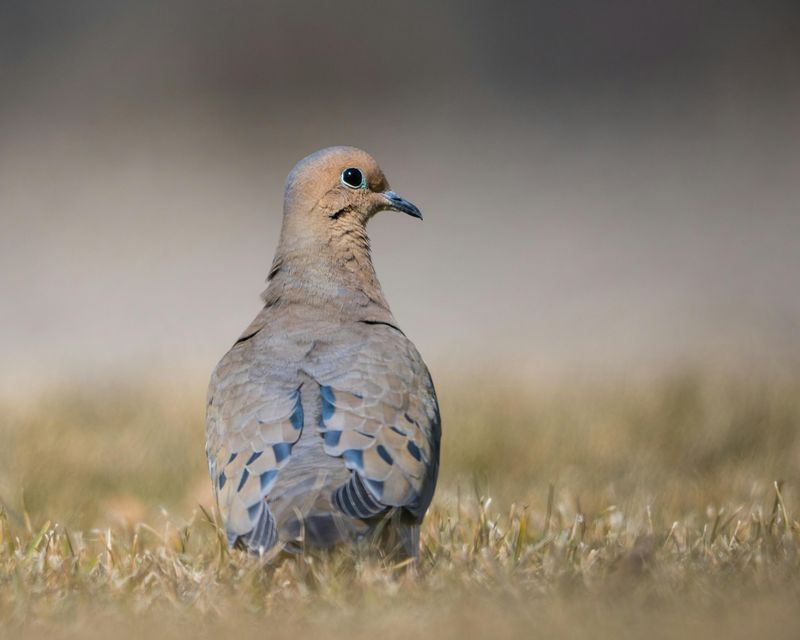
Open ground is prime real estate for mourning doves, and your yard may have more of it than you realize.
These birds need clear, unobstructed space at ground level where they can walk, peck, and scan for threats without bumping into obstacles.
A wide lawn, a gravel path, or even a bare patch near a garden bed gives them exactly the open runway they prefer.
Mourning doves are not acrobatic feeders like chickadees or woodpeckers. They move slowly and deliberately across the ground, picking up seeds one by one with a quiet, methodical rhythm.
Spaces with short grass or sparse vegetation let them spot danger quickly, which makes them feel safe enough to linger and feed.
If your yard has a mix of open patches and nearby cover, you have created the ideal combination. Doves like to feed in the open but want a quick escape route to nearby shrubs or trees if something spooks them.
Yard edges where lawn meets garden beds are especially popular foraging zones. Keeping those areas free of heavy foot traffic and clutter gives these birds the confidence to make your space a daily stop on their route.
Nearby Trees Or Shrubs For Nesting
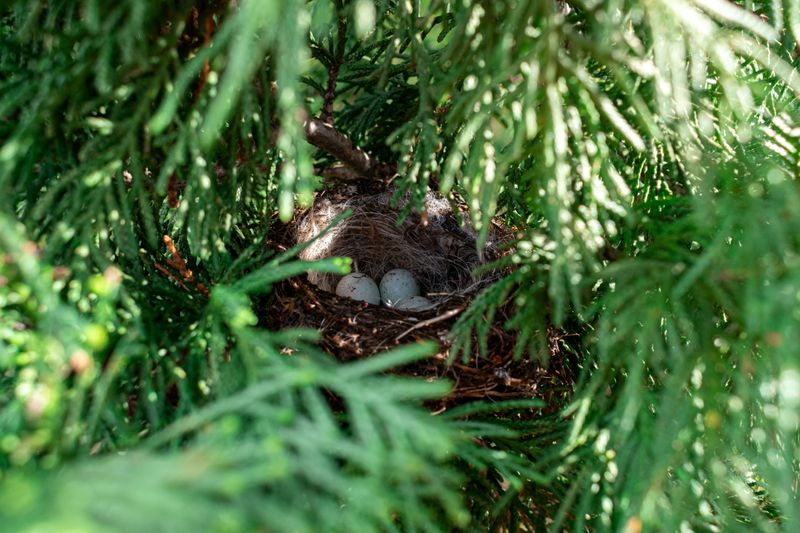
Mourning doves build some of the most impressively minimalist nests in the bird world. A loose, flat platform of twigs barely held together is all they need, and somehow it works.
If your yard has trees, shrubs, or even dense hedges, you have unknowingly offered prime nesting real estate to every dove in the neighborhood.
They tend to choose spots between five and twenty-five feet off the ground, often in evergreen trees, dense shrubs, or the crotch of a sturdy branch.
Virginia’s mix of pine trees, dogwoods, hollies, and ornamental shrubs provides endless nesting options. Even a thick tangle of climbing vines on a fence can become a dove nursery if the structure feels secure enough.
The female does most of the nest-sitting while the male takes daytime shifts, making the nesting process a genuine team effort.
A single pair can raise two to three broods in one season, meaning your yard could host multiple generations in just a few months.
If you have spotted a dove sitting very still in the same spot for days, there is a good chance eggs are underneath. That stillness is not laziness; it is dedication in its purest form.
Virginia’s Mild Year-Round Climate
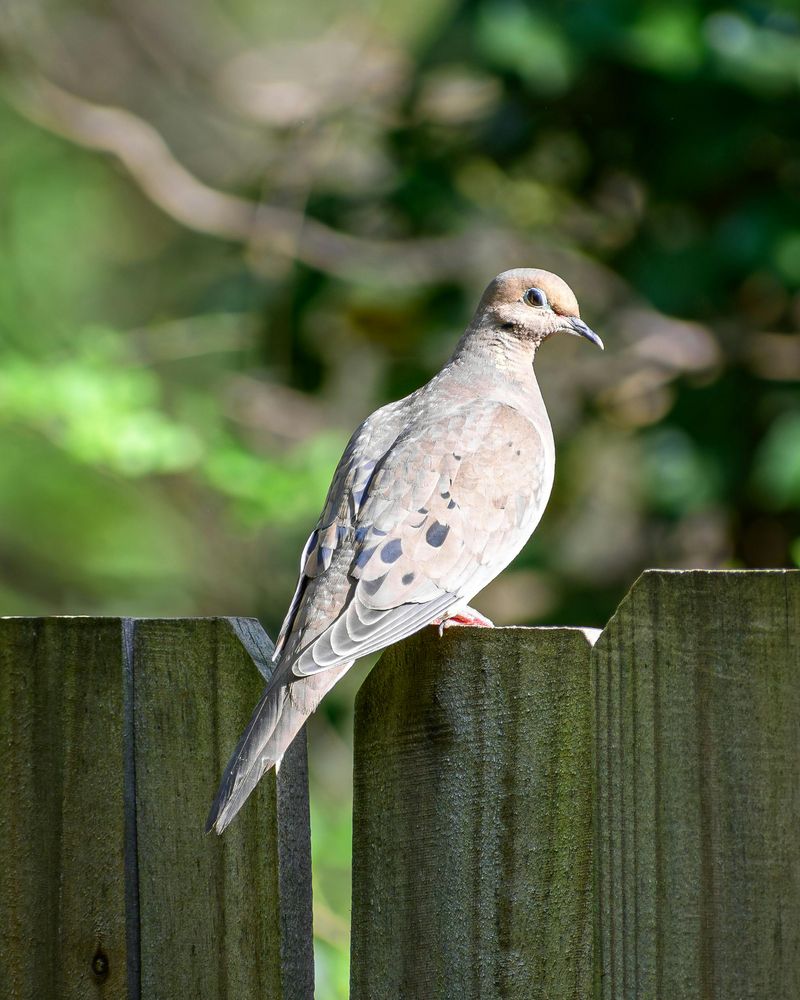
Virginia sits in a climate sweet spot that mourning doves absolutely love. Unlike northern states where harsh winters push birds south, Virginia’s mild temperatures let mourning doves stay put all year long.
That means if a pair has settled in your yard, they are not just passing through; they may be permanent residents.
Mourning doves are one of the few bird species that breed in every single month of the year in the southernmost states. Virginia’s moderate winters make extended breeding seasons possible across much of the state.
Even during cold snaps, temperatures rarely stay low enough long enough to threaten their food supply or survival.
Snowfall does push them to seek out yards with feeders and open ground more urgently, which is when backyard bird watchers get the best views.
The state’s varied landscape, from the Blue Ridge Mountains to the coastal plains, creates microclimates where doves thrive in different ways throughout the seasons.
Spring and fall migration periods bring even more doves passing through, temporarily swelling the local population.
Year-round mild conditions mean your yard can support mourning doves in every season, making it a true home rather than just a rest stop.
Scouting A Nesting Site
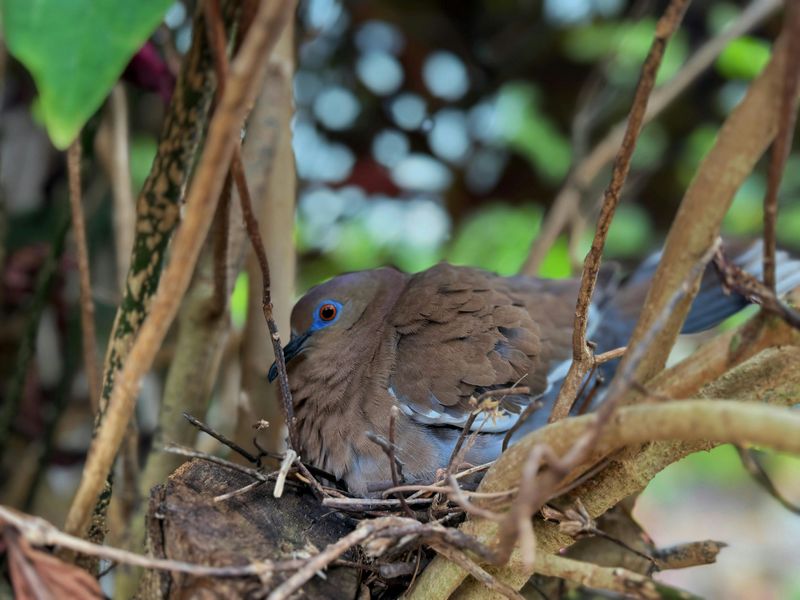
Before a mourning dove ever lays an egg, it spends serious time scouting. You might notice a dove sitting unusually still in your tree, turning its head slowly from side to side, studying the yard with calm, focused eyes.
That bird is not just resting; it is doing real estate research. Doves look for specific conditions when choosing a nesting spot: stable structure, adequate cover from predators, proximity to food and water, and low disturbance from humans or pets.
A yard that meets all those conditions will attract a scouting dove like a magnet. Once a site is approved, the male begins collecting twigs and presenting them to the female, who assembles the nest herself.
Interestingly, mourning doves sometimes reuse old nests, either their own or ones abandoned by other species like robins.
A nest that worked once is a nest worth trying again. If you have noticed a dove returning to the same tree year after year, that spot has clearly passed inspection.
Providing undisturbed, leafy trees and dense shrubs in your yard essentially puts out a welcome sign for any dove currently house-hunting in your neighborhood.
Feeding Young Nearby
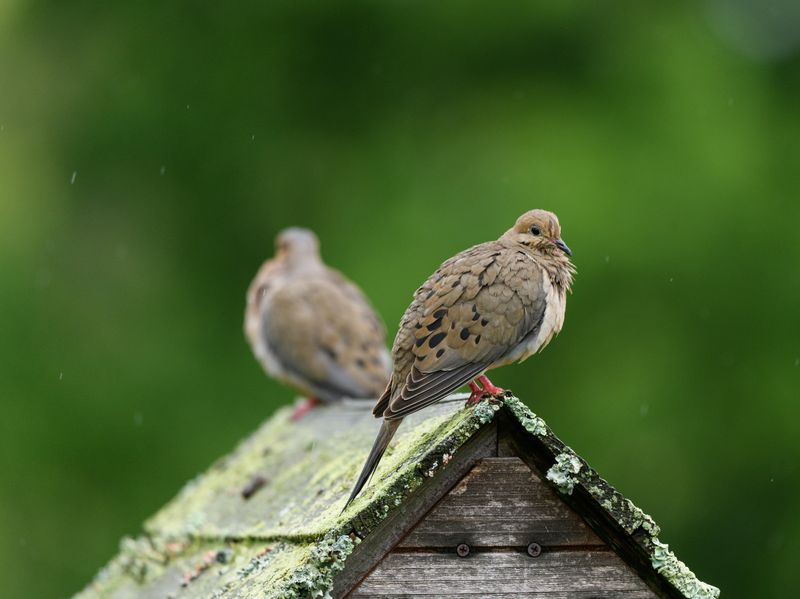
Mourning doves feed their babies something no other common backyard bird does: crop milk. This thick, protein-rich liquid is produced in the parents’ crops and fed directly to the chicks by regurgitation for the first few days of life.
It sounds unusual, but it gives the young birds a powerful nutritional head start. After the first week, parents begin mixing seeds into the crop milk, slowly transitioning the chicks to a solid diet.
This means the adults need constant, easy access to a good food supply close to the nest. A yard with reliable seed sources becomes not just a feeding spot but a lifeline for the entire family.
Fledgling mourning doves leave the nest after about two weeks but still depend on their parents for food guidance for several more days.
During this vulnerable period, you might spot a slightly fluffy, awkward-looking young dove stumbling around your lawn. Do not panic; that bird is not injured.
Its parents are watching from nearby branches, keeping a close eye while letting the youngster build confidence.
A yard that supports this entire process, from egg to independent fledgling, becomes a deeply trusted location that doves will return to season after season.
Mate Searching During Breeding Season
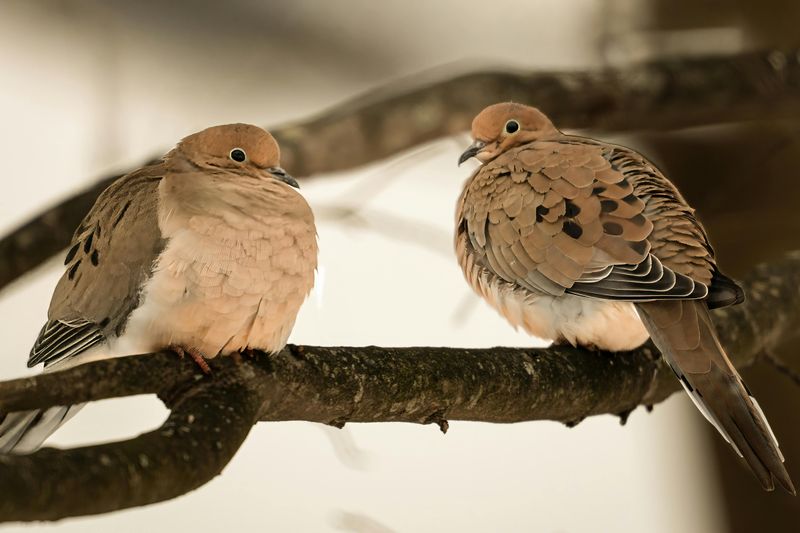
Spring in Virginia turns backyards into active dating scenes for mourning doves, and the drama is surprisingly entertaining to watch.
Male doves perform a distinct courtship display: they puff up their chest, bob their head dramatically, and follow the female with a persistence that borders on ridiculous.
That coo you hear echoing through your yard in March and April is a love song directed at every eligible female in earshot.
Males also perform a steep, noisy wing-clapping flight to show off their strength and vitality. The sound of those wings cutting through the air is unmistakable once you know what it means.
If you hear that sharp, whistling flutter above your yard, a male is putting on his best performance for a nearby female.
Your yard becomes a natural gathering point during breeding season if it offers food, water, and open space for these courtship rituals to play out. Once a pair bonds, they tend to stay together for the entire breeding season and sometimes longer.
Mourning doves are famously monogamous, and watching a bonded pair groom each other on a fence post is one of the quieter, sweeter moments your backyard can offer. Love, it turns out, looks a lot like two doves sharing seeds on a Tuesday morning.
Dust Bathing In Dry Soil
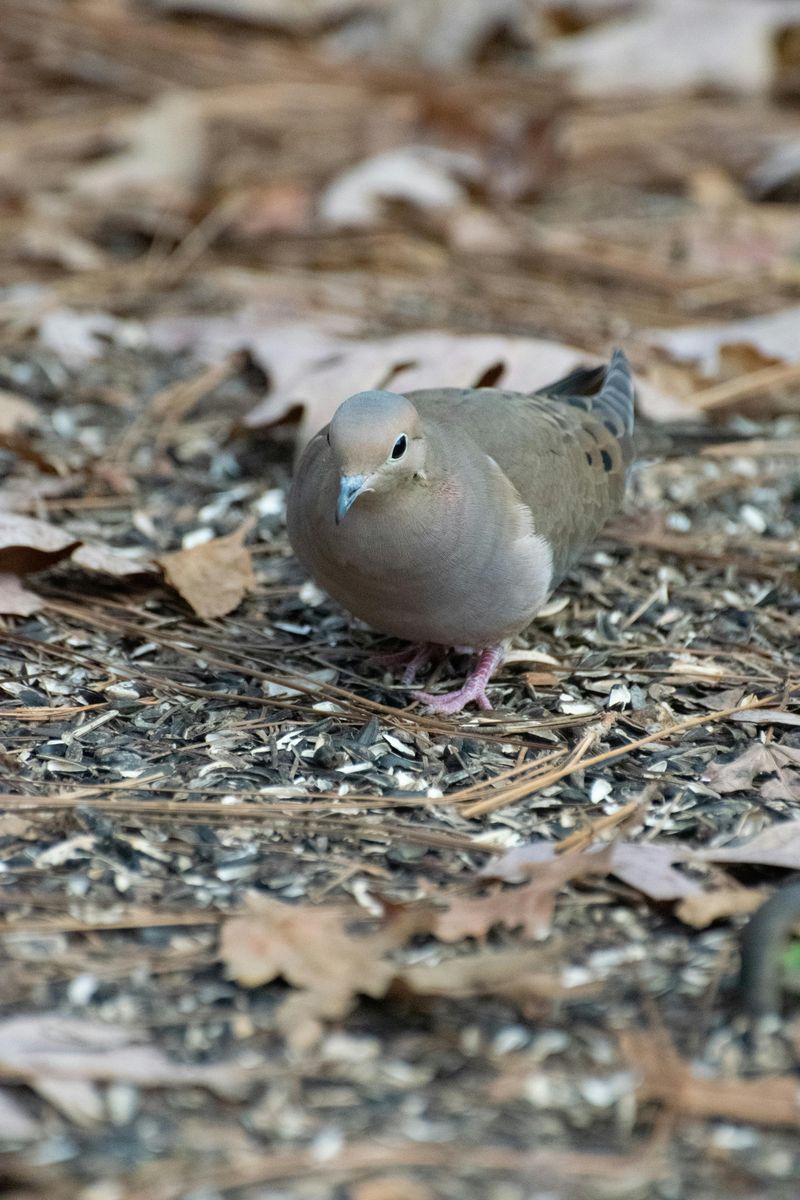
Watching a mourning dove dust bathe for the first time looks alarming. The bird flops down into a patch of dry dirt, fluffs its feathers wildly, and rolls around like it has completely lost its mind.
Relax; that bird is perfectly fine and deeply happy. Dust bathing is how doves maintain their feathers and control parasites like mites and lice.
Dry, fine soil works its way between the feathers, absorbing excess oil and suffocating tiny pests that would otherwise irritate the bird’s skin.
It is a completely natural grooming behavior that works surprisingly well without a single drop of water. Mourning doves seek out specific spots for dust bathing: loose, dry soil in a sunny patch, often near garden borders, under shrubs, or along gravel paths.
If your yard has a dry, open area with loose dirt, you may have already noticed little shallow depressions where doves have been rolling around.
Those small craters are signs of a healthy, comfortable bird that feels safe enough to let its guard down completely.
Leaving one small patch of bare, dry soil in a sunny corner of your yard is one of the easiest ways to keep mourning doves coming back with pure enthusiasm.
Low Foot Traffic And A Quiet Environment
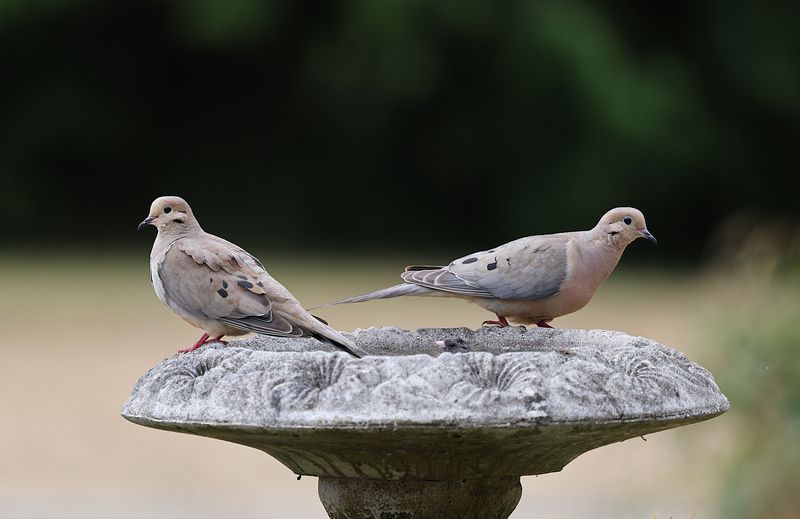
Mourning doves are not bold birds. They do not have the brash confidence of a blue jay or the curious fearlessness of a chickadee.
These soft-spoken birds prefer calm, predictable environments where surprises are rare and loud noises are even rarer.
A yard with consistent, low human activity is far more attractive to mourning doves than a busy space full of kids, dogs, and lawn equipment.
They learn routines quickly and can tolerate regular, predictable human presence, like someone who sits quietly on the same porch chair each morning.
What unsettles them is sudden movement, loud sounds, and unpredictable disturbances that make the yard feel unsafe.
If your outdoor space tends to be on the quieter side, you have naturally created a sanctuary that mourning doves seek out.
Even placing a feeder in a calm corner away from high-traffic areas can make a significant difference in how often doves visit.
Mourning doves that feel safe in your yard will eventually become so comfortable that they barely flinch when you step outside.
That moment when a dove stays put and simply watches you calmly from the grass is a small but genuine sign of trust, and honestly, it feels like a gift worth protecting.