What Georgia Gardeners Should Do When Soil Starts Crusting Over Before Summer
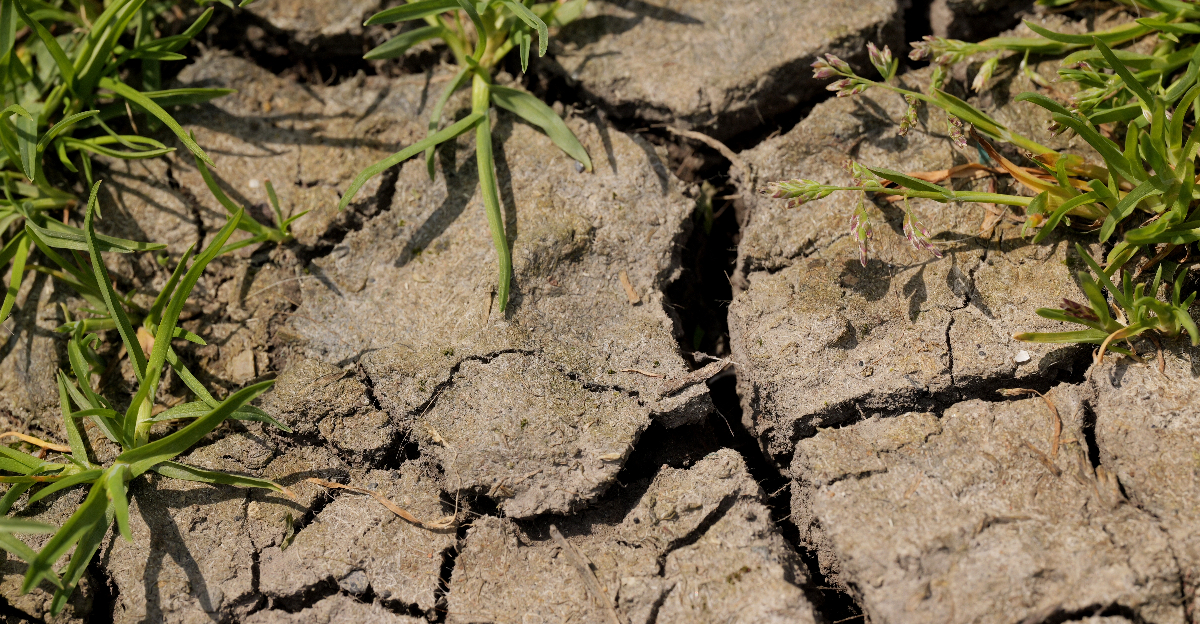
Georgia soil can be sneaky. One week, it looks workable and soft. Then a hard rain hits. A few hot days follow. Suddenly, the surface looks less like garden soil and more like a baked clay lid.
If you have seen that tight crust forming on your beds, do not ignore it. That sealed layer can make water run off, seedlings struggle, and roots work harder than they should.
The good news? You can fix it before summer turns the problem into a full-blown soil standoff. There are practical steps you can take right now, many of them quick.
Think of this as cracking the case before your garden cracks under pressure.
1. Break The Crust Before Water Starts Running Off
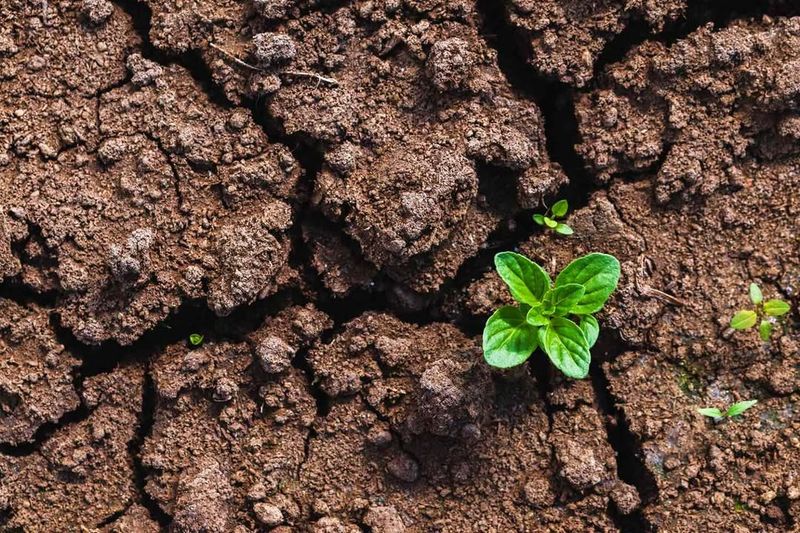
Here is the warning sign: you water the bed, but the soil refuses to drink. The water slides across the surface. It gathers in little streams. It may even carry bits of topsoil away with it.
That is not just annoying. It is your garden telling you the surface has sealed over. Crusted soil can act like a lid.
Seeds below it may struggle to push through. Young roots may have trouble getting air. Water may never reach the deeper zone where plants need it most.
So this is the moment to step in. Grab a hand cultivator, small hoe, or narrow garden fork. Then gently scratch the top inch or two of soil. You are not digging a trench. You are not flipping the whole bed. You are simply opening the surface again.
Work carefully around established plants. Roots may be closer to the surface than you think. If you chop too deeply, you can stress the plants you are trying to help.
Go slow near seedlings. Use your fingers or a small hand tool in tight spaces. The goal is to break the sealed layer without turning the bed into a construction zone.
Once the surface loosens, water can soak in more easily. Air can move better too. That little change may help plants recover faster from heat and dry spells.
After loosening, add mulch if the bed is bare. Otherwise, the crust may return after the next rain-and-sun routine.
So do not wait until the bed looks like pottery. If water starts skating across the soil, it is time to crack the case.
2. Add Compost To Help Georgia Clay Stay Open
Georgia clay has a reputation. It can feel like a brick when dry and glue when wet. If you garden in it, you already know the struggle.
You may even have a favorite shovel just for arguing with it. But clay is not hopeless. It just needs better structure.
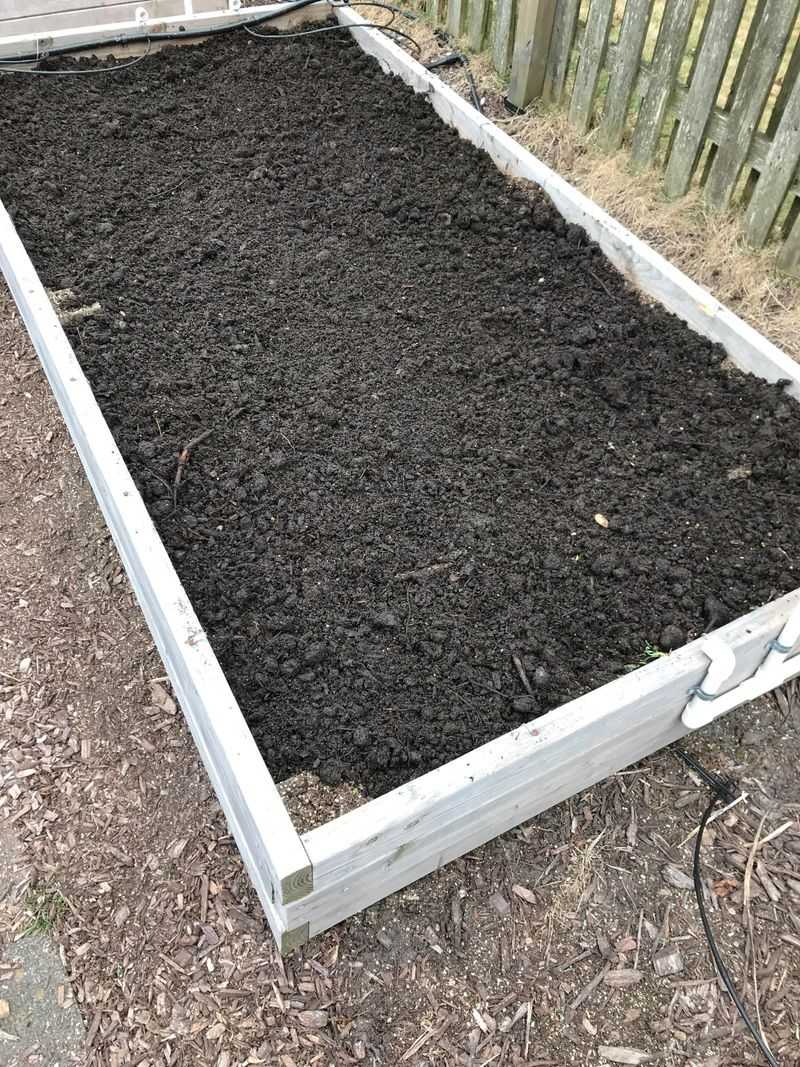
Compost is one of the best ways to help. It adds organic matter that can loosen dense soil over time. That creates more tiny spaces where air, water, and roots can move. Think of compost as clay’s social coach. It helps those packed particles stop clinging so tightly.
Before planting, spread two to three inches of finished compost over the bed. Work it gently into the top few inches of soil. You do not need to dig to the center of the earth. A shallow, steady mix is usually enough.
Your Georgia Garden Changes Every Week. Your Plan Should Too.
Gardening in Georgia changes quickly throughout the season. Every Friday you’ll receive a simple weekly plan showing exactly what to plant, prune, fertilize, harvest, and protect so you never miss the right timing.
If your garden is already planted, do not worry. You can still add compost as a topdressing. Spread it around plants and let rain, watering, worms, and time help blend it in.
This is not an instant fix. Compost works gradually. But each season can improve the soil a little more.
You may notice water soaking in better. You may see fewer hard patches. The bed may become easier to plant, weed, and water.
Keep adding compost regularly. Clay soil often needs repeated care, not one big rescue mission. A little each season can build a better base.
You can test this yourself. Compare a bed that gets compost every season with one that does not. The difference can become pretty obvious.
Compost is not flashy. It does not come with garden drama. But it may be the quiet hero your crusty soil needs. Your clay might not become perfect, but it can become much easier to work with.
3. Cover Bare Soil Before Heat Seals The Surface
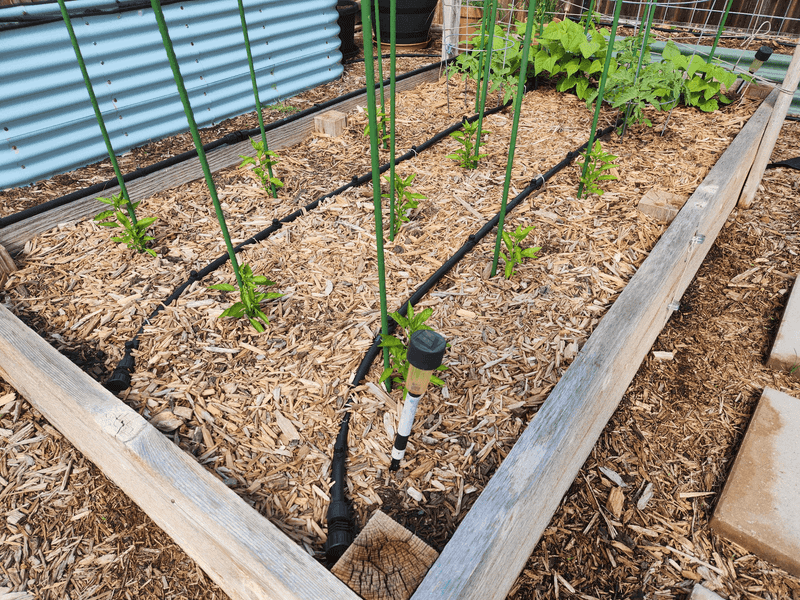
If you leave soil exposed in late spring, the odds of crusting can rise fast. That is especially true when heavy rain is followed by hot sun.
The fix is simple: cover it before trouble hardens. Walk through your garden and look for open patches. Check between rows. Look around young transplants. Notice empty beds waiting for seeds. If you see bare soil, that spot may need protection.
Organic mulch is one easy option. Straw, shredded leaves, pine straw, fine bark, or wood chips can all help.
The layer does not need to be dramatic. Even a modest cover can block direct sun and soften raindrop impact. Think of mulch as sunscreen for your soil. Without it, the surface can burn, dry, and tighten.
If a bed is empty for a while, you could also use a cover crop. That living cover shades the soil and keeps roots working below. It may also reduce erosion and add organic matter later.
For seeded areas, use lighter material. You do not want to bury tiny seedlings under a heavy blanket. A thin layer of straw can protect the surface while still letting young plants emerge.
Around established plants, you can be more generous. Just keep mulch pulled slightly away from stems. That little gap helps airflow and reduces moisture problems around the base.
Here is your garden check-in. Is sunlight hitting open soil for hours every day? If yes, cover that patch before summer heat turns it stubborn.
A covered bed usually behaves better. It holds moisture longer. It resists crusting more easily. It looks tidier too. So give your soil a cover story. The mystery of hard crust often begins with bare ground.
4. Water Slowly So Moisture Moves Past The Crust
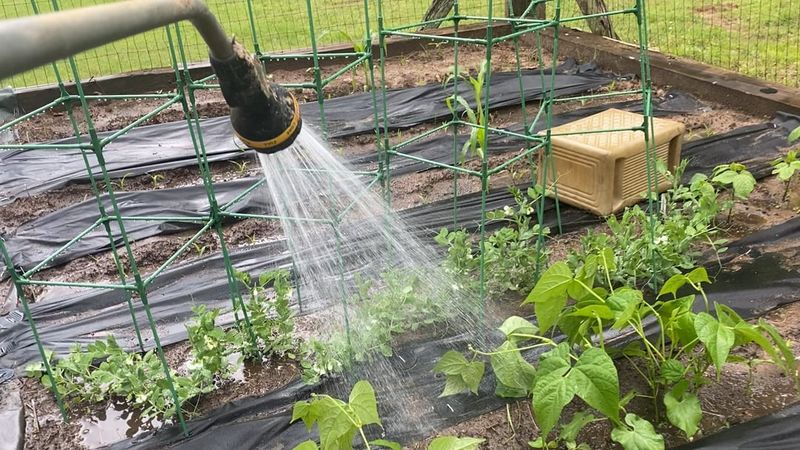
Fast watering feels productive, but crusted soil can be a trickster. Water may spread across the top and never sink very far.
The surface looks damp, while roots below stay thirsty. That is how a garden can be watered and still stressed. Slow watering helps change the story.
A soaker hose or drip line can be especially helpful. It delivers moisture slowly at soil level. That gives water more time to move downward instead of racing sideways.
If you do not have drip irrigation, you can still water slowly by hand. Use a watering can or hose with a gentle flow. Aim near the base of plants. Let the water soak in before adding more.
Try watering in rounds. Make one gentle pass through the bed. Wait a few minutes. Then come back and water again. This gives tight soil time to open and absorb moisture. It is a little slower, but your roots may thank you.
Avoid blasting crusted soil with a hard spray. That can break soil particles apart and make crusting worse later. It may also splash soil onto leaves, which is not ideal for plant health.
Morning watering can work well in hot weather. Plants get moisture before the day heats up. Leaves also have time to dry if they get splashed.
Check how deep the water went. After watering, dig a small test spot away from roots. If only the top half inch is wet, the bed needs a better soak. Do not let the surface fool you. The root zone is where the real story lives.
Think of slow watering as a soil conversation, not a drive-by splash. Your garden does not need a flood. It needs moisture that actually reaches the roots. That is how you get past the crust without making a muddy mess.
5. Use Mulch To Keep The Top Layer Softer
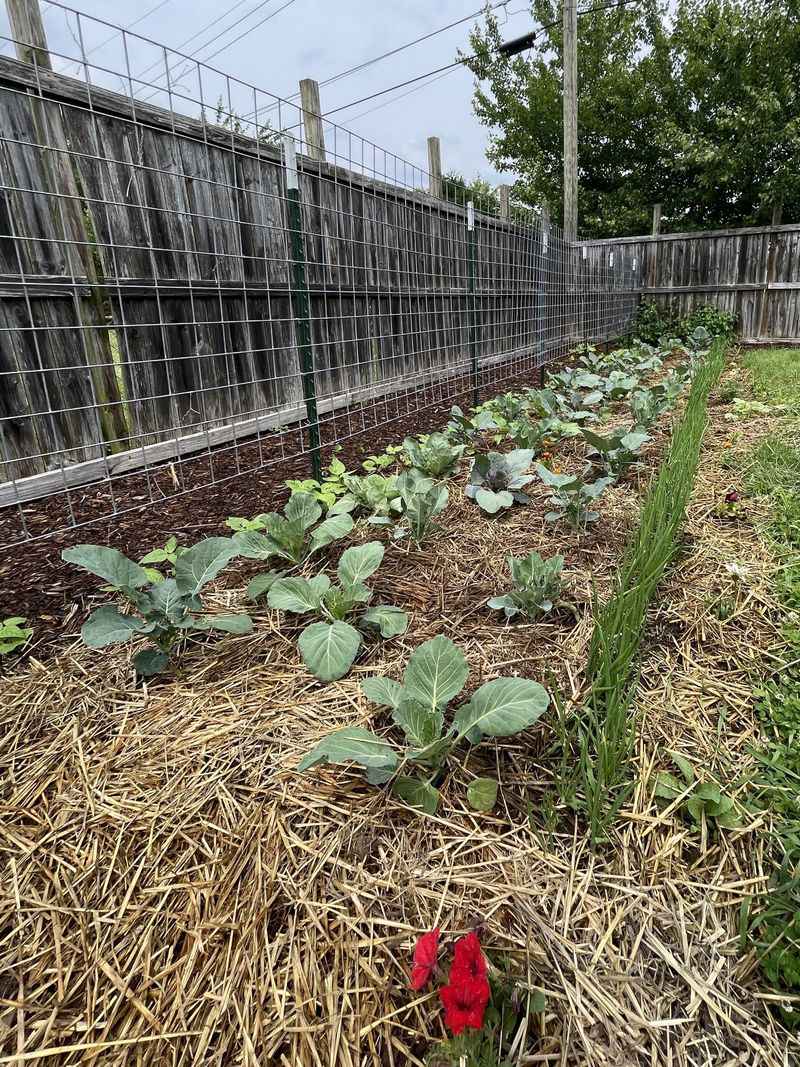
Mulch may not look exciting at first. It just sits there. Quiet. Brown. But in a Georgia garden, mulch can be doing a lot of behind-the-scenes work.
It shades the soil, slows evaporation, and softens the impact of heavy rain. It can help keep the top layer from baking into a hard crust. That is a big deal before summer.
When raindrops hit bare soil, they can break the surface apart. Then the sun dries everything into a sealed layer. Mulch interrupts that cycle.
The raindrops hit the mulch first. Water filters down more gently. The soil underneath stays less battered and more open.
For most beds, a two-to-four-inch layer can work well. Use pine straw, shredded leaves, straw, bark, or wood chips. Choose what makes sense for your plants and garden style.
Pine straw is popular in Georgia for a reason. It is easy to spread, light to handle, and it settles into beds nicely. Wood chips can last longer in paths or around larger plants. Straw can work well in vegetable beds.
Do not pile mulch against stems. That can trap moisture and invite problems. Leave a little breathing room around each plant base.
If you already have crusting, loosen the surface first. Then mulch. Otherwise, you may simply hide the hard layer instead of helping it recover.
Check mulch depth after storms. Heavy rain can move it around. Wind can shift lighter materials too. You do not need to fuss over every inch. Just keep the soil covered enough to block harsh sun and reduce pounding rain.
Think of mulch as the soil’s soft landing pad. It cushions, cools, and covers. Not bad for something that looks like garden confetti. A mulched bed may stay easier to water and easier to manage. That is a pretty mulch-appreciated win.
6. Keep Foot Traffic Off Damp Garden Beds
Wet soil is more fragile than it looks. Step on it once, and you may not notice much. Step on it often, and the damage can stack up.
Damp soil compacts easily. The air spaces collapse. Water has a harder time soaking in. Roots have a harder time spreading. Then the surface can dry into a crust that feels like it was made with a rolling pin.
Georgia spring weather makes this tempting. A rain passes through. The garden looks fresh. You want to check every bed, pull a weed, adjust a stake, and inspect the seedlings. But if the soil is wet, pause before stepping in.
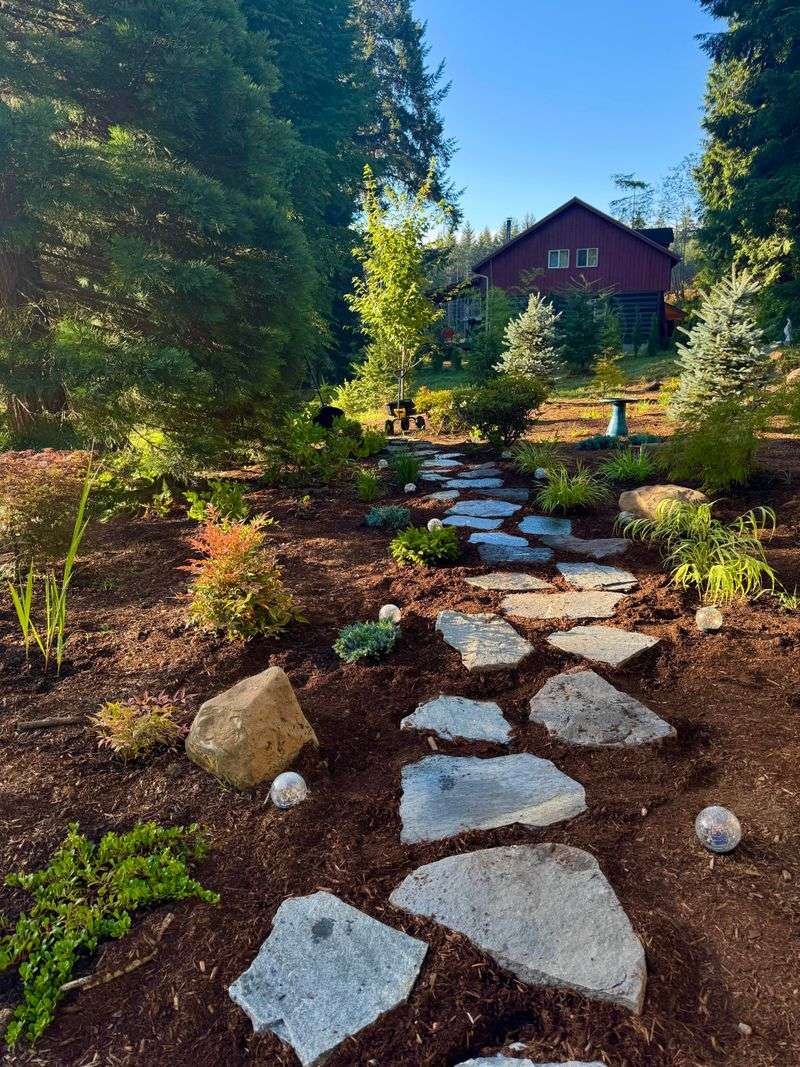
This is where paths become your garden’s best friend. Use stepping stones, boards, mulch paths, gravel paths, or defined walkways. Anything that keeps your feet out of the planting area can help.
Raised beds make this easier. If the bed is narrow enough, you can reach from the sides. That means the soil inside stays looser and less compacted.
If you do need to enter a bed, test the soil first. Grab a handful and squeeze it. If it forms a sticky ball and stays that way, wait. If it crumbles when poked, it may be safer to work. This little squeeze test can save you a lot of trouble.
You can also use a board as a temporary work platform. Lay it across the bed and step on the board instead of directly on the soil. It spreads your weight over a larger area.
Think of damp garden soil like a cake fresh from the oven. Step on it too soon, and you flatten the whole thing. Your plants need air below ground. Compaction steals that air.
So give your beds a no-stomp zone. Your future watering, weeding, and harvesting may all get easier because of it.
7. Loosen The Surface Without Flipping The Whole Bed
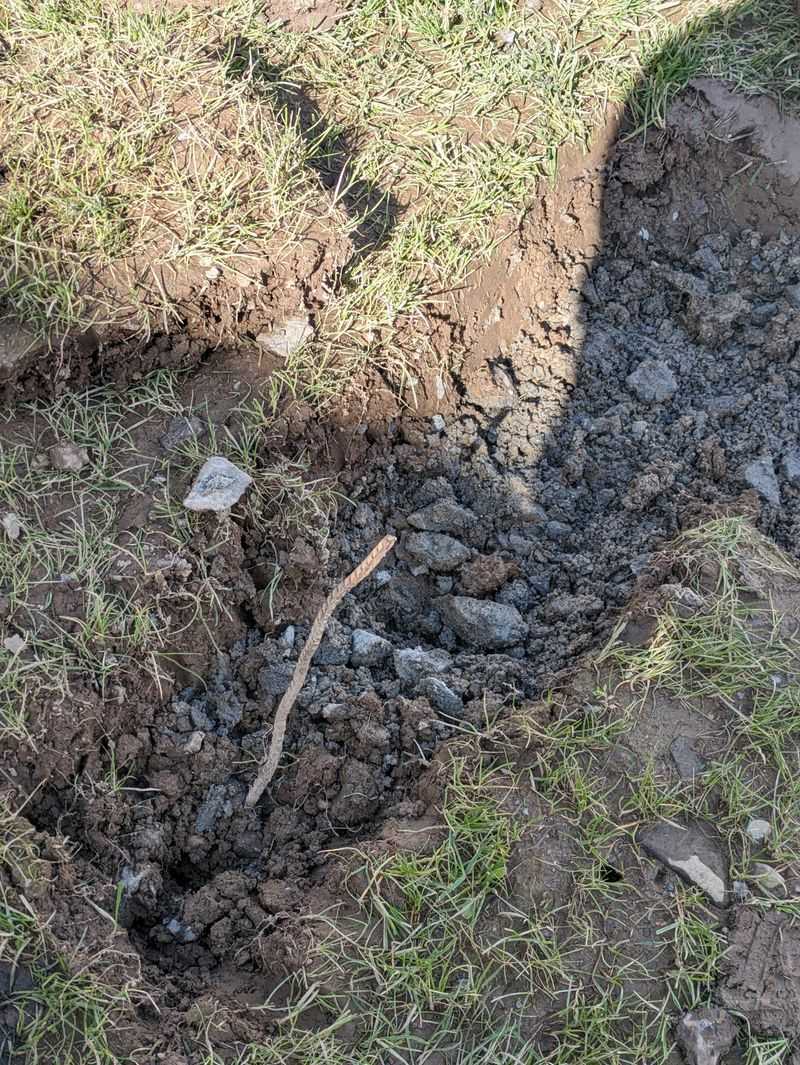
When soil looks hard, the shovel starts calling. You see that crust and the cracks. You think, “Maybe I should turn the whole thing over.” Tempting? Yes. Helpful? Not always.
Deep digging can disturb roots, soil layers, worms, and the structure your bed has been slowly building.
It may also bring up denser soil from below. That can make the surface harder to manage later. A gentler move often works better.
Use a hand cultivator, hoe, fork, or small weeder to scratch the top half-inch to an inch. Keep the motion shallow. You are breaking the crust, not rebuilding the county.
Work between plants with care. Stay a few inches away from stems. Many feeder roots live close to the surface, especially in vegetable beds.
In tight spots, use a narrow tool. A big hoe can be too clumsy around young plants. Your fingers may even work for small patches.
This kind of surface loosening helps water enter again. It also lets air reach the upper root zone. That can make a noticeable difference after heavy rain and hot sun.
There is a bonus too. Shallow cultivation can disrupt tiny weed seedlings. You may not even see them yet, but they are often starting in the top layer. So one light pass can help with crusting and weeds. That is a nice two-for-one garden deal.
Try doing this after the soil is slightly moist but not muddy. Dry crust can be harder to break cleanly. Wet soil can smear and compact. Aim for that crumbly middle stage.
Once loosened, cover the soil with mulch if possible. That helps keep the crust from coming right back.
Think of it as fluffing the soil, not flipping it. A little surface care can go a long way. Your garden does not always need a dramatic rescue. Sometimes it just needs a gentle wake-up scratch.
8. Fix Drainage Where Stormwater Dries Into Hard Patches
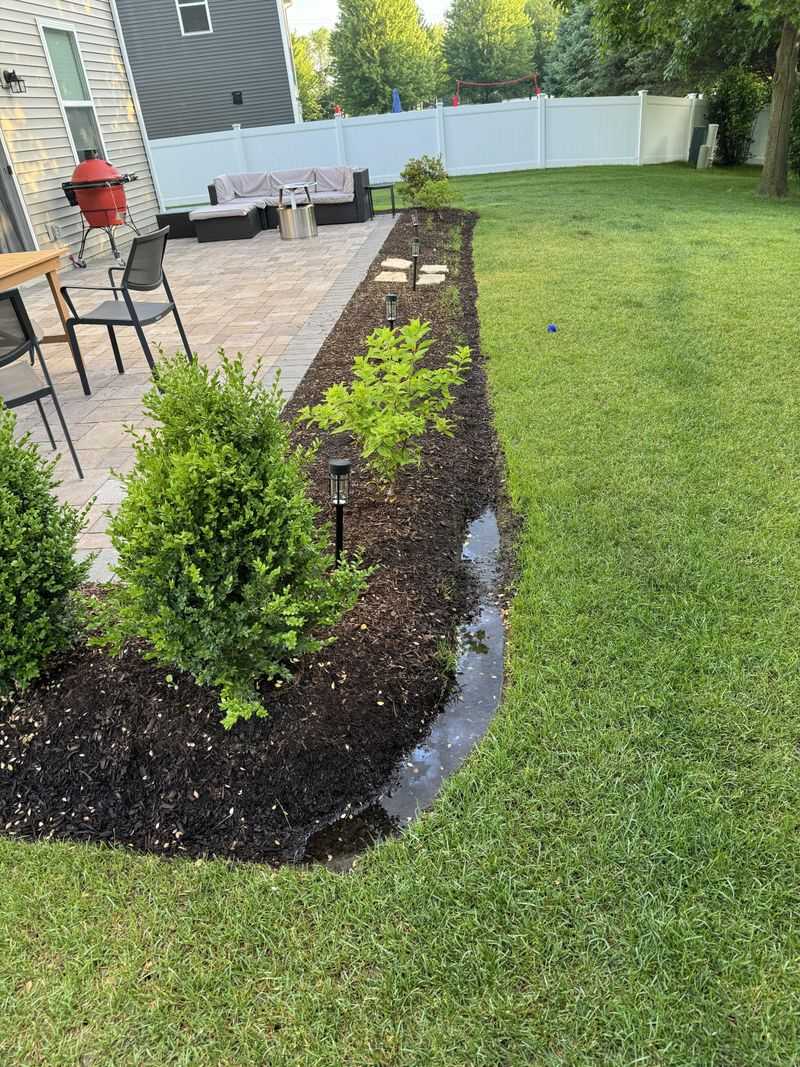
Some crusty spots have a deeper problem. You can loosen them, mulch them, water carefully… But when the next storm comes, water pools again, and the same patch hardens like a brick. That is a drainage clue.
Low spots in Georgia gardens can collect stormwater after heavy rain. The soil stays wet too long. Then the sun comes out and bakes the surface tight.
Over time, that wet-dry cycle can make crusting worse. So start by watching the garden after rain.
Where does water sit? Which path stays muddy? Which bed edge dries into a hard plate? Those spots are telling you where the real fix needs to happen.
For mild trouble areas, compost may help. Add it gradually or mix into the top layer. This can improve soil texture and help water move more evenly.
If the spot keeps puddling, consider raising the planting area. A raised bed can lift roots above the soggy zone. It can also give you more control over the soil mix.
You may also need to redirect runoff. A shallow swale, gravel channel, or slight grade adjustment can guide water away from the bed. Small changes can matter a lot.
Do not send water toward a neighbor, foundation, or walkway. The goal is better movement, not a new problem.
In compacted low areas, avoid working the soil while wet. That can make the structure worse. Wait until it is moist and crumbly before adding amendments or reshaping.
You can involve yourself like a garden detective here. After the next storm, take notes. Snap a quick photo. Come back the next day and see what changed. Patterns reveal the problem.
Fixing drainage is not glamorous. Nobody writes love poems about runoff channels. But your soil may improve every season once water stops sitting in the same place. So remember, you are not fighting the storm. You are giving the water a better route.