Native Ohio Shrubs That Outperform Arborvitae Along Driveways And Side Yards
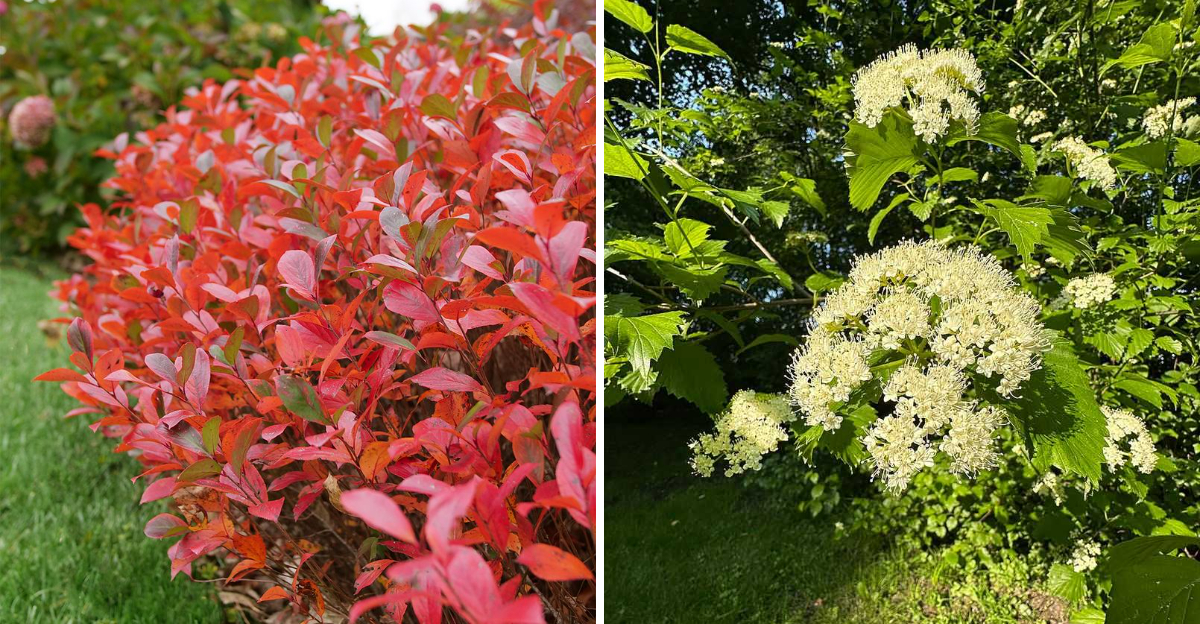
Arborvitae is basically the default setting for Ohio driveways and side yards, and honestly, it makes sense. Evergreen, tidy, grows in a neat column, creates privacy fast.
It checks a lot of boxes. But here’s what the garden center doesn’t always mention: Ohio landscapes can be genuinely tough on arborvitae.
Road salt, deer with no boundaries, soggy spring soil, summer dry spells, and brutal winter wind along narrow pavement edges all add up.
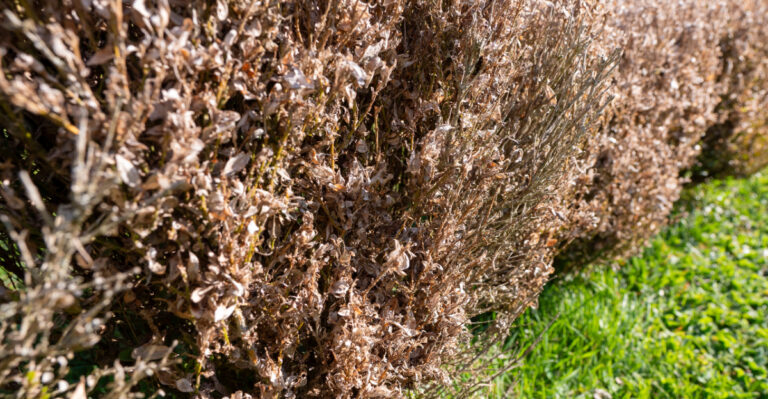
And for a lot of Ohio homeowners, the arborvitae that looked so promising at planting starts looking a little rough within a few seasons.
Here’s the good news: several native shrubs can actually handle those exact conditions better, while also bringing seasonal flowers, colorful berries, and real wildlife value to the mix.
Worth a look? Absolutely.
1. Ninebark Handles Tough Spots
Driveway edges can be some of the most punishing spots in the yard. Compacted soil, reflected heat from pavement, and occasional road salt runoff make it hard for many shrubs to thrive.
Ninebark is one native Ohio shrub that can handle those conditions better than most.
Physocarpus opulifolius grows naturally across Ohio in a range of soil types, from rocky slopes to moist streambanks. That adaptability makes it a practical choice for driveways where soil conditions are unpredictable.
It tolerates both dry spells and occasional wet periods, which is a useful quality in a state where weather swings hard between seasons.
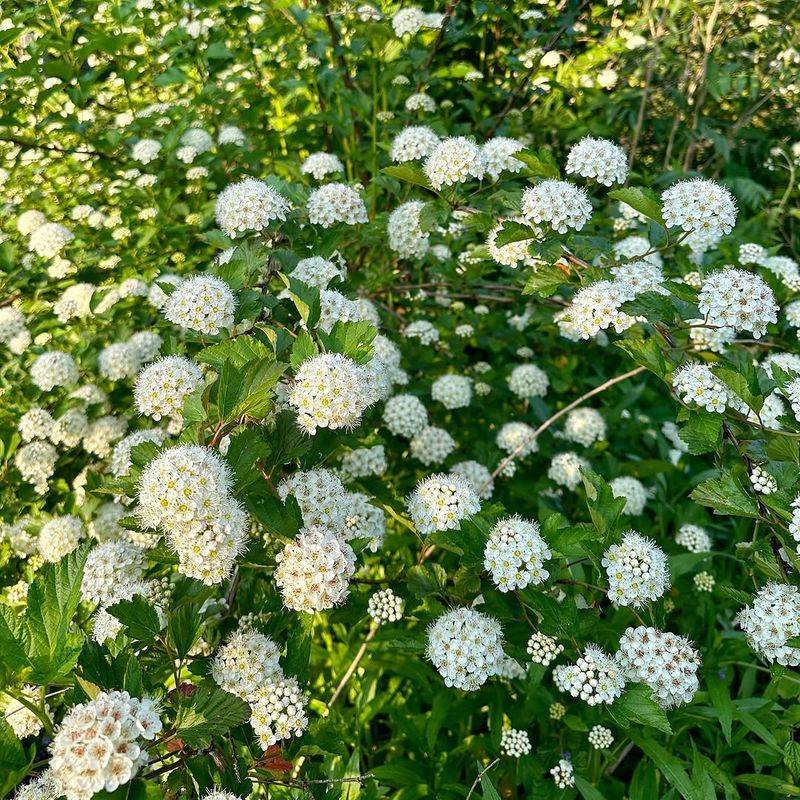
Compact cultivars of ninebark can fit into narrower side-yard strips without overwhelming the space. The shrub produces clusters of small white or pink flowers in late spring, followed by reddish seed capsules that add texture into fall.
Its peeling, layered bark gives it winter interest even after the leaves drop.
Unlike arborvitae, ninebark is not an evergreen screen, so it will not block views year-round.
But for homeowners dealing with difficult driveway soil or deer pressure, ninebark brings seasonal color and toughness that arborvitae often struggles to match in those same tough spots.
2. Gray Dogwood Fills Side Yards
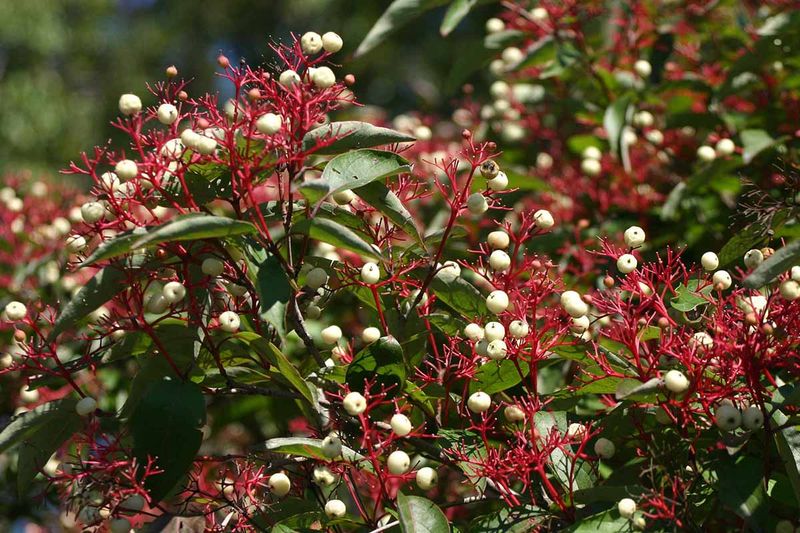
Side yards in Ohio often get overlooked when it comes to thoughtful planting. They tend to be narrow, shady, and dry near the house foundation, yet wide open to wind and sun at the driveway edge.
Gray dogwood, Cornus racemosa, handles that kind of mixed exposure better than many shrubs.
It spreads gradually through root suckers, which lets it fill in a side-yard border naturally over a few seasons. That spreading habit can be an advantage when you want informal coverage rather than a rigid hedge.
Homeowners who want a tidier look can manage the spread by removing suckers as they appear along the edges.
Gray dogwood produces clusters of small white flowers in late spring that attract pollinators. By late summer, it develops white berries on bright red stems, which are a favorite food source for migrating birds passing through Ohio.
The red stems hold their color through winter, giving the planting some visual interest even when the leaves are gone.
Your Ohio Garden Changes Every Week. Your Plan Should Too.
Gardening in Ohio changes quickly throughout the season. Every Friday you’ll receive a simple weekly plan showing exactly what to plant, prune, fertilize, harvest, and protect so you never miss the right timing.
Compared with arborvitae, gray dogwood is more tolerant of shade and dry soil near foundations.
It will not provide a year-round screen, but for a side yard that needs wildlife value and seasonal color without heavy maintenance, it is a solid native option to consider.
3. Red-Osier Dogwood Adds Winter Color
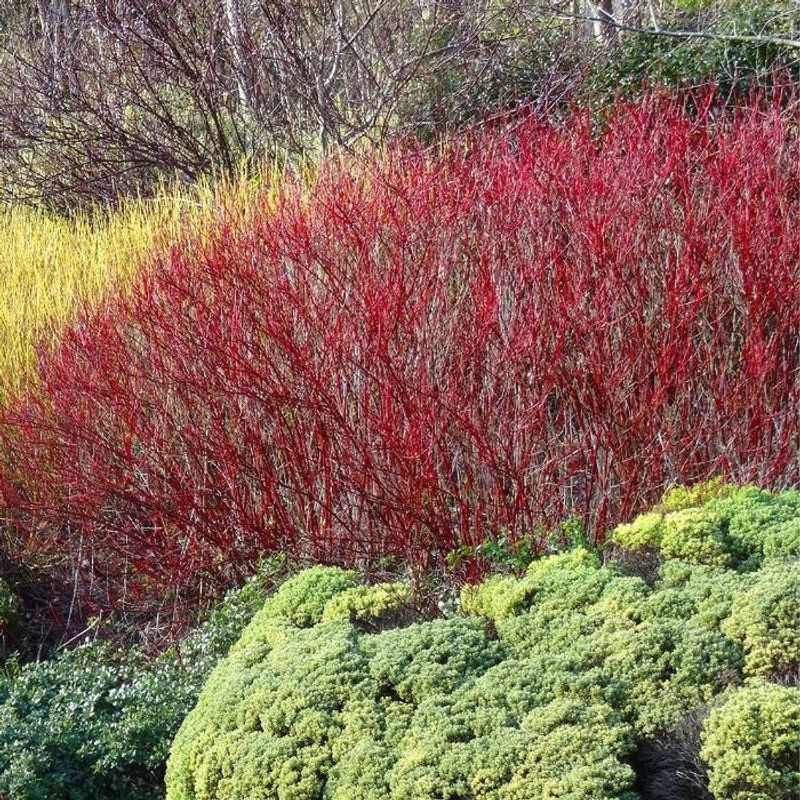
When most shrubs turn into a tangle of brown sticks after the leaves fall, red-osier dogwood does something different. Its stems turn a rich, vivid red that actually stands out more against snow and gray winter skies than the green of nearby arborvitae.
Cornus sericea is native to Ohio and grows naturally along stream edges and in low, moist areas.
Along driveways where water collects near the pavement or where downspouts drain into the side yard, red-osier dogwood can be a far better fit than arborvitae, which tends to struggle in consistently wet soil.
The shrub reaches roughly six to nine feet tall and wide at maturity, so it works best in spots where there is room for it to spread.
Pruning back older stems every few years encourages new growth, and younger stems tend to show the brightest red color.
Clusters of small white flowers appear in late spring, and the white to bluish fruit that follows is popular with birds through late summer and fall.
For Ohio homeowners who want a planting that earns its keep across all four seasons, red-osier dogwood delivers in a way that arborvitae simply cannot. The winter stem color alone makes it worth planting where soil stays on the moist side.
4. Silky Dogwood Likes Moist Areas
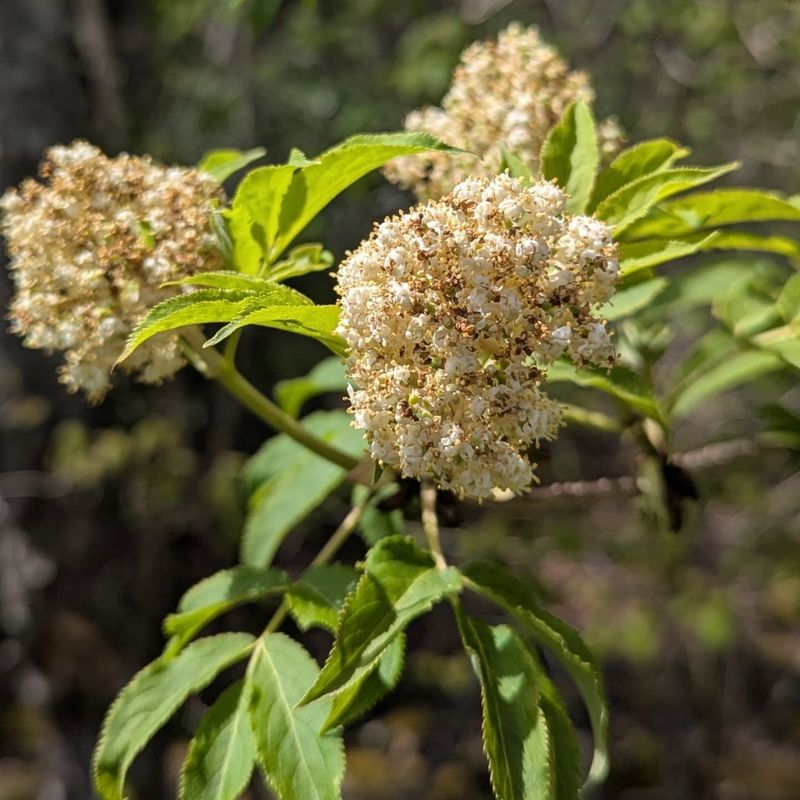
Low spots along driveways where water pools after rain can be a real headache. Arborvitae planted in those areas often develops root problems and declines within a few years.
Silky dogwood, Cornus amomum, is a native Ohio shrub that actually prefers that kind of moist, poorly drained soil.
It grows naturally along stream edges and wet thickets throughout Ohio, which tells you a lot about where it will do its best work in a residential setting.
If your side yard has a low-lying section that stays soggy in spring or after heavy rain, silky dogwood is worth considering as a replacement for struggling arborvitae.
The shrub typically grows six to ten feet tall with an arching, multi-stem form. It produces flat-topped clusters of small white flowers in late spring that attract native bees and other pollinators.
By late summer, bluish berries ripen on reddish stems, providing a reliable food source for wood ducks, bluebirds, and other wildlife.
Silky dogwood is not the right pick for a dry, exposed driveway strip. But for the wet corner of the side yard where other shrubs have not performed well, it fits the site in a way that most ornamental alternatives cannot.
Matching the shrub to the moisture conditions makes all the difference.
5. Black Chokeberry Adds Fall Color
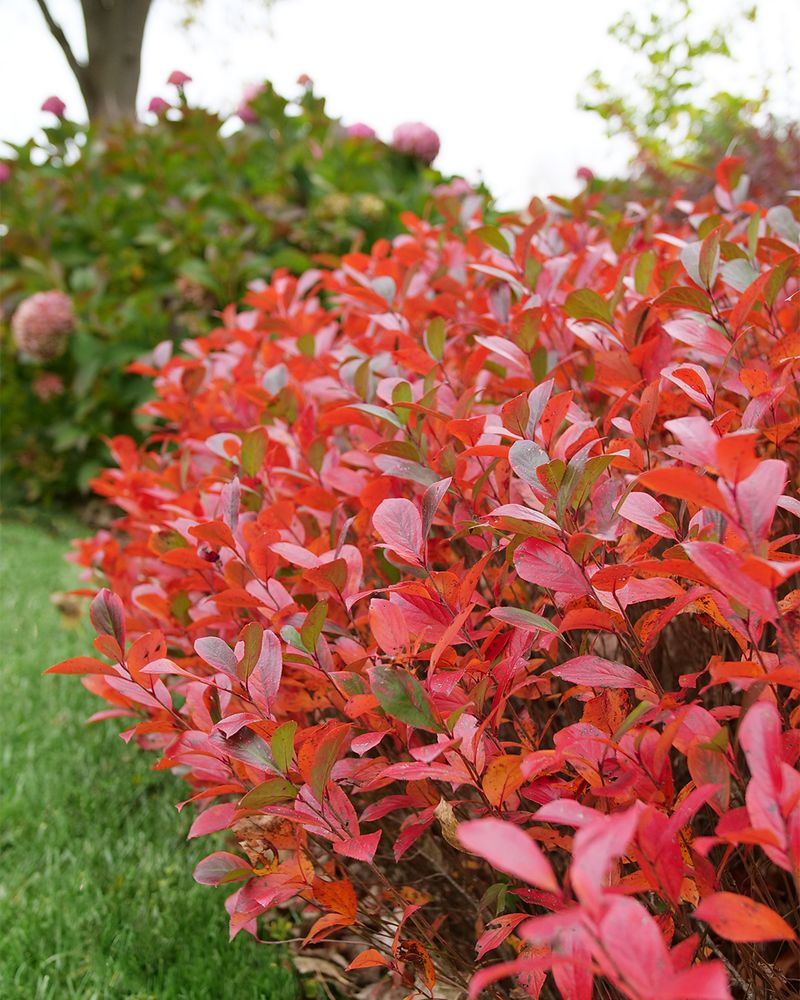
Few native shrubs put on a fall show as reliably as black chokeberry. Aronia melanocarpa turns a deep, glossy red in autumn that can stop people in their tracks when they pull into the driveway.
The color tends to develop early in the season and holds for several weeks before the leaves drop.
Beyond fall color, black chokeberry earns its place in a driveway planting with clusters of white flowers in spring and dark, glossy berries that ripen by late summer.
The berries persist on the branches well into winter, providing food for birds when other sources are limited.
Gardeners who want a shrub that supports local wildlife through multiple seasons will find a lot to like here.
Black chokeberry typically stays in the four to six foot range, making it manageable in narrower side-yard strips. It handles a range of soil conditions reasonably well, tolerating both wet and dry periods better than many ornamental shrubs.
It also tends to hold up under moderate deer pressure better than arborvitae, which can be heavily browsed in Ohio neighborhoods near wooded edges.
Because it is deciduous, it will not serve as a year-round screen. But as part of a mixed native planting along a driveway, black chokeberry brings consistent seasonal interest and a toughness that is hard to beat in Ohio conditions.
6. Red Chokeberry Fits Narrow Spaces
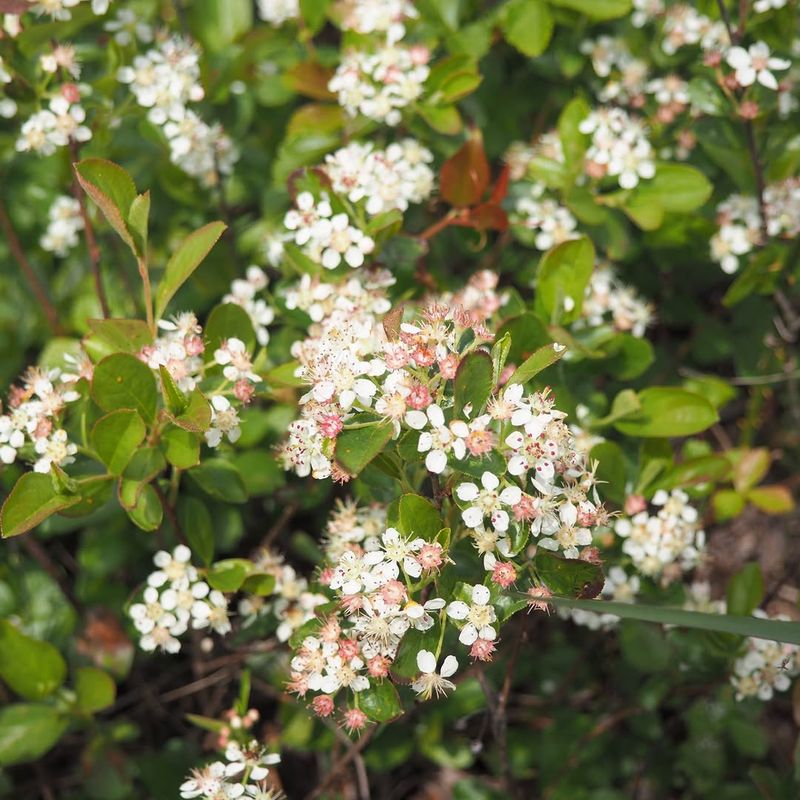
Narrow side yards between houses are one of the trickiest planting challenges in Ohio residential landscaping. The space is often only a few feet wide, shaded on one side, and exposed to heat and salt near the driveway pavement.
Red chokeberry, Aronia arbutifolia, is one of the few native Ohio shrubs that can work well in that kind of tight, variable space.
It has an upright, relatively narrow growth habit compared to many other native shrubs, which helps it fit into side-yard strips without crowding the path or spilling into the neighbor’s yard.
At maturity it typically reaches six to eight feet tall while staying reasonably compact in width, especially in drier or shadier conditions where its spread tends to be more restrained.
Clusters of small white flowers appear in spring, and by fall the bright red berries are a standout feature. The fall foliage turns a rich red as well, giving the planting two layers of color at once.
Birds are drawn to the berries and will visit repeatedly through late fall and into winter.
Red chokeberry tolerates a range of soil moisture levels, from slightly wet to moderately dry.
For homeowners who need a narrow, upright native shrub with real seasonal interest, it offers something that arborvitae cannot, namely flowers, fruit, fall color, and wildlife value all in one plant.
7. Buttonbush Likes Damp Ground
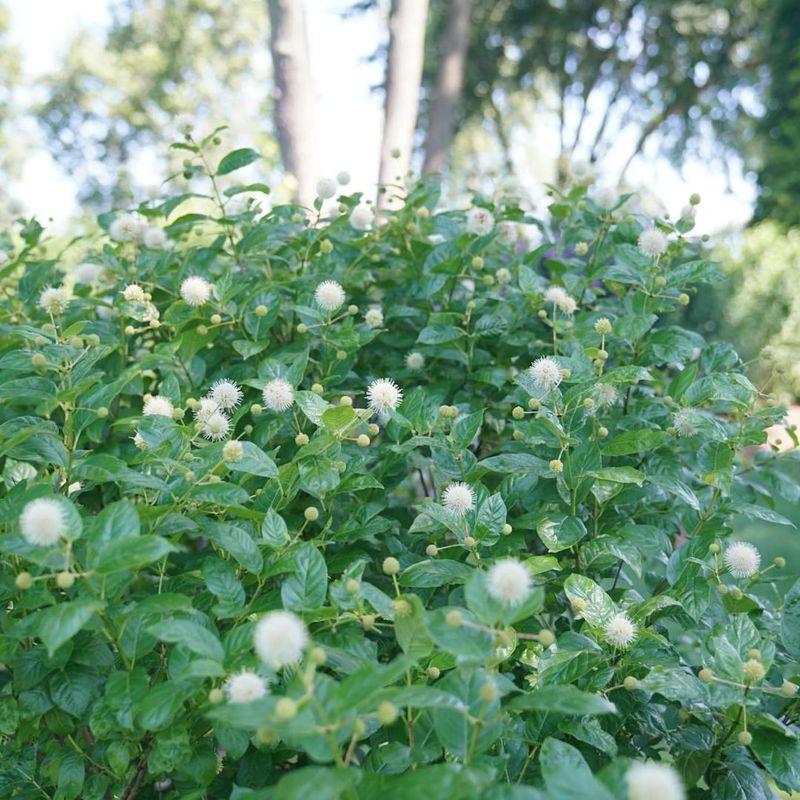
Wet, poorly drained soil near the base of a driveway is one of the hardest spots to plant successfully. Most shrubs, including arborvitae, decline quickly when their roots sit in standing water for extended periods.
Buttonbush, Cephalanthus occidentalis, is a native shrub that actually thrives in those wet conditions rather than struggling against them.
It grows naturally along pond edges, stream banks, and low wet areas throughout Ohio. In a residential setting, it fits best in a low spot along a side yard or at the end of a driveway where water drains and collects.
If you have tried other shrubs in that spot and watched them fail, buttonbush may be the answer.
The flowers are one of the most distinctive features of any Ohio native shrub. Round, creamy white flower heads that resemble small pincushions appear in mid to late summer, attracting butterflies, native bees, and hummingbirds.
The round seed clusters that follow provide food for waterfowl and other birds through fall and into winter.
Buttonbush can grow quite large in ideal conditions, so it works better in wider side-yard areas rather than very tight strips.
It is not a year-round privacy screen, but for a damp problem spot where other options have not worked out, it is one of the most reliable native choices available to homeowners.
8. Blackhaw Viburnum Makes A Native Screen
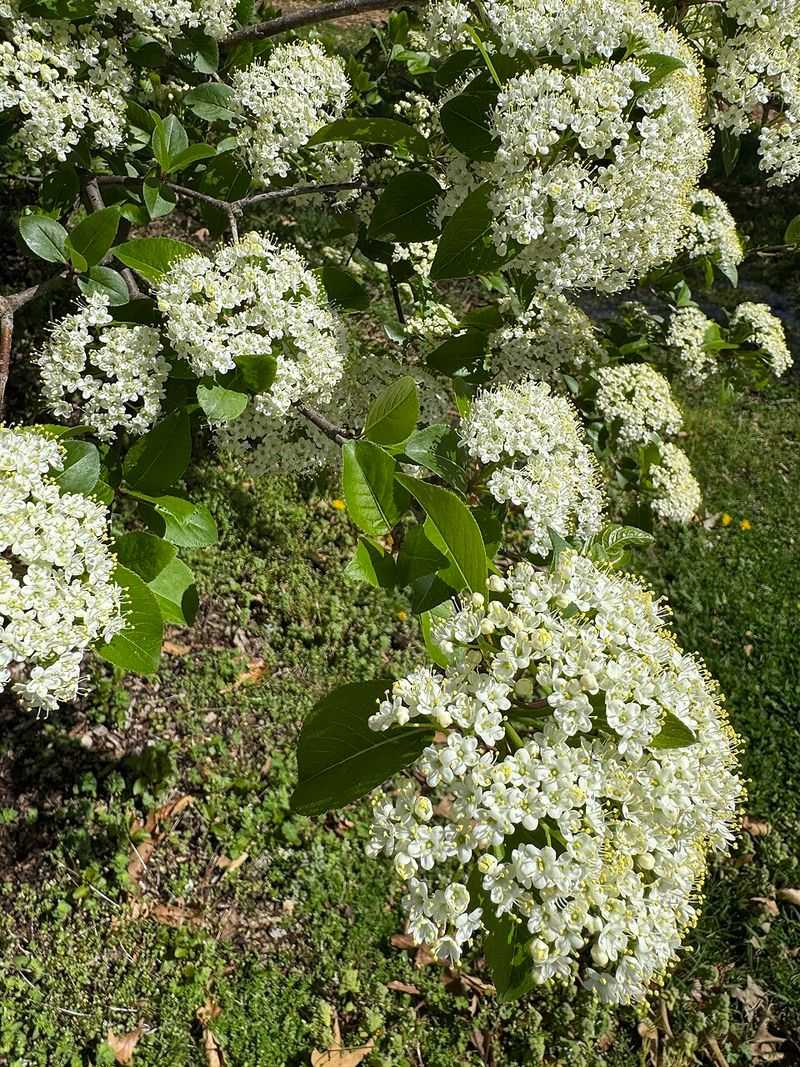
Homeowners who switch away from arborvitae often miss the sense of enclosure that a taller evergreen screen provides.
Blackhaw viburnum, Viburnum prunifolium, is one of the native shrubs that comes closest to filling that role, even though it is deciduous and loses its leaves in winter.
It can grow ten to fifteen feet tall with a dense, multi-stem habit that creates real visual screening during the growing season. Planted in a row along a driveway, it forms a solid informal hedge from spring through fall.
The branching structure remains substantial enough in winter to provide some sense of separation even without leaves.
Flat-topped clusters of white flowers appear in mid-spring, making it a standout along the driveway edge during bloom time. By late summer, the berries ripen from green to rose to deep blue-black, and they attract birds well into fall.
The foliage turns shades of red and purple in autumn, adding one more layer of seasonal interest before the leaves drop.
Blackhaw tolerates a range of Ohio soil conditions and handles partial shade near foundations reasonably well.
It is more resistant to deer browsing than arborvitae in most situations, which is a meaningful advantage in Ohio neighborhoods where deer pressure is a regular challenge.
For a native screen with four-season character, it is one of the stronger choices available.
9. Southern Arrowwood Builds A Natural Border
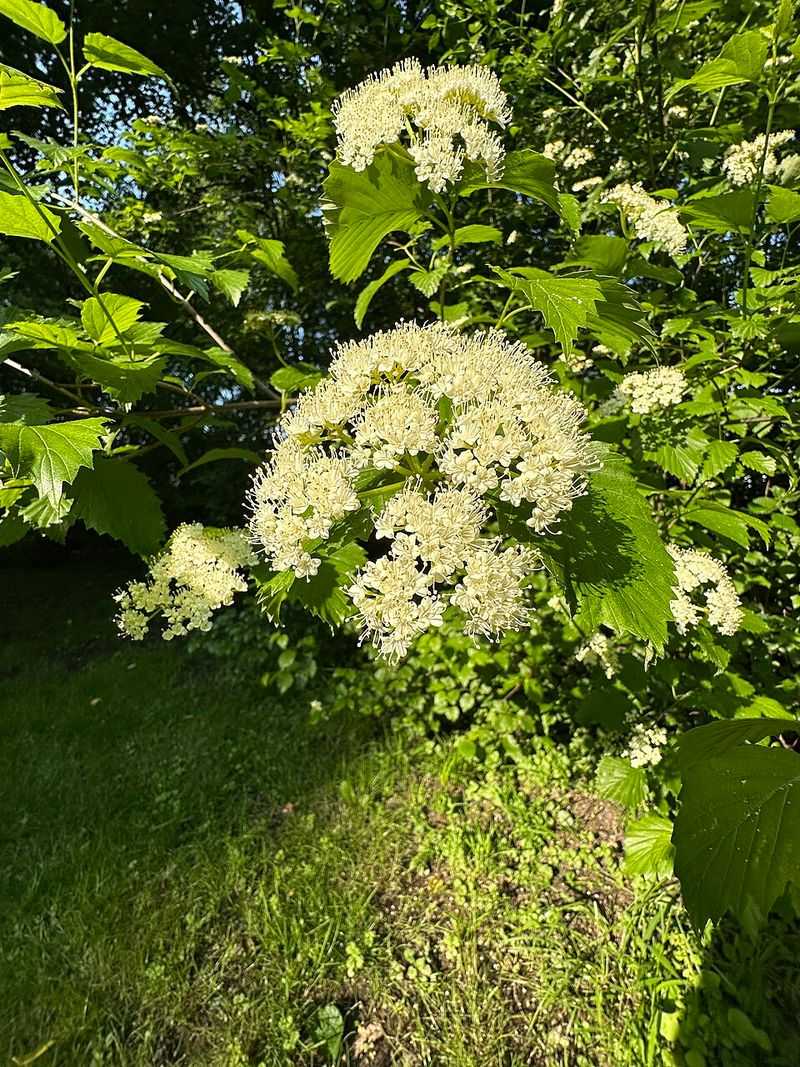
Building a natural border along a side yard does not have to mean planting a row of stiff, identical shrubs.
Southern arrowwood, Viburnum dentatum, creates a layered, informal hedge that looks at home in an Ohio residential landscape without requiring heavy shaping or maintenance to stay presentable.
It grows six to ten feet tall with a rounded, multi-stem form that fills in gradually over a few seasons. The coarsely toothed leaves give it a bold texture that reads well from a driveway or street.
Flat clusters of creamy white flowers open in late spring and attract a wide range of native pollinators, including small native bees that are not often supported by ornamental plantings.
By late summer, clusters of blue-black berries ripen and draw in songbirds, including thrushes and waxwings passing through Ohio during fall migration.
The berries do not last long once the birds find them, which is a sign of how much wildlife value this shrub provides in a residential setting.
Southern arrowwood adapts to a range of soil types and tolerates both sun and partial shade, making it flexible enough for the variable conditions found along most Ohio side yards.
It is not an evergreen replacement for arborvitae, but as a foundation for a natural, wildlife-friendly border, it brings texture, flowers, fruit, and seasonal color that arborvitae simply does not offer.