What Crispy Hydrangea Leaves Mean After Ohio’s Cold Spring Nights
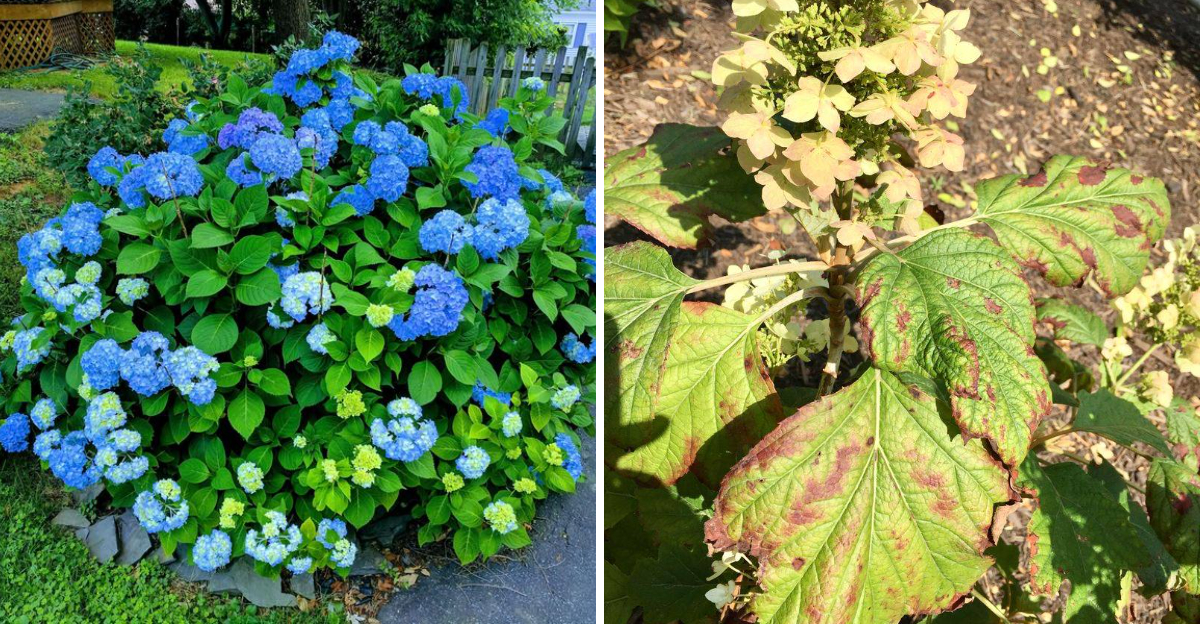
A May morning in Ohio can turn a gardener’s mood in about thirty seconds flat. One look at a hydrangea covered in brown, papery edges or blackened new growth, and the questions start immediately.
What happened? Is it gone? Did the cold night do permanent damage? Ohio springs do this. A stretch of warm days coaxes plants into pushing tender new growth, and then a cold night rolls in quietly and leaves behind damage that looks a lot worse than it actually is.
That last part matters more than most gardeners realize. Cold snap damage on hydrangeas almost always looks worse than it actually is.
The real question is what you do next, because that decision has a direct effect on how many blooms you get come summer. Those damaged leaves and stems are telling a clear story once you know how to read it.
Many gardeners reach for the pruners too soon. But the pruners can wait. Here is what those leaves are telling you.
1. Crispy Edges Usually Point To Frost Stress
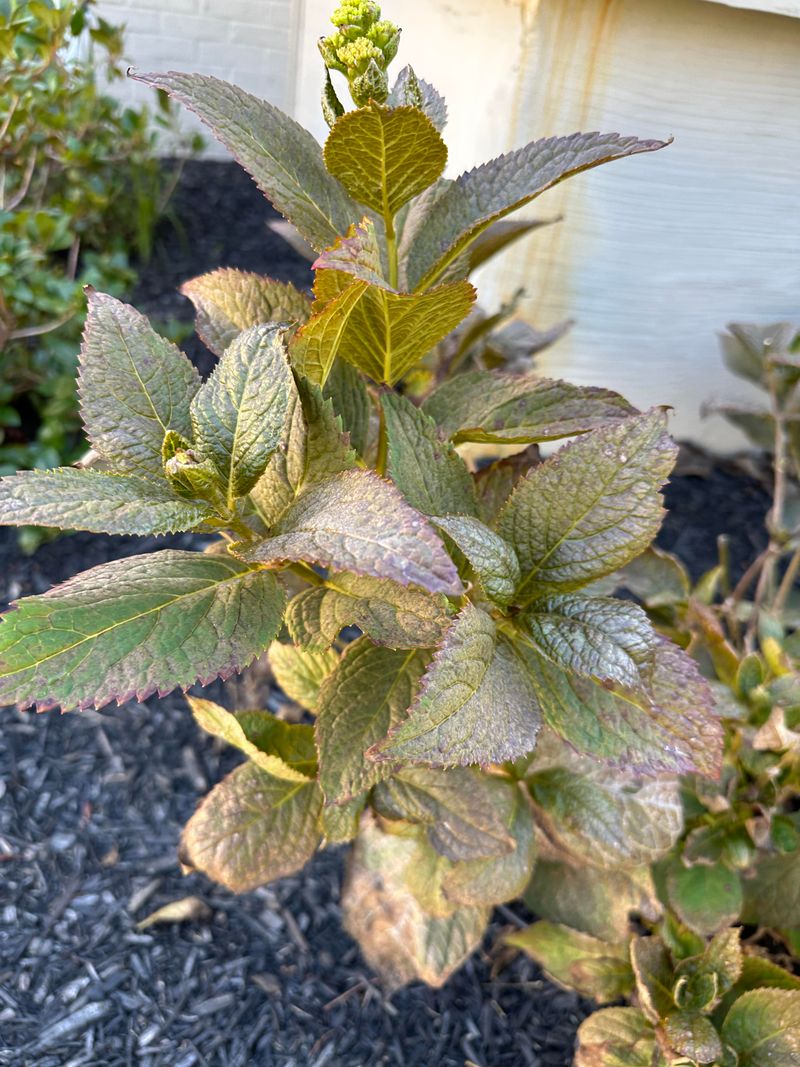
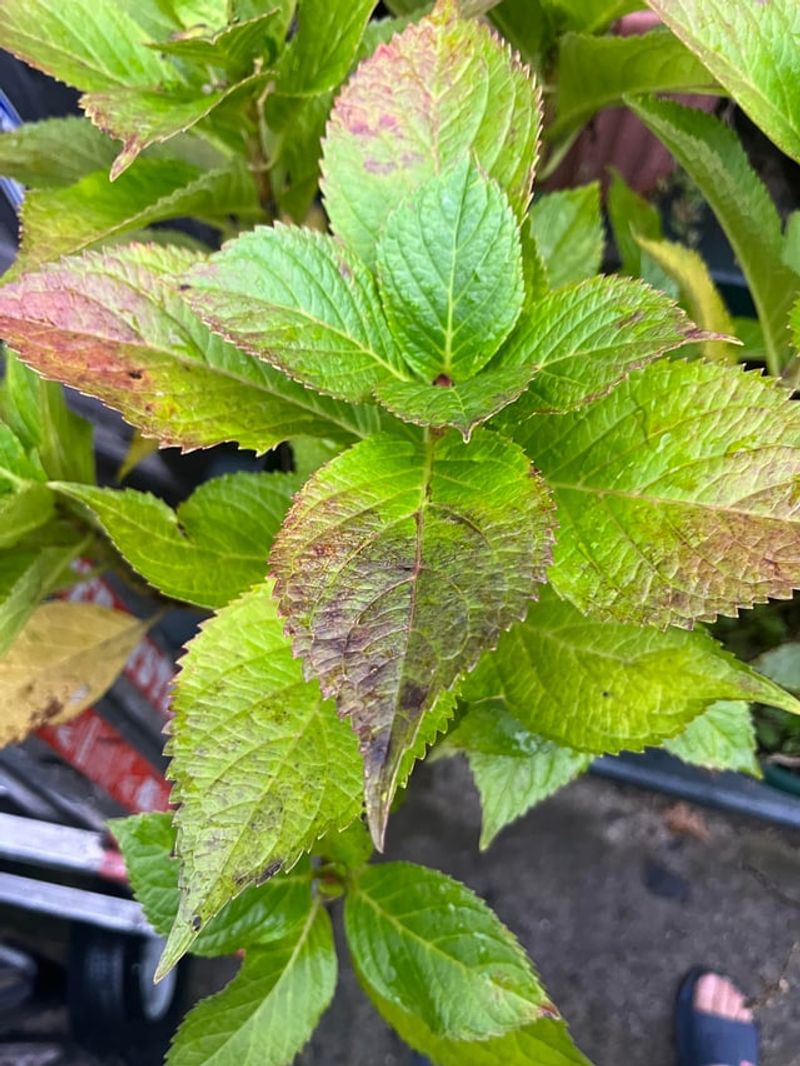
Here is the classic Ohio spring surprise: your hydrangea looks bright and leafy after a warm spell. Then one cold night slips in, and the leaf edges turn brown, dry, and papery by morning.
That crispy outline can look alarming, but it often points to frost stress rather than a major plant disaster.
The edges are usually hit first because they are thin and exposed. They lose moisture quickly when cold air settles around the plant. That tender new growth has not had much time to toughen up yet, so it reacts fast.
If the center of the leaf still looks green, the damage may be mostly cosmetic. The plant may still use those leaves to gather energy, even with browned margins. So do not rush to snip every imperfect leaf.
I know it is tempting. A crispy hydrangea can make any gardener reach for the pruners. But sometimes the best move is to step back and let the shrub show you what it can do next.
Check the stems before making any decisions. If they feel firm and look healthy, that is encouraging. If you see new buds along the stems, even better.
Also look at the forecast. If more cold nights are coming, wait before pruning. Removing damaged leaves too early can expose fresh growth to the next chill.
Give the plant a week or two of warmer weather. Fresh leaves may begin pushing out and soften the whole look of the shrub.
Think of crispy edges as the hydrangea’s frost-bitten fringe. Not pretty, maybe, but not always a crisis. Your plant may simply need time, steadier weather, and a little leaf of faith.
2. Blackened New Leaves Signal Cold Injury
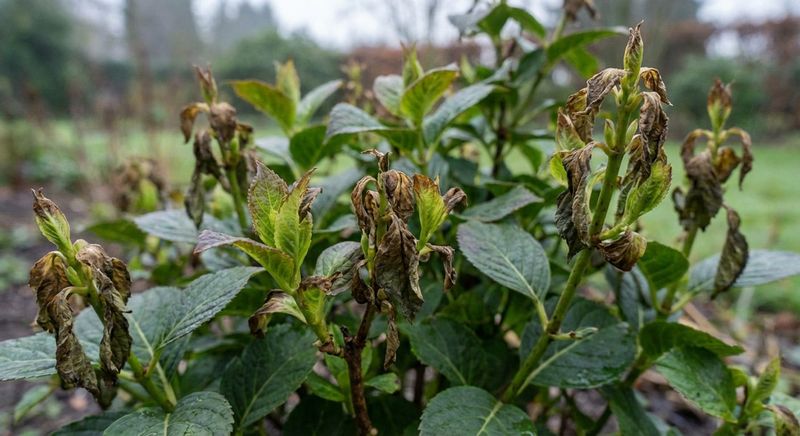
Blackened hydrangea leaves can make your stomach drop. They look soft. They look limp. Sometimes they look almost water-soaked before they dry out and collapse.
That kind of damage is usually more serious than a few crispy edges. It often means tender new tissue got caught by a stronger cold snap.
Your Ohio Garden Changes Every Week. Your Plan Should Too.
Gardening in Ohio changes quickly throughout the season. Every Friday you’ll receive a simple weekly plan showing exactly what to plant, prune, fertilize, harvest, and protect so you never miss the right timing.
New leaves are especially vulnerable because they are still soft. They have not built the stronger structure that older leaves have.
When temperatures dip low enough, the water inside those cells can freeze and rupture the tissue. That is when the leaves turn dark and mushy.
If you see this after a cold Ohio night, do not assume the whole shrub is finished. The damaged leaves themselves will not turn green again, but the stems may still be alive. The plant may have backup buds waiting lower down.
This is where you should slow down and inspect closely. Look along the stem where leaves meet the branch. Do you see small, firm green buds tucked there? If yes, the shrub may already be preparing its next move.
Avoid fertilizing right away. That may sound helpful, but a stressed plant does not always need a push. Fast new growth can be tender too, and another cold night could damage it again.
Let the weather settle first. Once nights are consistently milder, you can think about regular care.
You can remove the blackened leaves later, after the cold risk drops. Until then, patience is your best garden tool.
Think of those blackened leaves as a cold-snap plot twist. They look dramatic, but they do not always decide the ending.
Your hydrangea may still have a comeback tucked just below the damage. Give it time to reveal the next chapter.
3. Brown Tips Can Follow Fast Weather Swings
Ohio spring does not always move in a straight line.
One day feels warm enough for short sleeves. Two days later, the wind is sharp, the sky is gray, and your hydrangea looks like it regrets waking up.
Brown leaf tips can show up after those fast shifts. They may not come from frost alone. They can result from a mix of cold air, wind, sun, and uneven soil moisture.
That combination can be rough on tender leaves.
Wind plays a sneaky role. It pulls moisture from leaf tissue faster than still air does. The tips often show stress first because they sit farthest from the stem’s water supply.
Cold roots can add to the problem. On bright chilly days, leaves may warm in the sun while the roots stay cold. When roots are sluggish, they cannot always replace moisture quickly enough.
That is when the tips begin to brown.
If you notice this damage, check the soil before doing anything else. Push your finger an inch or two into the ground near the base. If it feels dry, give the plant a slow, deep drink.
If the soil is already moist, hold off. Too much water can create its own trouble, especially when temperatures are still cool.
Mulch can help soften those swings. A light layer around the base may keep soil moisture steadier. It can also help buffer the root zone during chilly nights and warm afternoons.
Keep mulch away from the stems, though. Hydrangeas like moisture, not a soggy collar.
Think of brown tips as weather whiplash in leaf form. Your plant may not be sick. It may simply be reacting to spring’s roller coaster.
You can help by keeping moisture steady, protecting the roots, and resisting dramatic fixes. Sometimes the cure is less fuss and more calm.
4. Limp Leaves May Perk Up As Nights Warm
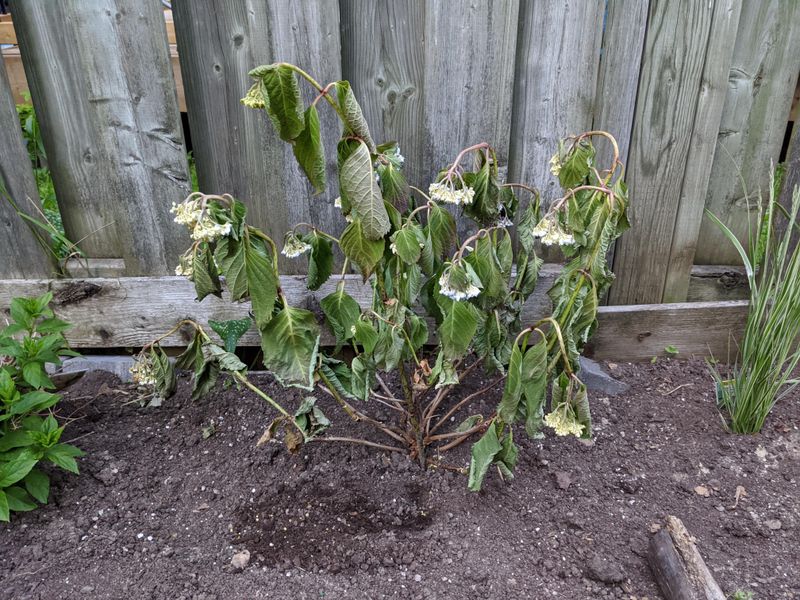
Limp hydrangea leaves can make a gardener nervous fast. After a cold spring night, limp leaves do not always mean the plant is thirsty. Sometimes the plant is simply slow to wake up.
Cold soil can reduce root activity. Even if there is moisture in the ground, the roots may not move it efficiently when temperatures are low. That means the leaves can look wilted in the morning, then recover as the day warms.
Before watering, check the soil. This step matters.
Push your finger about two inches into the soil near the plant. If it feels moist, do not add water just because the leaves look tired. Overwatering a cold-stressed hydrangea may make things worse.
If the soil feels dry, water slowly and deeply. Give the moisture time to soak down where roots can reach it.
Then watch the plant through the day. If the leaves perk up by afternoon, the droop was likely temporary. If they stay limp for days, you may need to inspect stems, roots, and soil conditions more closely.
This is one of those moments where observation beats action.
Gardeners love to fix things. I get it. A limp plant looks like an invitation to intervene. But hydrangeas often need a little time after a cold night. A shrub that looks dramatic at 7 a.m. may look much better by lunchtime.
Hold off on pruning wilted stems right away. Many may still be alive. Wait for warmer nights and look for new buds before making cuts.
Think of limp leaves as the plant hitting the snooze button after a chilly night. It may not be done. It may just need the morning to warm up.
So pour your coffee, check the soil, and give the hydrangea a chance to stand back up.
5. Damaged Leaves Do Not Mean The Shrub Is Finished
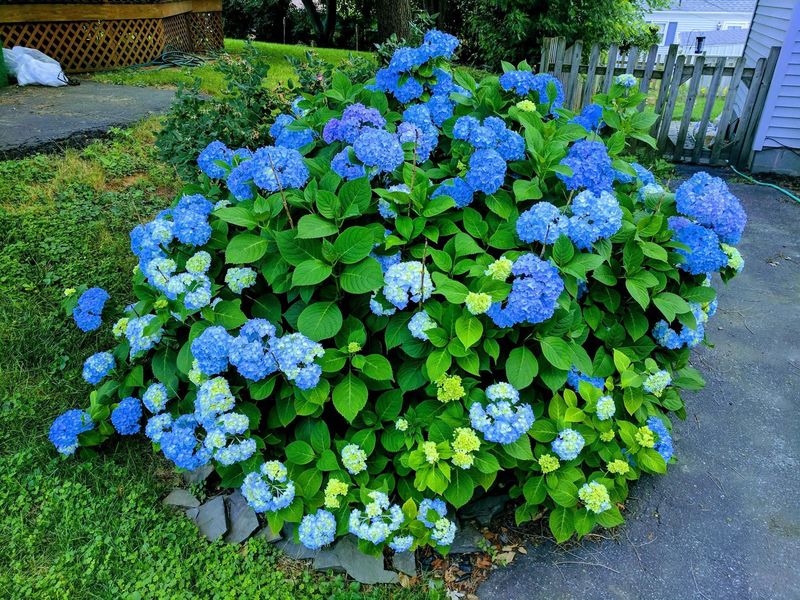
It is easy to walk outside, see the damage, and think the season is ruined. But leaves are only part of the story.
The real strength of an established hydrangea sits lower down. The roots and stems may still be healthy, even when the top growth looks rough. That stored energy can help the plant push fresh leaves once warmer weather settles in.
So before you declare the shrub done, inspect it closely.
Look at the stems. Are they firm or shriveled? Do they bend a little, or do they snap like dry twigs?
Try a small scratch test on a questionable stem. Use your thumbnail to scrape a tiny bit of bark. If you see green underneath, that stem is still alive.
If the tissue is brown and dry all the way down, that section may be finished. But do not stop at the tip. Work your way lower, because a stem can be gone at the top and alive below.
Hydrangea type also matters. Some bloom on new wood, which means they can still flower after spring damage. Others bloom partly or mostly on old wood, so cold injury may reduce blooms that year.
Even then, the plant itself may keep growing.
That distinction matters because leaf damage does not always equal bloom loss. And bloom loss does not always equal plant loss.
Your hydrangea may look like it took a springtime punch. But shrubs can be stubborn in the best way.
Watch for fresh buds along stems and new shoots near the base. Those signs suggest the plant is planning a comeback.
The shrub may still have plenty of root-worthy resilience left.
6. Waiting Shows Which Stems Are Still Growing
Pruners can feel powerful after cold damage, but hydrangeas often ask for patience before pruning.
Cut too early, and you may remove stems that were still alive. You might also reduce flowering potential, especially on types that carry buds on older wood.
Waiting gives the plant time to show its hand.
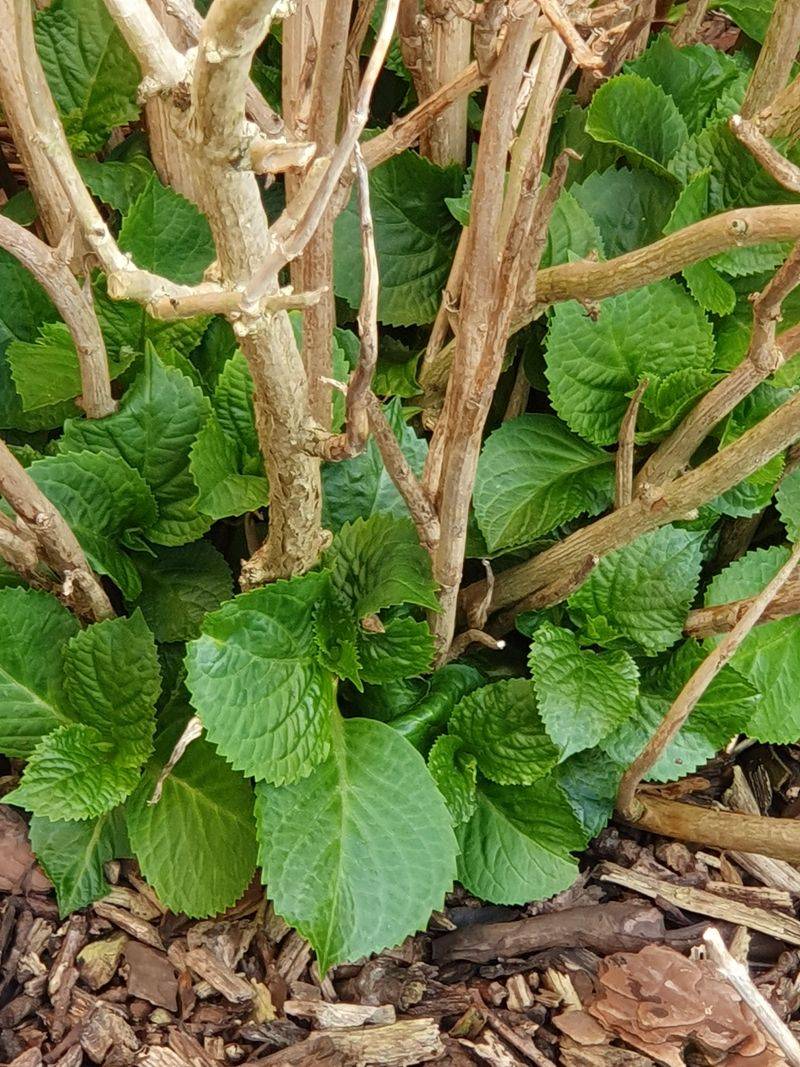
After the last cold nights pass, give the shrub a couple of weeks. During that time, living stems may push small green buds from the nodes. Brittle stems will usually stay dry, brittle, and quiet.
This difference becomes much easier to see with time.
You can use the scratch test to check uncertain stems. Start near the tip and gently scrape the bark. Green and moist inside means there is life. Brown and dry means that part may be gone.
If the top is gone but lower wood is green, prune only down to a healthy bud. That keeps as much living growth as possible.
Do not cut everything to the ground unless you are sure that is right for your hydrangea type. Some shrubs can handle it better than others. Bigleaf types may lose many blooms if old stems are removed too aggressively.
This is where knowing your plant helps. But even if you are unsure, waiting is usually safer than rushing.
Think of pruning like editing a sentence. You do not delete the whole paragraph just because the first line looks rough.
Let the plant reveal what is still working. Then make cleaner, smarter cuts.
The reward may be a fuller shrub and more blooms later. That is what I call a cut above panic pruning.
7. Leaf Scorch Looks Different From Spring Frost Stress
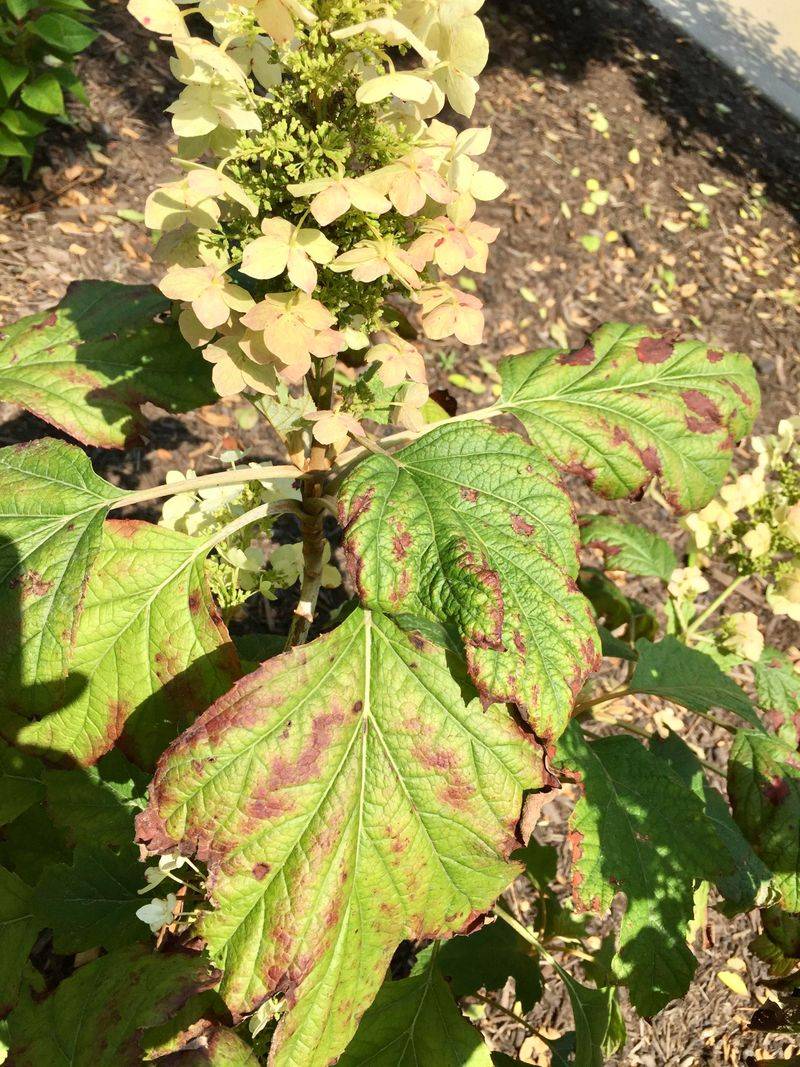
As Ohio moves from cold spring nights into warmer days, another issue can appear. Leaf scorch can look similar at first glance, but it usually has a different pattern.
Frost damage often appears quickly after a cold night. It usually hits the newest, softest growth. You may see blackened tissue, crispy edges, or damaged leaves across much of the plant.
Leaf scorch tends to show up when sun, heat, and moisture stress build. It often affects leaves that get the strongest afternoon sun. The shaded leaves on the same plant may look much better.
That pattern is your clue.
Scorch can appear as brown patches, dried areas, or browning between veins. It may show up on upper leaf surfaces rather than only the edges. The leaves can look toasted, especially after hot, bright, dry conditions.
Hydrangeas often prefer protection from harsh afternoon sun. Morning light with afternoon shade can be easier on the leaves. This is especially true in exposed spots near walls, driveways, or south- and west-facing areas.
If you are not sure what you are seeing, think about timing.
Did the damage show up right after a cold night? Frost may be the likely suspect.
Did it appear after warm, sunny, dry weather? Scorch may be more likely.
Check soil moisture too. Dry roots can make scorch worse. A slow watering and a mulch layer may help keep conditions steadier.
For container hydrangeas, try moving the pot. A few feet into afternoon shade can make a noticeable difference.
This is your chance to become a leaf detective. The brown spots are clues, not just flaws.
Call it the scorch report. Once you know the cause, you can choose the right fix instead of guessing.
8. Fresh Buds Need Protection During Late Ohio Cold Snaps
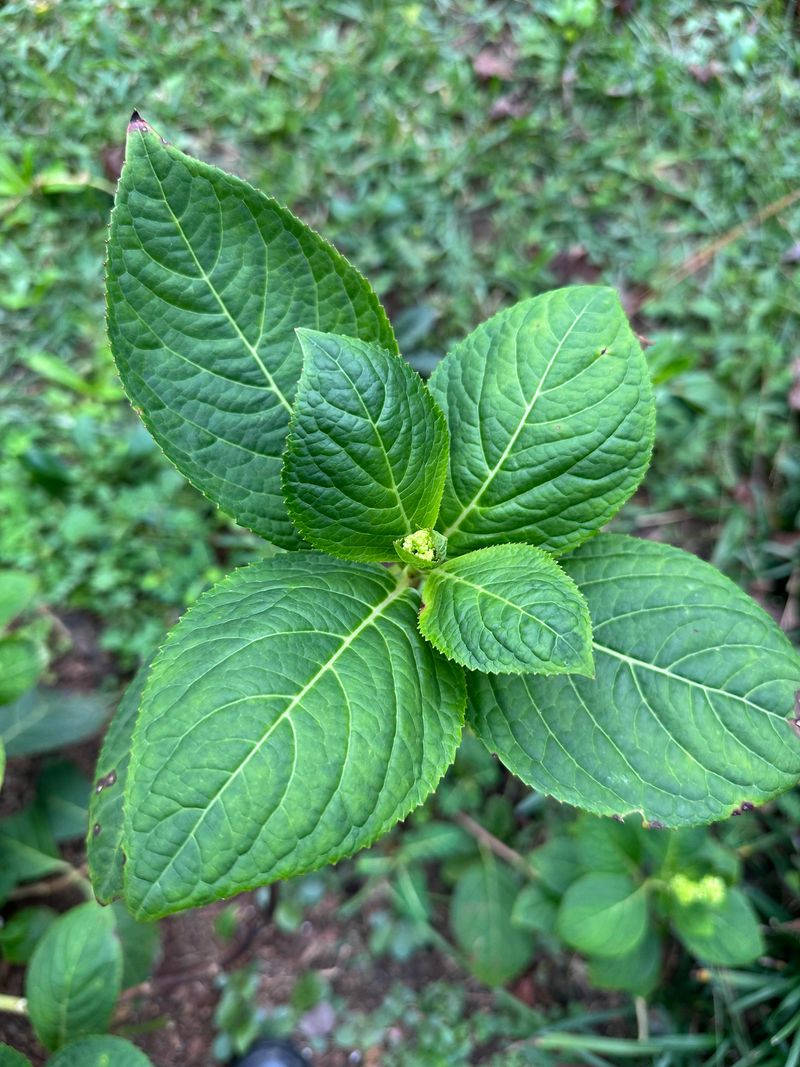
Ohio spring can act settled, then change its mind overnight.
That is tricky for hydrangeas. Once fresh buds and tender leaves appear, a late frost can hit them hard.
So when the forecast mentions a cold snap, it is time to act before the damage shows up.
Covering the plant can help protect new growth during a light frost. Use frost cloth, an old bedsheet, or a breathable fabric cover. A large cardboard box may work for smaller shrubs.
The cover should reach the ground if possible. That helps trap warmth rising from the soil. If the cover only sits on top like a loose hat, it may not protect much.
Avoid plastic touching the leaves. Plastic can transfer cold and may damage tender growth. If you use it in a pinch, keep it supported above the plant and remove it early.
Take covers off in the morning once temperatures rise. The plant needs airflow and light during the day. Leaving covers on too long can create heat and moisture problems.
Watering the soil before a predicted frost may also help. Moist soil can hold heat better than dry soil. Water in the afternoon, not late at night, so the area is settled before temperatures drop.
Avoid heavy fertilizing too early in spring. A big nitrogen push can encourage soft growth that cold weather may damage more easily. Wait until frost risk is lower before feeding with much confidence.
You can also watch microclimates in your yard. Low spots collect cold air. Areas near walls may stay slightly warmer. Containers can be moved to a more protected location.
Think of frost protection as tucking your hydrangea in before spring pulls another prank.
A little effort the evening before can save plenty of leaf heartbreak by morning.