Ohio Perennials You Should Divide Before June Ends (And What You Shouldn’t Divide At All)
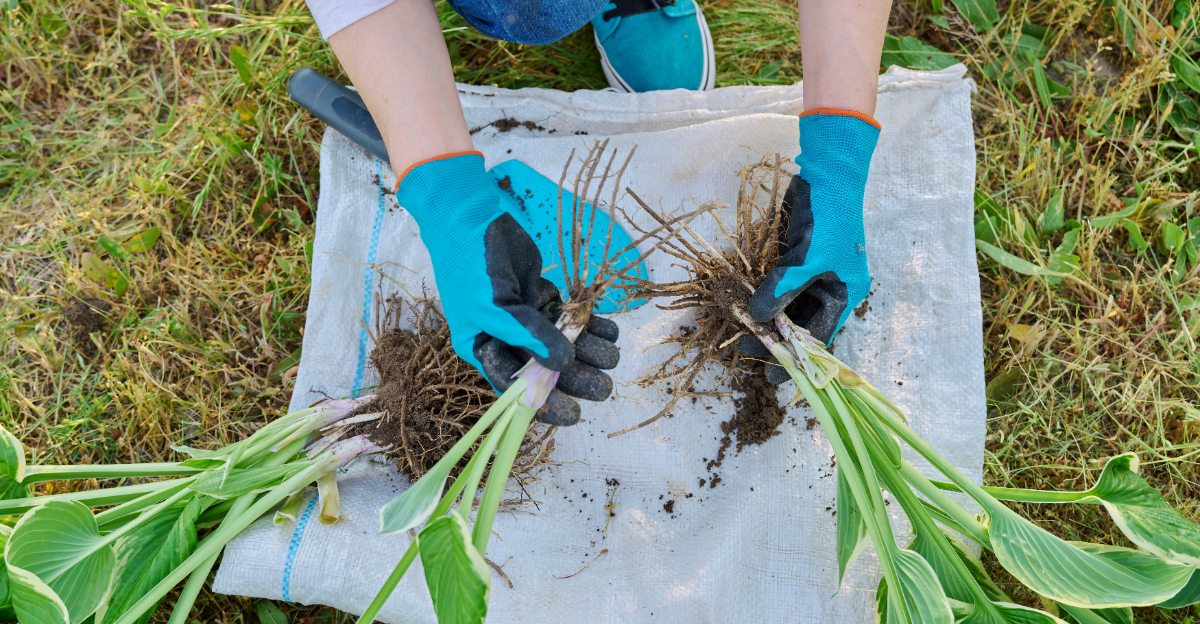
You have got maybe three weeks left to divide Ohio perennials before the window slams shut for the entire season. Miss it and you are looking at overcrowded plants, fewer blooms, and the same problem waiting for you next June.
But here is what most gardening content skips entirely. Not every perennial on your list should be divided at all.
Some will flat out reject the process. Wrong root structure.
Wrong growth habit. Wrong plant, full stop.
Go after the wrong ones with a shovel in June and you spend the rest of summer nursing something that never fully recovers. So which perennials are practically begging to be split right now and which ones should you walk right past?
Both answers are going to surprise at least a few people reading this.
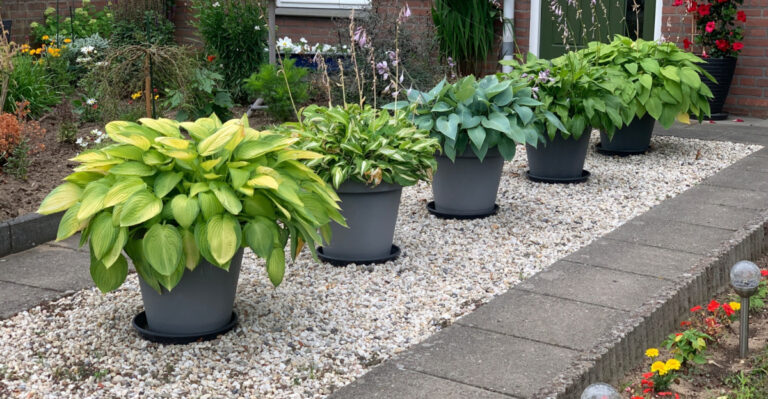
1. Hostas Bounce Back Well From An Early Summer Split
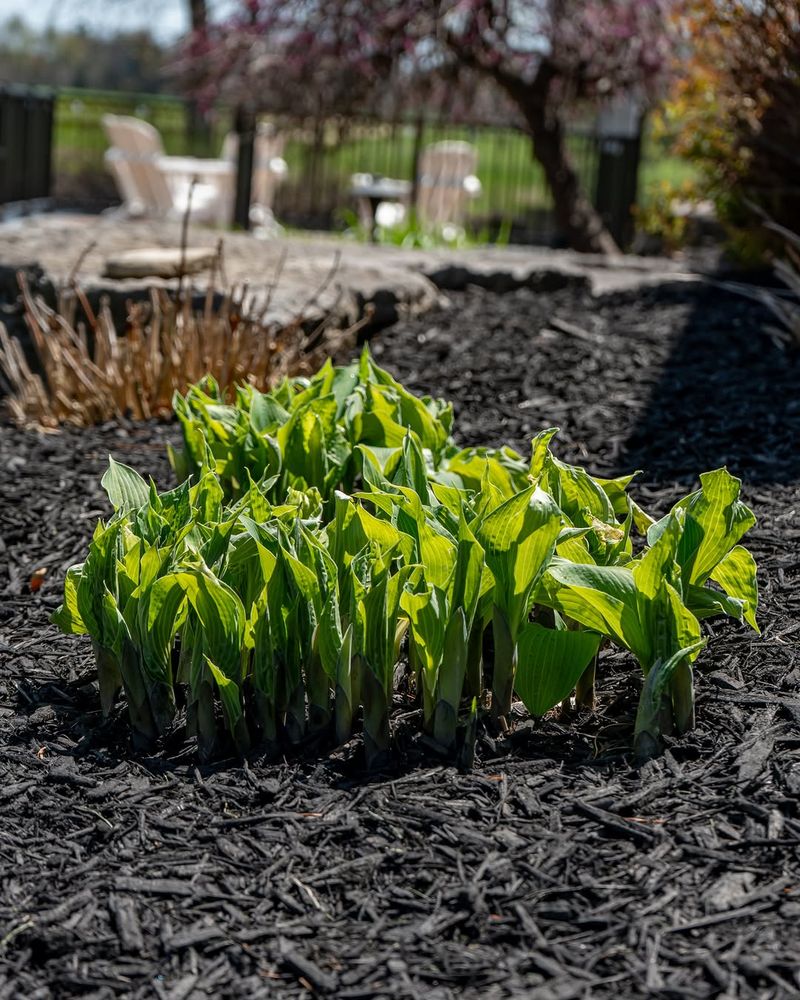
Few shade perennials are as forgiving as hostas when it comes to being split and moved.
If your hosta clump has grown so wide it is crowding a path or swallowing nearby plants, early summer is a workable time to divide it, as long as you are ready to water consistently afterward.
The best approach is to dig a wide circle around the clump, keeping as much of the root ball intact as possible. Use a sharp spade or garden fork to pry sections apart.
Each division should have healthy roots and at least a few leaves attached before replanting.
Plant divisions at the same depth they were growing before. Hostas planted too deep can struggle to push new growth, and ones planted too shallow may heave in the first cold snap.
Water deeply right after replanting, and keep the soil consistently moist for several weeks.
Avoid dividing hostas during a heat wave or drought stretch. Cloudy mornings or overcast days reduce transplant stress noticeably.
If the weather turns hot right after you divide, a light shade cloth over the new transplants for a week can help them settle in without losing too much moisture through the leaves.
2. Daylilies Handle Division Before July Heat Sets In
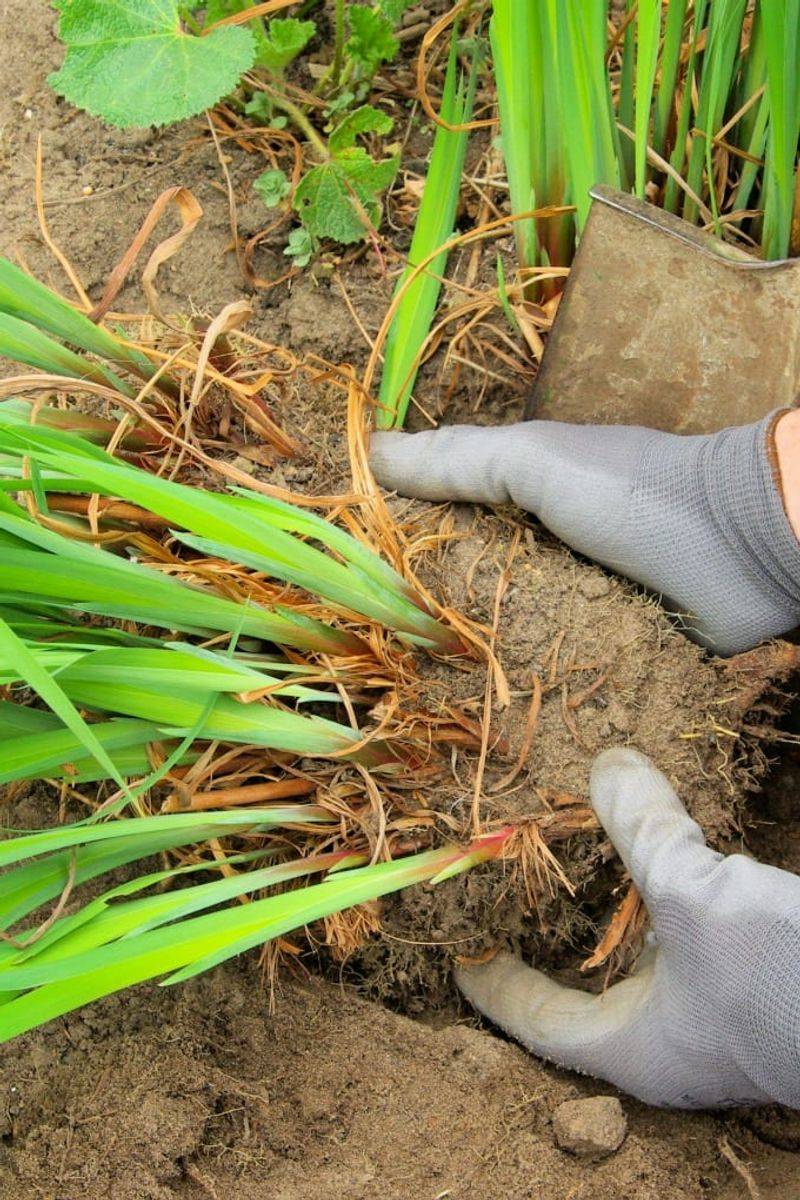
Daylilies are among the toughest perennials a home gardener can grow, and their tolerance for division is one reason they have been a staple in local gardens for generations.
When a clump starts producing fewer blooms, develops a bare or hollow center, or begins crowding out neighbors, that is a clear sign it needs to be split.
Early summer division works well for many daylily types, especially before the real heat of July sets in. For early-blooming varieties, wait until flowers finish before dividing.
For later types, you can divide before bloom if the clump is truly overcrowded, but expect some reduction in flowering that first season.
Trim any damaged or yellowing foliage before replanting. Separate clumps into individual fans or small groups of two to three fans, making sure each section has intact roots.
Replant at roughly the same depth, with the crown just below the soil surface.
Your Ohio Garden Changes Every Week. Your Plan Should Too.
Gardening in Ohio changes quickly throughout the season. Every Friday you’ll receive a simple weekly plan showing exactly what to plant, prune, fertilize, harvest, and protect so you never miss the right timing.
Never let the roots sit out in the sun while you prep the planting hole. Keep them in a bucket with a little water or cover them with a damp cloth.
Water deeply after planting and continue watering every few days until new growth signals the plants have taken hold.
3. Bee Balm Needs Thinning Before Mildew Takes Over
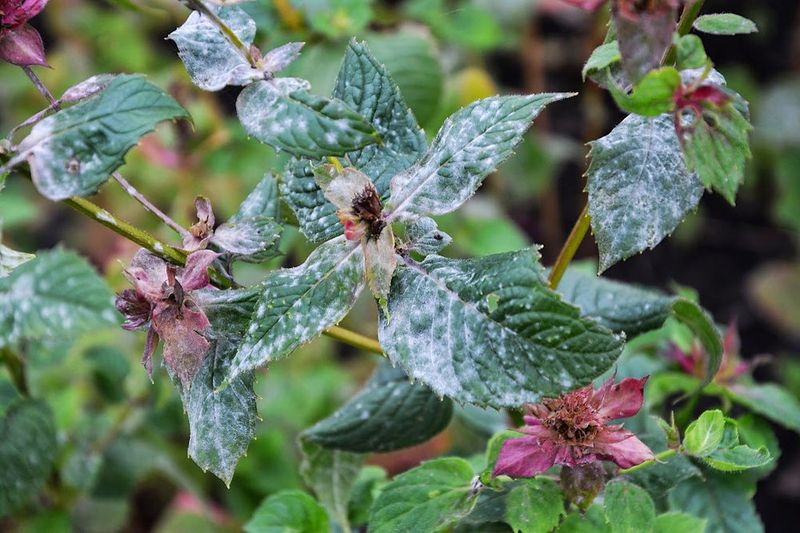
Bee balm spreads fast, and in a humid Ohio summer, a crowded clump is practically an invitation for powdery mildew. The disease thrives when stems are packed tightly together and airflow is poor.
Thinning or dividing the clump before June ends can make a real difference in how the plant performs the rest of the season.
You do not need to dig the entire clump. Removing outer sections or splitting a dense mass into smaller groups spaced farther apart often does the job.
Keep only the healthiest stems and discard any growth that already looks weak or discolored. Replant divisions with enough room between them to allow air to move freely.
Choosing mildew-resistant varieties such as Jacob Cline or Raspberry Wine is one of the best long-term strategies, as noted by Ohio State University Extension.
Spacing matters too, so avoid planting bee balm against walls, fences, or dense shrubs where air circulation is limited.
Skip overhead watering when you can, and water at the base of the plant instead. After thinning, remove and bag any plant debris rather than leaving it in the bed.
Old stems and leaves can harbor spores that spread during warm, humid conditions typical of Ohio summers.
4. Garden Phlox Benefits From Space Before Summer Crowding
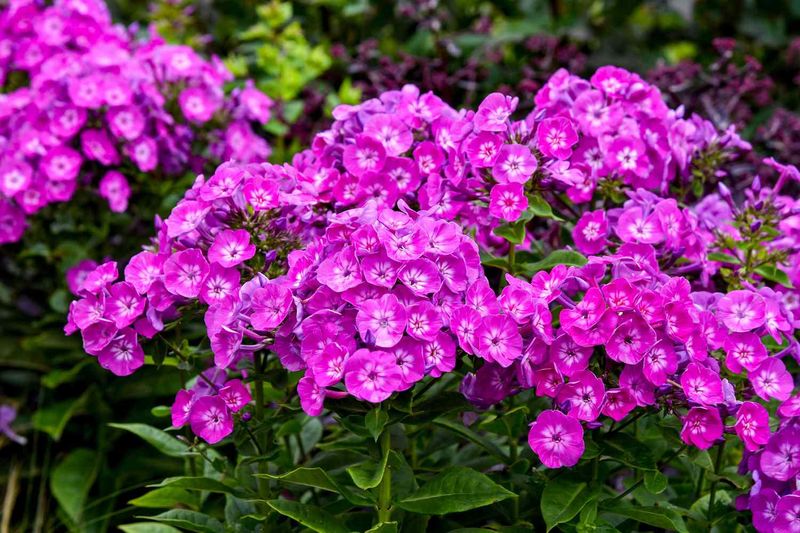
Garden phlox is a mid-summer showstopper, but it has a well-known weakness: it struggles badly when stems are packed too close together.
Powdery mildew spreads quickly through crowded phlox clumps, especially during the warm, humid stretches that are common across this state from late June onward.
Division is typically recommended in spring or fall when temperatures are cooler and plant stress is lower. But if your phlox is seriously overcrowded and you have been consistent with watering, a careful division before June ends can still help.
The key is choosing a cloudy day and working quickly so roots do not dry out between digging and replanting.
Separate the clump into sections that each have several healthy stems and a solid root mass. Space the new divisions generously, at least 18 to 24 inches apart, so air can move between the plants.
Avoid planting them right up against walls, fences, or tall shrubs that block airflow.
After replanting, water deeply and keep the soil evenly moist for the first few weeks. Do not pile mulch directly against the stems, as that can trap moisture and encourage fungal issues.
Consistent soil moisture, not wet foliage, is the goal for freshly divided phlox settling in during warm weather.
5. Shasta Daisies Stay Stronger When Clumps Get Refreshed
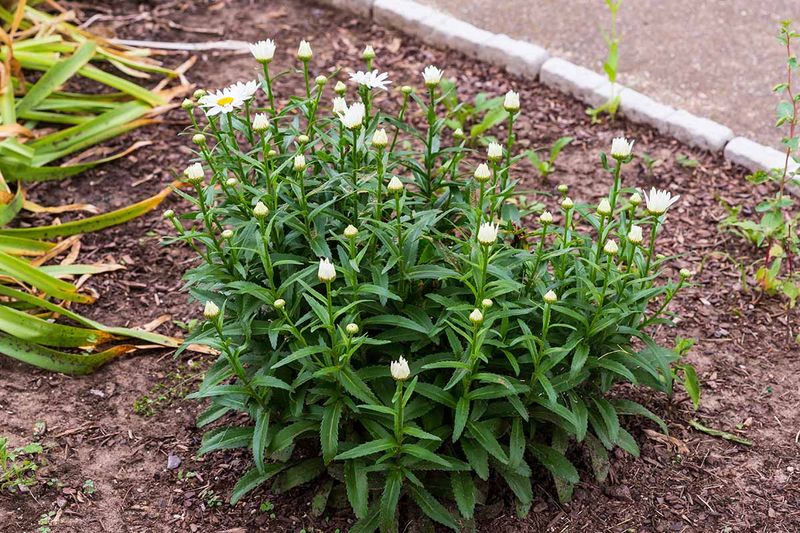
A Shasta daisy clump that has been sitting in the same spot for three or four years often starts to show its age. The center thins out, flowering gets sparse, and the outer edges sprawl in every direction.
Dividing the clump refreshes the plant and usually brings back stronger, more uniform blooming the following year.
Early summer division can work well if the plants are not under heat or drought stress at the time you dig. Lift the entire clump with a garden fork and shake off excess soil so you can see clearly which sections are healthy.
The outer portions almost always have the best roots and freshest growth. Discard the tired center and replant the vigorous outer pieces.
Cut each division down to about six inches of foliage before replanting. This reduces the amount of leaf surface the roots have to support while they reestablish.
Replant at the original depth and press the soil firmly around the roots to eliminate air pockets.
Water thoroughly right after replanting and continue watering every two to three days for the first few weeks. Shasta daisies prefer well-drained soil, so avoid spots that stay wet after rain.
A light layer of mulch around the base helps hold moisture without smothering the crown.
6. Yarrow Divides Best Before Hot, Dry Weather Arrives
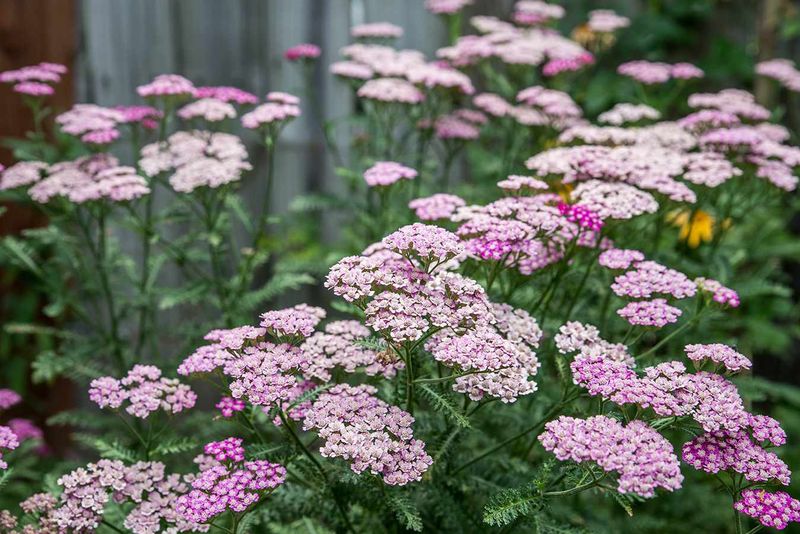
Yarrow has a reputation for being tough, and once it is established, it handles dry conditions better than most perennials.
But that drought tolerance does not extend to newly divided plants, which need steady moisture to reestablish roots before heat settles in.
Dividing before the hot, dry stretches of late summer gives new sections a real advantage.
Crowded yarrow clumps can become floppy, invasive, and less floriferous over time. Splitting them every few years keeps the plants more upright, more vigorous, and better contained in the bed.
Choose a cool morning or an overcast day to do the work, and have your new planting holes ready before you dig.
Divide the clump into sections that each have a healthy root system and several stems. Yarrow roots are not especially deep, so a garden fork usually works better than a spade for lifting without cutting through too many roots.
Replant divisions in well-drained soil, since yarrow in heavy, wet ground tends to flop and rot at the crown.
Once replanted, water well for the first week or two until you see new growth appearing. After that, yarrow generally handles dry spells on its own.
Avoid overwatering established divisions, as waterlogged soil is more of a problem for this plant than drought once roots settle in.
7. Siberian Iris Needs A Careful Lift After Blooming
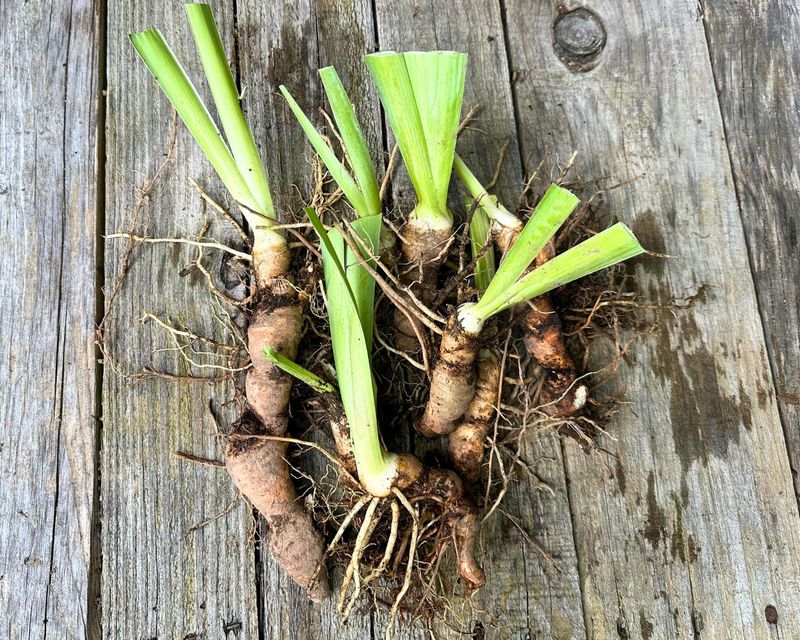
Siberian iris is one of the most elegant perennials you can grow in this state, but it forms an extremely dense root mass over time.
Clumps that have not been divided in five or more years can become so tight that bloom quality drops noticeably and the center starts to look exhausted.
The right time to divide is right after the flowers finish.
Wait until blooming is completely done before you lift the clump. Digging while flowers are still open adds unnecessary stress.
Once bloom is finished, use a sharp spade to cut around the outer edge of the clump, then work a garden fork underneath to pry it free. The roots will be dense and may require two forks or a saw to separate.
Keep each division moist from the moment it comes out of the ground. Siberian iris roots dry out faster than they look like they would.
Trim the foliage back to about six to eight inches to reduce water loss while the roots reestablish. Replant at the original depth and water deeply.
Do not confuse Siberian iris timing with bearded iris, which is typically divided in mid-to-late summer after its foliage matures.
Siberian iris prefers consistent moisture, especially during the first few weeks after division, so plan to water regularly if rain does not cooperate.
8. Peonies Should Wait Until Fall For Any Division
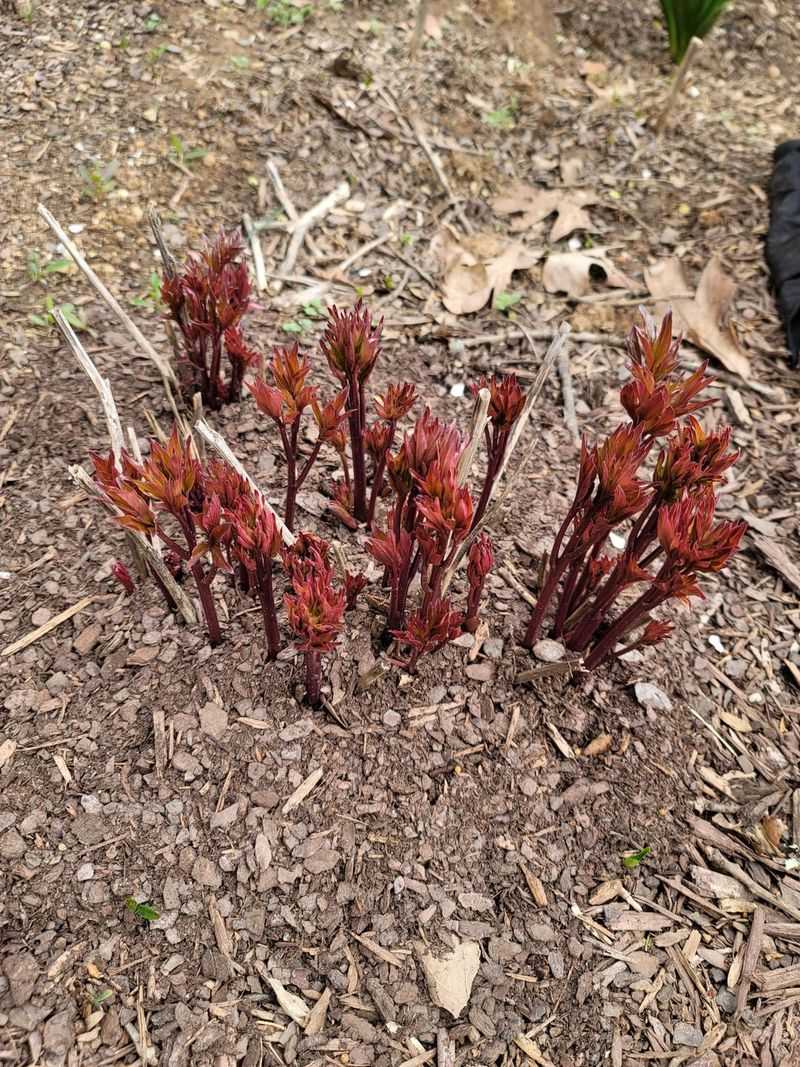
Peonies are one of the most beloved perennials in Buckeye State gardens, and they are also one of the most commonly mishandled when gardeners get the urge to rearrange beds in late spring.
Moving or dividing a peony before June ends is not a good idea, and the plant will usually make that clear by sulking for a season or two afterward.
Late spring and early summer division can disrupt the growth cycle and significantly reduce future blooming. Peonies need time to build energy reserves through their foliage after flowering.
Cutting into the root system before that process is complete sets the plant back considerably. Ohio State University Extension recommends fall as the best time to divide or move peonies, typically from late September into October.
Peonies also do not need to be divided often. A healthy, well-sited peony can go a decade or longer without any division at all.
The size of the clump alone is not a reason to split it. Divide only when bloom quality has truly declined or the plant needs to be relocated.
When fall arrives, replant the divided sections with the eyes no more than one to two inches below the soil surface. Planting too deep is the most common reason peonies fail to bloom.
Choose a sunny, well-drained location and leave them alone to settle in.
9. Baptisia Resents Being Moved Once Roots Settle In
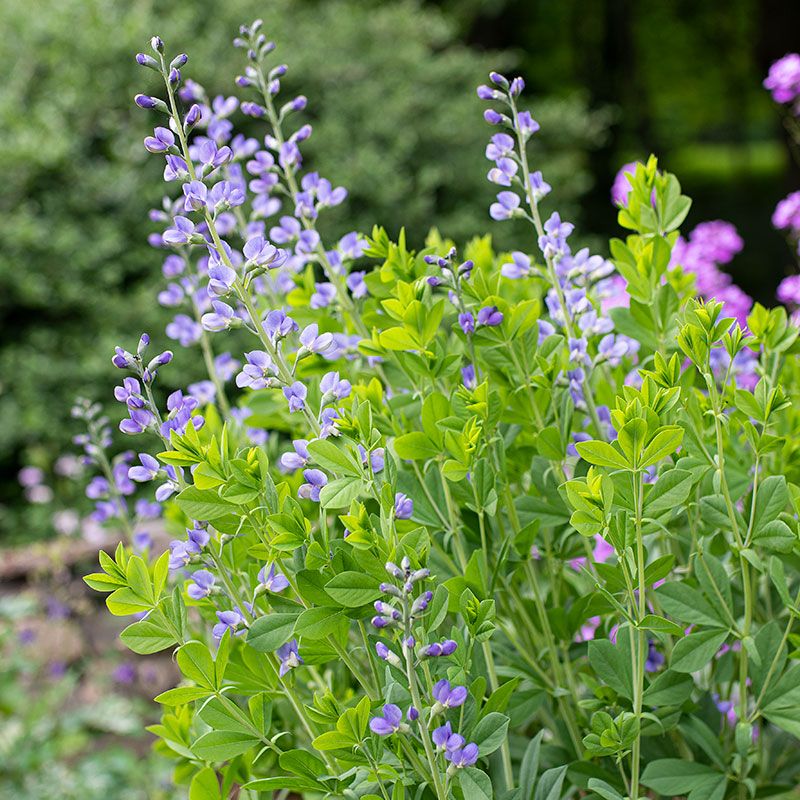
Baptisia, also called false blue indigo, is one of those plants that rewards patience and punishes impatience. Once it gets established in a spot it likes, it sends roots deep into the soil and builds a structure that can last for decades.
Trying to dig it up and divide it is one of the fastest ways to lose a plant that took years to reach its full potential.
Unlike many clumping perennials that benefit from regular splitting, baptisia does not need division to stay healthy or bloom well. Its deep taproot makes clean division nearly impossible without causing serious root damage.
Ohio State University Extension and other university sources consistently recommend leaving established baptisia undisturbed.
If you want more baptisia plants, seeds are a more reliable option than trying to split a mature clump. Nursery-grown seedlings transplant more successfully than divisions from established plants.
Starting fresh with a young plant and placing it exactly where you want it long-term is the smarter approach.
Before planting baptisia, think carefully about location. It needs full sun and well-drained soil, and it takes several years to reach its mature size and peak bloom.
Give it room from the start, mark its location so you do not accidentally disturb it during winter cleanup, and then simply let it grow.
10. Butterfly Weed Should Stay Put Instead Of Being Split
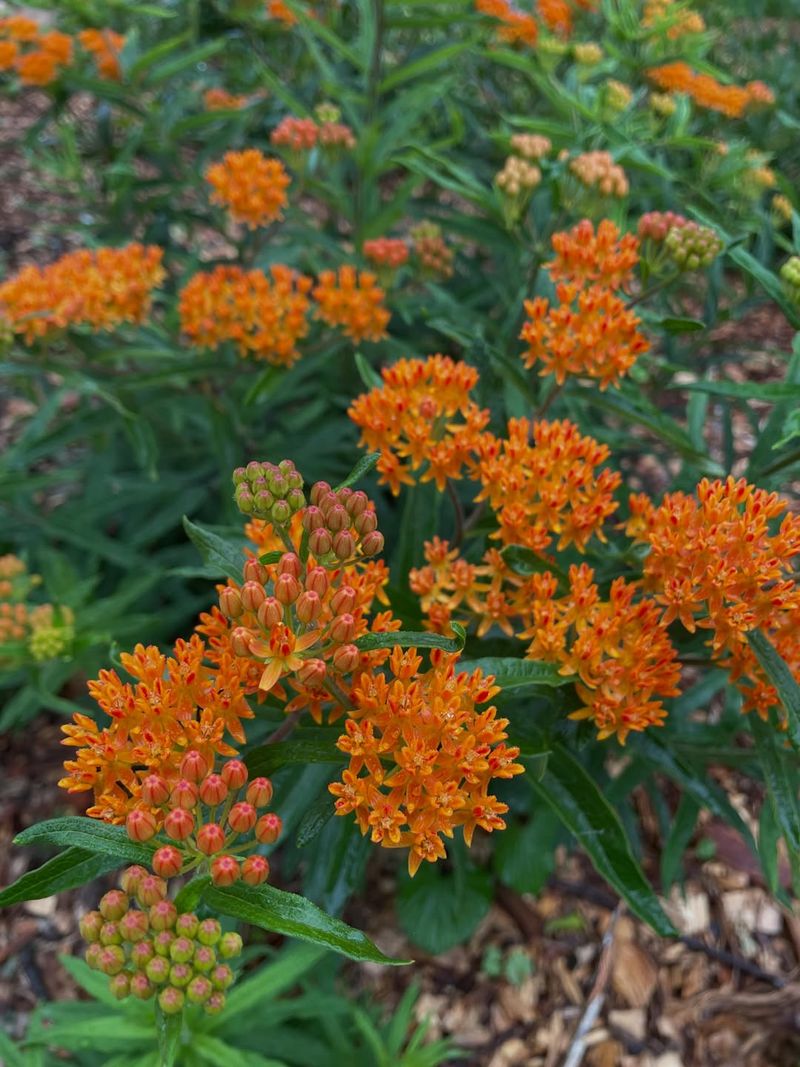
Butterfly weed is one of the most valuable native plants you can grow for pollinators, and monarchs in particular depend on it during their migration. But its deep taproot makes it one of the worst candidates for division or transplanting once it has settled in.
Trying to split a mature plant almost always ends with root damage and a plant that struggles to recover.
This plant belongs to the milkweed family, and like many native milkweeds, it goes dormant late in spring and does not show much above ground until the soil warms up.
That late emergence leads some gardeners to accidentally dig into it while working around the bed.
Marking its location with a stake or label at the end of each season prevents that mistake.
If you want more butterfly weed, look for nursery-grown seedlings or start plants from seed. Seeds need cold stratification, but the process is straightforward and well worth the effort.
Young container-grown plants transplant much more successfully than divisions from established clumps.
Give butterfly weed full sun and well-drained soil from the start. It tolerates dry, rocky, or sandy conditions better than rich, moist soil, which can actually cause it to flop or rot at the crown.
Once it is in the right spot and growing well, the best thing you can do is leave it alone and let it work for the pollinators that depend on it.