8 Hardy Shrubs That Can Handle Eastern Oregon’s Hot, Dry Summers
Eastern Oregon summers have a reputation, and they earn it almost every year. Triple-digit heat. Long dry stretches. Rocky, alkaline soil that can make even tough plants think twice.
Out here, generic landscaping advice often falls flat. Gardeners usually learn that after a few costly plant choices that looked great at the nursery and struggled hard by July.
However, if you have the right shrub, it can feel almost surprising. It settles in. It asks for less. It keeps its shape, color, and purpose through the hottest part of the year without needing a sprinkler on repeat.
Those shrubs exist, and Eastern Oregon gardeners have more options than they may realize. Some come straight from high-desert landscapes and seem built for the challenge. Others come from equally tough climates and adapt beautifully to dry, exposed yards.
They all share one important trait. They do not need your garden to become easier. They are already made for this kind of hard summer.
1. Cinquefoil
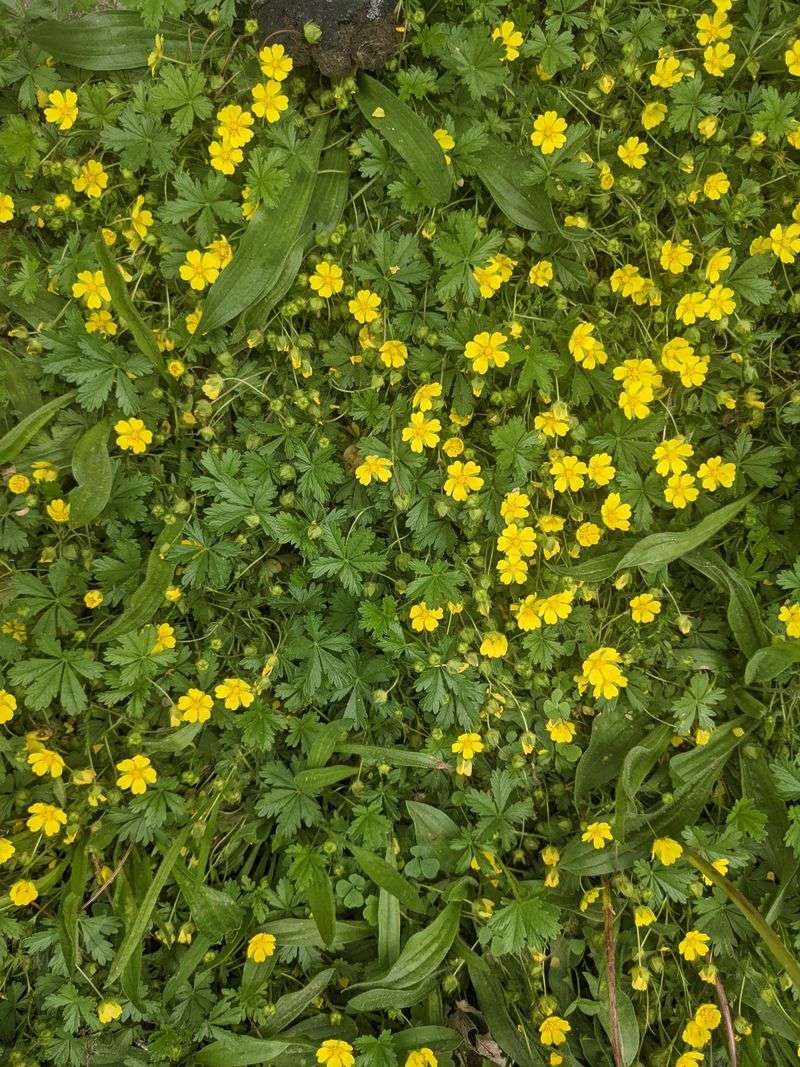
Some shrubs bloom, bow, and leave the stage early. Cinquefoil prefers an encore. This compact shrub, also called potentilla, can bring cheerful flowers from late spring into fall. That long bloom window makes it a bright little workhorse for Eastern Oregon gardens.
When summer heat starts pressing down, many plants slow their show. Cinquefoil often keeps things moving with steady color and a tidy shape.
It usually grows in a rounded mound, often reaching two to four feet tall and wide. That size makes it easy to place without worrying that it will swallow the bed.
Use it along walkways, near fences, in foundation plantings, or tucked into mixed borders. It can add softness without becoming a space hog.
Flower colors vary by variety. Yellow types are especially common and often handle heat with confidence. You may also find white, pink, or orange options if you want something a little different.
The blooms can attract bees and other pollinators, which gives the plant more than just curb appeal. It brings a little buzz to the border.
During the first growing season, water deeply and regularly enough to help roots settle. Once established, cinquefoil may need only occasional summer watering, depending on your soil and exposure.
Well-drained soil is important. It does not usually appreciate soggy conditions, especially in cooler seasons.
Pruning is simple, too. A light cutback in early spring can help keep the plant full and fresh. You are not sculpting a statue. You are just giving it a neat seasonal reset.
If your yard has a hot, open spot that needs color, give cinquefoil a look. It is small, sunny, and surprisingly steady. Call it potentilla with potential. This little shrub may punch above its petal weight.
2. Flowering Currant
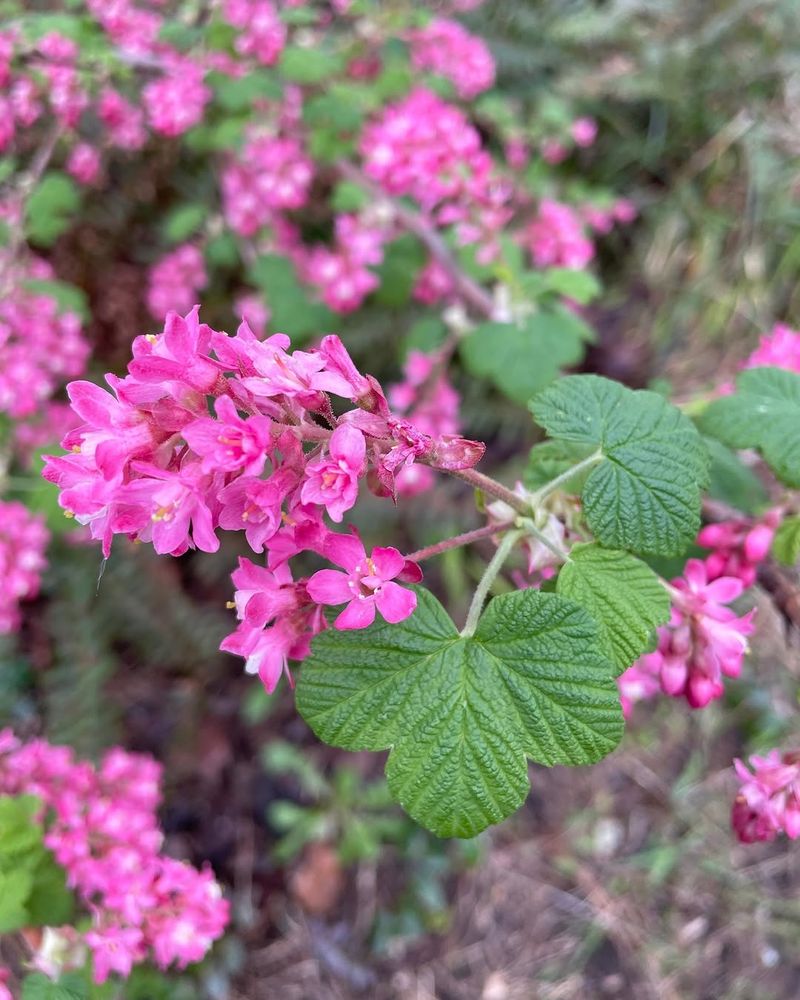
After a long Eastern Oregon winter, spring color feels like a reward. Flowering currant knows how to deliver it.
This shrub can burst into clusters of pink, red, or rosy flowers while many plants are still easing into the season. That early bloom makes it feel like the garden just opened the curtains. If your yard needs a spring wake-up call, this shrub may answer with flair.
Your Oregon Garden Changes Every Week. Your Plan Should Too.
Gardening in Oregon changes quickly throughout the season. Every Friday you’ll receive a simple weekly plan showing exactly what to plant, prune, fertilize, harvest, and protect so you never miss the right timing.
Flowering currant can grow into a medium to large shrub, often reaching six feet or more in good conditions. In hotter, drier, or more exposed spots, it may stay more compact.
That flexibility makes it useful in several roles. Use it as a backdrop plant, a loose hedge, or a focal point near a path or patio.
The flowers are not just pretty. They can draw hummingbirds, which adds motion and surprise to the garden. Later, the berries may attract birds, giving the shrub a second wildlife moment.
For best results, plant it in fall or early spring if you can. That timing gives roots a cooler, moister window to settle before summer turns serious.
During the first summer, deep watering every week or two may help the plant establish. After that, it can often handle drier conditions with less attention.
Morning sun with afternoon shade can be a helpful setup in hot areas. Full sun may work in cooler microclimates, but harsh afternoon exposure can be tough in some yards.
Well-drained soil matters. Flowering currant usually does not want roots sitting in wet, heavy soil through winter.
After blooming, you can prune lightly to shape it. Remove a few older stems near the base if the shrub starts looking crowded. That can encourage fresh growth for future flowers. This shrub brings color early, asks for modest care, and gives wildlife a reason to visit.
3. Manzanita
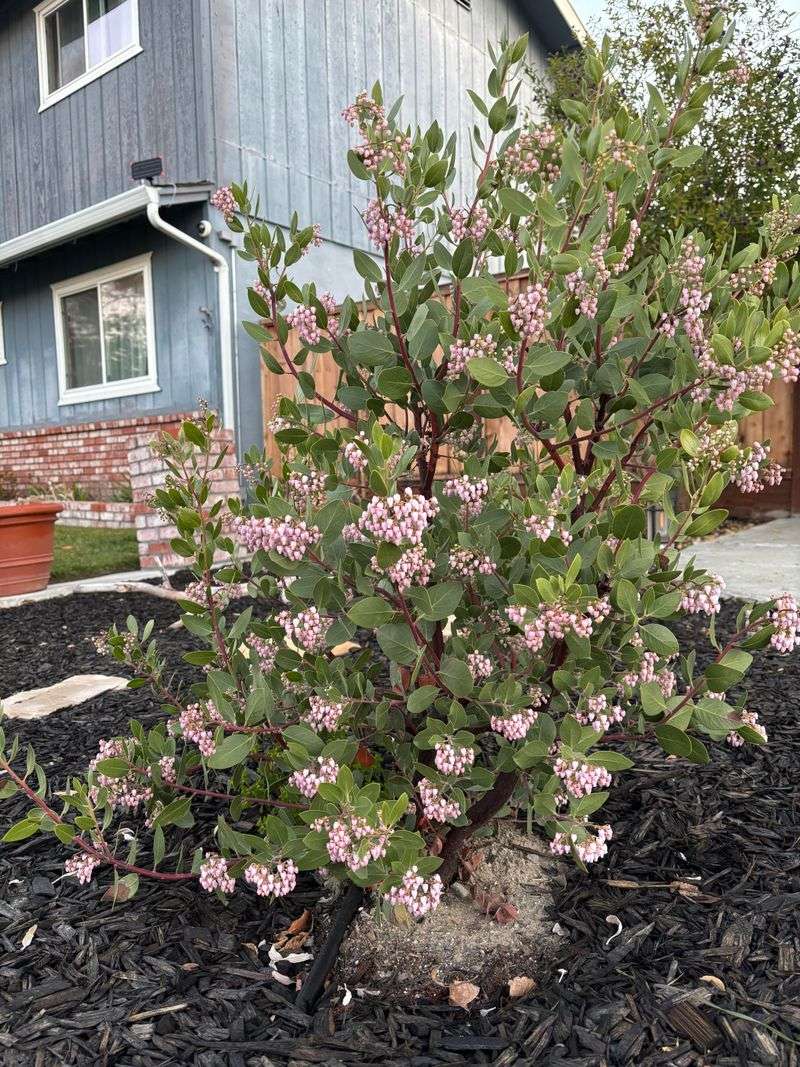
Manzanita does not look like an ordinary shrub. It looks carved. The twisting reddish bark, small evergreen leaves, and sculptural shape give it year-round presence. Even when nothing is blooming, manzanita can make a dry bed feel intentional.
That is a big deal in Eastern Oregon, where summer landscapes can look spare without the right structure.
Different manzanita types offer different sizes. Some stay low and spreading, which can work well on slopes or in rock gardens. Others grow upright and can anchor a planting with real character.
Choose a variety suited to your local winter conditions. Some types handle colder areas better than others, so local nursery advice can be useful.
Manzanita likes lean, well-drained soil. Rocky or gravelly spots can suit it nicely. Heavy, wet soil is usually a poor match.
Once established, this is not a shrub that wants frequent summer irrigation. Too much water during warm weather can create root problems. Think dry confidence, not sprinkler dependence.
The first season is different. Young plants still need help settling in. Water deeply but not constantly, allowing the soil to drain between waterings.
Full sun usually gives manzanita its best shape. In too much shade, it may stretch or lose some of its compact beauty.
The flowers are another bonus. Small urn-shaped blooms often appear in late winter or early spring. They can feed early pollinators when few other shrubs are offering much.
Berries may follow and provide food for birds and wildlife.
Pruning should be light. You can remove a few lower branches as the plant matures to show off that beautiful bark. Avoid heavy cutting, since manzanita often looks best when allowed to keep its natural form.
Call it manzanita magic. This shrub brings dry-garden drama without demanding a spotlight or a hose marathon.
4. Ceanothus
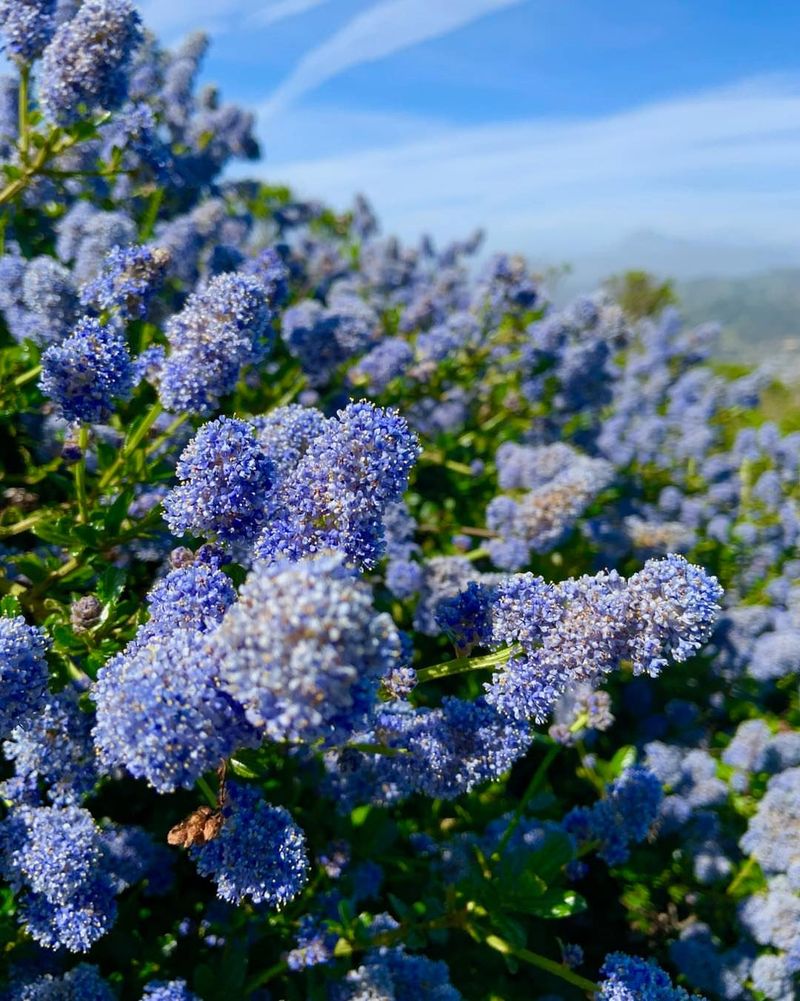
Blue flowers have a way of stopping gardeners mid-step. Ceanothus brings that rare color in a big way.
Sometimes called California lilac, this western shrub can produce clouds of blue, violet, or white flowers in spring. When it blooms, it can turn a dry planting into a pollinator party.
If you have ever wished your low-water garden had more color, ceanothus might be worth a closer look.
The flowers often have a light, sweet fragrance. Bees tend to notice quickly. Beneficial insects may also use the dense foliage for shelter. That means ceanothus can add beauty while supporting a livelier garden ecosystem.
Size depends heavily on the variety. Some low types stay under two feet and spread nicely across slopes or edges. Larger upright forms can grow several feet tall and work as screens or bold background shrubs.
In Eastern Oregon, variety choice matters. Some ceanothus types are more cold-sensitive than others. Look for selections known to handle your area’s winter lows.
Drainage is one of the biggest keys. Ceanothus usually prefers sandy, rocky, or loamy soil that drains freely. Clay-heavy or soggy sites can cause trouble.
Once roots settle in, this shrub often prefers minimal summer water. Overwatering can be more harmful than letting it stay on the dry side.
Plant it in full sun for the strongest bloom and best form. Avoid rich, heavy feeding. Too much nitrogen may push leaves at the expense of flowers.
After bloom, a light trim can tidy the shape. Do not shear it into a stiff ball. A natural outline usually suits it better.
Think of ceanothus as the blue note in your dry-garden song. It brings color, fragrance, and pollinator buzz with a waterwise rhythm. That is some serious bloom with a view.
5. Globe Blue Spruce
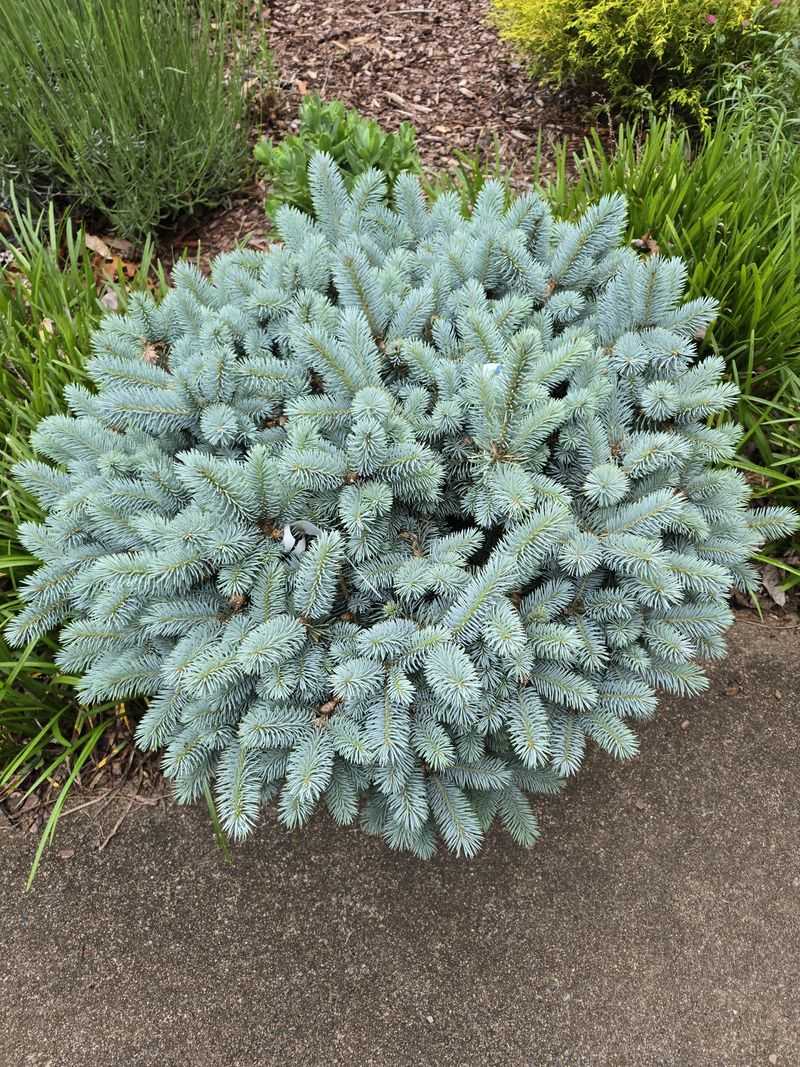
Not every shrub needs flowers to earn applause. Globe blue spruce brings shape, color, and year-round structure. Its silver-blue needles stand out beautifully against rock mulch, dry soil, grasses, and warm-toned hardscaping. It looks polished without needing constant grooming.
This dwarf conifer grows slowly and usually keeps a rounded form. Many plants reach only a few feet tall and wide after several years. That makes it useful in small front beds, dry borders, foundation plantings, and entryway designs.
If you want something neat but not fussy, this one has strong potential. Eastern Oregon sun is often a good match. Full sun helps the plant keep its dense shape and strong color. In too much shade, it may grow looser and less compact.
Well-drained soil is important. Globe blue spruce usually does not enjoy standing water around its roots, especially in winter. Avoid low pockets where water collects after storms or snowmelt.
During the first year, water deeply enough to help roots settle. Once established, it can handle dry spells better than many ornamental shrubs. A deep watering during long, extreme heat may still help it look its best.
This plant pairs well with other dry-garden favorites. Try it near lavender, ornamental grasses, rabbitbrush, or low-growing groundcovers. Its cool blue color can balance all those warm desert tones.
Pruning needs are minimal. You may only need to remove the occasional awkward shoot or damaged twig. Let the natural globe shape do most of the design work.
Think of globe blue spruce as the garden’s blue-tiful anchor. It brings structure when flowers fade and texture when beds need definition.
It is steady, compact, and quietly dramatic. Sometimes the best plant in the bed is the one that never needs to shout.
6. Kinnikinnick
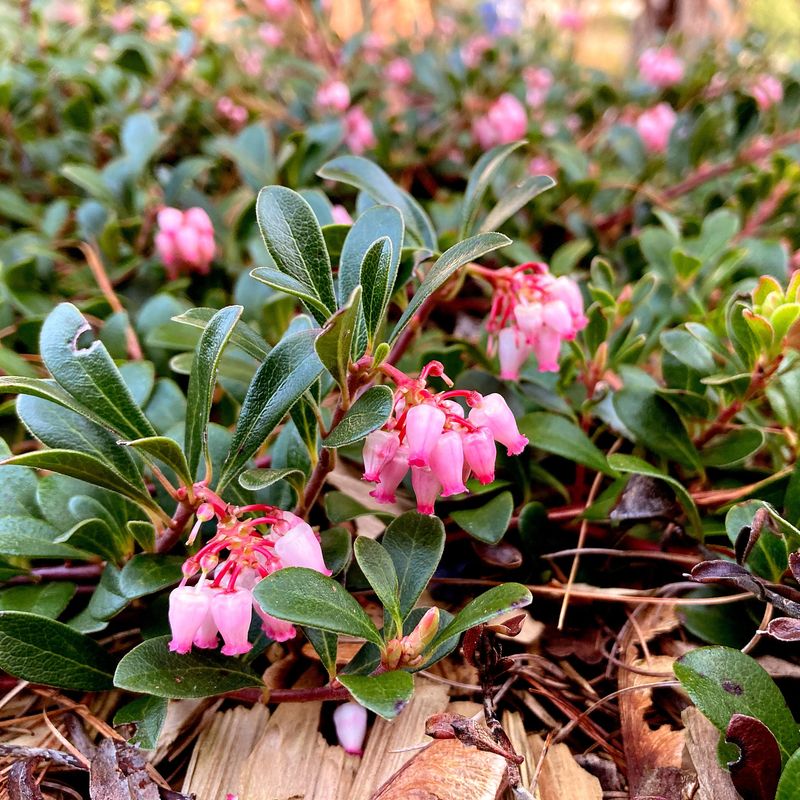
Some garden spots seem designed to test your patience. Rocky slopes. Dry edges. Bare patches that refuse to look finished. Places where taller shrubs feel awkward and turf makes no sense.
Kinnikinnick can help turn those awkward areas into something calmer and greener. This low native shrub, also known as bearberry, stays close to the ground. It usually grows only a few inches tall, but it can spread several feet over time.
That spreading habit makes it useful as a living carpet for dry landscapes. It can cover slopes, soften edges, and help reduce erosion in the right conditions.
The leaves are small, glossy, and evergreen. That means the plant brings texture even when much of the landscape looks quiet.
In spring, small pink or white flowers may appear. Later, red berries can add color and provide food for birds and wildlife.
Kinnikinnick does best in well-drained soil. Sandy, gravelly, or slightly rocky ground can suit it well. Heavy, wet clay is usually not ideal.
Full sun to partial sun can work, depending on your site. In hotter spots, a little afternoon protection may help young plants settle in.
Water during the first season to help roots establish. After that, kinnikinnick may need very little extra water. It is not a plant that wants rich soil and constant attention.
Space plants with their future spread in mind. They may look small at first, but give them room to creep outward.
Mulch lightly between young plants while they fill in. Avoid burying the crowns or piling material too deeply.
Think of kinnikinnick as the garden’s ground-level grin. It stays low, spreads slowly, and handles dry sites with quiet charm. That is a berry good option for difficult edges.
7. Rabbitbrush
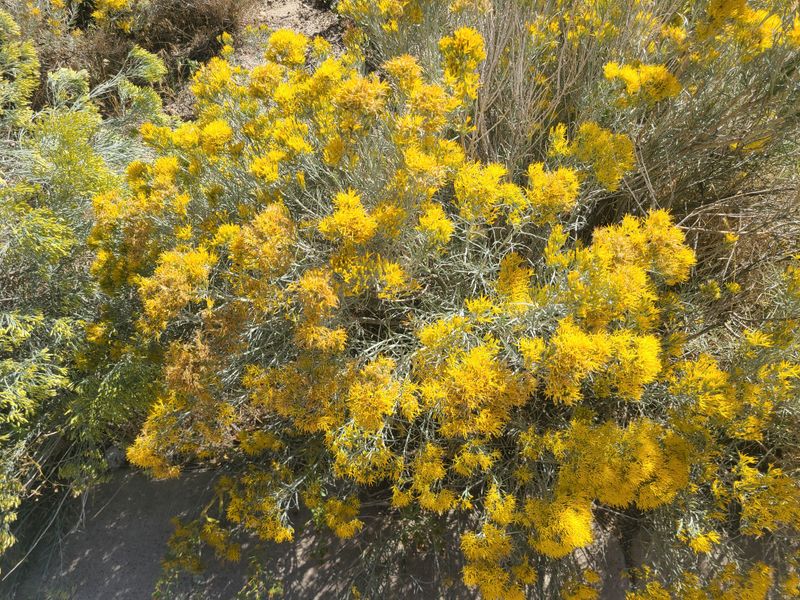
By late summer, many shrubs have finished their big show. Rabbitbrush is just getting warmed up. This native high-desert shrub brings clusters of golden yellow flowers in late summer and early fall.
That timing is a gift in Eastern Oregon, where the landscape can look dry and tired by August. Rabbitbrush adds color right when the garden needs a second wind.
You may have seen it along roadsides, open rangeland, or dry slopes. That tells you something important. This plant is comfortable where conditions are hot, sunny, and lean.
It can handle sandy, alkaline, rocky, or dry soils once established. That makes it useful for tough yard spots near gravel drives, south-facing slopes, or exposed open beds.
The foliage is often silvery green, which helps it blend beautifully with other high-desert plants. When brushed, it may release a resinous scent. Some gardeners love that wild, native-garden character.
Rabbitbrush usually grows into an airy rounded shrub, often several feet tall. It can bring movement and texture without feeling heavy.
The flowers are valuable for late-season pollinators. Bees and butterflies may visit when other nectar sources are slowing down. That gives the plant a practical role beyond its bright color.
Water new plants during the first season. Once established, ease back. Rabbitbrush usually performs best when it is not pampered with frequent irrigation. Full sun is the right place for it. Shade can make it less sturdy and less floriferous.
Prune lightly in early spring if you want a tidier shape. Avoid cutting too harshly into old woody growth. A gentle shaping is usually enough.
Think of rabbitbrush as the golden hour shrub. When summer starts looking worn, it lights up the scene. That is some hare-raising late-season color, in the best way.
8. Serviceberry
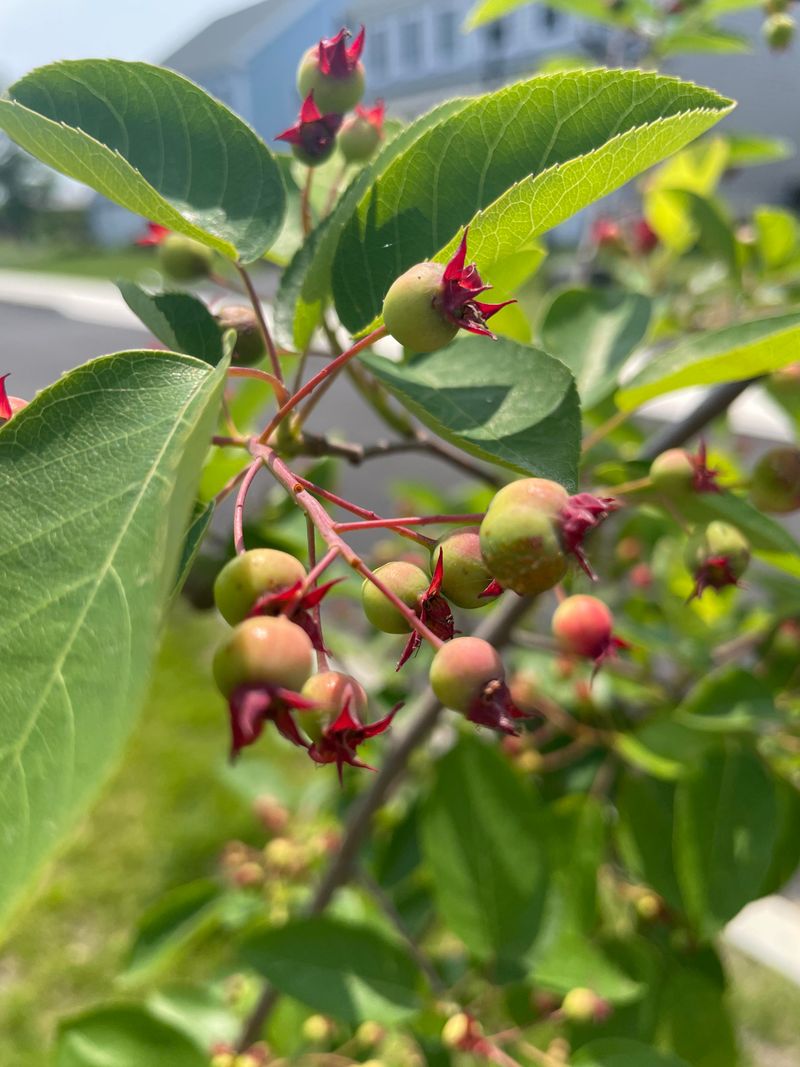
Serviceberry is the kind of shrub that rewards a patient gardener. At first, it may need extra care. Watering matters during the first season while roots explore the soil.
But once it settles, serviceberry can become a graceful, multi-season performer in Eastern Oregon gardens.
It starts early with white spring flowers. Those blooms can appear before much else is fully awake, giving the garden a soft, hopeful look.
Then come the berries. They ripen in early summer and can be sweet and edible. Birds usually notice them quickly, so you may need to move fast if you want a taste.
If wildlife value matters to you, serviceberry earns its place easily. Birds appreciate the fruit, and pollinators may visit the spring flowers.
Fall brings another show. The leaves can shift into shades of orange, red, and gold. That warm color helps carry the garden into the cooler season.
Even after the leaves drop, the branch structure can add winter interest. Few shrubs offer this many seasonal moments with moderate water needs once established.
Serviceberry can handle a range of soils if drainage is decent. Rocky or sandy sites may work, especially when the plant receives good care early on. Avoid spots where water sits for long periods.
Full sun can bring better flowers and fruit. Partial shade may also work, especially in hotter or more exposed yards.
Size varies by type. Some stay shrub-like around six feet. Others can become small multi-stemmed trees. Choose carefully so the mature plant fits your space. Plant it where you can enjoy the whole show. Near a window, path, or patio is ideal.
Think of serviceberry as a service with benefits. Flowers, fruit, fall color, and wildlife value all arrive from one thoughtful planting. Give it a strong start, and it may serve your garden beautifully for years.