9 Easy Oregon Perennials That Come Back Year After Year
There is something deeply satisfying about planting a perennial once and watching it return year after year like it never forgot where it belongs. In Oregon, that kind of reliability feels even better.
Rainy springs, dry summer stretches, and the occasional winter surprise can make gardeners appreciate any plant that comes back strong without turning into a constant project.
That is why easy perennials have such lasting appeal. They bring color, texture, and familiar beauty without asking for endless fuss in return.
Once they settle in, many of them start feeling like the steadiest part of the whole garden, showing up each season right on cue and making everything else look more put together.
And honestly, that kind of dependability never gets old. A garden filled with hardworking perennials feels calmer, fuller, and easier to enjoy.
The best ones do not just survive Oregon’s rhythm. They settle into it beautifully and keep giving the yard that lived-in, generous look every growing season needs.
1. Black-Eyed Susan
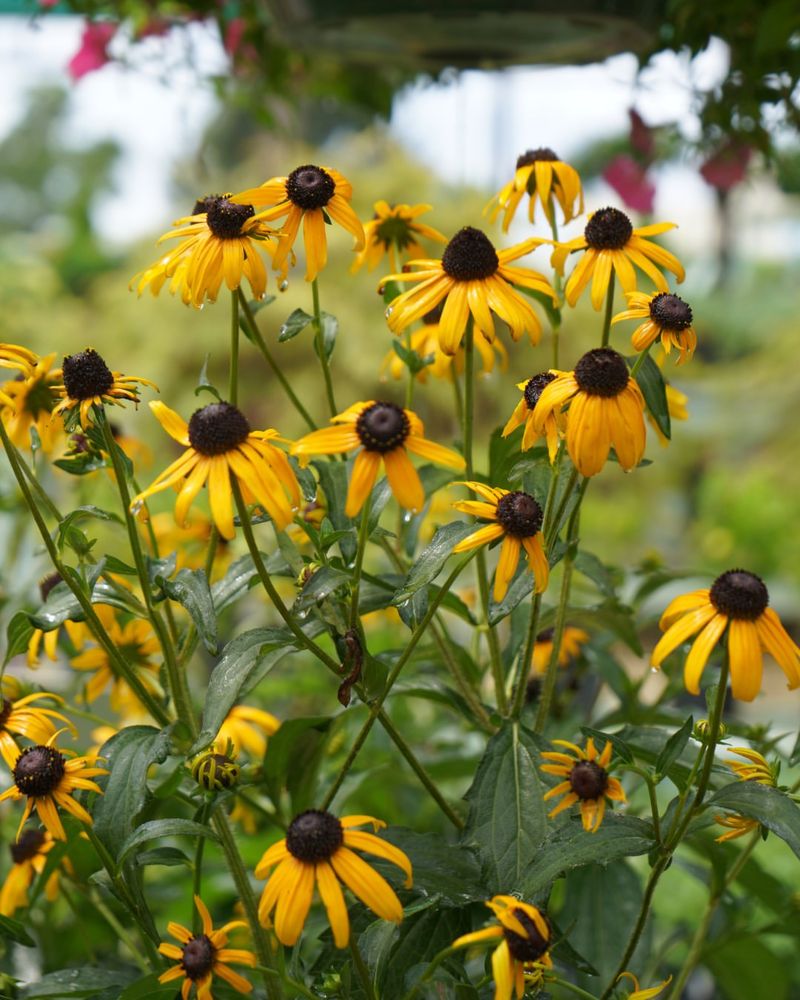
Few flowers light up a garden quite like Black-Eyed Susan. Those bold yellow petals surrounding a deep brown center are hard to miss, and pollinators like bees and butterflies absolutely love them.
If you want a plant that works hard with very little fuss, this is it.
Black-Eyed Susans thrive in full sun and prefer well-drained soil. They handle Oregon’s dry summers surprisingly well thanks to their drought-tolerant nature.
Plant them in a sunny border or a wildflower-style garden and watch them spread naturally over time.
One fun fact: these cheerful flowers are actually native to North America, so they are well adapted to a wide range of climates, including Oregon’s varied regions. They bloom from midsummer into fall, giving your garden long-lasting color.
Deadheading spent blooms encourages even more flowers. In winter, leave the seed heads in place because birds will feed on them through the cold months.
Come spring, new growth returns reliably. They are one of the easiest perennials any Oregon gardener can add to their yard.
2. Blanket Flower
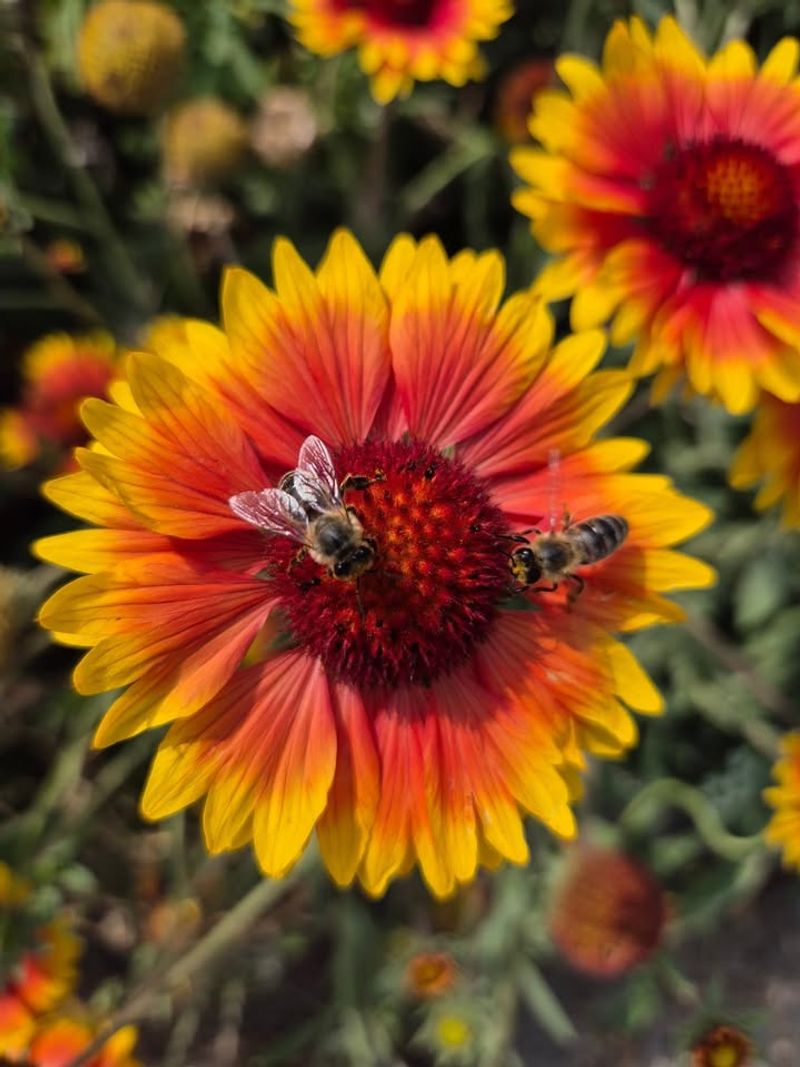
Named after colorful Native American blankets, Blanket Flower brings fiery reds, oranges, and yellows to any garden space. The petals often look like tiny sunsets, which makes them one of the most eye-catching perennials you can grow.
Oregon gardeners love them because they are tough, cheerful, and incredibly low-maintenance.
Blanket Flowers prefer full sun and well-drained soil. They actually do better in poor or sandy soil than in rich, heavy ground.
This makes them a smart pick for drier parts of Oregon, including areas east of the Cascades where summer heat can be intense.
These flowers bloom from early summer all the way through fall, which is a seriously long season of color. Deadhead regularly to keep new blooms coming.
Once established, they need very little water, making them budget-friendly and eco-conscious for Oregon gardeners trying to conserve resources. They also attract hummingbirds and butterflies, adding extra life to your outdoor space.
Divide clumps every few years to keep plants healthy and vigorous. Blanket Flower is a real workhorse in the perennial garden and rewards even beginner gardeners with stunning results season after season.
Your Oregon Garden Changes Every Week. Your Plan Should Too.
Gardening in Oregon changes quickly throughout the season. Every Friday you’ll receive a simple weekly plan showing exactly what to plant, prune, fertilize, harvest, and protect so you never miss the right timing.
3. Coreopsis
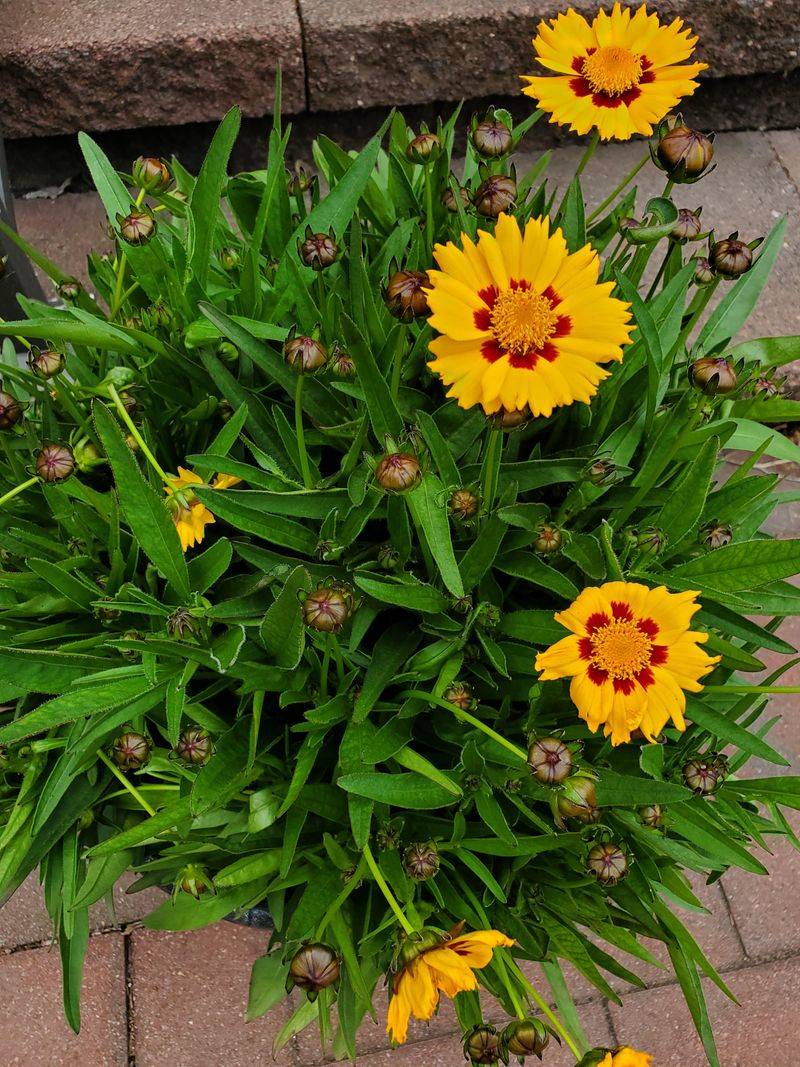
Sometimes called Tickseed, Coreopsis is one of those plants that just makes people smile. Its cheerful golden-yellow flowers pop against fine, feathery green foliage, creating a light and airy look in any garden bed.
Best of all, it blooms for months on end with almost no effort from you.
Coreopsis loves full sun and well-drained soil. It handles Oregon’s summer dry spells really well once it gets established.
You can plant it along borders, in containers, or mixed into a wildflower meadow for a natural, relaxed look that suits Oregon’s outdoor lifestyle perfectly.
There are many varieties available, from classic bright yellow to soft pink and even bicolored types. Most grow between one and three feet tall, making them easy to fit into almost any garden space.
Regular deadheading keeps the blooms coming strong all season long. In fall, cutting plants back lightly helps them return even more vigorously the following spring.
Coreopsis is also a magnet for butterflies, which adds wonderful movement and life to your yard. For Oregon gardeners looking for a dependable, long-blooming perennial that practically takes care of itself, Coreopsis is an outstanding choice worth planting today.
4. Daylily
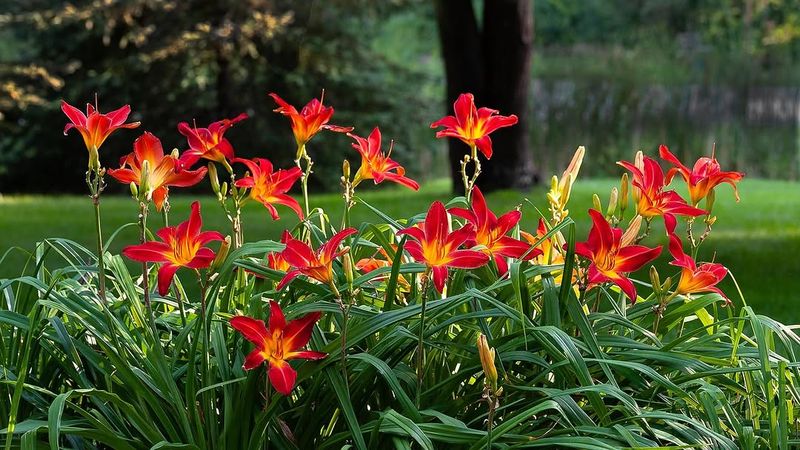
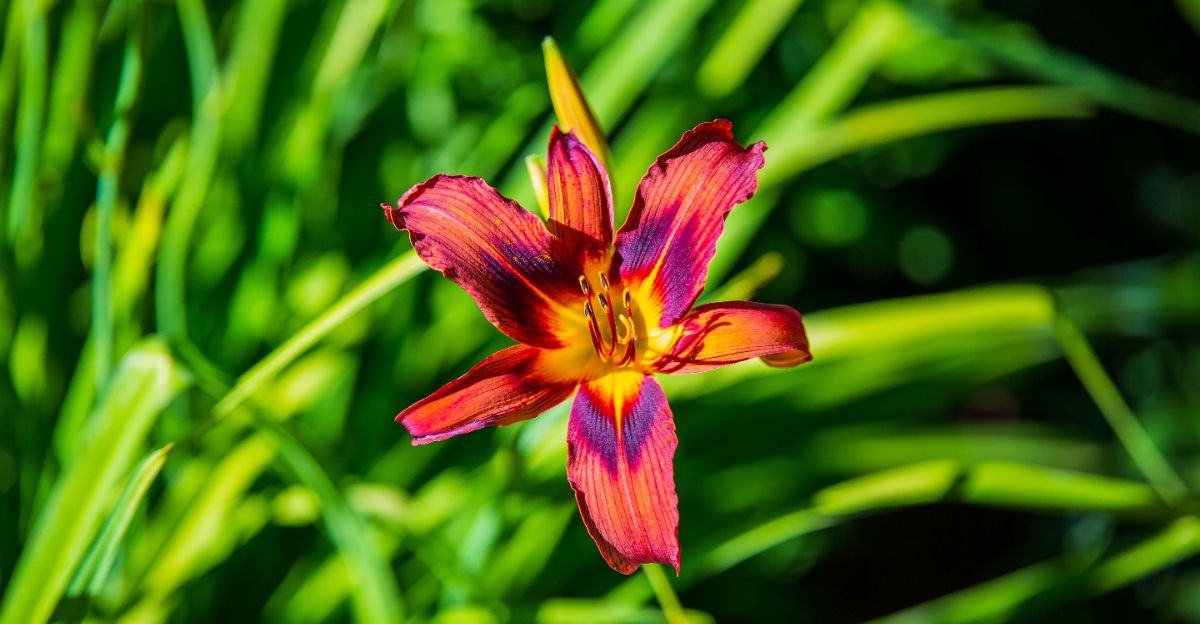
Walk through almost any established Oregon neighborhood garden and you are likely to spot a Daylily. These tough, adaptable plants have been a backyard favorite for generations, and for good reason.
Each flower lasts just one day, but plants produce so many buds that the show goes on for weeks.
Daylilies are incredibly flexible when it comes to growing conditions. They tolerate a wide range of soil types and can handle both full sun and partial shade.
This adaptability makes them a fantastic choice across Oregon’s many microclimates, from the wet Willamette Valley to the sunnier areas near Medford.
Hundreds of cultivars exist, offering colors from pale yellow and soft peach to deep red and rich purple. Reblooming varieties are especially popular because they flower more than once during the growing season.
Daylilies spread slowly over time, forming fuller clumps each year. Divide them every three to four years to keep them blooming at their best.
They need very little fertilizer and are resistant to most pests and diseases. For new gardeners in Oregon who want a reliable, beautiful perennial that practically plants itself and comes back faithfully every year, Daylilies are an absolute must-have addition.
5. Creeping Phlox
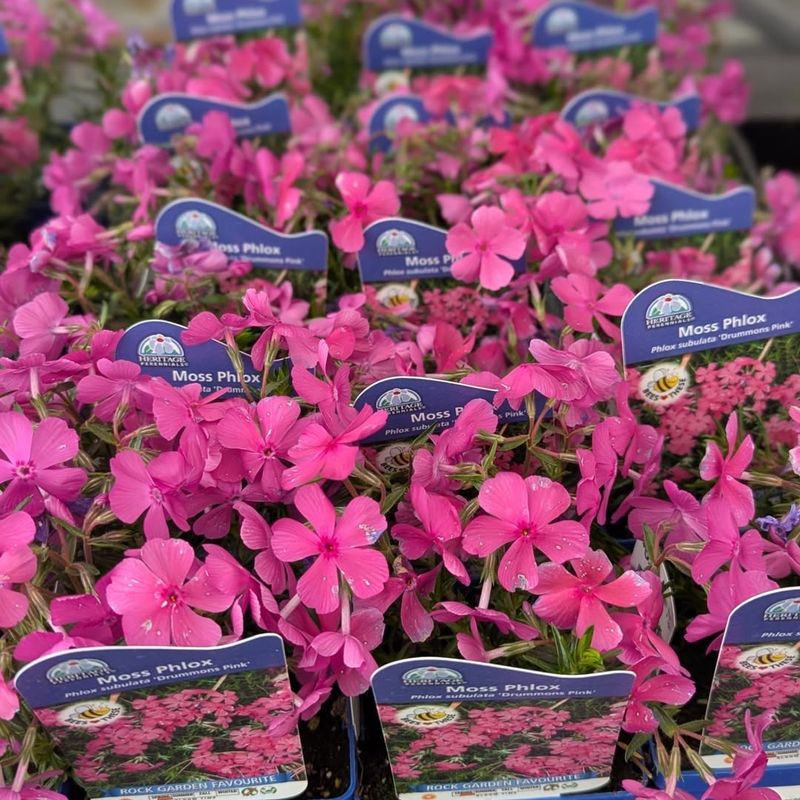
Every spring, Creeping Phlox puts on one of the most spectacular shows in the perennial world. It forms a low, dense mat of tiny flowers in shades of purple, pink, white, and lavender that practically covers the ground like a colorful quilt.
It is one of those plants that makes neighbors stop and ask questions.
Creeping Phlox is a natural fit for slopes, rock gardens, and garden edges throughout Oregon. It grows only four to six inches tall but spreads several feet wide over time.
The evergreen foliage stays attractive even when the plant is not in bloom, giving your garden year-round structure and texture.
Plant it in full sun to light shade with well-drained soil for best results. It handles Oregon’s rainy winters well as long as water does not pool around the roots.
After the spring bloom fades, give it a light trim to encourage denser, healthier growth the following year. Creeping Phlox is also quite drought-tolerant once established, which is helpful during Oregon’s dry summer months.
Pollinators flock to the flowers early in the season when other blooms are still scarce. It is a reliable, stunning, and easy-care perennial that earns its place in any Oregon garden.
6. Shasta Daisy
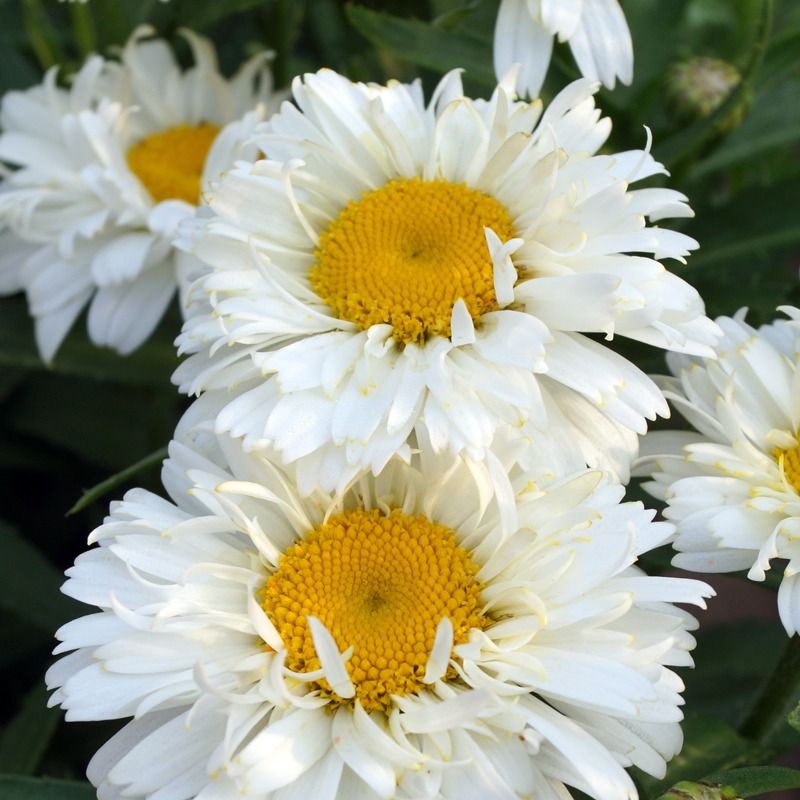
There is something timeless about a Shasta Daisy. Those crisp white petals surrounding a sunny yellow center have been brightening gardens for well over a century.
Shasta Daisies were actually developed by Oregon-born horticulturist Luther Burbank in the late 1800s, giving them a special connection to the Pacific Northwest.
These cheerful flowers bloom from early summer into fall, which is a long and satisfying season of color. They prefer full sun and well-drained soil, making them easy to grow in most Oregon garden beds.
They grow two to three feet tall, so they work beautifully at the back of a border or as a mid-height filler plant.
Shasta Daisies are excellent cut flowers, lasting well in a vase and brightening up any indoor space. Deadhead spent blooms regularly to extend the flowering season as long as possible.
Divide clumps every two to three years to keep plants from getting crowded and to encourage strong, healthy blooms. They are mostly pest-free and very cold-hardy, which means they come back reliably each spring across Oregon’s various growing zones.
For gardeners who want classic beauty without complicated care routines, Shasta Daisies are an enduring and rewarding perennial choice.
7. Yarrow
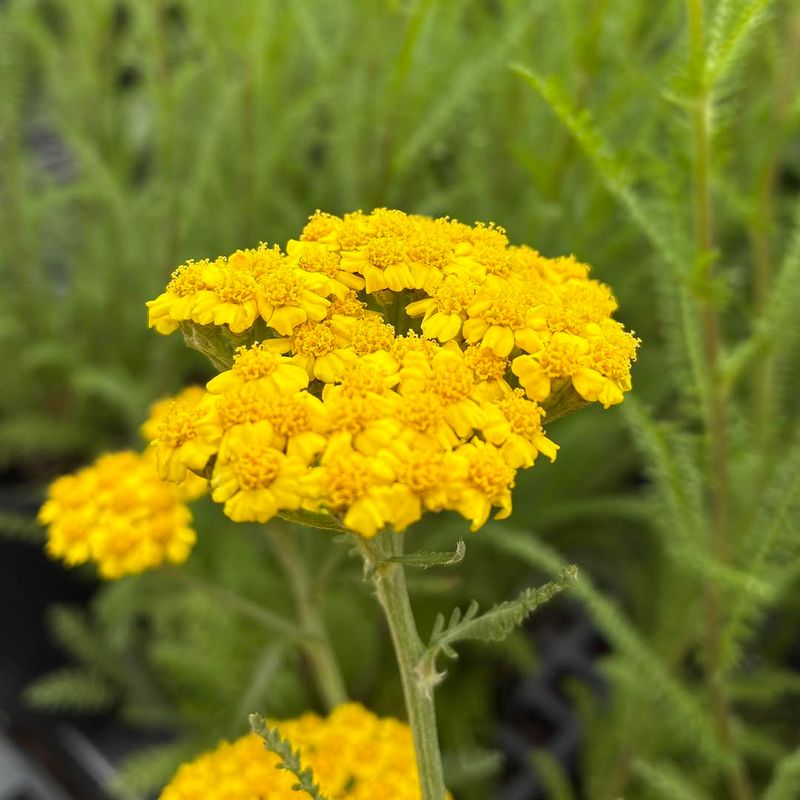
Yarrow has been growing wild in Oregon’s meadows and roadsides for centuries, which tells you everything you need to know about how tough it is. The flat-topped clusters of tiny flowers come in yellow, white, pink, and red, creating a soft, cottage-garden look that feels both natural and intentional at the same time.
One of Yarrow’s best qualities is its extreme drought tolerance. Once established, it needs almost no supplemental watering, making it an ideal choice for Oregon gardeners in drier regions like the high desert east of the Cascades.
It thrives in full sun and actually prefers poorer, well-drained soils over rich garden beds.
Yarrow spreads steadily over time, filling in gaps in a border beautifully. Divide it every few years to keep it tidy and prevent it from overtaking nearby plants.
The feathery, fern-like foliage smells pleasantly herbal when brushed, adding a sensory element to the garden. Bees, butterflies, and other beneficial insects visit the flowers frequently throughout summer.
Dried Yarrow flower heads also make lovely additions to floral arrangements and wreaths. For any Oregon gardener looking for a tough, adaptable, and visually appealing perennial that returns reliably each year, Yarrow is a smart and beautiful investment.
8. Douglas’ Aster
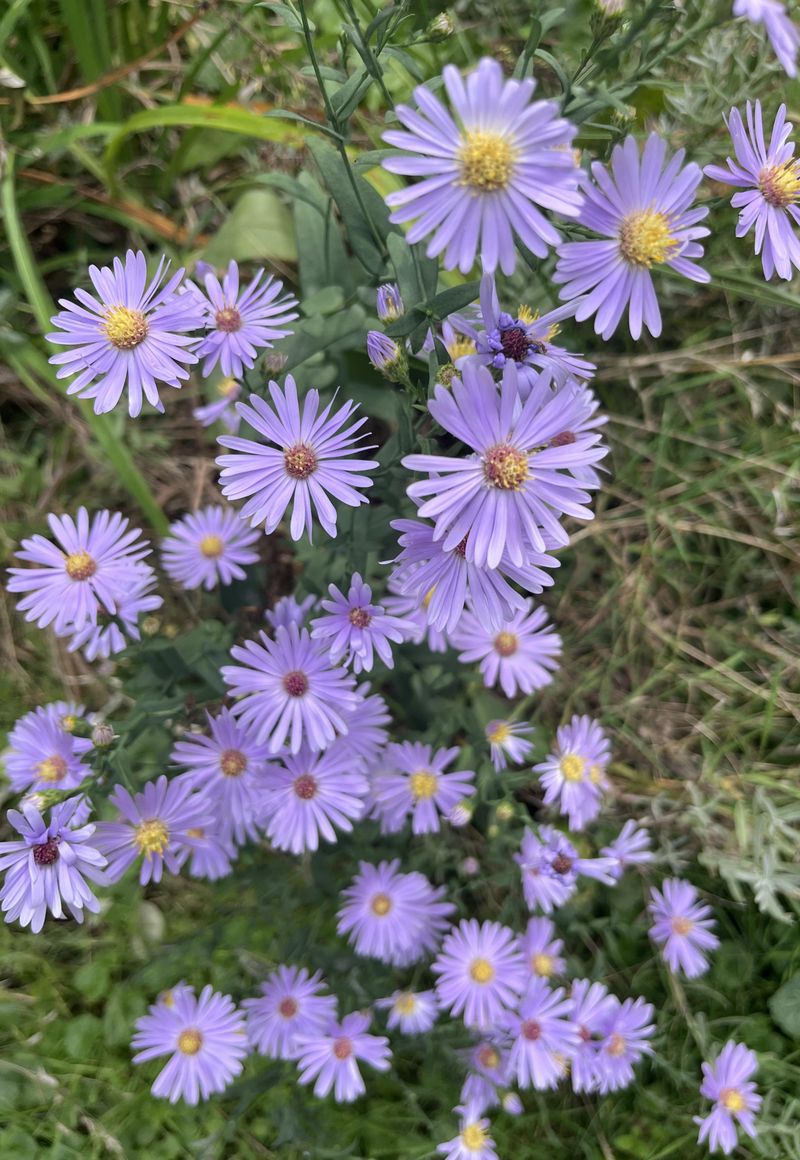
If you want to bring a little piece of Oregon’s wild landscape into your own backyard, Douglas’ Aster is the perfect plant to start with. This native perennial produces cheerful purple to lavender daisy-like flowers with bright yellow centers from late summer through fall, exactly when many other plants are winding down.
As a Pacific Northwest native, Douglas’ Aster is perfectly suited to Oregon’s climate. It grows naturally in coastal bluffs, meadows, and forest edges throughout the state.
In garden settings, it thrives in full sun to partial shade and adapts well to both moist and moderately dry soils.
Growing one to three feet tall, it works well in naturalistic plantings, rain gardens, and wildlife-friendly landscapes. Pollinators absolutely love it, especially monarch butterflies and native bees that depend on late-season flowers for fuel before winter.
Douglas’ Aster spreads gently by seed and rhizomes, slowly forming attractive colonies over time. It needs very little care once established, making it one of the lowest-maintenance perennials available to Oregon gardeners.
Supporting native plants like this one also helps local ecosystems thrive. Planting Douglas’ Aster is a beautiful and responsible way to celebrate Oregon’s natural heritage right in your own garden.
9. Oregon Sunshine
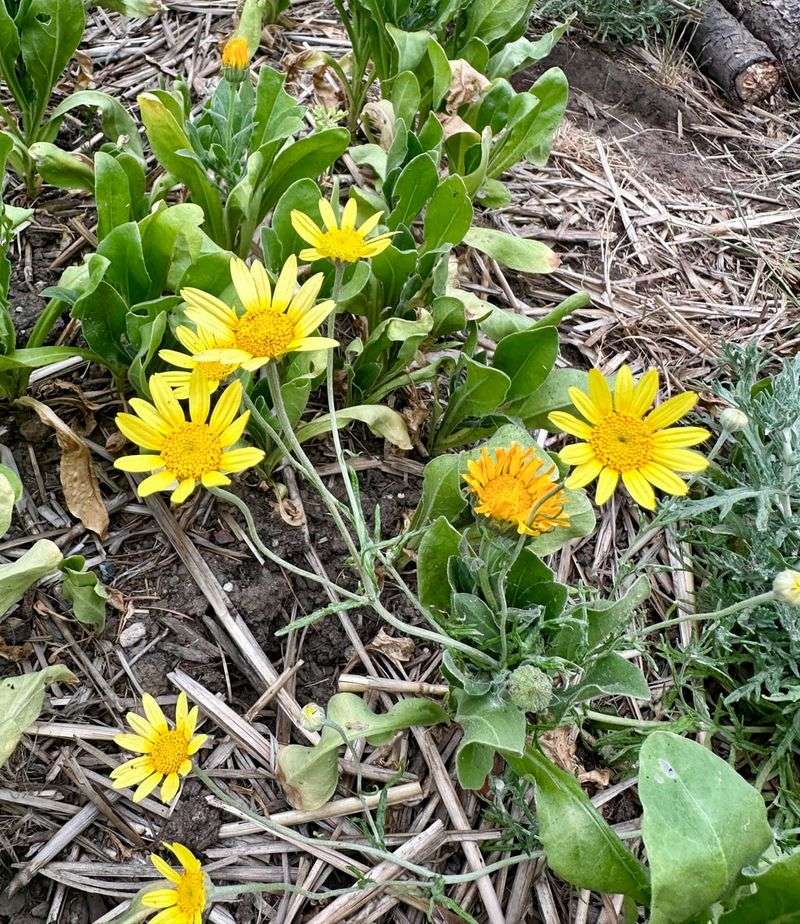
With a name like Oregon Sunshine, this plant was practically made for the state. Eriophyllum lanatum is a cheerful native wildflower that produces masses of small, bright yellow daisy-like blooms from late spring through summer.
It is like bottling up the feeling of a warm Oregon afternoon and planting it right in your garden.
Oregon Sunshine is perfectly adapted to the state’s dry summers and well-drained soils. It thrives in full sun and actually struggles in overly wet or rich conditions.
This makes it an excellent choice for rock gardens, slopes, and any spot where other plants might have trouble getting established.
The silver-green woolly foliage is attractive even when the plant is not blooming, adding texture and contrast to mixed borders. It grows about one to two feet tall and wide, making it a neat and manageable size for most garden spaces.
Once established, it needs almost no supplemental watering, which is a huge plus for water-conscious Oregon gardeners. It also attracts native bees and butterflies, supporting local pollinators throughout the growing season.
Divide or lightly trim plants after flowering to keep them looking tidy. Oregon Sunshine is a proud, tough, and genuinely beautiful native perennial that belongs in every Oregon garden.