The Spongy Moth Threat Oregon Gardeners Should Know Before It Spreads
Oregon’s trees are genuinely something to be proud of.
Towering backyard shade trees, productive home orchards, and some of the most beautiful forested landscapes in the country are all part of what makes gardening and outdoor life here so rewarding.
Protecting all of that starts with knowing which threats are worth paying attention to, even before they arrive. Spongy moth is not currently established in Oregon, and that is exactly the point.
Keeping it that way depends on gardeners, homeowners, and outdoor enthusiasts knowing what egg masses look like and where they tend to hide.
This pest is a skilled hitchhiker, moving on firewood, outdoor furniture, vehicles, and camping gear from infested regions without anyone realizing it.
Early detection and quick reporting are Oregon’s strongest tools right now, and that makes awareness genuinely valuable.
1. Spongy Moth Has Not Taken Hold In Oregon
Walking through an Oregon backyard right now, most homeowners would have no reason to suspect a spongy moth problem.
The good news is that spongy moth is not currently established anywhere in Oregon, and that distinction matters when thinking about how gardeners should approach this topic.
The pest has caused serious damage in parts of the eastern United States, where repeated defoliation events have weakened trees across large areas and led to significant tree loss over time.
Oregon has so far avoided that outcome, but the state does not take that for granted.
Pest managers and agricultural agencies actively monitor Oregon landscapes to catch any new introductions as early as possible.
For backyard gardeners, this situation calls for awareness rather than alarm. Knowing that spongy moth is not established here helps put the risk in proper perspective.
The goal of monitoring and public education is to keep Oregon’s status intact, not to respond to an existing outbreak.
Home orchards, shade trees, native plantings, and forest-edge properties all benefit when residents understand what this pest looks like and why early detection matters so much.
Staying informed is one of the simplest and most practical things gardeners can do to support the broader effort to protect the state’s trees and landscapes from this well-documented invasive insect.
2. Oregon Monitors For New Spongy Moth Finds
Traps placed on trees throughout the state are one of the most reliable tools Oregon uses to detect spongy moth before a population can establish.
These traps are typically baited with a lure that attracts male moths during the summer flight season, allowing survey teams to identify any catches and assess the level of risk in a given area.
Higher-risk locations tend to receive more monitoring attention. Ports, campgrounds, nursery areas, and communities near major transportation routes are among the places where new introductions are most likely to occur.
Egg masses and caterpillars can travel on vehicles, equipment, and plant material moving from infested regions, so areas with heavy traffic from out-of-state get extra scrutiny.
Oregon’s trapping network is part of a coordinated national effort that includes federal and state agencies working together to track spongy moth activity across the country.
Your Oregon Garden Changes Every Week. Your Plan Should Too.
Gardening in Oregon changes quickly throughout the season. Every Friday you’ll receive a simple weekly plan showing exactly what to plant, prune, fertilize, harvest, and protect so you never miss the right timing.
When a trap catch is recorded, it triggers follow-up surveys to determine whether a reproducing population exists nearby.
Most catches turn out to be isolated finds rather than signs of establishment, but each one is taken seriously.
For gardeners living near campgrounds, rural roads, or areas that see a lot of recreational traffic, understanding that this monitoring system exists can be reassuring.
The trapping program is one of the clearest examples of how early detection work helps protect Oregon’s trees at a landscape scale.
3. European Spongy Moth Is The Key Pest To Know
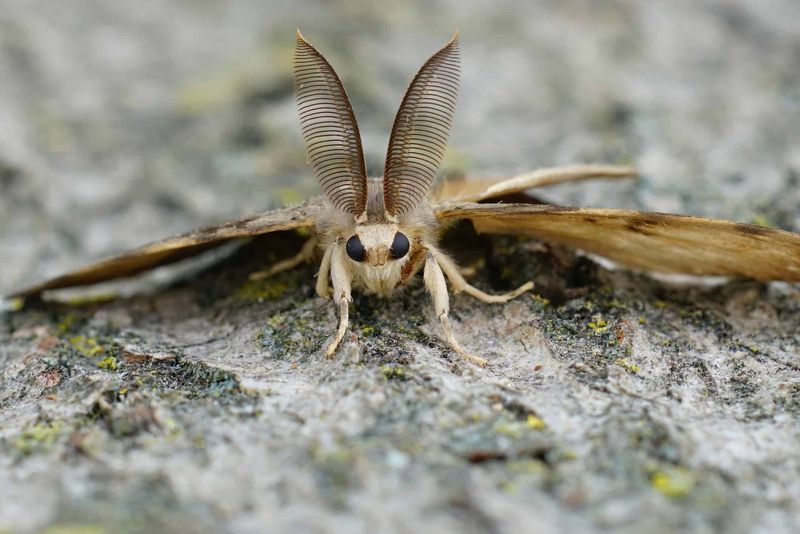
Most of the public conversation around spongy moth in the United States centers on the European spongy moth, which carries the scientific name Lymantria dispar dispar.
This is the subspecies that has caused widespread tree damage across the northeastern United States and parts of the Midwest, and it is the one Oregon monitoring programs focus on most heavily.
The common name spongy moth replaced an older name that had been in use for decades. Some older gardening guides and extension publications may still use the previous name, so recognizing both can help when searching for historical information.
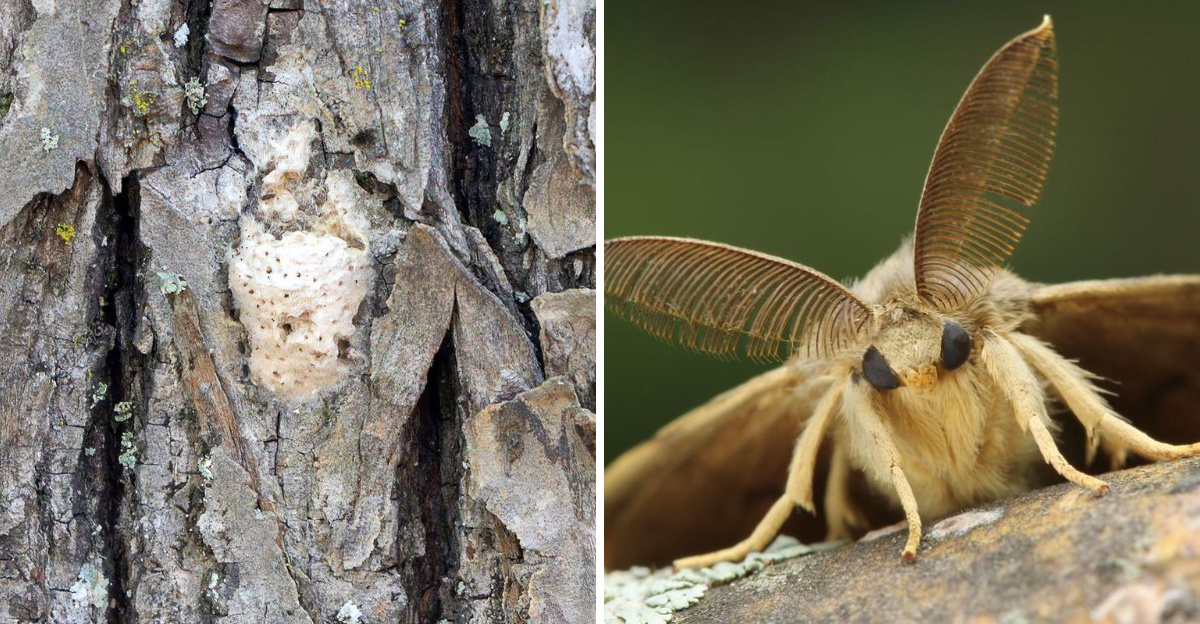
The name change was made in 2022 by the Entomological Society of America, and the new name refers to the spongy texture of the egg masses the female lays on tree bark and outdoor surfaces.
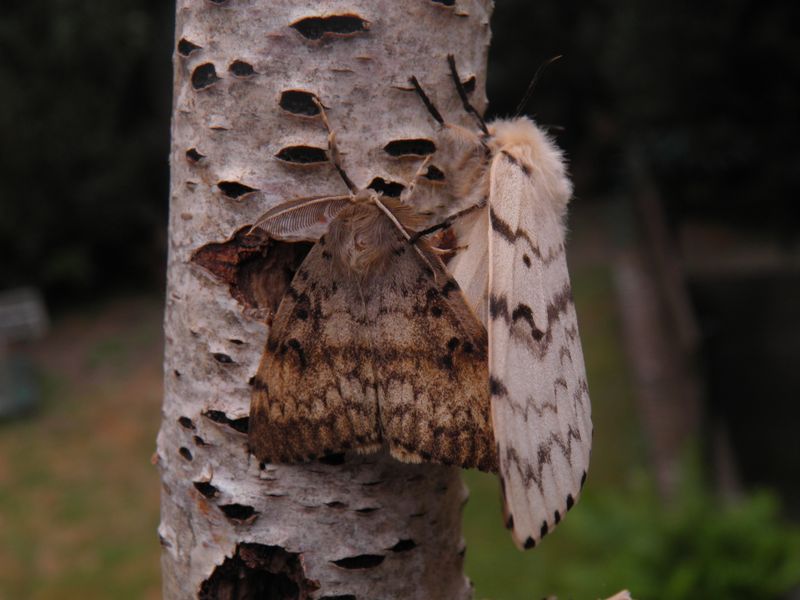
Male moths are tan or brownish with darker wavy markings on their wings and can fly actively. Females are larger, mostly white with dark markings, and in this subspecies they do not fly even though they have wings.
Knowing the difference between males and females helps with identification in the field. Egg masses are tan or buff-colored, roughly oval, and covered in a dense layer of hairs that give them that characteristic spongy feel.
Spotting any of these life stages on trees or outdoor items in Oregon yards is worth taking seriously and reporting through proper channels.
4. Flighted Spongy Moth Complex Raises Extra Concern
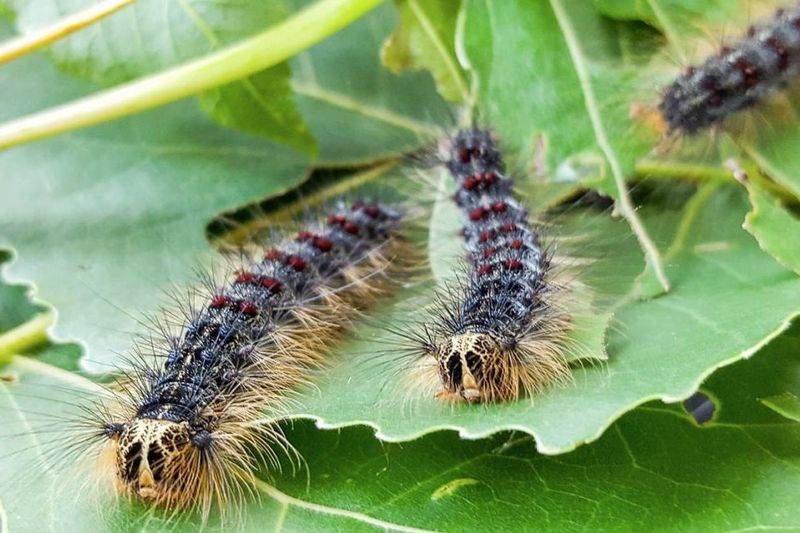
Beyond the European subspecies, Oregon also monitors for what pest managers call the flighted spongy moth complex.
This group includes related subspecies and populations where females are capable of flying, which changes the risk picture in a meaningful way.
When females can fly, a new introduction has a much greater ability to spread on its own before anyone notices it. The Asian spongy moth is one example that receives significant attention from regulatory agencies.
It has a broader host range than the European subspecies, meaning it can feed on more types of trees and shrubs, including some conifers.
That broader host list is part of why the flighted types draw extra concern from Oregon pest managers and federal partners.
Introductions of flighted spongy moth types have historically been linked to shipping and cargo arriving at ports, because egg masses can be laid on the hulls, surfaces, and equipment of vessels traveling from infested regions in Asia.
Oregon ports are part of the monitoring network for this reason.
Gardeners living near port areas or industrial zones that receive international shipments may be in areas that get more intensive survey work.
The practical takeaway for home landscapes is straightforward: if you notice unfamiliar moths, caterpillars, or egg masses on your property near port communities or coastal areas of Oregon, those observations are worth reporting.
Contacting the Oregon Department of Agriculture rather than treating on your own gives pest managers the best chance of responding quickly and effectively.
5. Egg Masses Can Travel On Outdoor Items
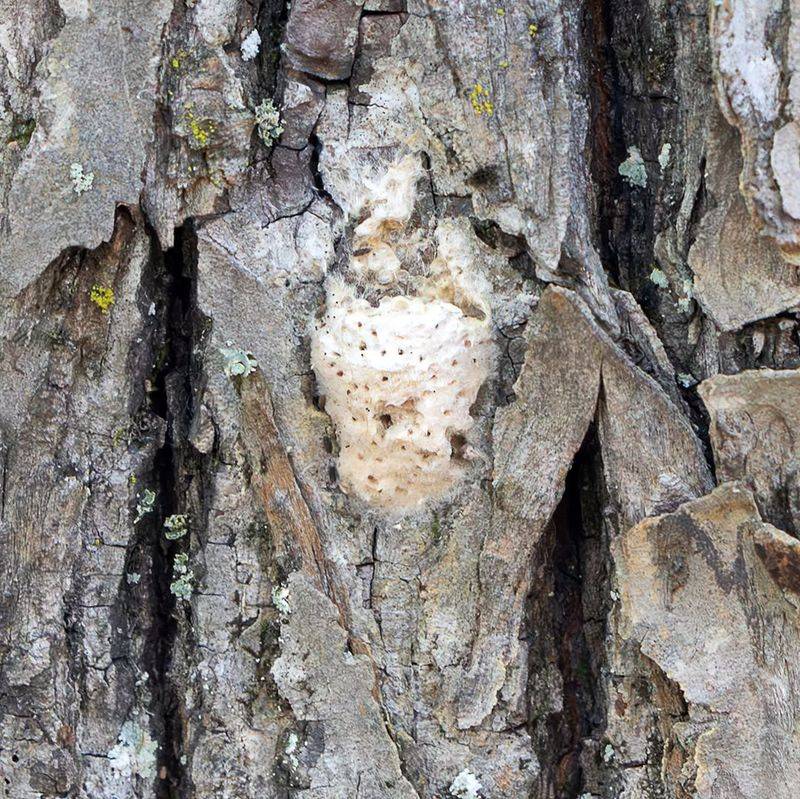
One of the most important things gardeners can do before moving outdoor items from another state is to check carefully for egg masses.
Female spongy moths lay their eggs in a single mass that can contain hundreds of eggs, and that mass gets glued firmly to almost any surface the female can reach.
Patio furniture, garden pots, lawn ornaments, tarps, firewood, logs, trailers, recreational vehicles, and camping gear are all surfaces where egg masses have been found in the past.
The masses are small enough that a person can easily miss them, especially on textured or rough surfaces.
They blend in well with bark, weathered wood, and dirty metal, making a careful visual inspection more important than a quick glance.
Firewood is a particularly common pathway for moving egg masses long distances, which is why many states encourage people to buy firewood locally rather than transporting it from infested regions.
Residents returning from camping trips in areas where spongy moth is established should check their gear, vehicles, and any wood they brought along before bringing those items home.
If an egg mass is found on an item in Oregon, it should not be scraped off and discarded casually.
Instead, it should be preserved in a sealed bag and reported to Oregon’s invasive species reporting system so it can be properly identified and assessed by the appropriate agency.
6. Caterpillars Can Feed On Many Trees And Shrubs
Young spongy moth caterpillars are small enough to be carried on the wind shortly after hatching, which helps them disperse quickly from where the egg mass was laid.
As they grow, the caterpillars become much more visible and their feeding damage becomes easier to spot on tree canopies.
The larval stage is when the real damage to trees occurs. Caterpillars feed on the leaves of a wide range of broadleaf trees and shrubs, including oaks, apples, cherries, plums, birches, willows, and many others.
For gardeners with backyard fruit trees or ornamental plantings, that host list covers plants that are very likely already growing in their yards.
Repeated defoliation over multiple seasons can seriously weaken trees, making them more vulnerable to other stresses like drought, disease, and secondary pest pressure.
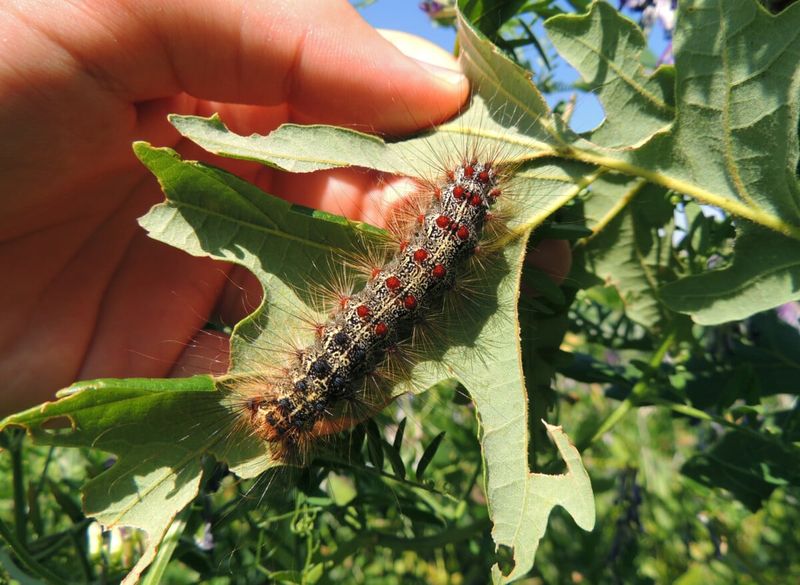
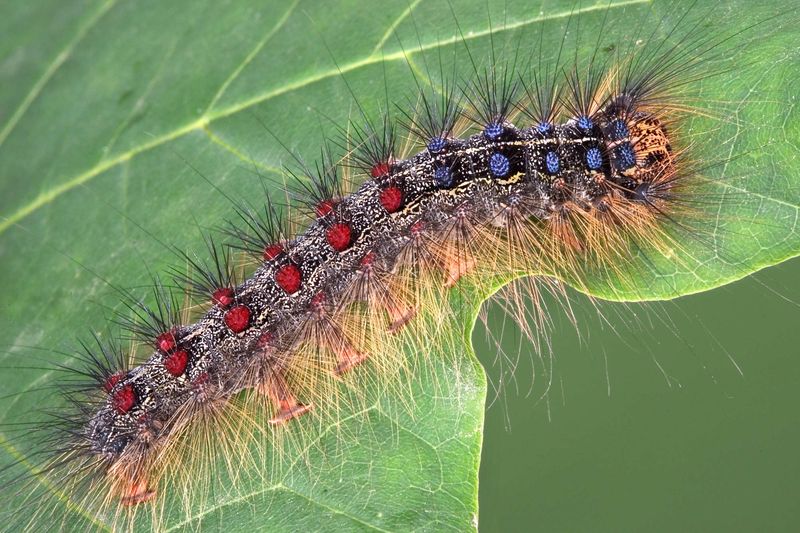
Caterpillars are easiest to spot during the late spring and early summer feeding period. Mature larvae are large, hairy, and marked with rows of blue dots toward the head end and red dots toward the back.
That distinctive color pattern makes them stand out against bark and foliage once you know what to look for.
Finding a caterpillar with that description in an Oregon yard, especially if it is feeding on a tree in large numbers, is a situation that calls for reporting rather than routine garden pest management.
Early identification is far more helpful than attempting to treat an unknown insect without proper guidance.
7. Douglas Fir Matters In Oregon Monitoring
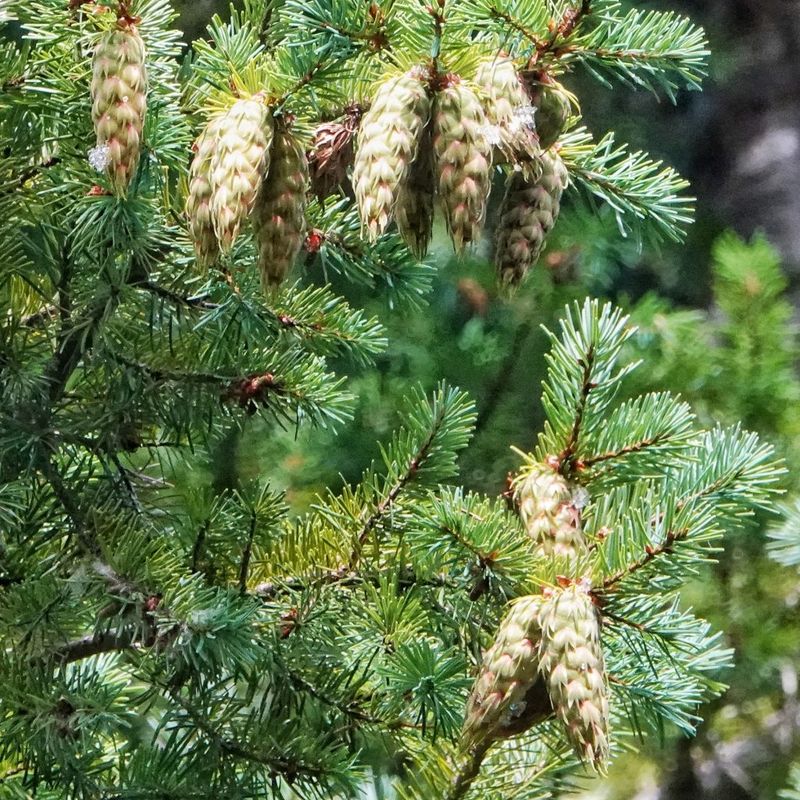
Douglas fir is one of the most ecologically and economically significant trees in Oregon, covering vast stretches of forest from the Coast Range to the Cascades.
When pest managers discuss spongy moth monitoring in Oregon, Douglas fir comes up in a specific and important context.
The European spongy moth generally prefers broadleaf trees and is not considered a primary threat to Douglas fir under most conditions.
However, the flighted spongy moth complex, particularly types associated with Asian populations, has a broader host range that can include conifers such as Douglas fir.
This distinction is one reason why Oregon’s monitoring program pays close attention to distinguishing between different spongy moth types when a catch or find is reported.
For gardeners and rural property owners with Douglas fir on their land, the practical message is not that every spongy moth find puts those trees at immediate risk.
Rather, it means that knowing which type of spongy moth is present matters, and that identification requires expert review rather than a homeowner’s best guess.
Oregon’s forests support timber, wildlife, watershed function, and recreation, so any pest that could potentially affect conifers at a landscape scale gets serious attention from state and federal agencies.
Supporting that attention by reporting suspicious finds near Douglas fir stands or mixed forest edges is a meaningful contribution that individual property owners across Oregon can make.
8. Gardeners Should Report Suspected Finds
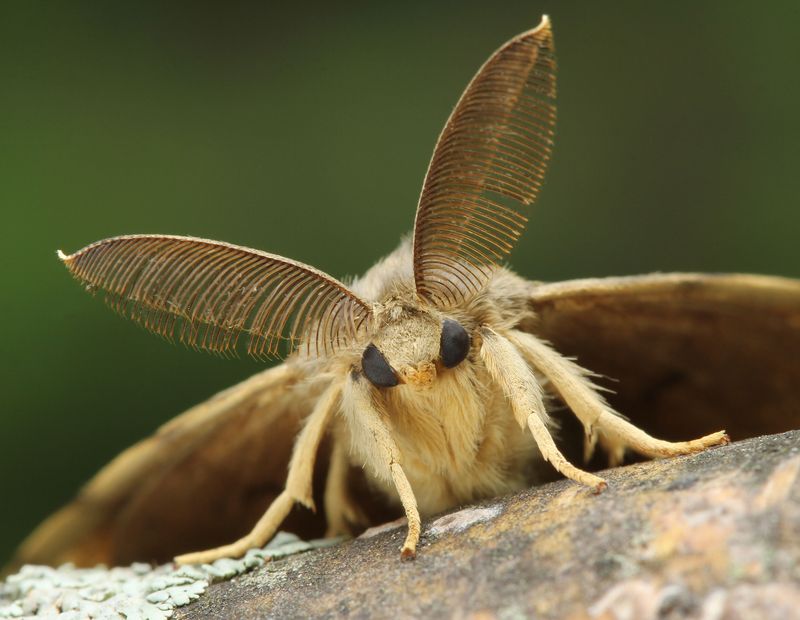
Noticing something unfamiliar on a tree or outdoor surface in your Oregon yard can feel uncertain, especially when you are not sure whether it is a common garden insect or something worth flagging.
Spongy moth egg masses, caterpillars, and adult moths are not always easy to identify without experience, and that is exactly why Oregon has reporting channels designed to help.
Residents can report suspected spongy moth finds through the Oregon Invasive Species Hotline and through the Oregon Department of Agriculture’s pest reporting resources.
Taking a clear photograph of the suspect insect, egg mass, or moth before doing anything else is one of the most helpful steps a homeowner can take.
If possible, collecting a sample in a sealed container gives pest managers even more to work with when making an identification.
Trying to treat or destroy a suspected find before it has been identified can actually make things harder for the agencies trying to track the pest.
A poorly handled egg mass or a caterpillar that gets sprayed before anyone can examine it loses its value as a data point.
The reporting process is genuinely straightforward, and Oregon’s invasive species programs are set up to receive reports from everyday gardeners, not just professionals.
Sharing what you find, even if it turns out to be a native species, helps build a clearer picture of what is present across Oregon landscapes and keeps the state’s early detection network working as intended.