That Woody Vine Taking Over Your Michigan Fence Is Actually Worth Keeping If It’s This One
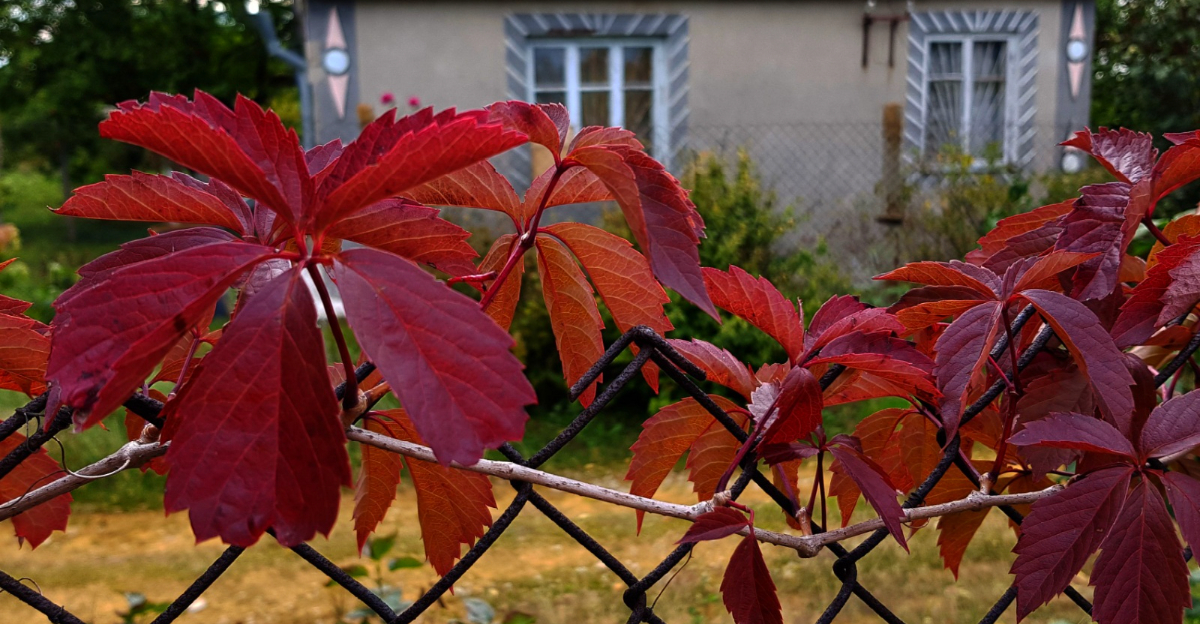
It starts with a glance at the fence line and a vine you do not quite recognize. It is moving fast, the leaves look unfamiliar, and the immediate question is whether it is something to worry about.
Michigan homeowners run into this situation regularly, especially in yards that back up to wooded edges or overgrown neighboring properties.
Virginia creeper is one of the most frequently misidentified and most frequently removed native vines in the state, which is a shame, because managed correctly it is genuinely one of the better things that can happen to a bare Michigan fence.
Bold fall color that rivals any ornamental plant, real food value for birds, and a natural structure that fills in beautifully over time. It deserves a second look before anything else happens.
1. Virginia Creeper Is The Vine Worth A Second Look
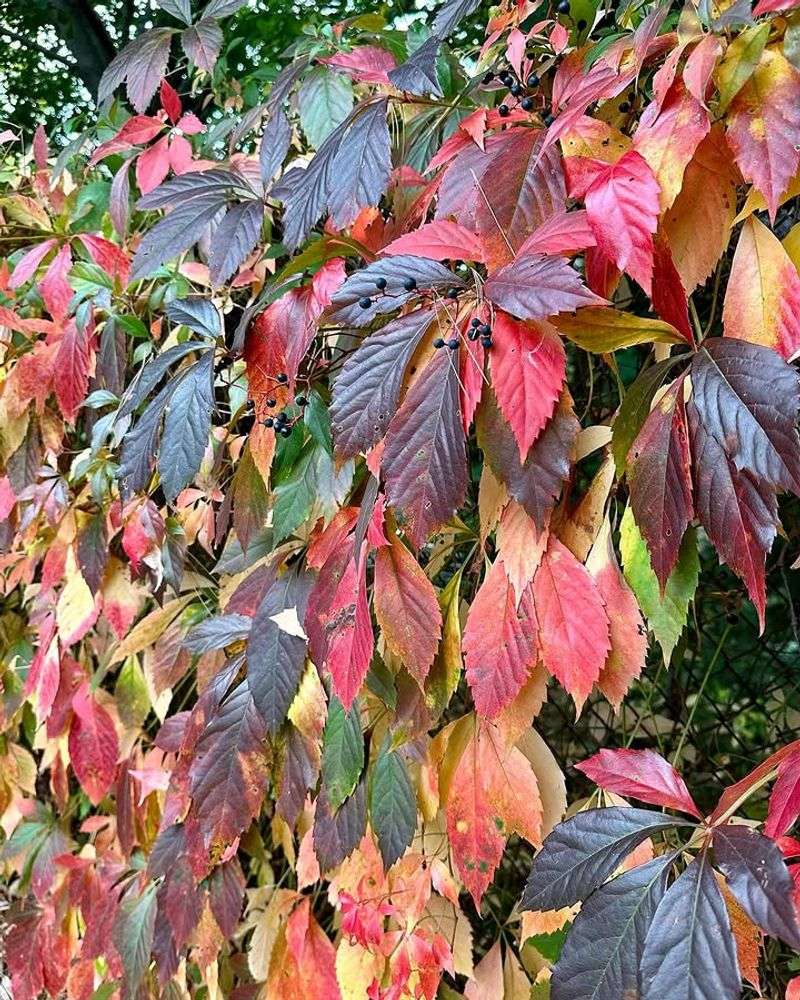
Not every vine creeping along a Michigan fence deserves a second glance, but Virginia creeper is one that genuinely earns it. Many homeowners spot this woody vine scrambling over fence posts and assume it is something aggressive or unwanted.
The reality is a little more interesting than that.
Virginia creeper, known botanically as Parthenocissus quinquefolia, is a native perennial vine with deep roots in Michigan landscapes. It grows naturally along woodland edges, roadsides, and riverbanks throughout the state.
Finding it along your fence line is not a sign of something going wrong in your yard.
What makes this vine worth a closer look is the combination of traits it brings to a home landscape. It can cover a plain fence with dense, layered foliage during the growing season.
It supports native wildlife. It turns a remarkable shade of red in autumn.
Few other vines offer that kind of seasonal range.
Young Virginia creeper can sometimes be confused with other plants, including poison ivy, so it is worth using more than one identifying feature before deciding to keep or remove what you have found.
Once you confirm what is growing along your fence, you may find that this native vine is exactly the kind of low-maintenance greenery you were hoping to encourage.
2. Five Leaflets Help Virginia Creeper Stand Out
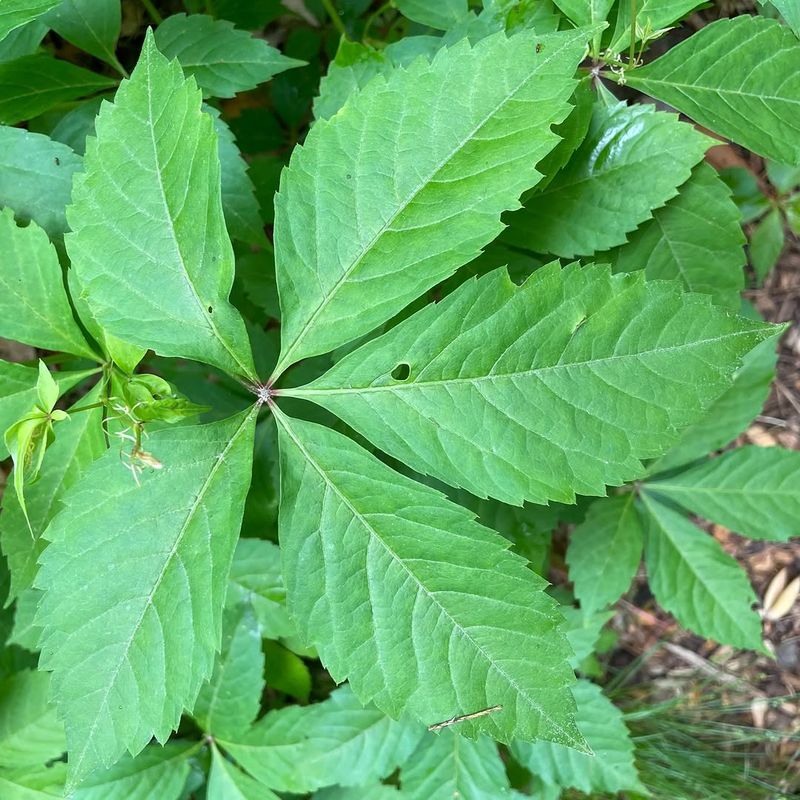
Leaf shape is one of the most reliable ways to figure out what is growing along your fence, and Virginia creeper has a leaf arrangement that is pretty hard to miss once you know what to look for.
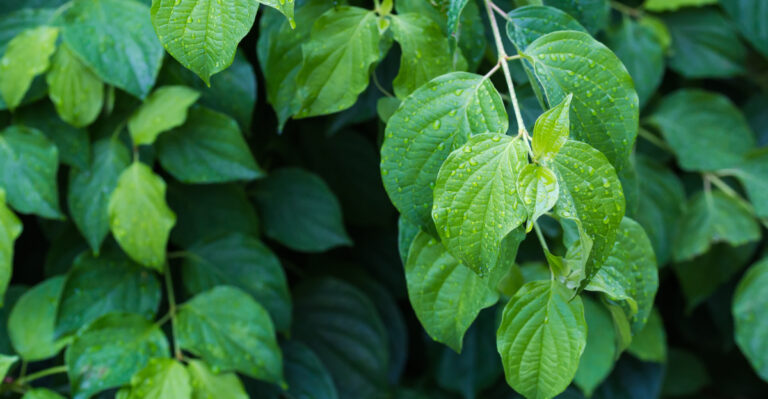
Each leaf is made up of five leaflets that fan out from a central point, giving the overall leaf a hand-like or palmate appearance.
Those five leaflets are the detail that sets Virginia creeper apart from its most commonly confused lookalike. Poison ivy has leaves made up of three leaflets, not five.
The old saying “leaves of three, let it be” does not apply to Virginia creeper, which consistently shows five leaflets on mature growth.
Each individual leaflet has toothed or serrated edges and tapers to a point at the tip. The leaflets can range from a couple of inches to several inches in length depending on the age of the plant and growing conditions.
Your Michigan Garden Changes Every Week. Your Plan Should Too.
Gardening in Michigan changes quickly throughout the season. Every Friday you’ll receive a simple weekly plan showing exactly what to plant, prune, fertilize, harvest, and protect so you never miss the right timing.
Younger stems may occasionally show leaves with fewer leaflets, which is one reason gardeners should use multiple identifying features rather than relying on a single leaf.
In Michigan gardens, learning to recognize those five leaflets quickly can save you from removing a beneficial native vine by mistake.
Getting comfortable with this one visual cue makes the whole identification process much more straightforward and confident for homeowners managing their own fence lines.
3. This Michigan Native Can Dress Up A Plain Fence
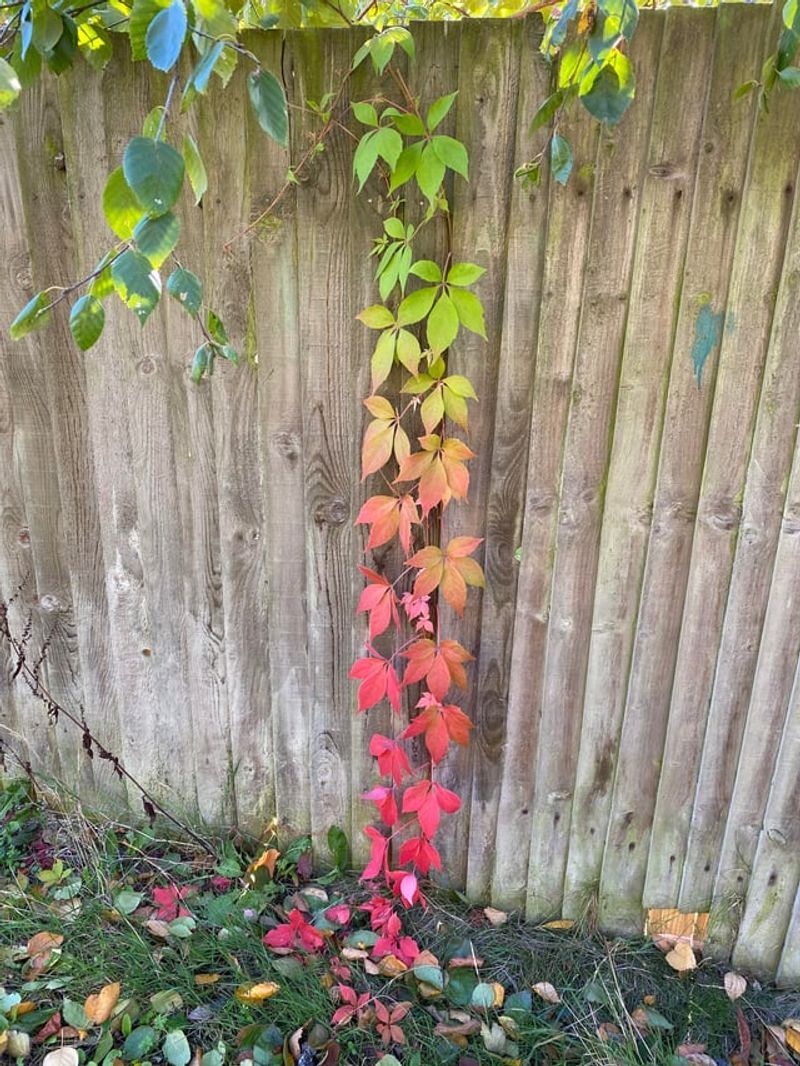
A bare wood fence running along a Michigan property line can feel utilitarian and a little uninviting, especially during the long stretch between spring planting and fall color.
Virginia creeper has a way of softening that kind of structure without requiring much effort from the homeowner.
Because Virginia creeper is a woody perennial, it builds up a strong framework of stems over several seasons.
That framework fills in with dense foliage each spring and summer, creating a living wall of green that can make a fence look far more intentional and layered than it did before the vine arrived.
Gardeners who want a more naturalistic look along fence lines often find that Virginia creeper fits well with that aesthetic. It pairs naturally with other native plants and does not look out of place next to shrubs, ornamental grasses, or perennial beds.
The vine tends to look lush rather than scraggly when it has enough room to spread and a fence structure to hold onto.
Beyond fences, Virginia creeper can be encouraged to climb trellises, arbors, sheds, and garden walls. Giving it a clear structure to work with helps guide the vine in a direction that looks more planned.
With a little seasonal shaping, a Michigan homeowner can turn a spontaneously growing vine into a genuine landscape feature that adds real visual interest.
4. Virginia Creeper Puts On A Brilliant Fall Show
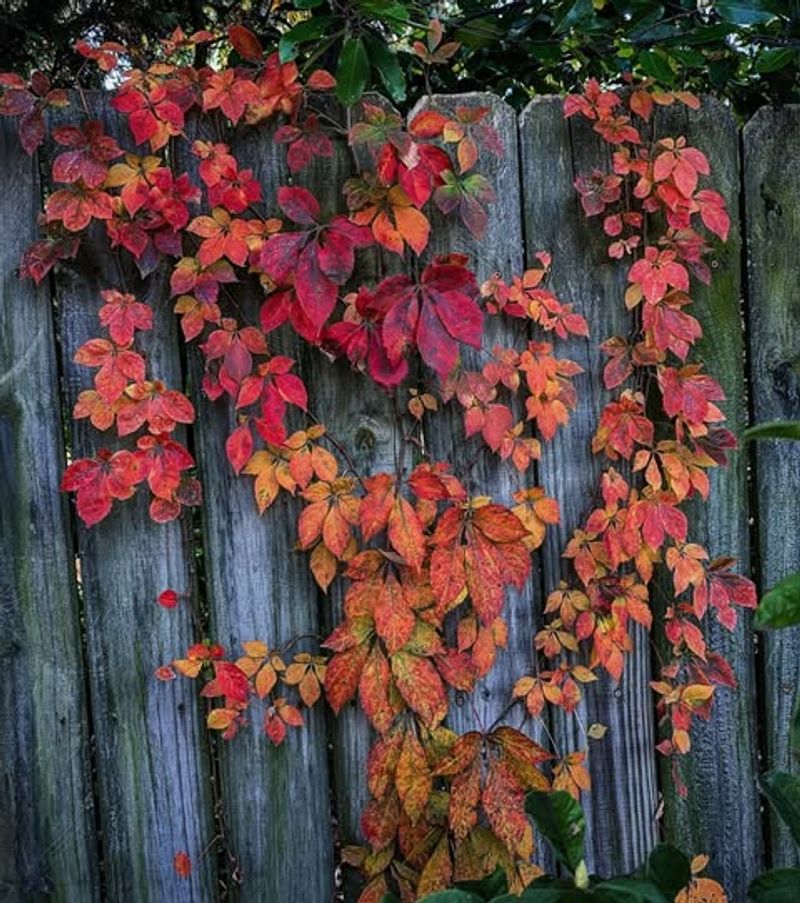
Few plants in the Michigan landscape make a more dramatic entrance in autumn than Virginia creeper.
As temperatures drop and daylight shortens in September and October, the foliage shifts from deep green to a blazing combination of scarlet, burgundy, and bright red that can stop people in their tracks.
That fall color is one of the most compelling reasons to keep Virginia creeper along a fence rather than pull it out. The vine can transform an ordinary fence line into a striking seasonal display that rivals ornamental trees and shrubs typically planted for autumn interest.
The color tends to arrive early in the fall season and holds for a few weeks before the leaves drop.
Michigan falls can be stunning, and Virginia creeper is one of the native plants that contributes to that regional reputation.
The vine’s red pigments develop in response to cooler temperatures and reduced sunlight, the same basic process that drives fall color in maples and other deciduous trees.
The results along a fence line can be genuinely impressive.
Homeowners who have never paid much attention to their fence vine are sometimes surprised when October arrives and the whole structure lights up with color.
That seasonal transformation is one of the clearest signs that a woody vine climbing your fence might actually be worth keeping right where it is growing.
5. Tiny Tendrils Help Virginia Creeper Climb On Its Own
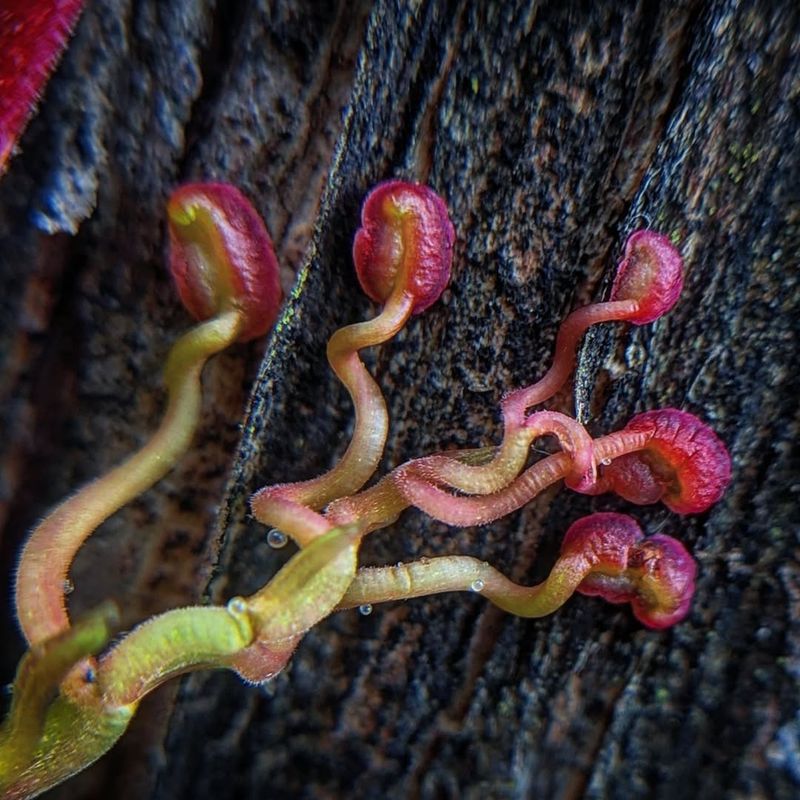
Watching Virginia creeper move up a fence is a slow but steady process that the plant manages almost entirely on its own.
The vine uses specialized climbing structures called tendrils, which branch out from the stem and end in small adhesive discs or pads that can grip surfaces with surprising strength.
Those adhesive pads allow Virginia creeper to attach directly to wood, brick, stone, and other rough surfaces without needing wires or ties to hold it in place.
On a Michigan fence, the vine will work its way along the grain of wooden posts and rails, anchoring itself as it extends outward and upward through the growing season.
This self-clinging habit is one of the things that makes Virginia creeper so easy to establish along a fence line.
Unlike some climbing plants that need regular tying and training to stay on their support structure, Virginia creeper figures out the climbing part largely on its own once it finds a surface to work with.
It is worth knowing that the adhesive pads can leave marks on painted or finished surfaces when the vine is eventually removed. On a natural wood fence meant to weather and age in place, that is rarely a concern.
Homeowners who want to protect a painted fence surface may want to use a separate trellis panel placed a few inches in front of the fence to give the vine something to hold without direct contact.
6. Dark Berries Can Make Virginia Creeper Useful For Birds
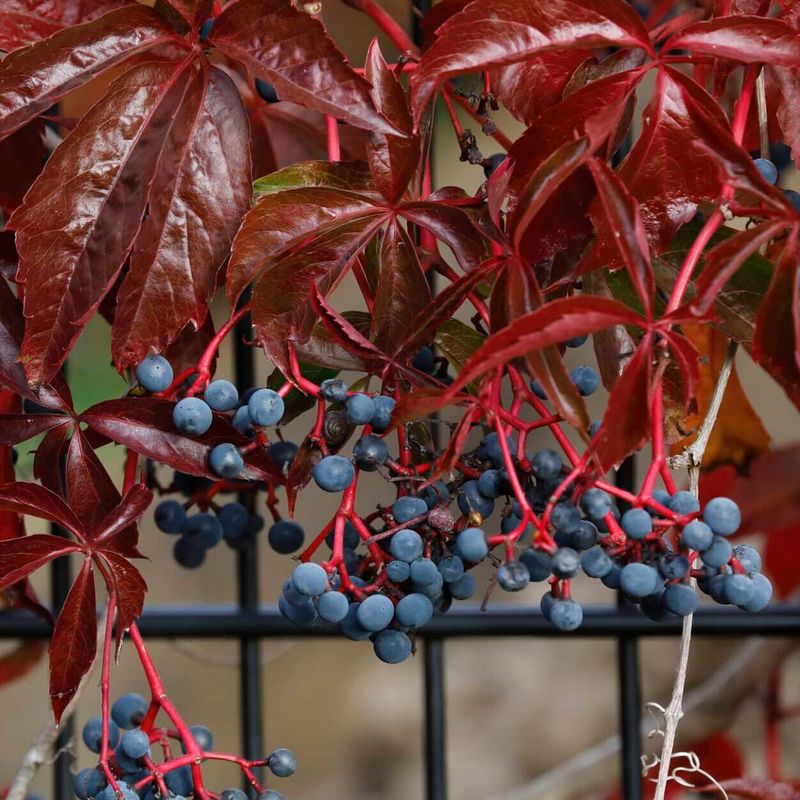
Come late summer and early fall, Virginia creeper produces small clusters of dark blue-black berries that ripen on bright red stems.
Those berries are not meant for people, but they are genuinely valuable to a range of birds that move through Michigan during fall migration and into the colder months.
Species including woodpeckers, bluebirds, mockingbirds, and thrushes are among the birds that may visit Virginia creeper berries.
For homeowners who enjoy watching bird activity in their yards, having a native vine loaded with ripe berries along the fence line can bring in more wildlife than a typical ornamental shrub planted for the same purpose.
The berries contain compounds that make them unsuitable for people and potentially harmful to dogs and cats if eaten in significant quantities, so it is worth being aware of that if young children or pets spend time near the fence.
The berries are not intended as a food source for people, but their wildlife value for birds is well documented.
Planting or encouraging native food sources for birds is something many Michigan wildlife gardeners actively try to do. Virginia creeper fits naturally into that kind of landscape goal because it provides both cover and food in the same structure.
A vine that offers dense summer foliage, brilliant fall color, and wildlife-supporting berries is doing a lot of work for a plant that largely takes care of itself.
7. Woody Stems Give Virginia Creeper Strong Fence Coverage
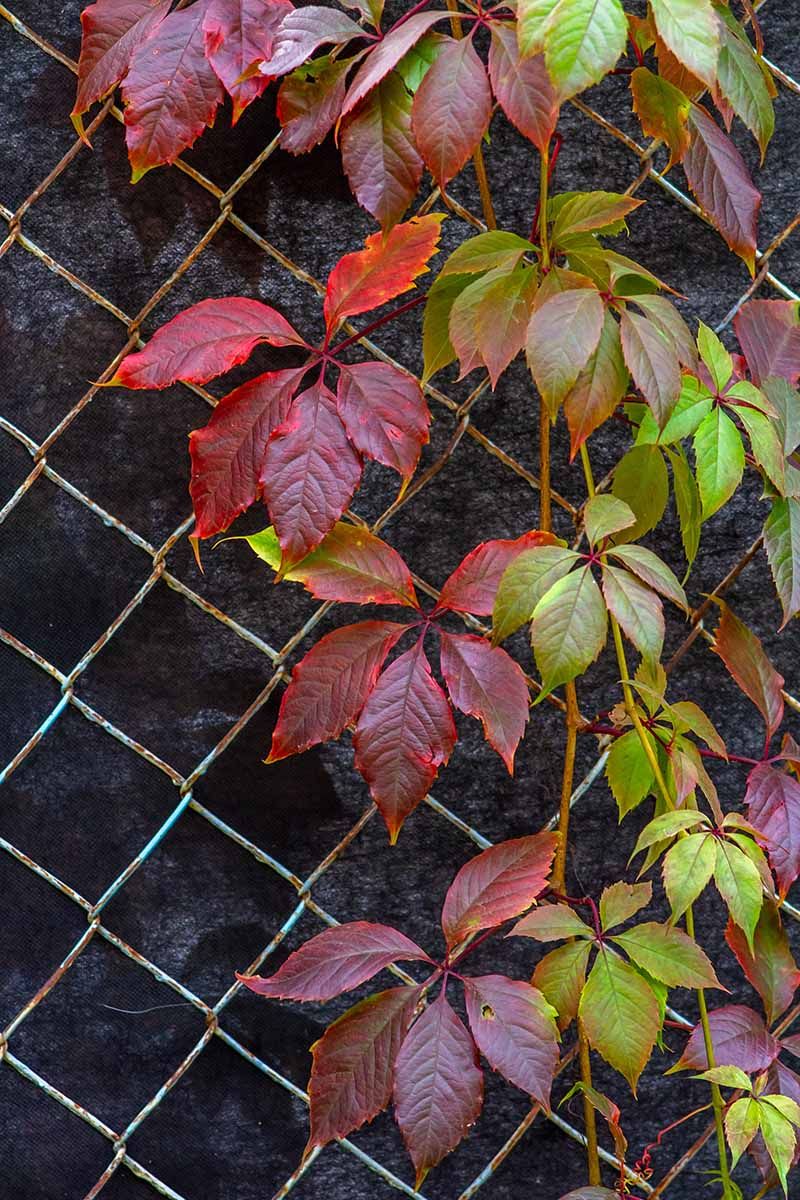
By the time Virginia creeper has been growing along a fence for several seasons, it develops a network of woody stems that give the vine real structural presence even in winter.
Those stems hold the vine in place through cold snaps, ice storms, and the freeze-thaw cycles that Michigan winters regularly deliver.
That woody framework is part of what separates Virginia creeper from annual vines that have to start from scratch each spring. Because the stems persist through winter, the vine has a head start when warm weather returns.
New growth emerges from established woody stems each spring, which means coverage tends to build up noticeably from one year to the next.
For homeowners who want a fence covered in green as quickly as possible, that perennial woody habit is a practical advantage.
The vine does not need to regrow from the ground up each season, so it can fill in gaps and extend its reach more efficiently than a vine that starts fresh every year.
The woody stems also give Virginia creeper a certain rugged quality that suits Michigan’s variable climate well. The vine can handle cold winters, hot summers, and the kind of unpredictable spring weather that gardeners know well.
Established plants tend to be resilient once they have built up a few seasons of strong woody growth along a fence line or other support structure.
8. A Little Pruning Keeps Virginia Creeper Looking Intentional
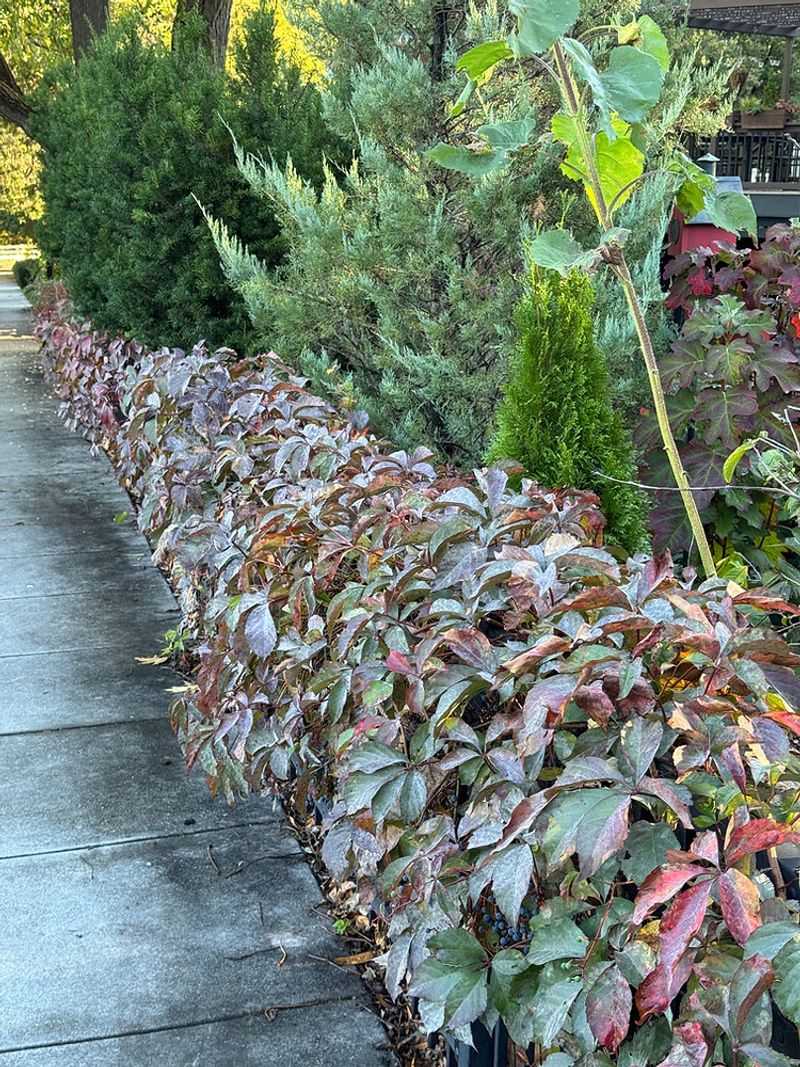
Left completely on its own, Virginia creeper can spread in ways that start to feel less like a garden feature and more like something taking over the yard.
A modest amount of seasonal pruning is usually all it takes to keep the vine looking managed and intentional rather than wild and overgrown.
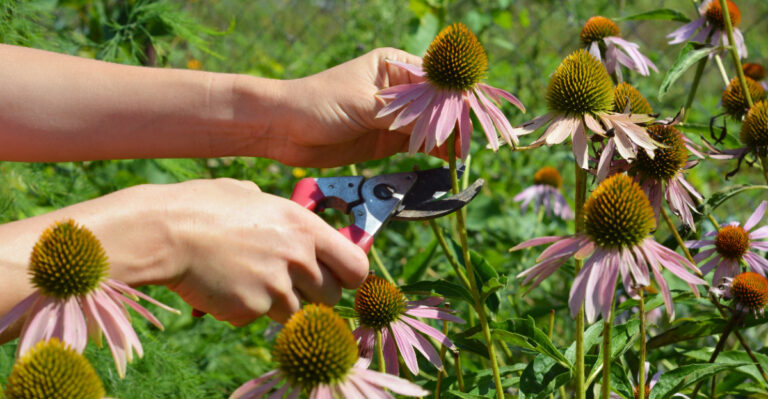
The best time to prune Virginia creeper along a Michigan fence is in late winter or very early spring before new growth begins. At that point the woody structure is easy to see, and cutting back long or wayward stems will not interfere with the season’s new foliage.
A clean pair of hand pruners or loppers is typically enough for routine shaping on an established vine.
During the growing season, light trimming can redirect stems that are heading toward windows, gutters, or areas where you do not want coverage. Virginia creeper responds well to cutting and tends to push new growth from cut stems fairly readily.
Staying ahead of the vine with a few quick passes each season is much easier than letting it build up for several years and then trying to reclaim lost ground.
Homeowners who take a hands-on approach to their fence line plantings often find that Virginia creeper rewards that attention with tidier growth and a more polished appearance.
A vine that is guided and trimmed regularly looks like a deliberate landscape choice rather than something that simply showed up uninvited and stayed.