California Perennials That Triple In Size In Just One Season For Instant Garden Impact
A slow garden can test anyone’s patience. You plant a few small perennials, water them carefully, and still feel like the bed looks unfinished.
That is where fast growing California picks can change the whole mood. The right plants do not need years to make a statement.
They can stretch wide, fill bare spots, and bring serious color before the season is over. This is especially helpful in new beds, large borders, and sunny spaces that look too empty after planting.
The trick is choosing strong growers that still behave well in the space you give them. Some need room to spread.
Others need trimming to stay full instead of floppy. Pick the right perennials now, and your garden can look older, fuller, and more exciting by the end of the season.
1. Mexican Bush Sage Turns Small Starts Into Big Purple Mounds
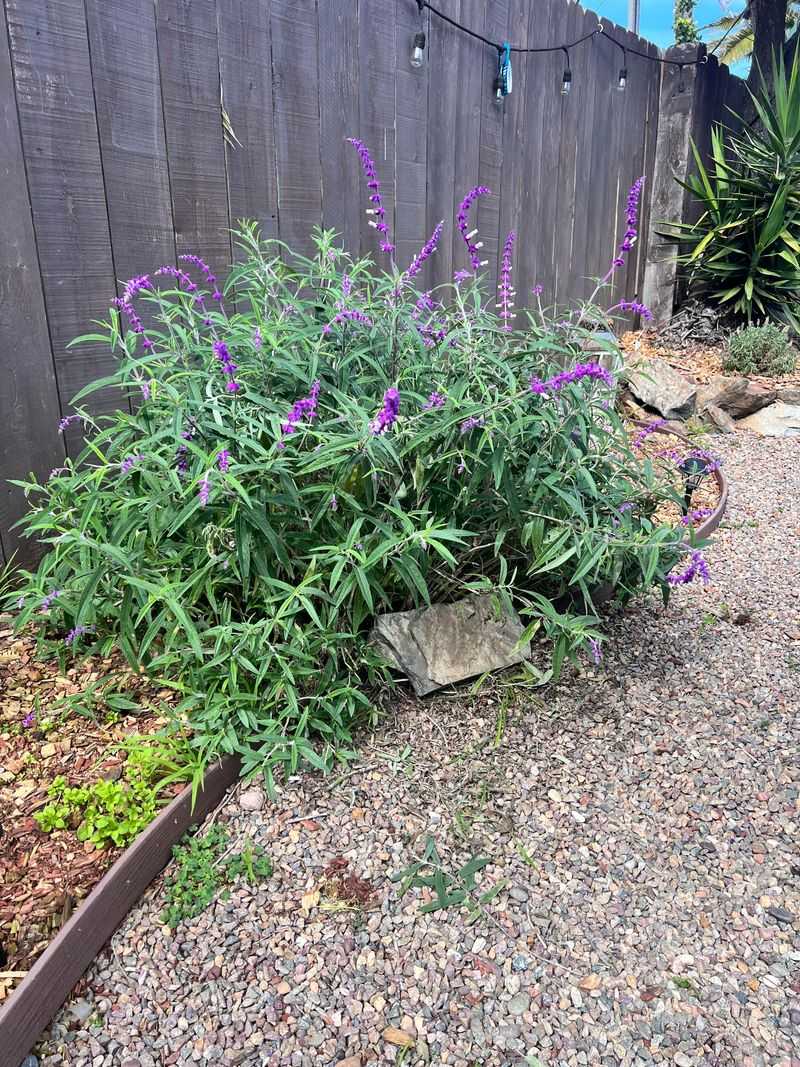
Few plants put on a show quite like Mexican Bush Sage does in its first full growing season. You can start with a small six-inch transplant in spring, and by late summer, it can easily reach four to five feet wide and tall.
That kind of growth is hard to beat. Native to the highlands of Mexico, this sage thrives in our warm, dry climate with almost no fuss.
It loves full sun and well-drained soil, and once it gets going, it barely needs watering. The velvety purple and white flower spikes appear in late summer and last well into fall.
Pollinators go absolutely wild for this plant. Hummingbirds, bees, and butterflies visit it constantly once it blooms.
Planting it near a patio or window means you get to enjoy the show up close.
Cut it back hard in late winter to keep it tidy and encourage fresh new growth each spring. It will bounce back quickly and start building size again as soon as temperatures warm up.
Over time, one plant can become a dramatic focal point all on its own. For gardeners who want fast results with minimal effort, this sage is a top pick.
It handles heat, drought, and poor soil like a champ, making it one of the most rewarding perennials you can grow in our state.
2. Gaura Fills Empty Borders With Airy Blooms Fast
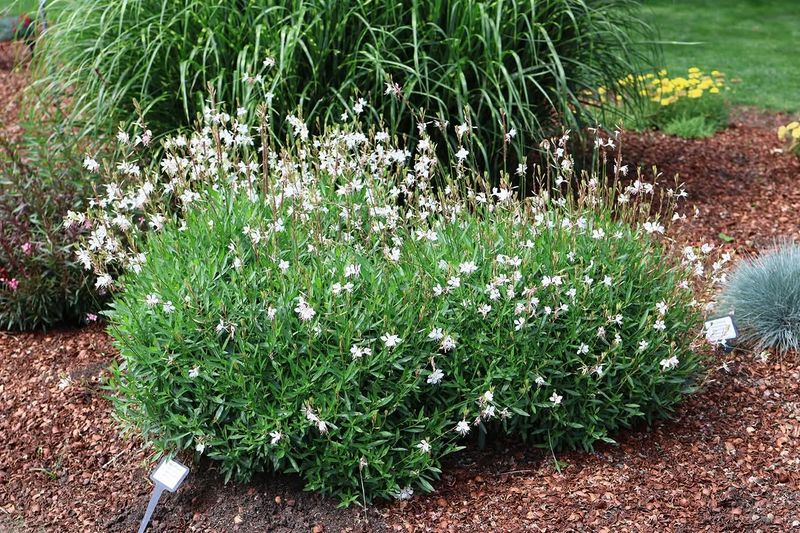
Gaura has a kind of effortless elegance that makes it look like it belongs in a cottage garden painting.
The long, wiry stems carry dozens of small pink or white blooms that flutter in the breeze like tiny butterflies. Watching it move in the wind is almost hypnotic.
What makes Gaura especially exciting for gardeners is how fast it fills in. A small plant set out in early spring can spread two to three feet wide and reach similar heights by midsummer.
It spreads through both seed and root expansion, so bare borders fill in quickly.
It thrives in full sun and handles dry spells well once established. In our state, where summer heat can be intense, Gaura keeps blooming when many other plants slow down.
Your California Garden Changes Every Week. Your Plan Should Too.
Gardening in California changes quickly throughout the season. Every Friday you’ll receive a simple weekly plan showing exactly what to plant, prune, fertilize, harvest, and protect so you never miss the right timing.
That heat tolerance makes it a real workhorse in the garden.
Deadheading spent blooms can encourage more flowers, but honestly, the plant keeps producing on its own throughout the season.
Cutting it back by about a third in midsummer can also give it a fresh burst of energy for a strong fall show.
Gaura pairs beautifully with ornamental grasses, lavender, or salvia for a layered, natural-looking border. Its airy texture contrasts nicely with bolder, chunkier plants.
For gardeners who want movement and color without a lot of work, Gaura is a fantastic choice.
3. Canna Lily Shoots Up With Tropical-Looking Foliage
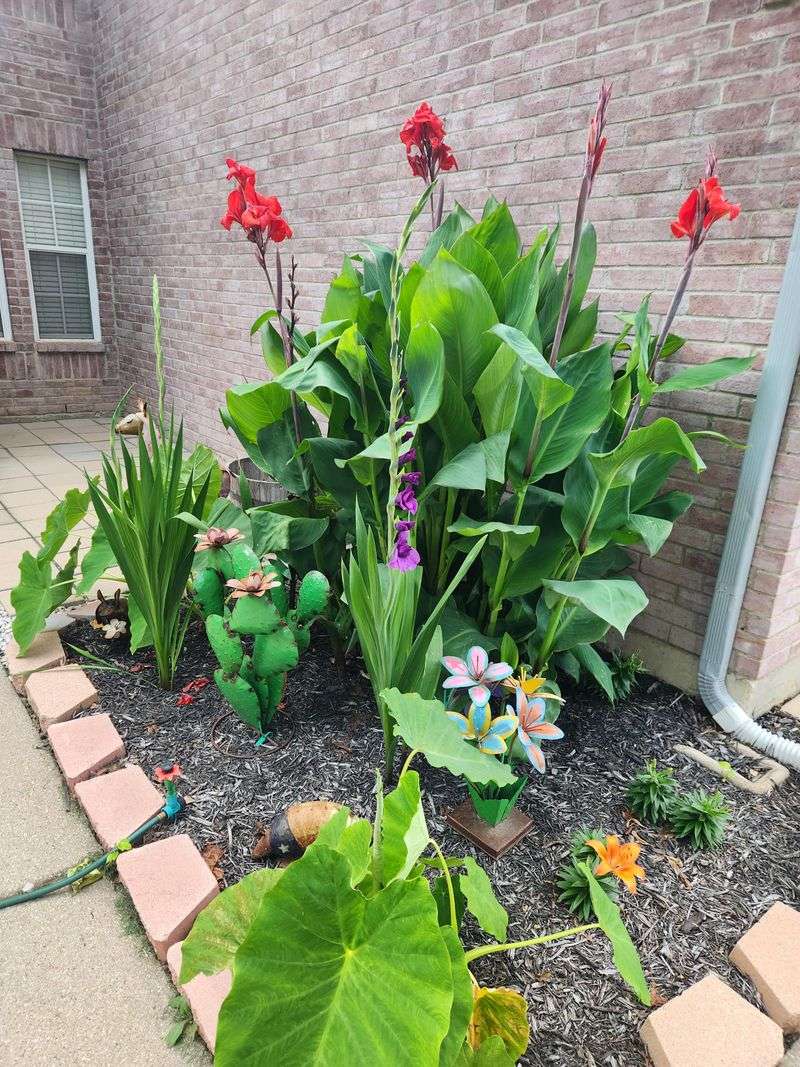
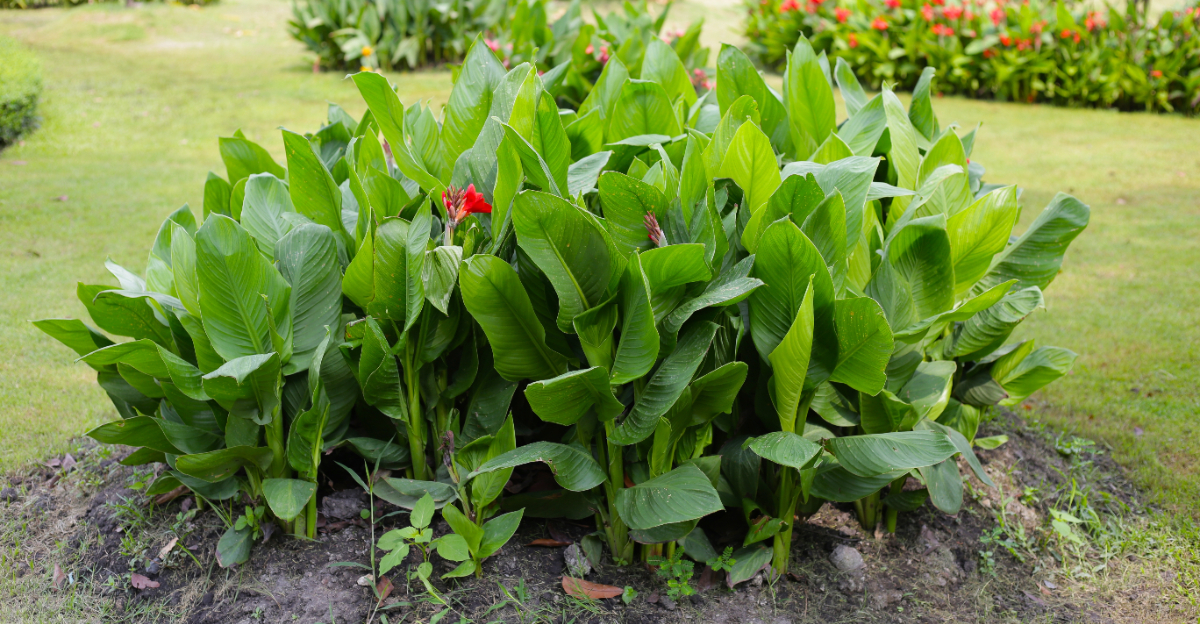
Bold, tropical, and almost shockingly fast-growing, Canna Lily is the kind of plant that makes neighbors stop and stare.
The broad, paddle-shaped leaves can be green, burgundy, or striped, and the flowers come in blazing shades of red, orange, yellow, and pink.
One plant can go from a small rhizome to a six-foot giant in a single season.
Cannas love heat, and our long warm summers are basically perfect for them. Plant the rhizomes in spring after the soil warms up, give them regular water and full sun, and watch them take off.
They are not picky about soil as long as it drains well.
The tropical look they bring to a garden is unmatched. Even without flowers, the foliage alone makes a strong statement.
They work well as a backdrop for smaller plants or as a dramatic centerpiece in a large container.
Fertilizing every few weeks during the growing season really supercharges their growth. A balanced fertilizer or one slightly higher in phosphorus helps push both size and flower production.
You will notice a visible difference with consistent feeding.
At the end of the season, you can leave the rhizomes in the ground in most parts of our state.
They will come back even bigger the following year as the clump expands. Over time, a single planting becomes a full, impressive stand of tropical color.
4. Verbena Spreads Quickly For Instant Summer Color
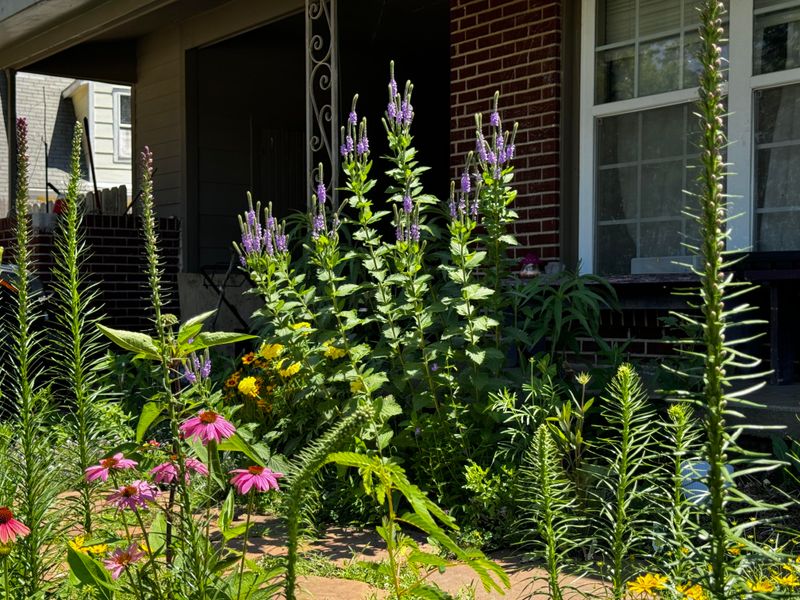
Color, speed, and reliability: Verbena delivers all three without asking much in return.
This tough little perennial can spread two to four feet in a single season, carpeting the ground with clusters of tiny blooms in shades of purple, pink, red, and white.
Few plants fill in a bare garden bed as cheerfully or as fast. Trailing varieties are especially impressive for covering ground quickly.
They spill over edges, weave between other plants, and even cascade beautifully from hanging baskets or raised beds.
Upright varieties, on the other hand, add mid-height color to mixed borders.
Full sun is where Verbena truly shines. It tolerates heat and dry conditions remarkably well once established, making it a natural fit for our warm summers.
Water it regularly while it settles in, then ease off once roots are established. Deadheading spent flower clusters keeps the blooms coming strong all season long.
A light trim in midsummer can also rejuvenate a plant that starts to look a little scraggly, sending out fresh stems and new flower buds within days.
Butterflies are huge fans of Verbena, and planting a patch of it will bring a steady stream of visitors to your yard.
It pairs especially well with ornamental grasses, lavender, and salvia for a colorful, pollinator-friendly border that looks full and lush from the very first season.
5. Lion’s Tail Builds Bold Height In One Warm Season
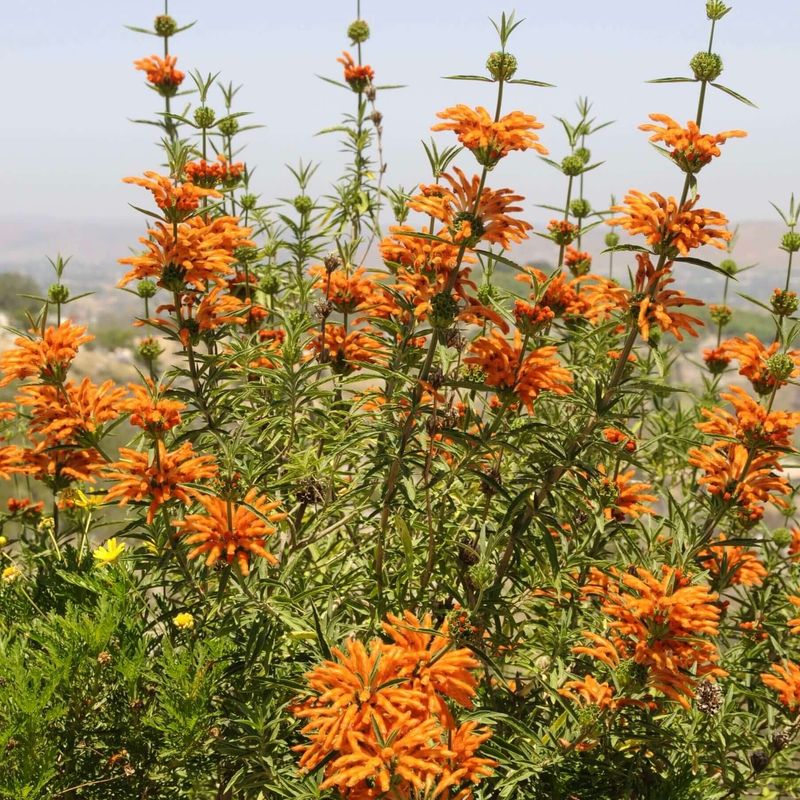
There is something wonderfully wild about Lion’s Tail. The bright orange tubular flowers are stacked in rings along tall, upright stems, giving the plant a striking, almost architectural look.
It is the kind of plant that draws the eye from across the yard. Originally from South Africa, this tough perennial has adapted beautifully to our hot, dry climate.
It can grow from a small plant to four or five feet tall in a single warm season, especially with regular watering in spring and early summer.
Once established, it handles drought with ease.
Full sun is a must for Lion’s Tail. Give it a well-drained spot and it will reward you generously.
Poor or sandy soil is actually fine, and it does not need much fertilizer to perform well.
The blooms appear in late summer and fall, right when many other plants are winding down. That late-season color is incredibly valuable in a garden.
Hummingbirds are especially attracted to the tubular orange flowers and will visit regularly once blooming begins.
Cutting it back by about half in late winter encourages bushy new growth in spring. Without pruning, it can get a little leggy over time.
With just that one annual cut, it stays full, attractive, and ready to build impressive size again each season. It is a bold, no-fuss plant that earns its space every year.
6. Jerusalem Sage Bulks Up Fast With Big Silver Leaves
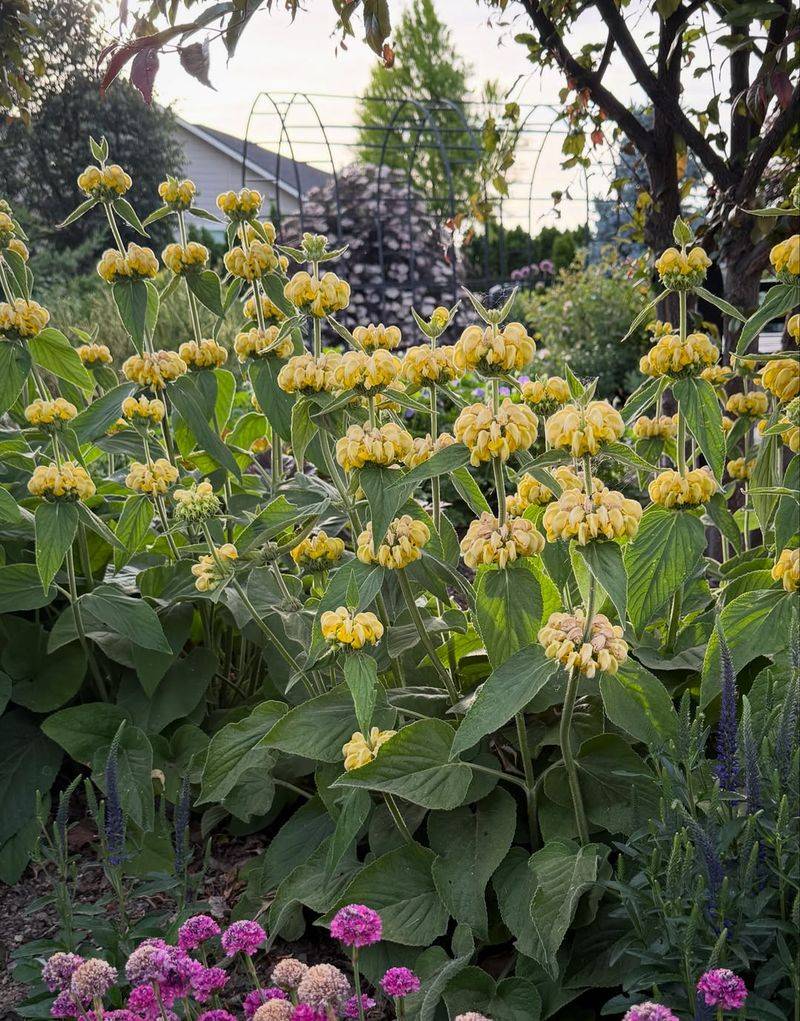
Jerusalem Sage is one of those plants that looks like it belongs in a Mediterranean hillside garden, and it brings that same sun-baked beauty right to your backyard.
The large, silver-green leaves are soft and woolly, and the bright yellow flowers rise on tall stems in dramatic whorls.
It is bold, beautiful, and surprisingly tough. What makes it especially impressive is how fast it builds size.
A small transplant can grow into a wide, shrubby mound of three to four feet in just one growing season.
The silvery foliage alone makes a strong visual statement even before the flowers appear.
Our hot, dry summers are exactly what Jerusalem Sage loves. It thrives in full sun and well-drained soil, and it handles drought well once established.
Overwatering is actually more of a concern than underwatering with this plant.
The flowers appear in spring and early summer, attracting bees and other pollinators in large numbers.
After blooming, cutting the flower stems back encourages the plant to put more energy into leaf and root growth for the rest of the season. It works beautifully as a backdrop plant in a dry garden or as a bold standalone specimen.
Pair it with lavender, rosemary, or ornamental grasses for a low-water garden that looks full and lush all season long.
It is a standout plant that rewards very little maintenance with a lot of visual impact.
7. Pineapple Sage Explodes Into A Large Fragrant Clump
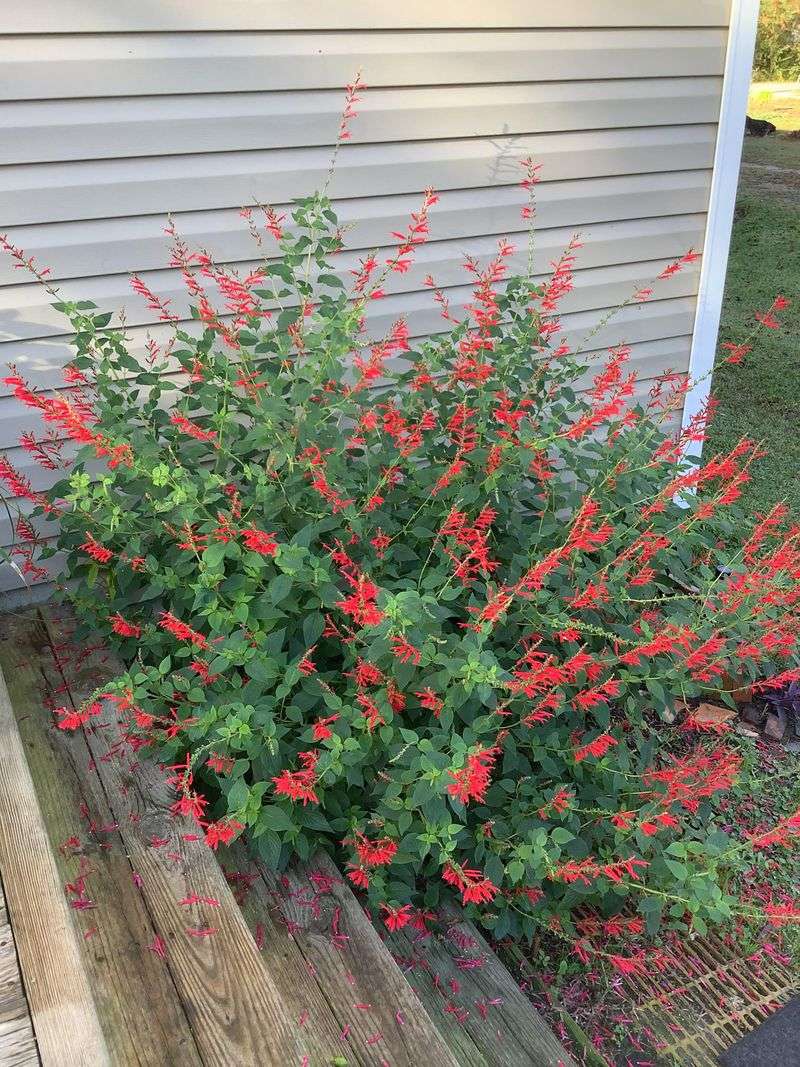
Rubbing a leaf of Pineapple Sage releases a scent so sweet and fruity it almost seems impossible for a plant.
The bright tropical fragrance is genuinely reminiscent of fresh pineapple, and it makes this perennial one of the most sensory-rich plants you can grow.
The bonus is that it also happens to be a fast and impressive grower.
From a small start in spring, Pineapple Sage can grow into a lush, rounded clump of three to five feet by late summer.
The bright red tubular flowers appear in fall and are absolutely irresistible to hummingbirds.
Planting it near a window or outdoor seating area means you get both the fragrance and the wildlife show. It prefers full sun to partial shade and regular watering during the growing season.
In our warm climate, it can behave almost like a small shrub, especially in frost-free areas where it survives winter and comes back even larger the following year.
The leaves are edible and have a mild pineapple flavor that works well in teas, fruit salads, and desserts.
Picking a few leaves regularly also encourages the plant to produce more fresh growth throughout the season.
Cut it back hard in late winter to keep the shape tidy and promote vigorous new growth in spring.
With that one simple step, it bounces back reliably and starts building its impressive size all over again. It is a true sensory delight in any garden.
8. Hummingbird Sage Spreads Into A Lush Native Patch
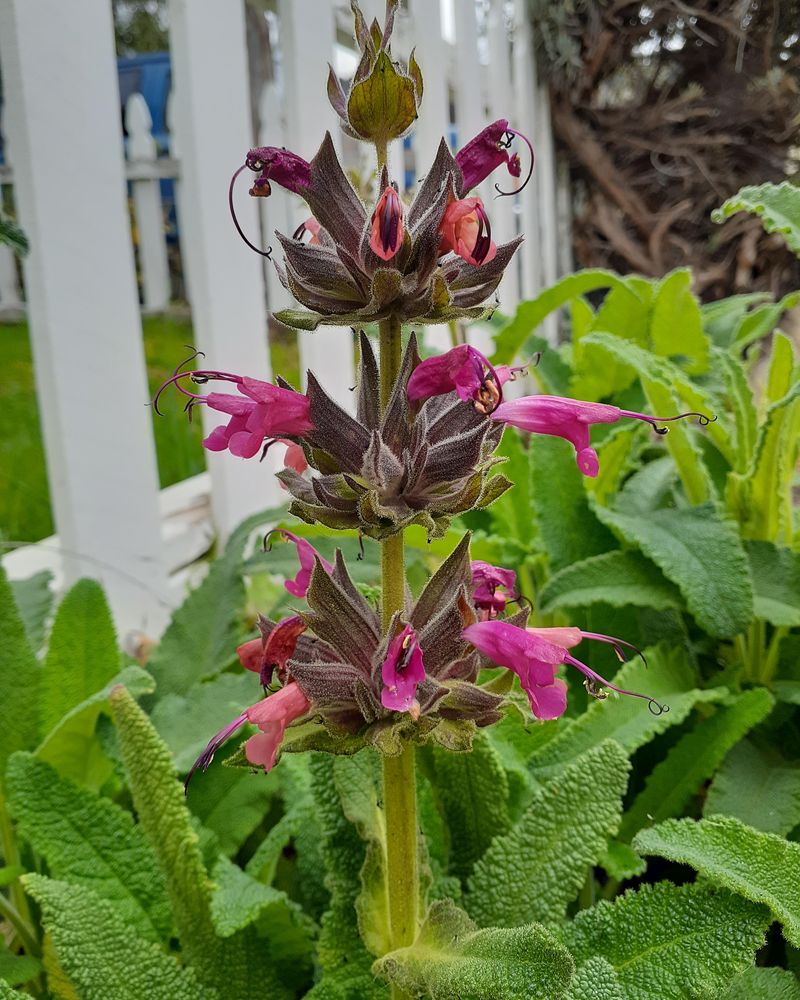
Native plants have a way of fitting into a landscape so naturally it looks like they were always meant to be there, and Hummingbird Sage is a perfect example of that.
This low-growing native perennial spreads steadily by underground runners, filling in shaded and partly sunny spots where many other plants struggle to grow.
In one season, a single plant can expand into a wide, leafy patch.
The large, textured leaves are dark green and deeply aromatic when touched. In spring, tall spikes of deep magenta-pink flowers rise above the foliage, drawing hummingbirds in immediately.
The blooms are stunning, but even without them, the foliage makes excellent ground cover.
One of its best qualities is its adaptability to dry shade, which is one of the toughest spots to fill in any garden.
Under oak trees or along north-facing slopes, Hummingbird Sage thrives where others give up.
It is truly one of our state’s most useful native plants. Water it regularly in its first season to help it establish, then pull back to occasional deep watering once roots are settled.
It is quite drought-tolerant once it finds its footing. For a natural, low-maintenance garden that supports local wildlife, few plants are more valuable.
It provides cover for small birds and insects, feeds hummingbirds, and looks beautiful doing it.
Spreading it around shaded areas creates a lush, cohesive look that feels both wild and intentional.
9. Society Garlic Forms A Bigger Flowering Clump Fast
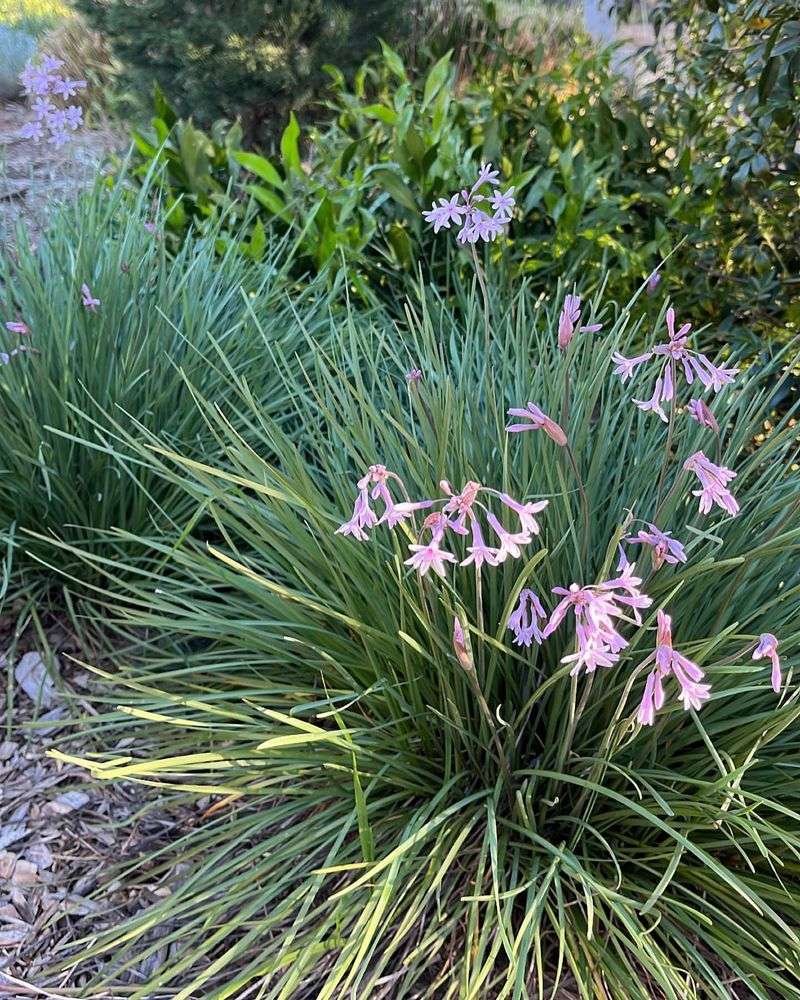
Society Garlic might have a funny name, but its performance in the garden is no joke.
This tough, clumping perennial gets its name from the mild garlic scent of its leaves, which is noticeable when crushed but not overpowering in the garden.
The real draw is how quickly it builds into a full, impressive clump loaded with blooms.
Starting from a small division or transplant, Society Garlic can expand significantly in just one growing season.
The slender, blue-green strap-like leaves form a dense mound, and from late spring through summer, tall stems rise above the foliage carrying clusters of soft lavender-pink flowers.
The overall effect is graceful and cheerful. Full sun is ideal, but it handles partial shade surprisingly well.
It is also highly drought-tolerant once established, which makes it a smart choice for water-conscious gardeners in our state.
Once planted, it needs very little attention to keep performing year after year.
Dividing the clump every few years keeps it looking fresh and gives you more plants to spread around the garden.
Each division will establish quickly and start expanding on its own, so one original plant can eventually supply an entire border.
It also works beautifully as an edging plant along pathways, driveways, or garden beds.
The tidy, upright habit and long bloom season make it one of the most versatile and dependable perennials you can grow for fast, long-lasting garden impact.