The Cold Night Mistake That Sets Back Virginia Pepper Gardens Every Spring
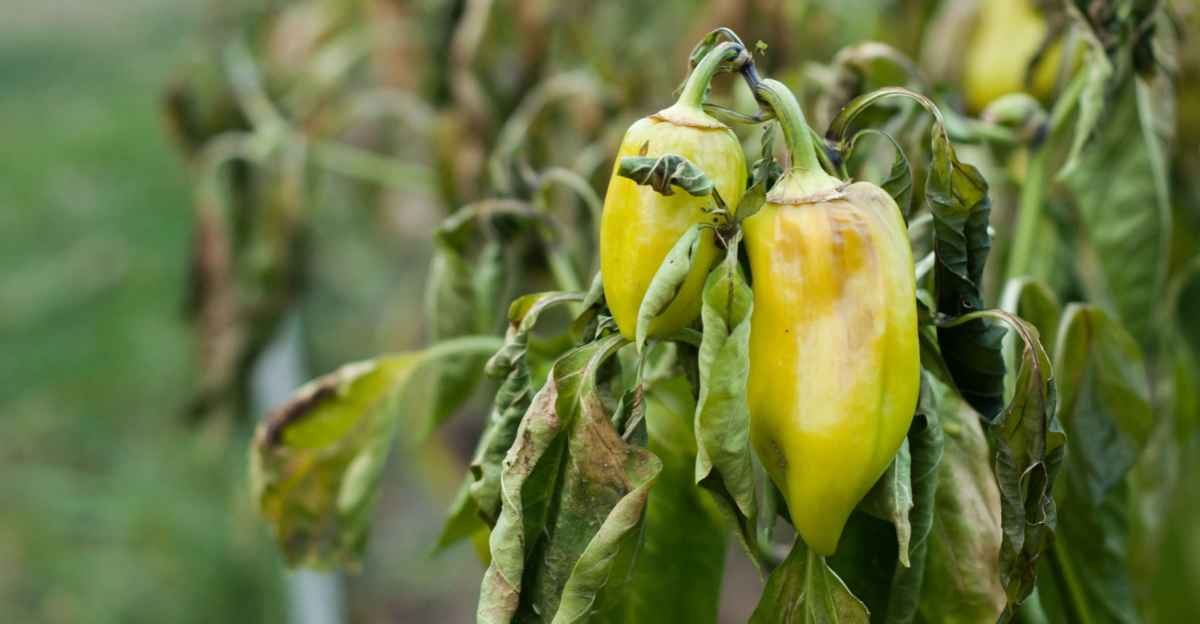
Virginia gardeners know the feeling. The season looks promising, you get your peppers in the ground, and then a cold snap rolls through and resets everything.
By morning, your pepper plants are drooping like they’ve given up on life.
Cold snaps don’t announce themselves, and peppers feel every single degree of it more than almost any other vegetable in your garden.
Peppers are warm-season crops with low tolerance for cold stress. A single chilly night can slow their growth, mess with their roots, or set off a chain of problems that follows them through the entire season.
Virginia’s spring is notoriously fickle, and that unpredictability catches even seasoned gardeners off guard.
Knowing what’s happening and why puts you way ahead. Read on to find out exactly what cold does to your pepper plants.
You’ll learn which varieties give you a fighting chance, and what to do the morning after a rough night.
Planting Too Early Is The Mistake That Lets Cold Nights Win
Unlike tomatoes or kale, peppers evolved in tropical climates where cool nights simply do not exist. That origin makes them unusually sensitive to the kind of spring weather Virginia delivers every year.
The mistake that many gardeners make is trusting a string of warm days. The forecast looks good, the transplants look ready, and then one cold night undoes days of steady progress.
When temperatures dip below 55 degrees Fahrenheit, a pepper plant’s metabolism slows significantly. Nutrient uptake becomes inefficient and growth can stall for days after just one cold night.
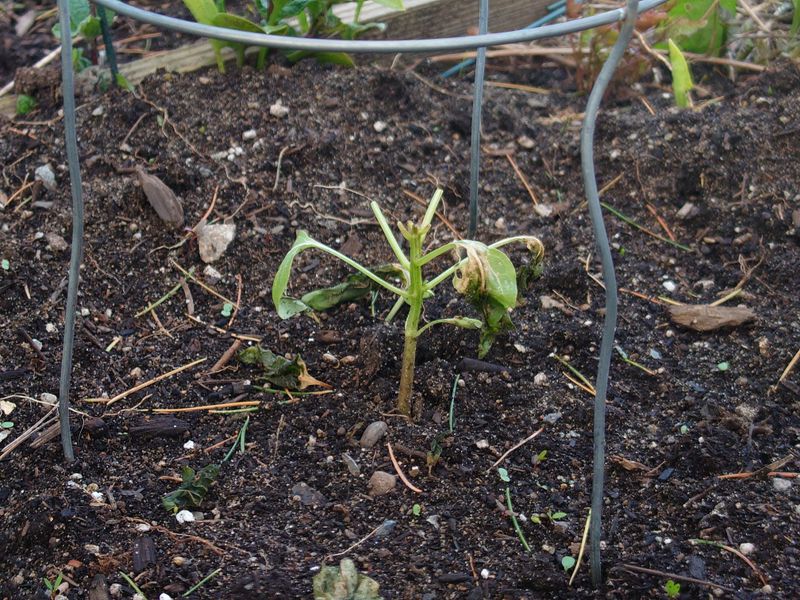
Young transplants are especially vulnerable because their root systems are shallow and their stems are still tender. Cold air also triggers ethylene production, which can cause flowers and early fruit to drop.
That means you lose not just growth time but your first wave of potential harvest. Waiting until nighttime temperatures are consistently above 55 degrees before transplanting is the single most effective way to avoid this setback.
The Temperature Range Virginia Gardeners Need To Know
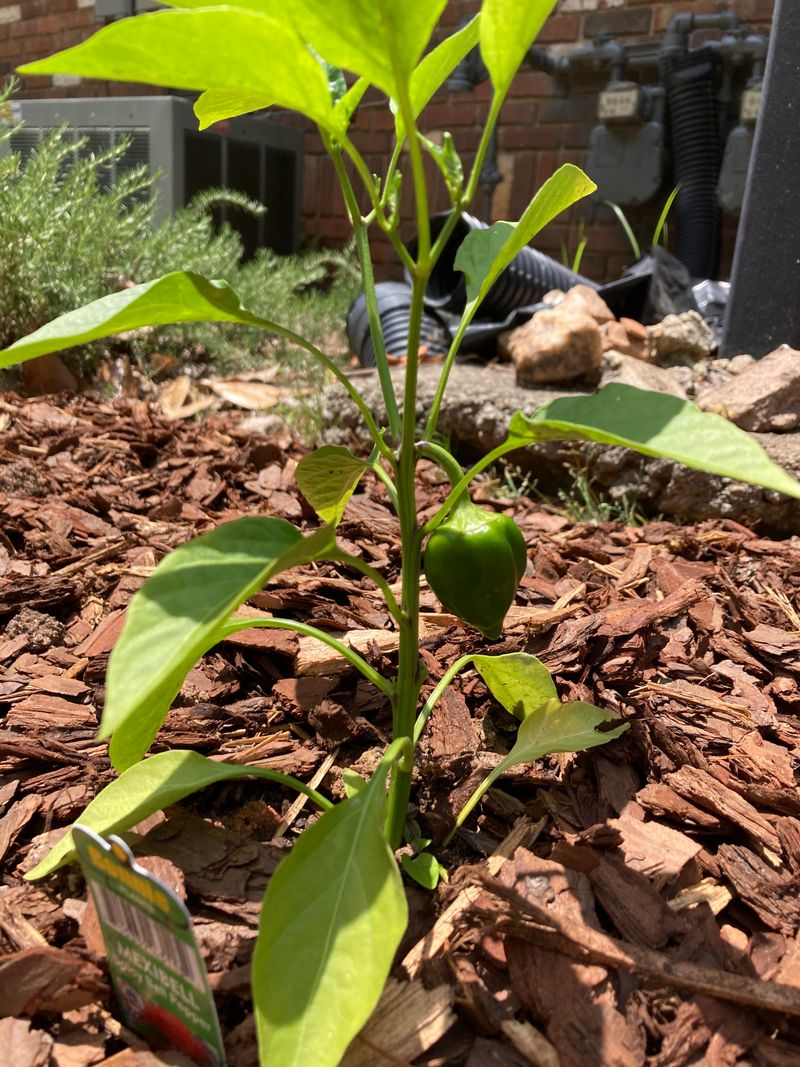
Numbers matter more than feelings when it comes to pepper survival. Most gardeners know peppers like warmth, but few know exactly where the danger zone begins.
Pepper plants start showing stress when nighttime temperatures fall below 55 degrees Fahrenheit. Below 50 degrees, growth slows noticeably, and the plant begins to struggle.
At 40 degrees, chilling injury sets in. Cell membranes begin to break down, and the plant cannot recover quickly even after temperatures rise again.
Below 32 degrees, frost forms and tissue damage becomes severe. A hard frost can wipe out an unprotected transplant overnight, leaving nothing but blackened, mushy stems by morning.
Virginia’s spring averages vary widely by region. The Shenandoah Valley and higher elevations can see frost well into May, while the Tidewater region warms faster but still catches surprise cold fronts in April.
The last frost date for most of central Virginia falls between April 15 and May 1. That window is your guide, but local microclimates can shift it by two weeks in either direction.
Your Virginia Garden Changes Every Week. Your Plan Should Too.
Gardening in Virginia changes quickly throughout the season. Every Friday you’ll receive a simple weekly plan showing exactly what to plant, prune, fertilize, harvest, and protect so you never miss the right timing.
Always check soil temperature too. Peppers need soil consistently above 60 degrees to thrive, and cold soil slows root development even on warm days.
Signs Your Pepper Plants Took A Hit From The Cold
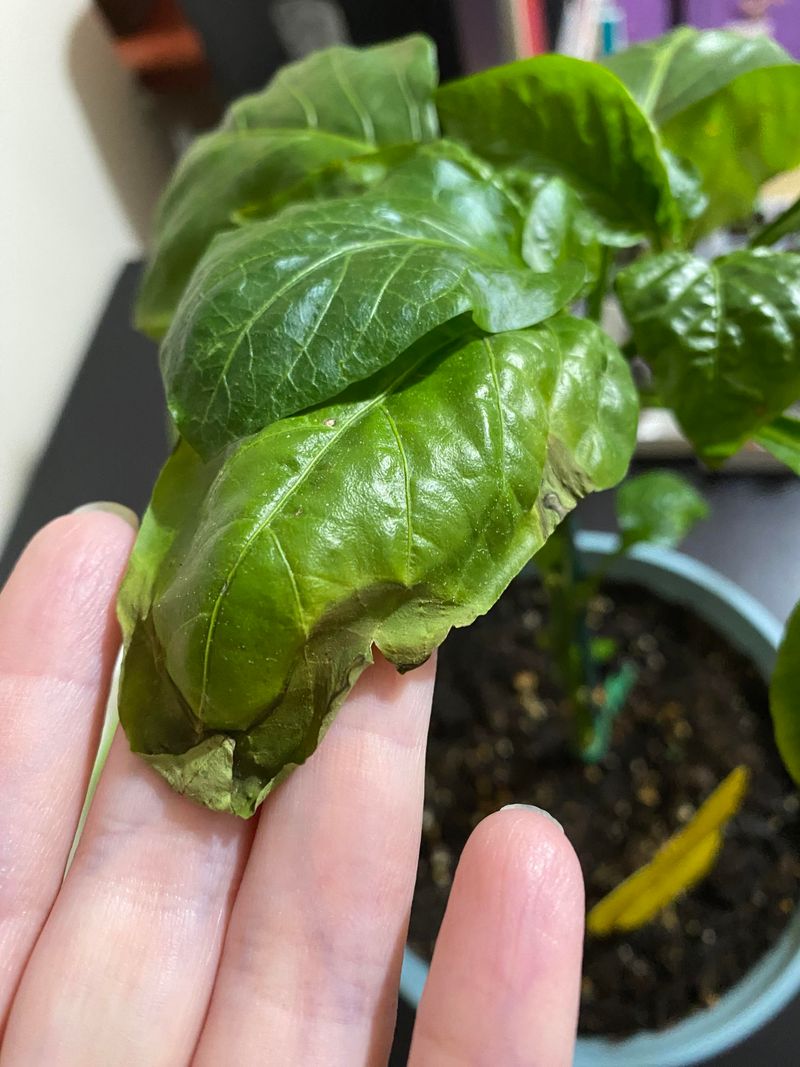
Your plants will tell you what happened if you know how to read them. Cold damage does not always look dramatic at first glance.
One of the earliest signs is leaf curling. Leaves roll inward as the plant tries to conserve moisture and protect itself from further stress.
Purple discoloration on the undersides of leaves is another red flag. This happens because cold temperatures interfere with phosphorus absorption, causing pigments called anthocyanins to build up in the leaf tissue.
Yellowing between the leaf veins, called interveinal chlorosis, often appears a few days after a cold event. It signals that nutrient movement inside the plant has been disrupted.
Wilting that does not recover after a warm afternoon is a more serious sign. If stems feel soft or look water-soaked near the base, the damage may be deep enough to threaten the plant’s survival.
Flower drop is another heartbreaking symptom. A plant that was just about to set fruit will shed its blossoms as a stress response, pushing back your harvest timeline significantly.
Catching these signs early gives you the best chance to intervene with extra care, proper watering, and protection before the next cold night arrives.
Which Pepper Varieties Handle Virginia Springs The Best
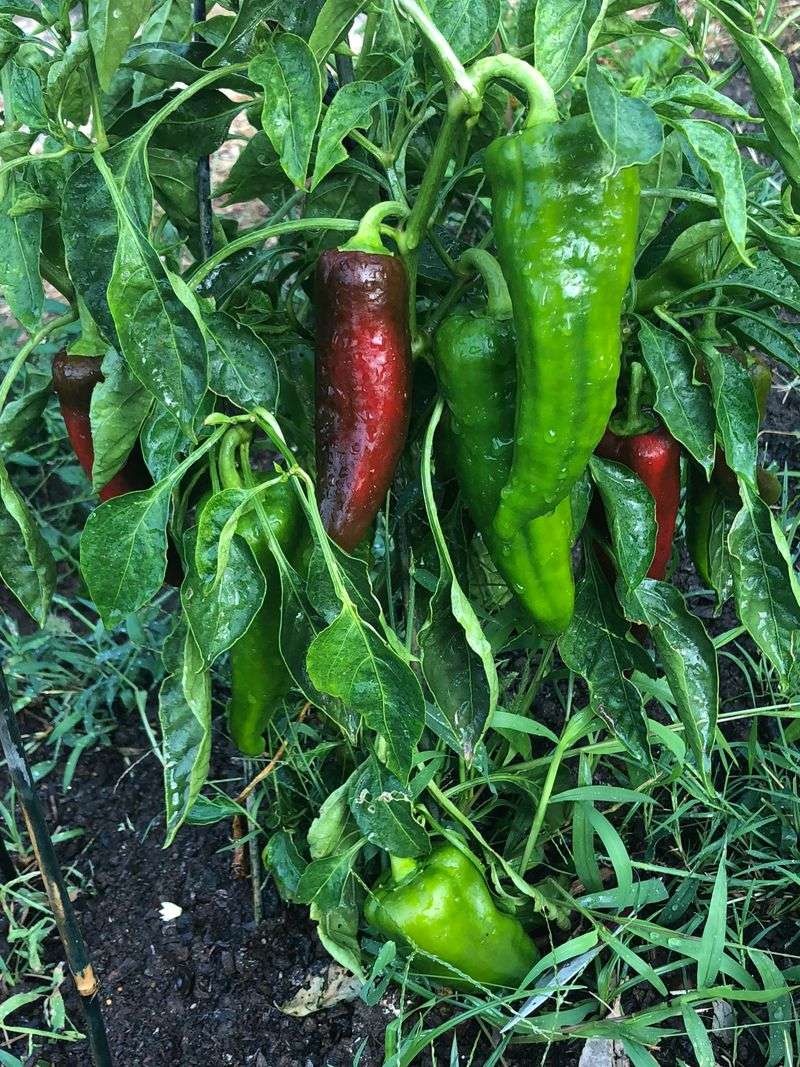
Choosing the right variety is one of the smartest moves you can make before planting season even begins. Not all peppers are created equal when it comes to cold tolerance.
Sweet Italian varieties like Carmen and Lipstick tend to do well in Virginia’s unpredictable springs. They establish faster in cool soil and recover more quickly after a temperature dip.
Among hot peppers, Poblano and Anaheim types tend to handle early-season cold better than thin-skinned varieties like Thai chiles or habaneros. Thicker-walled fruits and sturdier plants give these varieties a natural edge.
Early-maturing varieties are also worth seeking out. A pepper that matures in 60 to 70 days gives you more flexibility if a cold snap pushes back your planting schedule by a few weeks.
Seed catalogs from regional suppliers in the Mid-Atlantic often flag varieties that perform well in Virginia conditions. These recommendations come from real field trials, not just general marketing claims.
Starting with transplants rather than direct seeding also helps, since established root systems handle cold stress better than freshly germinated seedlings. Give your plants every advantage from the very start of the season.
How To Protect Your Plants When Temperatures Drop
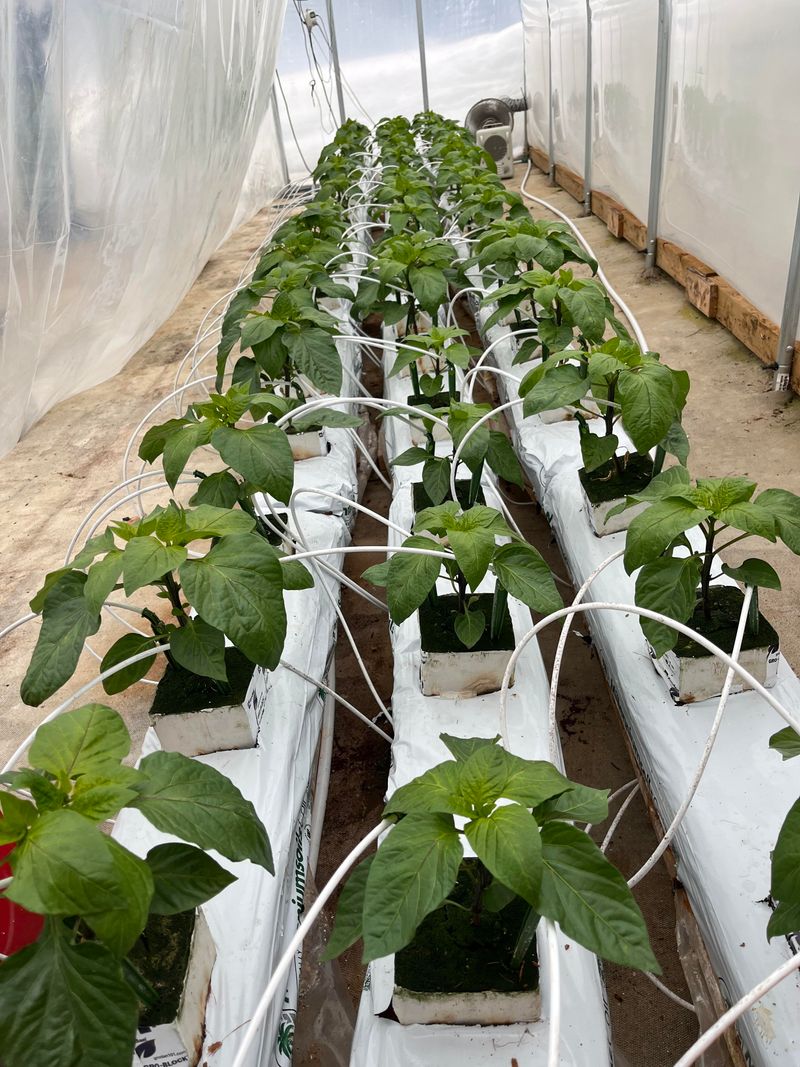
A cold forecast does not have to mean disaster. A few simple tools and smart habits can keep your pepper plants safe through almost any spring cold snap.
Frost cloth, also called row cover, is one of the most useful tools you can keep on hand during a Virginia spring. A lightweight floating version can raise the temperature around your plants by 4 to 8 degrees Fahrenheit, often just enough to prevent damage.
Plastic cloches, which are dome-shaped covers placed over individual plants, trap heat from the soil and create a mini greenhouse effect. They are inexpensive, reusable, and easy to set up in minutes.
Watering your plants thoroughly before a cold night can also help. Moist soil holds heat better than dry soil, releasing warmth slowly through the night and buffering the air around the roots.
Mulching around the base of each plant with straw or wood chips adds another layer of insulation. Thick mulch keeps soil temperatures more stable even when air temperatures swing wildly.
For raised beds, consider adding a cold frame using old window panes or clear plastic sheeting stretched over a simple wooden frame. These structures extend your growing season by weeks on either end.
Getting Your Pepper Garden Back On Track After A Cold Snap
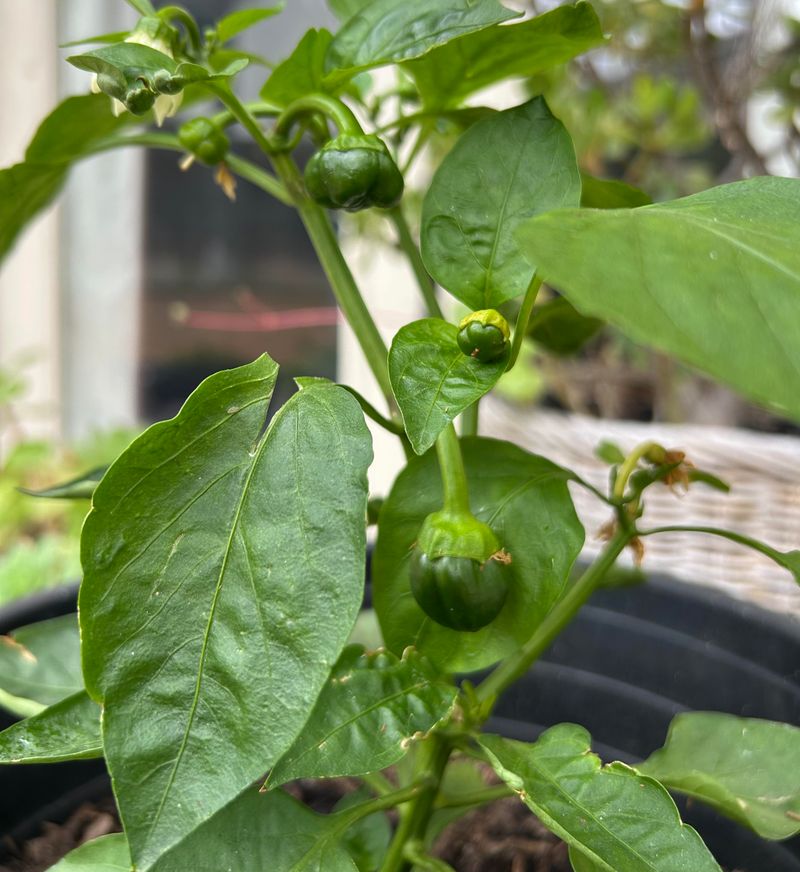
Recovery is absolutely possible after a cold setback. The key is patience, attentive care, and knowing what your plants actually need right now.
Start by waiting a full 48 hours after the cold event before making any decisions about pulling plants. What looks gone on Monday morning can show new growth by Wednesday afternoon.
Trim off any blackened or mushy tissue with clean scissors once you are sure the damage is stable. Removing damaged material helps redirect the plant’s energy toward healthy new growth.
Give recovering plants a light dose of balanced fertilizer to support new growth. Avoid heavy nitrogen applications right after cold stress, as too much nitrogen can push soft, vulnerable new growth that is easily damaged again.
Keep the soil consistently moist but not soggy during recovery. Stressed roots are less efficient at pulling water, so even moderate dryness can set the plant back further.
Watch for new leaves emerging from the growing tip. That is your clearest sign that the plant has decided to push forward and recover from the early-season cold snap that set back so many Virginia peppers this spring.
Stay attentive, stay hopeful, and your garden will reward the effort with a strong second wind.
When To Replant And When To Wait It Out
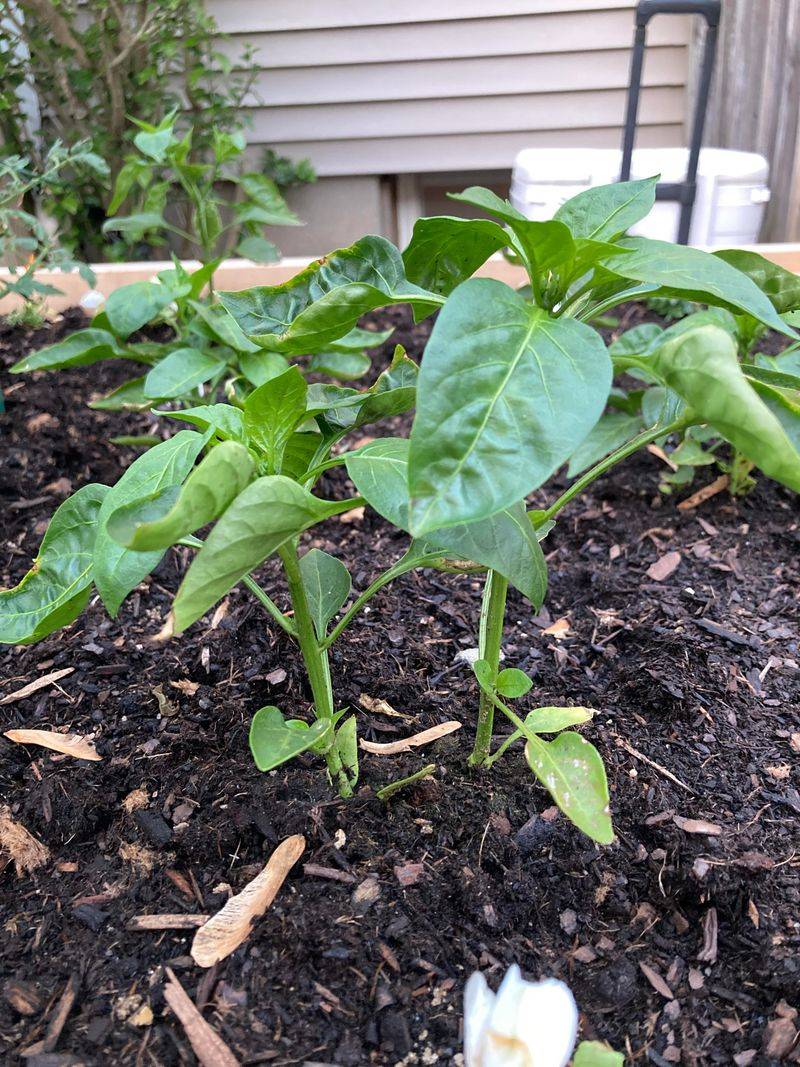
Sometimes the hardest garden decision is knowing when to let go. After a bad cold snap, some plants simply will not bounce back, and holding on too long costs you the whole season.
Give each plant a fair assessment after 5 to 7 days of warm weather post-cold event. If there is no new growth emerging from the stem tip and the base feels mushy or hollow, that plant is done.
Replanting is not a failure. It is a smart, strategic move that keeps your season alive.
Most garden centers in Virginia restock pepper transplants through late May, giving you a real second chance.
If you started seeds indoors, check whether you have backup seedlings that can step in. Savvy gardeners often start 20 to 30 percent more seedlings than they plan to plant for exactly this reason.
When replanting, choose a slightly later-maturing variety if you are now planting after May 1. A faster variety compensates for the lost time and still delivers a solid harvest before fall temperatures arrive.
Amend your soil with compost before replanting to give new transplants the best possible start. Fresh, healthy soil makes a real difference in how quickly new plants establish and begin growing strong.