This May Task Helps California Gardenias Bloom Through Summer
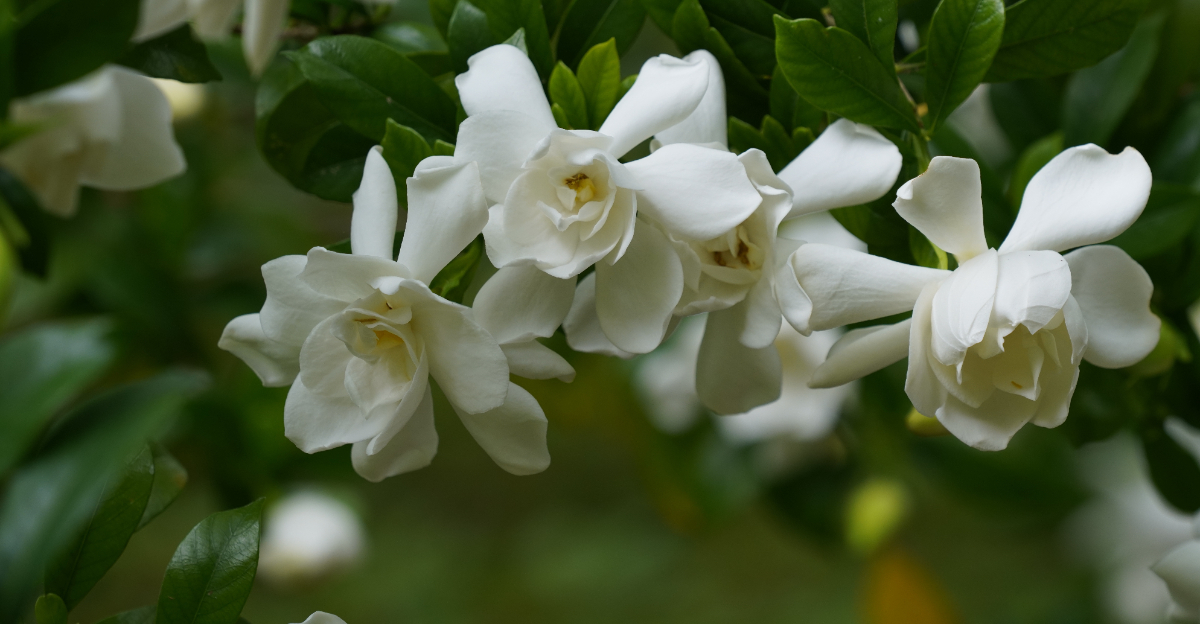
Gardenias do not simply bloom. They make an entrance. Glossy leaves, creamy flowers, perfume that stops you mid-step, the whole thing is very “main character on the patio.”
But in California, May is when these beauties need a little nudge before summer asks them to keep the show going on. That helpful task? A timely feeding.
Nothing dramatic, no garden chemistry lecture required. Just the right boost at the right moment so gardenias can put their energy into strong growth and those dreamy, fragrant blooms everyone hovers near like a cartoon character floating toward pie.
Because as lovely as gardenias are, they can also be a tiny bit particular. Shocking, I know. Give them what they need now, and they are much more likely to reward you later with flowers that make the whole yard smell expensive.
May is your chance to help them gear up for a summer full of glossy, fragrant, look-at-me blooms.
1. Feed Your Gardenias In May
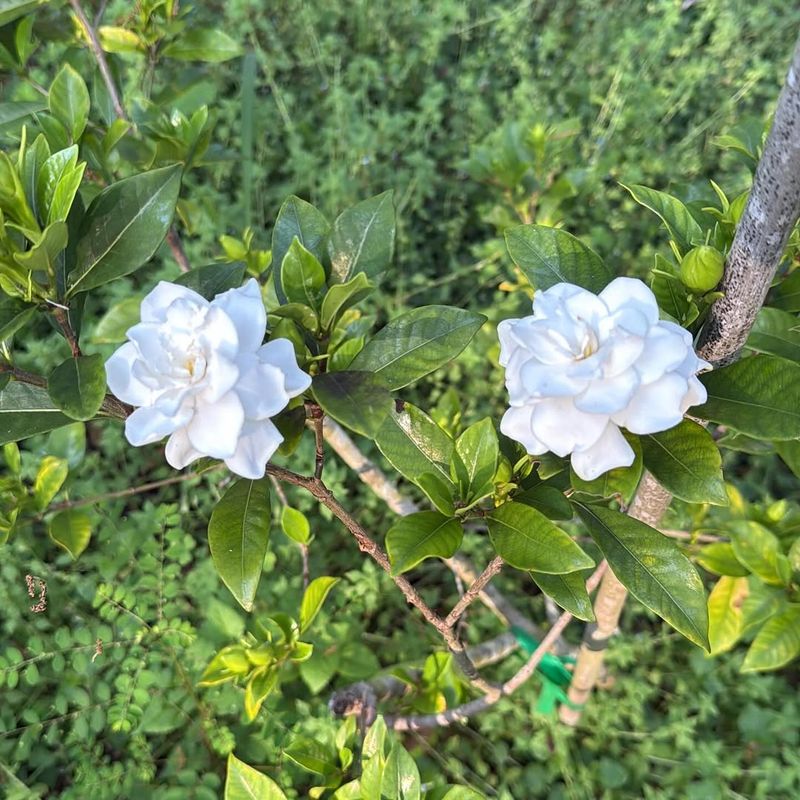
May is the sweet spot for gardenias in California. The soil is warming up, the days are longer, and your plants are ready to grow fast.
Feeding them now gives them the nutrients they need right before their biggest blooming season kicks in.
Gardenias are heavy feeders. That means they use up a lot of nutrients from the soil.
Without a boost in May, they can run low on what they need to produce those big, white, fragrant blooms you love so much.
Think of feeding your gardenias in May like filling up your gas tank before a long road trip. You want them fully fueled before the heat of summer arrives.
Miss this window, and you might spend the rest of the season wondering why your blooms are small or sparse.
In California, the climate can shift quickly from mild to hot. Getting fertilizer down in May means your plant absorbs it before the soil gets too dry.
A well-fed gardenia is stronger, healthier, and far more likely to reward you with waves of blooms from June through August.
2. Use Acid-Loving Fertilizer
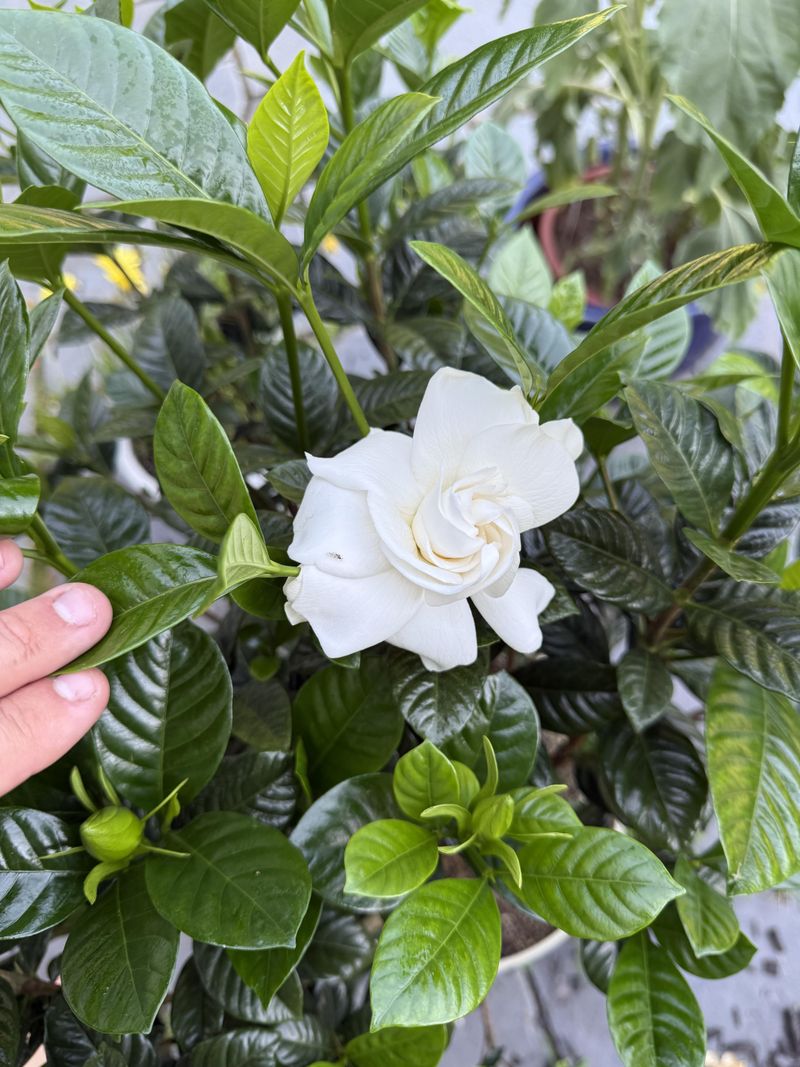
Not all fertilizers are created equal, and gardenias are really picky about what they eat. They thrive in acidic soil, ideally with a pH between 5.0 and 6.0.
Using the wrong fertilizer can actually make things worse instead of better.
Look for fertilizers labeled for acid-loving plants. Brands made for azaleas, camellias, and rhododendrons work great for gardenias too.
These products are specially formulated to lower soil pH while delivering the nutrients your plant needs most.
Nitrogen is especially important for gardenias. It fuels leafy green growth and helps the plant build energy for blooming.
An acid-based fertilizer with a higher nitrogen content is a smart pick for May feeding in California gardens.
You can find these fertilizers at most California nurseries and garden centers. Granular options are easy to apply and last several weeks.
Liquid versions work faster but need more frequent applications. Either way, matching the fertilizer to what gardenias actually need is one of the easiest ways to see a real improvement in blooms this summer.
Your California Garden Changes Every Week. Your Plan Should Too.
Gardening in California changes quickly throughout the season. Every Friday you’ll receive a simple weekly plan showing exactly what to plant, prune, fertilize, harvest, and protect so you never miss the right timing.
3. Water Before Feeding
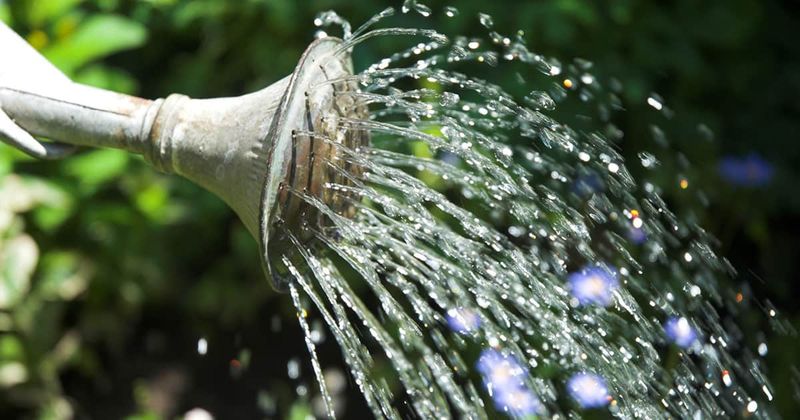
Before you reach for the fertilizer bag, grab the garden hose first. Watering your gardenias before feeding them is a step many people skip, and it can really hurt the plant if the soil is dry when fertilizer goes down.
Dry soil and concentrated fertilizer are a bad combination. When the ground is parched, the roots can absorb too much fertilizer too quickly.
This can cause what gardeners call fertilizer burn, which shows up as brown, crispy leaf tips and stressed-out roots.
Give your gardenias a deep watering the day before or the morning of feeding. You want the soil to be moist all the way through, not just damp on the surface.
This helps the fertilizer dissolve evenly and move into the root zone at a safe, steady pace.
In California, especially in drier regions like Southern California, the soil can dry out faster than you expect. Building a habit of watering before feeding protects your plants and makes every fertilizer application more effective.
Healthy, hydrated roots absorb nutrients better, which means more energy for producing those stunning summer blooms.
4. Spread Food Around Roots
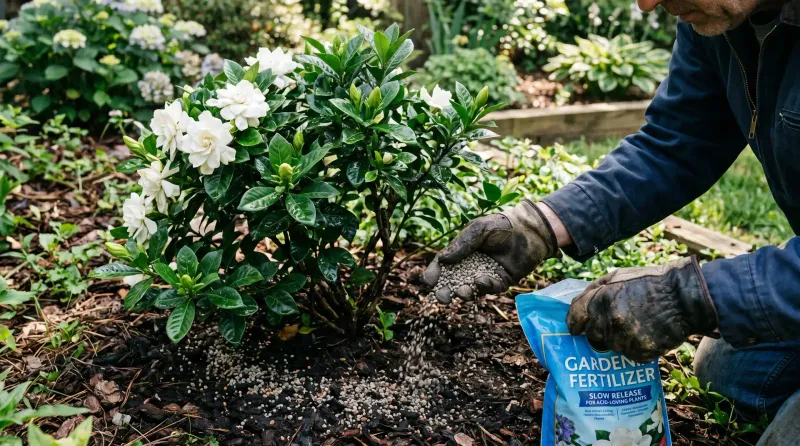
Where you put the fertilizer matters just as much as what kind you use, so don’t miss this important step. Dumping it all in one spot right against the stem is one of the most common mistakes gardeners make.
Spreading it out gives your gardenia a much better chance to absorb everything evenly.
The roots of a gardenia stretch out well beyond the base of the plant. Scatter the fertilizer in a wide circle around the plant, starting a few inches away from the main stem and reaching out to the edge of the leaf canopy.
This area is called the drip line, and it is where the most active roots are feeding.
For granular fertilizers, a light rake or hand-mixing into the top inch of soil can help it work faster. Just be gentle so you do not disturb shallow roots.
Gardenias have sensitive root systems, so rough handling near the base can set them back.
Across California gardens, from San Diego to Sacramento, this simple spreading technique has helped gardeners get noticeably better results. Even feeding encourages even growth, which leads to more flower buds forming along more branches throughout the summer season.
5. Mulch To Keep Soil Cool
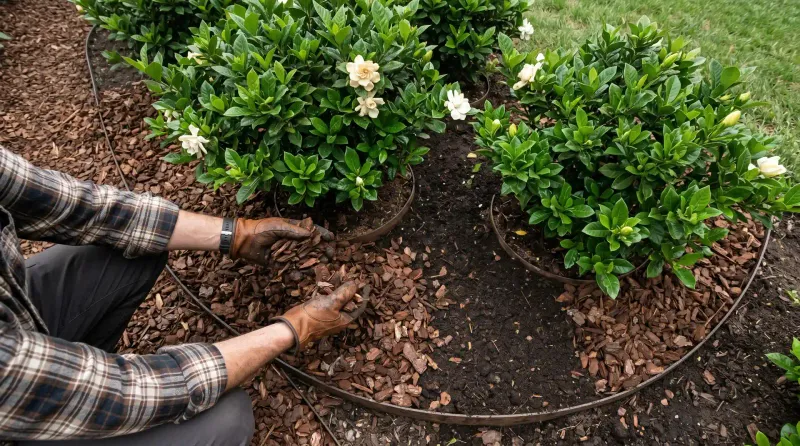
After feeding your gardenias, mulching is the next smart move. A good layer of mulch does something really valuable: it keeps the soil cooler and holds in moisture longer.
Both of those things matter a lot once California summers heat up.
Gardenias do not like hot roots. When the soil temperature climbs too high, the plant gets stressed and can drop its flower buds before they even open.
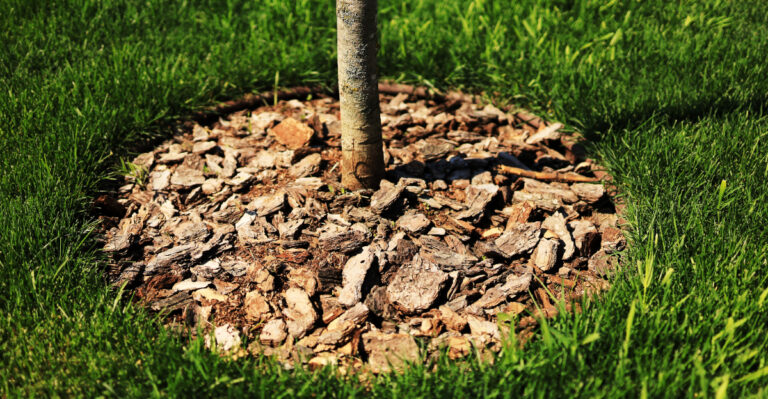
A two to three inch layer of organic mulch acts like a cooling blanket around the root zone.
Pine bark, shredded wood chips, and pine needles are all great mulch choices for gardenias. As a bonus, pine-based mulches break down slowly and can help keep the soil slightly acidic over time.
That is a natural win for a plant that loves lower pH levels.
Spread the mulch in a ring around the plant, keeping it a couple of inches away from the main stem to prevent moisture buildup against the bark. In warmer parts of California, like the Inland Empire or the Central Valley, this step is especially helpful for keeping gardenias comfortable and blooming strong through the hottest months of the year.
6. Watch For Yellow Leaves
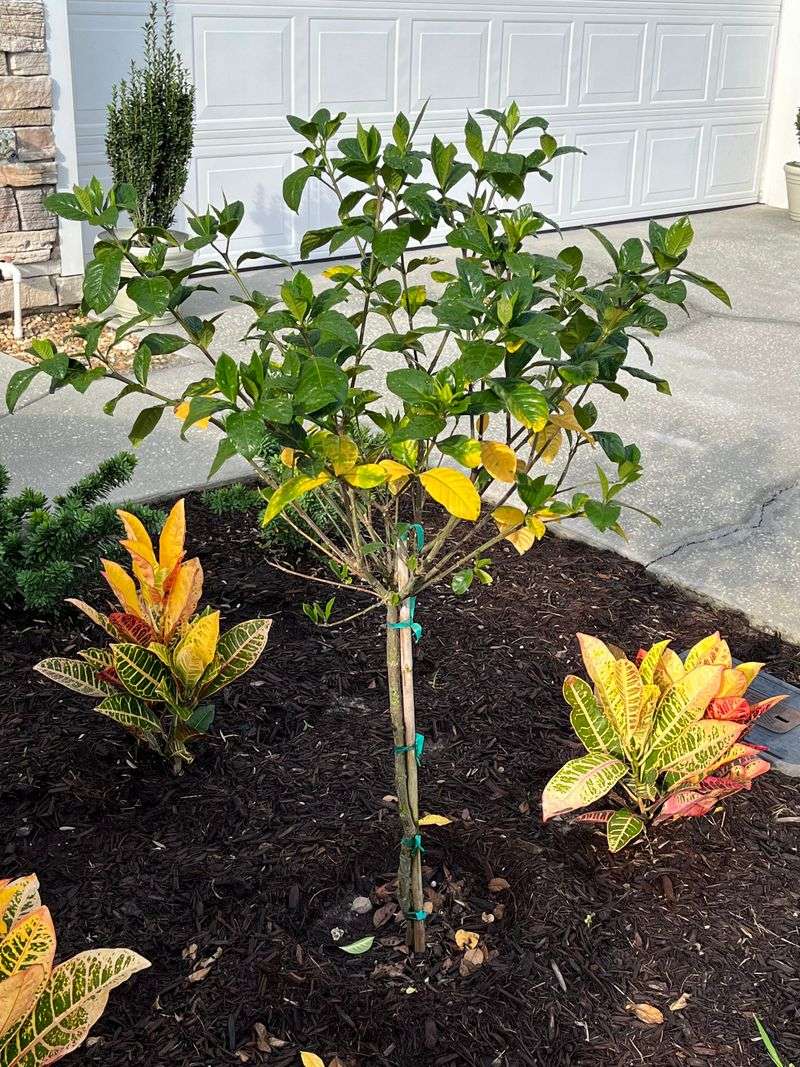
Yellow leaves on a gardenia are a signal worth paying close attention to, and here’s why. They are the plant’s way of telling you something is off, and catching it early in May can save you a lot of frustration later in the summer.
The most common reason gardenias turn yellow in California is a lack of iron or magnesium. This often happens because the soil pH is too high, which locks up nutrients even if they are present.
The fancy term for this is chlorosis, but all it really means is that the leaves cannot make enough green pigment.
If your gardenia has yellow leaves with green veins, iron deficiency is likely the culprit. A dose of chelated iron or an acidifying fertilizer can help correct this quickly.
Yellow leaves that are pale all over might point to a magnesium shortage, which Epsom salt can help address.
Regular feeding with acid-loving fertilizer in May helps prevent these issues from starting. In California, where water can be alkaline, the soil pH can creep up over time.
Staying on top of feeding and checking your plant’s leaves throughout the season keeps small problems from turning into bigger ones.
7. Avoid Overfeeding In Heat
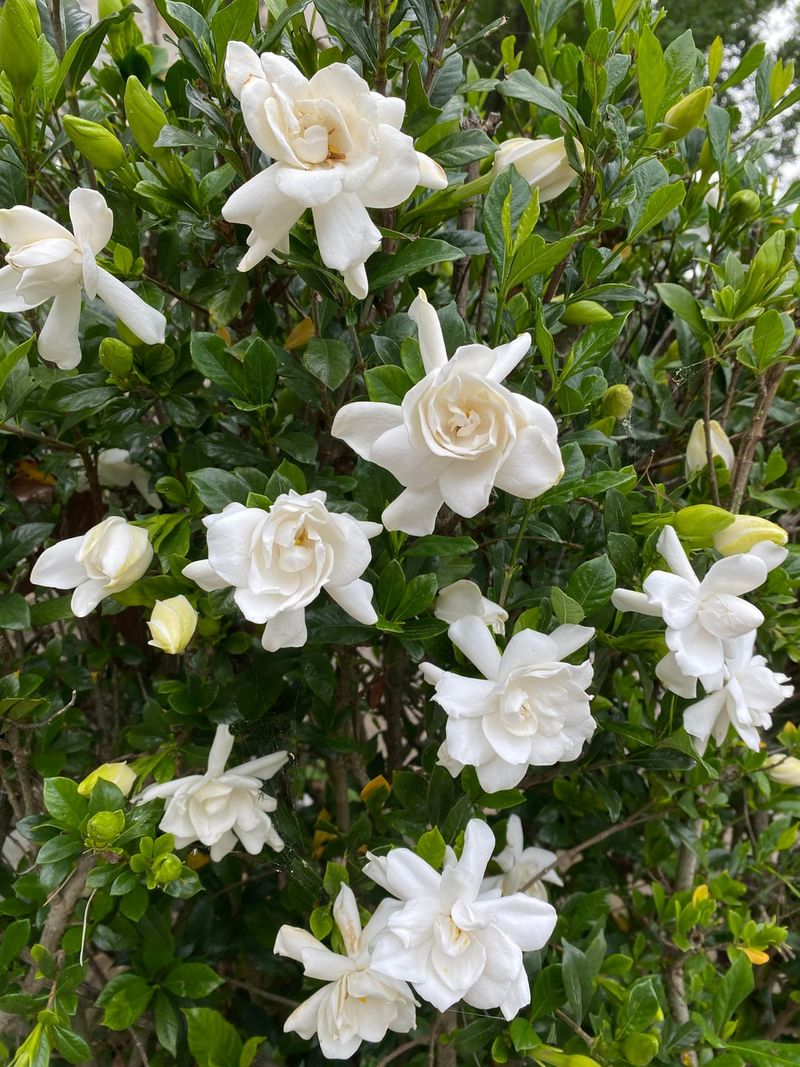
More fertilizer does not always mean more flowers. In fact, overfeeding gardenias, especially as summer heat builds, can do real damage to the plant.
Knowing when to ease up is just as important as knowing when to feed.
Once temperatures in California start pushing into the high 80s and 90s, gardenias slow down their growth. The plant shifts into a kind of survival mode.
Pushing extra nutrients into the soil during this time can overwhelm the roots and cause more harm than good.
Stick to the feeding schedule on your fertilizer package, and resist the urge to add more if your plant looks slow. A stressed gardenia in summer heat needs water and shade far more than it needs extra food.
Overfeeding during hot spells can burn roots and cause leaf drop.
May is the ideal time to get your feeding in before the real heat arrives. After that, scale back to lighter, less frequent applications.
In California, where summer temperatures can spike fast, timing your fertilizer around the weather is a smart strategy. A well-timed May feeding followed by careful summer maintenance gives gardenias the best possible chance to bloom beautifully all season long.