Skip Burning Bush Along Your Pennsylvania Driveway And Plant These Natives Instead
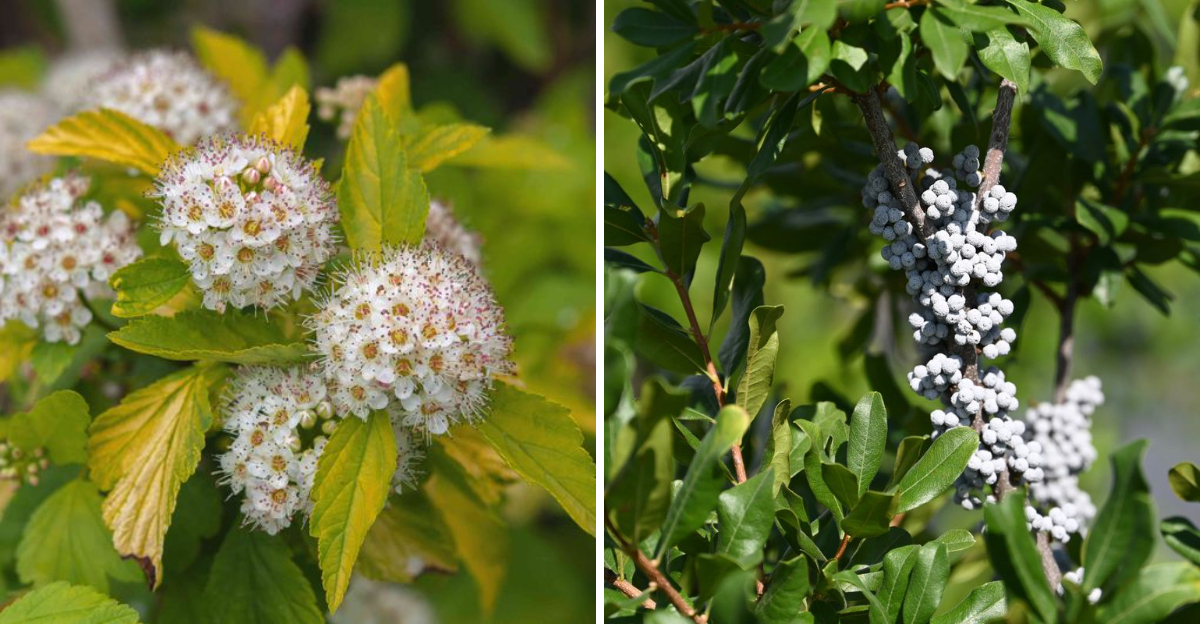
Burning bush has been one of the most popular driveway shrubs in Pennsylvania for years, and the fall color it produces is genuinely hard to argue with.
That bright red foliage turns heads every October and has kept this shrub in garden centers and landscape plans long past the point where its problems became well documented.
The issue is that burning bush is invasive in Pennsylvania, spreading into natural areas beyond the yard and crowding out native vegetation in ways that cause real ecological harm.
Several municipalities and conservation organizations across the state have been pushing back on it, and for good reason.
The good news is that Pennsylvania has native shrubs that deliver comparable or better fall color without any of the invasive baggage, and several of them bring seasonal interest that burning bush cannot match outside of those few weeks in October.
If your driveway has been lined with burning bush out of habit or tradition, there are better options that belong here.
1. Virginia Sweetspire
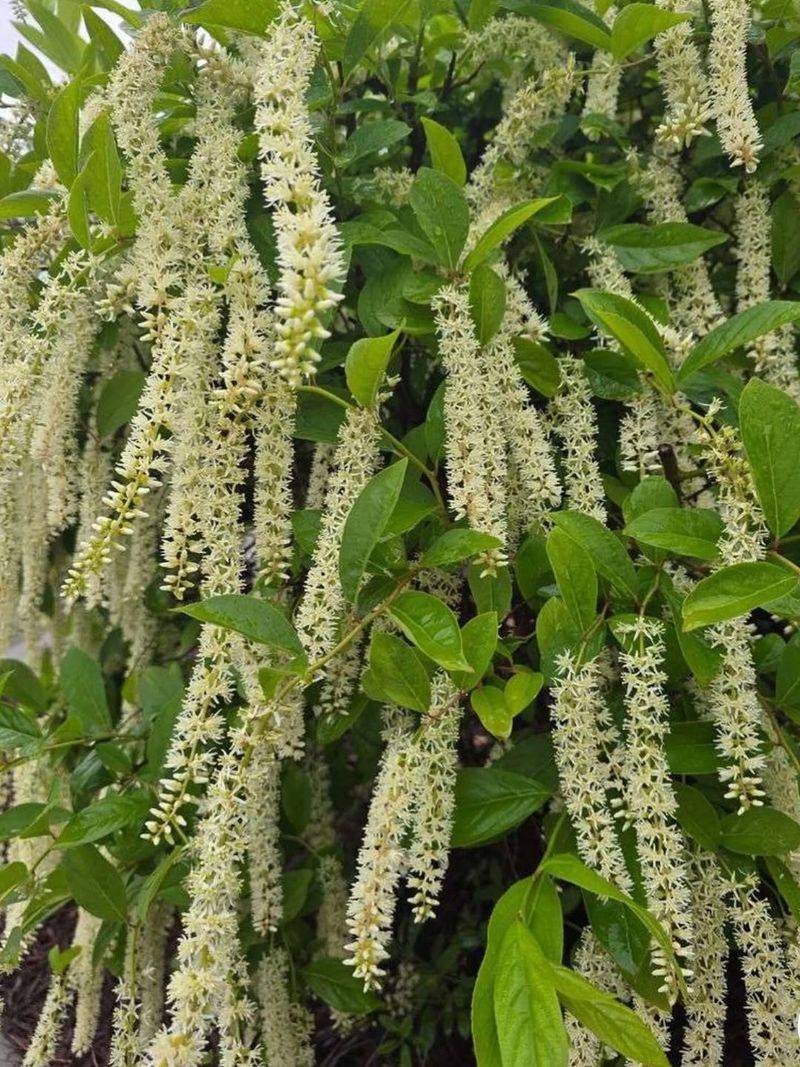
Few native shrubs can match the seasonal drama of Virginia Sweetspire. In late spring and early summer, it bursts into long, drooping clusters of tiny white flowers that smell faintly sweet.
Then, when fall rolls around, the leaves shift into brilliant shades of red, orange, and purple that rival anything burning bush can offer.
Virginia Sweetspire thrives in Pennsylvania’s climate and is incredibly adaptable. It grows well in full sun to partial shade and handles wet or dry soils without much fuss.
That makes it a smart choice for driveways where drainage can be unpredictable or where tree shade limits your planting options.
The shrub typically grows three to five feet tall and wide, forming a tidy, rounded shape that looks polished along a driveway edge.
It spreads slowly through underground stems, creating a natural, low-maintenance groundcover effect over time. You will not need to constantly reshape it to keep things looking neat.
Birds love Virginia Sweetspire for its dense branching, which offers excellent shelter during nesting season. Pollinators flock to the flowers in early summer, making your driveway a buzzing, lively space during the warmer months.
Native bees especially benefit from this shrub’s nectar-rich blooms. One underrated bonus: Virginia Sweetspire is deer-resistant. In many Pennsylvania neighborhoods, deer pressure can make gardening feel frustrating.
Choosing a shrub that deer tend to avoid saves you a lot of headaches. Plant it in groups of three for the best visual impact along your driveway.
2. Ninebark
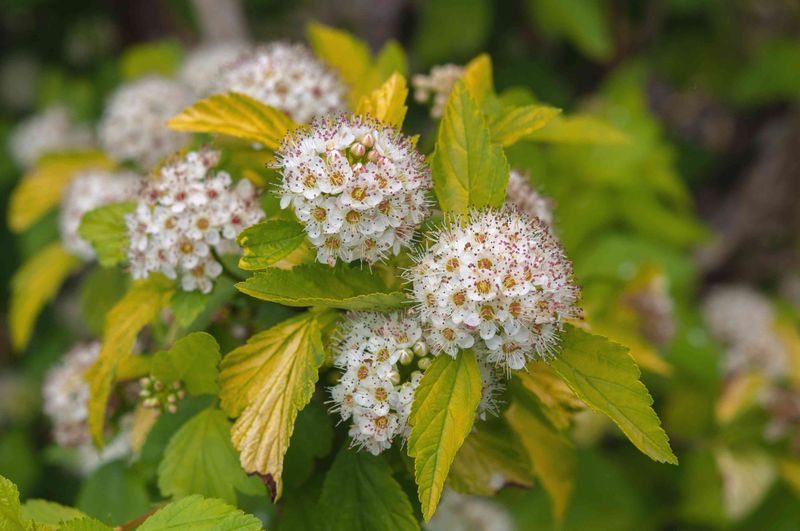
There is something almost architectural about Ninebark. Its peeling, layered bark gives it a striking texture that stands out even in winter when everything else looks bare.
That year-round visual interest is exactly what you want from a driveway shrub, and Ninebark delivers it in spades.
In late spring, Ninebark covers itself in clusters of small white or pinkish flowers that attract a wide range of native bees and butterflies. After flowering, reddish seed capsules develop and hang on through summer, adding another layer of color and texture.
Your Pennsylvania Garden Changes Every Week. Your Plan Should Too.
Gardening in Pennsylvania changes quickly throughout the season. Every Friday you’ll receive a simple weekly plan showing exactly what to plant, prune, fertilize, harvest, and protect so you never miss the right timing.
The foliage itself comes in varieties ranging from deep burgundy to golden yellow, giving you plenty of design flexibility.
Pennsylvania gardeners love Ninebark because it is genuinely tough. It tolerates poor soils, drought, clay, and even road salt spray, which is a real concern for driveway plantings. Once established, it asks very little of you in terms of maintenance or extra watering.
Ninebark grows quickly, reaching six to ten feet tall depending on the variety. Compact cultivars like Physocarpus opulifolius ‘Nanus’ are perfect if you want a neater, more contained look along a narrower driveway.
Larger varieties work beautifully as a bold, informal hedge.Wildlife benefits are strong here too. Caterpillars of several native moth species feed on Ninebark foliage, which supports the broader food web.
Birds eat the seeds and use the dense branching for cover. Choosing Ninebark means choosing a shrub that actively gives back to your local ecosystem all year long.
3. Arrowwood Viburnum
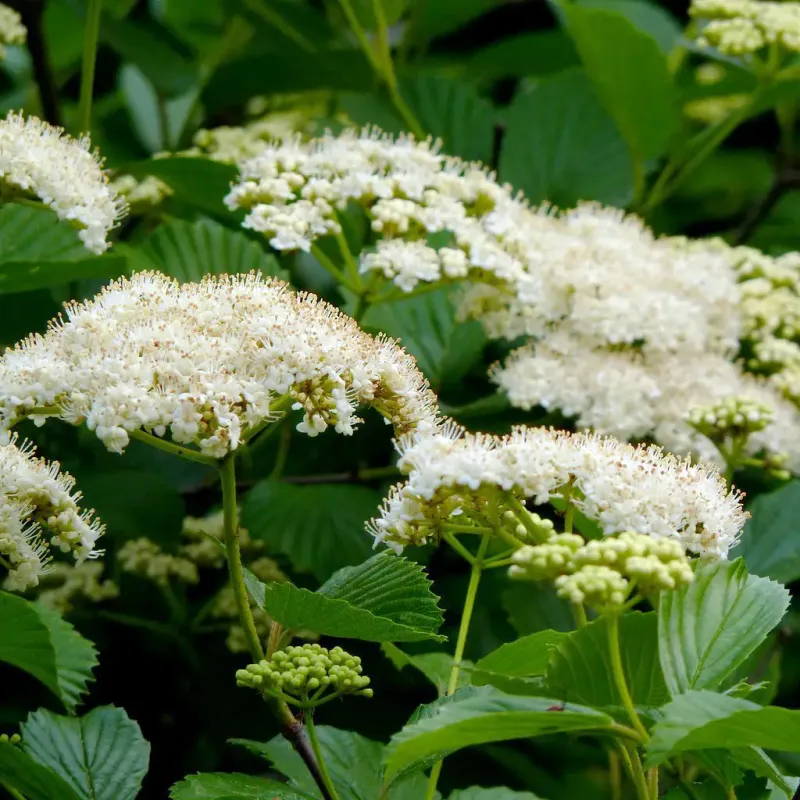
Arrowwood Viburnum is one of those plants that earns its place in a landscape by doing almost everything right. It flowers beautifully in late spring with flat-topped clusters of creamy white blooms.
By late summer, those flowers turn into clusters of blue-black berries that birds absolutely cannot resist. Then, in fall, the foliage shifts to shades of red and purple that look stunning against a Pennsylvania driveway.
Native Americans historically used the straight, strong stems of Arrowwood Viburnum to make arrow shafts, which is exactly where the name comes from.
That bit of history makes this shrub feel connected to the land in a meaningful way. Planting it is a small nod to the deep roots of Pennsylvania’s natural heritage.
Growing six to ten feet tall and wide, Arrowwood Viburnum works well as an informal screen or a bold anchor planting at the end of a driveway.
It adapts to full sun or partial shade and handles a wide range of soil types, including heavy clay soils that are common in many Pennsylvania yards.
The wildlife value of this shrub is exceptional. Over 100 species of birds have been recorded eating its berries, including robins, bluebirds, and cedar waxwings.
Native bees swarm the flowers in spring, and its foliage supports the larvae of several native butterfly and moth species.
Pruning is minimal with Arrowwood Viburnum. A light trim every few years keeps it tidy without sacrificing the flowering or berry production that makes it so valuable to your yard’s ecosystem.
4. Black Chokeberry
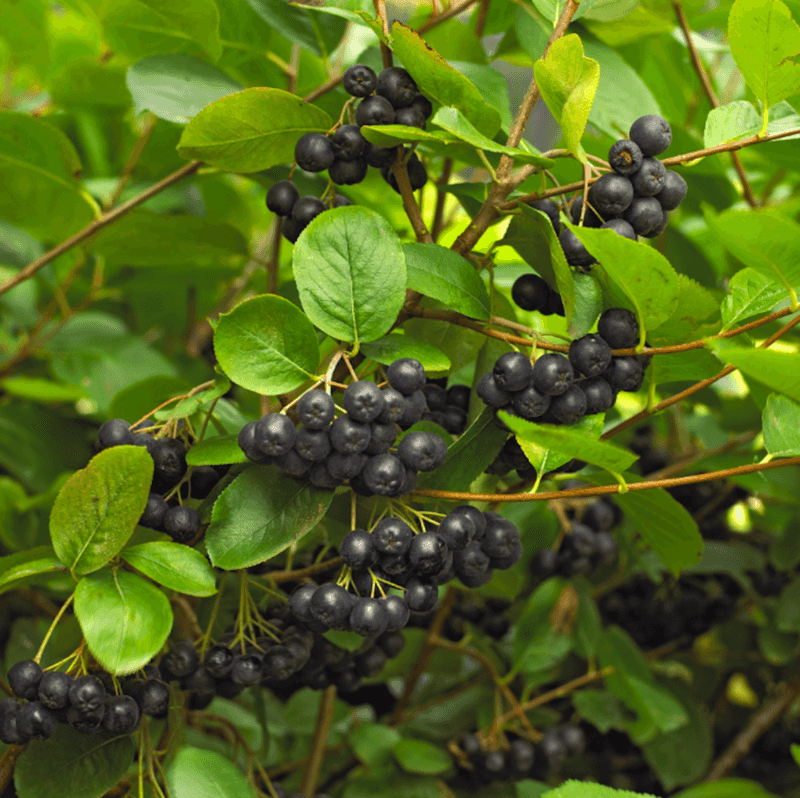
Black Chokeberry might sound like an unusual name, but this native shrub is anything but ordinary. It puts on one of the most impressive fall color shows of any Pennsylvania native, turning brilliant shades of red and orange that stop people in their tracks.
Pair that with clusters of glossy black berries, and you have a driveway planting that looks like it belongs on the cover of a gardening magazine.
Spring brings delicate clusters of white flowers that attract early pollinators just waking up after a long winter. The flowers are modest but charming, appearing before the leaves fully emerge.
That early bloom time makes Black Chokeberry especially valuable for native bees searching for food in April and May.
One of the most practical things about Black Chokeberry is its tolerance for wet, poorly drained soils. Many driveway areas collect runoff or stay soggy after rain, which can stress less adaptable plants.
Black Chokeberry handles those conditions with ease, making it a reliable choice for challenging spots.
It grows three to six feet tall and tends to spread through suckering, forming a natural colony over time.
This spreading habit actually works in your favor along a driveway, creating a dense, layered look that requires very little intervention. Simply remove any suckers that stray too far if you need to keep things contained.
Birds devour the berries through fall and winter, with species like robins, cedar waxwings, and mockingbirds returning repeatedly. Planting Black Chokeberry means your driveway becomes a reliable food source for wildlife when other options are scarce.
5. Winterberry Holly
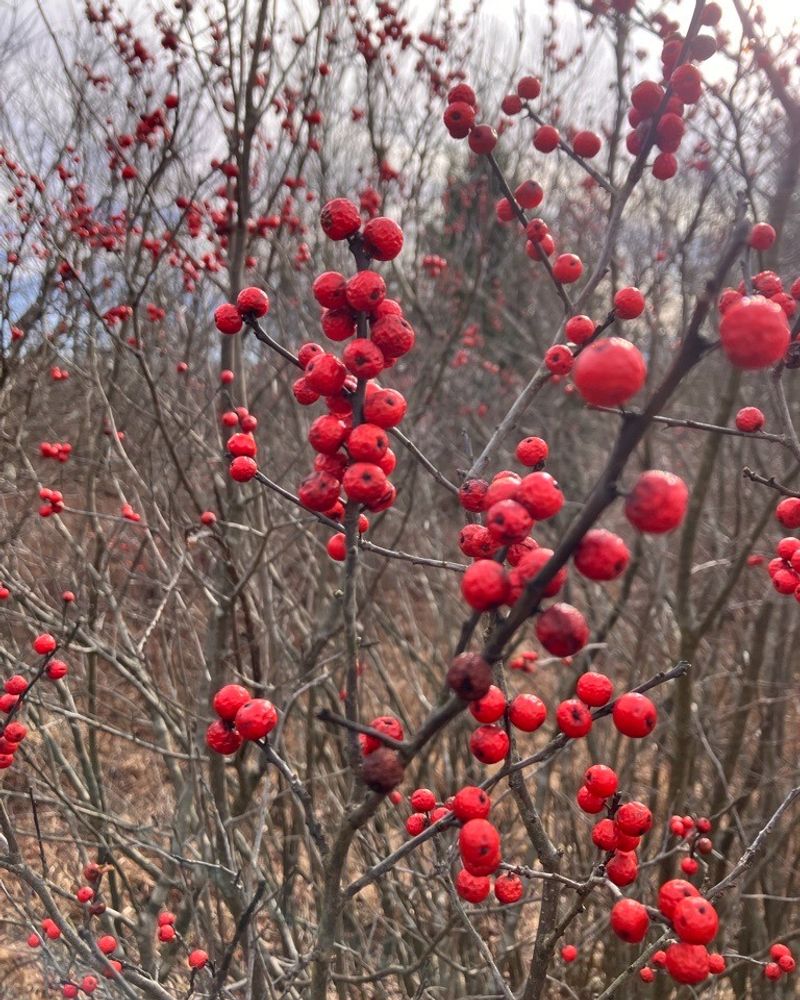
Picture your driveway in January, bare and grey, and then imagine a row of shrubs absolutely loaded with brilliant red berries glowing against the snow.
That is exactly what Winterberry Holly delivers, and there is honestly nothing else like it in the native plant world for pure winter drama.
It earns its spot in the landscape during the coldest, dreariest months when most other plants have nothing to offer.
Winterberry Holly is a deciduous holly, which means it drops its leaves in fall and lets those vivid red berries take center stage.
The berries appear in late summer and persist well into winter, providing a critical food source for birds at a time when natural food is scarce. Bluebirds, robins, and thrushes are especially drawn to the berries.
Growing six to ten feet tall, Winterberry Holly thrives in wet or moist soils and actually prefers the kind of soggy, low-lying spots that frustrate most gardeners.
Pennsylvania has no shortage of those tricky wet areas, and Winterberry Holly turns them into assets rather than problems.
One important planting tip: Winterberry Holly is dioecious, meaning you need both a male and a female plant to get berries.
Plant one male for every five to seven females to ensure a good berry set. Several native cultivars are widely available at Pennsylvania nurseries.
Beyond winter interest, the shrub offers dense summer foliage that provides excellent bird nesting cover. It is a four-season performer that justifies every inch of space it takes up along your driveway.
6. Witch Hazel
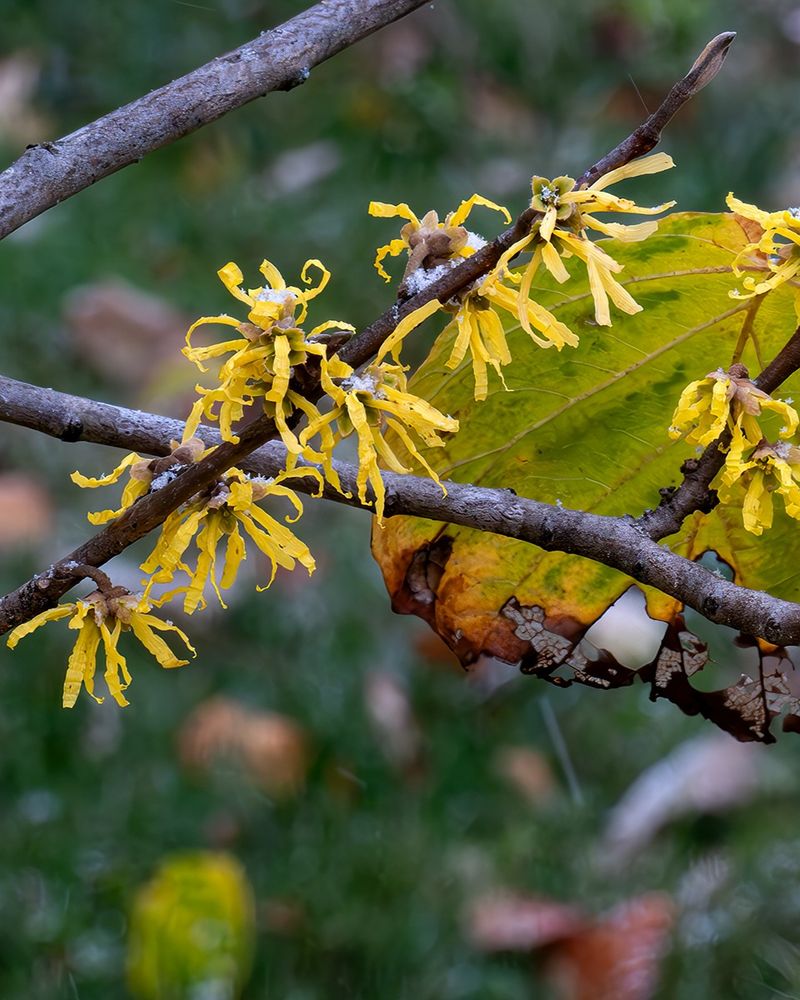
Witch Hazel has a quirky superpower that no other Pennsylvania native shrub can claim: it blooms in late fall or even midwinter, when absolutely nothing else is flowering.
Those spidery, ribbon-like yellow flowers appear on bare branches from October through February, depending on the variety.
Walking past a blooming Witch Hazel on a cold November morning feels like finding something magical that was not supposed to be there.
The fragrance of Witch Hazel flowers is another unexpected pleasure. On a mild winter day, the sweet, spicy scent drifts through the air and catches you off guard in the best possible way.
Planting it near a driveway means you get that sensory surprise every time you come and go during the colder months.
Witch Hazel grows ten to fifteen feet tall and wide, making it a substantial shrub or small tree that works well as a focal point at the end of a driveway or as part of a layered planting.
It thrives in full sun to partial shade and adapts to a wide range of Pennsylvania soils. Fall foliage is another strong point, with leaves turning clear yellow and orange before they drop to reveal those unusual winter flowers.
The combination of fall color followed by winter blooms gives Witch Hazel an exceptionally long season of interest that few other plants can match.
Native bees and flies that remain active on warm winter days visit the flowers for pollen and nectar. Witch Hazel genuinely extends the ecological value of your driveway planting into seasons when most landscapes go completely quiet.
7. Northern Bayberry
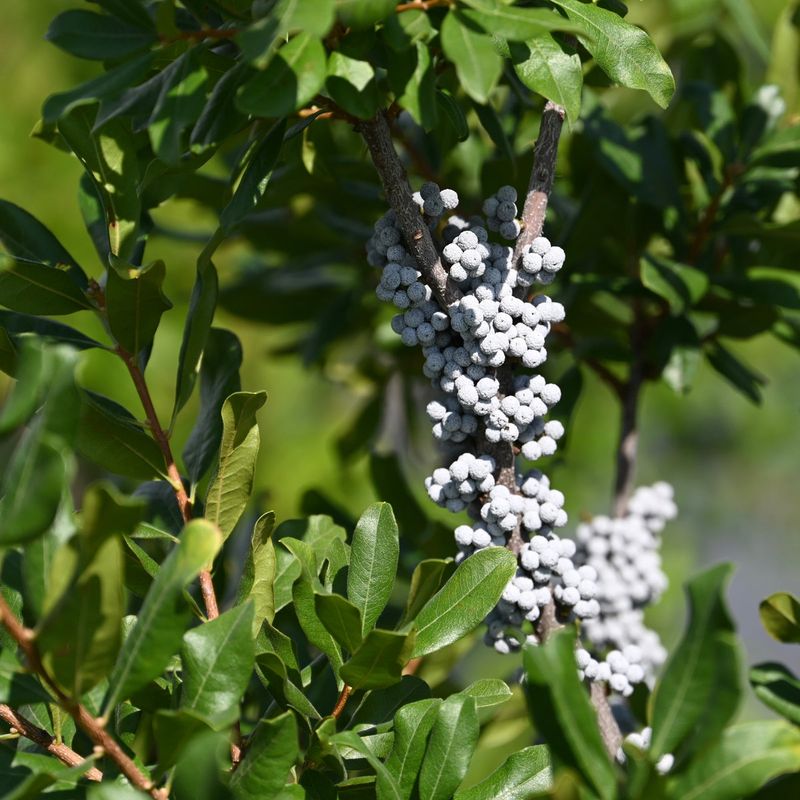
Northern Bayberry is the kind of shrub that rewards you the moment you brush against it. The leaves release a warm, spicy fragrance that has been beloved for centuries, and the waxy grey-blue berries that cluster along the stems in fall and winter are genuinely beautiful.
Early American colonists boiled those berries to extract wax for candles, which is a charming piece of history worth remembering every time you walk past this shrub in your yard.
For driveway plantings in Pennsylvania, Northern Bayberry is a practical powerhouse. It tolerates poor, sandy, or rocky soils and handles drought, wind, and salt spray without complaining.
If your driveway runs along a slope or an exposed area where other plants struggle, Northern Bayberry is one of the best choices you can make.
It grows five to twelve feet tall and spreads through underground stems to form a dense, informal mass. That spreading habit makes it excellent for stabilizing slopes or filling in larger areas along a driveway without requiring much help from you.
The evergreen to semi-evergreen foliage keeps things looking green and lush through much of the Pennsylvania winter.
Birds love the berries, and the yellow-rumped warbler is especially famous for its dependence on Bayberry fruit during fall migration.
Planting Northern Bayberry along your driveway essentially sets up a rest stop for migrating birds passing through Pennsylvania each autumn.
Like Winterberry Holly, Northern Bayberry needs both male and female plants to produce berries. Plant at least one male near several females for a reliable berry crop that will keep wildlife coming back season after season.