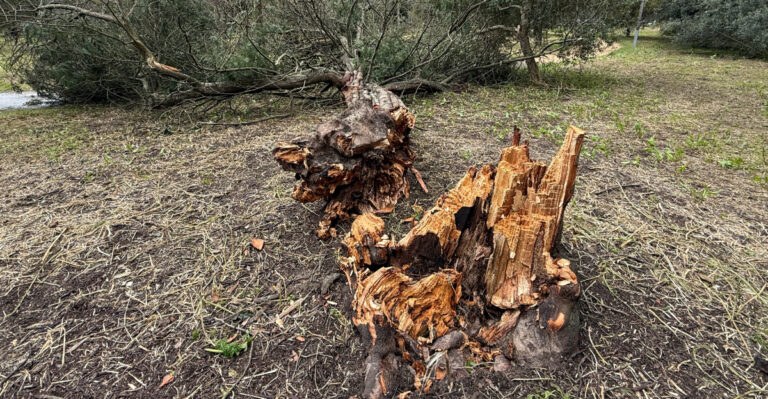
This Toxic Wisconsin Tree Is Easy To Overlook, So Know It Before You Bring It To Your Yard
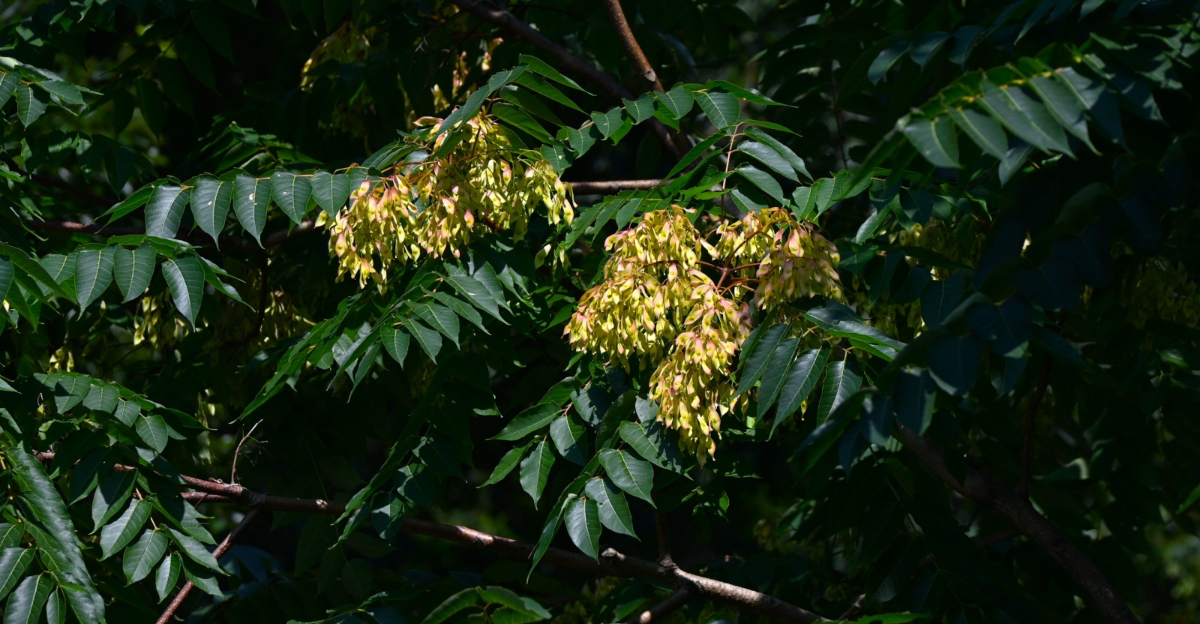
There is a tree spreading quietly through Wisconsin backyards, and most homeowners have no idea it is already there.
It grows along fence lines, driveways, and woodland edges like it has always belonged there. Nothing about it says danger.
But this tree is not what it appears to be. The roots go deep enough to crack foundations and clog sewer lines. The soil around it gets poisoned.
Contact with sap may irritate skin in sensitive people, and pollen may contribute to allergies for some.
It also produces hundreds of thousands of seeds every single year. Each one can travel several blocks on the wind and start the whole cycle over again.
Cut it down and the roots send up dozens of new sprouts within days. Ignore it for one season and it can grow ten feet taller.
Spotting it early changes everything. Here is what you need to know.
The Toxic Wisconsin Tree You Have Probably Walked Right Past
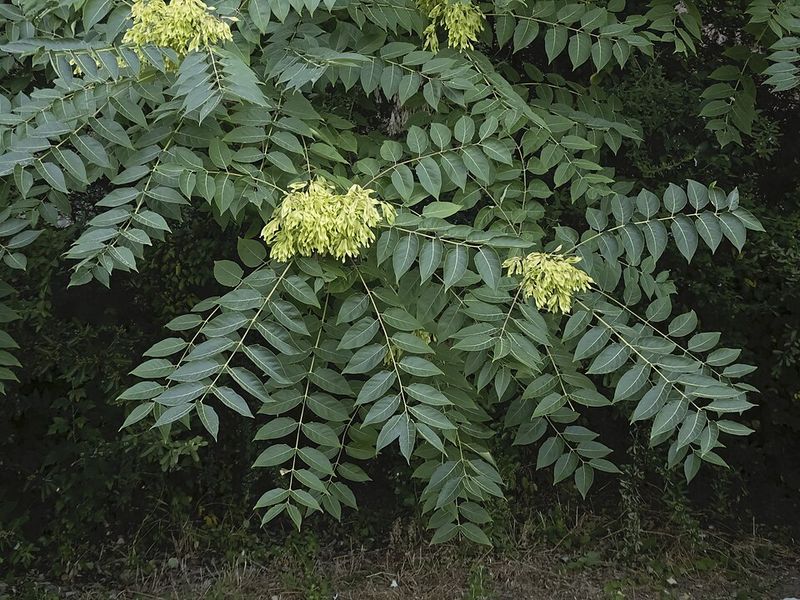
You have walked past it a hundred times without blinking. The Tree of Heaven, known scientifically as Ailanthus altissima, is one of the most overlooked invasive plants spreading across the Midwest right now.
It hides in plain sight along fences, driveways, and woodland edges. Most homeowners mistake it for a native tree and let it grow unchecked for years.
The problem starts with how ordinary it looks. Its long, feathery leaves and fast upward growth give it the appearance of something harmless, even pretty.
But underneath that unremarkable exterior is a plant that crowds out native species, releases toxic chemicals into the soil, and can cause real damage to structures over time. Knowing what you are dealing with changes everything.
This invasive species was brought to the United States from China in the 1700s. It was introduced as an ornamental plant and quickly escaped gardens across the country.
Today it thrives in disturbed soils, urban areas, and forest edges from coast to coast. Wisconsin has seen a sharp rise in sightings over the past two decades.
The state’s warm summers and mild disturbances along roads and trails create perfect conditions for this plant to establish itself. Once it takes hold, it is remarkably hard to stop.
Recognizing this tree before it settles into your yard is the single most powerful thing you can do. Awareness is your best first line of defense against a plant that rarely announces itself.
Why It Spreads So Fast
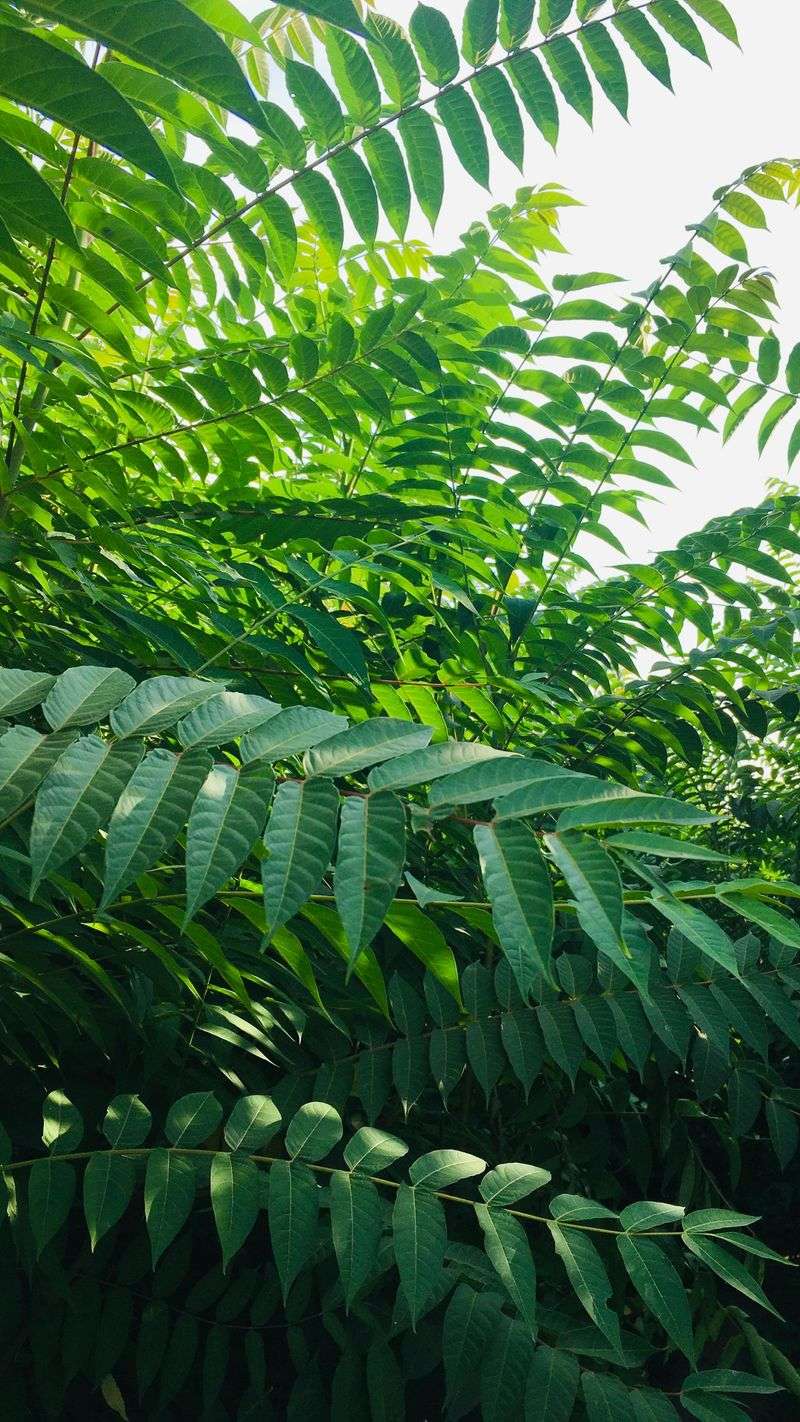
This plant is among the most prolific seed producers of any invasive species found in the Midwest. A single mature female tree can produce up to 300,000 seeds per year.
Those seeds are lightweight and winged, designed by nature to travel far on the wind. They can land in your yard from a tree growing several blocks away.
Beyond seeds, the root system sends up new shoots called suckers constantly. Cut the main trunk and the roots respond by sending up dozens of new sprouts in every direction.
Your Wisconsin Garden Changes Every Week. Your Plan Should Too.
Gardening in Wisconsin changes quickly throughout the season. Every Friday you’ll receive a simple weekly plan showing exactly what to plant, prune, fertilize, harvest, and protect so you never miss the right timing.
This regrowth response is one of the reasons removal is so frustrating. The plant essentially fights back harder when you try to cut it down.
It also grows at a remarkable pace. Young trees can shoot up ten feet or more in a single growing season under the right conditions.
That speed gives it a massive advantage over slower-growing native trees like oaks and maples. It reaches the forest canopy quickly and begins blocking sunlight before native seedlings even have a chance.
The plant also tolerates conditions that would stop most trees cold. Poor soil, drought, pollution, salt spray from roads, compacted urban ground, it handles all of it without slowing down.
Disturbed land is its favorite starting point. Construction sites, roadsides, vacant lots, and even cracks in pavement are all fair game for this aggressive grower.
Understanding its reproductive strategy helps you act faster and smarter. The longer you wait after spotting it, the harder the fight becomes.
The Ecological Damage It Causes In Natural Areas
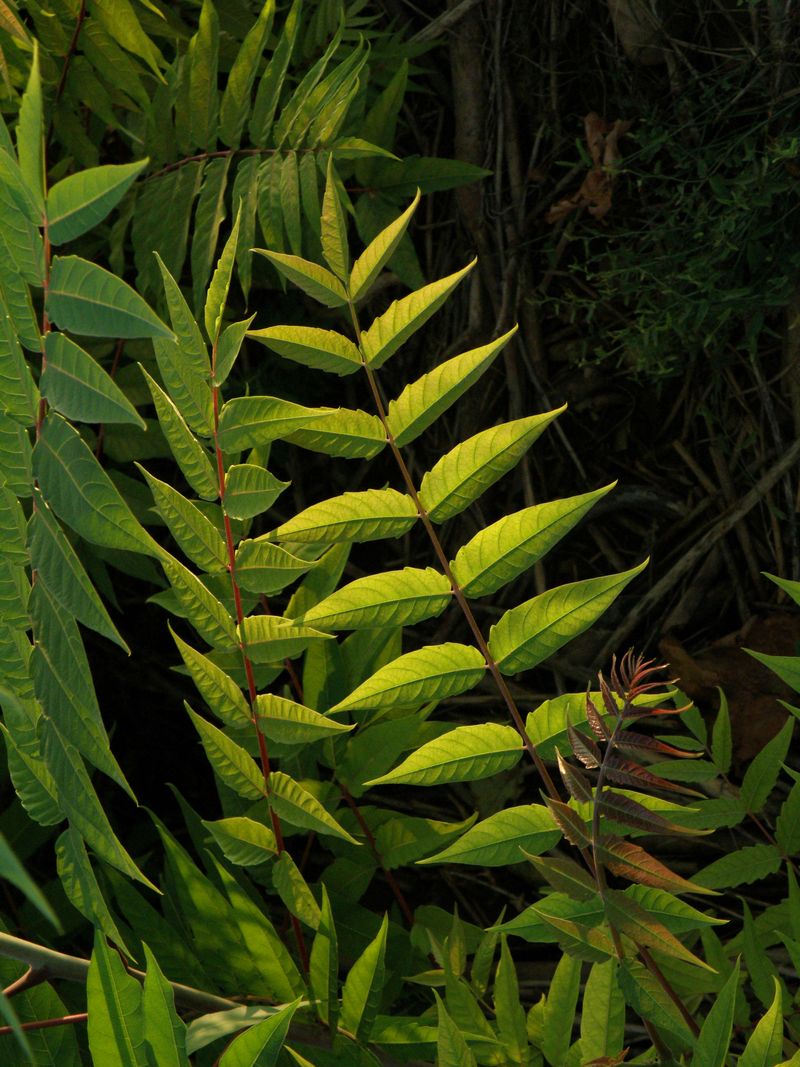
Your yard is not the only thing at risk. Natural areas across the Midwest are feeling the pressure of this aggressive plant in ways that are difficult to reverse.
When this tree invades a forest edge, it outcompetes native seedlings for sunlight, water, and nutrients. Over time, plant communities can shift in affected areas as native species lose ground.
The allelopathic chemicals it releases suppress germination in the soil around it. This chemical warfare gives it a massive advantage and leaves bare patches where nothing else can grow.
Wildlife that depends on native plants for food and shelter suffers when invasive species take over. Birds, pollinators, and insects that rely on specific native plants find fewer resources in areas dominated by this tree.
The spotted lanternfly uses this tree as a primary host. As it continues spreading westward, areas where this tree grows are considered higher risk for future establishment.
That insect threatens grapes, apples, hops, and many other crops. The connection between this tree and that pest makes removal even more urgent from an agricultural standpoint.
State and local conservation agencies have flagged this species as a priority concern. Removal efforts in parks and natural areas require significant funding and volunteer hours every year.
Every tree removed from a private yard is one less seed source threatening nearby natural spaces. Your decision to act has an impact well beyond your own property line.
Protecting the natural landscape around you starts with the choices you make in your own backyard.
The Real Risks For Your Yard And Home
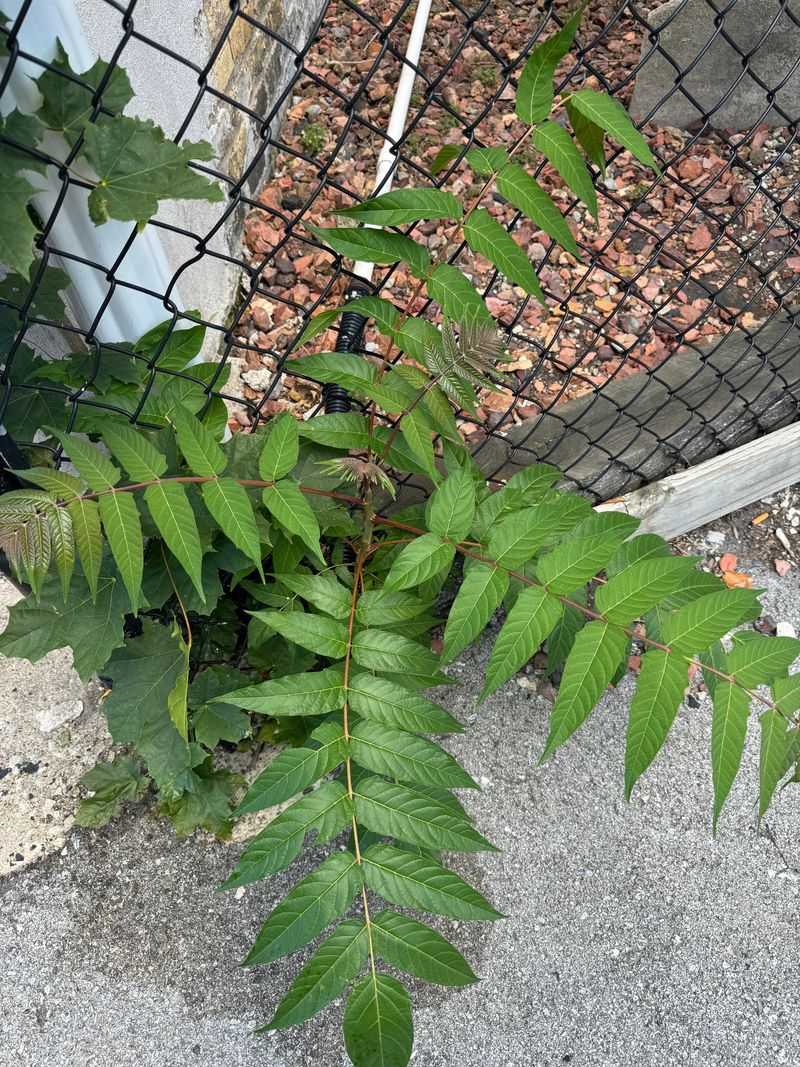
This tree is not just an ecological nuisance. It poses real, measurable risks to your property that can cost thousands of dollars to fix.
The root system is aggressive and far-reaching. Roots can infiltrate sewer lines, crack sidewalks, and undermine foundations if the tree is planted or grows too close to your home.
Homeowners have reported blocked pipes and cracked concrete directly linked to this plant. Repair costs in those situations can be significant before the tree is even removed.
The tree also releases a natural herbicide called ailanthone from its roots and fallen leaves. This chemical suppresses the growth of nearby plants, including grass, garden flowers, and native shrubs.
If you have a garden or a carefully cultivated lawn, this plant can quietly sabotage your efforts from underground. The damage often appears before you even realize the tree is the cause.
Pollen from male trees has been linked to skin rashes and respiratory irritation in some people. Anyone with seasonal allergies may notice their symptoms worsening if one of these trees is nearby.
The sap and leaves can cause contact dermatitis in sensitive individuals. Handling the plant without gloves during removal is a mistake that many homeowners make only once.
Structurally, the wood is brittle and prone to breaking in storms. Falling branches from a large specimen can damage roofs, vehicles, and fences without much warning.
Taking this tree seriously early protects your home, your health, and your landscaping investment for years to come.
How It Ends Up In Your Yard Without You Knowing
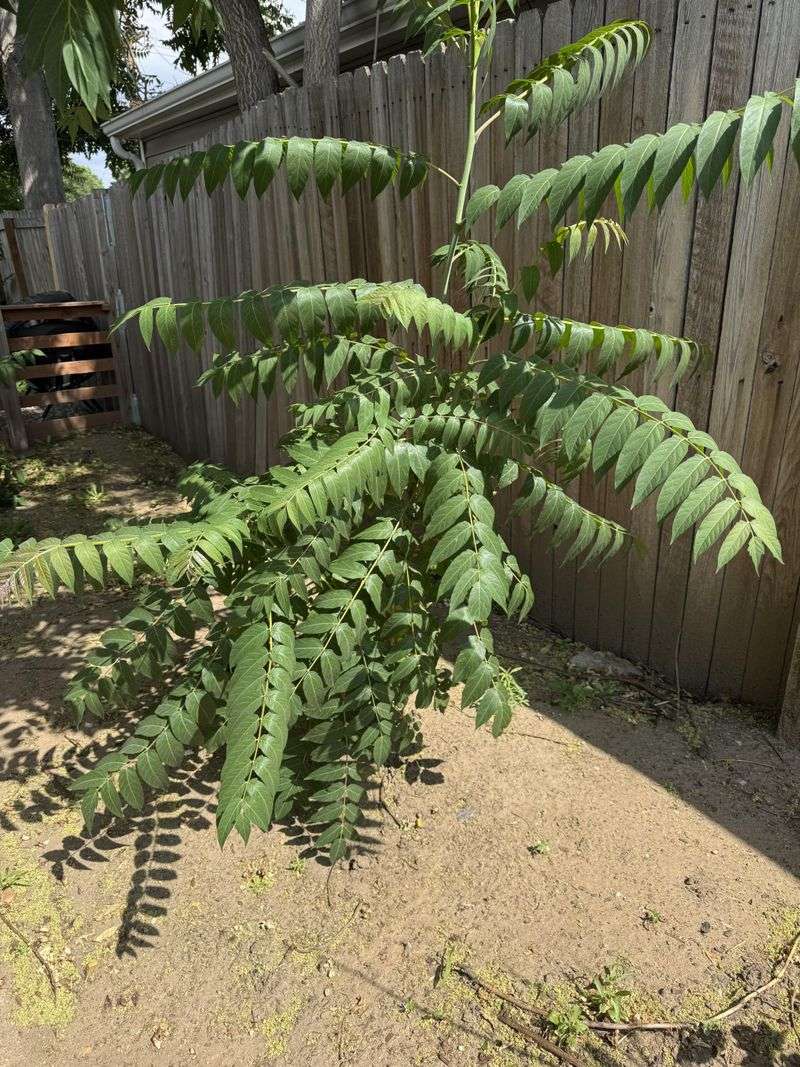
Most people who find this tree on their property never planted it. It arrived on its own, quietly and efficiently.
Wind carries the lightweight seeds remarkable distances. A mature tree just outside your fence line can seed your entire yard without you ever noticing until the seedlings appear in spring.
Seeds are mainly spread by wind, while root suckers help established trees spread locally. This means even a remote corner of your yard is not safe from colonization.
Mowing over young seedlings does not stop them. The root system survives and sends up new growth within days, often appearing in a slightly different spot.
Soil disturbance accelerates the process. Any time you dig, grade, or disturb your yard, you create ideal conditions for seeds already resting in the soil to germinate and grow.
Compost piles are another sneaky entry point. If you compost yard waste from a neighbor or community garden without knowing the source, you may be introducing seeds directly into your soil.
Nurseries have historically sold this plant as an ornamental tree, especially in older decades. If your home was built before the mid-1900s, there is a chance a previous owner intentionally planted one.
Old landscaping records and neighborhood history can sometimes reveal a planted specimen that has since spread. Checking your property lines with fresh eyes each spring is a smart habit.
Recognizing how this plant travels helps you stay one step ahead. A little seasonal vigilance goes a long way toward keeping your yard clear.
How To Remove It From Your Property
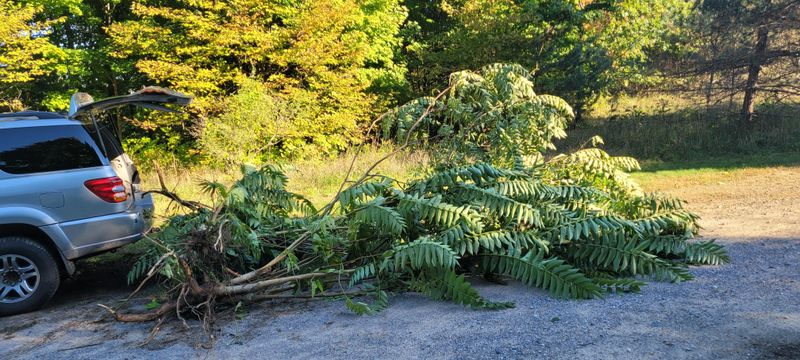
Removing this tree is not a one-afternoon job. It requires patience, the right timing, and a consistent follow-through plan over multiple seasons.
For small seedlings under three feet tall, hand-pulling after a rain is often effective. Getting the entire root out is critical because any fragment left behind will resprout aggressively.
Wear gloves every single time you handle this plant. The sap irritates skin and the leaves can trigger reactions in sensitive people, so full-coverage clothing is a smart choice.
For larger trees, cutting alone is not enough. The stump will resprout within weeks unless you treat the cut surface immediately with an herbicide containing triclopyr or glyphosate.
Apply the herbicide directly to the freshly cut stump within minutes of cutting. Waiting even a few hours dramatically reduces effectiveness as the plant begins to seal the wound.
Basal bark treatment is another proven method for trees under six inches in diameter. You paint an oil-based triclopyr solution directly onto the lower bark without cutting the tree first.
This technique works best in late spring through early fall when the tree is actively growing. Treating during dormancy reduces absorption and lowers your success rate significantly.
Repeat monitoring is non-negotiable. Revisit treated areas every two to four weeks throughout the growing season and remove any new sprouts immediately before they establish new roots.
Persistence is what separates successful removal from a frustrating cycle. Stay consistent, stay observant, and you will reclaim your yard from this relentless invader.