Fast-Spreading Perennials That Fill California Garden Gaps Without Taking Over Your Yard
Bare spots can make even a healthy garden look unfinished. They show up between shrubs, along borders, and in new beds where smaller plants have not filled in yet.
Fast spreading perennials can solve that problem without turning your yard into a jungle. The best choices grow with purpose.
They cover open soil, add color or texture, and still know how to stay in their lane. That balance matters in California gardens, where warm weather can push plants to grow quickly.
Pick the wrong one, and a helpful filler becomes a weekend chore. Pick the right one, and those awkward gaps start looking intentional fast.
These perennials give your garden a fuller look while keeping the space easy to manage, beautiful, and ready for the season ahead.
1. Santa Barbara Daisy Softens Bare Edges Fast
Few plants work as cheerfully and consistently as Santa Barbara daisy when it comes to softening bare garden edges.
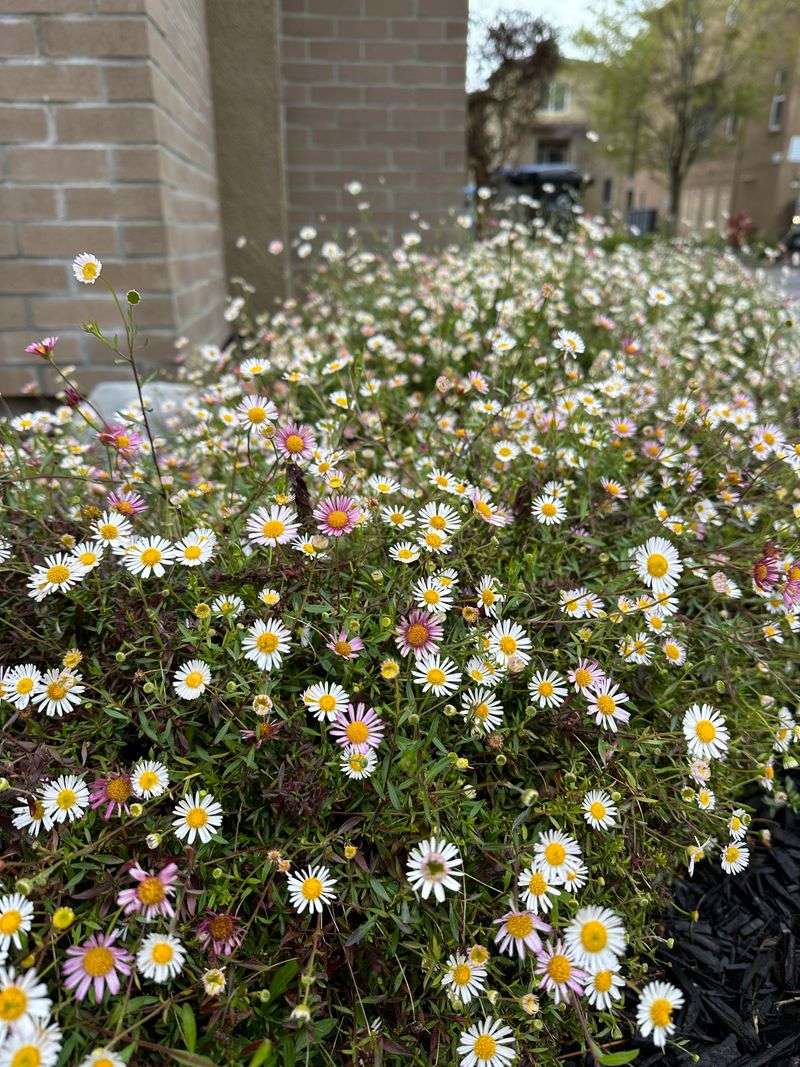
This low-growing perennial produces a non-stop display of tiny daisy-like flowers in shades of white, lavender, and pale pink.
It blooms nearly year-round in mild climates, which is a rare and welcome quality.
Originally from Mexico, this plant has made itself completely at home in our state’s coastal and inland gardens.
It spreads by runners that creep along the soil surface, filling gaps without digging deep or becoming aggressive. You can easily pull back sections that wander too far.
Plant it along pathways, at the base of fences, or at the front of a mixed border. It softens hard edges beautifully and pairs well with ornamental grasses and native shrubs.
Give it full sun to light shade and water it occasionally once established.
One thing gardeners love about this plant is how forgiving it is. If it starts looking scraggly, cut it back hard and it bounces right back within weeks.
It is also deer-resistant, which is a big bonus in many neighborhoods. For bare spots that need quick, cheerful coverage, this daisy is one of the easiest and most rewarding choices available in our climate.
2. Seaside Daisy Fills Gaps With Easy Coastal Color
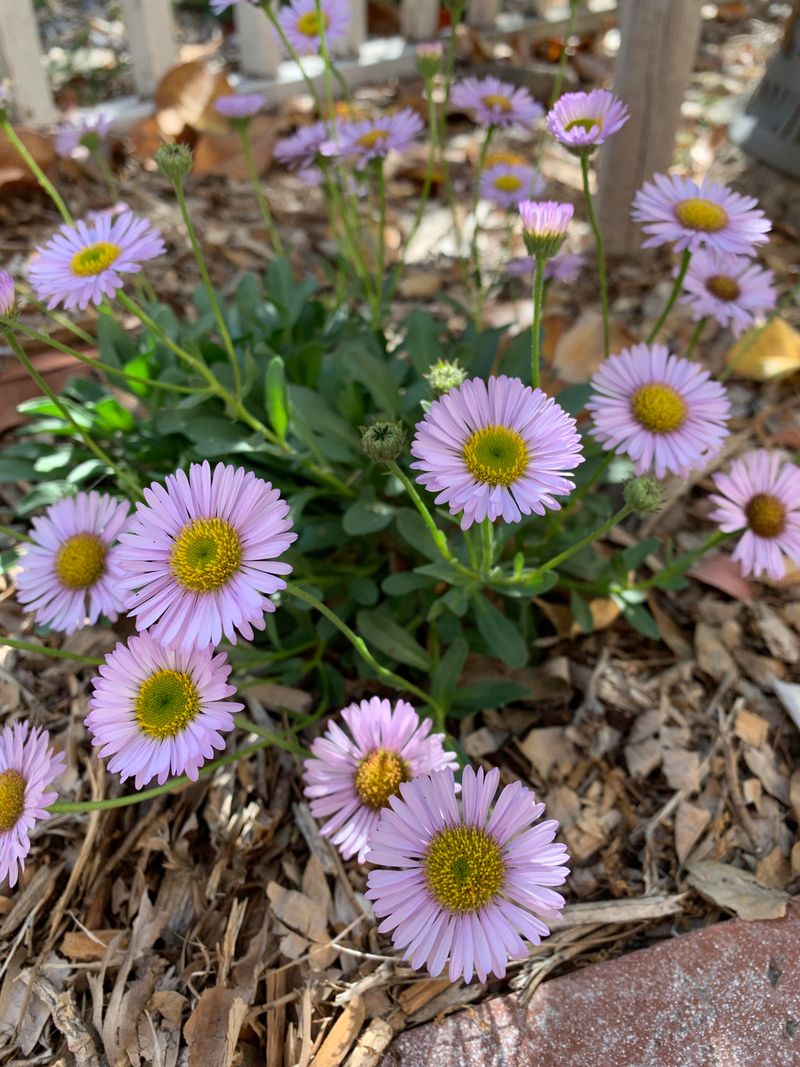
There is something almost effortless about the way seaside daisy fills in bare ground. This native perennial is naturally found along the coast of our state, growing in rocky bluffs and sandy soils where most plants struggle.
That toughness translates perfectly into garden settings. Erigeron glaucus produces cheerful lavender to purple daisy flowers with bright yellow centers from spring through fall.
The blooms appear in generous waves and attract bees and butterflies throughout the season.
The low, spreading foliage stays attractive even when the plant is not in flower. It grows best in coastal and inland areas with good drainage and moderate sun.
Too much shade slows its spreading habit, so a sunny spot is ideal. Once established, it needs very little water and almost no fertilizer to perform well.
This plant spreads by forming clumping mats that gradually expand outward. It is not aggressive, but it does fill space reliably over a single growing season.
Your California Garden Changes Every Week. Your Plan Should Too.
Gardening in California changes quickly throughout the season. Every Friday you’ll receive a simple weekly plan showing exactly what to plant, prune, fertilize, harvest, and protect so you never miss the right timing.
Gardeners often use it between stepping stones, along retaining walls, or at the edges of raised beds. It handles light foot traffic surprisingly well for a flowering plant.
If you want color, coverage, and coastal charm without much fuss, seaside daisy delivers all three with minimal effort on your part.
3. Creeping Thyme Spreads Low Without Getting Pushy
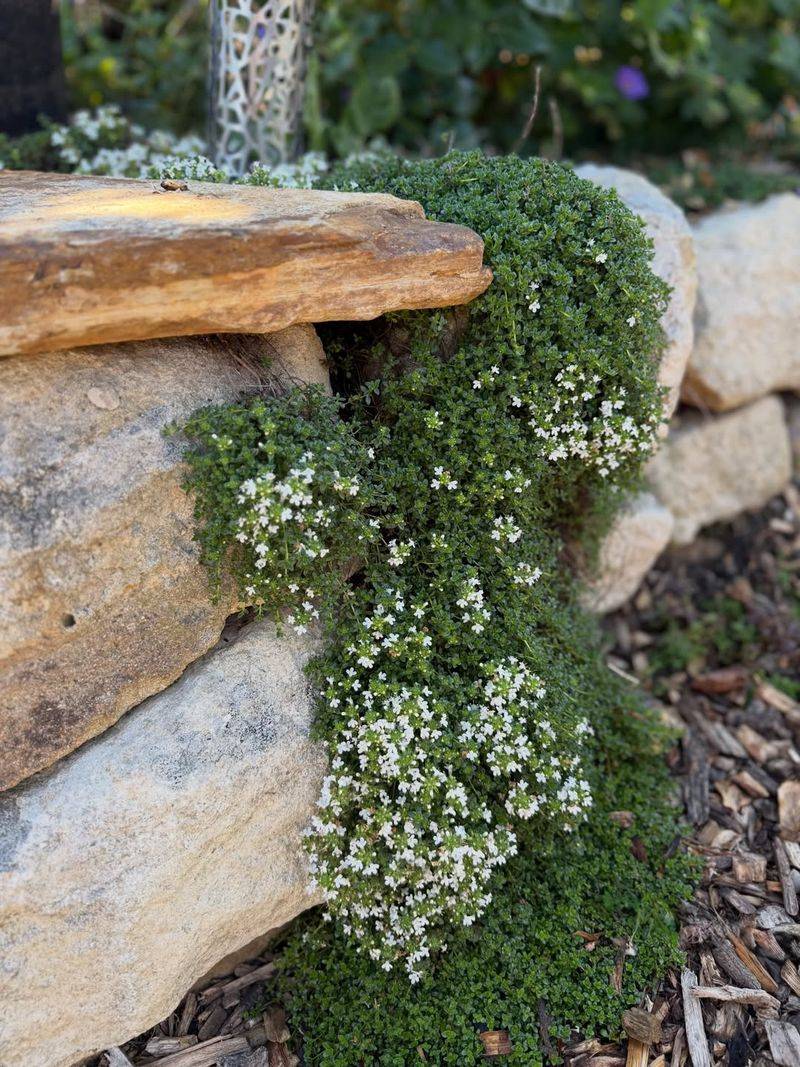
Creeping thyme is the kind of plant that makes a garden look intentional and well-designed without requiring much effort.
It hugs the ground tightly, spreading outward in a dense mat that crowds out weeds and covers bare soil beautifully.
The tiny pink, purple, or white flowers appear in late spring and early summer, drawing in bees by the dozen.
What sets this plant apart from other spreaders is its restrained habit. It moves slowly and steadily without jumping into areas where it does not belong.
You can tuck it between stepping stones, along path edges, or under taller perennials without worrying about it taking over.
Creeping thyme is also incredibly fragrant. Walking near it or brushing against it releases a warm, herby scent that most people find instantly pleasant.
That fragrance also deters some garden pests, which is a quiet bonus.
It thrives in full sun and well-drained soil, making it an excellent choice for hot, dry spots that other plants avoid.
Once established, it needs very little water and almost no maintenance. Cut it back lightly after flowering to keep the mat tidy and encourage fresh growth. It is also edible, so you can snip a few sprigs for cooking whenever you like.
For a hardworking, low-maintenance ground cover, creeping thyme is hard to beat in any sunny garden.
4. Dymondia Makes Bare Soil Look Finished
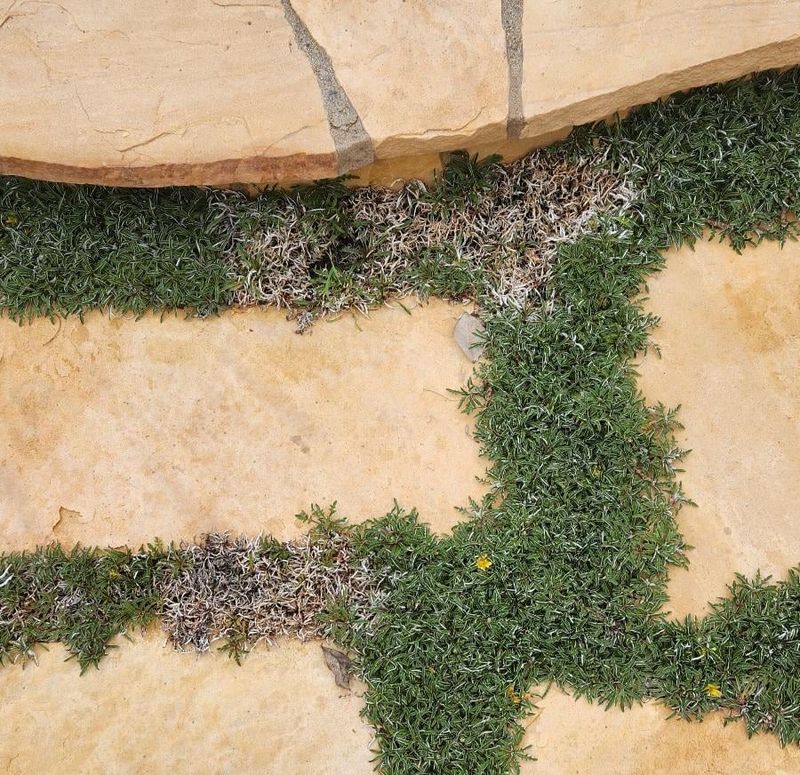
Bare soil has a way of making even the most carefully designed yard look unfinished. Dymondia is the plant that quietly solves that problem.
This South African native has become a favorite lawn alternative across our state because of its dense, flat-growing habit and its toughness in dry conditions.
The foliage is narrow and silvery-green, forming a tight carpet that stays low and tidy without mowing.
Small yellow daisy flowers appear in summer, adding a subtle but charming touch. The plant spreads steadily by sending out short runners that root as they go.
Dymondia handles light foot traffic well, which makes it a practical choice between pavers, stepping stones, and along garden paths. It does not mind being stepped on occasionally, and it bounces back quickly from minor disturbance.
That durability sets it apart from many other ground covers. Plant it in full sun with excellent drainage for best results.
It is highly drought-tolerant once established and rarely needs supplemental water in mild coastal climates.
Inland gardeners may need to water it occasionally during the hottest months. It is also resistant to most pests and does not require fertilizing.
If you have been looking for something that makes bare ground look intentional and polished, dymondia is one of the smartest choices available for our warm, dry gardens.
5. Frogfruit Covers Open Ground And Feeds Pollinators
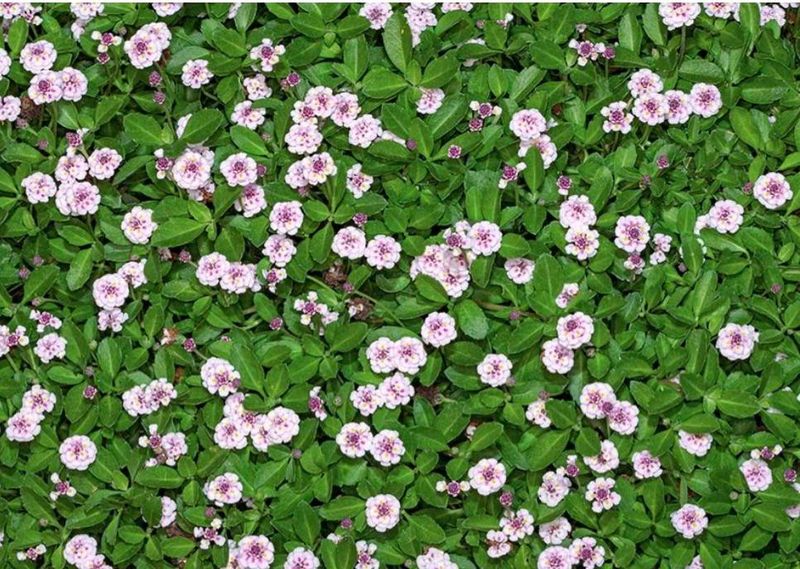
Not many ground covers can claim to be a host plant for butterfly caterpillars while also covering bare soil at impressive speed. Frogfruit does both without breaking a sweat.
This low-growing native perennial is one of the most ecologically valuable ground covers you can plant in a sunny garden.
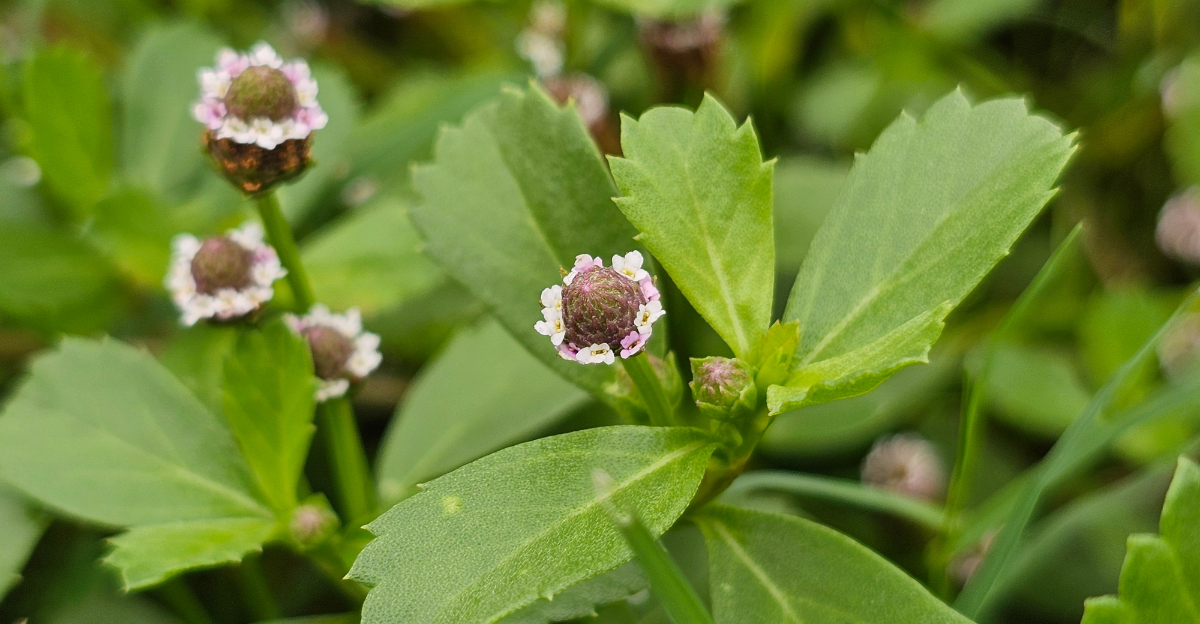
Phyla nodiflora spreads by creeping stems that root at the nodes, forming a dense mat of small rounded leaves.
Tiny white to lavender flower clusters appear throughout the warm months, attracting bees, skippers, and several species of butterflies.
It is a host plant for the white peacock and phaon crescent butterflies, which gives it serious wildlife credentials.
It thrives in full sun and tolerates a wide range of soils, including clay and sandy ground. It handles occasional flooding and drought with equal composure, which is unusual for a spreading perennial.
Once it gets going, it fills open ground quickly and suppresses weeds effectively.
Frogfruit stays low, usually under three inches tall, so it works well under taller plants and along borders without blocking views or competing for light.
It can handle light foot traffic and is often used as a lawn substitute in warm, low-water gardens.
If you want a plant that pulls double duty as a ground cover and a pollinator magnet, frogfruit earns its place in any sunny open space.
6. Beach Strawberry Spreads Into A Useful Living Mulch
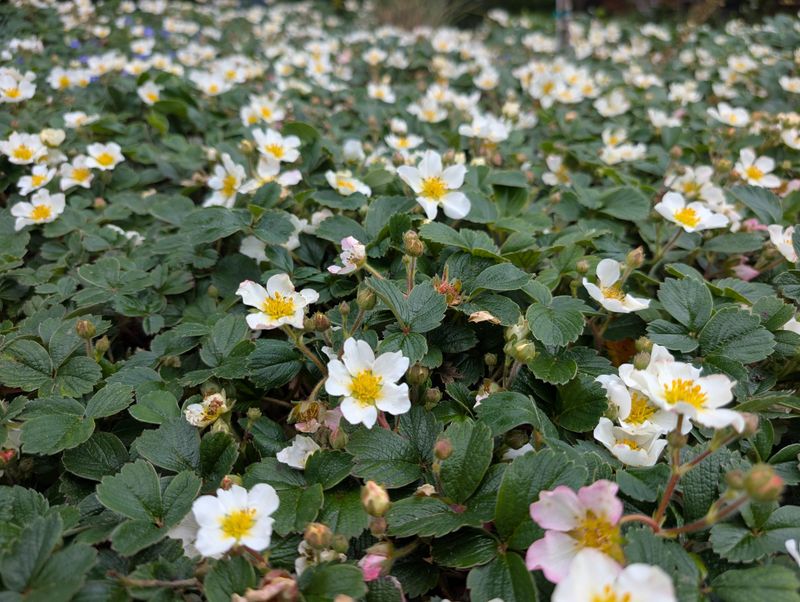
Long before formal ground covers became a garden trend, beach strawberry was already doing the job along the coastlines of our state.
This native perennial spreads by sending out runners that root quickly, creating a lush, green carpet of glossy leaves that looks great in almost any setting.
Fragaria chiloensis produces white flowers in spring followed by small red fruits that birds and wildlife enjoy.
The foliage is dense enough to suppress weeds effectively, acting like a living mulch that keeps soil moisture in and temperature fluctuations out.
That makes it genuinely useful, not just decorative. It performs best in full sun to partial shade and tolerates a range of soil types.
Coastal conditions suit it especially well, but it also grows reliably in inland gardens with moderate watering.
Once established, it is fairly drought-tolerant and only needs occasional deep watering during dry spells.
One of the best things about beach strawberry is how quickly it fills space without becoming a problem.
You can pull back runners that stray too far, and the plant responds well to occasional mowing or trimming to keep it tidy.
It works beautifully under trees, along slopes, and in areas where lawn grass struggles to grow.
For gardeners who want a native, low-maintenance ground cover with real ecological value, this is a standout choice that rewards minimal effort with maximum coverage.
7. Creeping Sage Fills Dry Gaps With Native Fragrance
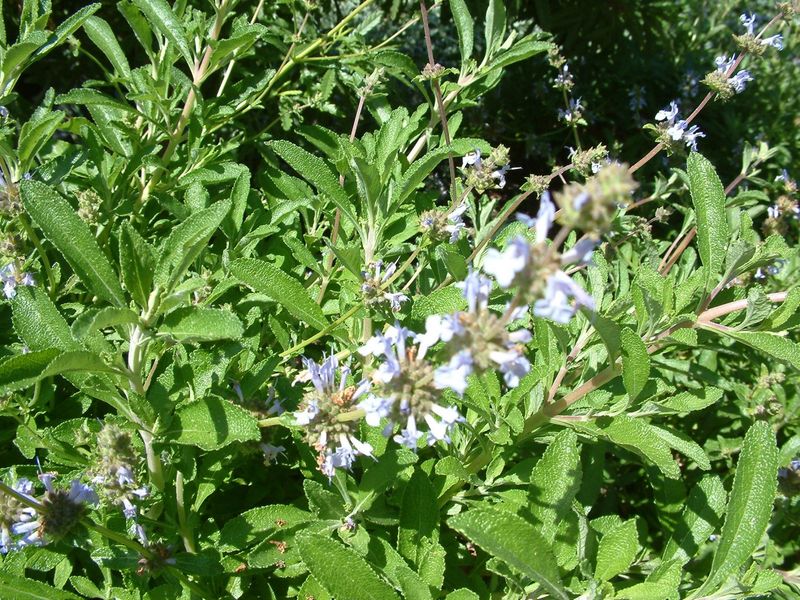
Some plants bring more than just coverage to a garden. Creeping sage brings fragrance, wildlife value, and a deeply native character that connects your yard to the natural landscape of our state.
Salvia sonomensis is a low-growing, sprawling sage that spreads steadily across dry, rocky, or sandy soil without ever becoming a nuisance.
The foliage is gray-green and strongly aromatic, releasing a pleasant herby scent when brushed or warmed by the sun. Small blue to lavender flowers appear in spring and attract native bees and hummingbirds.
The plant rarely grows taller than twelve inches but can spread several feet wide over time.
It is perfectly adapted to the hot, dry conditions found in many inland gardens. Full sun and excellent drainage are the main requirements.
Once established, it needs almost no supplemental water, making it one of the most drought-tolerant spreading perennials available for our climate.
Creeping sage works especially well on slopes, where its spreading habit helps hold soil in place while covering bare ground.
It also looks striking when planted in front of taller native shrubs or along dry garden paths.
Deer tend to avoid it, which is a practical advantage in many neighborhoods. Trim it lightly after flowering to keep growth compact and tidy.
For dry, sun-drenched gaps that need native character and fragrance, this sage is a reliable and deeply satisfying solution.
8. Bee’s Bliss Sage Covers Sunny Soil Without Acting Wild
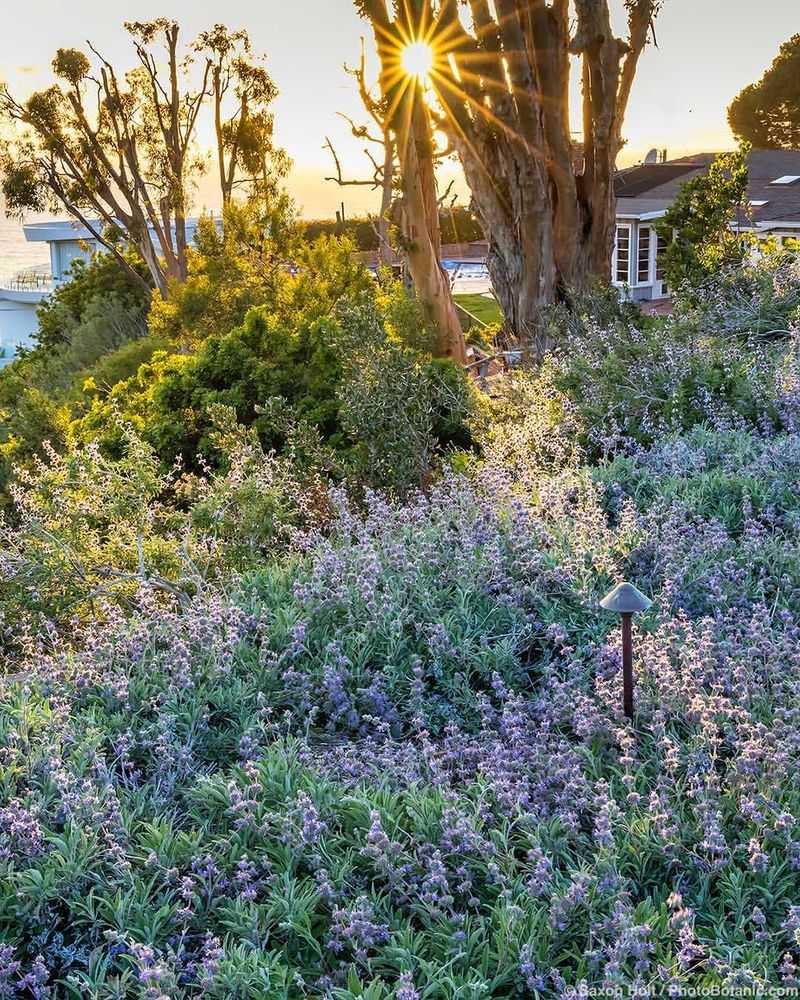
Gardeners who want the spreading habit of a ground cover combined with the upright flower spikes of a traditional sage will find exactly what they need in Bee’s Bliss.
This hybrid sage is one of the most popular native-style plants in our state for good reason. It spreads wide, stays manageable, and puts on a stunning floral show.
The foliage is silvery gray-green and highly aromatic, forming a mounding, spreading mat that can reach six feet or more in width.
Tall purple flower spikes emerge in spring and draw hummingbirds and bees from remarkable distances. The combination of coverage and wildlife value is hard to match.
Despite its vigorous spreading habit, Bee’s Bliss stays well-behaved in most garden settings. It does not produce aggressive runners or seed itself everywhere.
You can guide its growth with occasional light trimming and it responds by staying full and attractive.
Plant it in full sun with fast-draining soil for the best performance. It handles drought exceptionally well once established and rarely needs fertilizing.
It pairs beautifully with other native perennials like buckwheat, yarrow, and penstemon, creating a layered, naturalistic look that feels both designed and wild at the same time.
Bee’s Bliss delivers bold results with a relaxed, easygoing presence that suits almost any dry garden style.
9. California Fuchsia Runs Through Dry Borders With Late Color
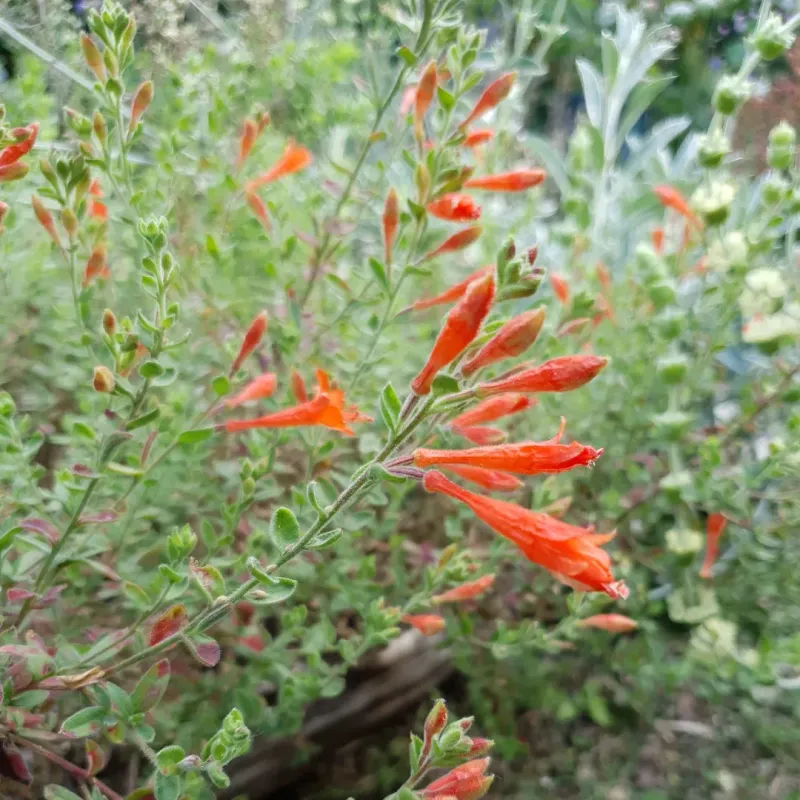
When most summer perennials start looking tired in August and September, California fuchsia is just getting started.
This native perennial is one of the few plants that peaks in late summer and fall, delivering vivid red to orange tubular flowers exactly when hummingbirds need them most.
Epilobium canum spreads by underground runners, which means it can fill large areas fairly quickly. In loose, sandy soil it moves faster, while in heavier clay it spreads more slowly.
Either way, it covers ground reliably and creates a bold, colorful presence in the border.
The foliage is gray-green and slightly fuzzy, giving the plant a soft, textural quality even when it is not in bloom. It stays low for most of the growing season before sending up flower stems in late summer.
The contrast between the silvery leaves and the bright red flowers is striking.
Full sun and dry, well-drained soil bring out the best in this plant. It is extremely drought-tolerant and actually performs better with less water.
Overwatering can cause it to spread too aggressively and flop over. Cut it back hard in late winter to encourage fresh, compact growth each season.
For dry sunny borders that need late-season color and hummingbird action, this native perennial is an exciting and reliable performer that fills gaps with fiery enthusiasm.
10. Coyote Mint Bulks Up Fast In Hot Sunny Spots
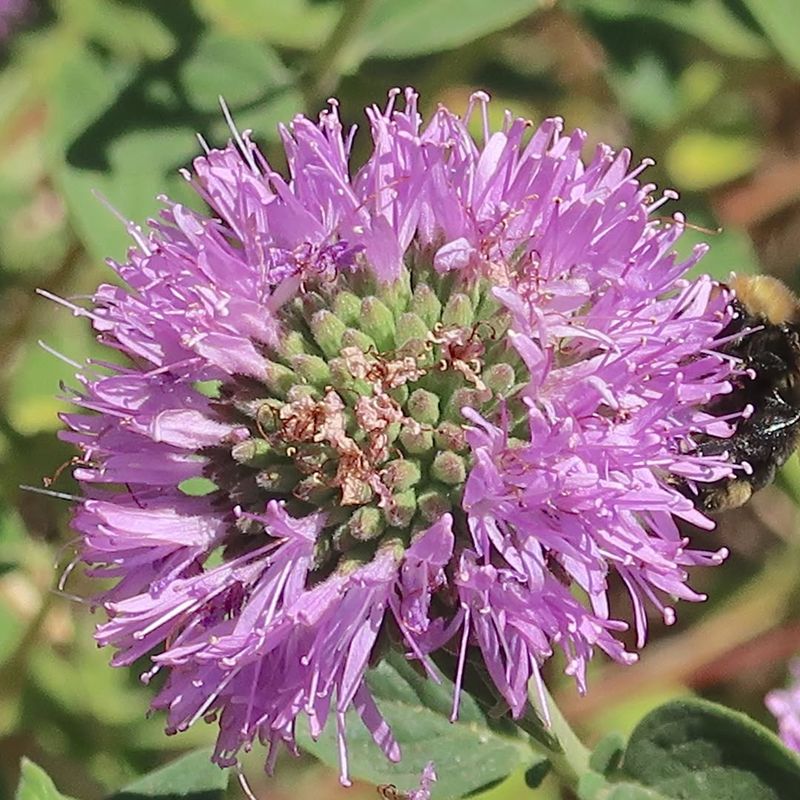
Hot, dry, sunny spots are some of the hardest places in any garden to fill with something attractive.
Coyote mint thrives in exactly those conditions, spreading steadily into a fragrant, pollinator-rich mat that makes neglected sunny corners look intentional and alive.
Monardella villosa is a native perennial with small, aromatic leaves and rounded clusters of purple to lavender flowers that bloom from summer into fall.
The fragrance is minty and pleasant, released whenever the foliage is brushed or warmed by the sun.
Bees absolutely love this plant and will visit the flowers constantly throughout the bloom period.
It spreads by forming clumps that gradually expand outward, bulking up noticeably in its second and third year.
The growth is vigorous but not aggressive, making it easy to manage with occasional trimming.
It stays relatively low, usually under eighteen inches, which keeps it useful as a gap-filler without blocking other plants.
Excellent drainage and full sun are the two non-negotiable requirements for coyote mint. It does not tolerate wet feet or heavy shade.
Once those conditions are met, it asks for almost nothing else. Minimal watering, no fertilizer, and light pruning after flowering are all it needs to stay healthy and attractive.
For hot, exposed spots where other plants struggle, coyote mint steps in with fragrance, color, and a genuine love of the heat that few other perennials can match.