Why California Lime Trees Produce So Little Fruit And What To Change
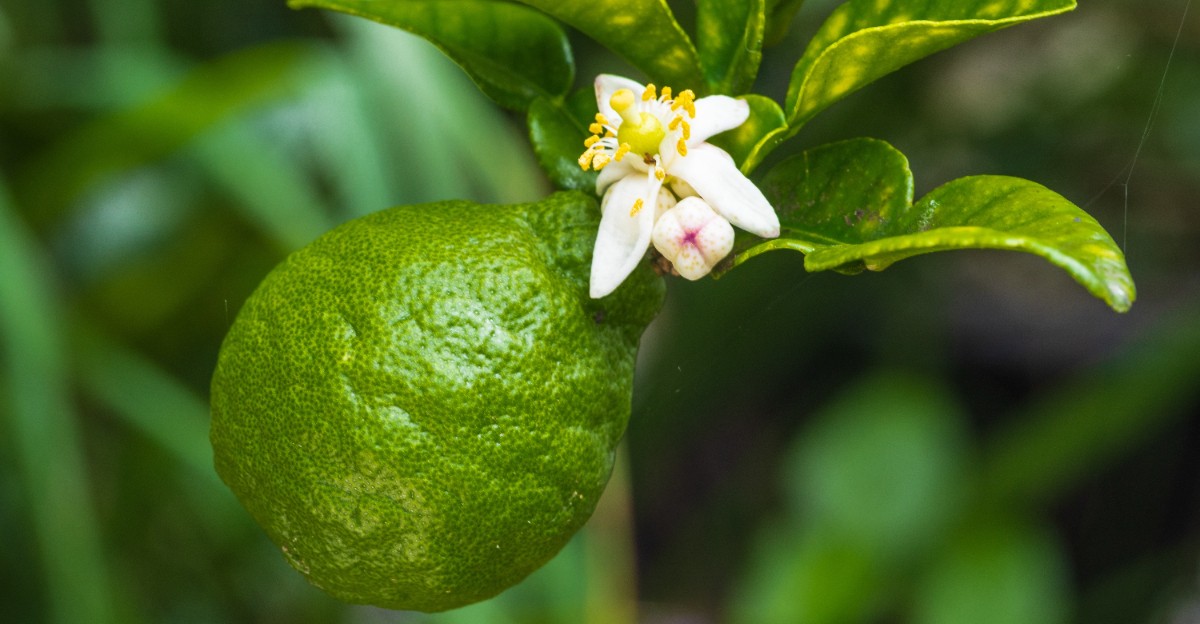
A lime tree can look green and healthy but still give you only a handful of fruit. That can drive California gardeners crazy, especially when the tree seems to be doing everything else right.
Poor fruiting often starts with something small in the growing routine. The tree may not be getting enough sun.
Watering may be uneven. It might also be too young to carry a strong crop yet.
Lime trees can be sensitive to stress, and summer heat can make every care mistake show up faster. The good news is that low fruit production usually has clues.
Flowers, leaf color, and branch growth can tell you where to look first. Make the right change, and your lime tree may finally put more energy into the fruit you have been waiting for.
1. Too Little Sun Can Keep Lime Trees From Blooming Well
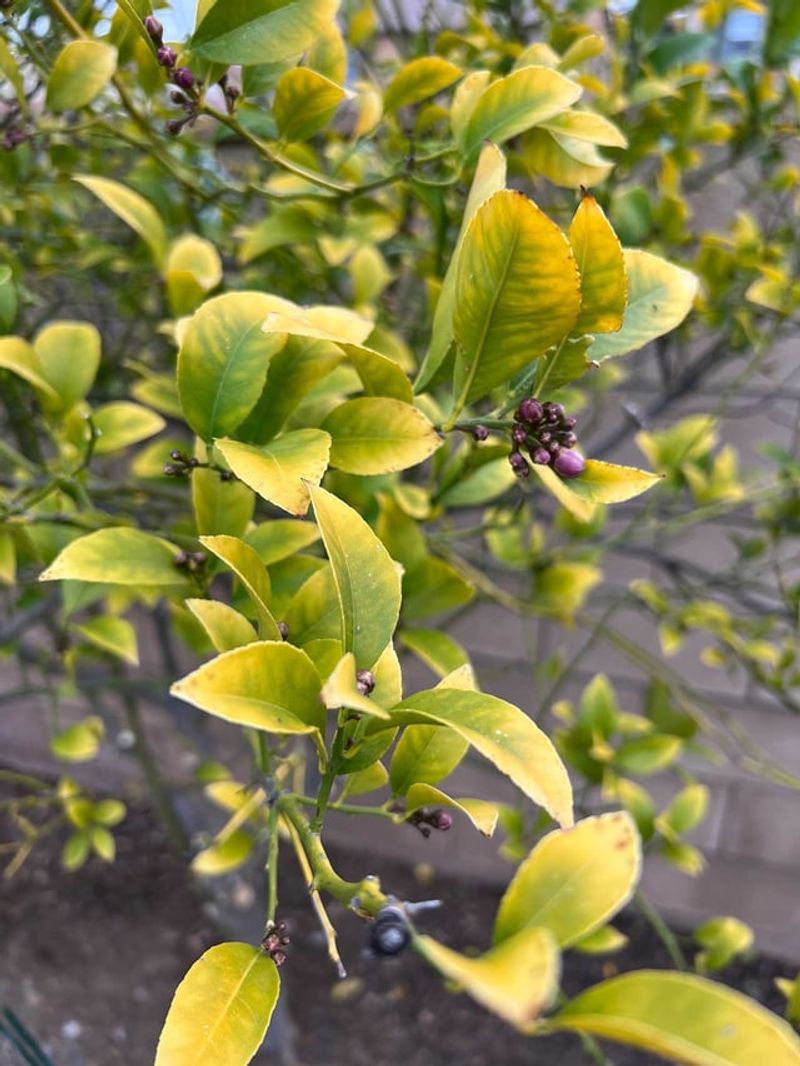
Sunlight is one of the biggest factors in how well a lime tree flowers and fruits. Without enough direct sun, the tree may grow plenty of leaves but skip the blooming stage almost entirely.
Most lime trees need at least six to eight hours of full sun each day to produce a strong crop.
Many California backyards have spots that look sunny but are actually shaded for part of the day by fences, rooflines, or nearby trees.
Even a few hours of blocked light each day can reduce flowering noticeably. If your tree sits in a spot like this, it may be the main reason your harvest is so thin.
Check where the shadows fall throughout the day before deciding on a fix. If the tree is in a container, moving it to a sunnier location can make a big difference quickly.
For trees planted in the ground, trimming back overhanging branches from nearby plants can open up more light without needing to relocate anything.
Young lime trees are especially sensitive to low light during their first few years. Getting the placement right early on saves a lot of frustration later.
A tree that gets consistent, strong sunlight will bloom more reliably, set more fruit, and hold onto that fruit through the growing season rather than dropping it early.
2. Uneven Watering Can Make Small Limes Drop
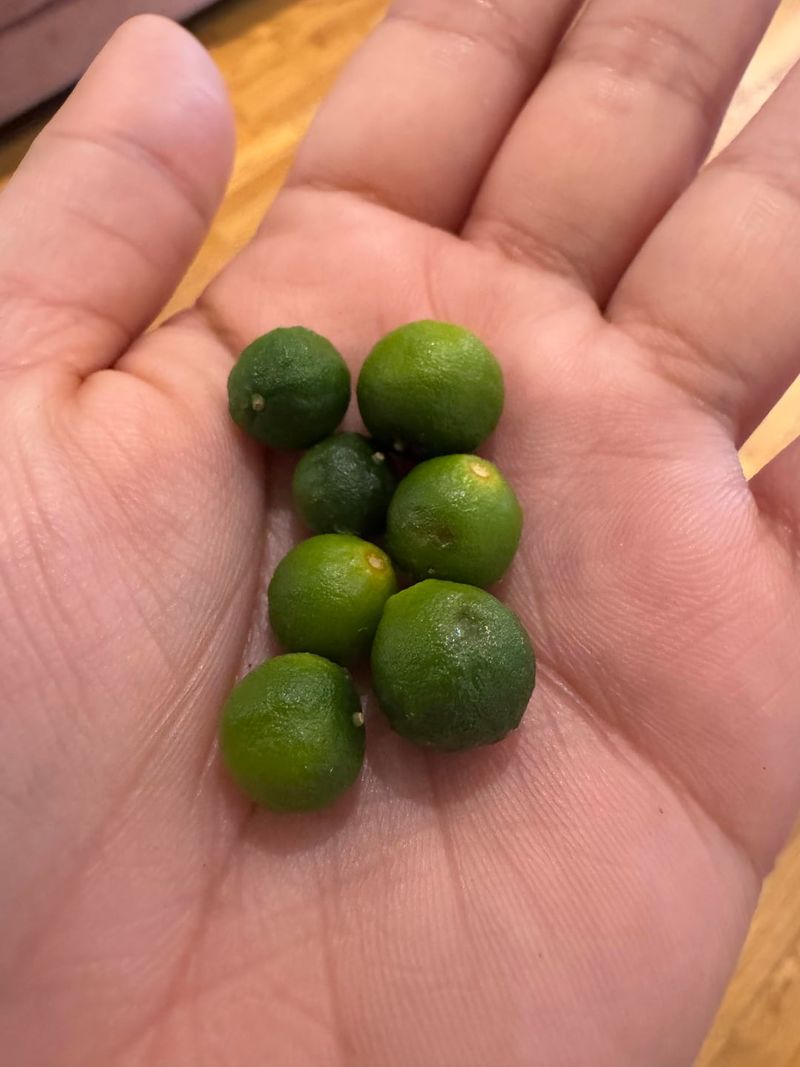
Fruit drop is one of the most discouraging things a lime grower can experience. You watch tiny limes form, and then they fall off before they get the chance to grow.
One of the most common reasons this happens is inconsistent watering, where the tree gets too much water at once and then goes dry for too long.
Lime trees like steady moisture in the soil. When the soil swings between soaking wet and bone dry, the tree goes into stress mode.
During that stress, it sheds developing fruit to conserve energy. This is a survival response, not a sign that the tree is beyond help.
Setting up a drip irrigation system on a regular schedule can smooth out those moisture swings. Watering deeply two to three times per week during warm months works well for most soil types in California.
Your California Garden Changes Every Week. Your Plan Should Too.
Gardening in California changes quickly throughout the season. Every Friday you’ll receive a simple weekly plan showing exactly what to plant, prune, fertilize, harvest, and protect so you never miss the right timing.
Always check the soil a few inches down before watering to make sure it actually needs moisture.
Mulching around the base of the tree also helps a lot. A two to three inch layer of organic mulch keeps soil moisture more stable between watering sessions.
Keep the mulch a few inches away from the trunk to avoid moisture buildup right at the bark. With steady water, small limes are far more likely to stay on the tree and grow to full size.
3. Dry Soil During Heat Waves Can Reduce The Crop
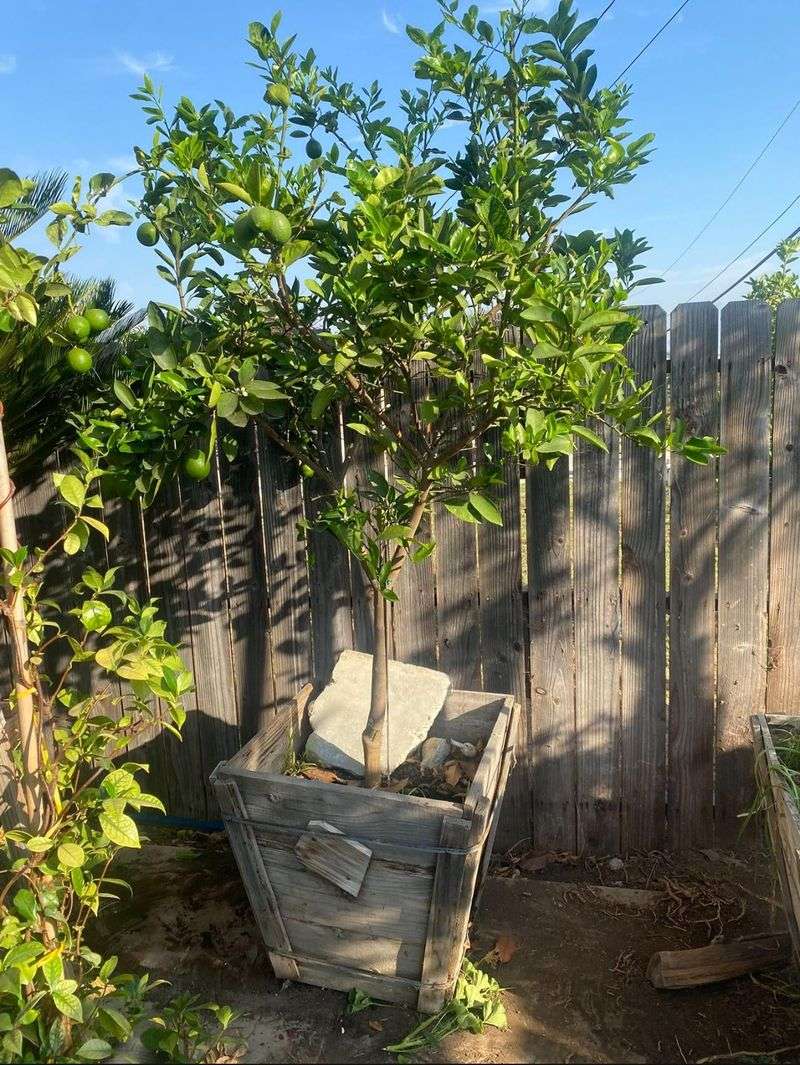
California is no stranger to brutal summer heat waves, and lime trees feel every degree of it. When temperatures spike and the soil dries out fast, the tree pulls back from fruit production to protect itself.
Flowers may drop before they can be pollinated, and any small fruit that has already formed can shrivel and fall.
During a heat wave, soil moisture can drop surprisingly fast, sometimes within just a day or two.
A tree that was watered properly on Monday might be stressed by Wednesday if temperatures hit triple digits. This is when consistent monitoring really pays off.
Increasing your watering frequency during heat events is one of the most effective things you can do.
Instead of waiting for your regular schedule, check the soil daily and water whenever the top few inches feel dry.
Deep watering is better than light surface watering because it encourages roots to grow deeper where soil stays cooler longer.
Shade cloth can also help during extreme heat. A temporary cover that blocks twenty to thirty percent of sunlight can reduce heat stress without cutting off the light the tree needs.
Remove it once temperatures return to normal. Adding a fresh layer of mulch before a forecasted heat wave gives the soil extra insulation and helps hold moisture longer, which can protect developing fruit through the worst of the heat.
4. Overwatering Can Stress The Roots And Limit Fruit
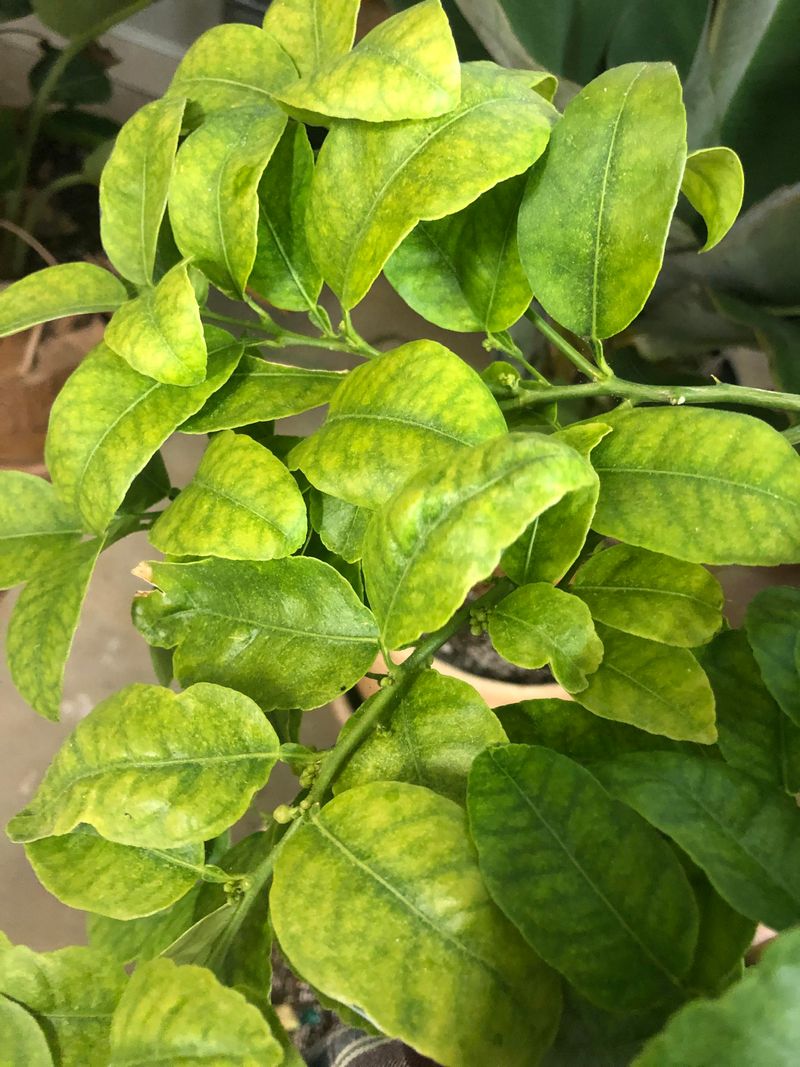
It might seem like more water equals more fruit, but overwatering is actually one of the sneakier problems that holds lime trees back.
Too much water in the soil pushes out the oxygen that roots need to function. When roots can’t breathe, they can’t absorb nutrients properly, and the whole tree suffers.
Yellow leaves that drop off even when the tree looks well-watered are a classic sign of overwatering. The soil may look and feel damp all the time, and drainage might be slow or nonexistent.
Clay-heavy soils common in parts of California are especially prone to holding too much water around roots.
Cutting back on watering frequency is the first step. Let the soil dry out a bit between sessions.
Stick your finger or a wooden dowel about four inches into the soil. If it still feels moist, wait another day before watering again. This simple habit prevents a lot of overwatering problems.
Improving soil drainage can also make a big difference. Mixing compost or coarse sand into the planting area helps break up dense soil and lets water move through more freely.
For container-grown trees, make sure the pot has drainage holes that aren’t blocked. Raising the container slightly off the ground with small feet or bricks also helps excess water escape.
Healthy, well-drained roots are what give a lime tree the energy to produce a generous crop.
5. Too Much Nitrogen Can Grow Leaves Instead Of Limes
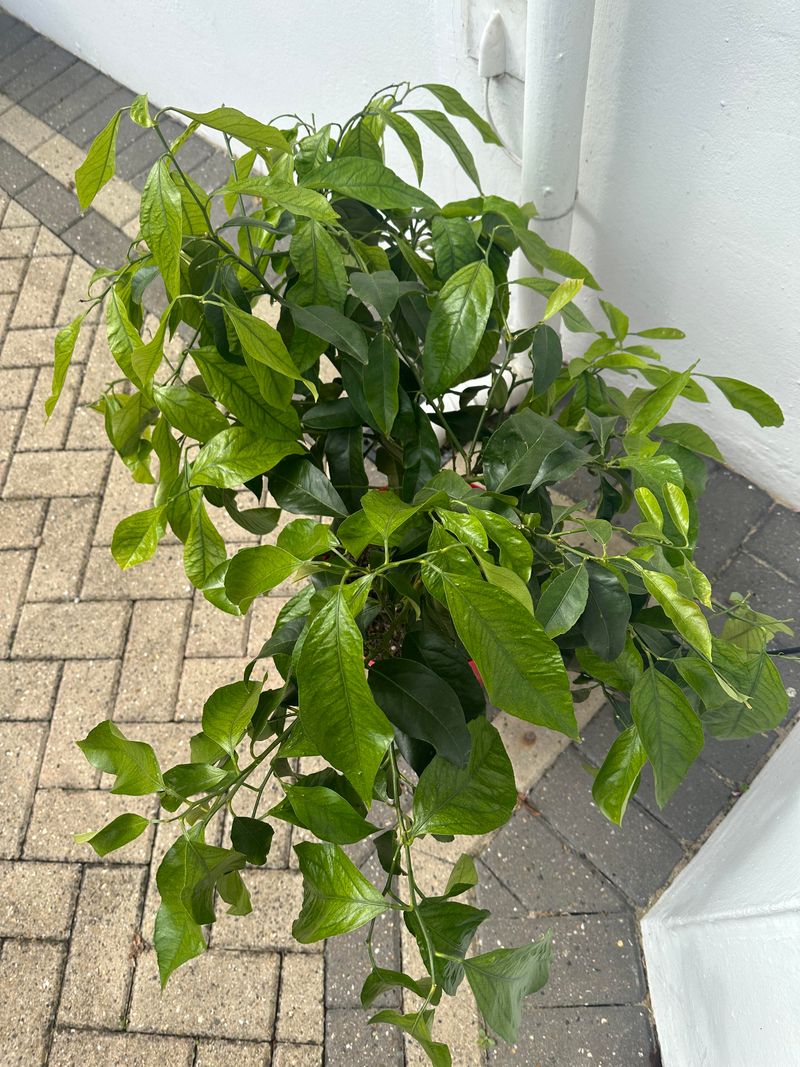
Nitrogen is a nutrient that plants love for growing lush, green foliage. But when a lime tree gets too much of it, the tree puts all its energy into leaves and stems rather than flowers and fruit.
You end up with a beautiful, bushy tree that produces almost nothing worth harvesting.
High-nitrogen fertilizers are often marketed as general-purpose plant foods, and many gardeners use them without realizing they’re not ideal for fruit trees.
If you’ve been using a lawn fertilizer or a basic balanced fertilizer on your lime tree, that could be exactly what’s holding back your harvest.
Switching to a fertilizer made specifically for citrus trees makes a real difference. These products are formulated with the right balance of nitrogen, phosphorus, and potassium to support both healthy growth and strong fruiting.
Look for one with a lower first number in the NPK ratio, which represents nitrogen content.
Timing also matters. Apply citrus fertilizer in early spring when the tree starts its active growth phase, and again in early summer.
Avoid fertilizing in late fall or winter when the tree is resting. Feeding during the wrong time of year can push the tree into a growth mode it’s not ready for and disrupt its natural fruiting cycle.
Matching your fertilizer type and schedule to what lime trees actually need can turn a leafy, non-producing tree into a steady fruit bearer.
6. Skipped Fertilizer Can Leave The Tree Too Weak To Produce
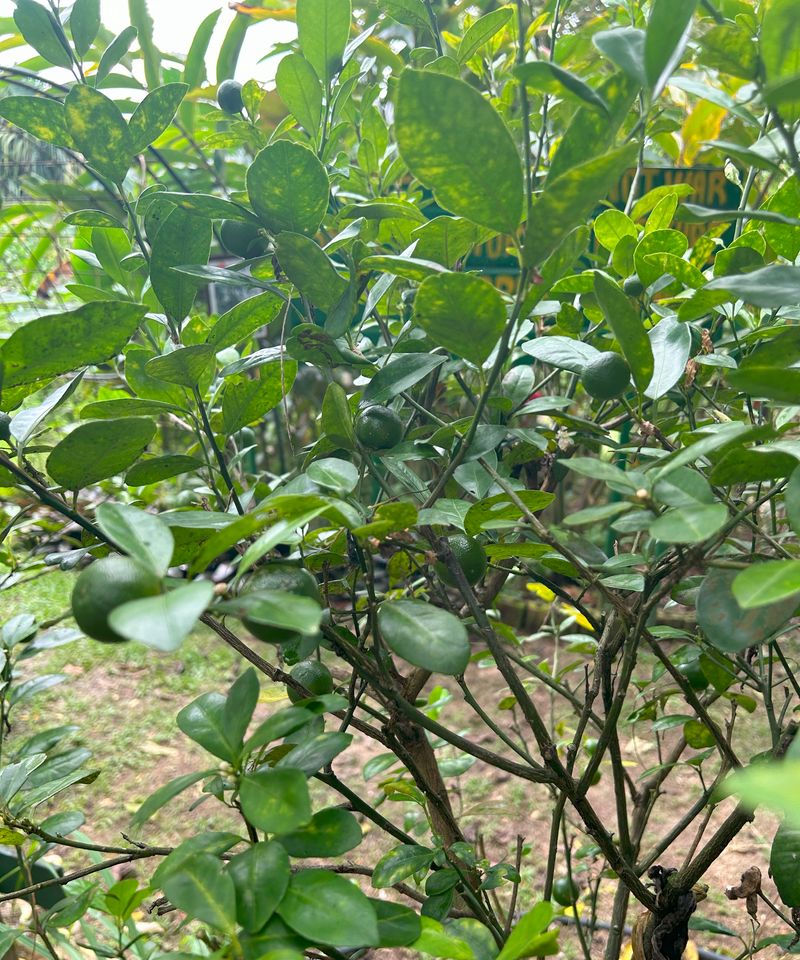
On the flip side of over-fertilizing, skipping fertilizer altogether leaves a lime tree without the fuel it needs to bloom and fruit well. Lime trees are heavy feeders, especially during the growing season.
Without regular nutrition, the tree may survive but won’t have the strength to put energy into producing fruit.
Signs of nutrient deficiency can show up as pale or yellowing leaves, thin branch growth, and very few flowers in spring. The tree might look alive but just barely thriving.
In California’s sandy or fast-draining soils, nutrients can wash out quickly, making regular feeding even more important.
A good routine is to fertilize three times a year: once in late winter or early spring, once in late spring, and once in midsummer.
Use a fertilizer made for citrus trees that includes micronutrients like iron, zinc, and manganese.
These trace minerals are often missing from basic fertilizers but matter a lot to citrus health.
Foliar sprays with micronutrients can give the tree a quick boost when you notice yellowing between the leaf veins, which is a sign of iron or zinc deficiency.
Spray directly on the leaves in the early morning so the solution absorbs before the heat of the day.
Keeping up with a consistent feeding schedule throughout the growing season is one of the most reliable ways to support a lime tree that produces well year after year.
7. Cold Damage Can Ruin Flowers Before Fruit Forms
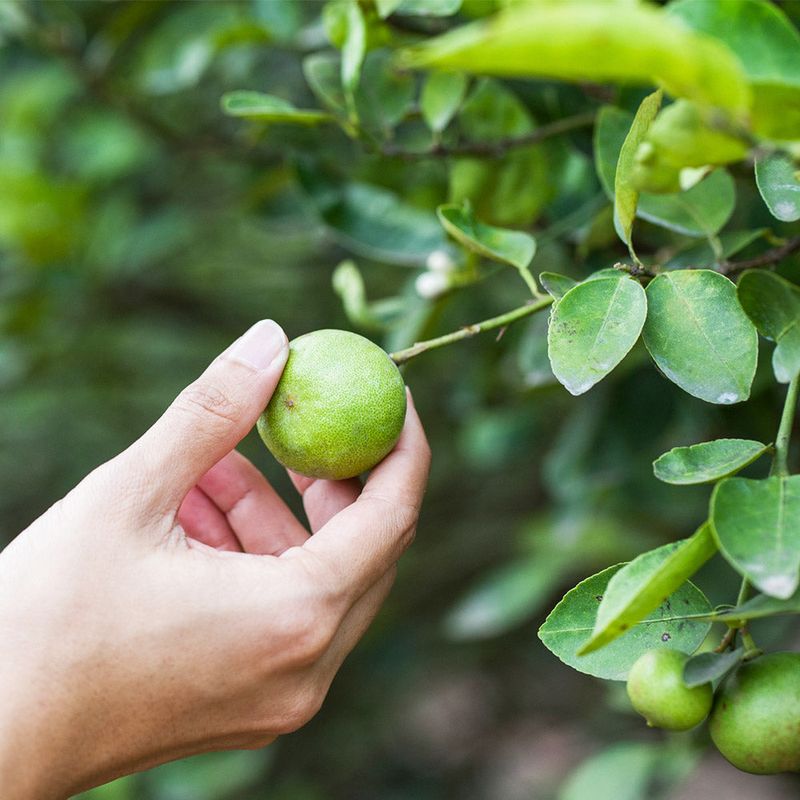
Lime trees are among the most cold-sensitive citrus varieties, and even a brief cold snap can cause serious damage to flowers.
When temperatures drop below 30 degrees Fahrenheit, open blossoms can freeze and turn brown.
Once a flower is damaged by cold, it can’t develop into fruit, which means an entire season’s potential crop can be lost in a single cold night.
Cold damage is most likely in California inland valleys, higher elevations, and northern regions where winter nights can dip well below freezing.
Coastal areas tend to be more forgiving, but unexpected cold fronts can still cause problems even there. Knowing your local frost dates helps you prepare ahead of time.
Covering the tree with frost cloth or a breathable blanket on nights when temperatures are expected to drop below 32 degrees gives the blossoms real protection.
Remove the cover during the day so the tree can still get sunlight and air circulation. String lights wrapped around the tree can also add a few degrees of warmth on cold nights.
Planting lime trees near a south-facing wall or fence is a smart long-term strategy. These surfaces absorb heat during the day and release it slowly at night, creating a slightly warmer microclimate around the tree.
Container trees can simply be moved indoors or into a sheltered garage when cold weather is forecast, which gives them the best protection possible.
8. Heavy Pruning Can Remove The Next Crop
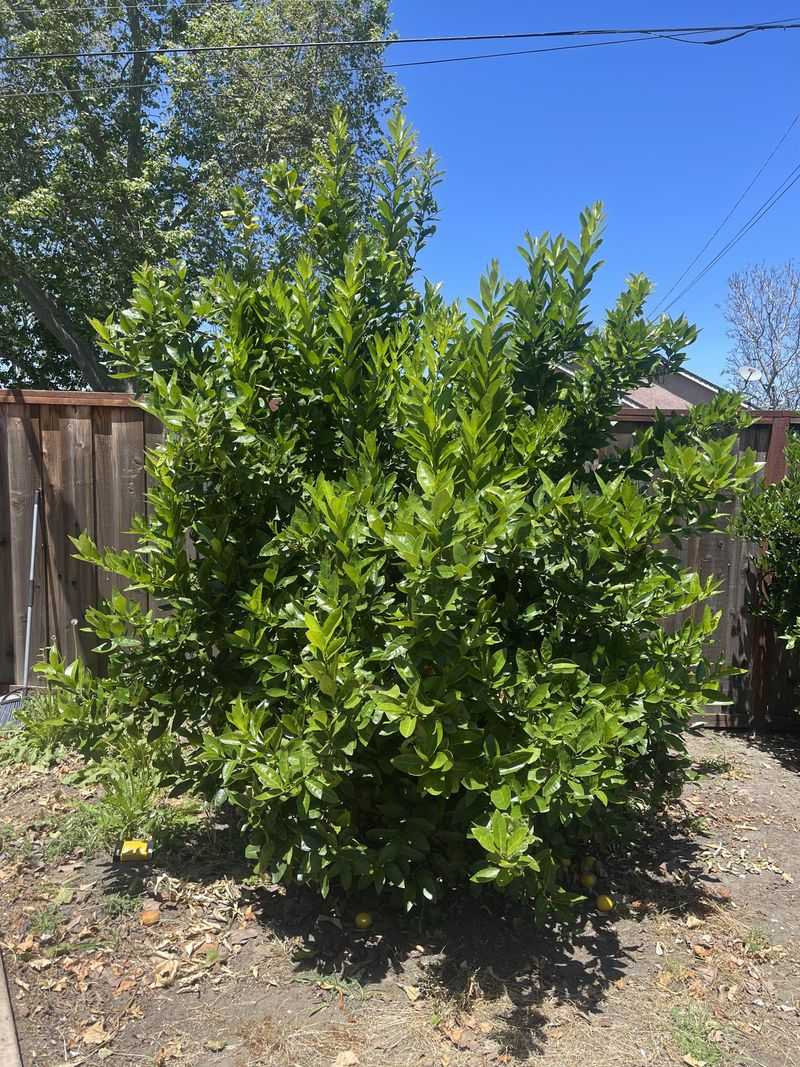
Pruning feels productive, and it can be tempting to cut back a lime tree aggressively to shape it up or reduce its size.
But heavy pruning at the wrong time removes the very branches that were about to produce flowers and fruit.
You can accidentally prune away an entire season’s harvest without realizing it.
Lime trees bloom on new growth, but they also fruit on wood that matured the previous season.
When you cut too much at once, you strip the tree of both its current flowering potential and the branch structure it needs for next year. The result is a tree that looks tidier but produces far less fruit.
Light pruning is almost always better than heavy pruning for fruit trees. Removing damaged or crossing branches, thinning out dense areas for better airflow, and trimming back any branches that touch the ground are all fine to do.
Just avoid cutting back healthy, mature wood unless you have a specific reason to do so.
Timing your pruning right matters too. The best time to prune a lime tree is right after the main harvest, which in California usually falls in late fall or early winter.
Pruning at this point gives the tree time to develop new growth before the next flowering season begins in spring.
Always use clean, sharp tools to make smooth cuts that heal faster and reduce the chance of infection entering the wound.
9. Small Fruit Drop Is Sometimes Normal
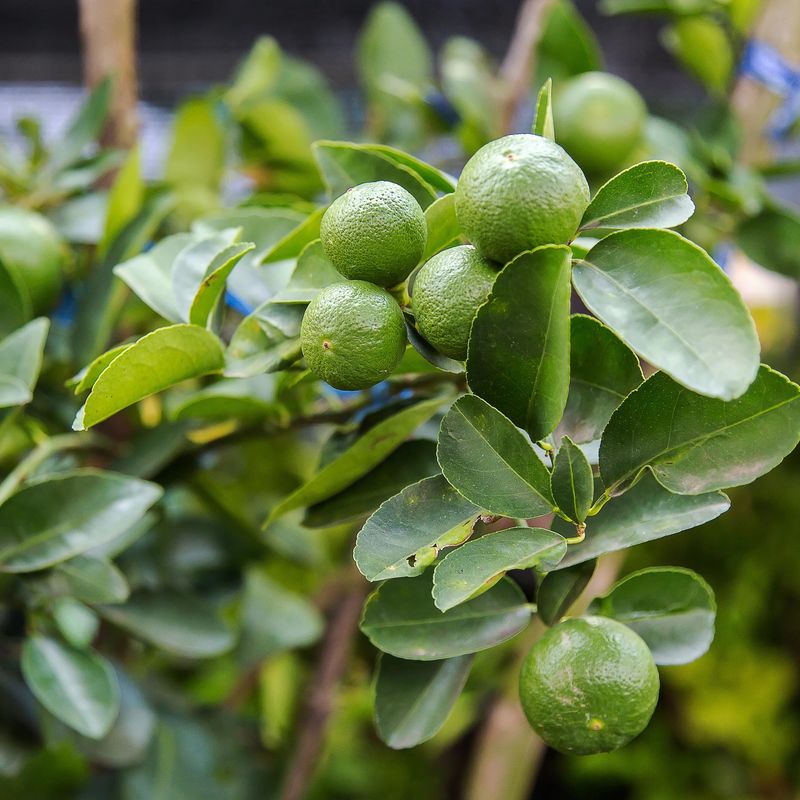
Not every lime that forms on the tree is meant to stay. Lime trees naturally shed some of their developing fruit early in the season, and this process is called June drop, even though it can happen at slightly different times depending on the year.
The tree is essentially thinning itself out to focus its energy on the fruit it can support.
Many growers panic when they see small limes on the ground and assume something is wrong. In most cases, a moderate amount of early fruit drop is completely healthy.
The tree is being smart about its resources, keeping only as many limes as it can ripen properly given its current size and energy level.
The key is knowing the difference between normal thinning and stress-related drop. Normal drop usually involves a small number of tiny, underdeveloped fruit falling over a short period in early summer.
Stress-related drop tends to be heavier, more prolonged, and often comes with other symptoms like yellowing leaves or wilting.
If the drop seems excessive or continues for more than a couple of weeks, look at your watering schedule, fertilizer routine, and recent weather patterns for clues.
But if your tree looks healthy overall and only a handful of small fruit have fallen, there is likely nothing to worry about.
Supporting the tree with consistent water and nutrients during fruit development is the best way to help it hold onto as many limes as possible through harvest.