Arizona Groundcovers That Choke Out Weeds On Slopes And Hills
A steep slope can look neat and under control at the start of the season, but that does not always last for long. Give weeds a little open soil, and they are quick to move in.
Before you know it, a hillside that looked clean and attractive starts looking rough, crowded, and much harder to manage. Keeping up with the problem is not easy when every step feels like extra work.
That is one reason groundcovers have become such a popular choice for challenging areas. The right ones spread across the soil, fill empty gaps, and create a thick layer of growth that leaves less room for weeds to take hold.
Many can also help keep soil where it belongs instead of letting it wash away after rain.
In Arizona, the best groundcovers can turn a frustrating slope into one of the easiest parts of the yard to maintain.
1. Trailing Lantana Spreads Fast Across Difficult Slopes
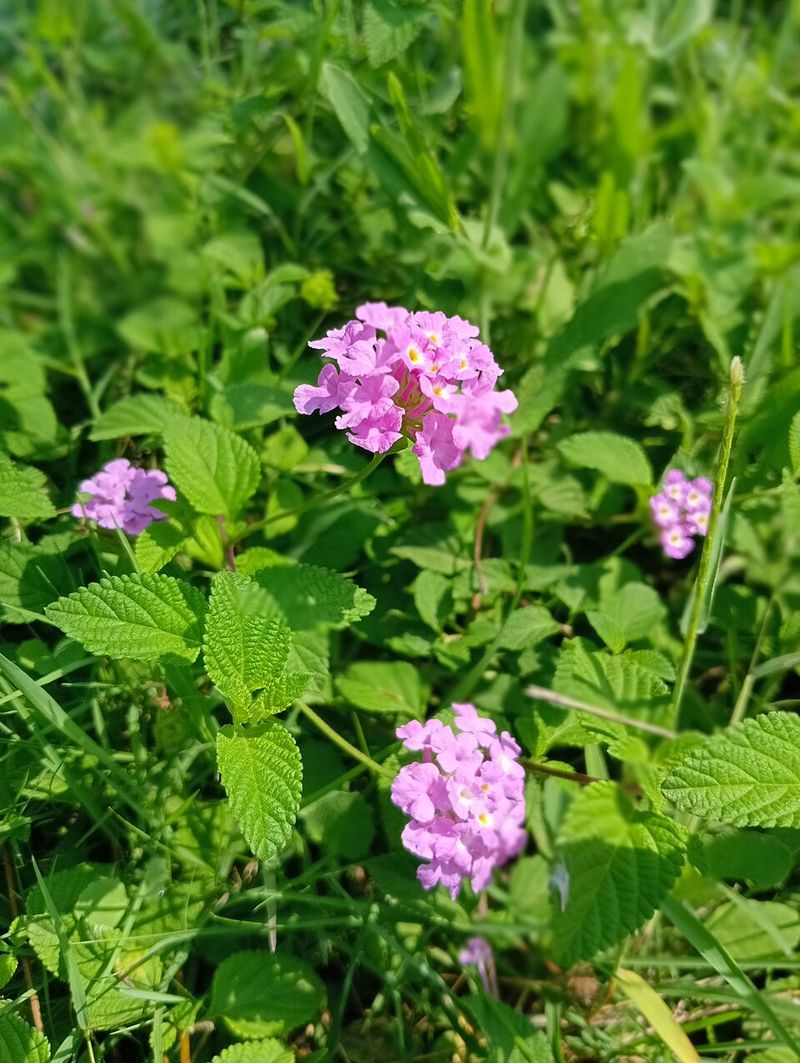
Fast growth makes this flowering groundcover a favorite for covering bare slopes quickly. Trailing stems stretch several feet in a single growing season, creating a dense mat that blocks light from reaching the soil below.
Weeds struggle to compete once lantana fills in.
Clusters of small flowers appear in shades of yellow, orange, purple, or white depending on variety. Blooms attract butterflies and hummingbirds throughout warm months.
The flowers keep coming even during hot summer stretches when other plants pause.
Heat tolerance stands out as a major strength. Full sun and temperatures over 100 degrees don’t slow this tough plant down.
It actually grows better in blazing conditions than in shade. Reflected heat from rocks or walls poses no problem.
Water needs drop significantly after establishment. Deep watering every week or two during summer keeps plants looking their best.
Roots grow deep enough to find moisture between irrigations. Drought tolerance improves each year as the root system matures.
Frost damages the foliage in winter, but roots survive and regrow when warm weather returns. Cutting back frozen stems in spring encourages fresh, vigorous growth.
New shoots emerge quickly once soil temperatures rise above 60 degrees.
Spacing plants 3 to 4 feet apart allows them to merge into solid coverage within one season. Slopes up to 30 degrees work well for this spreading groundcover.
2. Frogfruit Forms A Dense Mat That Crowds Out Weeds
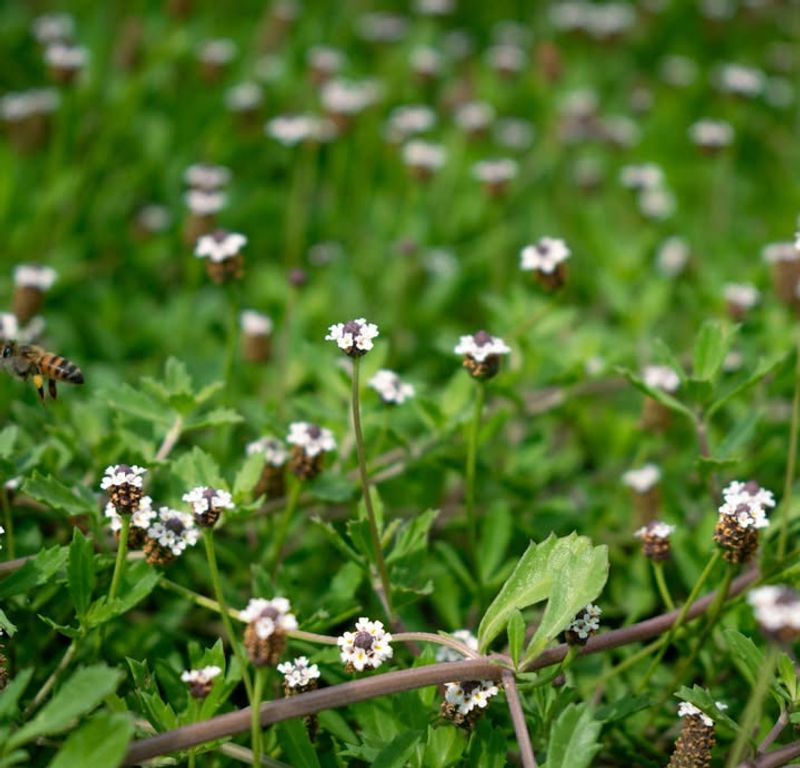
Low growth habit keeps this native groundcover under 3 inches tall while spreading several feet wide. Stems root at every node where they touch soil, creating an interlocking network that weeds cannot penetrate.
The dense mat formation happens faster than most people expect.
Tiny white flowers with purple centers bloom nearly year-round in mild climates. Bees visit constantly, making this an excellent pollinator plant.
The blooms stay small but appear in such abundance that the entire mat looks dotted with color.
Foot traffic tolerance surprises many gardeners. Light walking across established frogfruit causes minimal damage.
The flexible stems bounce back quickly after being stepped on. This makes it useful for paths between stepping stones or along lawn edges.
Your Arizona Garden Changes Every Week. Your Plan Should Too.
Gardening in Arizona changes quickly throughout the season. Every Friday you’ll receive a simple weekly plan showing exactly what to plant, prune, fertilize, harvest, and protect so you never miss the right timing.
Water requirements remain moderate compared to traditional lawns. Weekly deep watering during hot months keeps growth active.
The plant tolerates short dry periods but grows thickest with consistent moisture. Established mats survive on rainfall alone during cooler months.
Cold hardiness varies by microclimate. Protected slopes in warmer valleys keep green foliage through winter.
Exposed hillsides may see some browning during freezes, but recovery happens quickly in spring.
Planting from 4-inch pots spaced 12 to 18 inches apart provides full coverage in one growing season. Slopes benefit from the soil-holding roots that prevent erosion during monsoon rains.
Bare spots fill in without any help once the mat establishes.
3. Silver Ponyfoot Covers Bare Hillsides With Ease
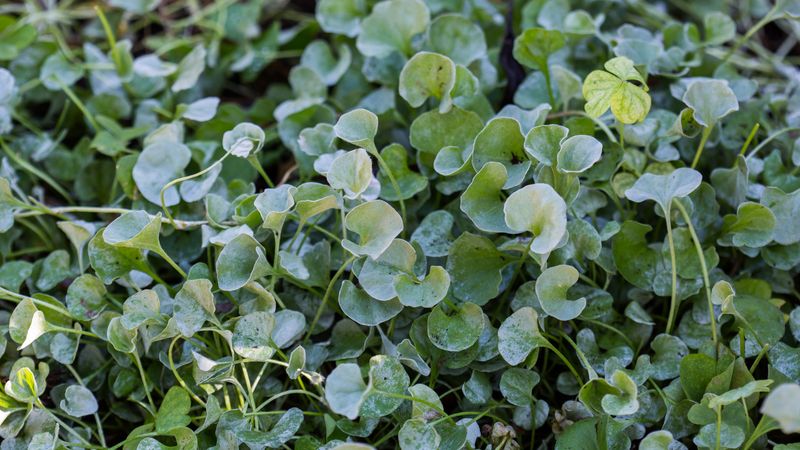
Round leaves with silvery-green color create visual interest while spreading aggressively across slopes. Each leaf measures about the size of a quarter, giving the plant its common name.
The silvery sheen reflects sunlight, helping the plant stay cooler in intense heat.
Aggressive spreading makes this groundcover ideal for large bare areas that need quick coverage. Runners extend rapidly during warm weather, rooting at joints to form new plants.
A single plant can cover 6 feet or more in diameter within two years.
Drought tolerance improves dramatically after the first year. Established plants survive on natural rainfall in many locations.
Supplemental water every two weeks during extreme heat keeps foliage looking fresh. Deep roots access moisture that shallow-rooted weeds cannot reach.
Small yellow flowers appear in spring and sporadically through summer. Blooms stay close to the foliage and don’t create much visual impact.
The real show comes from the attractive leaf color and dense growth pattern.
Slopes with rocky or poor soil pose no challenge. This tough groundcover grows in spots where other plants struggle.
It actually prefers lean soil over rich, amended ground. Fertilizer encourages excessive growth that becomes harder to manage.
Winter appearance depends on frost exposure. Leaves may brown during hard freezes but typically stay evergreen in protected microclimates.
Spring growth covers any winter damage quickly. Spacing plants 2 to 3 feet apart provides solid coverage within 18 months on most slopes.
4. Creeping Germander Creates Thick Weed-Blocking Growth
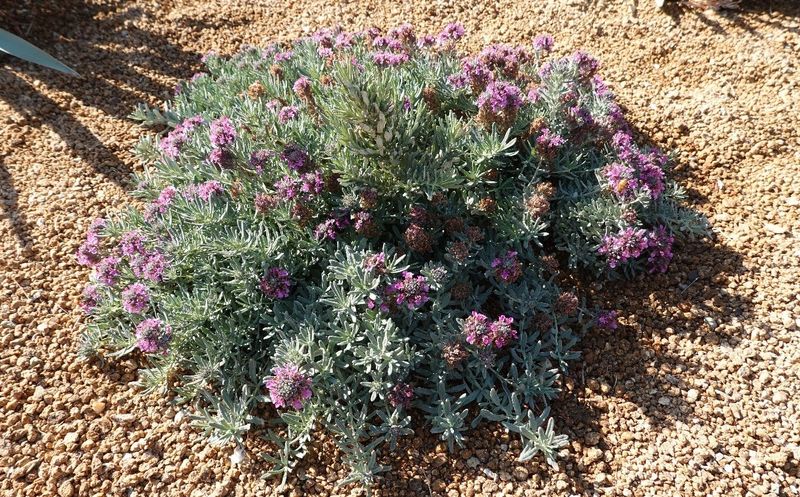
Woody stems create a permanent framework that gets thicker each year. Growth stays under 6 inches tall while spreading 3 feet or more in width.
The woody base prevents weeds from pushing through, unlike soft-stemmed groundcovers that weeds can penetrate.
Purple flower spikes emerge in late spring, standing above the foliage on short stems. Blooms last for several weeks and attract native bees.
The flowers add a welcome splash of color to slopes that might otherwise look monotone.
Extreme heat tolerance makes this Mediterranean native perfect for exposed slopes. Full sun all day long suits it perfectly.
Reflected heat from rocks or walls actually encourages denser growth. Shade causes the plant to stretch and become less compact.
Water needs remain low after establishment. Deep watering once every 10 to 14 days during summer maintains healthy growth.
Plants tolerate longer dry periods but may drop some lower leaves. Recovery happens quickly when regular watering resumes.
Evergreen foliage provides year-round coverage and color. Leaves stay green through winter in most areas.
Hard freezes may cause some tip damage, but the woody stems protect growing points. New growth appears early in spring.
Pruning once yearly keeps plants compact and promotes dense branching. Shearing back by one-third after flowering encourages fresh growth.
The woody stems handle aggressive trimming without damage. Spacing plants 2 feet apart creates a solid mat within two growing seasons on slopes up to 25 degrees.
5. Ground Morning Glory Fills Open Ground Quickly
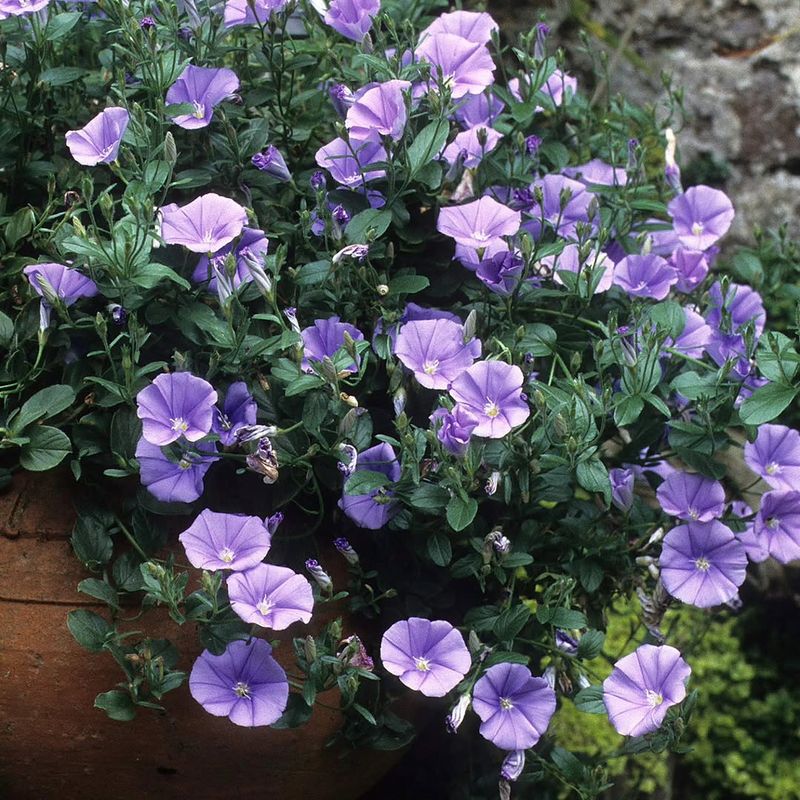
Rapid growth from seed or transplants makes this native groundcover a budget-friendly choice for large slopes. Stems can extend several feet in just weeks during warm weather.
The speed of coverage surprises even experienced gardeners.
White trumpet-shaped flowers open in morning and close by afternoon. Blooms appear throughout the growing season, peaking in spring and fall.
The flowers measure about an inch across and create a carpet of white when blooming heavily.
Arrow-shaped leaves create an attractive texture that looks different from typical groundcovers. Foliage stays relatively fine-textured despite vigorous growth.
The leaves form overlapping layers that block sunlight effectively.
Heat and drought tolerance improve as roots mature. Young plants need regular water to establish quickly.
Mature plants survive on minimal irrigation, though they look better with occasional deep watering during extended dry spells.
Slopes benefit from the extensive root system that holds soil during heavy rains. Roots penetrate deeply while also spreading horizontally near the surface.
This dual root structure provides excellent erosion control on steep ground.
Winter dormancy means the plant browns completely after frost. Dormant foliage provides some weed suppression through winter.
Regrowth starts quickly in spring when soil warms. Some gardeners prefer to cut back older stems for a neater appearance.
Seeding directly on slopes works well if you can water regularly until germination. Transplants from 4-inch pots spaced 3 feet apart fill in during one season.
The aggressive nature means this plant can spread beyond intended areas, so plan accordingly.
6. Prostrate Rosemary Holds Soil On Sunny Banks
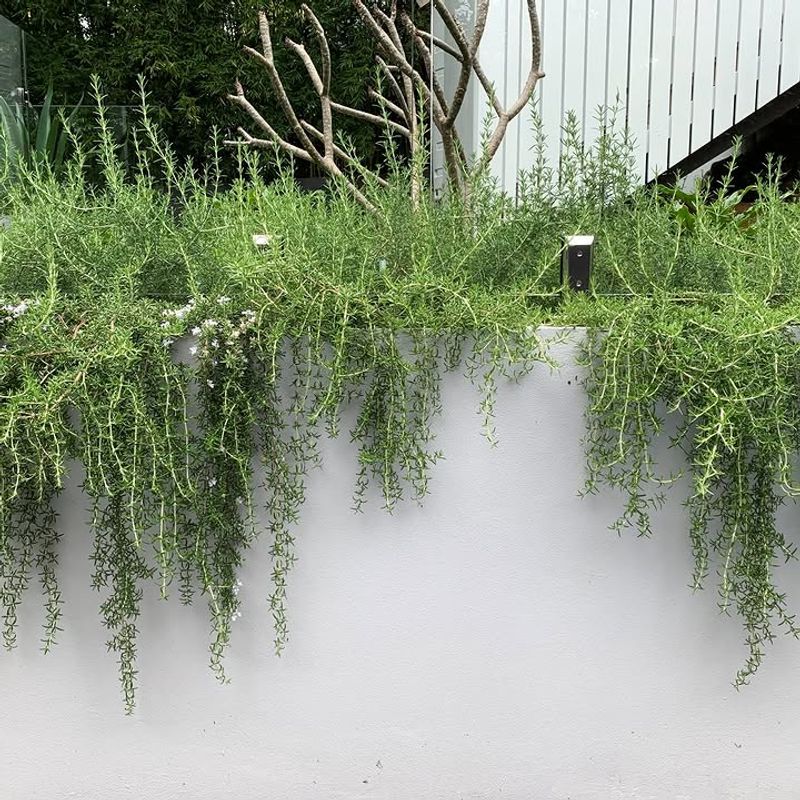
Trailing stems cascade beautifully down slopes while creating a fragrant groundcover that weeds avoid. Growth reaches 2 feet tall and spreads 6 to 8 feet wide at maturity.
The cascading habit works especially well on retaining walls or steep banks where the stems can drape naturally.
Blue flowers appear in winter and spring, providing color when many other plants rest. Blooms attract bees during months when few other flowers are available.
The flowering period can last several months in mild winters.
Aromatic foliage releases fragrance when brushed or crushed. The familiar rosemary scent makes this groundcover a sensory experience.
Deer and rabbits typically avoid it due to the strong oils in the leaves.
Full sun and excellent drainage are essential for success. Slopes provide the perfect growing conditions because water never pools around roots.
Clay soil or areas that stay damp cause root problems, so stick to well-drained sites.
Drought tolerance ranks among the best of all groundcovers. Established plants survive on rainfall alone in many locations.
Deep watering once monthly during summer keeps foliage looking fresh. Overwatering causes more problems than underwatering.
Pruning keeps plants dense and prevents woody centers from developing. Light trimming several times yearly encourages branching.
The stems root where they touch soil, gradually expanding coverage. Hard pruning rejuvenates old plants that have become sparse.
Spacing plants 4 to 5 feet apart allows them to merge within 2 to 3 years. The woody stems create permanent structure that outlasts most other groundcovers.
Slopes up to 35 degrees work well for this tough Mediterranean plant.
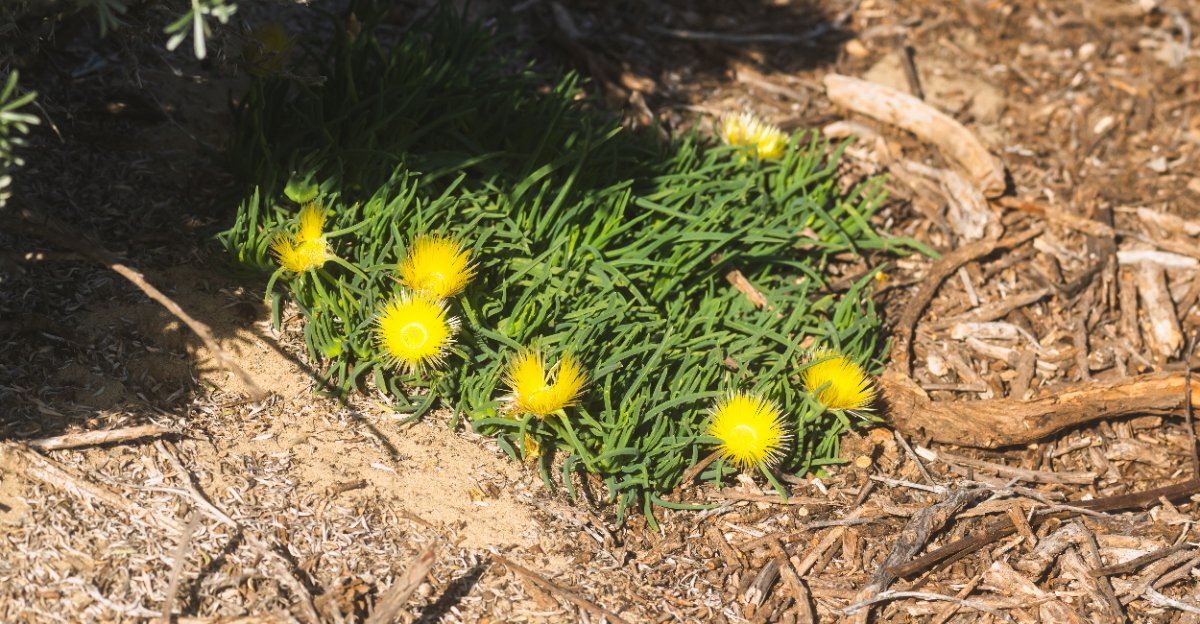
7. Rocky Point Ice Plant Blankets Slopes With Dense Coverage
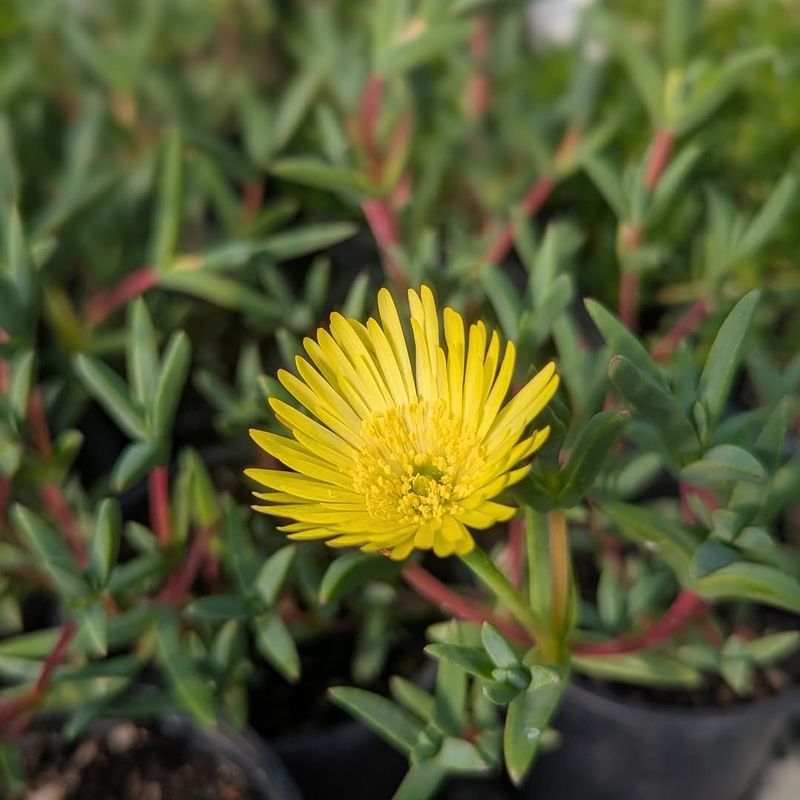
Succulent leaves store water in thick tissues, allowing this groundcover to survive conditions that would stress other plants. Foliage forms a dense mat that completely covers the ground.
The fleshy leaves overlap so thoroughly that soil becomes invisible beneath the coverage.
Magenta flowers create a spectacular display in spring. Blooms cover the entire plant so densely that foliage almost disappears under the color.
The flowering period lasts several weeks, creating a stunning visual impact on slopes.
Extreme drought tolerance makes this plant nearly indestructible once established. Supplemental water is rarely needed except during the first growing season.
The succulent leaves hold enough moisture to survive months without rain. Growth slows during drought but resumes quickly when water returns.
Rocky or poor soil actually suits this groundcover better than rich, amended ground. It thrives in conditions where other plants struggle.
Gravel, decomposed granite, or native rocky soil all work well. Adding organic matter or fertilizer encourages excessive growth that becomes floppy.
Slopes benefit from the weight of the succulent foliage that helps hold soil in place. The thick mat prevents erosion during heavy rains.
Roots spread horizontally near the surface, creating a stabilizing network.
Fire resistance provides an added benefit in areas prone to wildfires. The succulent leaves contain high moisture content that resists ignition.
Many communities recommend this plant for defensible space zones.
Spacing plants 2 to 3 feet apart provides full coverage within one year. Growth accelerates during warm weather and slows in winter.
Occasional trimming keeps plants compact and promotes denser branching.
8. Damianita Stays Compact While Limiting Weed Growth
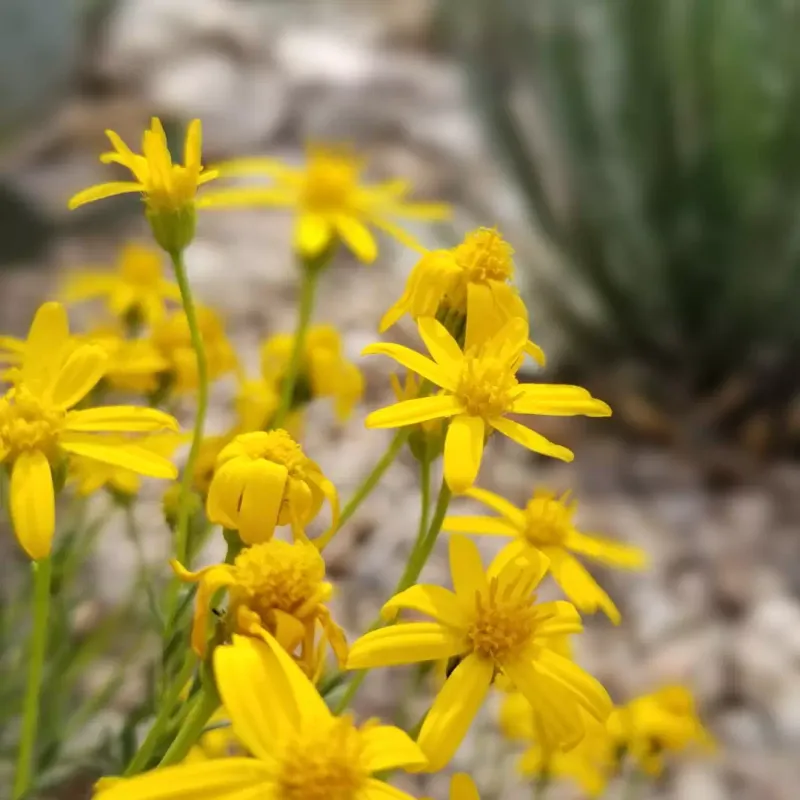
Compact mounding growth creates a dense barrier without aggressive spreading. Plants stay under 12 inches tall and spread about 2 feet wide.
The tidy growth habit appeals to gardeners who want weed control without invasive spreading.
Bright yellow daisy flowers bloom heavily in spring and sporadically through summer. Blooms cover the entire plant during peak flowering, creating golden mounds across slopes.
The cheerful color brightens landscapes that might otherwise look drab.
Aromatic foliage releases a pleasant scent similar to chamomile when brushed. The fragrance adds another dimension to the garden experience.
Deer and rabbits leave this plant alone due to the aromatic oils.
Native origin means this plant evolved for desert conditions. It handles extreme heat, intense sun, and poor soil without complaint.
Rocky slopes or caliche hardpan pose no challenge. The plant actually prefers lean soil over rich, amended ground.
Water requirements remain minimal after establishment. Deep watering every two weeks during summer maintains healthy growth.
Plants survive on natural rainfall during cooler months. Overwatering causes root problems and reduces flowering.
Evergreen foliage provides year-round interest and coverage. Leaves stay green through winter in most areas.
Hard freezes may cause some damage, but plants recover quickly in spring. The woody stems protect growing points from cold damage.
Spacing plants 18 to 24 inches apart creates a cohesive planting that limits weed growth between plants. The compact nature means coverage takes longer than spreading groundcovers, usually 2 to 3 years for complete fill.
Patience pays off with a neat, manageable slope that needs little maintenance once established.