What It Means If You Find A Greater Short Horned Lizard In Arizona
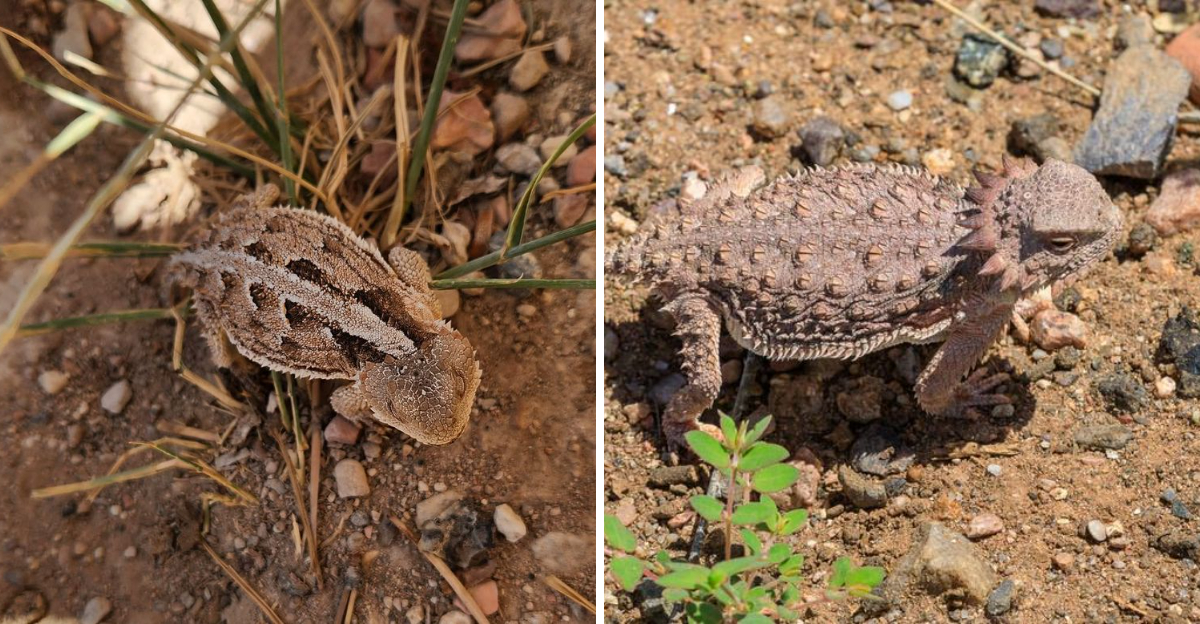
Spotting a greater short-horned lizard is something many people remember for years. They are so well hidden that countless people spend a lifetime outdoors without ever noticing one.
Blending into the desert is part of what makes this little reptile so remarkable. When one finally appears, it is usually because the conditions around it are just right.
Every wildlife sighting has a story behind it. This one says more about the surrounding landscape than most people realize.
Arizona is one of the few places where you might be lucky enough to see this unusual lizard in the wild. That alone makes every encounter feel special.
Finding one is never an ordinary moment.
A single sighting offers a rare glimpse into a part of the desert that often stays completely hidden from view.
1. It Usually Means The Habitat Is Still Healthy
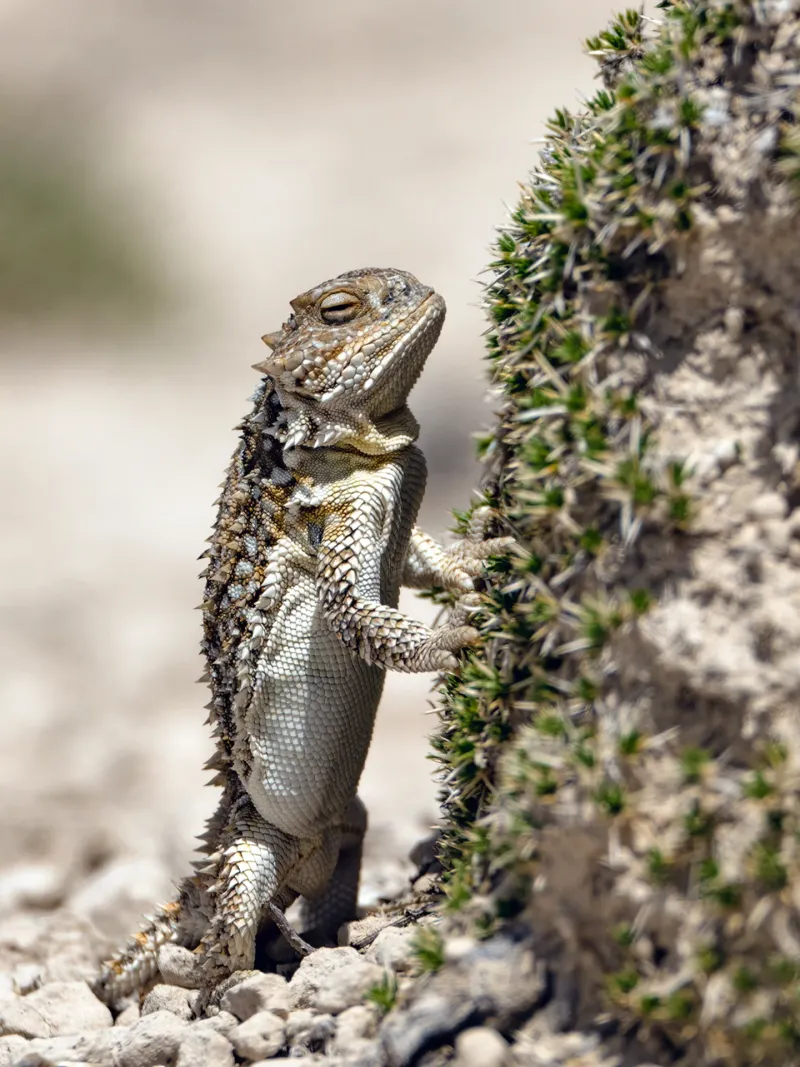
A lizard like this does not just show up anywhere. Finding a Greater Short Horned Lizard in a given area is a strong signal that the local habitat is still in decent shape.
These lizards are sensitive to environmental changes, so their presence often points to land that has not been heavily disturbed.
Healthy soil, native plant cover, and minimal human development all support the conditions this species needs to survive. Rocky terrain mixed with open patches of ground gives them space to bask, forage, and shelter.
If those elements are missing, you are far less likely to spot one.
Overgrazing, heavy foot traffic, and invasive plant species can all reduce the quality of habitat these lizards depend on. A sighting, especially in an area with good native vegetation, suggests the land is still functioning as it should.
Preserving that habitat matters. Staying on marked trails, avoiding trampling native plants, and not disturbing rock formations helps maintain the conditions that allow these lizards to persist.
Paying attention to where you spotted the lizard can also help local wildlife observers track population health over time. Noting the location and reporting it to a local naturalist group or wildlife organization is a small but genuinely useful step.
2. Nearby Native Ant Colonies Are Likely Present
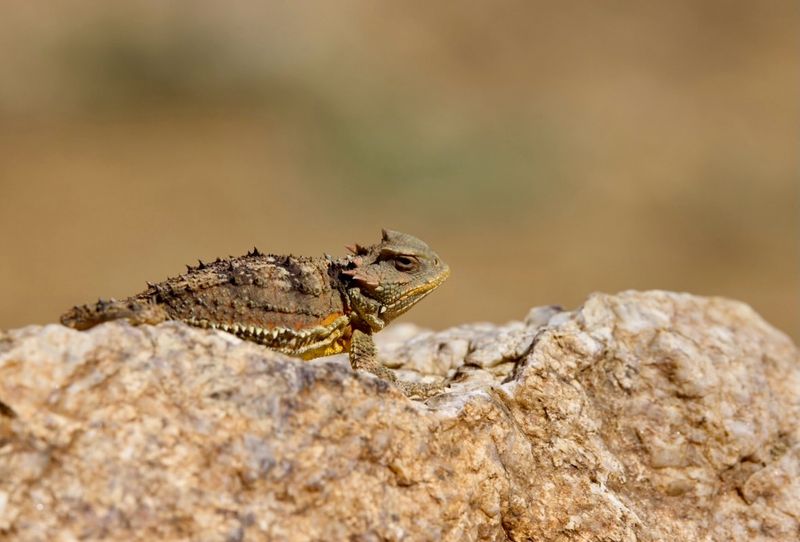
Short horned lizards are ant specialists. Harvester ants make up a huge portion of their diet, and without a reliable ant population nearby, these lizards simply cannot thrive.
Spotting one is a pretty good clue that active ant colonies are somewhere close by.
Harvester ants are native to arid and semi-arid regions across the Southwest. They build large underground colonies and forage across open ground, which makes them easy targets for a patient lizard.
Short horned lizards will often sit near ant trails and pick them off one by one.
This feeding behavior means the lizard you spotted is likely sticking to a fairly small home range centered around food sources.
If you look carefully at the ground nearby, you might actually spot harvester ant mounds, which are often surrounded by small cleared circles of bare soil.
The presence of both species in the same area reflects a functioning food web. Native ants support lizards, and lizards in turn are prey for larger predators like hawks and snakes.
Your Arizona Garden Changes Every Week. Your Plan Should Too.
Gardening in Arizona changes quickly throughout the season. Every Friday you’ll receive a simple weekly plan showing exactly what to plant, prune, fertilize, harvest, and protect so you never miss the right timing.
Disrupting ant colonies through pesticide use or soil disturbance can have a ripple effect on the lizards that depend on them. Keeping that chain intact is part of what makes native desert ecosystems so worth protecting.
3. The Ground Provides Ideal Burrowing Conditions
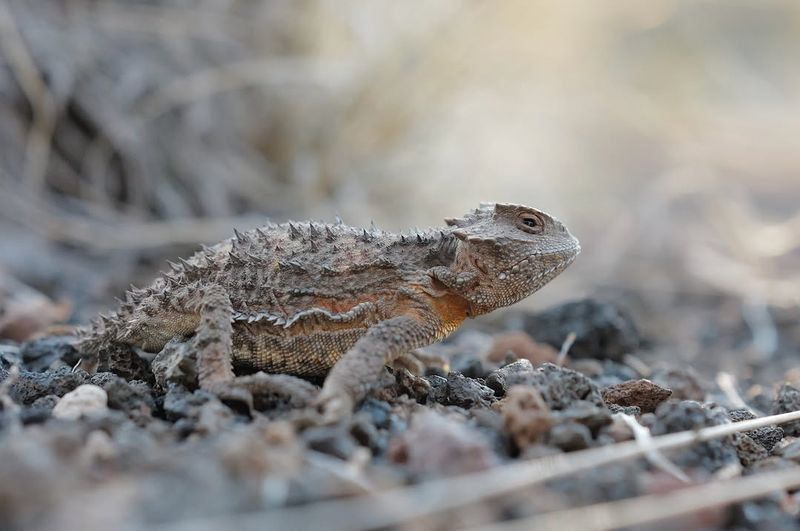
Not every patch of ground works for a short horned lizard. Loose, sandy, or gravelly soil is essential for burrowing, which is how these lizards regulate their body temperature and escape extreme heat.
Finding one in a specific spot tells you something real about the ground beneath your feet.
Burrowing also helps them avoid predators. When threatened, they can shuffle quickly into loose soil and nearly vanish.
That ability depends entirely on the soil being soft enough to allow it. Compacted or rocky ground without any loose substrate makes that nearly impossible.
Arizona’s desert floors often have a mix of soil types, and short horned lizards tend to favor areas where softer patches sit near rocks or shrubs. The rocks offer basking spots and cover, while the loose soil nearby gives them a retreat when needed.
If you noticed the lizard near a soft patch of ground or saw it partially buried, that behavior was intentional. Avoiding the urge to dig around or disturb that area is a good call.
Loose desert soil also supports plant roots and microorganisms, so keeping foot traffic minimal in those spots helps more than just the lizard. Healthy ground structure is easy to overlook but genuinely important to the whole desert system.
4. They Rely On Camouflage To Stay Hidden
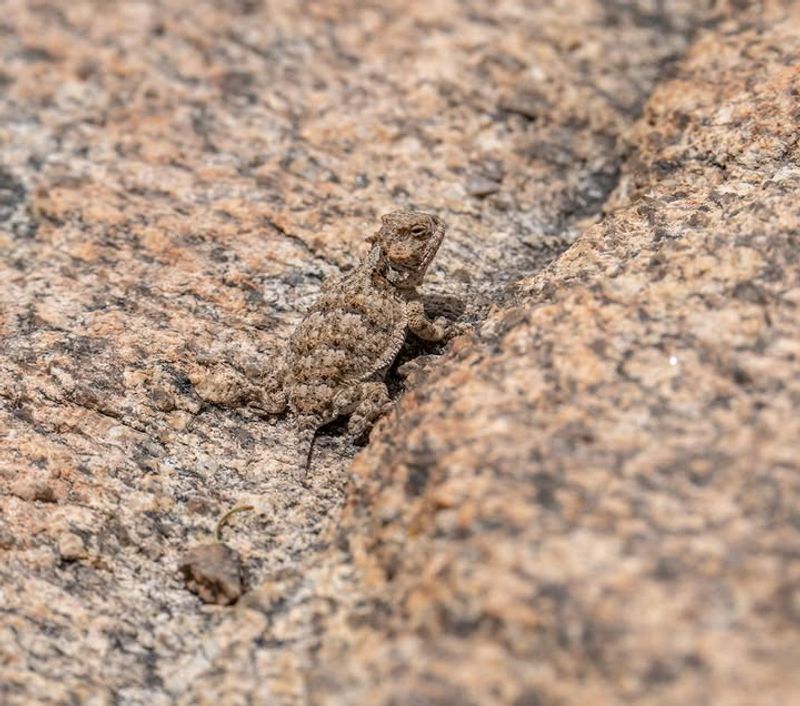
Blending in is this lizard’s greatest survival tool. Greater Short Horned Lizards have coloring that closely matches the rocks, soil, and dry debris around them.
Most people who walk near one never even realize it is there.
Their flattened body shape and textured skin break up their outline on the ground. From above, they look almost exactly like a chunk of rock or a patch of dried mud.
That camouflage is not accidental. It has developed over a very long time as a response to predators like hawks, roadrunners, and snakes.
If you did spot one, you likely either got very close before noticing it or caught it moving. Movement is usually what gives them away.
Once they freeze, they become extremely hard to see again, even when you know where to look.
Because camouflage is their main defense, sudden movement or loud noise near them can cause real stress. Crouching down slowly and staying still gives you a much better view without pushing them to flee or freeze up in a panic.
Pointing them out to others by gently directing attention rather than grabbing or poking also keeps the encounter calm. Appreciating how well-adapted they are to their environment makes the sighting even more rewarding.
5. Handling Them Can Cause Unnecessary Stress
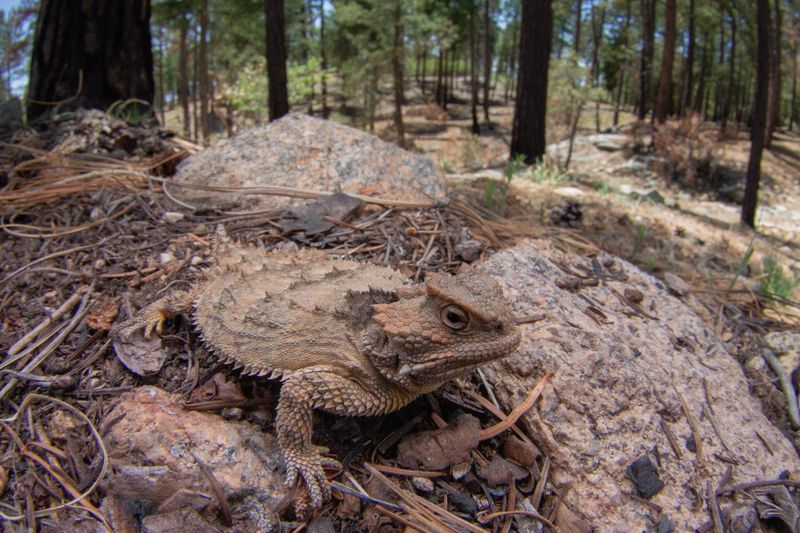
Picking up a wild lizard might seem harmless, but for the lizard it can be a genuinely overwhelming experience. Short horned lizards have a well-known defense response where they squirt blood from their eyes when they feel cornered or threatened.
That response is a sign of extreme stress, not a party trick.
Beyond that dramatic defense, being handled raises their heart rate, disrupts their thermoregulation, and can cause them to lose heat or energy at a critical time. In the desert, energy management is serious business.
Losing even a small amount of body heat at the wrong moment can affect their ability to forage or escape later.
Some people assume that because a lizard holds still, it is comfortable. Often the opposite is true.
Freezing is a fear response. Staying motionless is how they avoid drawing attention from predators, and a human hand feels no different to them.
Leaving them where they are is genuinely the kindest option. Watching from a short distance, maybe a few feet away, lets you observe natural behavior without interfering.
If you want a closer look, a pair of small binoculars works great. Taking photos from a respectful distance also gives you a better shot than hovering directly over a stressed-out lizard trying to stay still.
6. Sightings Are More Common During Warm Weather
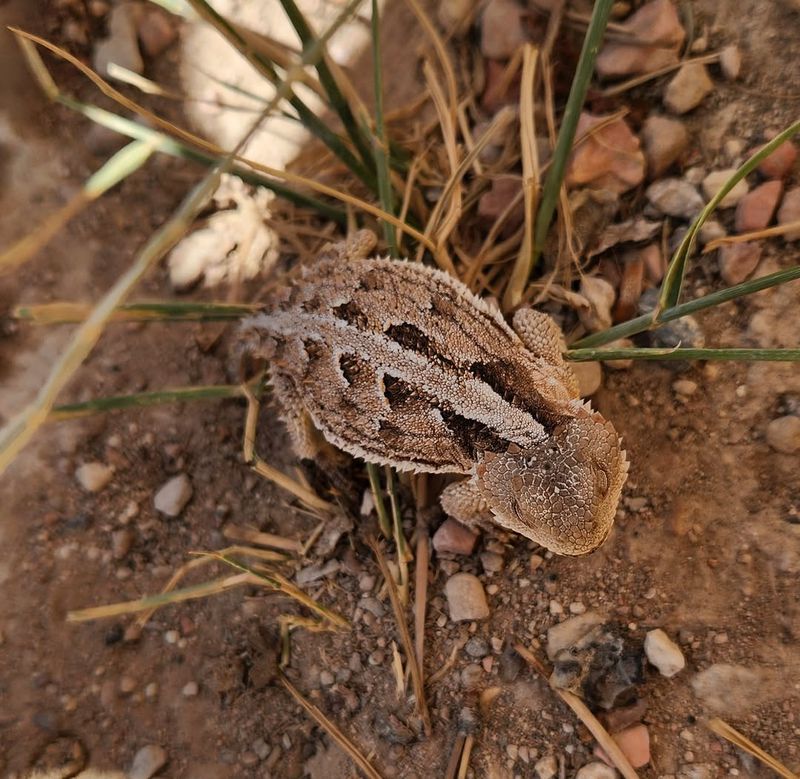
Warm months bring short horned lizards out into the open. Like most reptiles, they are ectothermic, meaning they rely on external heat sources to warm their bodies.
When temperatures rise in spring and early summer, activity peaks and sightings become much more likely.
Early morning and late afternoon tend to be the best windows for spotting them. Midday heat in Arizona’s desert can be intense, and lizards often retreat to shade or burrow down during the hottest hours.
Catching one basking on a flat rock in the morning is a classic encounter.
By late fall, activity slows considerably. Short horned lizards brumate during colder months, which is a dormancy period similar to hibernation in mammals.
They bury themselves in the ground and remain largely inactive until warmth returns. A sighting in winter is unusual and worth noting.
Seasonal timing also overlaps with breeding activity. Late spring sightings may include females that are gravid, meaning they are carrying developing young.
Short horned lizards give birth to live young rather than laying eggs, which sets them apart from many other lizard species. Seeing a noticeably round or wide-bodied lizard during that season likely means a female preparing to give birth.
Giving her extra space during that period is especially considerate.
7. Watching From A Distance Is The Best Approach
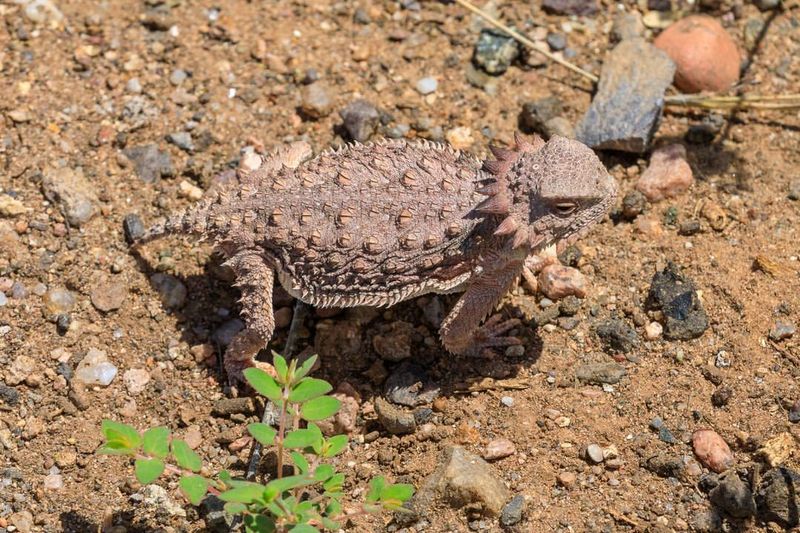
Getting a good look at a short horned lizard does not require getting close. Watching from a few feet away, staying low, and moving slowly gives you a genuine window into natural behavior.
Rushing in tends to end the encounter fast.
These lizards go about their day in a fairly predictable rhythm. Basking, short bursts of movement toward food, and long periods of stillness are all part of it.
When they feel unobserved, they relax and behave naturally. That is when the most interesting behavior shows up.
Bringing a small notebook or using your phone to jot down what you see adds real value to the experience. Recording the time, location, temperature, and what the lizard was doing contributes useful data.
Citizen science platforms like iNaturalist let you log sightings in a way that actually helps researchers track populations across the region.
Sharing the location with others who love wildlife is great, but encouraging respectful observation habits matters just as much. A well-meaning crowd that gets too close can scatter lizards and disrupt feeding patterns.
Keeping the encounter quiet and unhurried is the approach that works best for everyone involved.
Short horned lizards have been part of this landscape for a very long time, and a little patience on your part helps keep it that way.